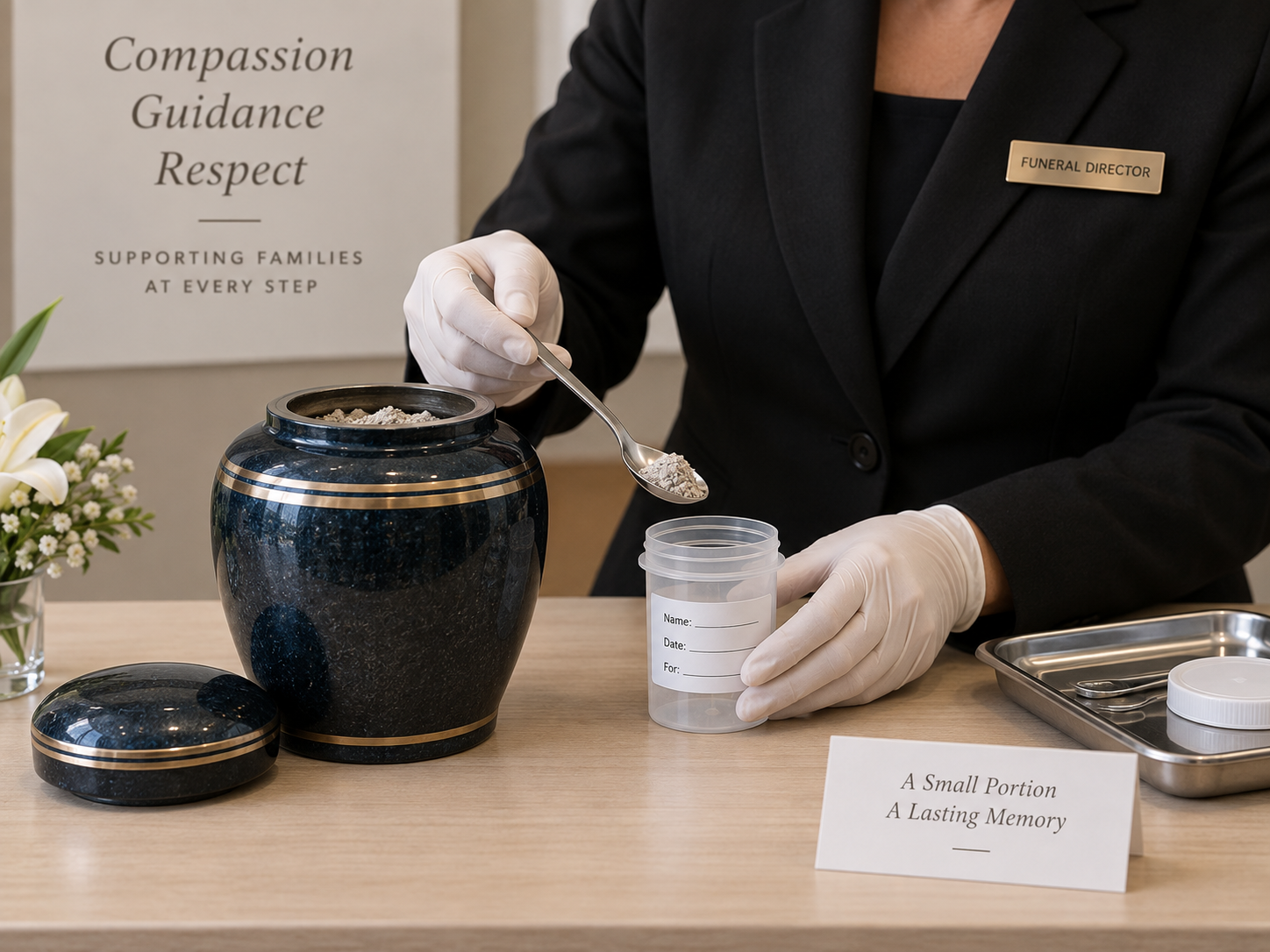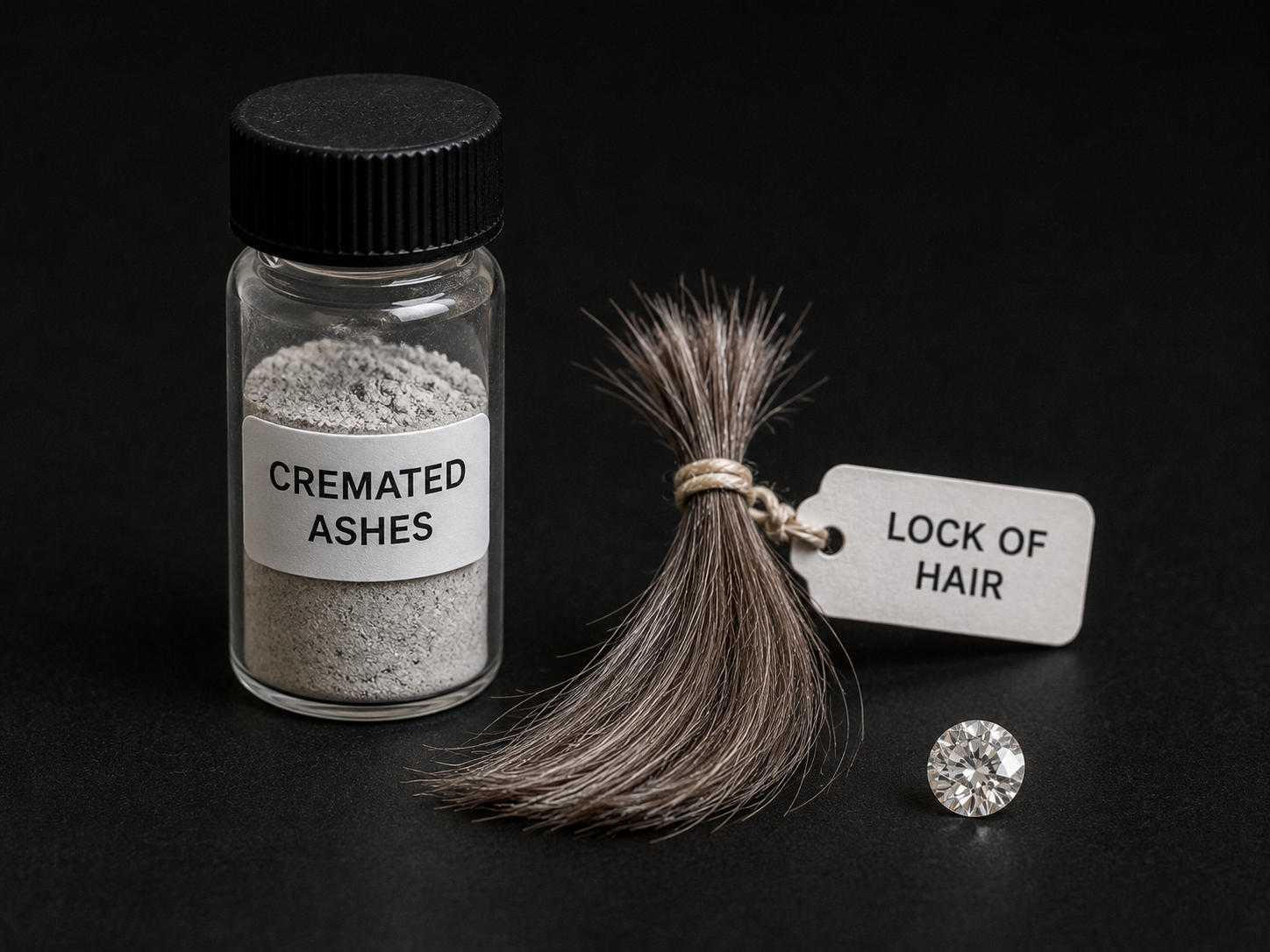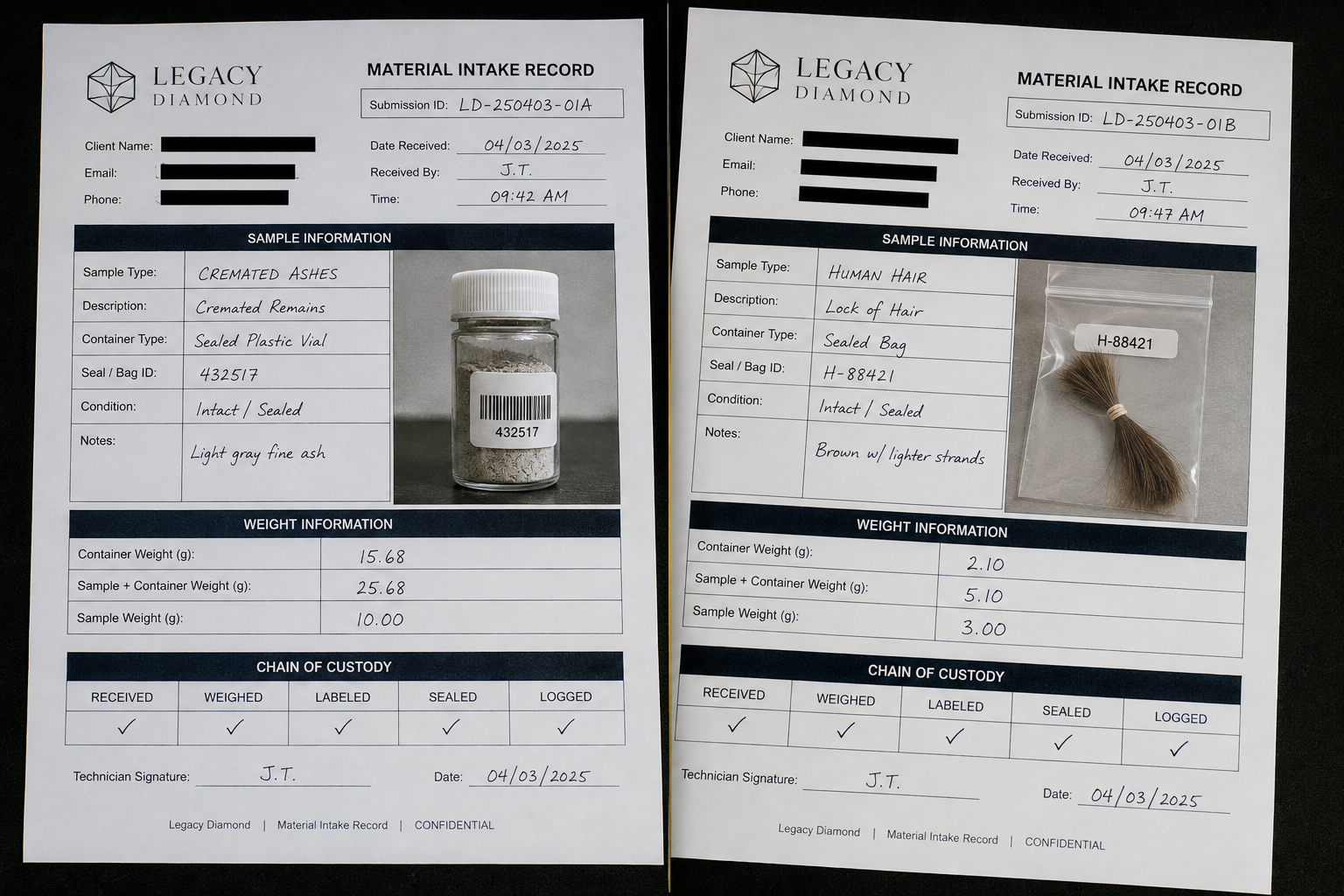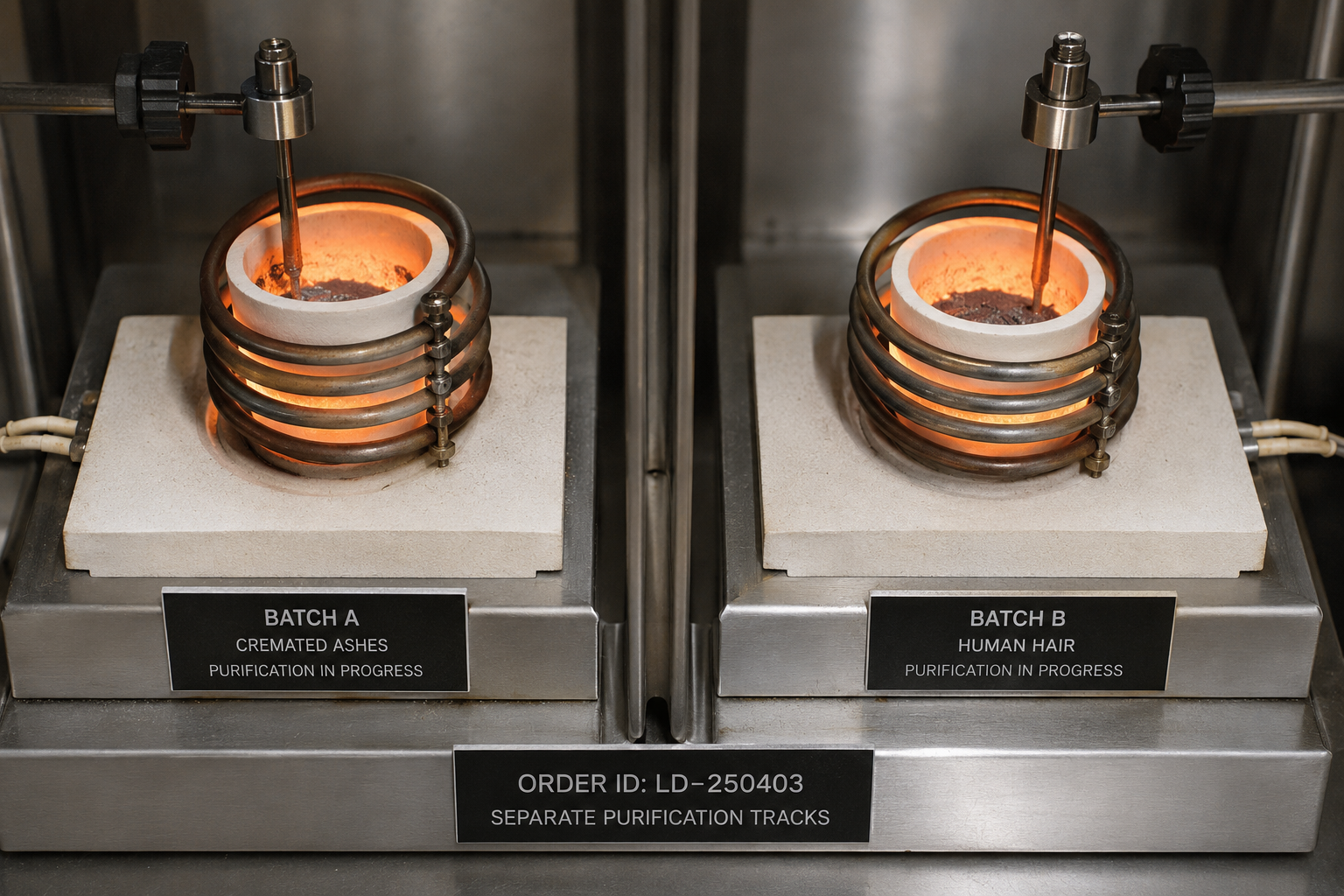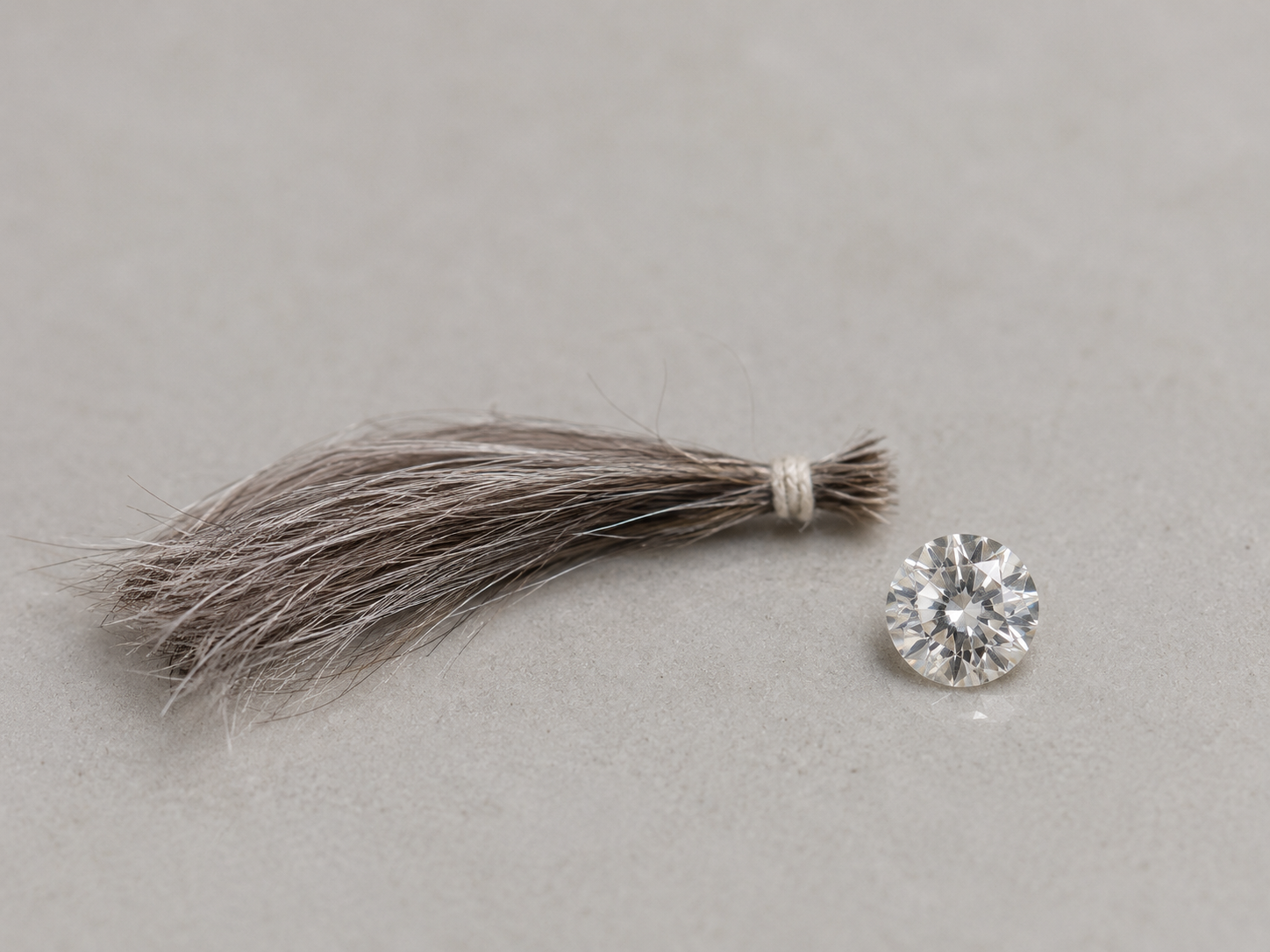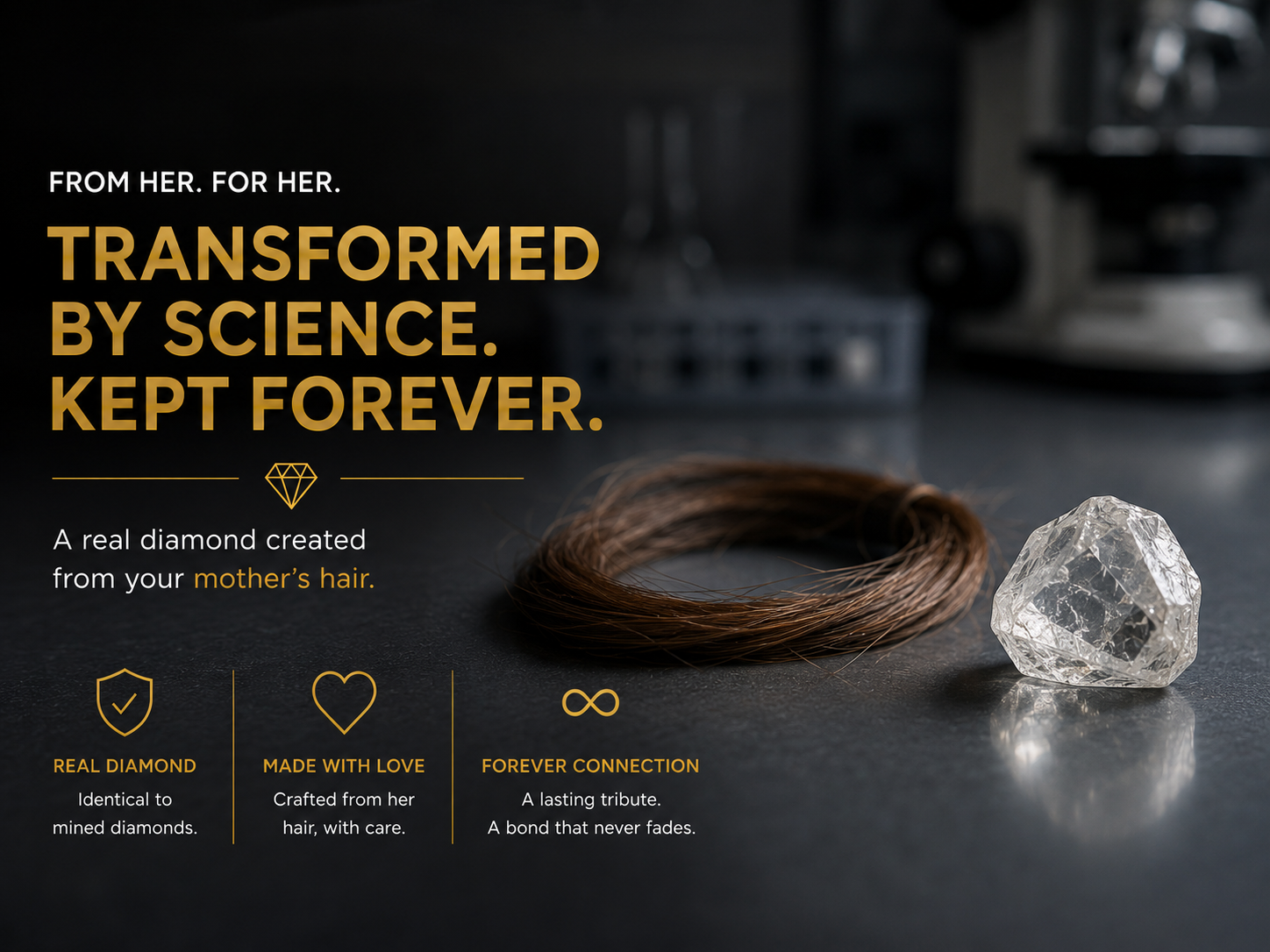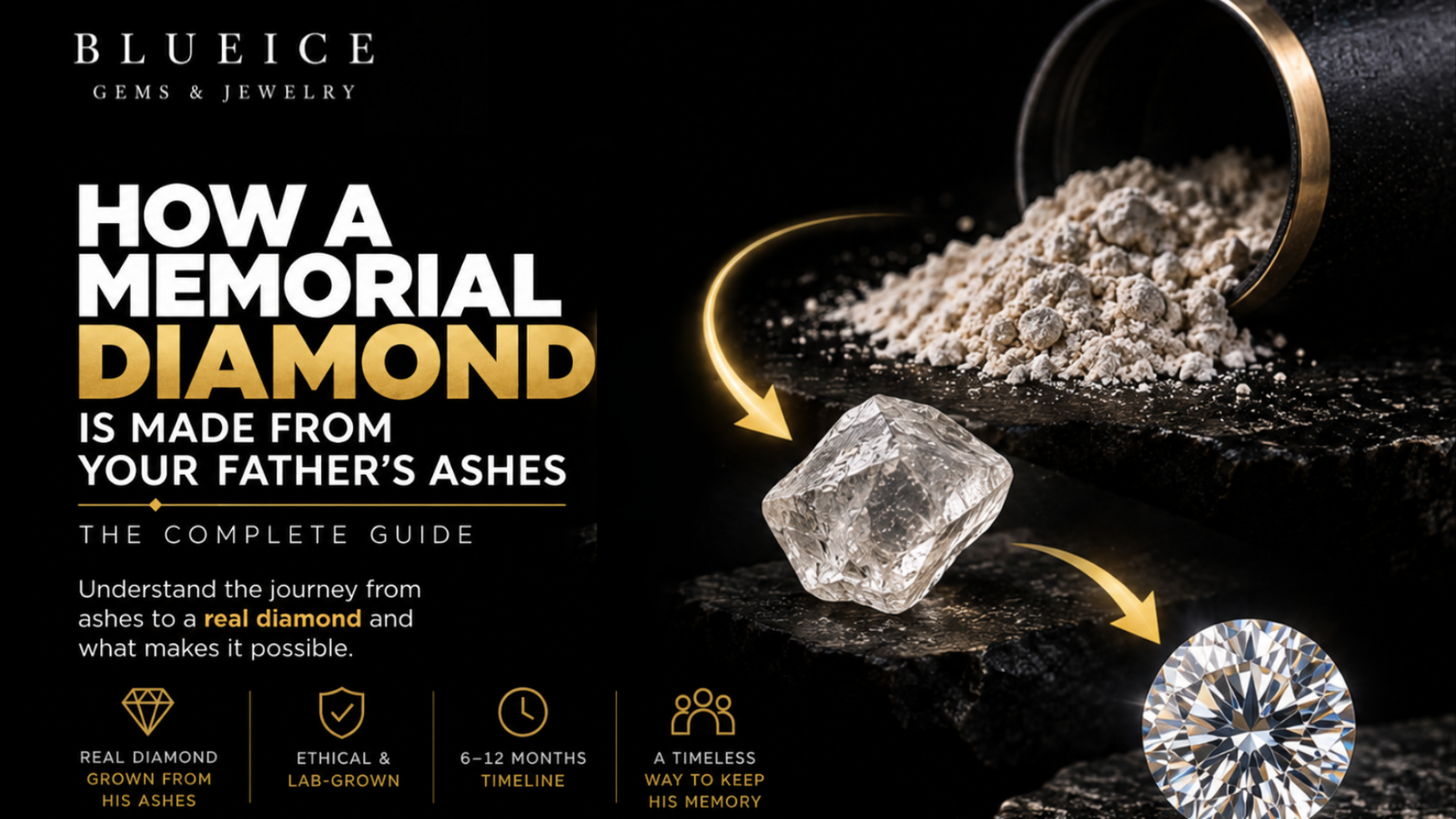
A memorial diamond made from your father’s ashes begins with a small portion of cremated remains and ends as a polished diamond that you can keep close for years to come. Between those two points, the material passes through several carefully controlled laboratory stages. The laboratory first identifies and extracts usable carbon, purifies it, converts it into graphite, and prepares it for diamond growth. After the crystal develops, the rough stone undergoes cutting, polishing, and grading.
Understanding this journey can make the process easier to understand, especially when you want to know what actually comes from your father’s remains, why additional carbon may be needed, and how the laboratory turns the recovered carbon into a genuine diamond.
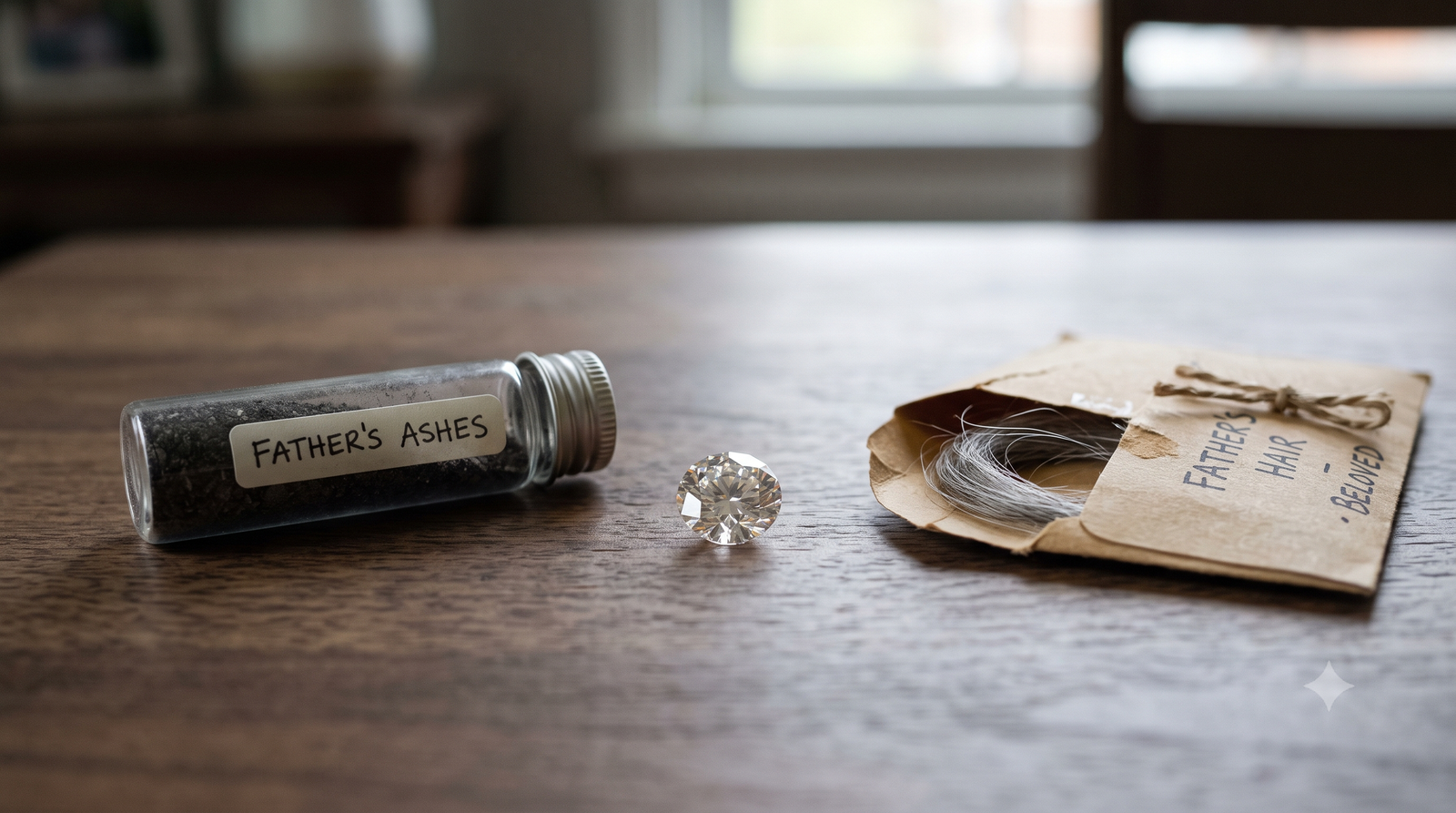
What Is a Memorial Diamond Made From?
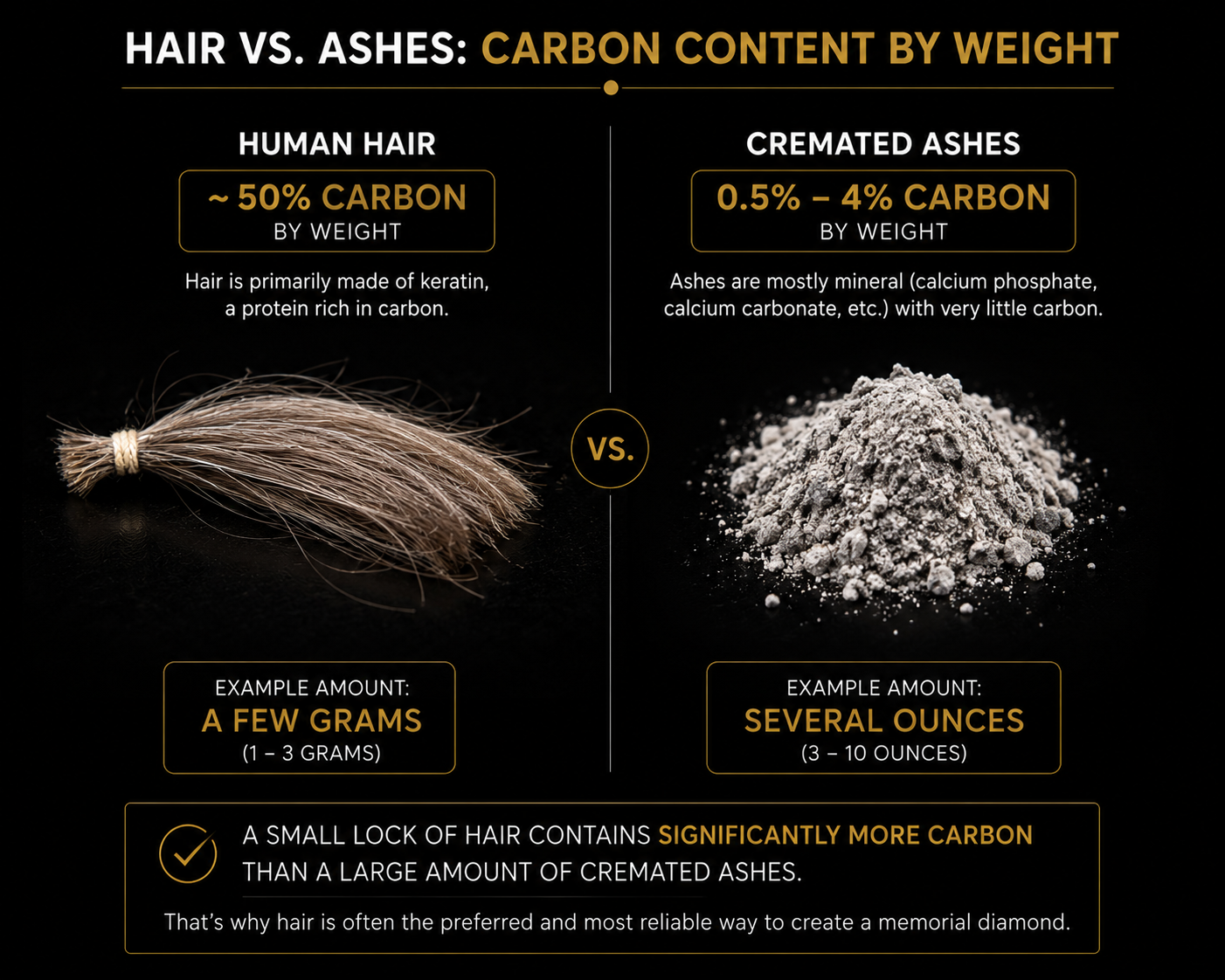
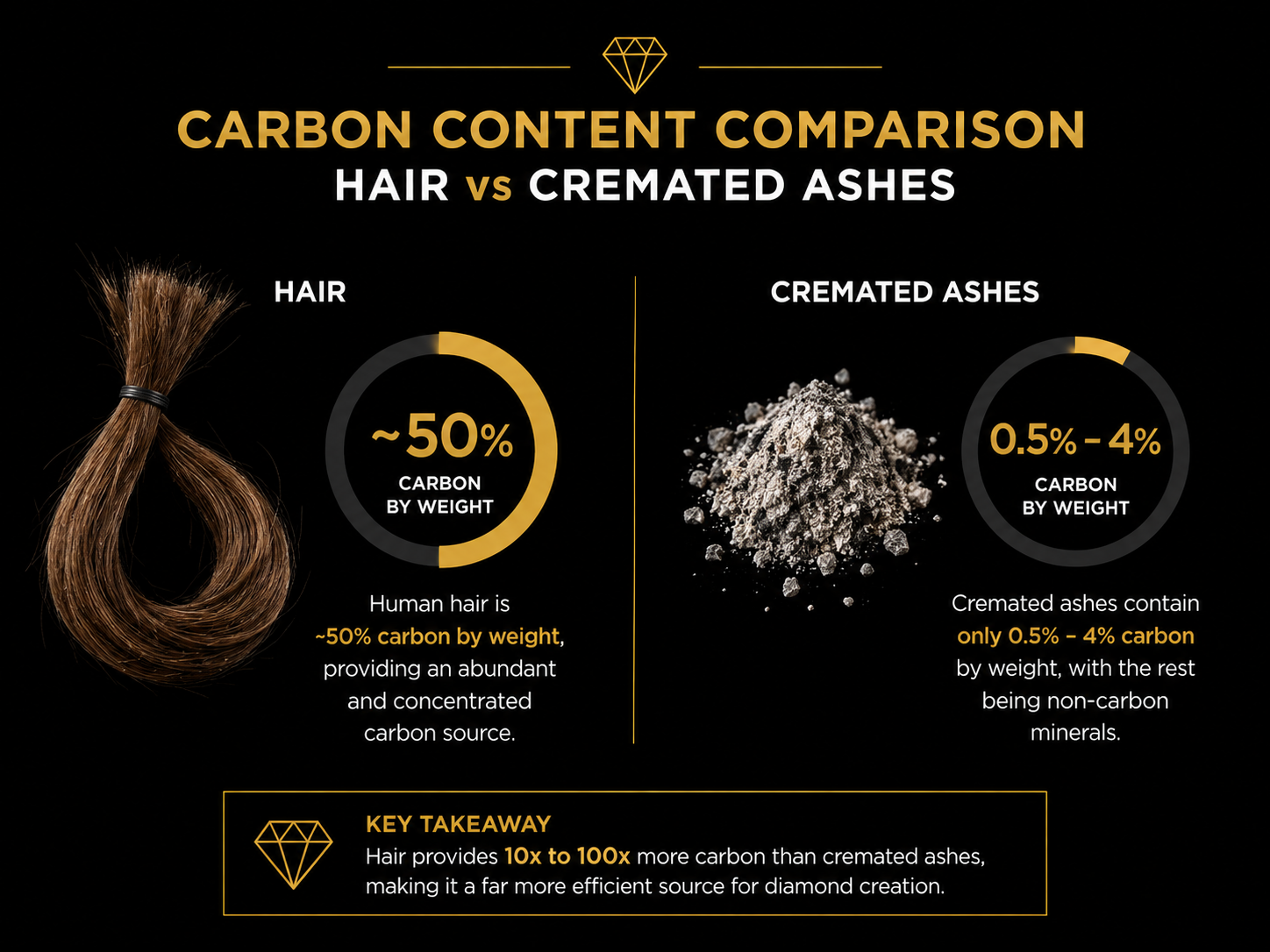
Before looking at how a memorial diamond grows, it helps to understand what the laboratory receives in the first place. Cremated remains are not simply loose ash like the residue left after burning wood. They consist primarily of mineral material from the bones, with calcium phosphate making up most of that material.
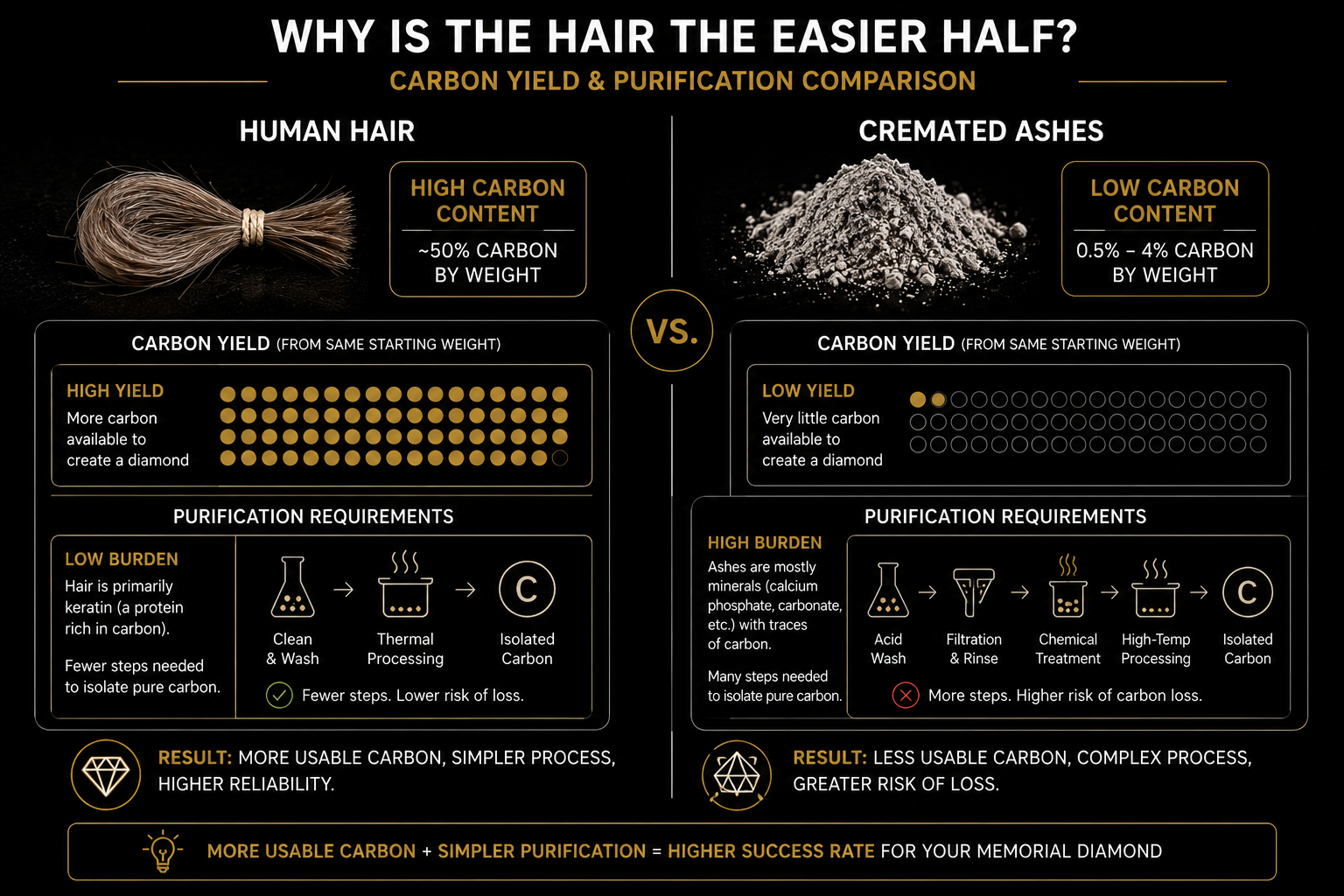
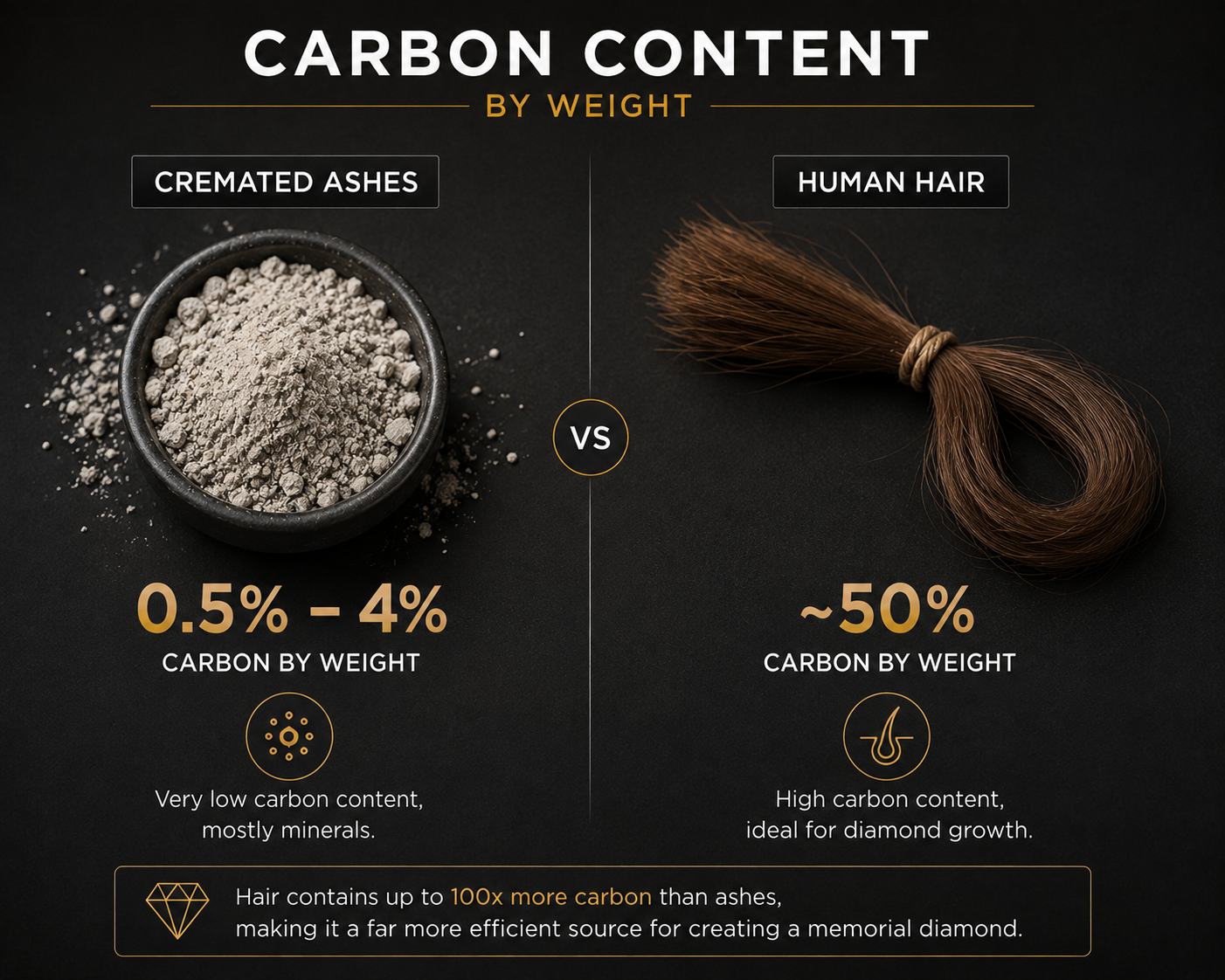
Carbon makes up only a small portion of cremated remains. Published industry figures commonly place usable carbon at approximately 0.5% to 4% by weight, although the amount can vary from person to person and can also depend on the cremation process.
That small amount of carbon becomes the important part of the process. Rather than trying to turn the entire container of cremated remains directly into a diamond, the laboratory first separates the carbon from the much larger amount of mineral material.
This separation is what sets the foundation for everything that follows.
How Does the Memorial Diamond Process Begin?
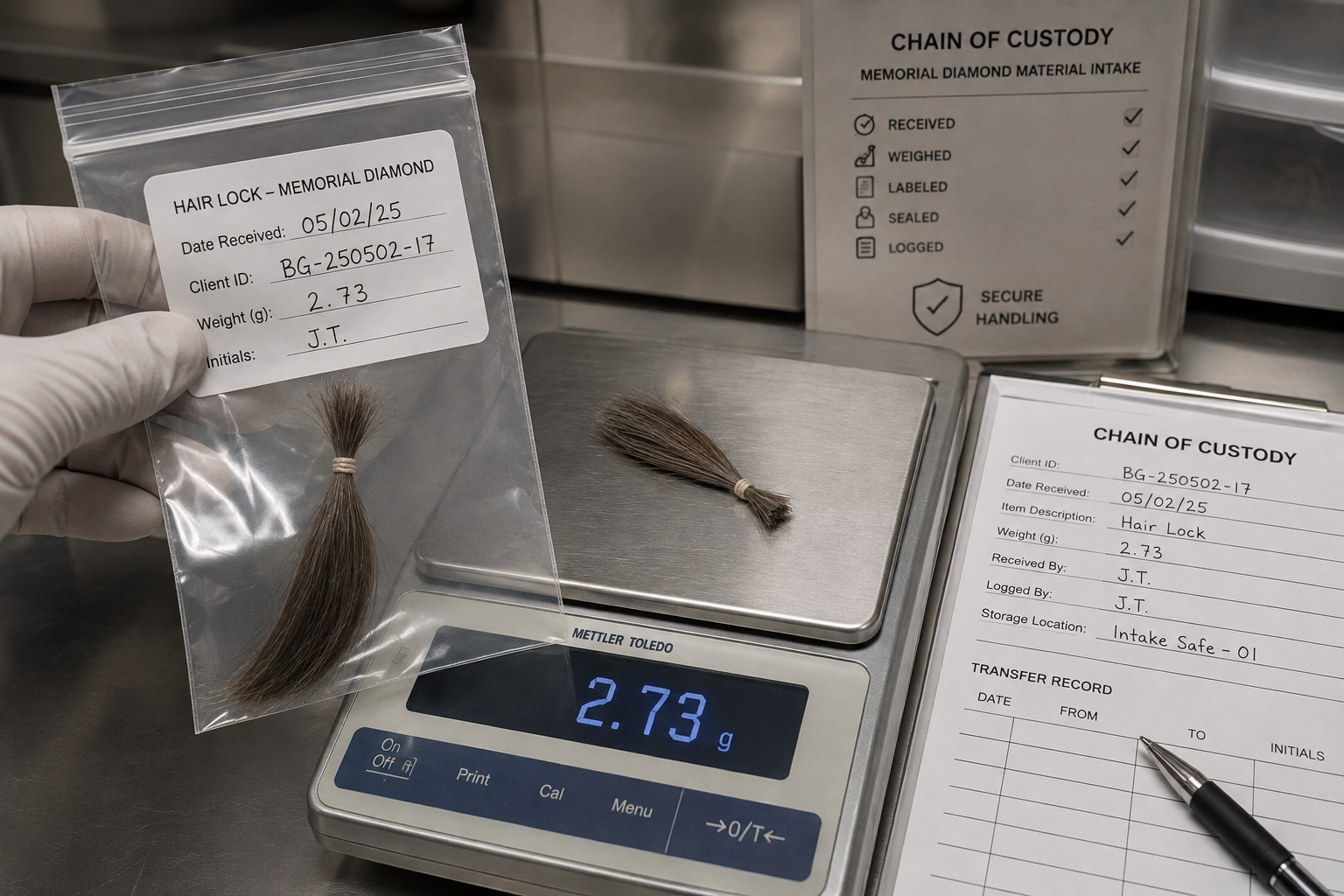
The process starts when the laboratory receives the cremated remains and prepares the portion selected for the diamond. At intake, the laboratory can inspect the material and remove non-biological materials that should not enter the carbon extraction process.
The laboratory then prepares the selected remains for controlled purification. At this point, the material still does not resemble the carbon feedstock required for diamond growth. The next stage therefore focuses on isolating and purifying the carbon.
This is an important distinction because the laboratory does not simply heat the remains and expect a diamond to appear. It must first create a suitable carbon source for the growth process.
How Is Carbon Extracted for a Memorial Diamond?
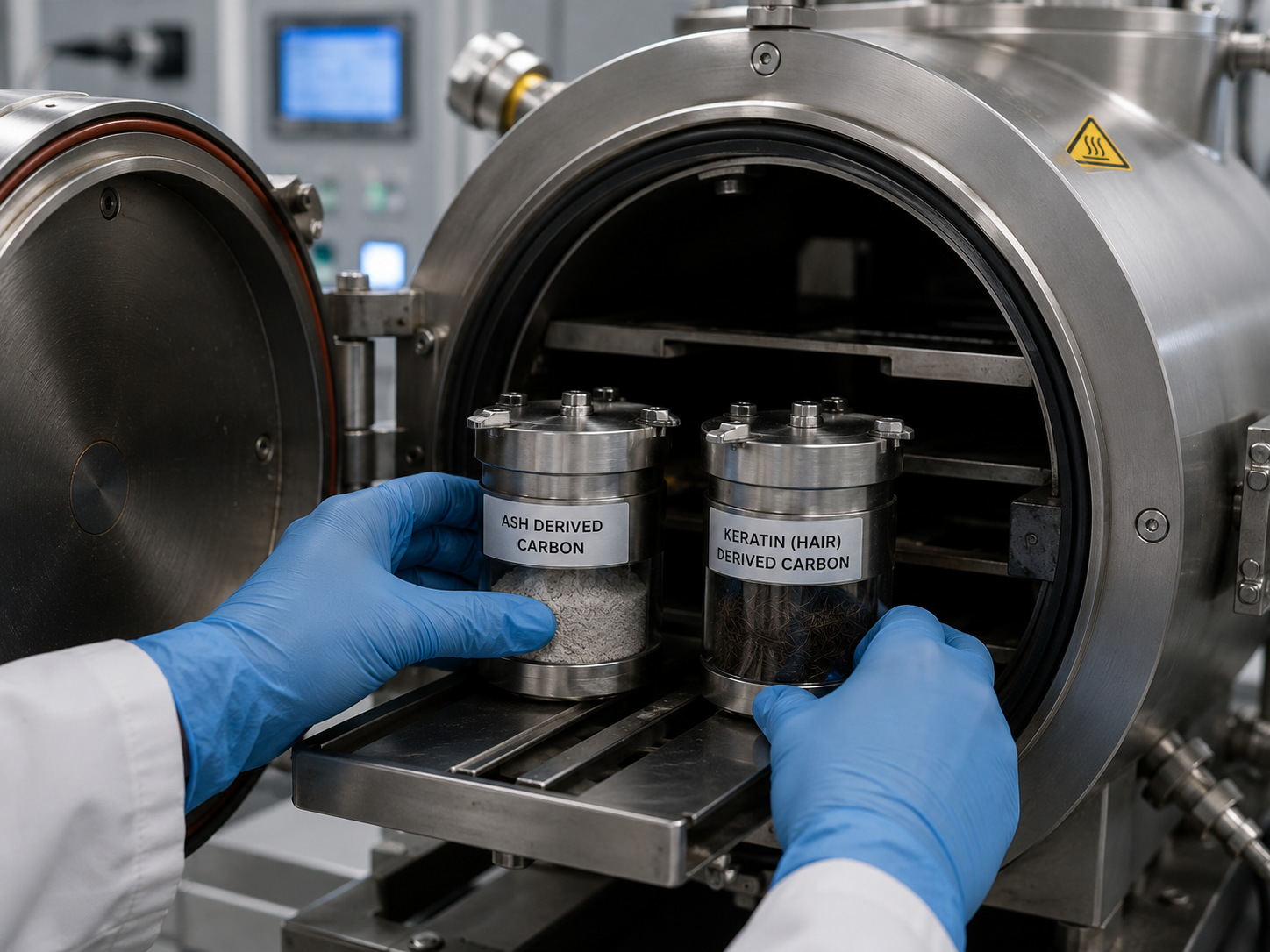
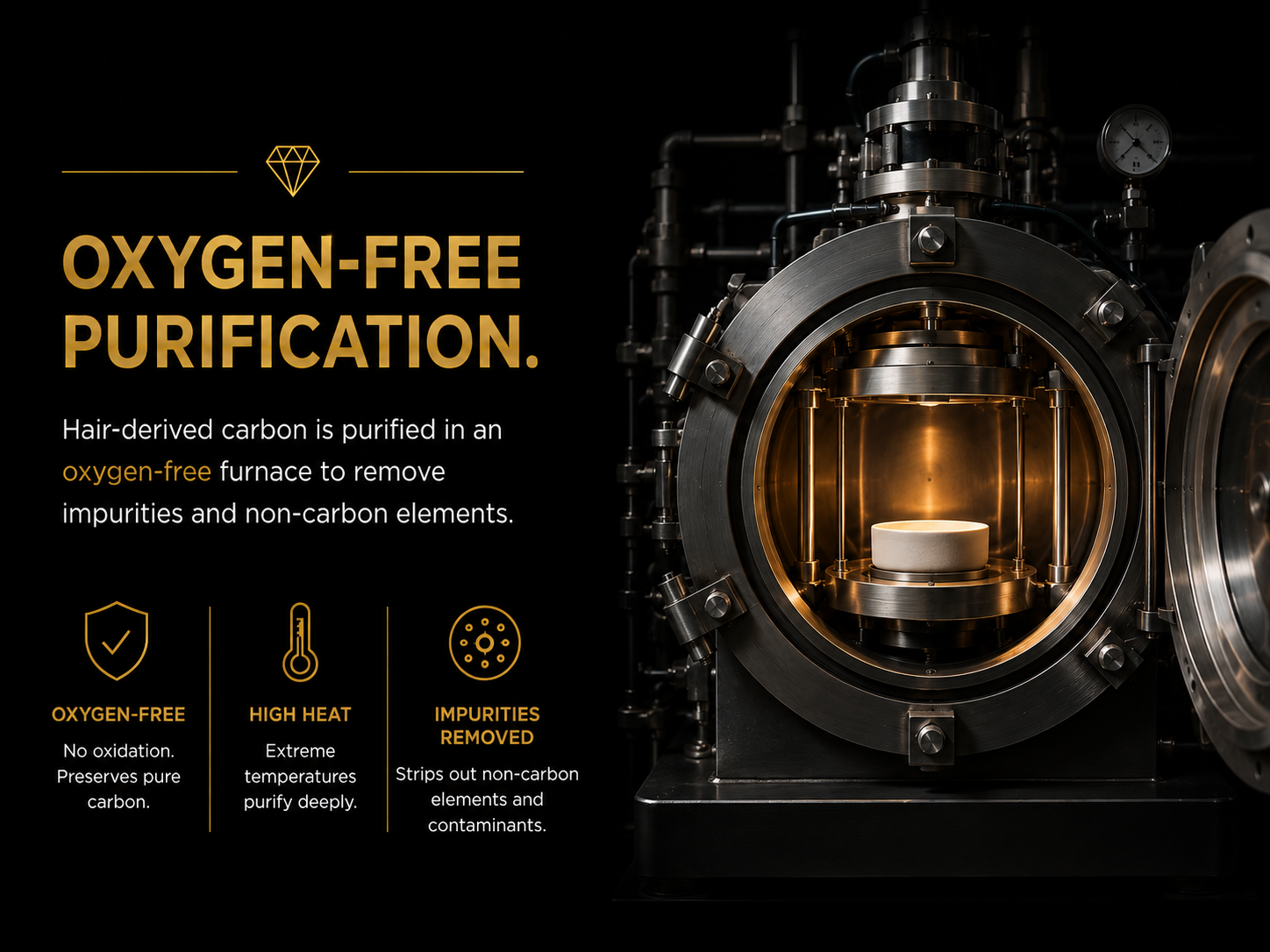
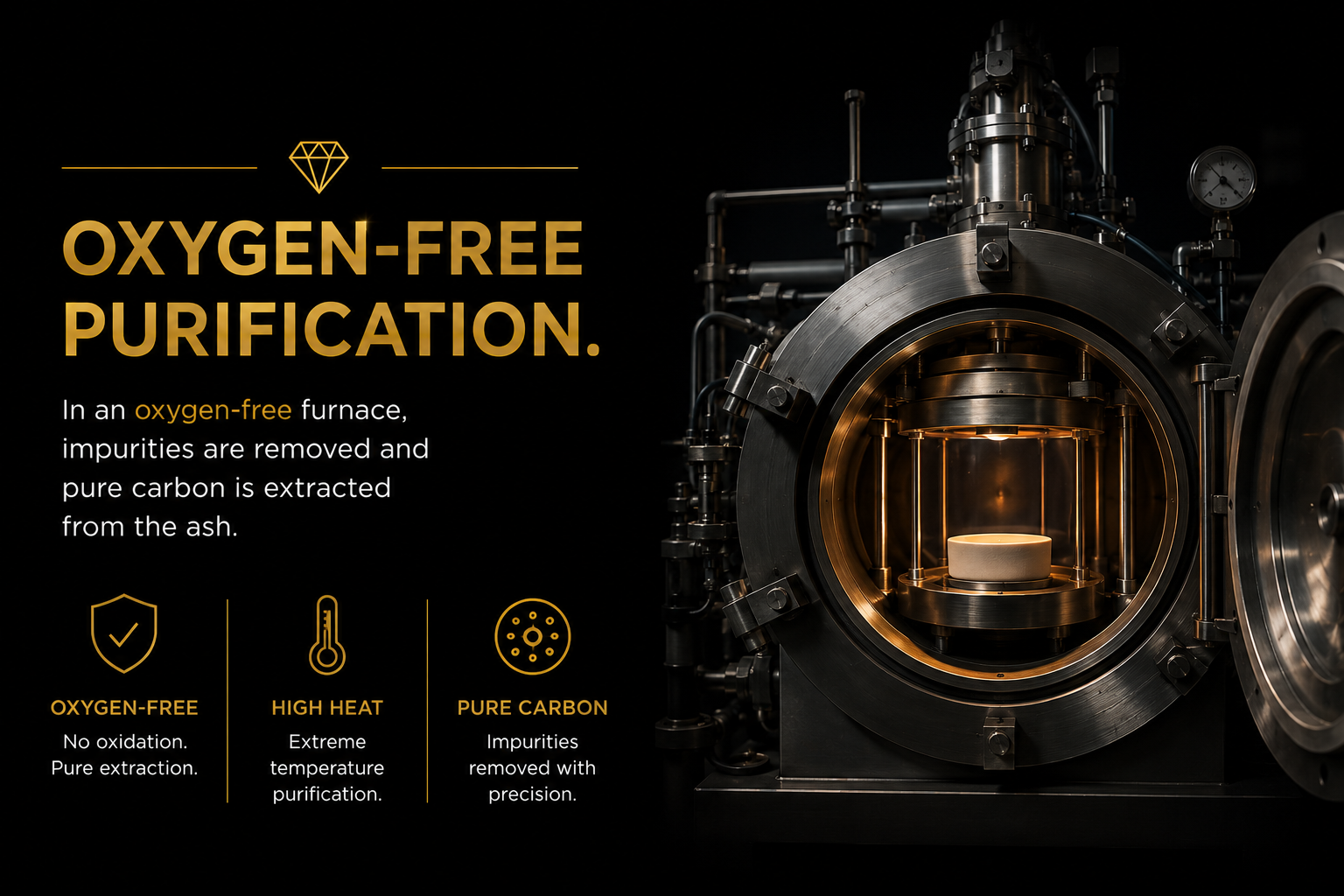
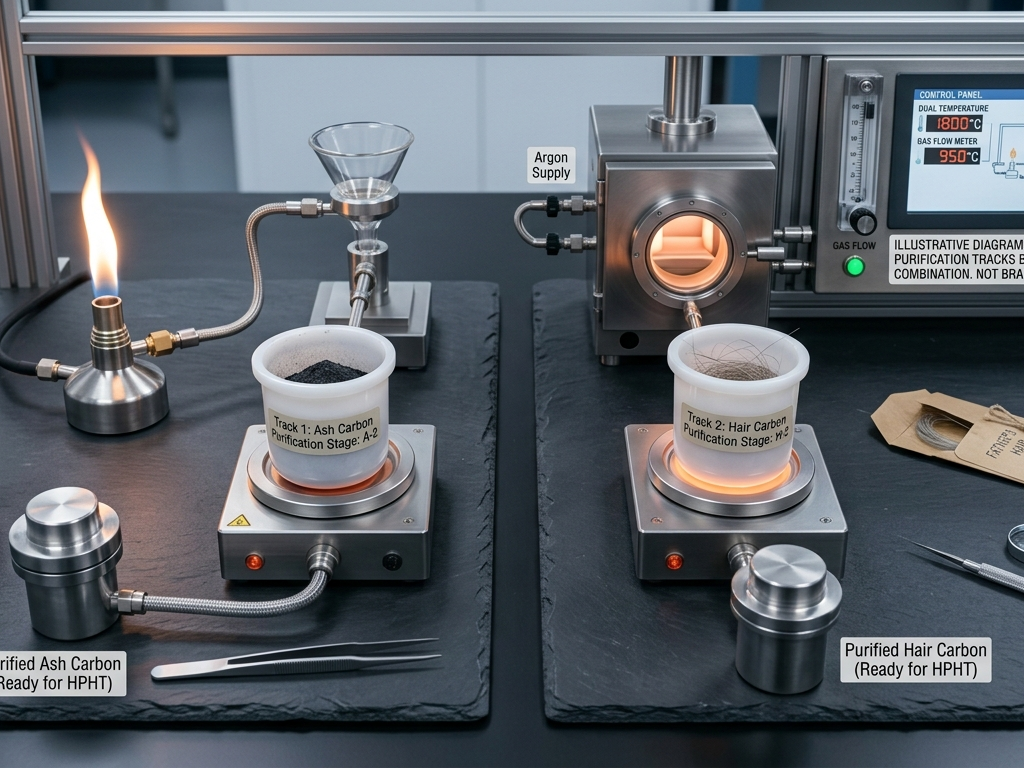
The laboratory uses controlled, oxygen-free heating to separate carbon from the mineral portion of the cremated remains. Controlling oxygen plays an important role because carbon can react with oxygen at high temperatures and leave the material as carbon dioxide.
By controlling the environment, the laboratory can retain the carbon while removing much of the unwanted mineral material. The recovered carbon then goes through additional purification before it becomes suitable for the next stage.
After purification, the recovered material can reach approximately 99.9% or higher carbon purity. The laboratory has now reduced the original cremated material to a much smaller and more useful carbon source.
However, purified carbon still needs another transformation before it can enter the diamond-growth process. The laboratory next converts it into graphite.
Why Is the Carbon Converted Into Graphite?
Graphite and diamond may look completely different, but they share the same fundamental element: carbon. Their difference comes from the way their carbon atoms arrange themselves.
During the graphitization stage, the purified carbon undergoes extremely high temperatures, generally around 2,500–2,700°C. This treatment converts the carbon into graphite, which the laboratory can then use as feedstock during diamond growth.
This stage also explains why the final stone does not contain recognizable pieces of bone, tissue, or other original biological structures. The high-temperature purification process breaks down those structures. What carries forward into the diamond-growth process is elemental carbon.
Once the laboratory has prepared the graphite, it can finally address the next question: is there enough personal carbon to grow the desired stone?
Why Is Lab Carbon Added to a Memorial Diamond?
In most cases, the answer is no. The amount of recoverable carbon in cremated remains is relatively small, while a meaningful-size diamond requires a larger amount of carbon feedstock.
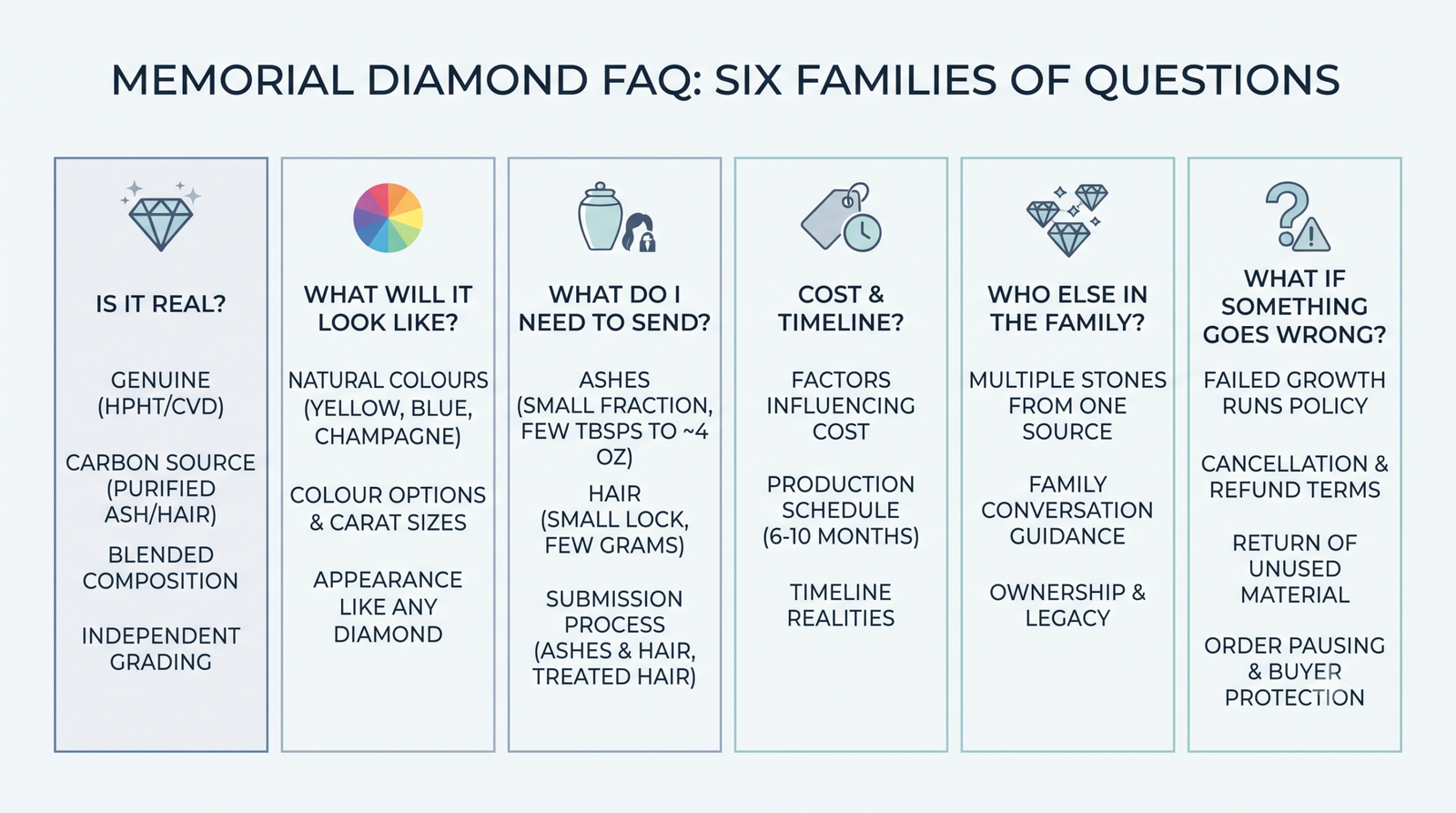
For this reason, the purified carbon recovered from your father’s remains can be blended with additional laboratory-sourced carbon. This supplemental carbon provides enough feedstock for the diamond-growth process to produce the intended stone size.
The important distinction is that the additional carbon does not come from your father. The personal portion comes from the carbon recovered from the submitted cremated remains, while the supplemental portion comes from another laboratory source.
The personal carbon fraction may represent roughly 10–15% of the finished stone’s mass, depending on factors such as the size of the diamond and the amount of material submitted.
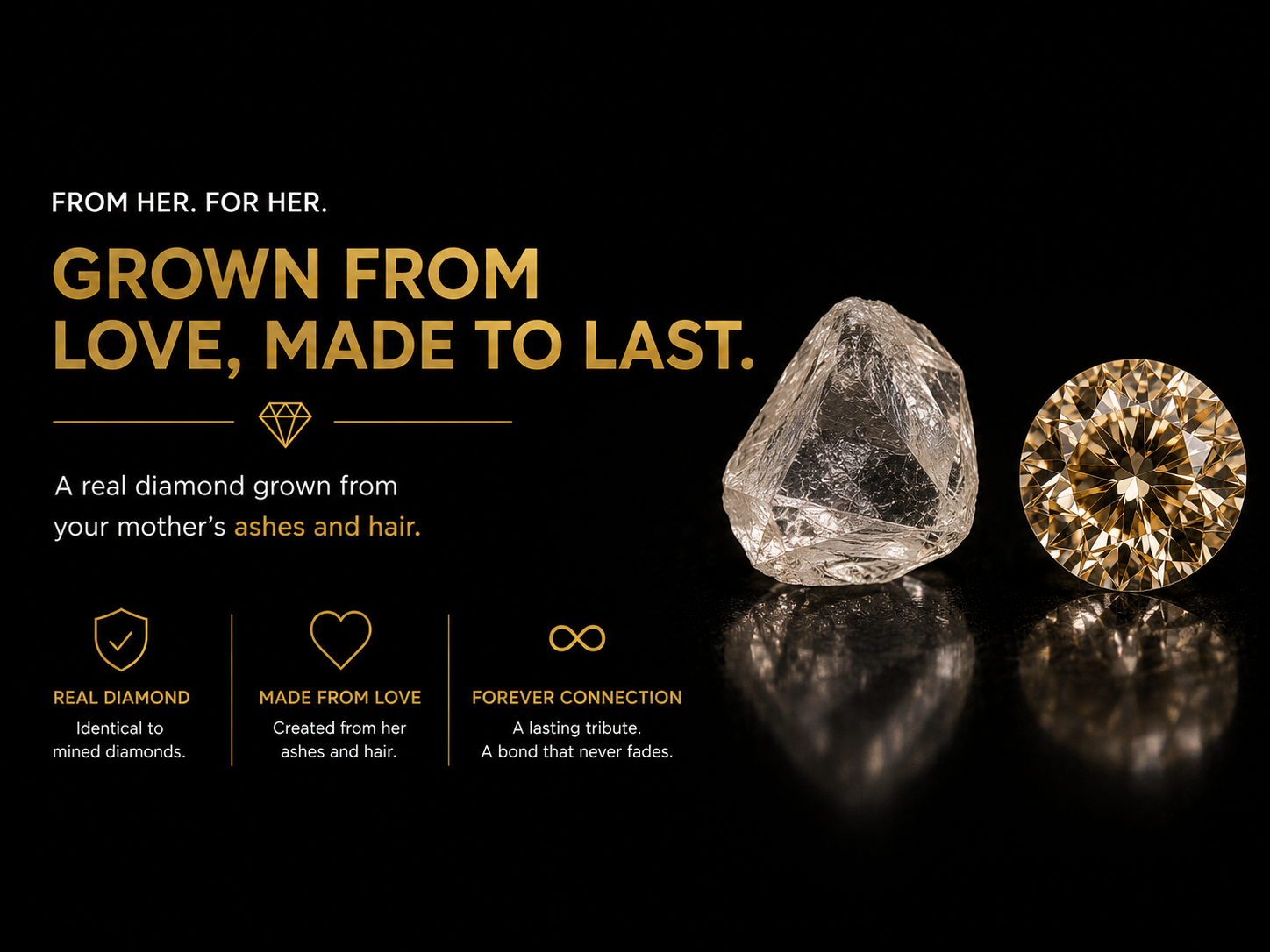
So, a responsible description should not claim that the finished stone consists entirely of your father’s remains. Instead, the more accurate explanation is that carbon atoms that were once part of his body become incorporated into the crystal structure of the diamond.
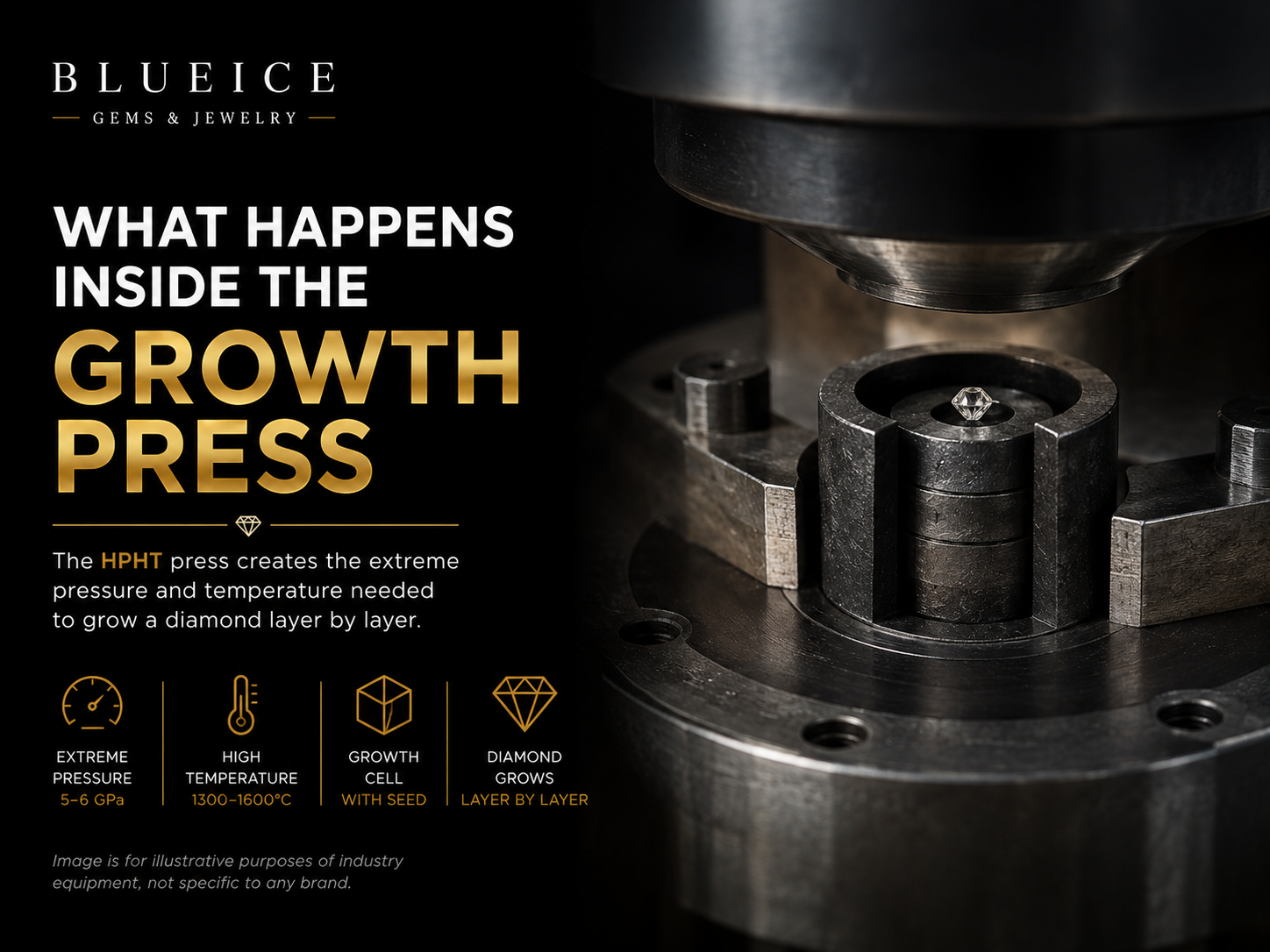
What Happens Inside the Memorial Diamond Growth Press?
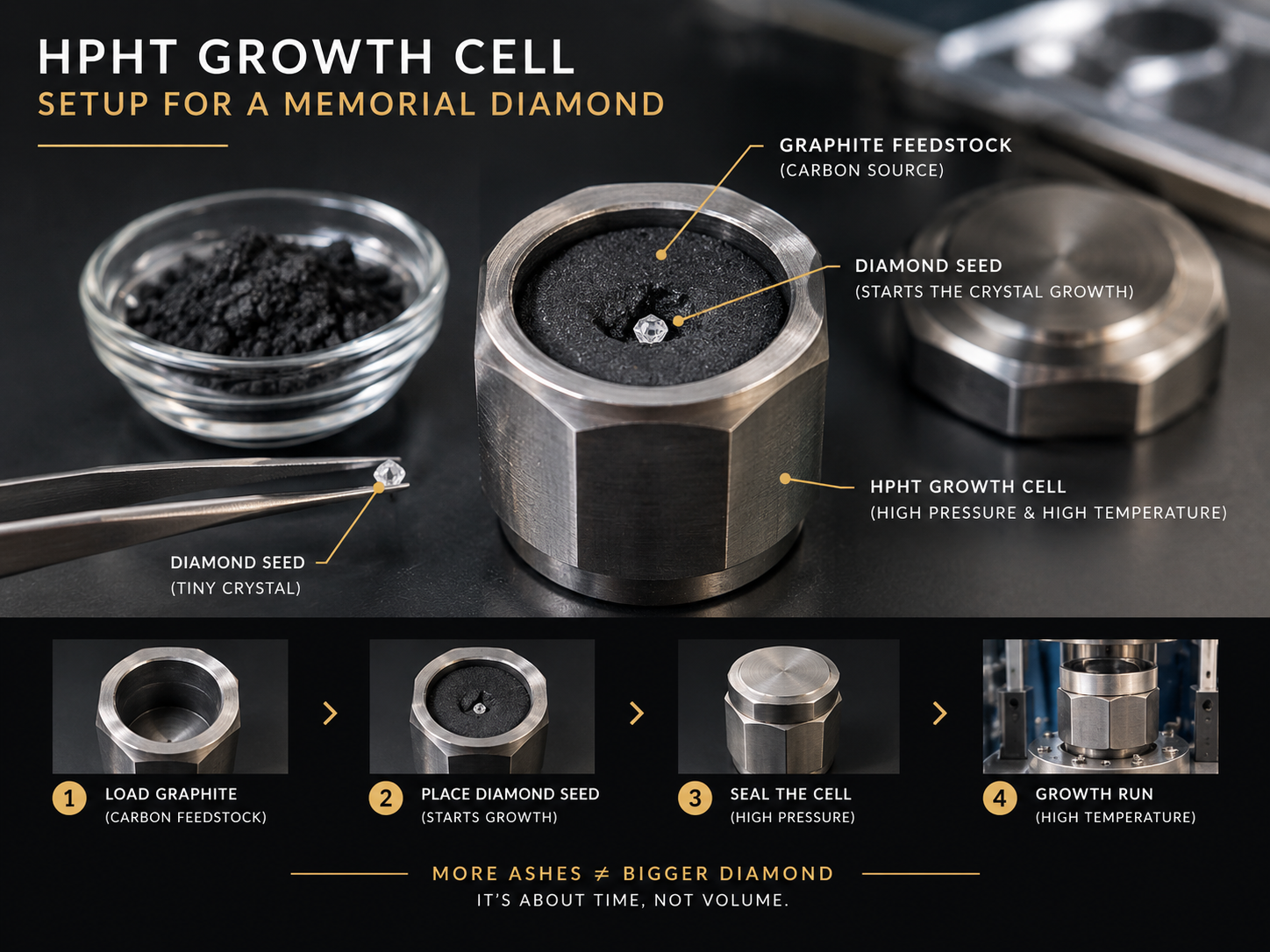
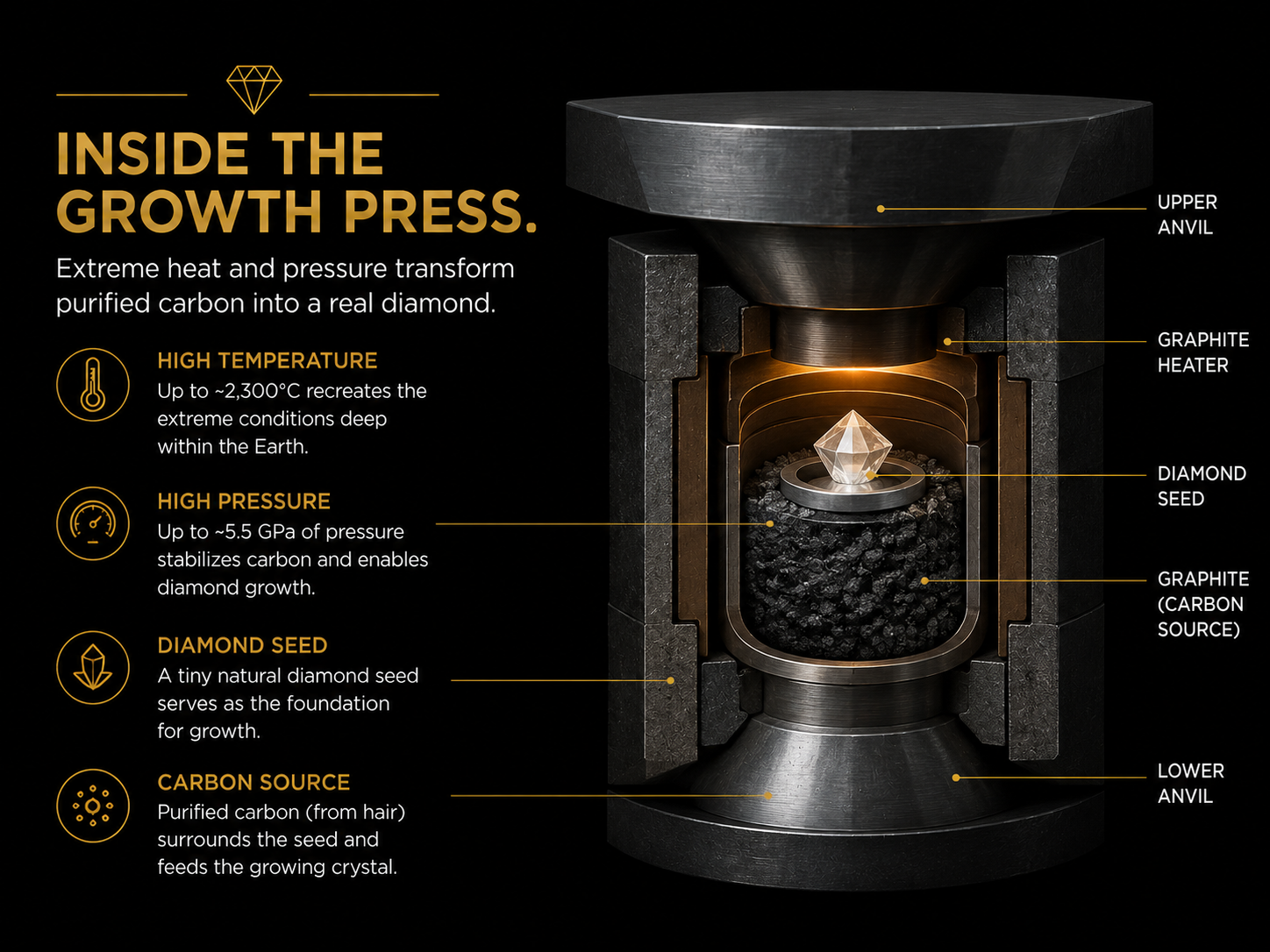
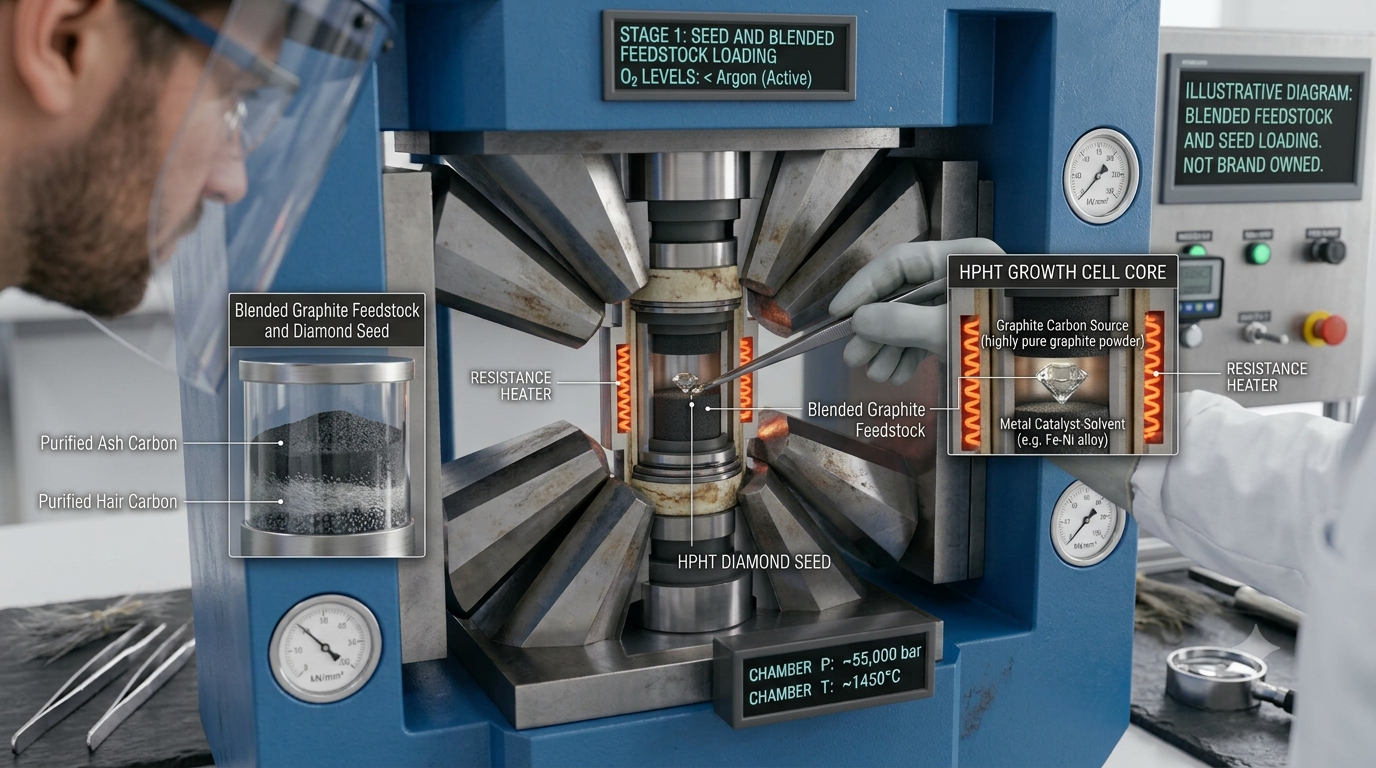
After the laboratory prepares the carbon feedstock, the material enters the stage that actually creates the diamond crystal. HPHT, or high pressure, high temperature, provides one established method for growing diamonds in a controlled laboratory environment.
The growth cell can experience pressures of approximately 6–8 GPa together with temperatures that can reach roughly 1,400–2,500°C. These conditions allow carbon to crystallize into the diamond structure.
A small diamond seed sits inside the growth cell and provides the starting structure for the new crystal. As the process continues, carbon from the prepared feedstock crystallizes around the seed and gradually develops into a rough diamond.
The growth stage can take weeks to months, depending on the growth system, target size, and other laboratory conditions.
Some laboratories use another method called CVD, or chemical vapor deposition. Instead of using the same pressure and temperature conditions as HPHT, CVD introduces a carbon-bearing gas into a controlled vacuum environment and deposits carbon onto a diamond seed.
If you want to understand these two approaches in more detail, you can read our guide to how memorial diamonds are made using HPHT and CVD.
How Long Does a Memorial Diamond Take to Grow?
The growth stage does not happen instantly. The laboratory must maintain controlled conditions while the carbon gradually forms the diamond crystal.
Depending on the process and the target stone, diamond growth can take weeks to months. The final carat size depends on more than the amount of cremated remains submitted. Once the laboratory has enough carbon feedstock for the growth cell, factors such as growth conditions and time influence how much diamond crystal develops.
This is also why submitting more cremated remains does not automatically mean that the finished diamond will have a proportionally larger carat weight.
If you are preparing to send your father’s remains, you can learn more about the amount typically requested in our guide to how much ash a father memorial diamond requires.
What Can Affect the Final Memorial Diamond?
Although laboratories carefully control the process, some characteristics can vary from one memorial diamond to another. The first variable appears before the growth stage even begins: the amount of usable carbon available in the submitted material.
Because cremated remains can contain different amounts of carbon, the laboratory cannot assume that every person’s remains will produce exactly the same carbon yield.
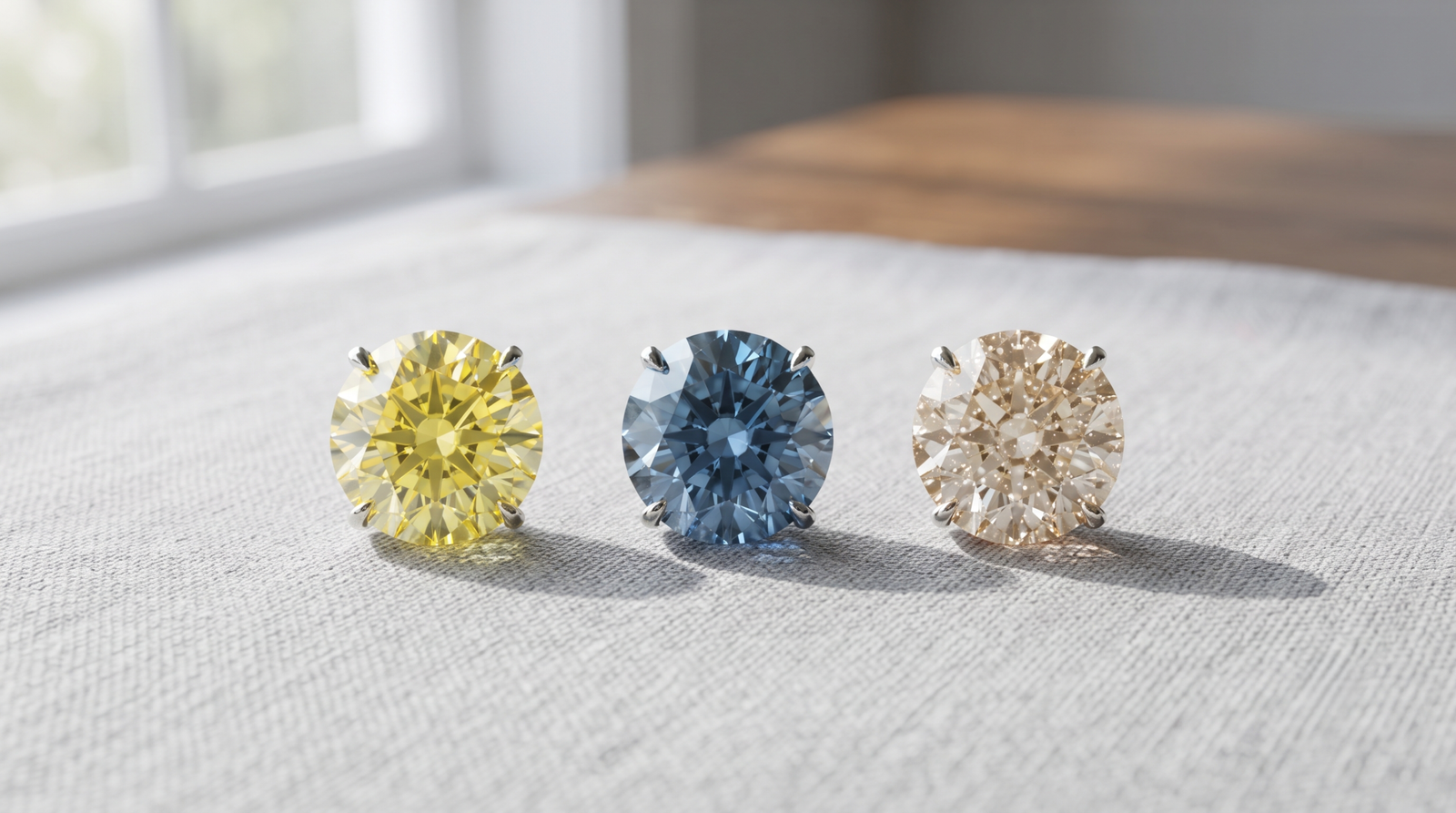
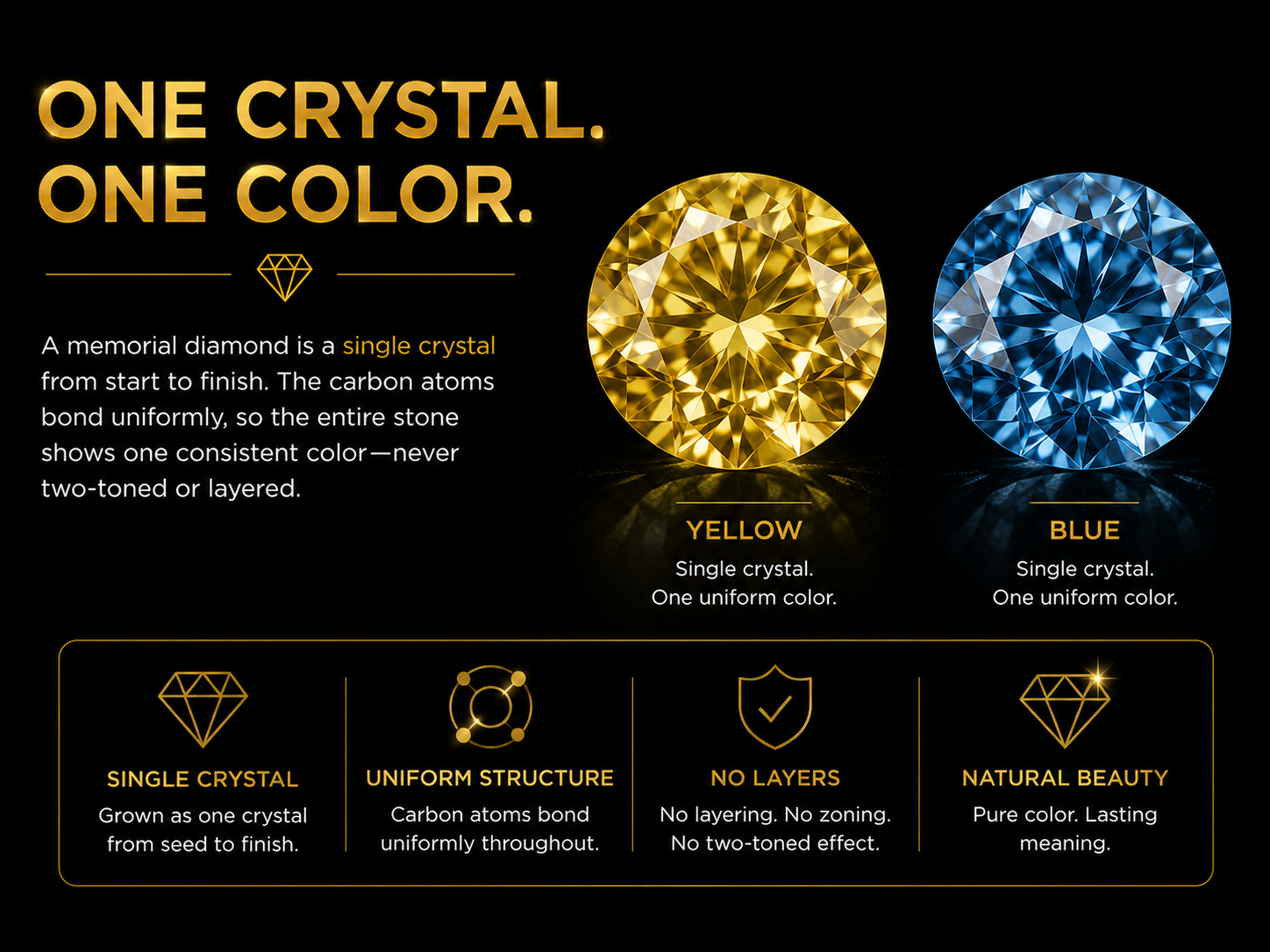
Trace elements can also influence the final diamond. Even after purification, very small amounts of remaining elements can affect the color that develops during growth.
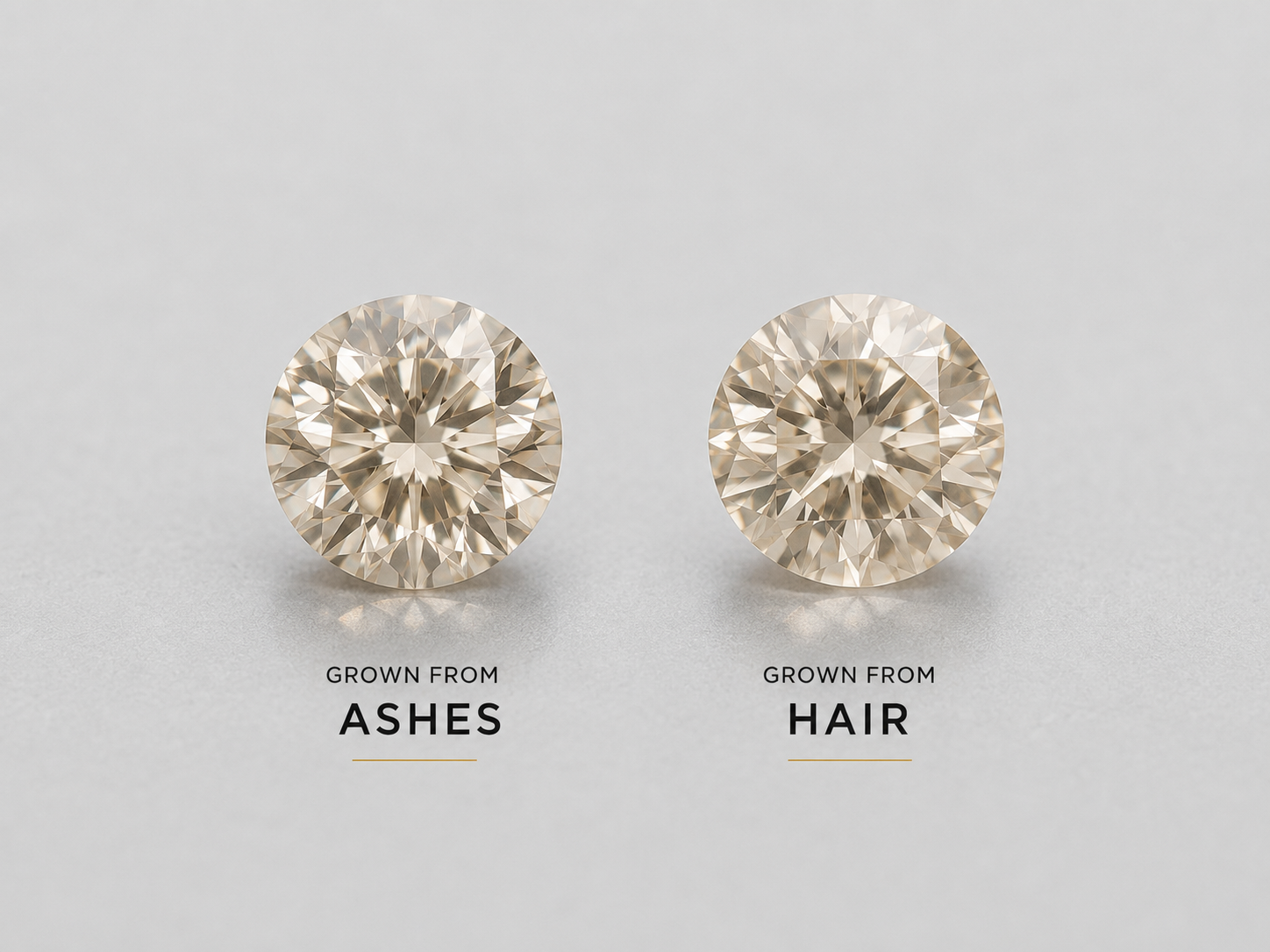
For this reason, a provider should avoid promising an exact final color before the diamond grows. The final stone can have its own characteristics in color, clarity, and appearance.
What Happens After the Memorial Diamond Grows?
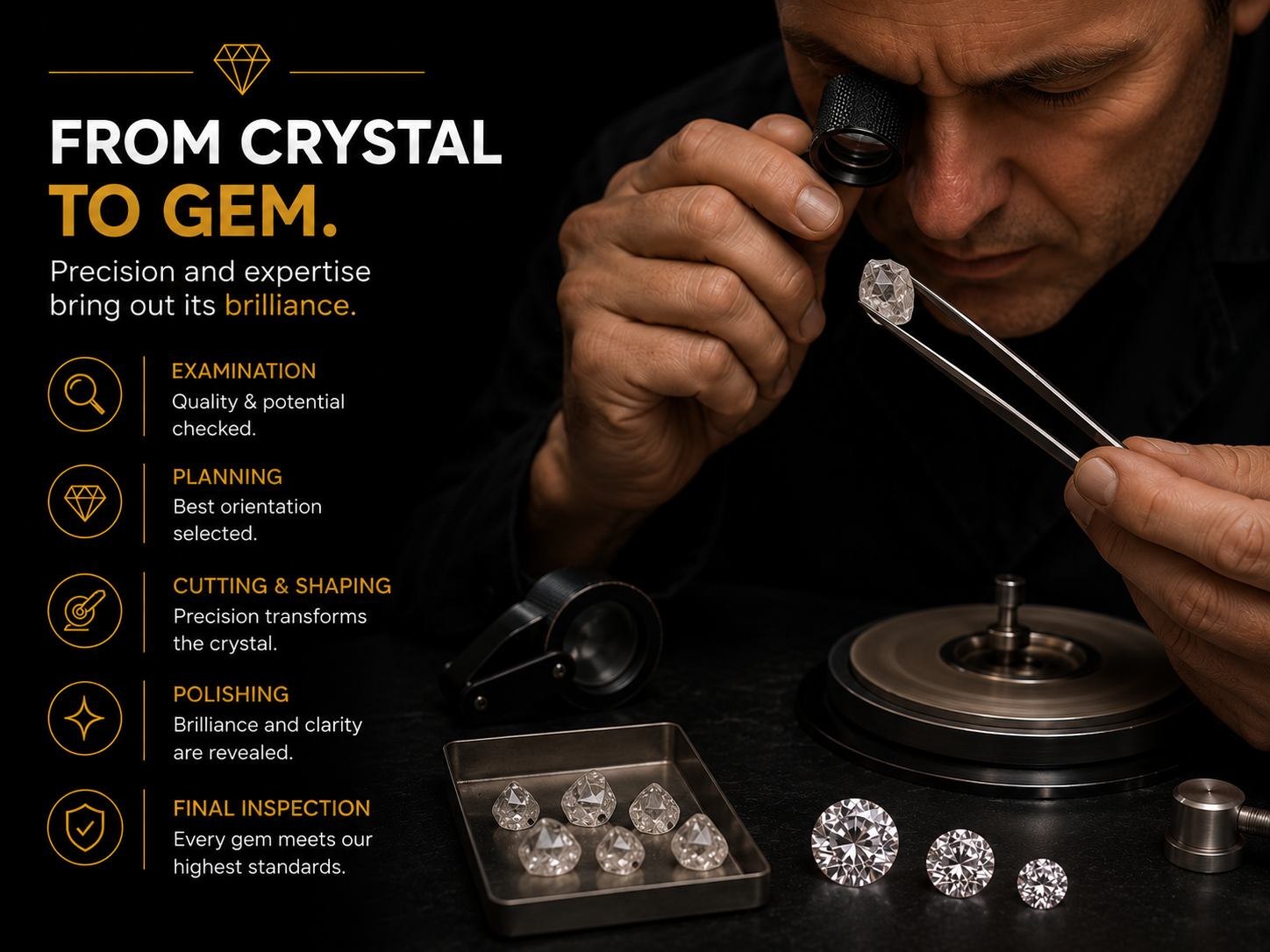
When the growth stage finishes, the laboratory has a rough diamond rather than the polished stone you ultimately receive. The rough crystal must go through another series of steps before it reaches its final appearance.
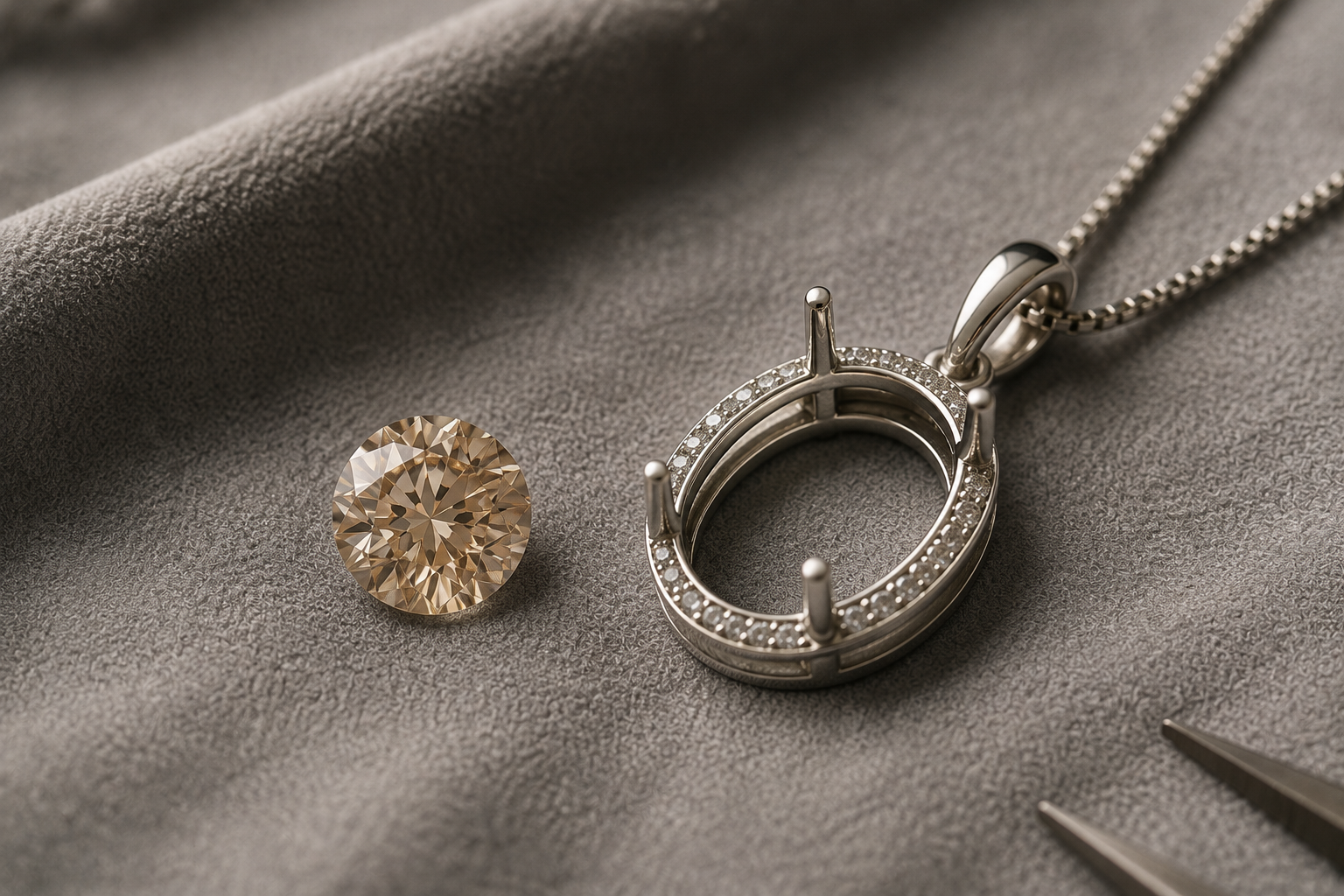
Cutting shapes the rough material and creates the facets that control how the diamond interacts with light. Polishing then smooths and refines those surfaces.
The amount of rough material removed during cutting depends on the selected shape and the characteristics of the original crystal. The finished stone can therefore weigh considerably less than the original rough crystal.
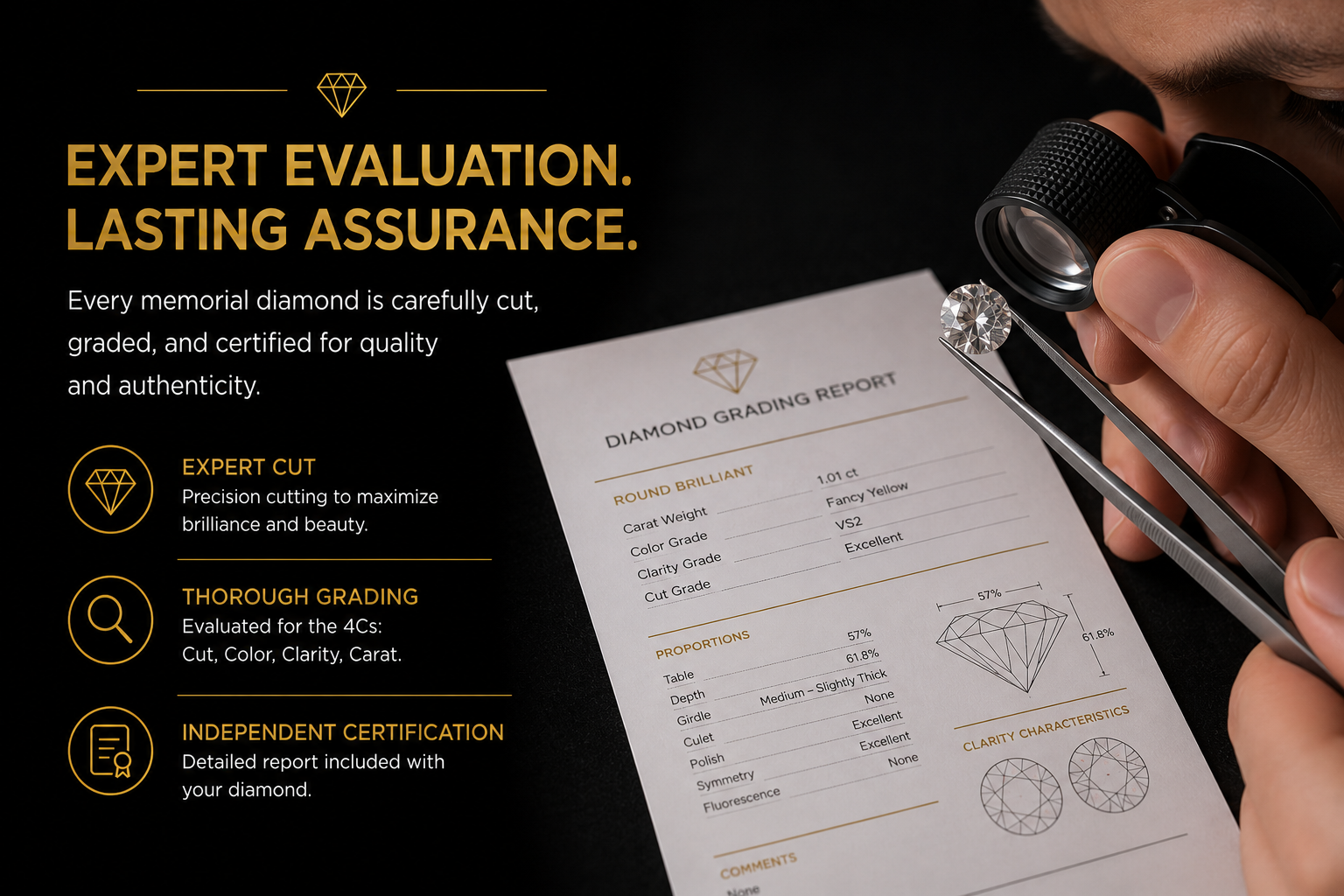
Once cutting and polishing finish, the diamond can undergo grading. A grading report can document characteristics such as carat, color, clarity, and cut.
It is useful to distinguish grading documentation from origin documentation. A grading report describes the physical characteristics of the finished diamond, while origin or authenticity documentation addresses its connection to the submitted material.
You can learn more about this distinction in our guide to how memorial diamonds are graded and certified.
What Happens to the Unused Ashes?
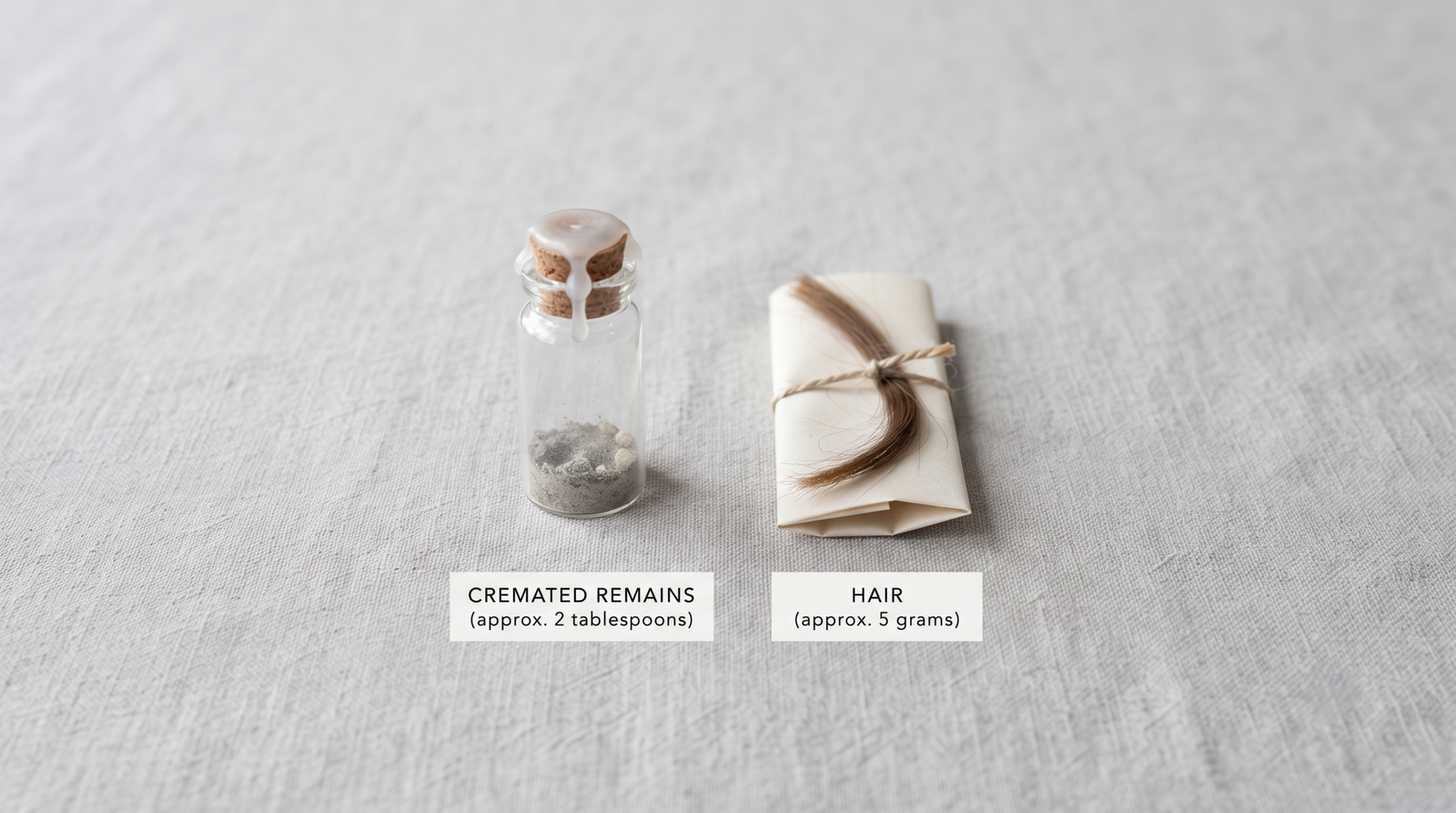
The diamond process does not necessarily require the entire amount of cremated remains that a family submits. Depending on the laboratory’s process, some material may remain after carbon extraction.
Before sending your father’s ashes, ask the provider what happens to unused cremated remains. Some providers may return unused material, while others may follow a different policy.
Getting this information in writing before the process begins can prevent confusion later and gives your family a clearer understanding of how the laboratory handles the material you entrust to it.
How Should You Ship Ashes for a Memorial Diamond?
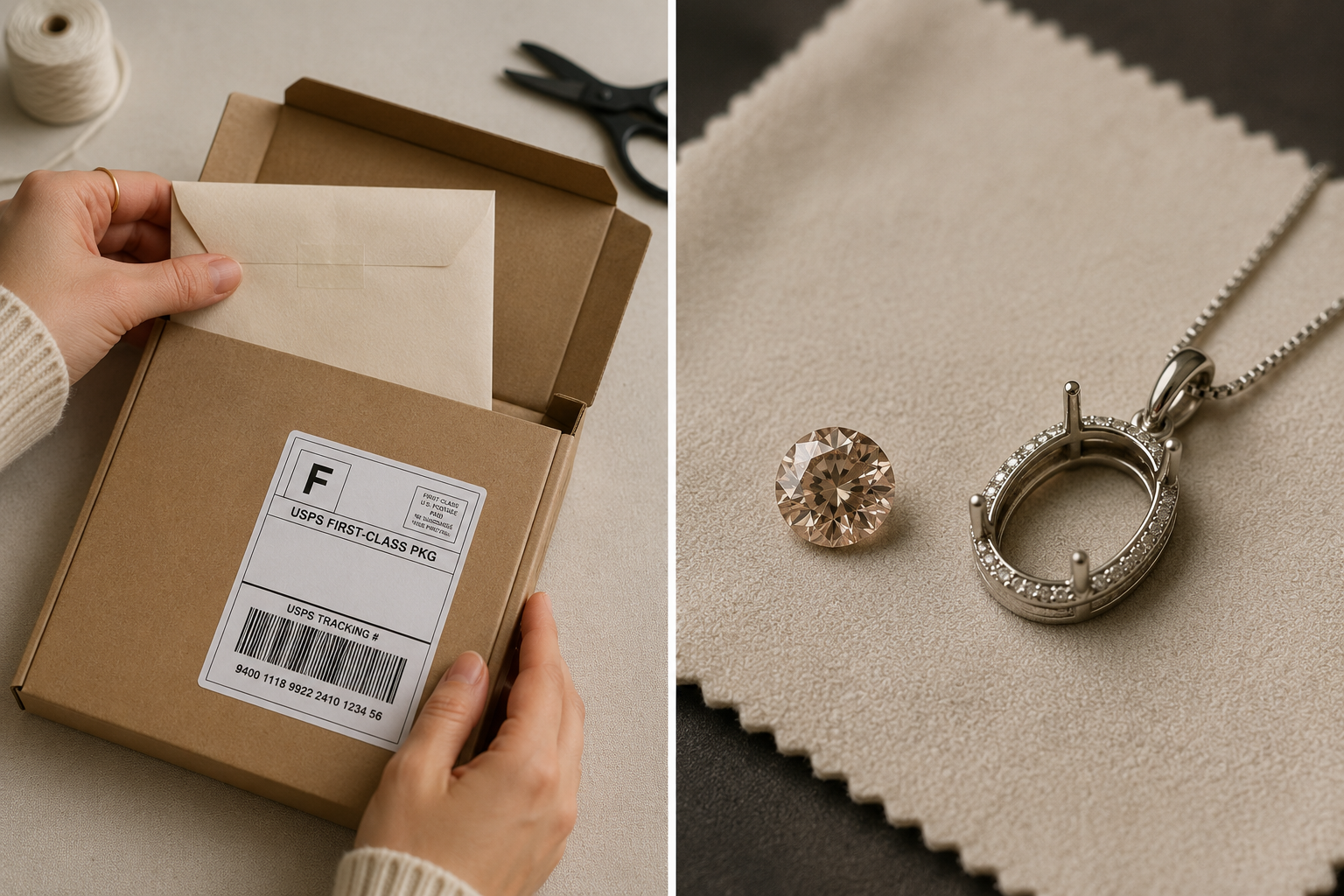
If you need to send cremated remains within the United States, shipping requirements deserve attention as well. The carrier you choose may have specific packaging and mailing requirements for cremated remains.
USPS provides specific guidance for shipping cremated remains domestically. You can review the current USPS requirements for packaging and shipping cremated remains before preparing your shipment.
Because postal requirements can change, check the current instructions before mailing any cremated material.
Frequently Asked Questions About Memorial Diamonds
Do Metal Implants Affect a Memorial Diamond?
Metal implants do not become part of the carbon feedstock used for diamond growth. The laboratory should separate non-biological materials during the preparation stage rather than carry them into carbon extraction.
Does It Matter How Long Ago My Father Was Cremated?
Cremated remains consist primarily of stable mineral material, so storing them for several years does not create the same type of biological deterioration associated with fresh organic material. An older set of cremated remains can therefore enter the laboratory process in essentially the same way as more recently cremated remains.
Can I Find Out How Much Carbon the Laboratory Recovered?
You can ask the provider whether it measures and documents recovered carbon yield. This information can give you a clearer understanding of how much usable carbon the laboratory extracted from the submitted material. However, not every provider publishes recovered yield as a standard part of its service.
Can the Cremation Process Affect Carbon Recovery?
It can contribute to variation. The amount of usable carbon can differ depending on the individual and the cremation process, which helps explain why laboratories cannot guarantee an identical carbon yield from every submission.
What Happens If the Diamond Growth Run Fails?
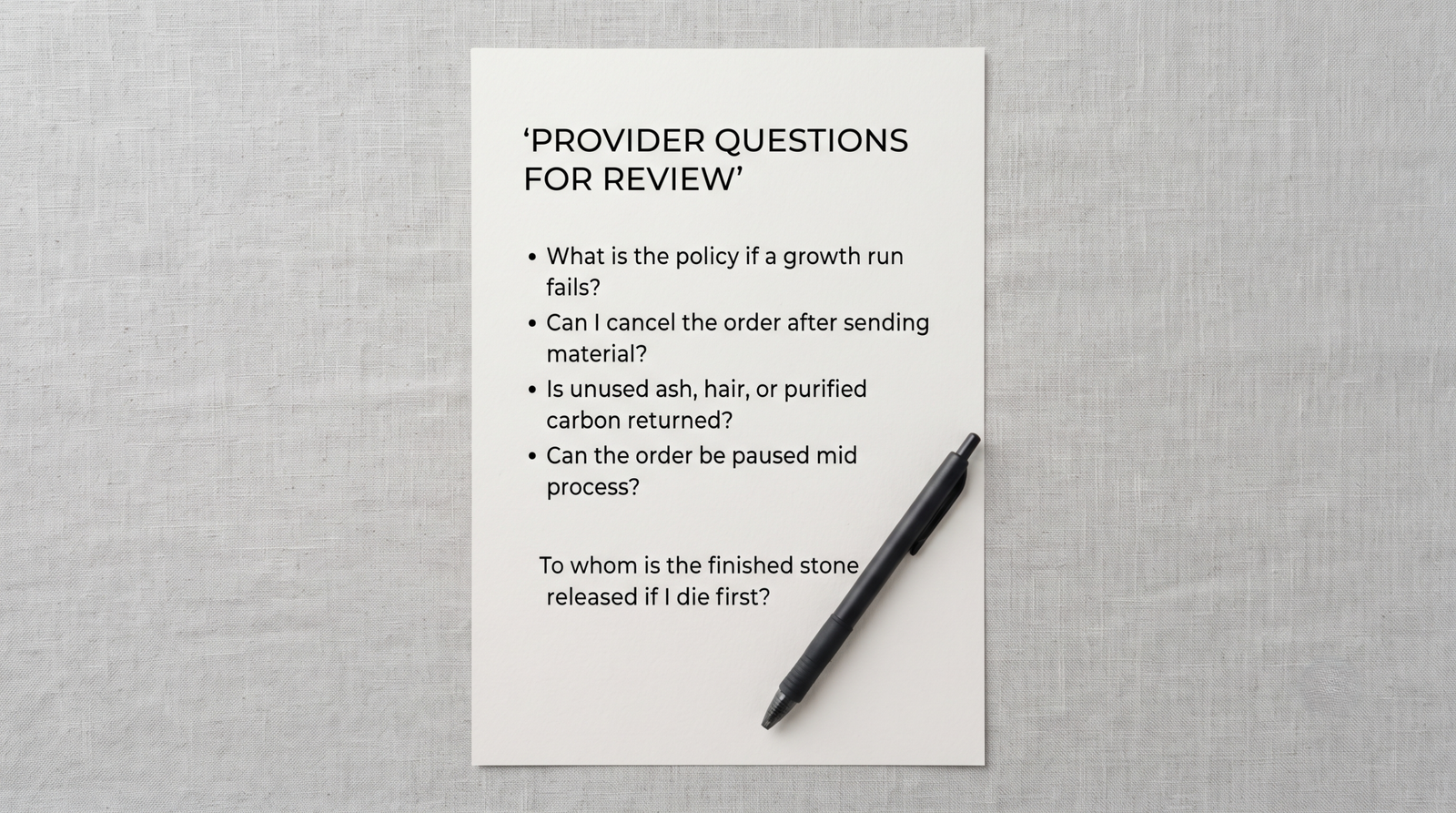
Ask this question before sending the cremated remains. A growth run can encounter problems, so you should understand whether the laboratory will make another attempt, whether it can use remaining material, how a failed run affects the timeline, and whether additional costs could apply.
Can a Memorial Diamond Use Only My Father’s Carbon?
For a meaningful-size stone, the laboratory generally needs more carbon than it can recover from a typical submitted portion of cremated remains. That is why providers may combine the recovered personal carbon with supplemental laboratory-sourced carbon.
What Should You Ask Before Choosing a Memorial Diamond Provider?
Knowing how a memorial diamond works gives you a useful starting point when comparing providers. Instead of focusing only on the finished stone, ask questions about the entire process.
- Which diamond-growth method do you use?
- Do you perform the growth in-house?
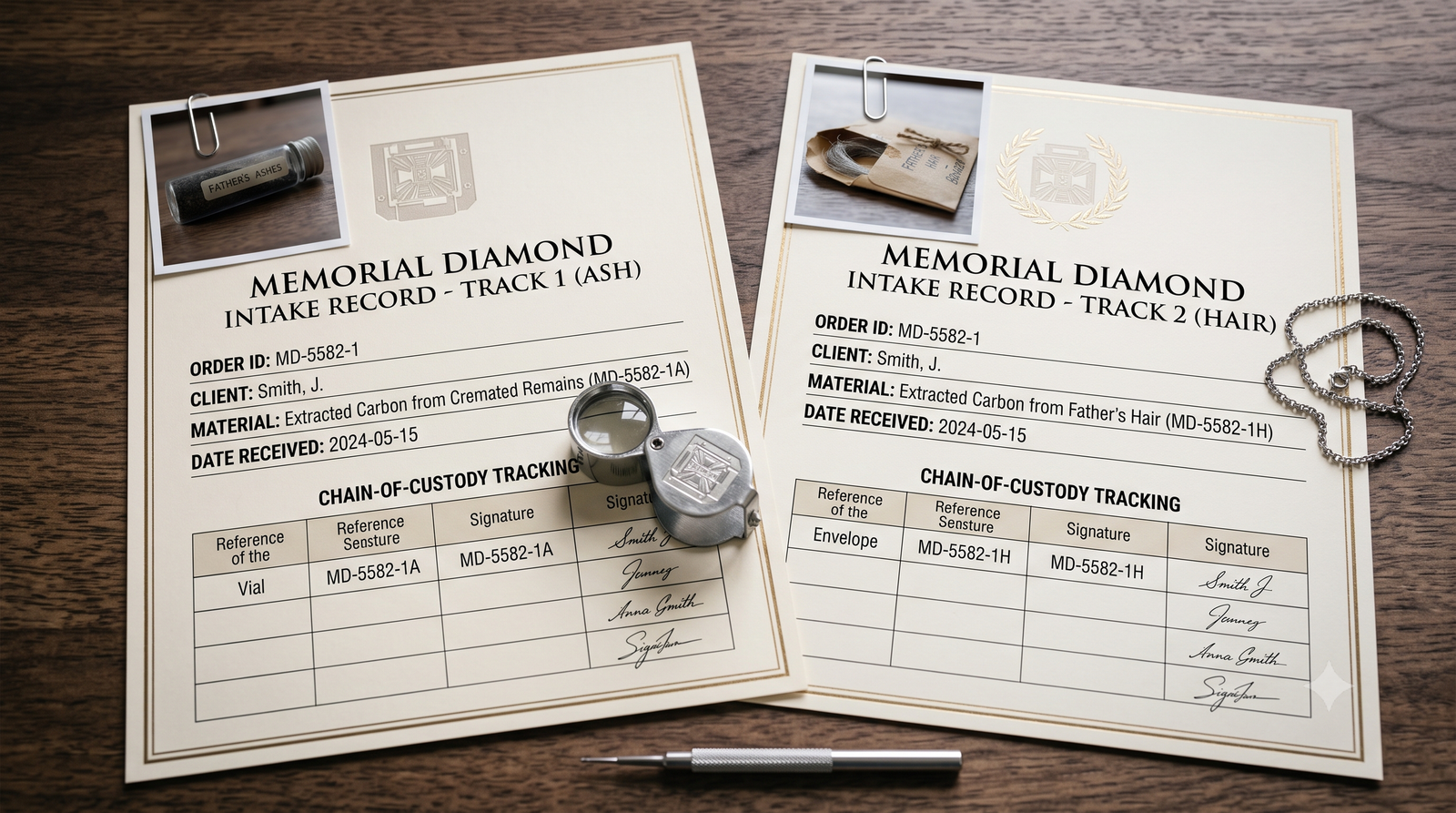
- How do you track the submitted cremated remains?
- Do you measure the amount of recovered carbon?
- What happens to unused cremated remains?
- What happens if a growth run fails?
- Which origin or authenticity documents do you provide?
- Which independent grading report accompanies the finished diamond?
- What timeline should I expect from submission to finished stone?
A transparent provider should explain the parts of the process it controls, the factors that can vary, and the documentation it can provide. Clear answers can help you make a decision with realistic expectations.
Final Thoughts: From Your Father’s Ashes to a Memorial Diamond
Creating a memorial diamond from your father’s ashes involves a carefully controlled sequence rather than one single transformation. The laboratory begins with cremated remains, separates the small carbon fraction, purifies it, and converts it into graphite.
Because the recovered carbon generally cannot provide all the feedstock required for a meaningful-size stone, the laboratory may combine it with supplemental lab-sourced carbon. The prepared material then enters the diamond-growth stage, where controlled pressure and temperature allow a diamond crystal to develop around a seed.
After growth, the rough crystal undergoes cutting and polishing to create its finished form. Grading can then document the stone’s physical characteristics, while origin documentation can provide information about its connection to the submitted material.
The most important thing to understand is that the process changes the original material significantly. The finished diamond does not contain recognizable pieces of bone or biological tissue. Instead, carbon recovered from your father’s cremated remains becomes part of the crystal structure of the diamond.
That distinction helps explain both the science and the meaning behind the process. A memorial diamond does not preserve your father’s remains in their original physical form; it creates a lasting diamond using carbon recovered from them.
If you are continuing your research, you can also read our guide on whether a memorial diamond is really made from your father’s ashes or explore our complete guide to father ashes diamonds.