
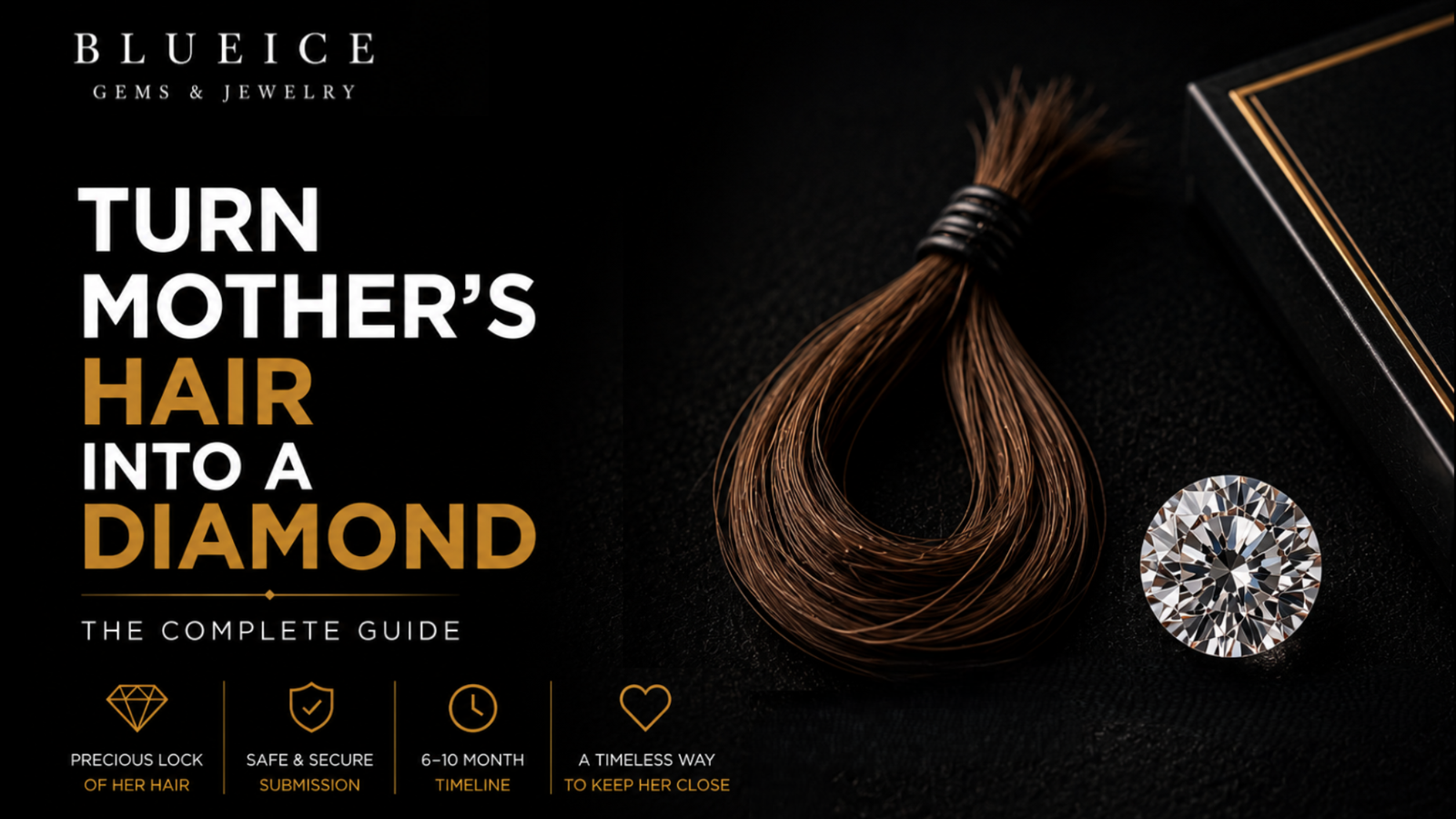
A lock of your mother’s hair can hold a meaning that is impossible to replace.
Unlike ashes, hair is often limited. A saved lock may be the only one that exists, which makes preparation especially important before anything is cut, packaged, or mailed.
The process can be straightforward: find or prepare the lock of hair, confirm the provider’s requirements before cutting anything, choose your preferred diamond characteristics, safely package the material, and send it to the laboratory.
The finished memorial diamond can take several months to complete.
In This Guide
- Where to find your mother’s hair
- What to decide before cutting a lock
- How to know whether you have enough hair
- How to cut and handle the hair
- How to safely package and mail it
- What happens while the diamond is being created
- What happens when the finished diamond arrives
- Frequently asked questions
Where Will You Actually Find Your Mother’s Hair?
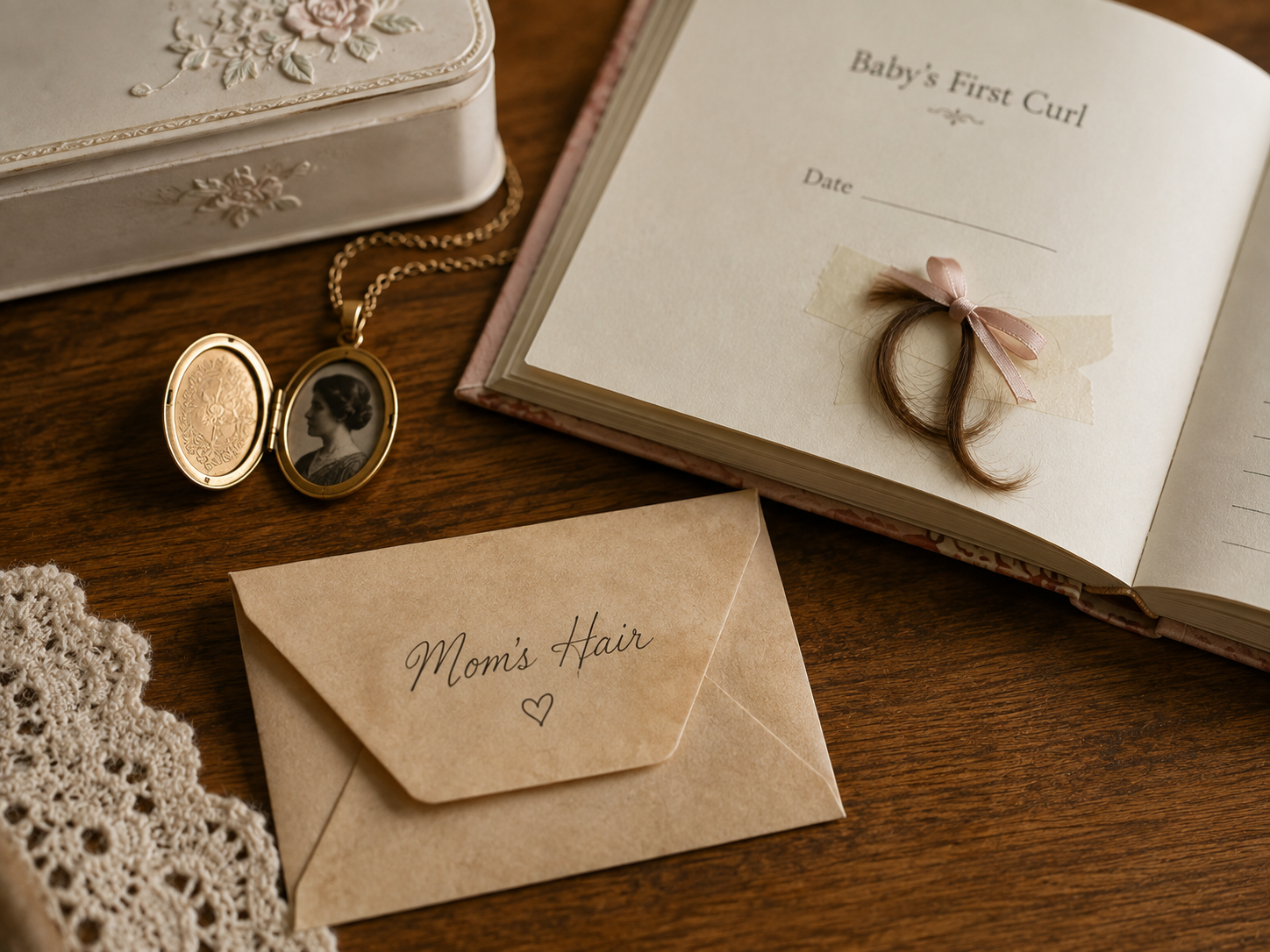
Most families do not intentionally collect hair for the purpose of creating a memorial diamond. A saved lock is usually something that is discovered years later.
Some common places where families may find a lock of hair include:
- A folded envelope inside a jewelry box
- A baby book
- A saved childhood braid
- A locket
- A hairbrush
- A lock saved after a haircut
- Hair kept by a funeral home at the family’s request
A clean and identifiable lock is generally easier to submit than loose hair collected from a shared hairbrush.
If the hair comes from a shared brush, it may contain strands from multiple people. It is important to tell the provider where the hair came from when asking whether it can be used.
If your mother is still living, she can personally provide a lock of hair for the memorial diamond process.
What Should You Decide Before You Touch the Scissors?
Before cutting anything, decide what type of diamond you want.
1. Diamond Carat Size
The selected carat size can affect the growth process, timeline, and cost.
Sending more hair does not automatically create a larger diamond. The amount of hair submitted and the size of the finished diamond are not the same thing.
Before cutting a lock, confirm the provider’s requirements for the specific diamond size you want.
Learn how to choose a carat size for a memorial diamond.
2. Diamond Color
Memorial diamonds may be available in different colors, depending on the laboratory process and selected options.
Your mother’s natural hair color does not necessarily determine the color of the finished diamond.
Choose your preferred diamond characteristics first, then confirm how much material is required before preparing the lock of hair.
Learn what color a diamond made from your mother’s hair can be.
How Do You Know You Have Enough Hair?
This is one of the most important steps in the entire process.
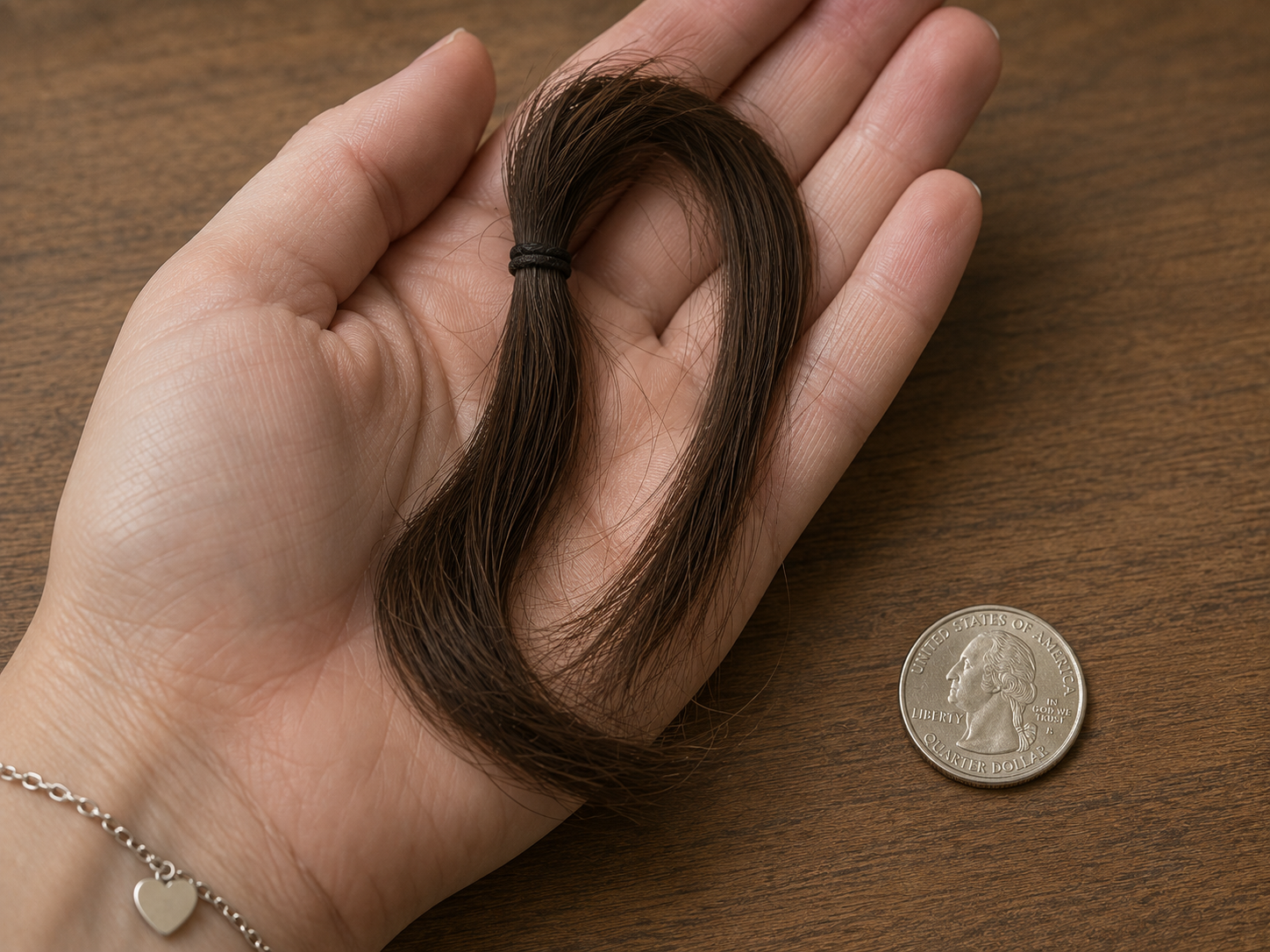
If a lock of hair is the only one available, there may not be another opportunity to collect more. For that reason, confirm the provider’s minimum material requirement before cutting anything.
Requirements can vary depending on:
- The provider
- The selected diamond size
- Whether one or multiple diamonds are being created
- The laboratory process
A small lock of hair may be enough in some cases, but the exact requirement should always come directly from the provider.
Before cutting the hair, ask:
Is This Amount Enough for the Diamond Size I Want?
If you are unsure, ask the provider how they recommend confirming the quantity.
What Happens to Unused Hair?
Ask whether unused material is returned and how it is handled.
What Happens if the Diamond-Growing Process Needs to Be Repeated?
Understanding how the remaining material is managed can help you make a more informed decision.
If the available amount is limited, choosing a smaller diamond may be safer than cutting more hair than necessary.
Learn how much hair you may need for a mother memorial diamond.
How Should You Cut and Handle a Lock of Hair?
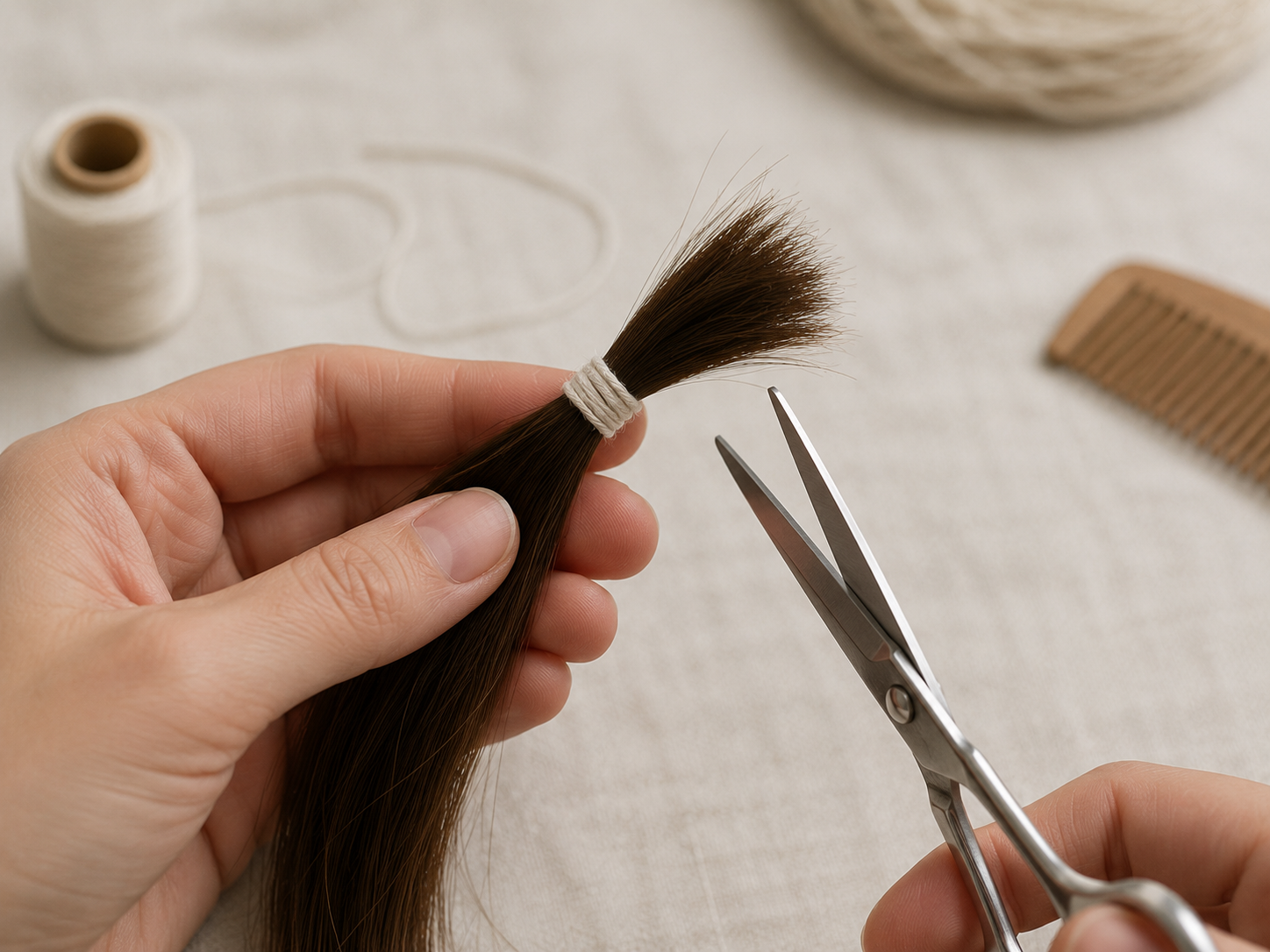
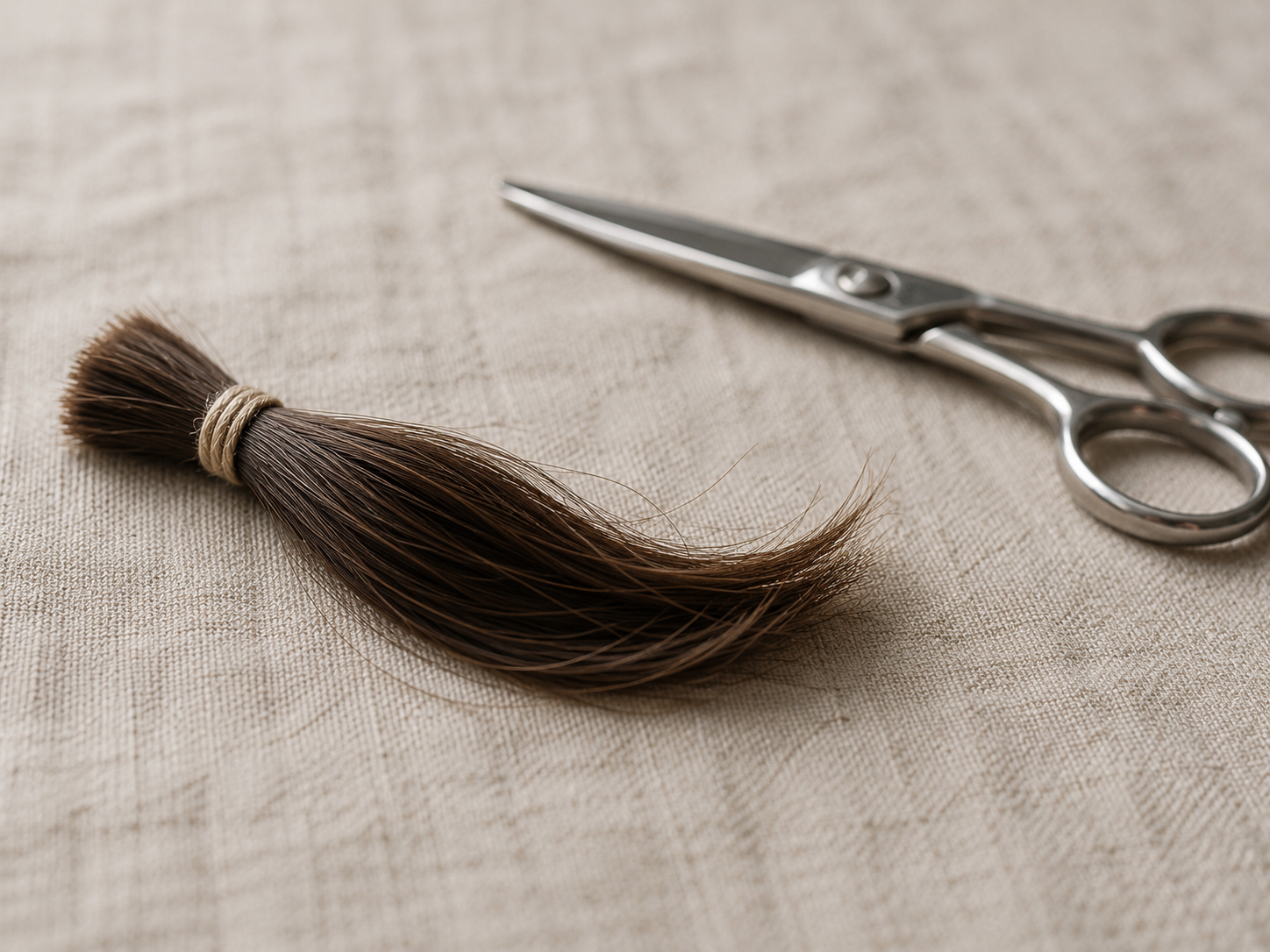
If a lock needs to be cut, preparation can help keep the strands together.
Some practical handling steps include:
- Cut rather than pull the hair
- Use clean, sharp scissors
- Keep the lock together
- Bind one end before cutting
- Keep the hair dry
- Store the lock carefully before mailing
Binding the hair before cutting can help prevent individual strands from scattering.
The source material should also be kept clean and protected until the provider gives instructions for submission.
Treated hair, including gray or colored hair, may require provider-specific confirmation before submission.
Read the complete guide to a mother hair diamond.
How Do You Package and Mail Hair Safely?
Hair generally does not have the same shipping restrictions as cremated remains.
However, the biggest risk is physical damage to the package.
A soft envelope can potentially tear or become damaged during sorting. If the hair escapes, recovering it may be impossible.
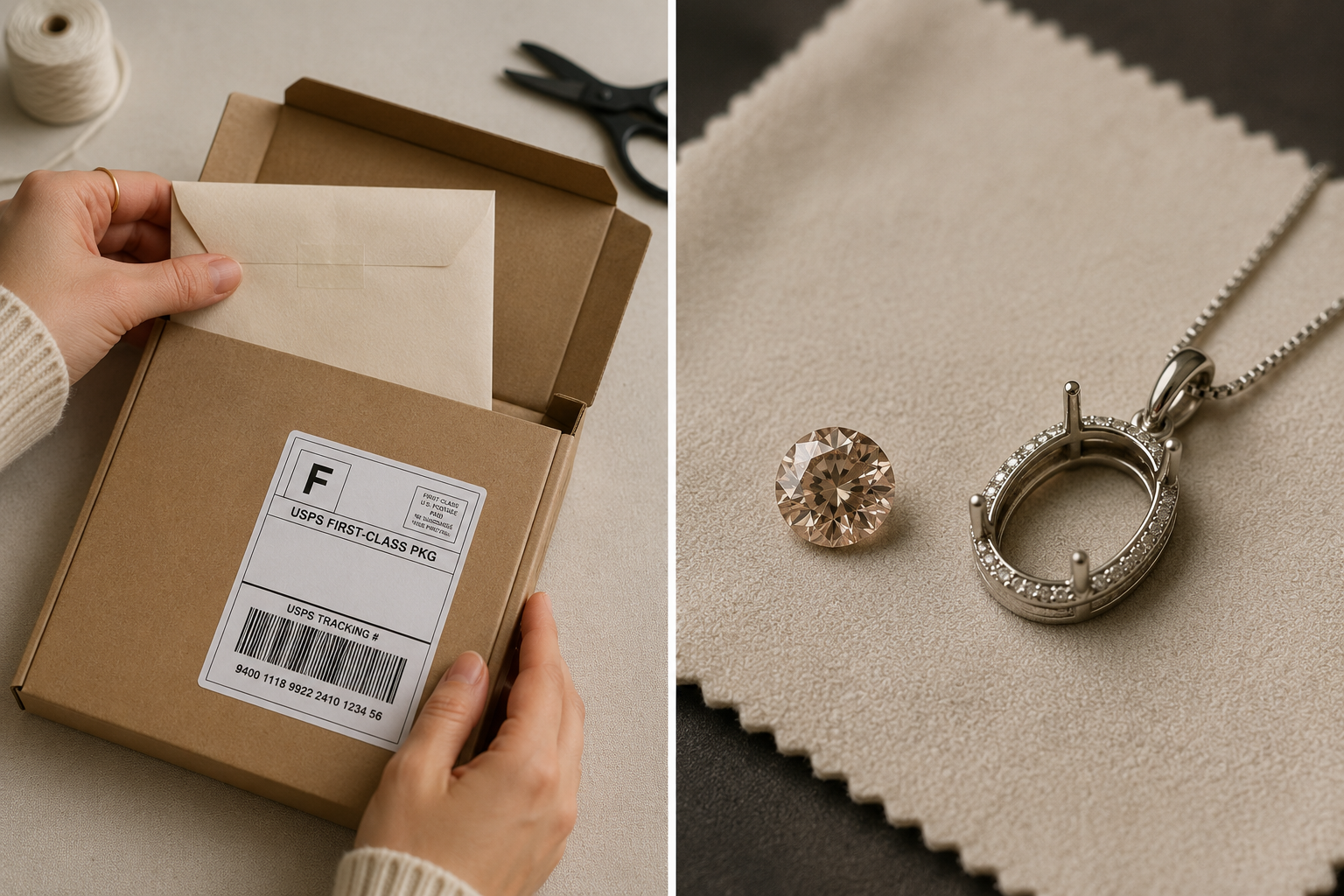
Step 1: Place the Hair in an Inner Envelope
Keep the lock together and place it inside a small envelope or container.
Step 2: Seal the Inner Packaging
Secure the inner envelope so the hair cannot easily escape.
Step 3: Use a Rigid Outer Mailer
A rigid mailer can provide more protection than a standard paper envelope.
Step 4: Add Identification
Include the person’s name and any reference number provided by the company.
Step 5: Use a Trackable Shipping Service
Tracking can help you confirm when the package has been delivered.
Always confirm the provider’s current packaging and mailing requirements before sending the hair.
What Happens While You Wait?
After the hair has been received and documented, the laboratory process begins.
The general process can involve:
1. Material Intake
The submitted hair is received and recorded according to the laboratory’s procedures.
2. Carbon Recovery
The material goes through processing designed to recover usable carbon.
3. Carbon Purification
The recovered carbon is purified and prepared for the diamond-growing process.
4. Graphite Preparation
The prepared carbon can be converted into a suitable form for diamond growth.
5. Diamond Growth
The material is used during controlled laboratory diamond growth.
6. Cutting and Polishing
The rough diamond crystal is shaped into the selected cut.
7. Grading and Final Preparation
The finished stone can be evaluated based on characteristics such as:
- Cut
- Color
- Clarity
- Carat
The memorial diamond process can take approximately 6 to 10 months, depending on the selected diamond and laboratory requirements.
Learn how a memorial diamond is made from your mother’s hair.
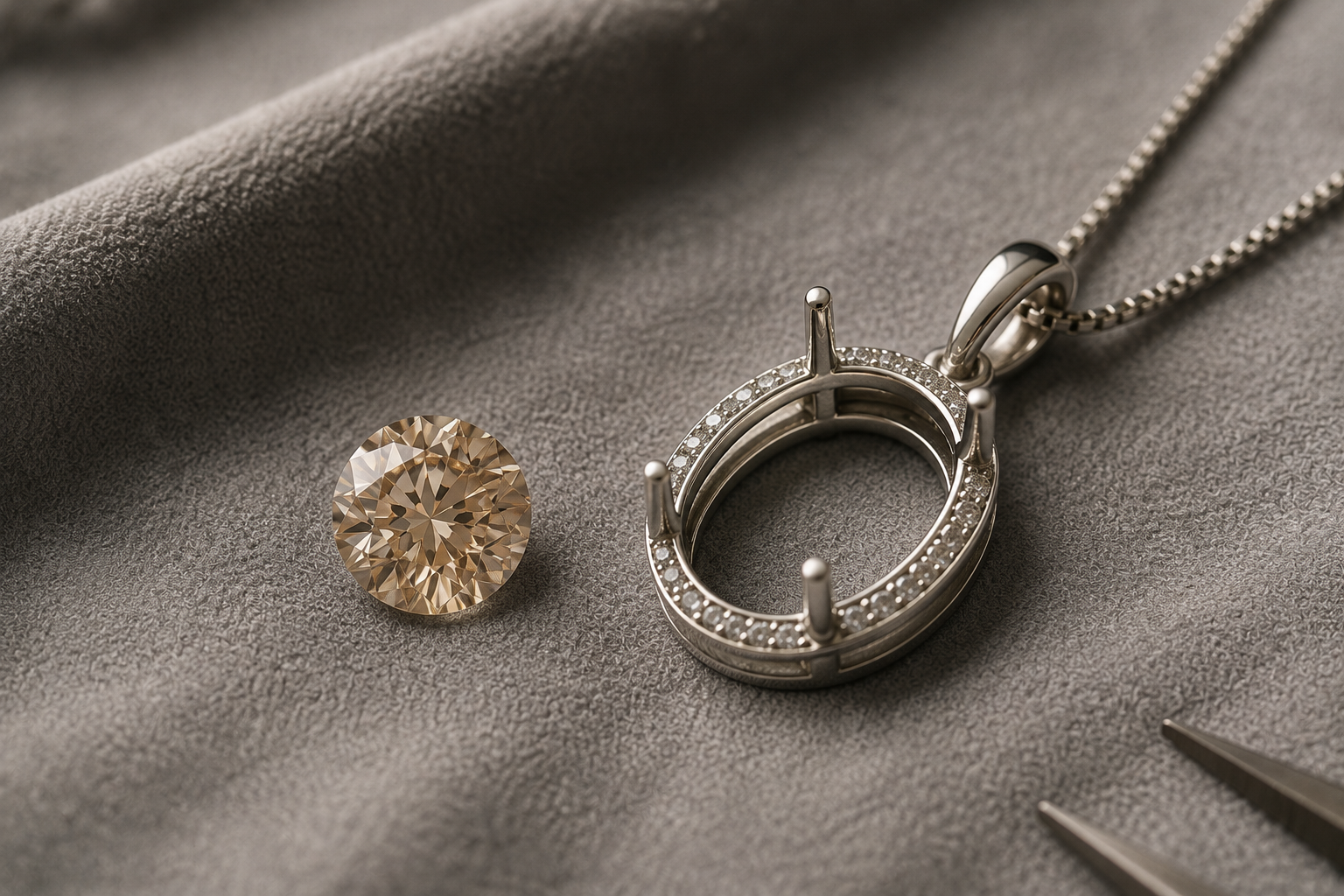
What Happens When the Diamond Arrives?
The finished memorial diamond may arrive as a loose stone.
Depending on the provider, documentation may accompany the diamond, such as information about its characteristics and the memorial process.
After receiving the stone, you can decide how you would like to preserve or wear it.
Popular options include:
- A memorial diamond pendant
- A ring
- A necklace
- A custom jewelry setting
- Resetting an existing family jewelry piece
There is no need to rush this decision. The setting can be selected after you have seen the finished diamond and decided what feels most meaningful.
Explore memorial diamond settings and jewelry ideas for a mother.
Frequently Asked Questions
Do I need to send the hair with the roots attached?
A cleanly cut lock may be suitable for the memorial diamond process. Always confirm the specific material requirements with your provider before submission.
How Much Hair Should I Cut?
Confirm the provider’s minimum requirement for your selected diamond before cutting anything. If the lock is the only available hair, it is especially important to confirm the amount first.
Can I Mail the Hair in a Regular Envelope?
A more protective option, such as a sealed inner envelope placed inside a rigid mailer, can reduce the risk of the hair scattering if the outer package is damaged.
What if the Only Hair I Have Is From Her Hairbrush?
Tell the provider before submitting it. A shared hairbrush may contain hair from more than one person, so a clean and identifiable lock is generally preferable.
What if My Mother Is Still Living?
A living mother can provide a lock of hair herself. This can create a meaningful memorial or keepsake diamond without cremation being involved.
Can I Create More Than One Diamond?
This depends on the amount of available material and the provider’s requirements. Confirm the requirements before deciding how many diamonds you would like to create.
Before You Send the Hair
Before mailing anything, confirm these important details:
- ✓ The provider accepts hair as a source material.
- ✓ You have selected the diamond size and other preferences.
- ✓ You know the minimum amount of hair required.
- ✓ You have enough material before cutting.
- ✓ The lock is safely stored and clearly identified.
- ✓ You understand the provider’s packaging instructions.
- ✓ You are using an appropriate tracked shipping service.
Taking these steps before sending the hair can help prevent unnecessary mistakes.
Turn Your Mother’s Hair Into a Lasting Memorial Diamond
A lock of your mother’s hair can be a deeply personal keepsake.
Before cutting or sending it, take time to confirm the requirements, understand the process, and decide what type of diamond you would like to create.
The most important step is often the first one:
Ask questions before you cut anything.
A memorial diamond can become a lasting symbol of connection and remembrance, preserving the meaning of a treasured lock of hair in a form that can be kept and passed down.
Ready to Create a Memorial Diamond From Your Mother’s Hair?
If you have a saved lock of your mother’s hair and are considering a memorial diamond, start by understanding whether the available material is suitable for the diamond you have in mind.
Contact us to discuss your available hair, preferred diamond size, and memorial diamond options.