
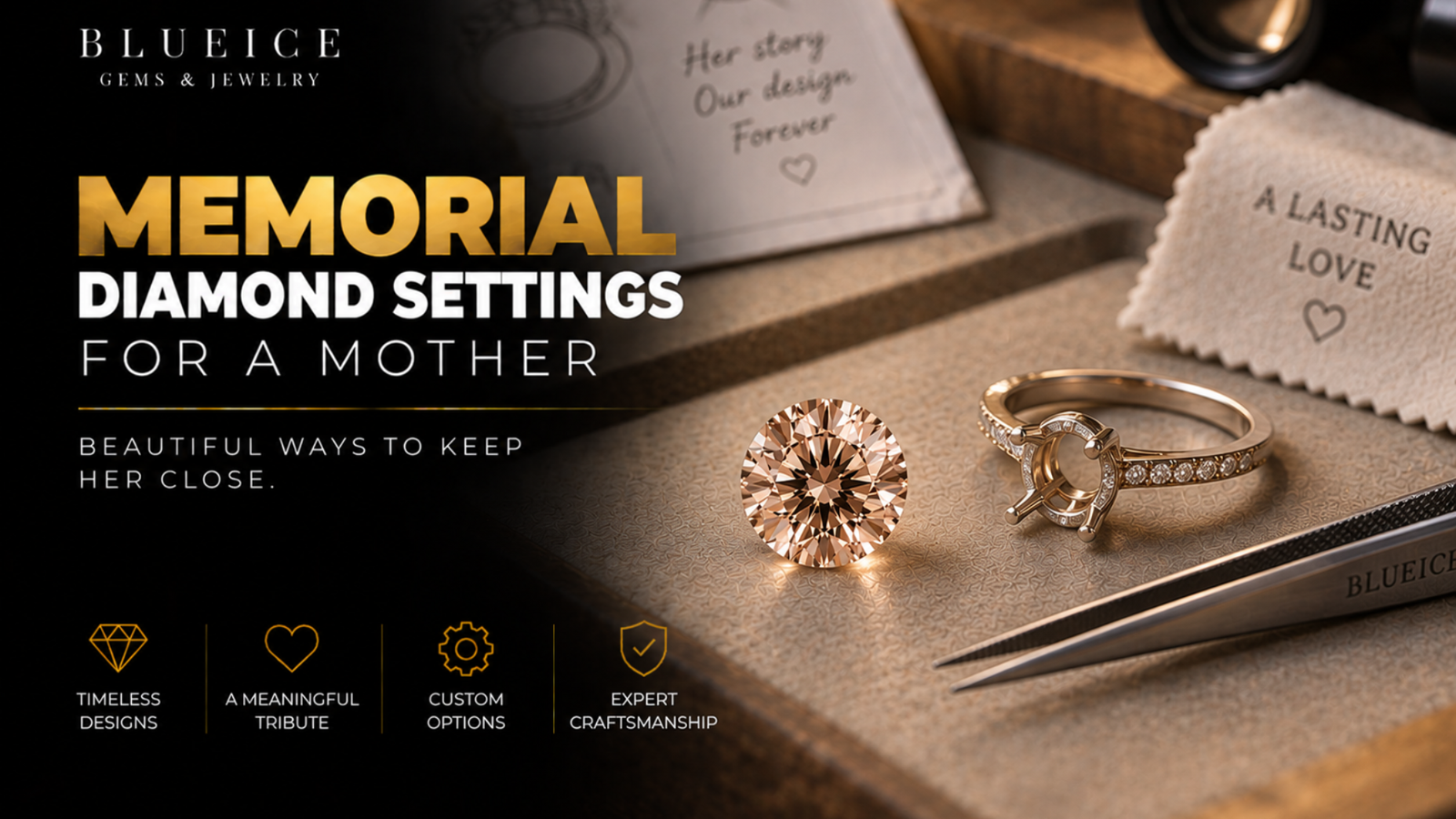
When your mother’s memorial diamond arrives, you eventually take the loose stone to a jeweller who can turn it into something you can wear. Before you hand over the stone, remember one important fact. You cannot replace this diamond.
That fact should guide your setting choice. A full bezel or half bezel can give the stone strong protection. Platinum and 14k gold can provide durable options for everyday jewellery. Prongs expose more of the diamond and require regular inspection. Tension settings rely on pressure and deserve extra caution for a memorial diamond.
The setting can change later. The stone carries the permanent connection to your mother.
On this page
- Why an irreplaceable stone changes the rules
- How each setting holds the stone
- Choosing a metal
- What actually loses a stone
- Resizing and repair
- Hardness is not toughness
- Moving it later
- Frequently asked questions
If you are still deciding what type of jewellery to create, explore ideas for rings, pendants and keepsakes.
Why an Irreplaceable Stone Changes the Rules
A conventional diamond has a replacement option. Insurance can provide money, and a jeweller can source another diamond with similar carat, colour and clarity.
A memorial diamond has a different meaning. Its carbon comes from your mother’s ashes or hair. The laboratory purifies that carbon and grows it into the diamond crystal alongside supplemental laboratory carbon. Industry information places the personal carbon contribution for ash derived stones at roughly 10 to 15 percent of the finished stone mass.
That personal portion remains finite. Insurance can help protect the financial value of your jewellery, but money cannot recreate your mother’s specific stone. You can learn more about whether to insure a memorial diamond.
For that reason, security should guide your setting decision.
How Each Setting Holds the Stone
| Setting | How it holds the stone | Exposure | Main risk | Best use |
|---|---|---|---|---|
| Full bezel | A metal rim surrounds the girdle | Lowest | The rim can hide signs of a loose seat | Hands on daily wear |
| Half bezel | Metal walls secure two sides of the stone | Moderate | The exposed girdle can receive an impact | Protection with more light exposure |
| Four or six prongs | Claws hold the crown of the stone | High | A damaged claw can release the stone | Regularly inspected jewellery |
| Tension | Spring pressure grips the girdle | Very high | A strong impact can affect the grip | Use with extra caution |
| Flush or gypsy | The stone sits inside the metal surface | Lowest | The setting can make colour appear deeper | Wide bands and active wear |
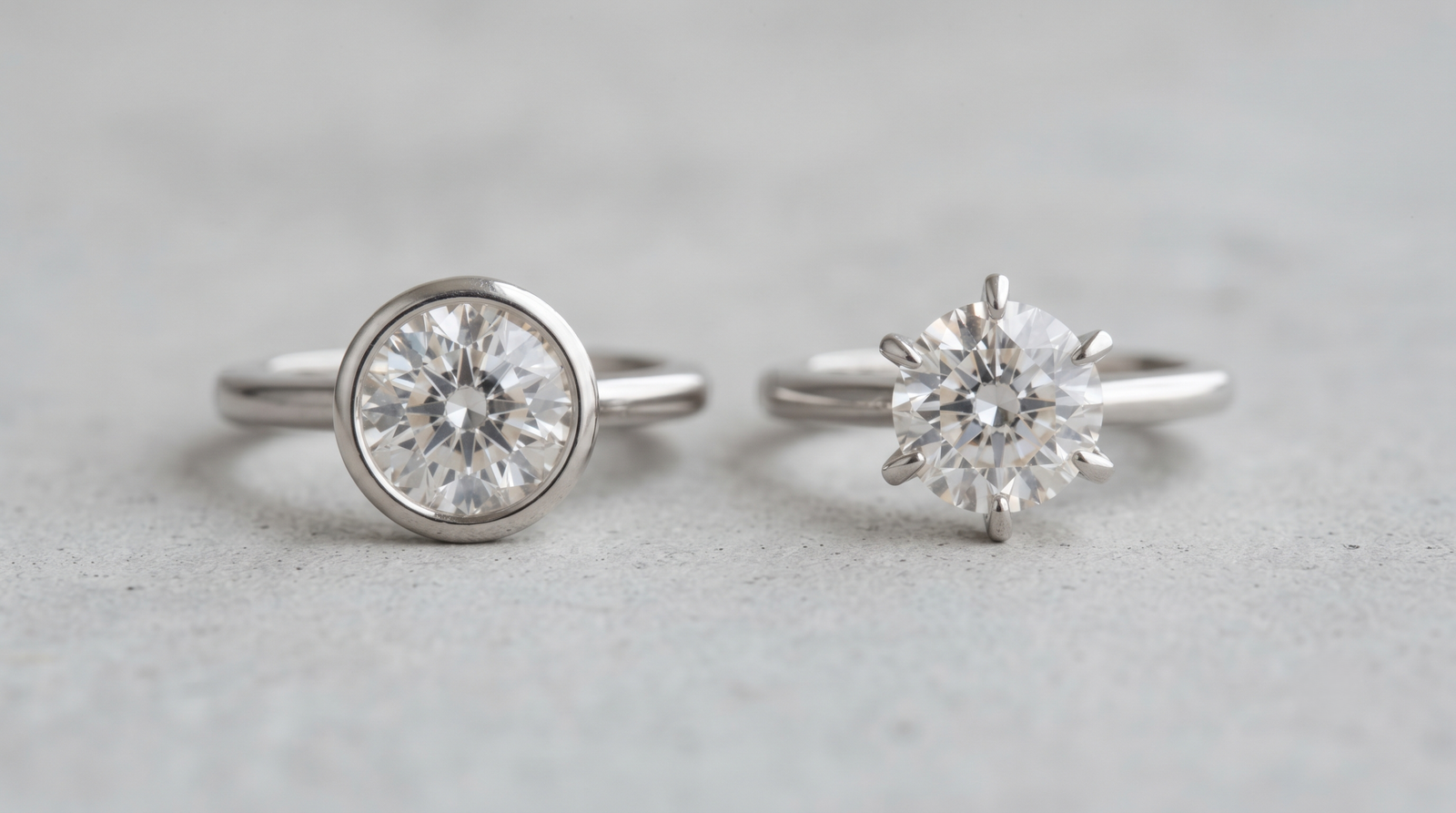
A full bezel offers one major advantage because the metal surrounds the girdle. The design can protect the edge of the diamond from many everyday impacts.
A bezel also creates one maintenance challenge. The surrounding metal can hide the seat, so you cannot always see a developing problem from above. A bezel reduces exposure, but you still need professional inspections.
Prongs provide more visual exposure and allow more light to reach the diamond. They also need regular attention because wear can thin the claw tips.
Tension settings deserve particular caution. The design relies on pressure rather than surrounding metal. A memorial diamond carries personal value that makes this risk difficult to justify.
Choosing a Metal for a Stone You Cannot Replace
The metal affects how the setting handles daily wear. It also affects how often you may need professional maintenance.
- Platinum. Platinum offers a naturally white appearance and does not require rhodium plating. The metal moves under wear instead of shedding large amounts of material. It also costs more than the gold options in this guide.
- 18k gold. 18k gold contains a higher proportion of pure gold and offers a rich colour. Its softer alloy can show wear on shanks and prong tips sooner.
- 14k gold. 14k gold offers a harder gold alloy than 18k gold. If you plan to wear a ring every day, ask your jeweller whether 14k gold suits your design.
- White gold. White gold commonly uses rhodium plating to create a bright white surface. Wear can expose the warmer metal underneath, so you may need professional replating over time. Ask your jeweller how they handle the stone during this service.
- Sterling silver. Sterling silver does not make an ideal choice for a memorial diamond that you cannot replace. Its softer structure can allow prongs to deform with regular wear.
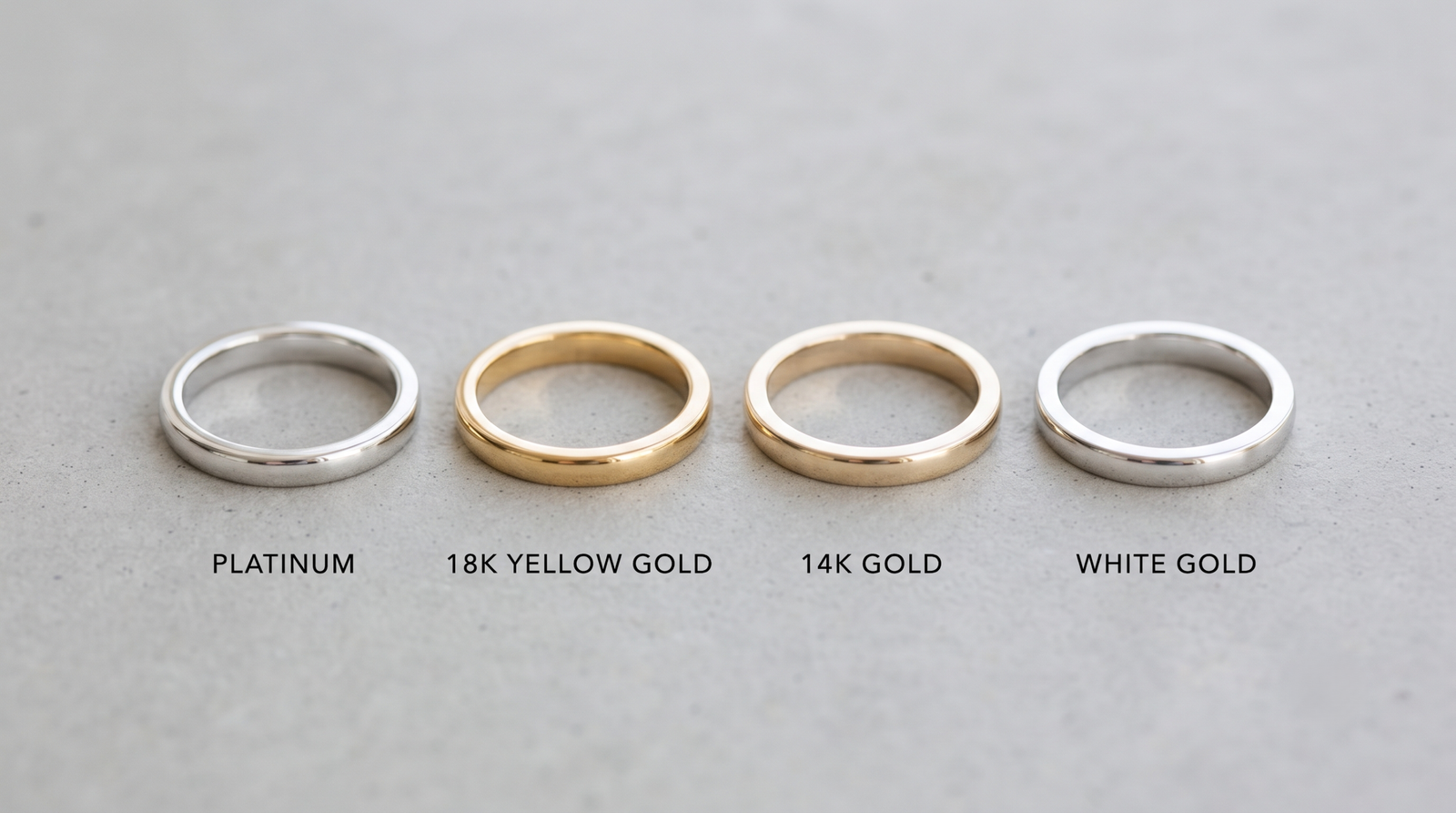
Your diamond colour can also look different against different metals. A champagne or yellow stone can look warmer against yellow gold and cooler against platinum. Read what to expect from memorial diamond colours before choosing the final combination.
Ask your jeweller to show your preferred diamond colour against both warm and cool metals before you approve the setting.
What Actually Loses a Stone?
The diamond usually does not cause the loss. The mount, chain, clasp or an unexpected moment can create the problem.
- A worn prong tip. A prong can become thinner after years of wear. If the claw catches on clothing, ask a jeweller to inspect it.
- A thinning shank. The underside of a ring receives constant contact with everyday objects. A severely worn shank can eventually affect the ring’s structure.
- An oversized ring. A loose ring can spin around your finger and increase the chance of loss.
- A weak bail, jump ring or clasp. Pendants depend on these components for security. Ask your jeweller about a soldered jump ring and a clasp that suits the jewellery weight.
- Cleaning near an open drain. Always clean your jewellery away from an open sink. You can also learn more about caring for a memorial diamond.
Make inspection part of your jewellery routine. Ask a jeweller to examine the prongs, the stone seat, the shank, the bail and the clasp. If you wear the piece every day, ask your jeweller how often you should schedule an inspection.
Can a Ring Holding a Memorial Diamond Be Resized?
A jeweller can resize many ring designs, but you should choose the correct size from the beginning whenever possible.
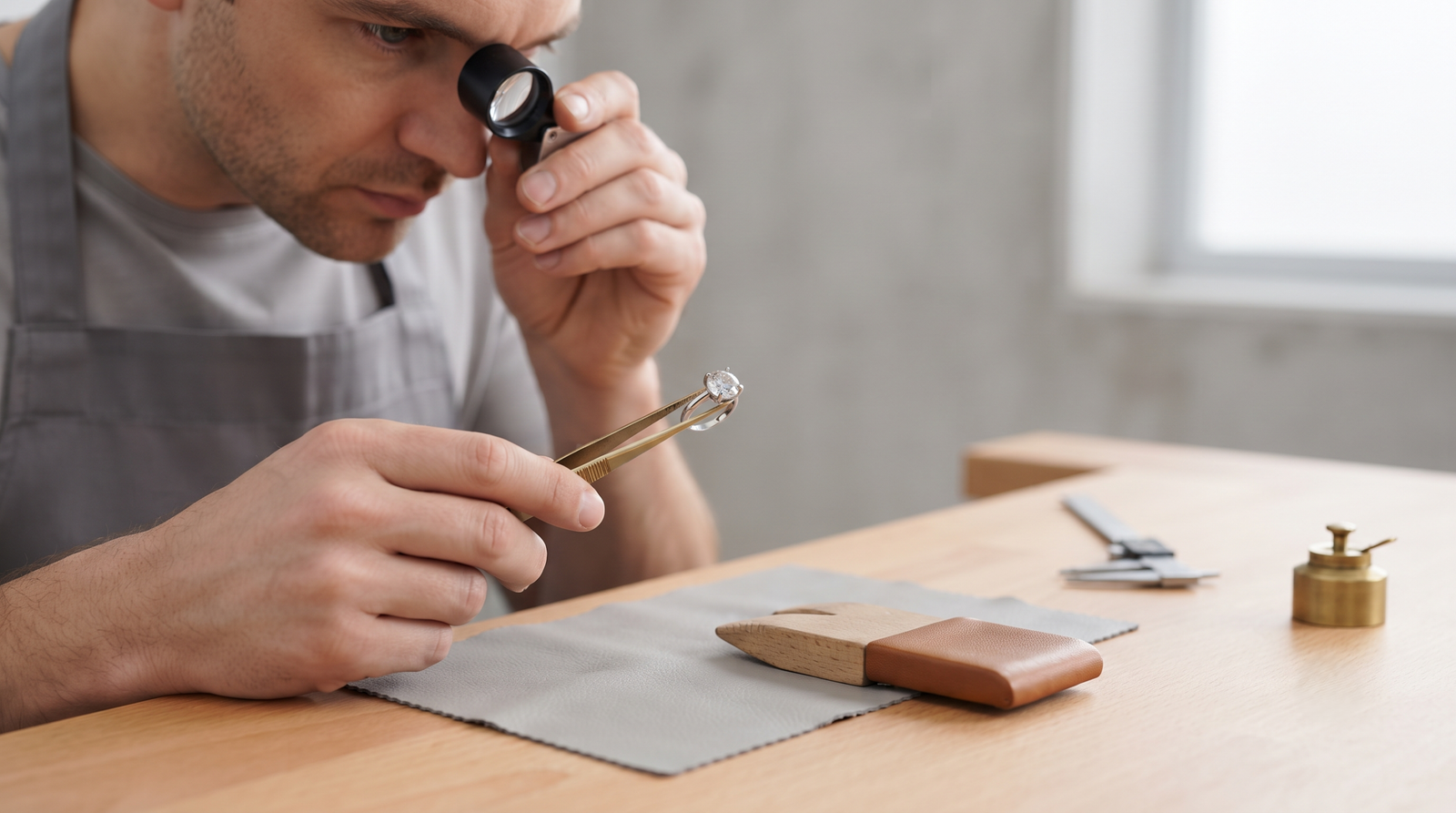
Ring work can involve significant heat. A jeweller needs to protect the diamond from unnecessary exposure during resizing or repair. Ask the jeweller whether they will remove the stone before the work or protect it during the process.
Also ask what record they provide if the stone leaves the setting during repair. Your goal should involve more than repairing the metal. You also need a clear process for protecting the diamond.
Consider these points before ordering your ring:
- Measure your finger at different times of the day and at a comfortable room temperature.
- Consider how future changes in finger size could affect the fit.
- Remember that wide bands can require a different fit from narrow bands.
- Ask about resizing limits before choosing an eternity design, tension design, channel setting or pavé shank.
- Ask about sizing beads, spring inserts or sizing bars when you need a small adjustment.
Hardness Is Not Toughness
Diamond has a Mohs hardness of 10, which makes it the hardest known material. That hardness helps protect the surface from scratches.
Hardness does not mean that the diamond cannot fracture. Toughness describes resistance to fracture, and diamond can still suffer damage from a sharp impact at a vulnerable angle.
The girdle sits between the crown and pavilion and can receive direct impacts. A prong setting can leave more of this area exposed than a bezel setting.
Everyday activities can create unexpected impacts. A door frame, car door, heavy object or sudden movement can put force on the stone.
A jeweller may sometimes recut a damaged diamond, but recutting removes material and permanently reduces the stone’s weight. It can also make an existing grading report no longer describe the resulting stone accurately.
Can the Stone Move to a Different Setting Later?
Yes. A jeweller can move a memorial diamond from one setting to another when the design allows it.
You might wear the diamond in a pendant today and choose a ring years later. You might also change the setting if another family member eventually receives the stone.
The stone remains the permanent object while each setting can change over time. You can read more about passing a memorial diamond down.
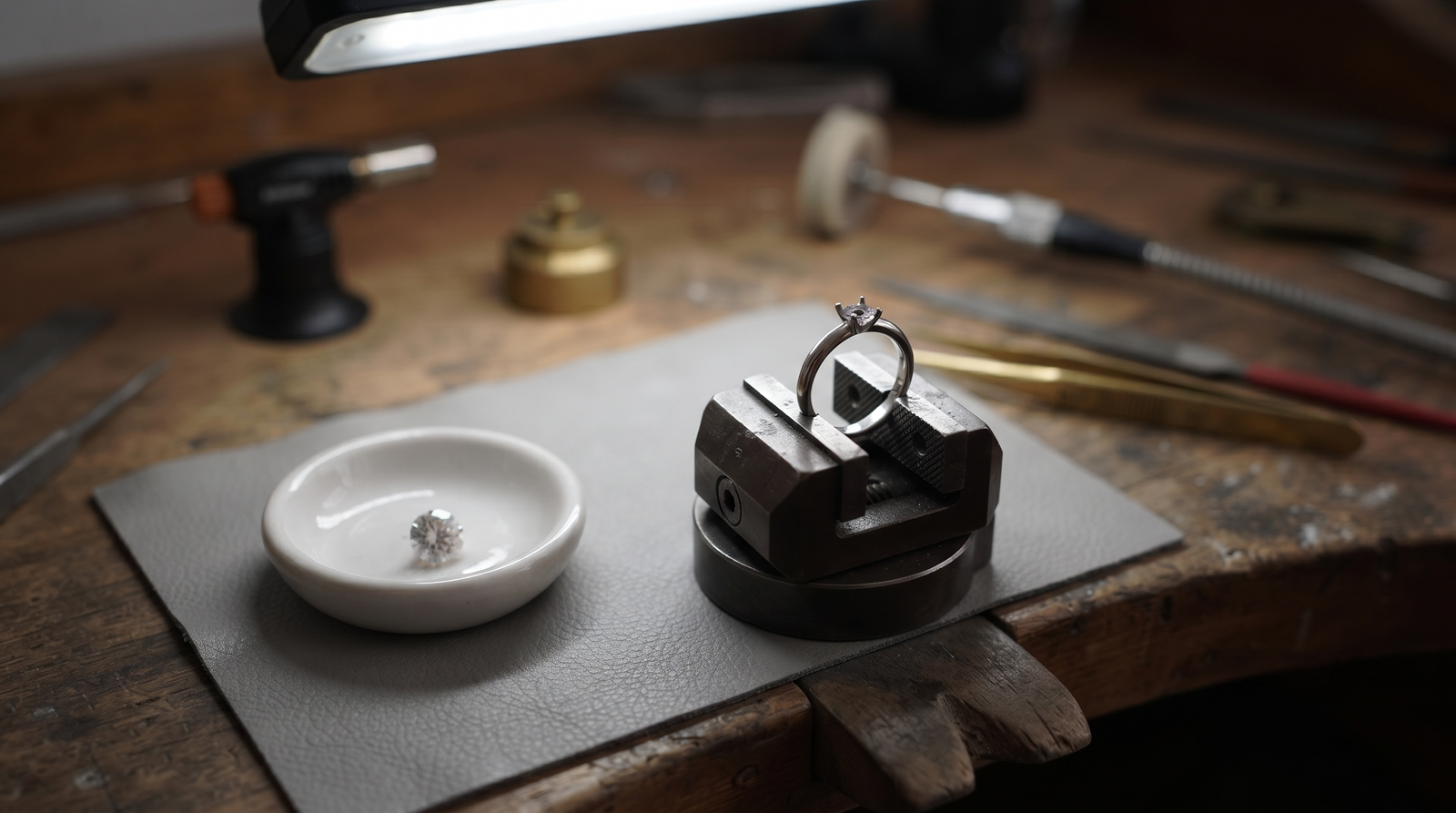
Each reset requires careful handling, so make a setting change for a meaningful reason rather than changing it frequently.
Keep the paperwork with the diamond through every change. Store the origin documentation and grading report together with your jewellery records.
You can place personal words on the metal rather than the diamond itself. Explore engraving and personalising the setting for ideas.
Setting, engraving and resizing can also create separate costs. Read what a mother memorial diamond costs before planning your complete jewellery budget.
Frequently Asked Questions
Is a bezel really safer than prongs for a memorial diamond?
A bezel surrounds the girdle with a continuous metal rim, so it provides strong retention and protection. Prongs hold the diamond at several points and expose more of the stone. A bezel still needs professional inspection because the surrounding metal can hide a developing problem.
Will a white gold setting need replating?
White gold commonly uses rhodium plating for its bright white appearance. Daily wear can reduce that surface over time and reveal the warmer metal underneath. Ask your jeweller how they handle the diamond during replating.
Is sterling silver a reasonable setting for a memorial diamond?
Sterling silver does not make an ideal choice for a memorial diamond that you cannot replace. Its softer structure can allow prongs to deform with regular wear. A stronger setting material can provide a more appropriate choice for long term security.
What can cause a diamond to chip if nothing can scratch it?
Hardness protects the diamond from scratches, while toughness relates to fracture resistance. A sharp impact at the wrong angle can damage a diamond, particularly around the girdle.
Does resizing a ring put the stone at risk?
Resizing involves heat and metal work, so ask your jeweller how they will protect the diamond. A jeweller can sometimes remove the stone before the work. Choosing the correct size at the beginning can also reduce the need for future resizing.
Can the same stone become a pendant now and a ring later?
Yes. A jeweller can often move the same memorial diamond between suitable settings. Each move requires careful handling, so keep the stone’s documentation with it throughout every setting change.
Ask About the Setting Before the Stone Is Finished
Consider the jewellery setting while your memorial diamond moves through production rather than waiting until the loose stone arrives. Production can take several months, which gives you useful time to consider the metal, design, mount and ring size.
You can also explore settings for rings, pendants, earrings and cufflinks if you want to compare more jewellery formats.
The most important question remains simple. If something unexpected happens during everyday wear, does your chosen setting give your mother’s diamond the protection it deserves?
Choose the setting with that question in mind. The metal can change. The mount can change. The jewellery style can change. Your mother’s memorial diamond cannot become another stone.