The moment before you say it can feel like the hardest part. Everyone sits together after the funeral, and you wait for the right opening.
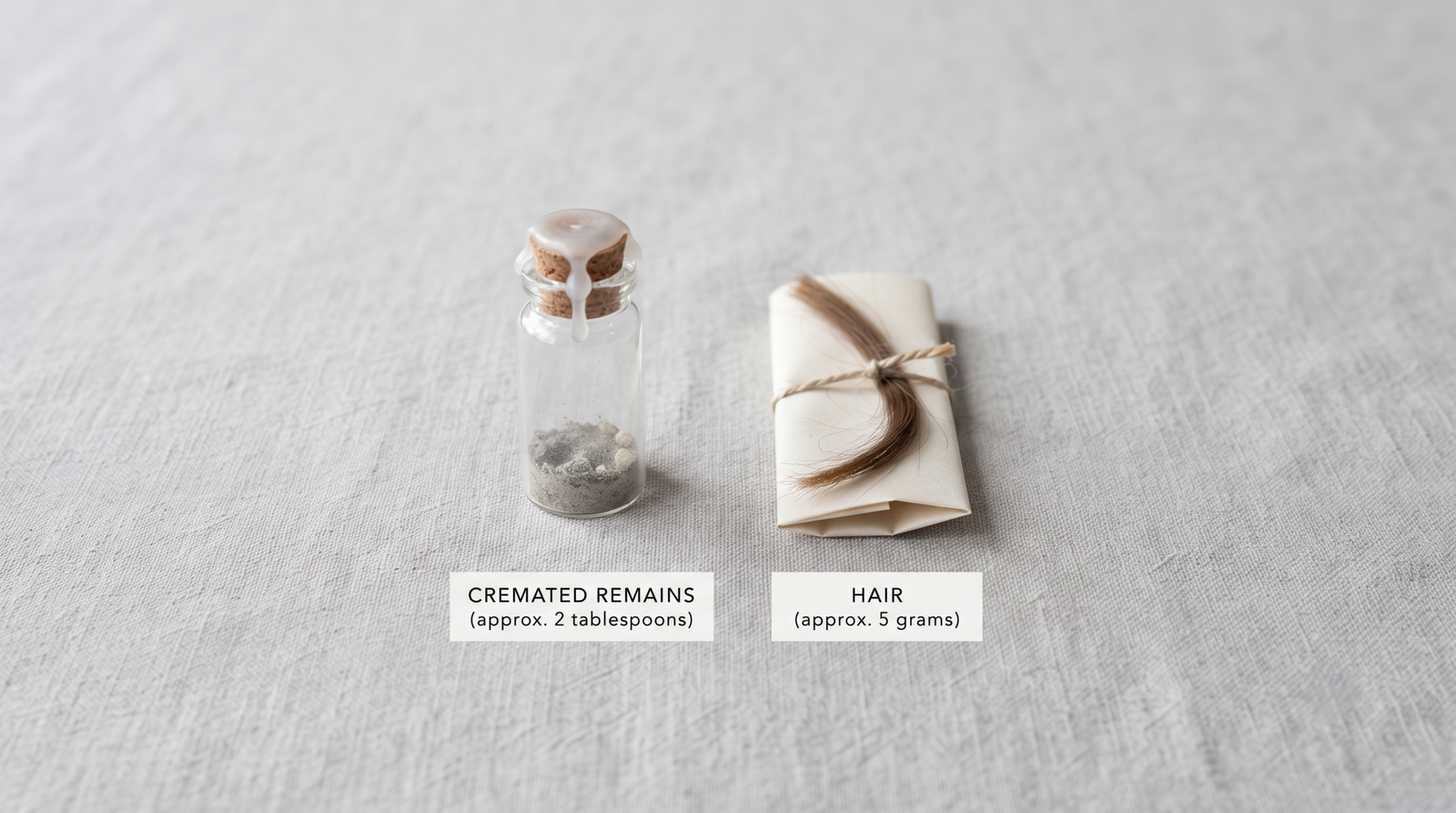
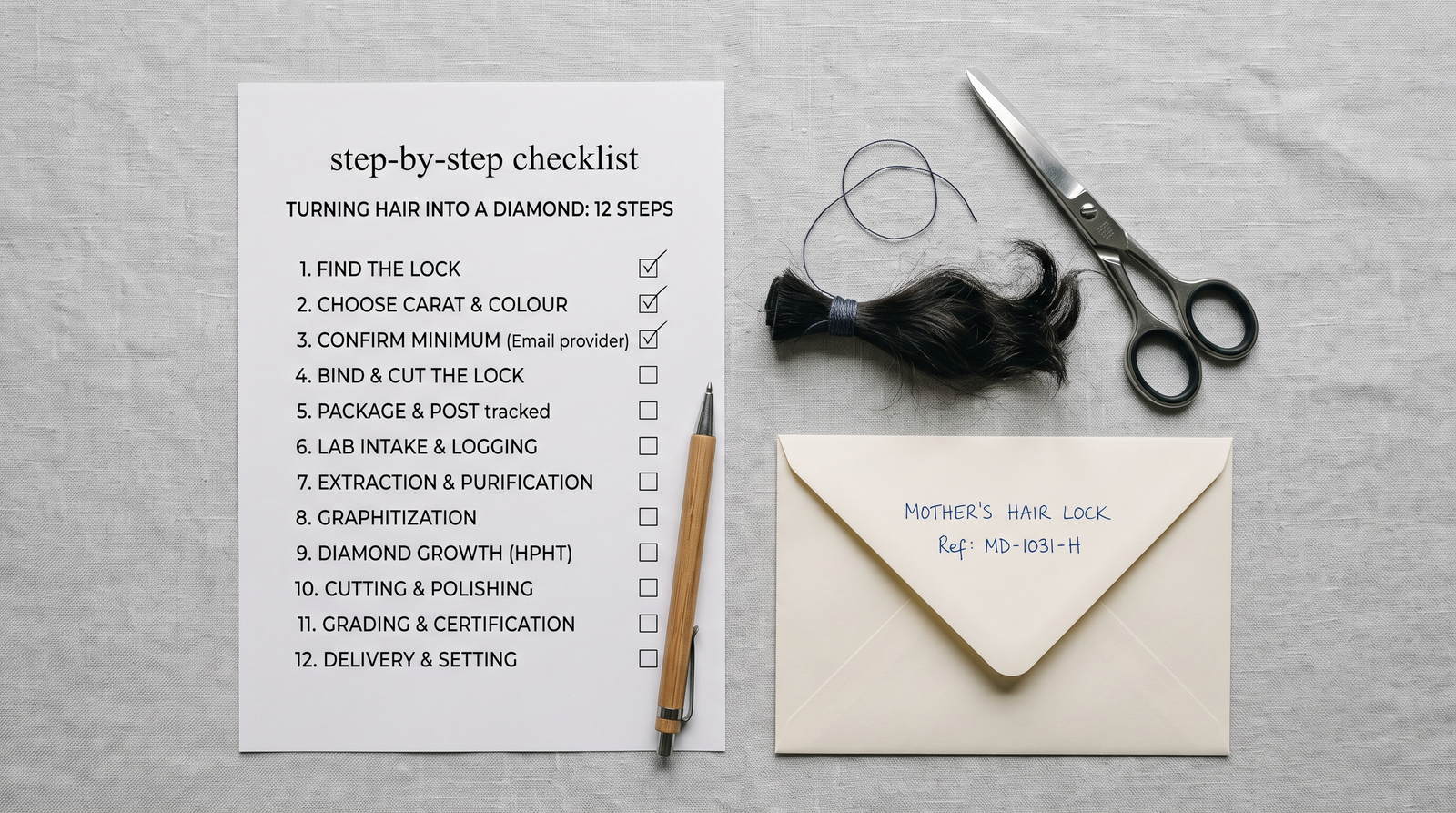
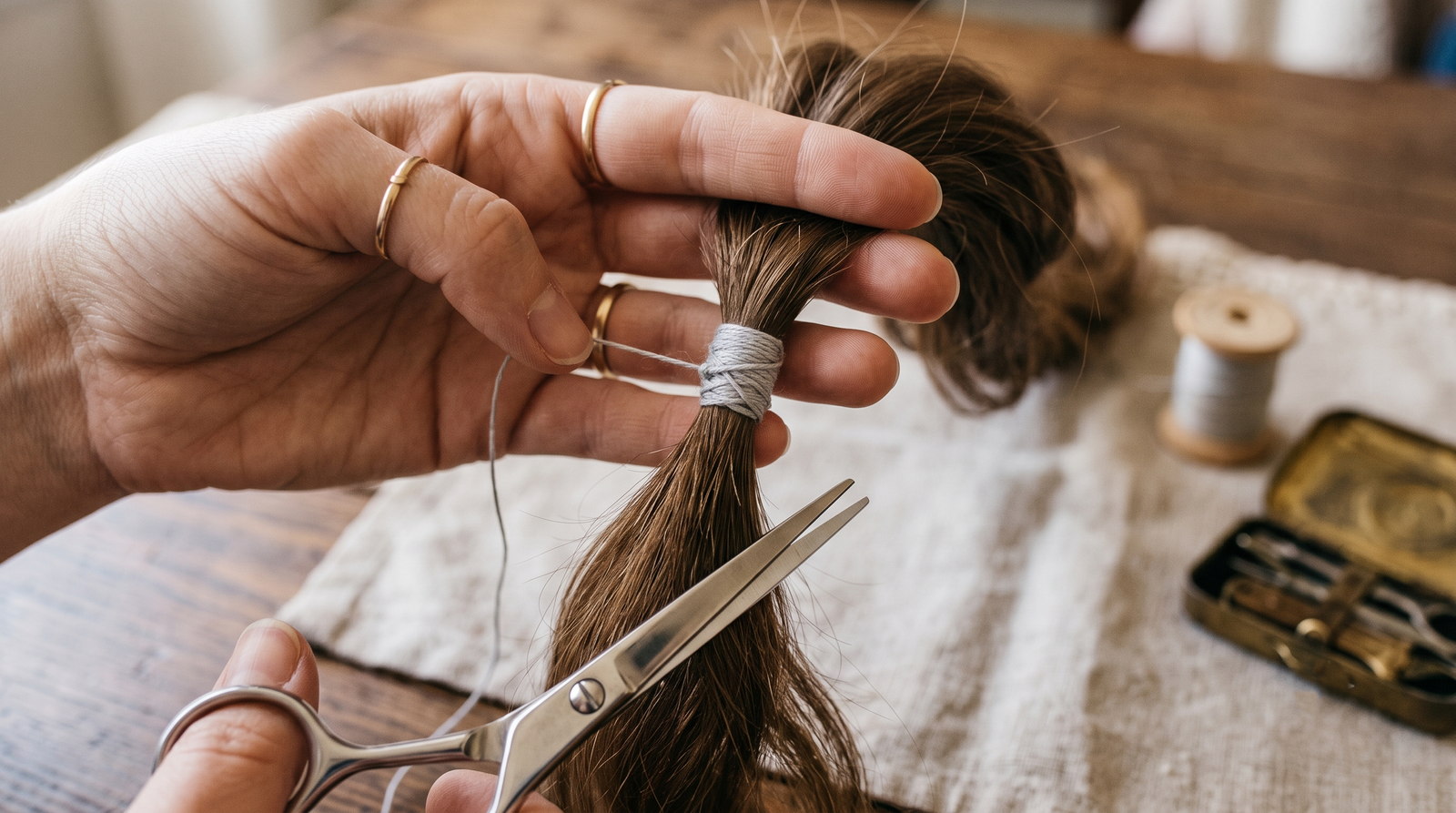
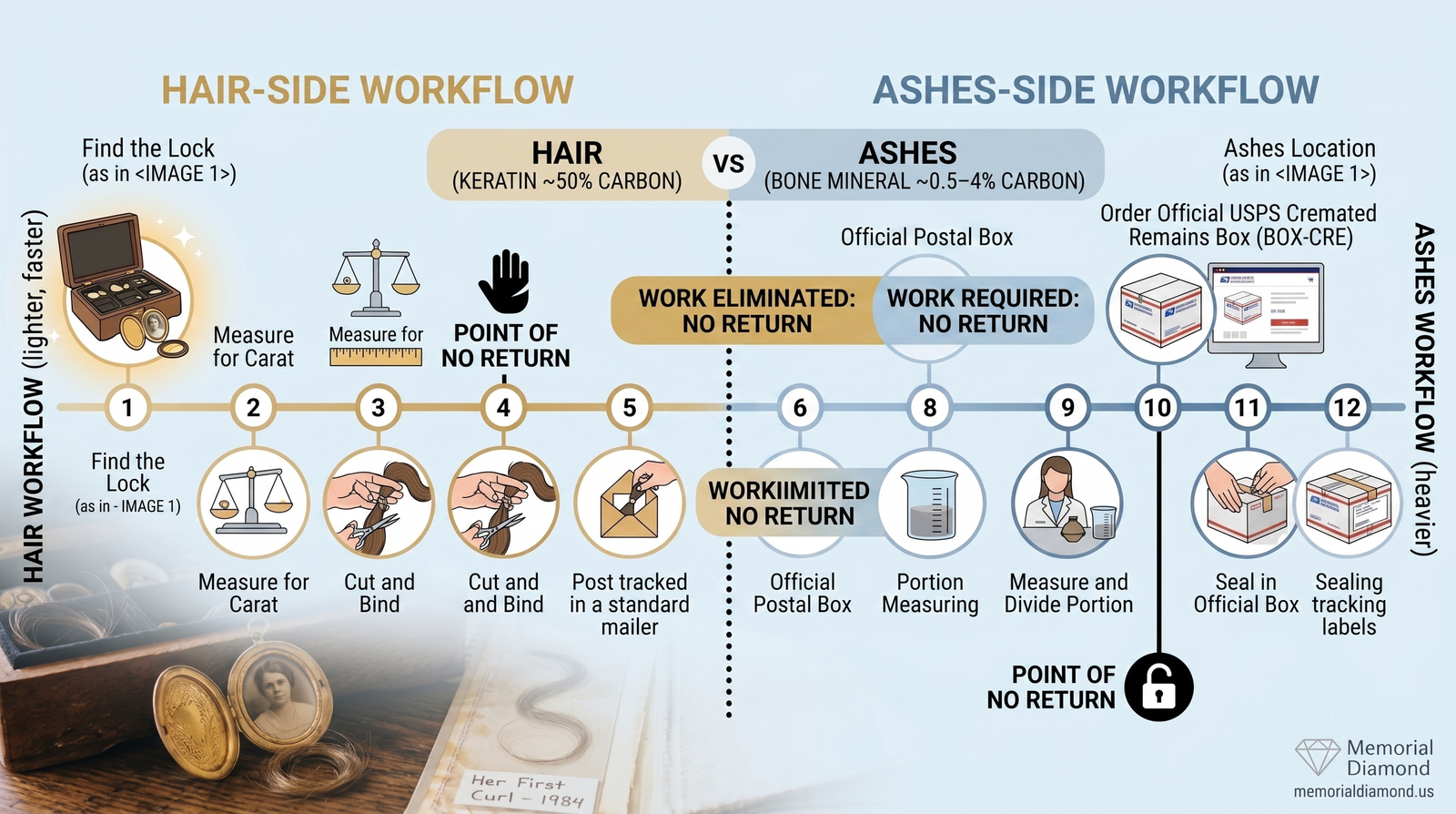
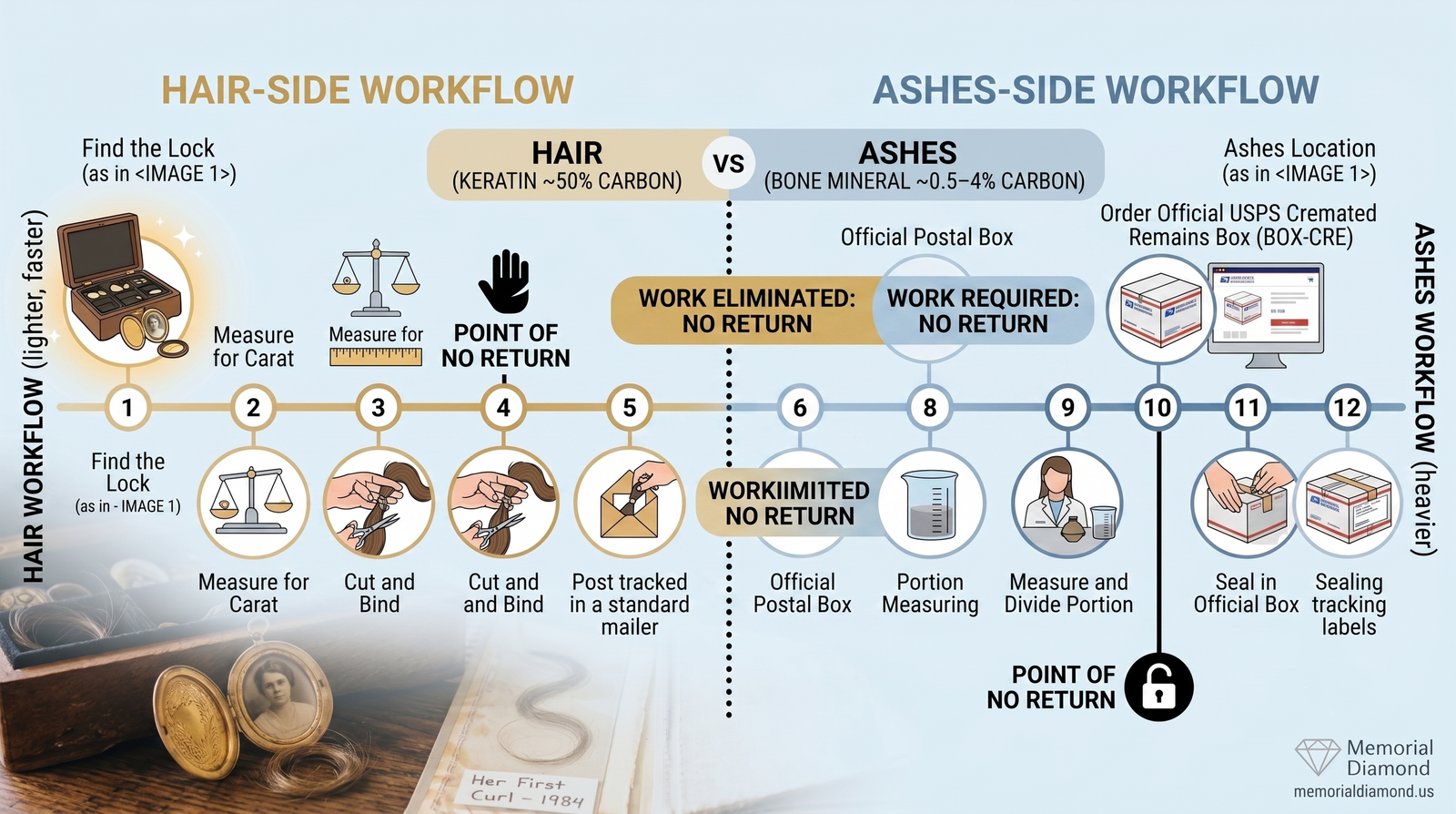
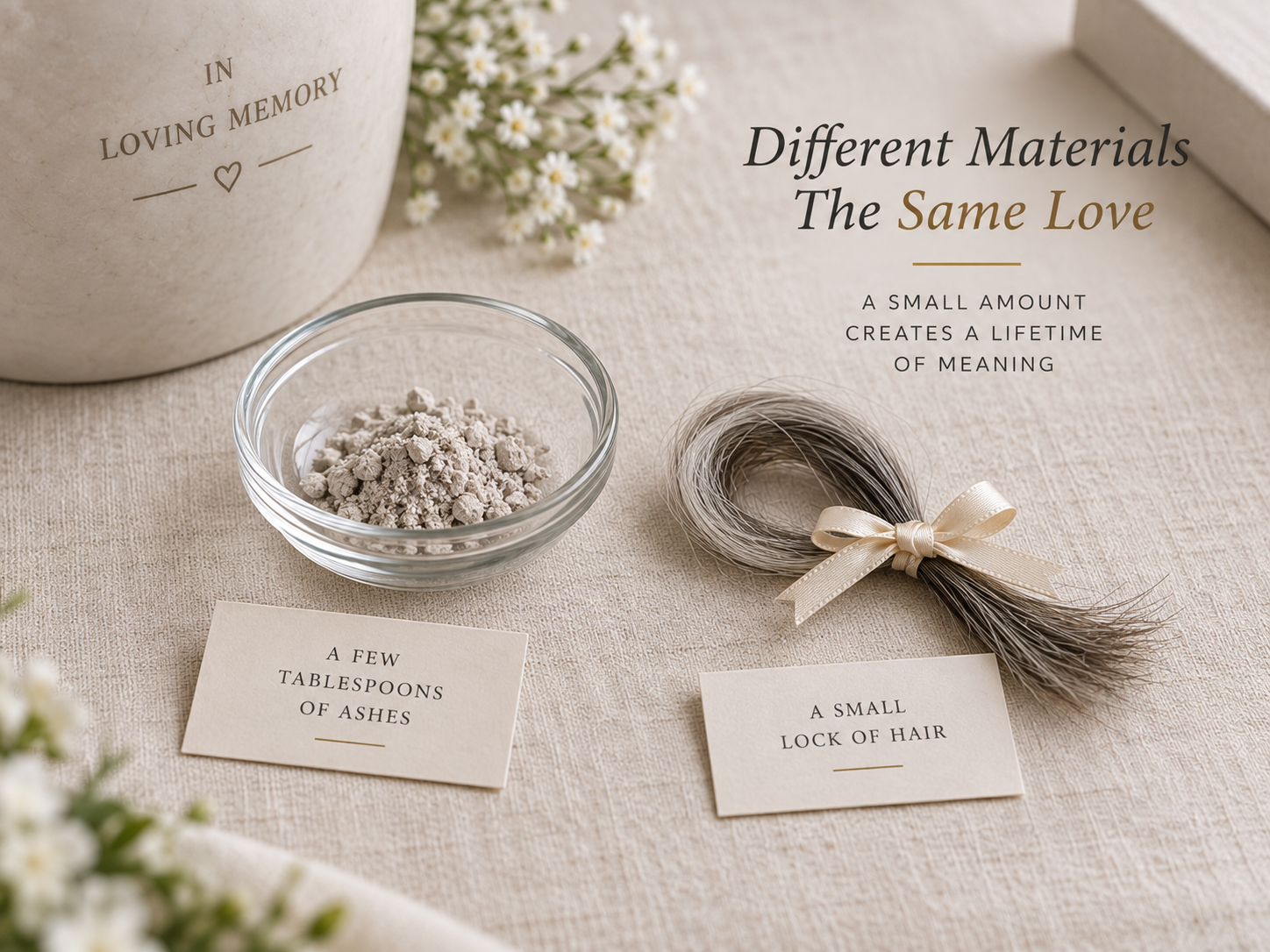
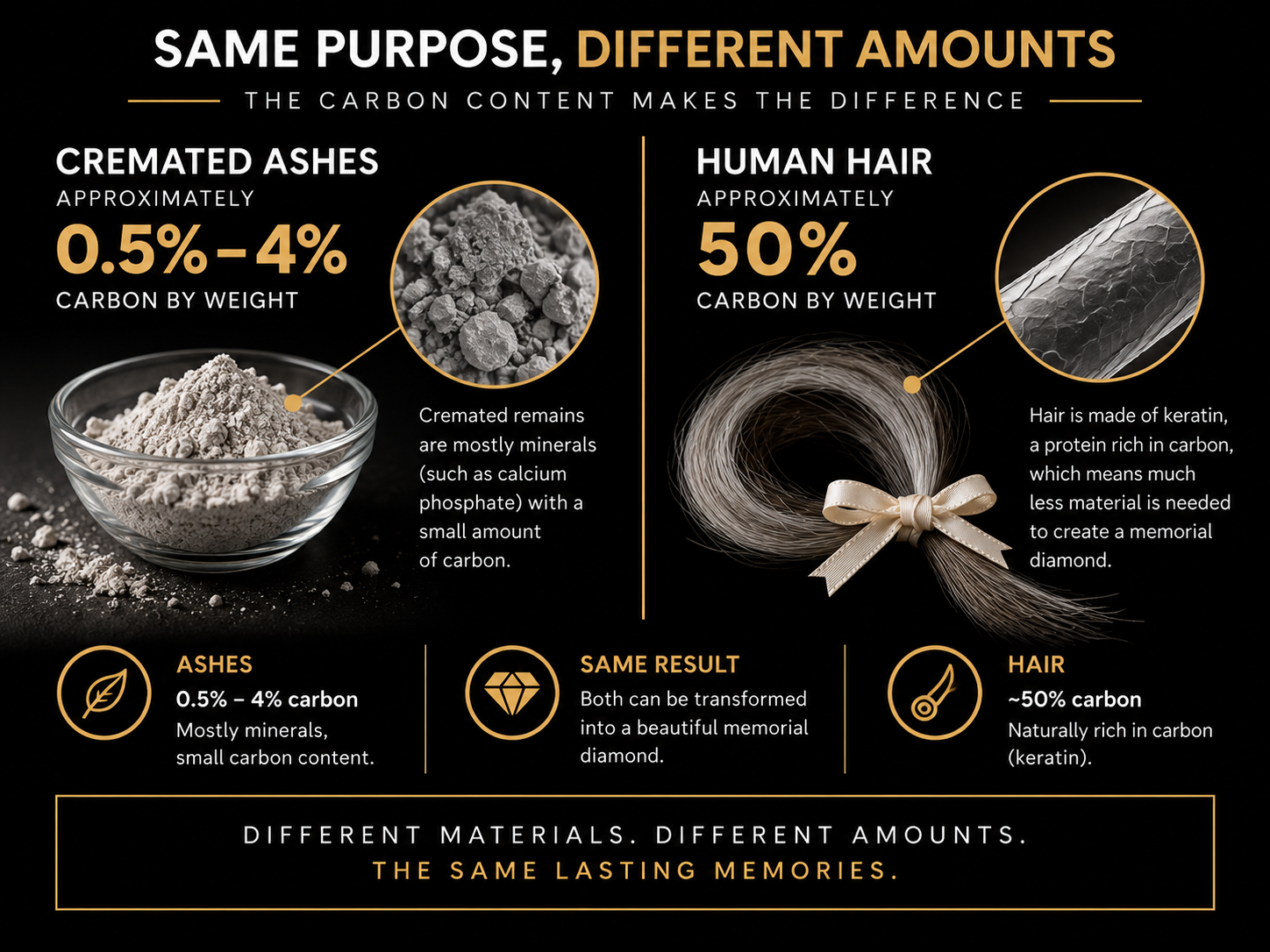
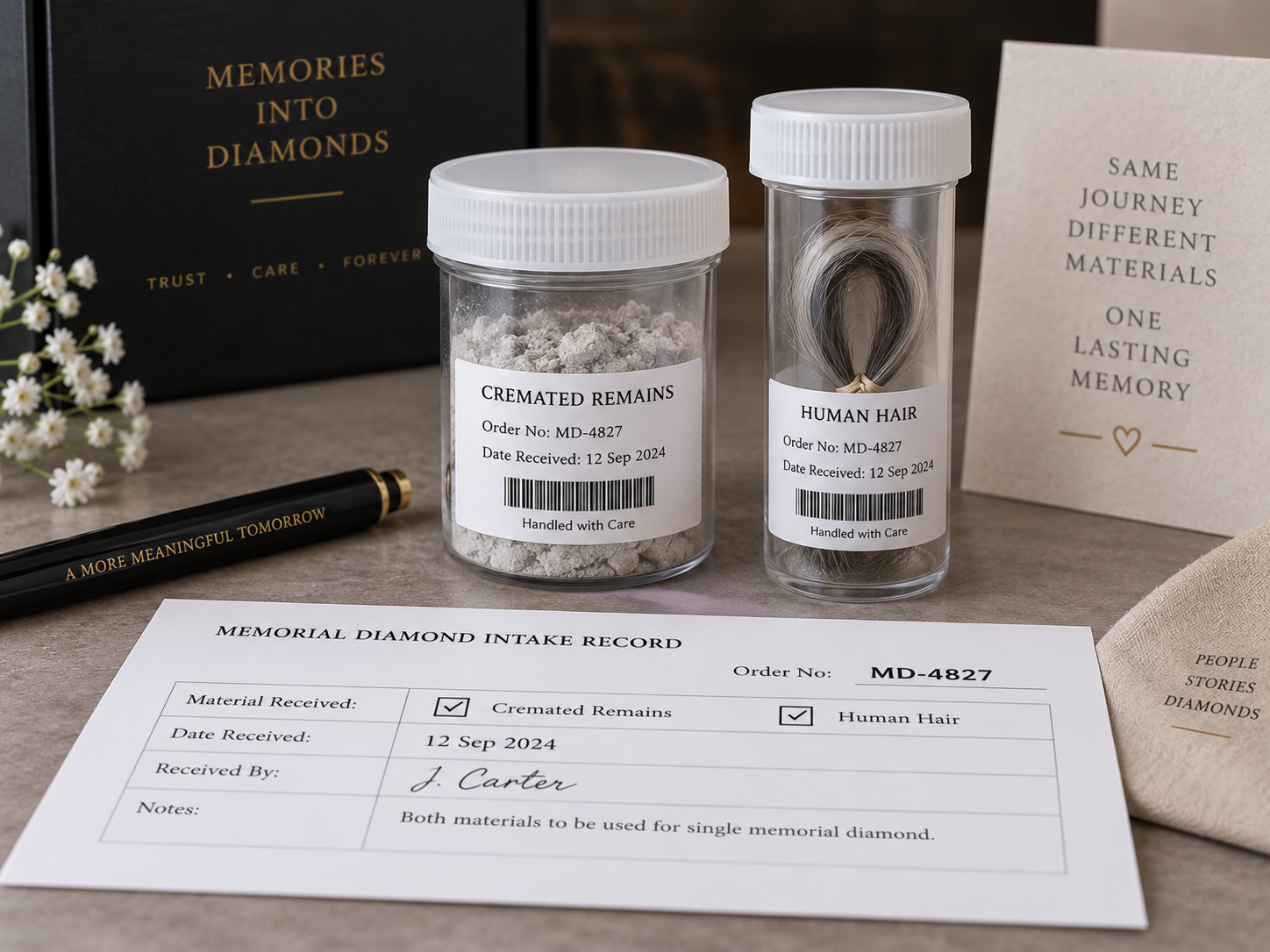
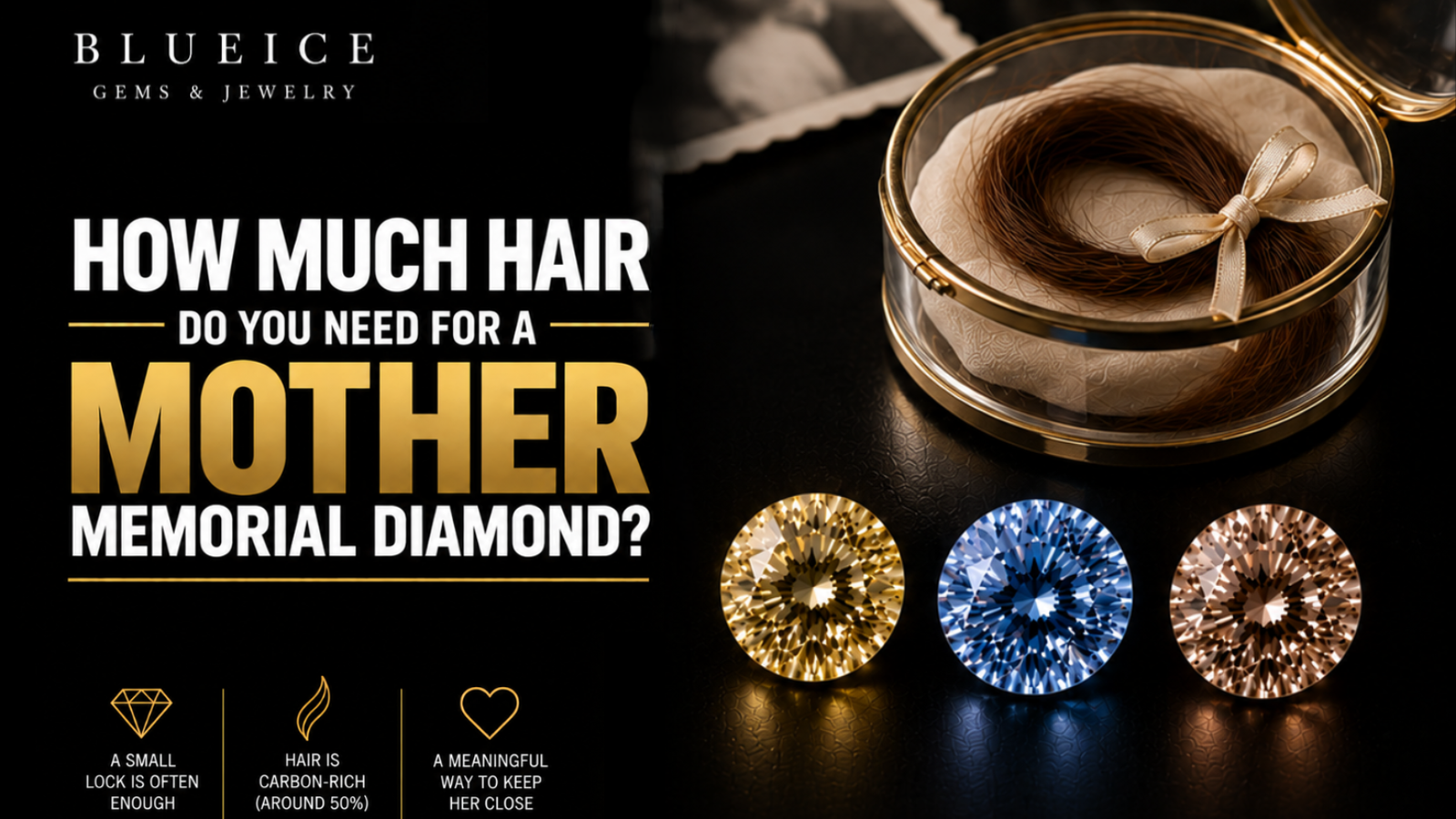
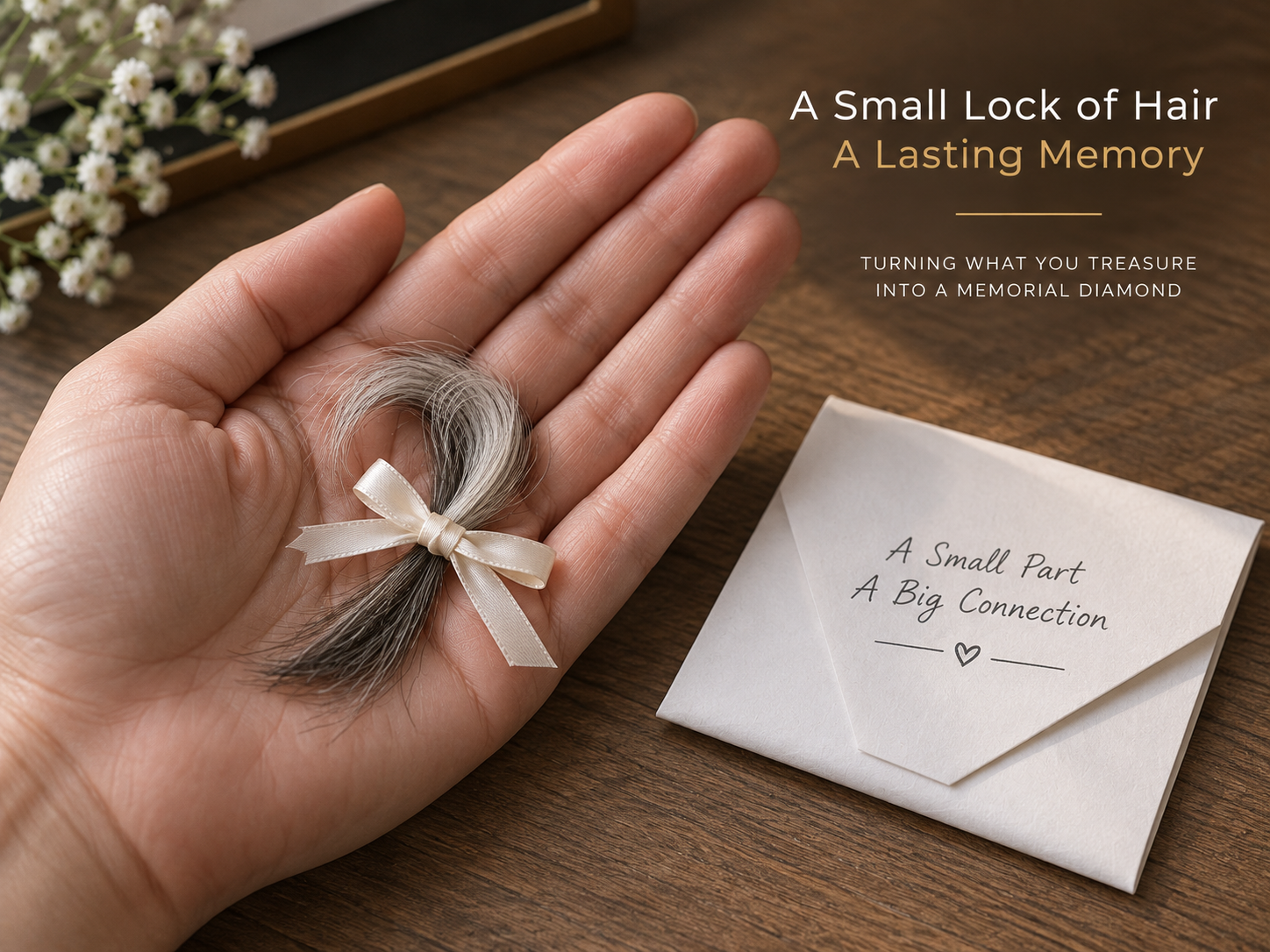
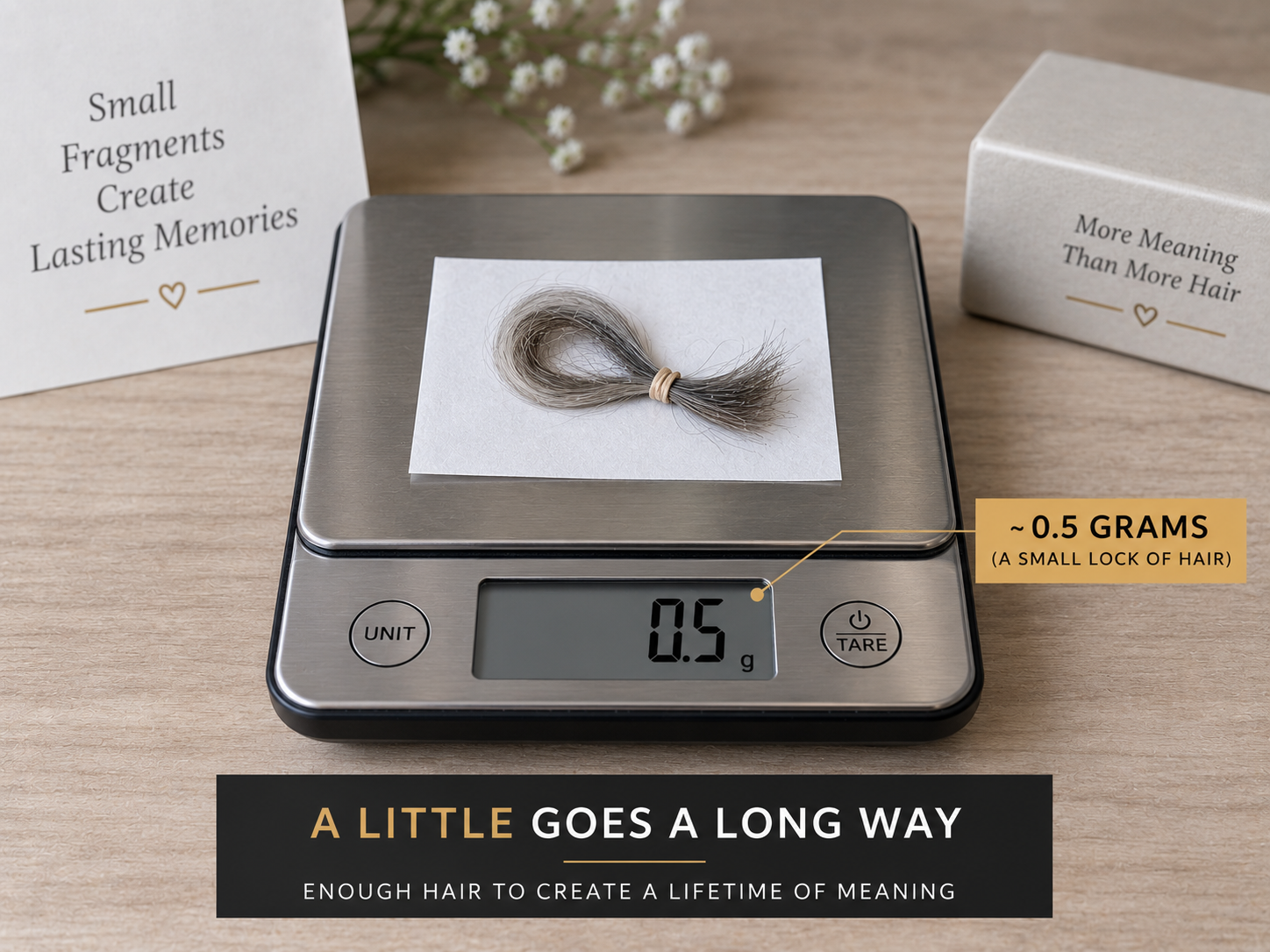
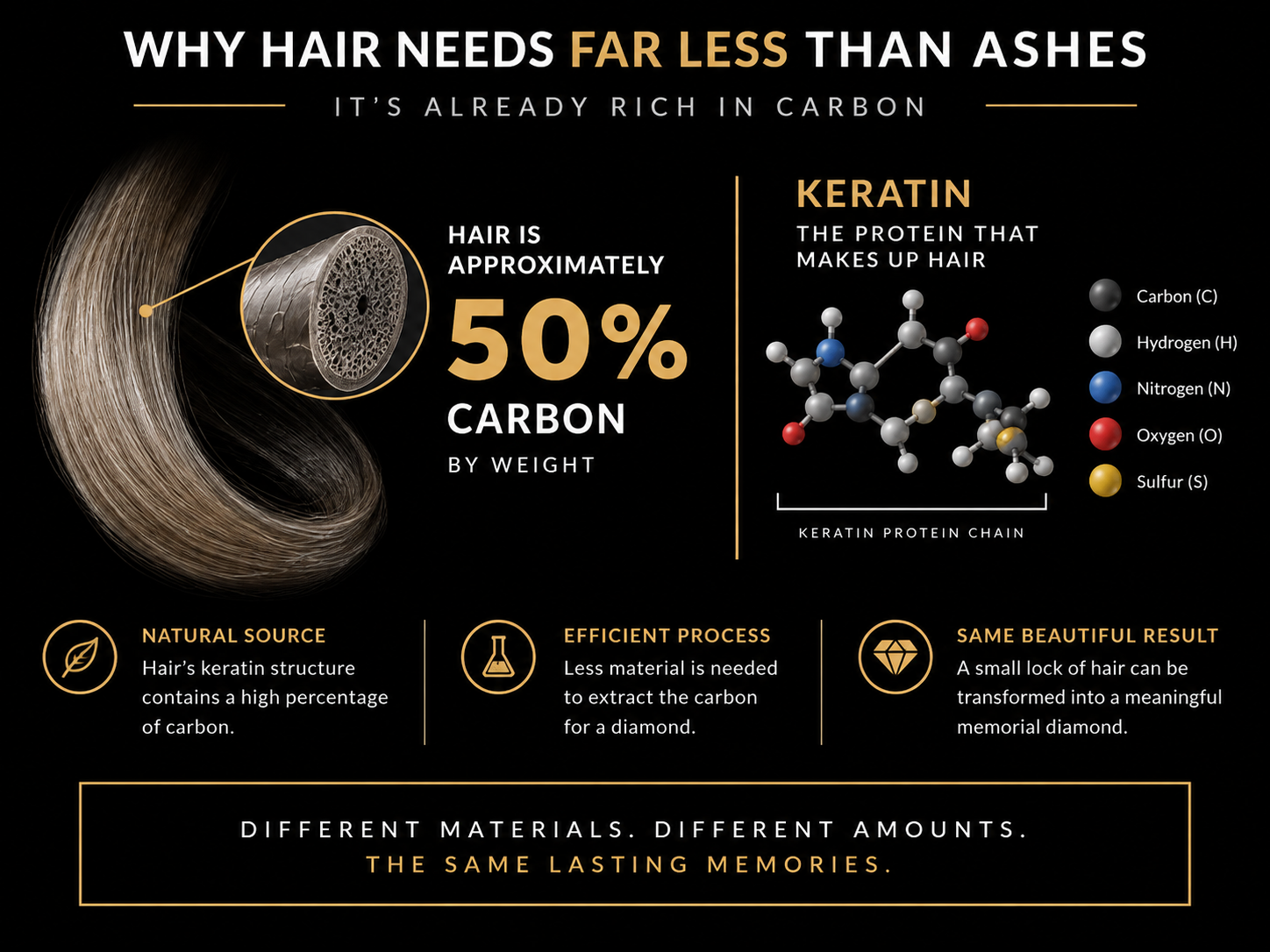
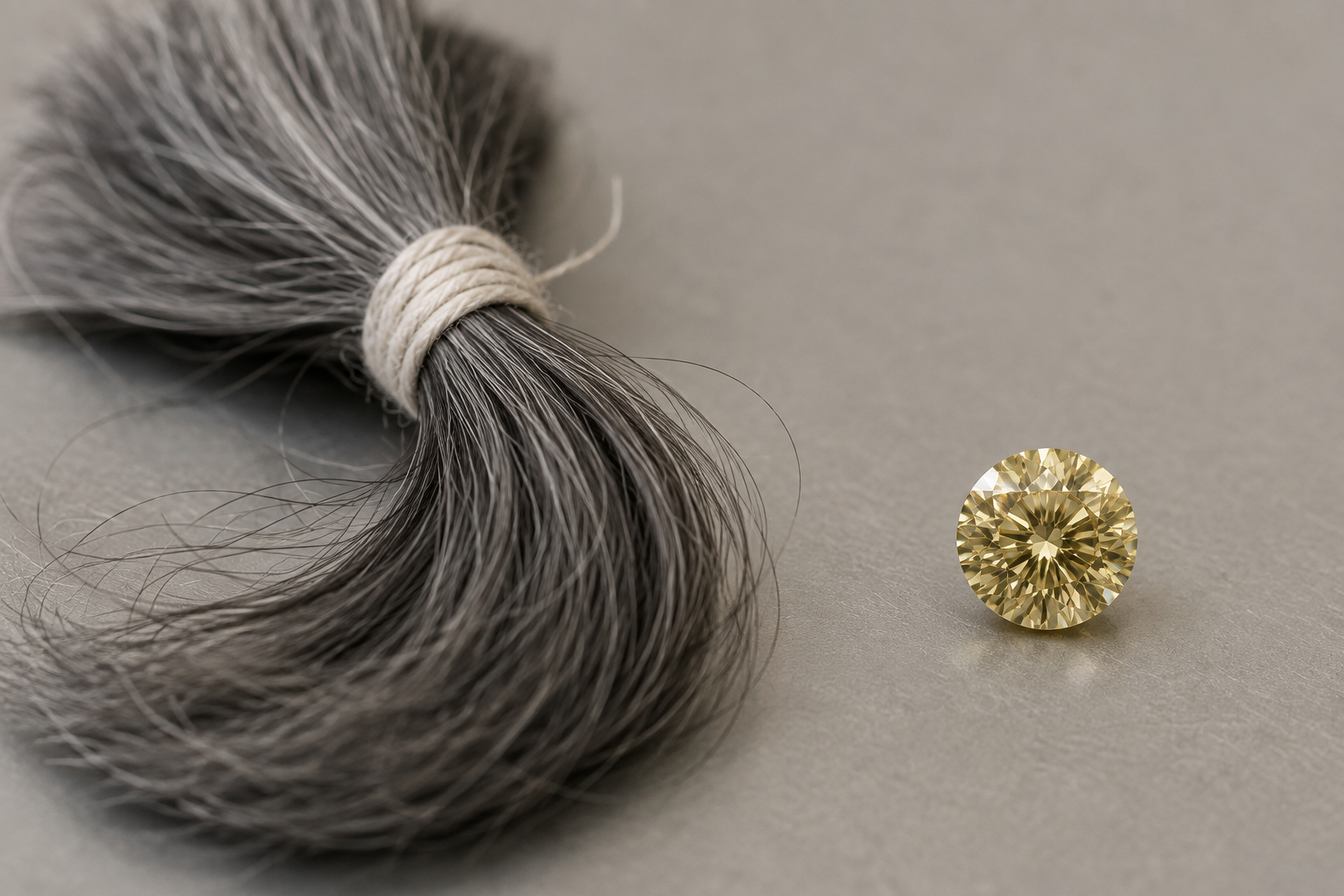
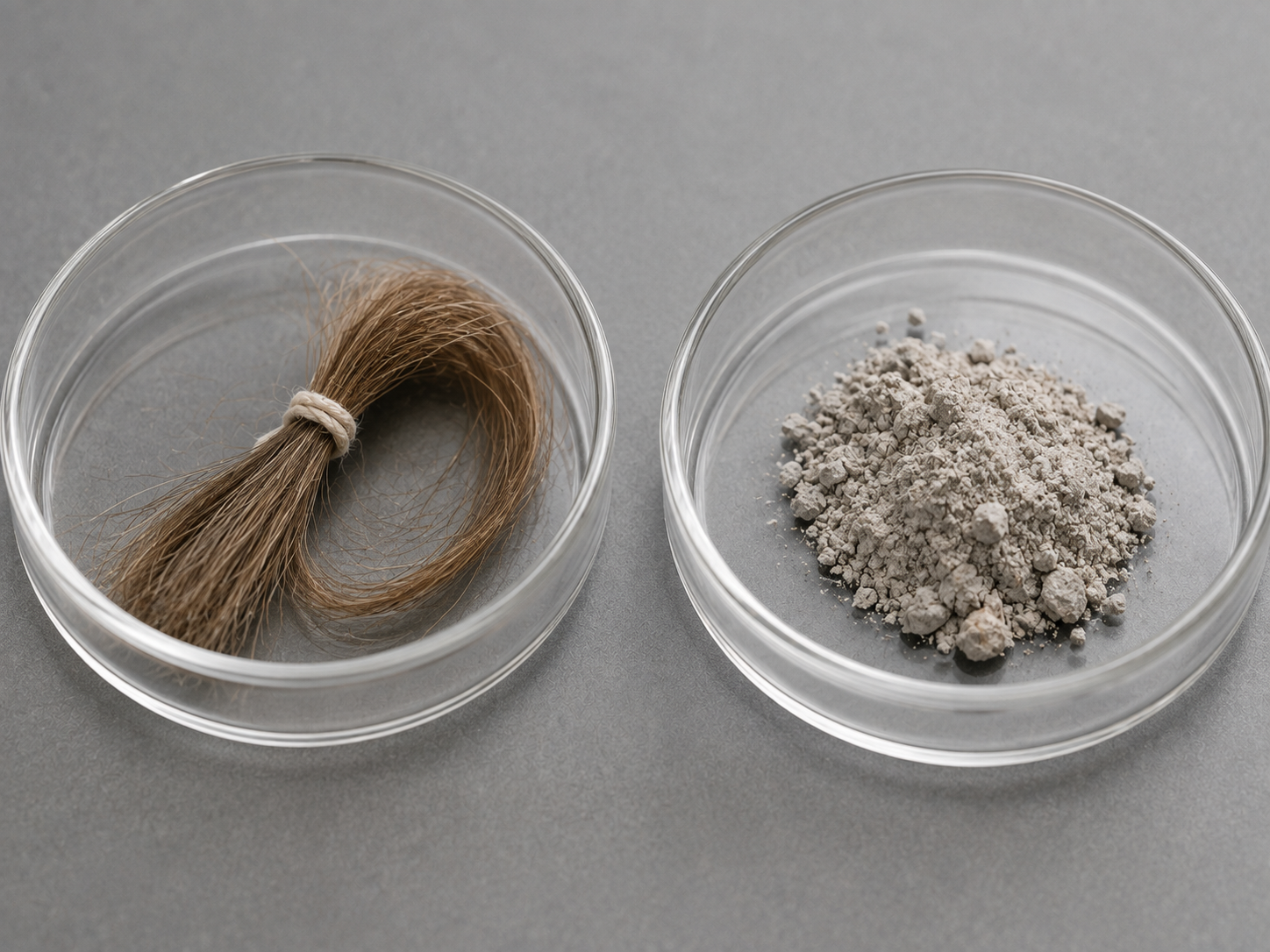
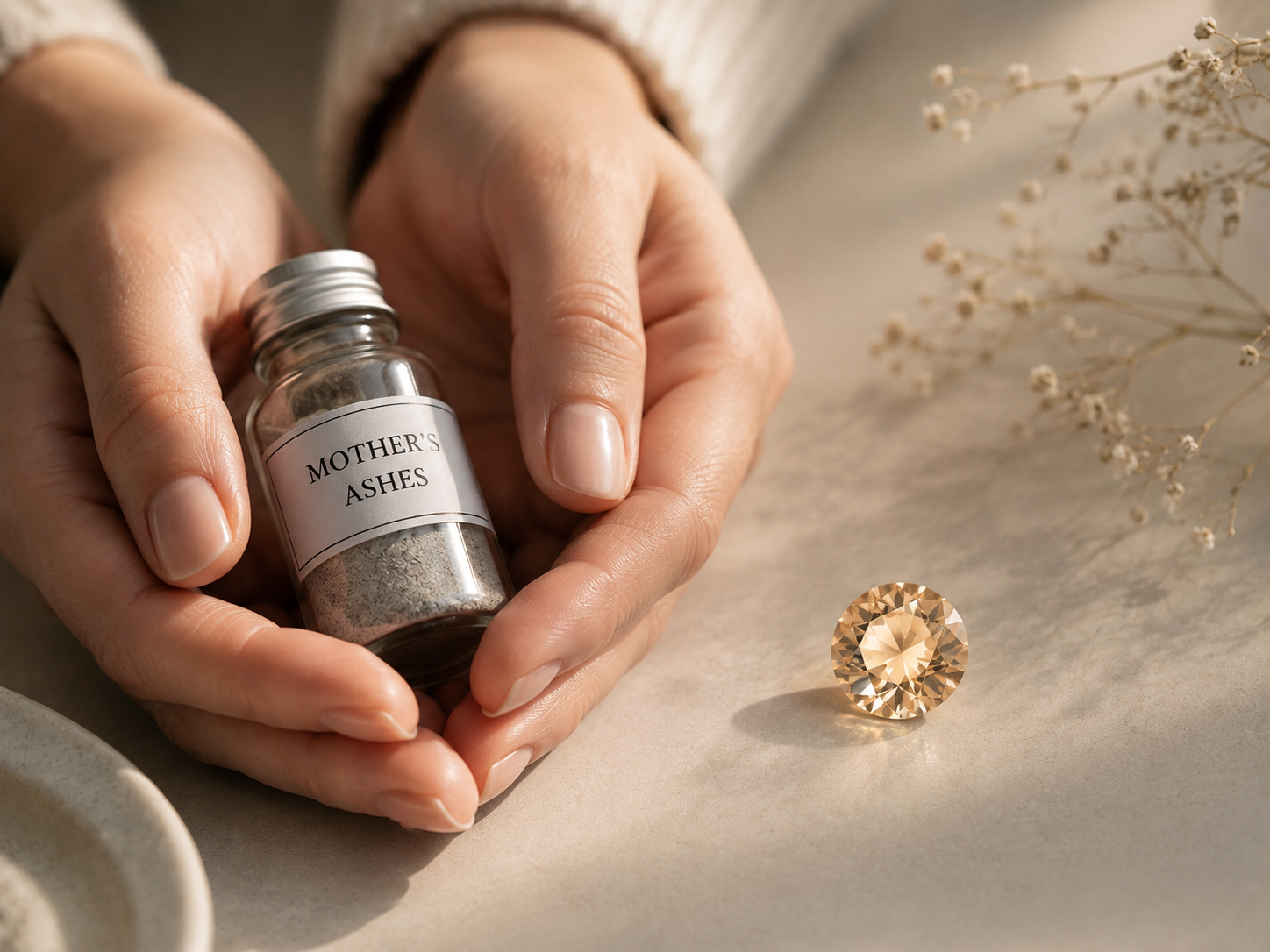
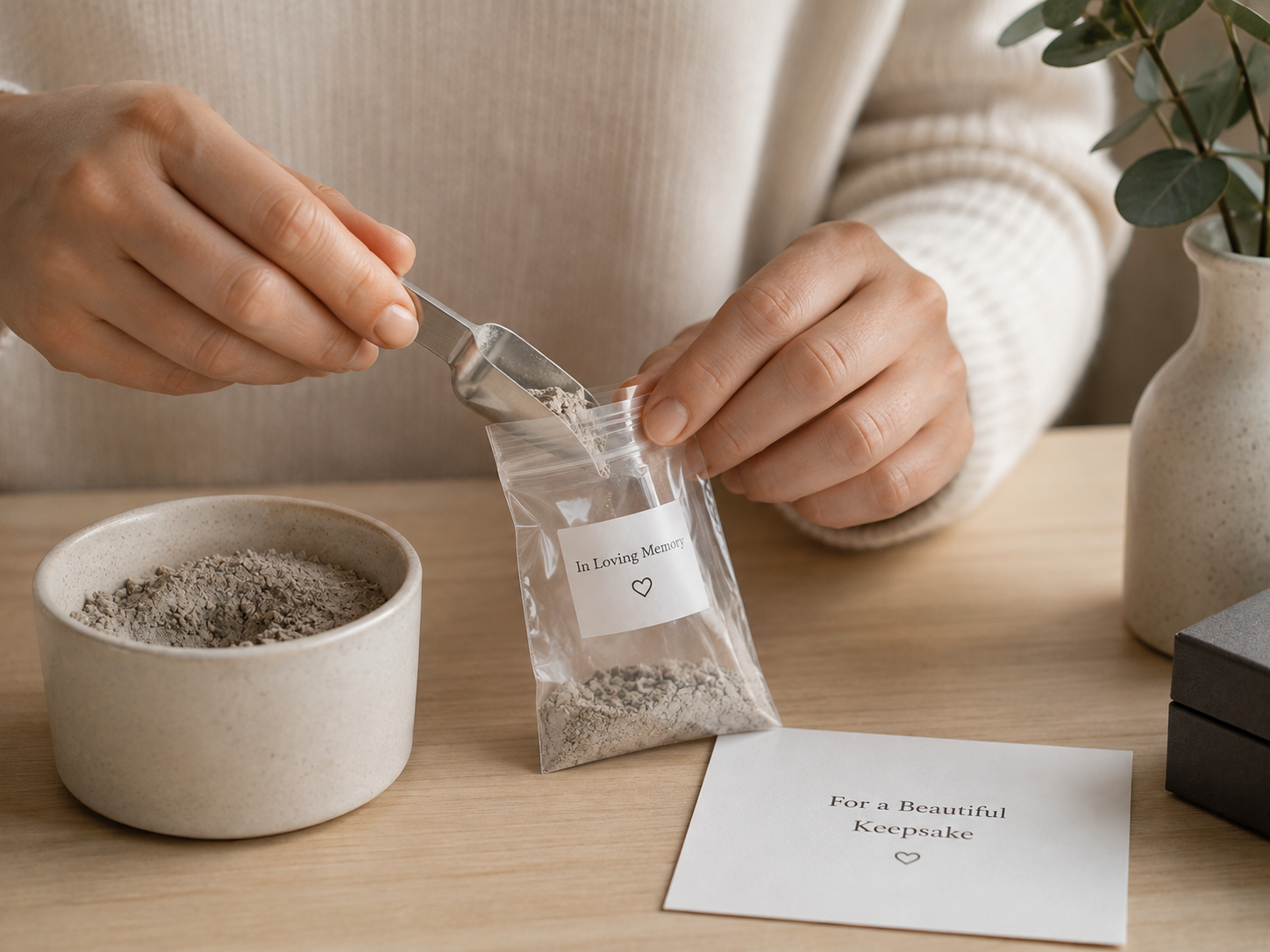
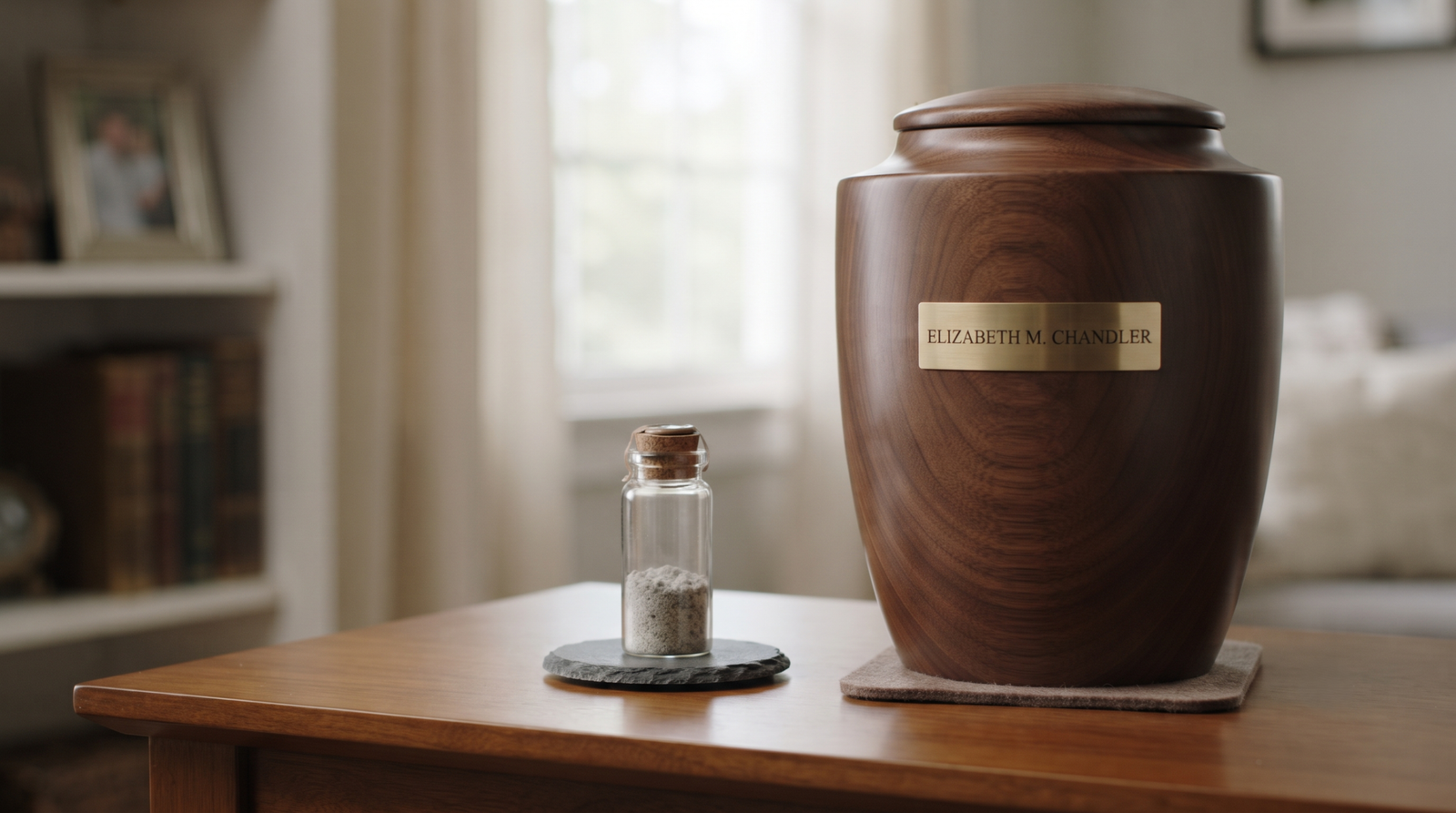
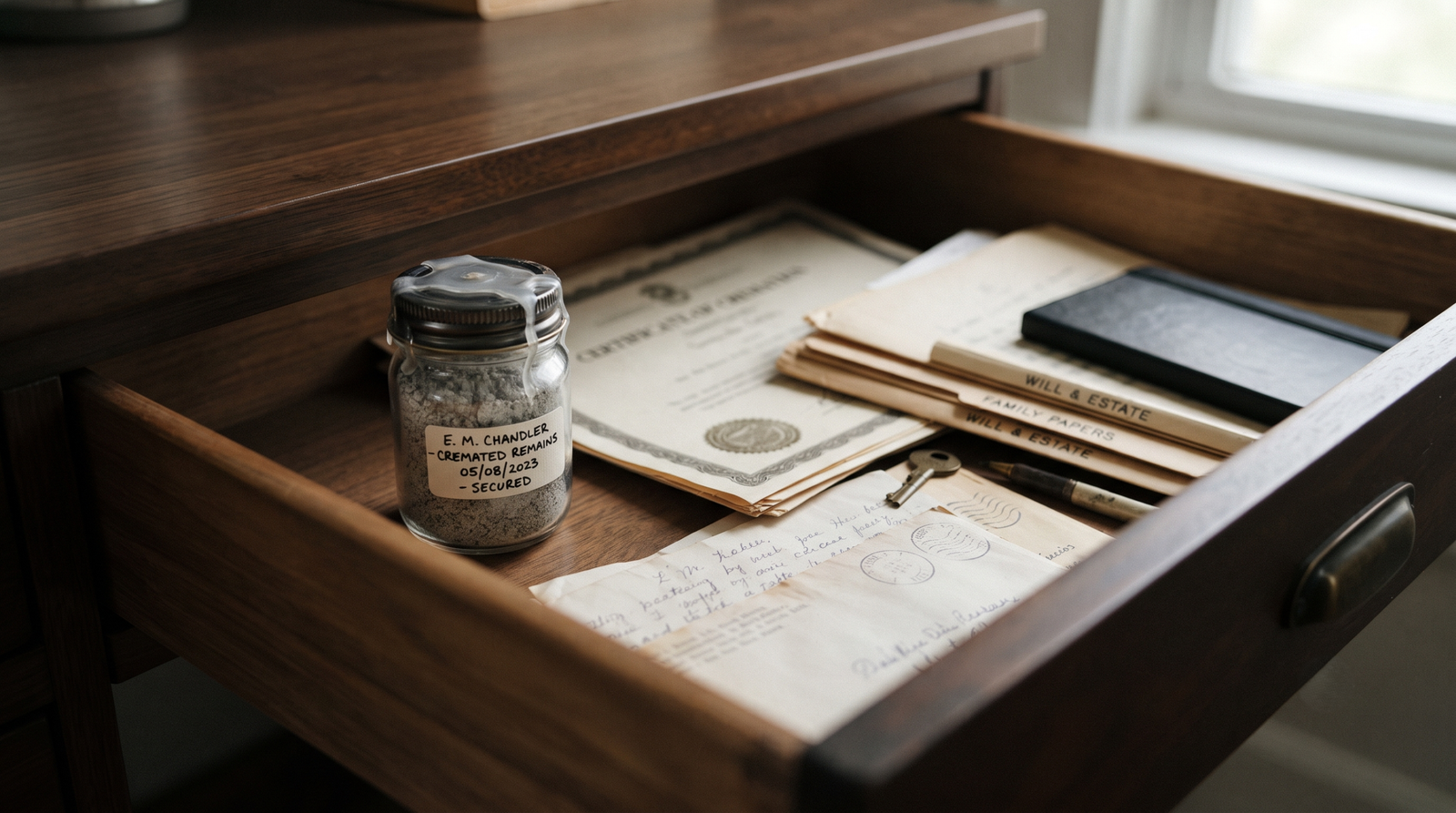
Lead with the quantity. A memorial diamond uses a portion of the material you already have. Industry typical requirements range from a few tablespoons to around 4 oz of ashes, or a small lock of hair. The family can still follow its plans for the rest of the ashes. Saying “a portion of her ashes” creates a very different conversation from saying “her ashes.”
This conversation does not need to become a campaign to convince anyone. Reluctance about a parent’s remains deserves respect. It tells you what another family member needs before they can consider the idea.
Who Has a Veto and Who Has a Claim?
Practical authority and moral concern do not always belong to the same person. The person who controls the remains may have the practical ability to stop the process, while several family members may have a meaningful personal claim on the decision.
| Who | Why they come first | If they hear it late |
|---|---|---|
| Whoever holds the remains | They control access to the material | The conversation can become a question of trust |
| Whoever her stated wishes named | An executor or another person named in her arrangements may have an important role | The family may feel that you ignored her wishes |
| Her spouse or partner, if living | Their relationship with her can give the decision significant personal weight | They may view the decision as something done without them |
| Anyone whose plans would change | A scattering, interment, shared plot, or scheduled date can affect the timing | They may learn about the decision through a change in plans |
| Adult children and siblings without the urn | They may not control the material, but they can still have a meaningful family concern | Being told last can create lasting resentment |
Legal authority over cremated remains varies by state and country. When a genuine dispute exists, seek appropriate legal advice. Also remember that telling someone differs from asking someone. You may owe a person information without giving that person a formal vote.
When Should You Raise It?
The important deadline usually comes from the family’s plans rather than the diamond provider. A scheduled scattering or interment creates the most urgent question because that decision can remove the option of using ashes.
- If a scattering or interment has a date: raise the subject before that date. Present it as a question about retaining a portion rather than as a decision to buy something. You can also review how much ash you need.
- If nothing has a fixed date: you have more room for discussion. Cremated remains consist of mineral material, while properly stored dry hair can remain usable over long periods.
- If the ashes already went to burial or scattering: a hair route can provide another option without using cremated remains. Learn more about how much hair you need.
The funeral itself rarely provides the best setting for this conversation. Production can take 6 to 10 months from laboratory receipt, while the complete process can take longer. That gives you a reason to discuss the material before the family fixes an irreversible date, not a reason to pressure anyone during the funeral.
How Do You Open the Conversation?
Your first sentence can determine how everyone understands the discussion. Keep the opening simple and follow these five moves.
- Say the amount before the word “diamond”. A few spoonfuls create a concrete picture. “Her ashes” can sound like you want everything.
- Explain what stays unchanged. Mention the urn, interment, scattering, or other family plans clearly.
- Bring an idea rather than a finished decision. Give everyone space to consider it.
- Say the cost yourself. Openly discussing money can prevent the family from feeling that you avoided an important part of the decision.
- Ask what they remember her saying. Then listen. Her wishes may matter more than anyone’s opinion about memorial diamonds.
You can keep the opening to four sentences:
“There is something I want to ask about rather than decide. It uses a few spoonfuls, and the interment and the urn stay exactly as we planned. It costs a significant amount, and I would pay for it. Before I look into it any further, do you remember her ever saying anything about what she wanted?”
A group message can make the conversation harder because people may react before they understand the proposal. A decision that you present as finished can create the same problem.
The Four Objections Worth Preparing For
Family objections can come from very different concerns. Three of these objections may have little to do with the diamond itself.
| What they say | What it may actually concern | What can help |
|---|---|---|
| “That is not what she wanted.” | Her wishes and who should speak for them | Find out what she actually said |
| “It feels disturbing.” | The process they imagine | Explain the process plainly |
| “That is a lot of money.” | Cost and fairness between family members | Discuss the actual range and alternatives |
| “Our faith does not permit it.” | Cremation or handling of remains | Ask their own faith leader for guidance |
Objection One: She Would Not Have Wanted This
This objection concerns her wishes rather than diamonds. Ask what the person remembers, when she said it, and what she meant. Check written funeral instructions, a will clause, or another documented arrangement when appropriate.
If she clearly ruled out this type of decision, respect that answer. A family conversation can end with a decision not to proceed. That outcome does not represent failure.
If she never expressed an opinion, avoid claiming that you know what she would have wanted. You cannot speak for her with certainty when she left no clear direction.
Objection Two: It Feels Disturbing or Unnatural
Treat this reaction with respect rather than trying to defeat it. A plain explanation can replace an imagined process with the actual process.
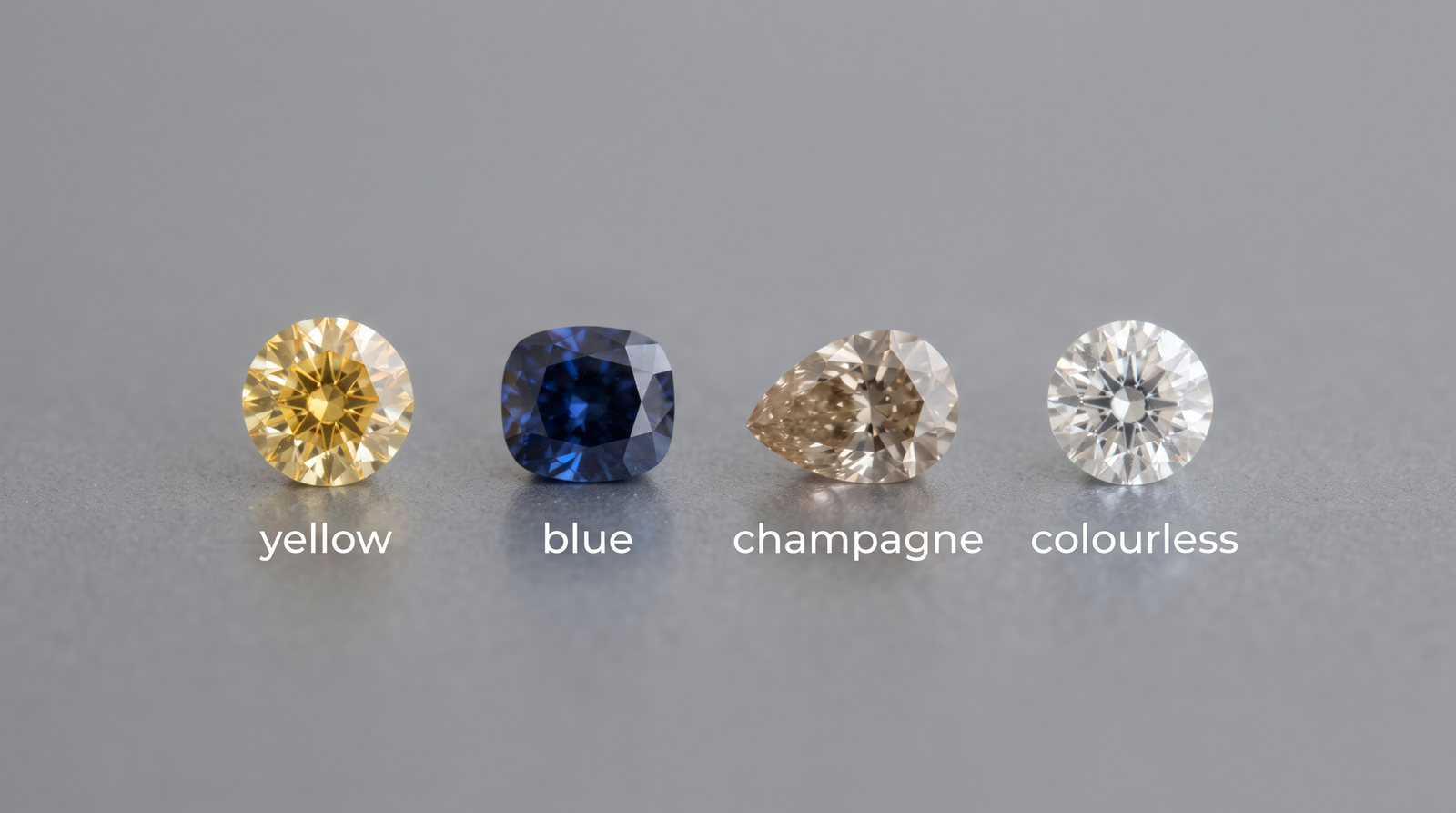
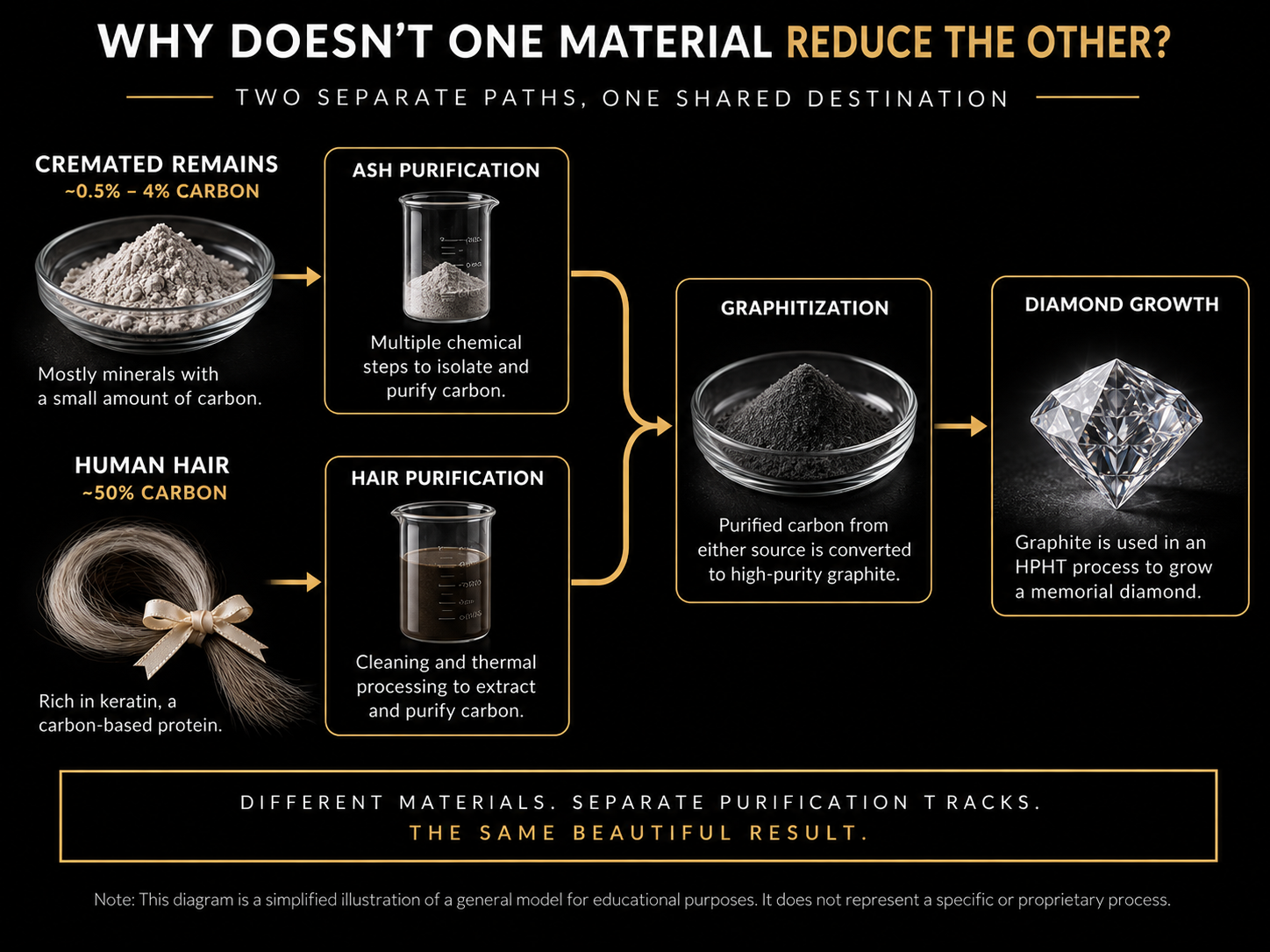
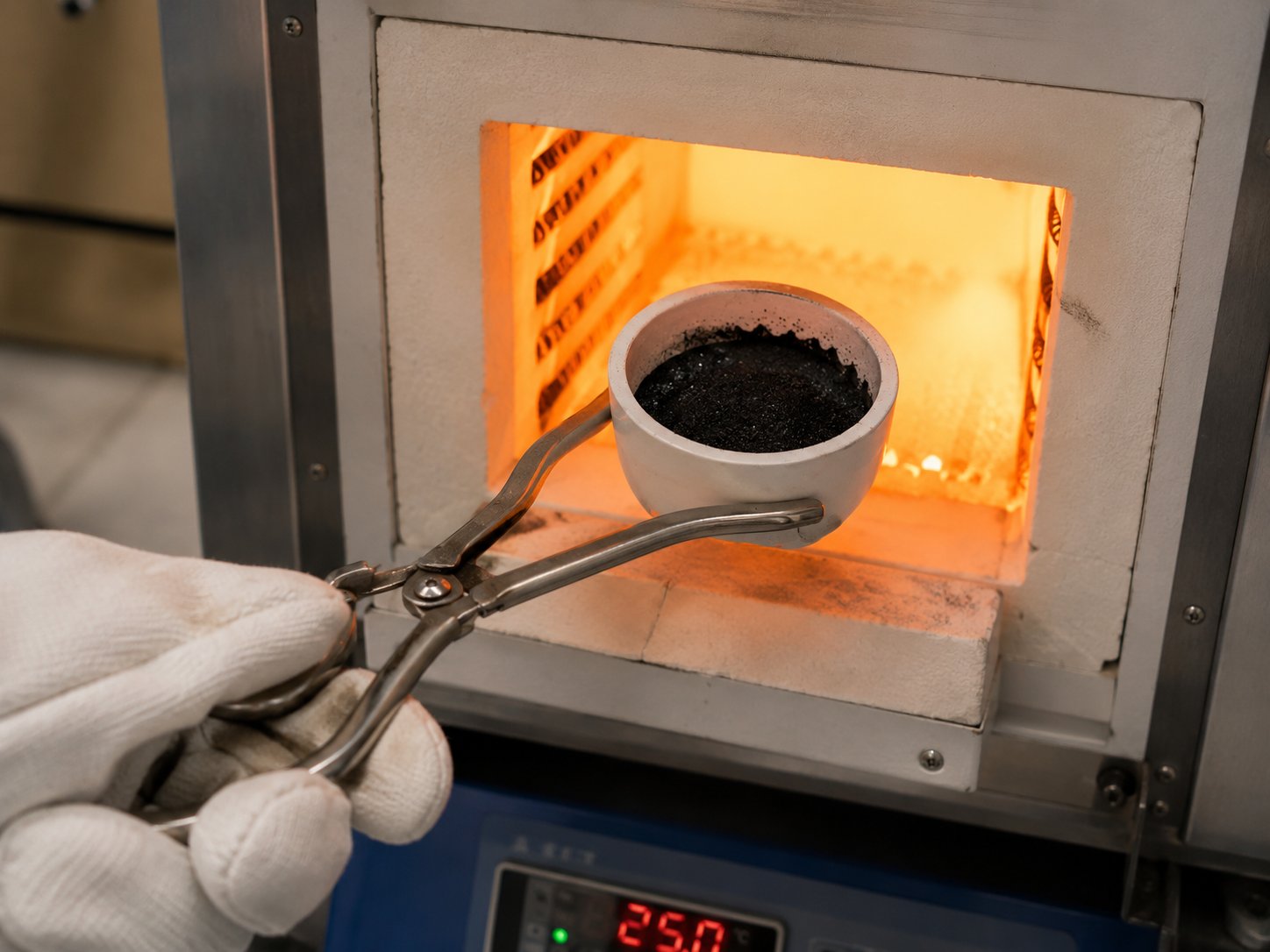
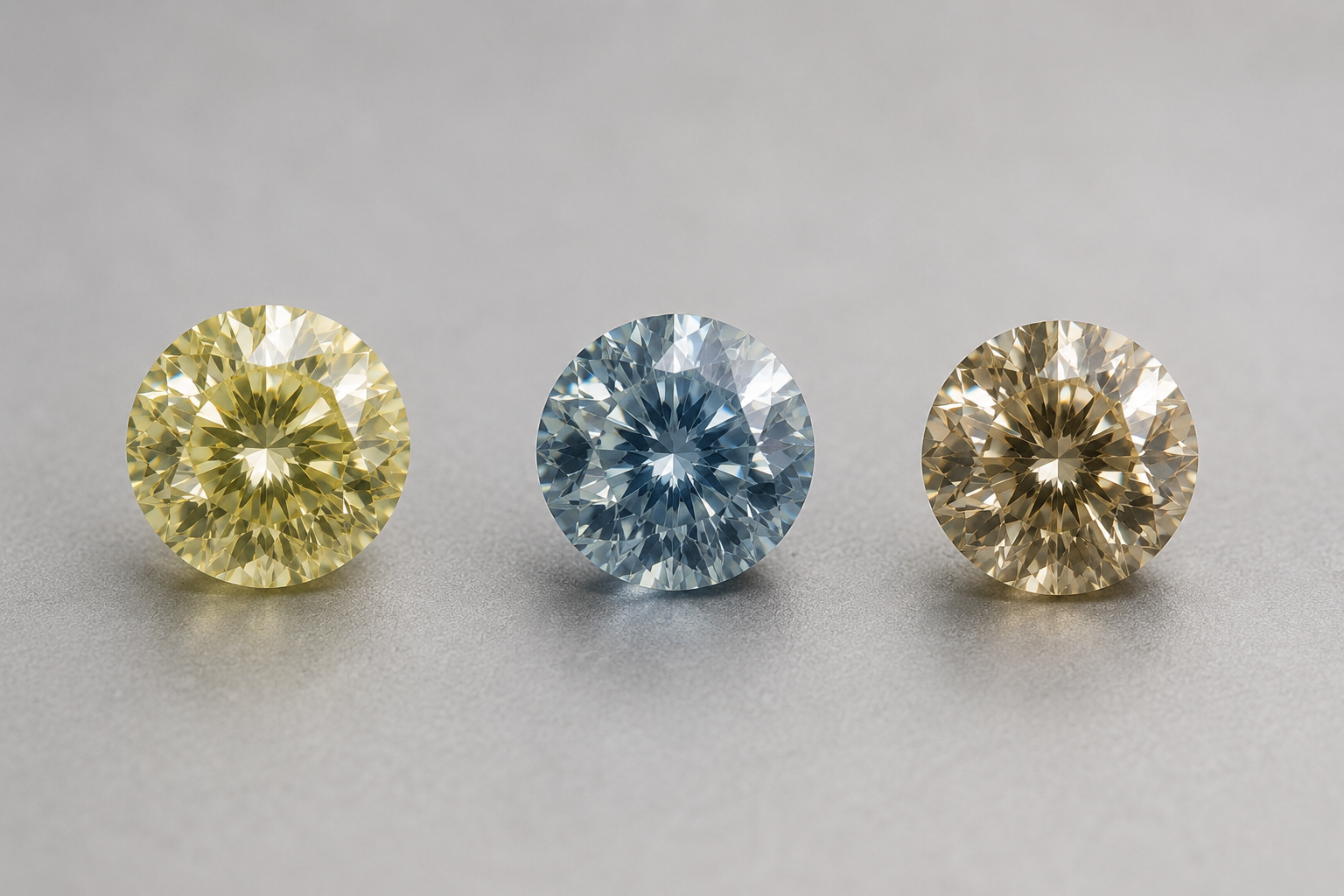
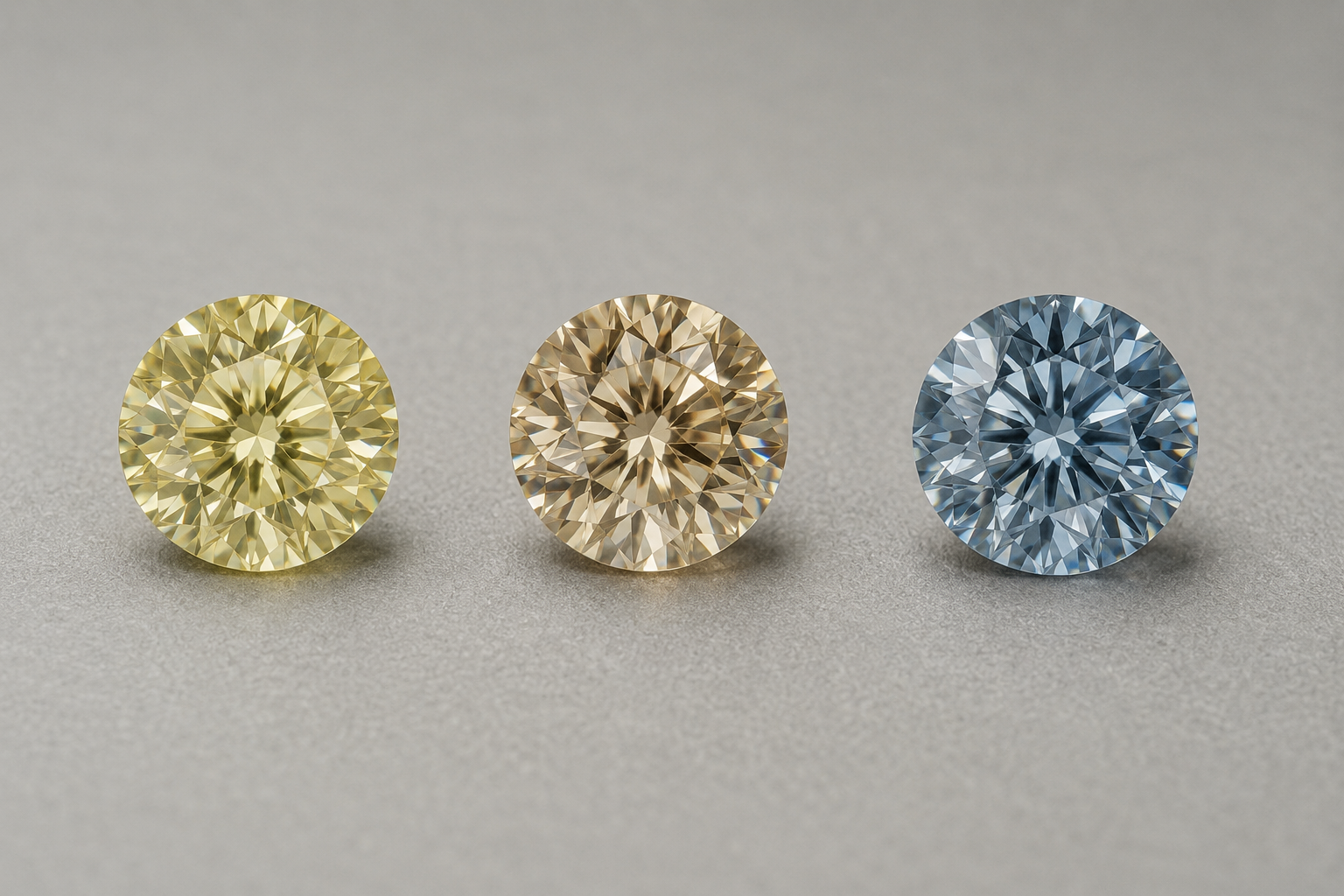
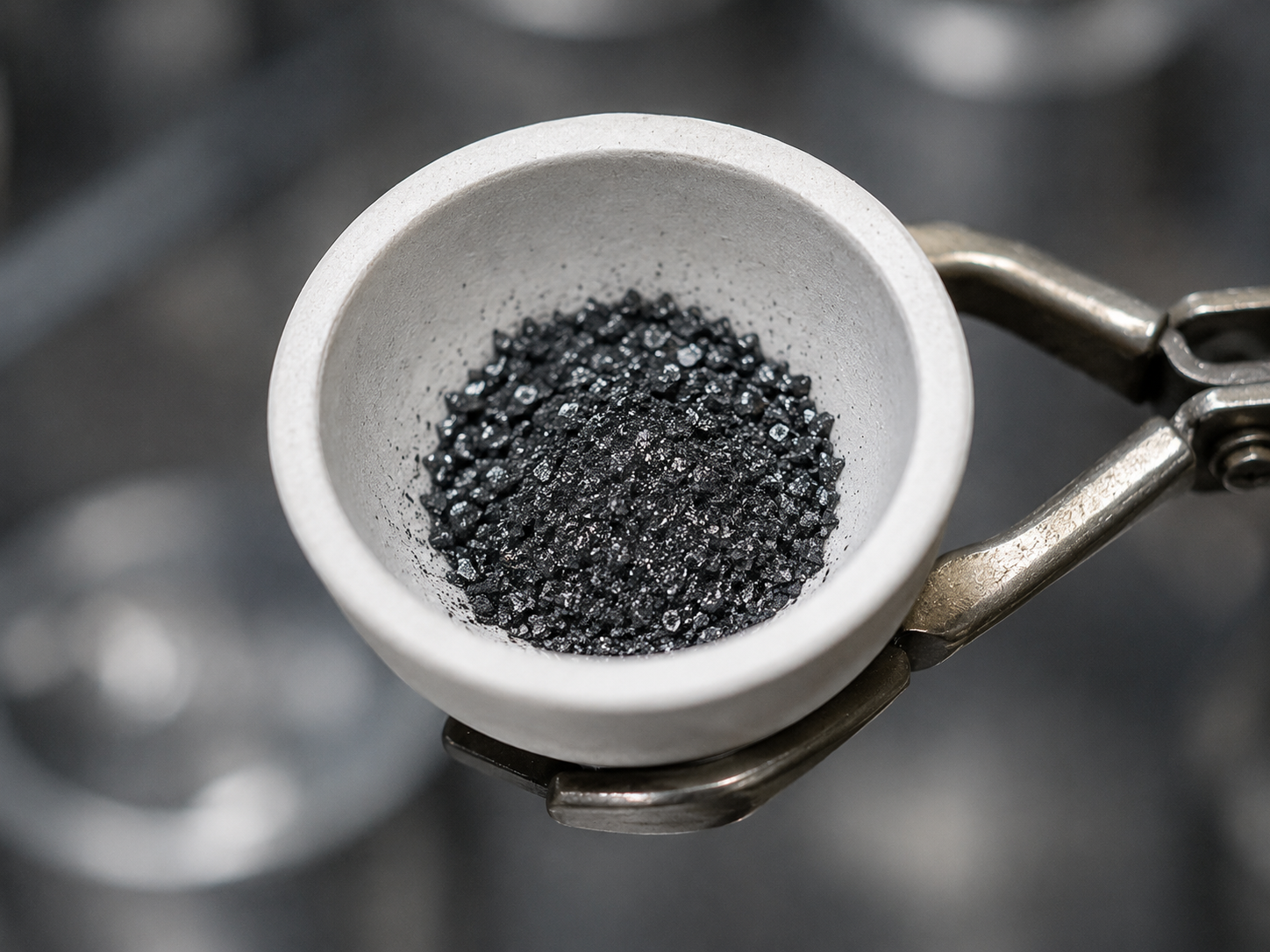
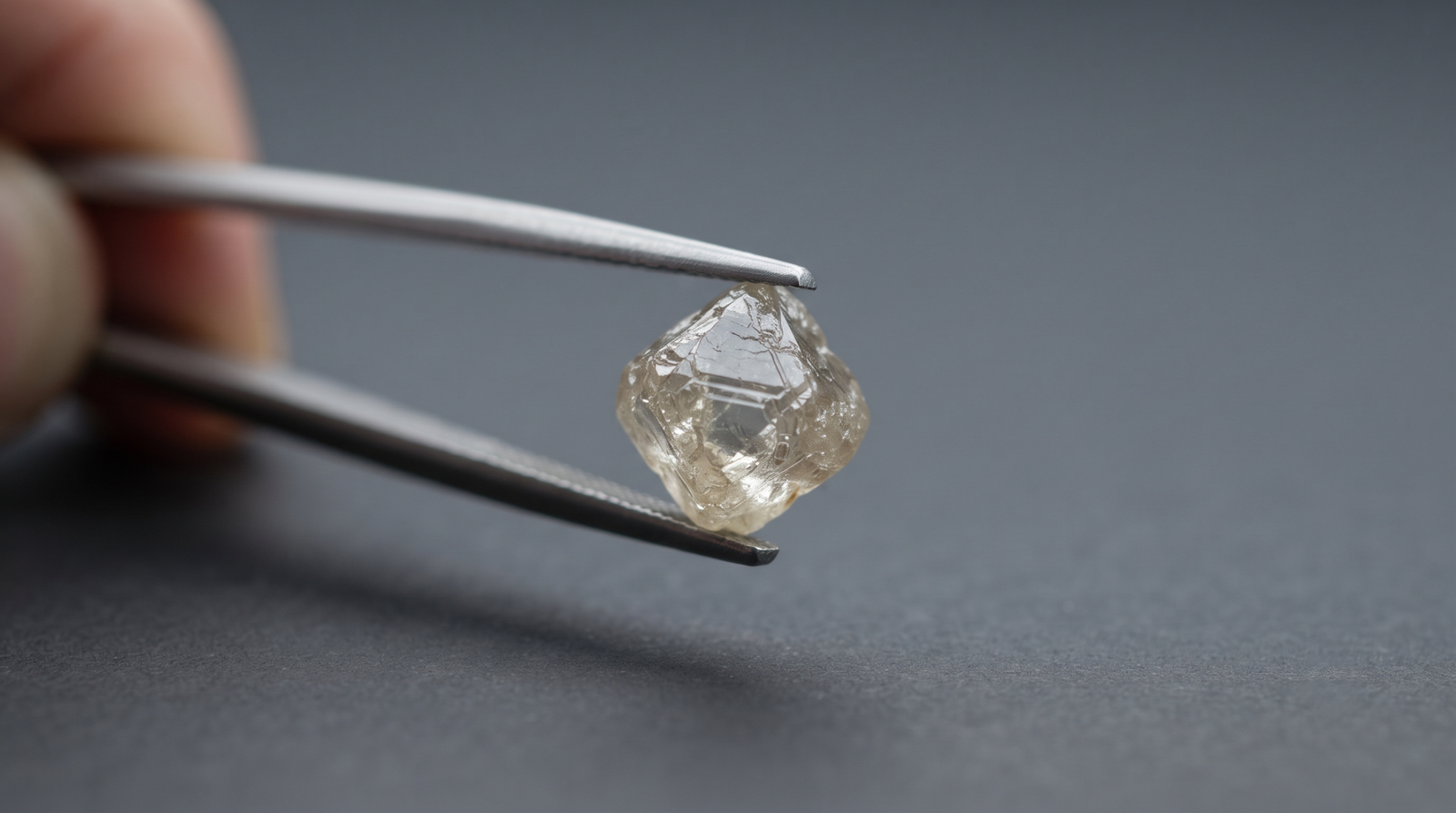
The process starts with extraction and purification. Controlled heating removes material that does not contain the required carbon. The process can reach around 99.9% carbon purity. The manufacturer then converts the carbon into graphite at roughly 2,500 to 2,700°C, blends it with supplemental laboratory carbon, and grows the diamond around a diamond seed.
Industry information places the personal carbon contribution at roughly 10 to 15% of the finished stone’s mass. You can read more about how a memorial diamond is made from a mother’s ashes.
Some people may understand the process clearly and still dislike the idea. That reaction deserves respect. Information can explain the process, but it cannot decide how someone should feel about it.
Objection Three: That Is a Lot of Money
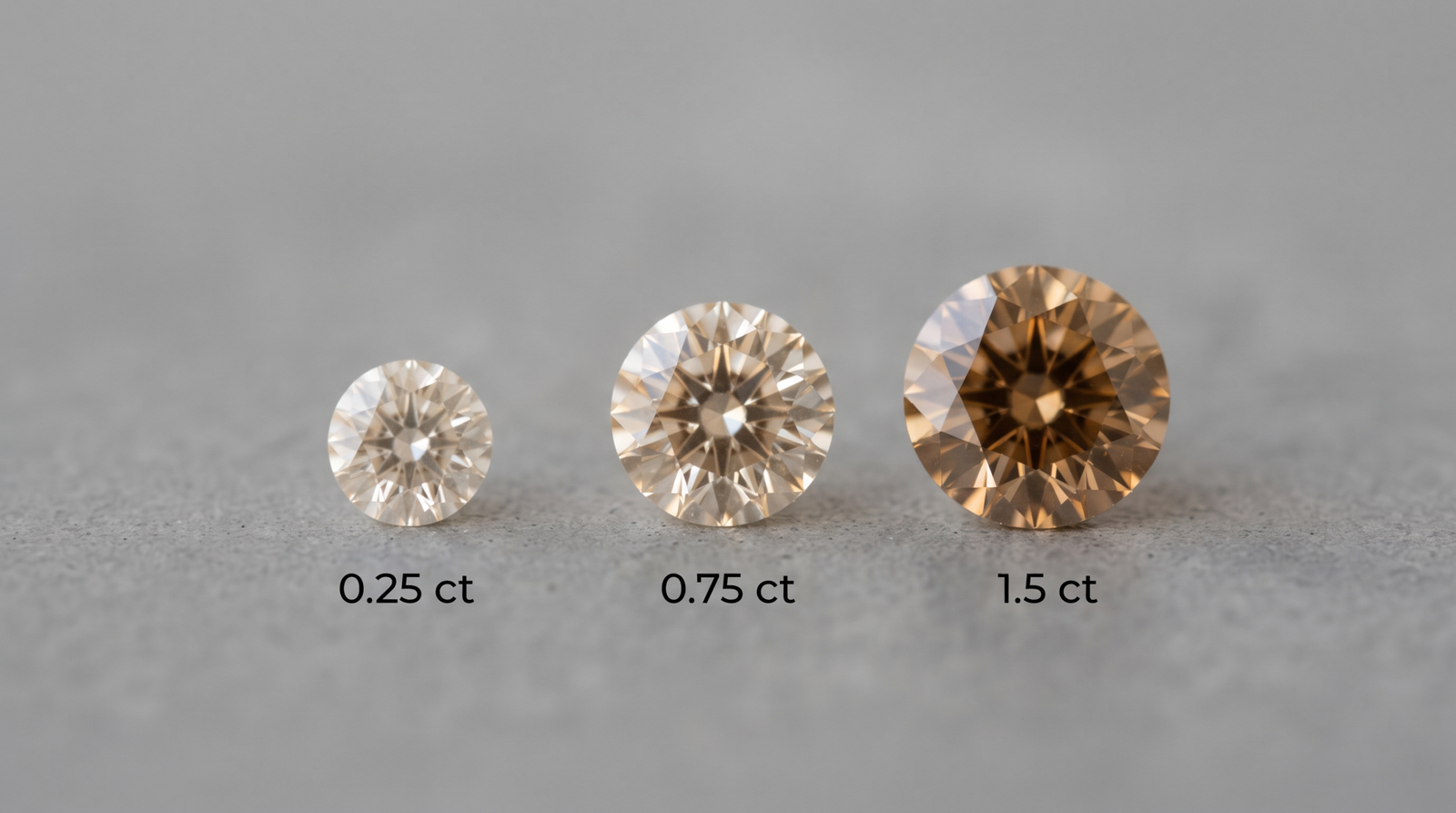
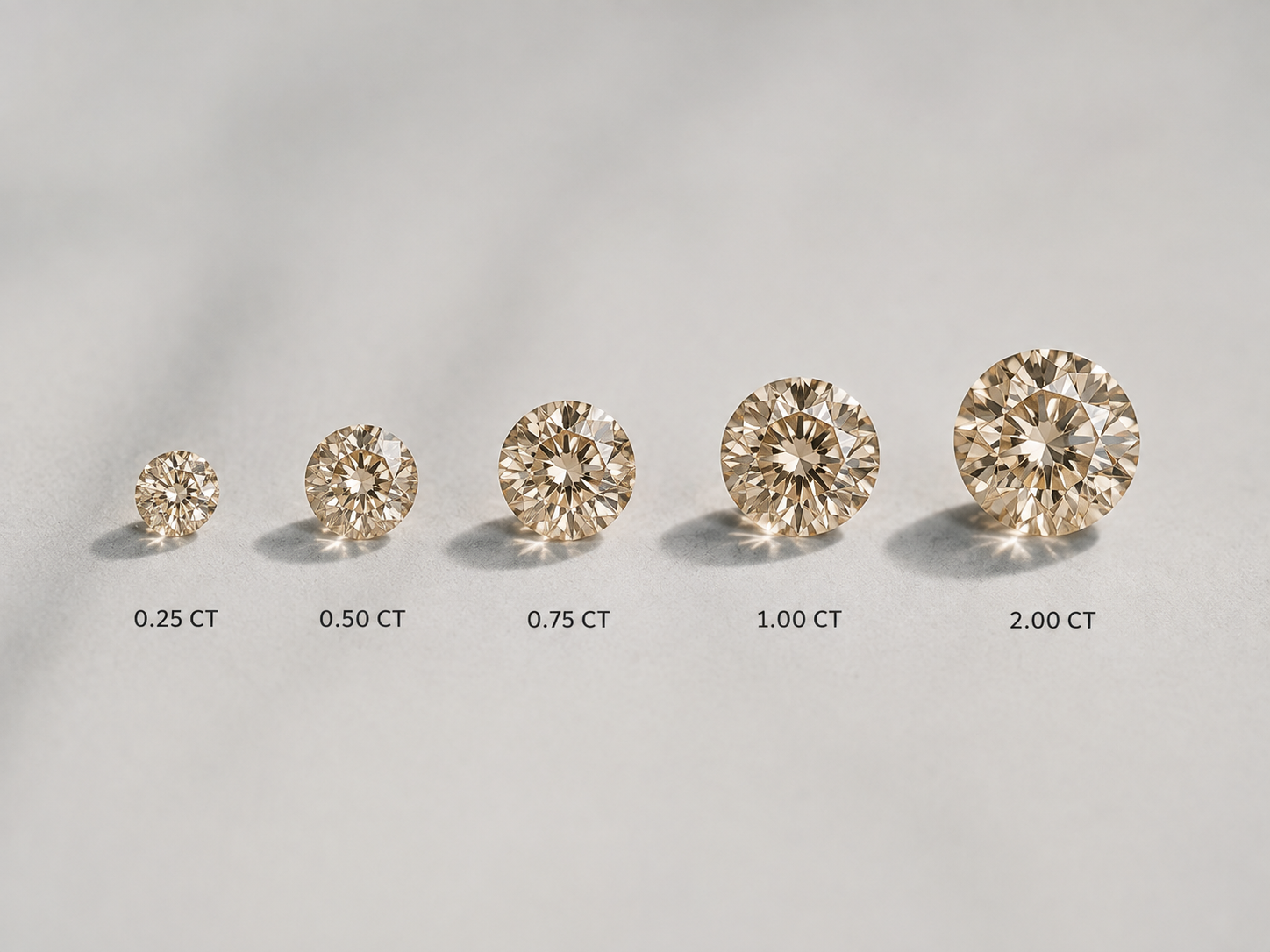
Cost deserves a direct answer. Industry ranges in 2026 place a 0.10 to 0.25 carat memorial diamond at roughly $1,500 to $3,500. A half carat to a full carat can range from roughly $5,000 to $15,000. Settings, engraving, and grading can add separate costs. These figures represent industry ranges rather than Memorial Diamond prices.
You can explore what a mother memorial diamond costs before you discuss a specific budget with your family.
A memorial diamond competes with other ways the family could use its money. If the cost feels too high, honest alternatives include choosing a smaller stone, waiting, or deciding not to make one.
Do not use emotional pressure to settle a financial concern. Saying that she would have been worth any price does not solve the actual issue. If siblings disagree about fairness or whether several people should receive a diamond, that question needs its own discussion. You can learn more about whether more than one family member can have one.
Objection Four: Our Faith Does Not Permit It
Answer this concern honestly and briefly. Religious traditions can have different positions on cremation and the handling of remains, and individual denominations and faith leaders can interpret those matters differently.
No provider should decide what your family’s faith permits. Ask your own faith leader for guidance.
If the concern involves cremation itself, a hair based route does not require cremation. If the concern involves dividing ashes, ask the appropriate religious authority about the specific circumstances rather than assuming that a general statement about memorial diamonds answers the question.
What If the Answer Is Still No?
Then accept the answer. You have several real options that do not involve pressuring anyone.
- Wait. Give the family time and revisit the subject later if everyone remains open to another conversation.
- Separate the decisions. Asking whether the family agrees to retain a small portion differs from asking whether the family wants to create a diamond.
- Do not retain material quietly after a clear refusal. Setting material aside after someone says no creates a new decision that deserves an open conversation.
- Do not proceed in secret. A secret order can create a much larger family conflict when someone discovers it later.
- Decide not to proceed. A memorial diamond represents one possible way to remember someone. An urn, grave, scattering, or her existing ring can also carry personal meaning.
If you do not yet know what you would propose, start with where to start. For a broader understanding of the process, read the complete guide to a mother ashes diamond.
Frequently Asked Questions
She left written funeral instructions. Do those settle it?
Read the instructions carefully. They may address burial, cremation, or the funeral service without addressing what happens to the ashes afterwards. If they clearly address the disposition of the ashes, follow those instructions. If they say nothing about this decision, avoid claiming that they answer a question they never addressed.
Is a funeral or wake a good moment to raise it?
Usually not. If the family has a scattering or interment scheduled within days, you may need to raise the material question before that date. Otherwise, give people room to receive condolences and process the immediate practical decisions.
I am paying for it myself. Does that change who I need to ask?
Paying for the diamond settles the question of who covers the cost. It does not automatically settle who should participate in a decision about shared remains. Money and authority represent separate questions.
What if I have already sent the material and only told people afterwards?
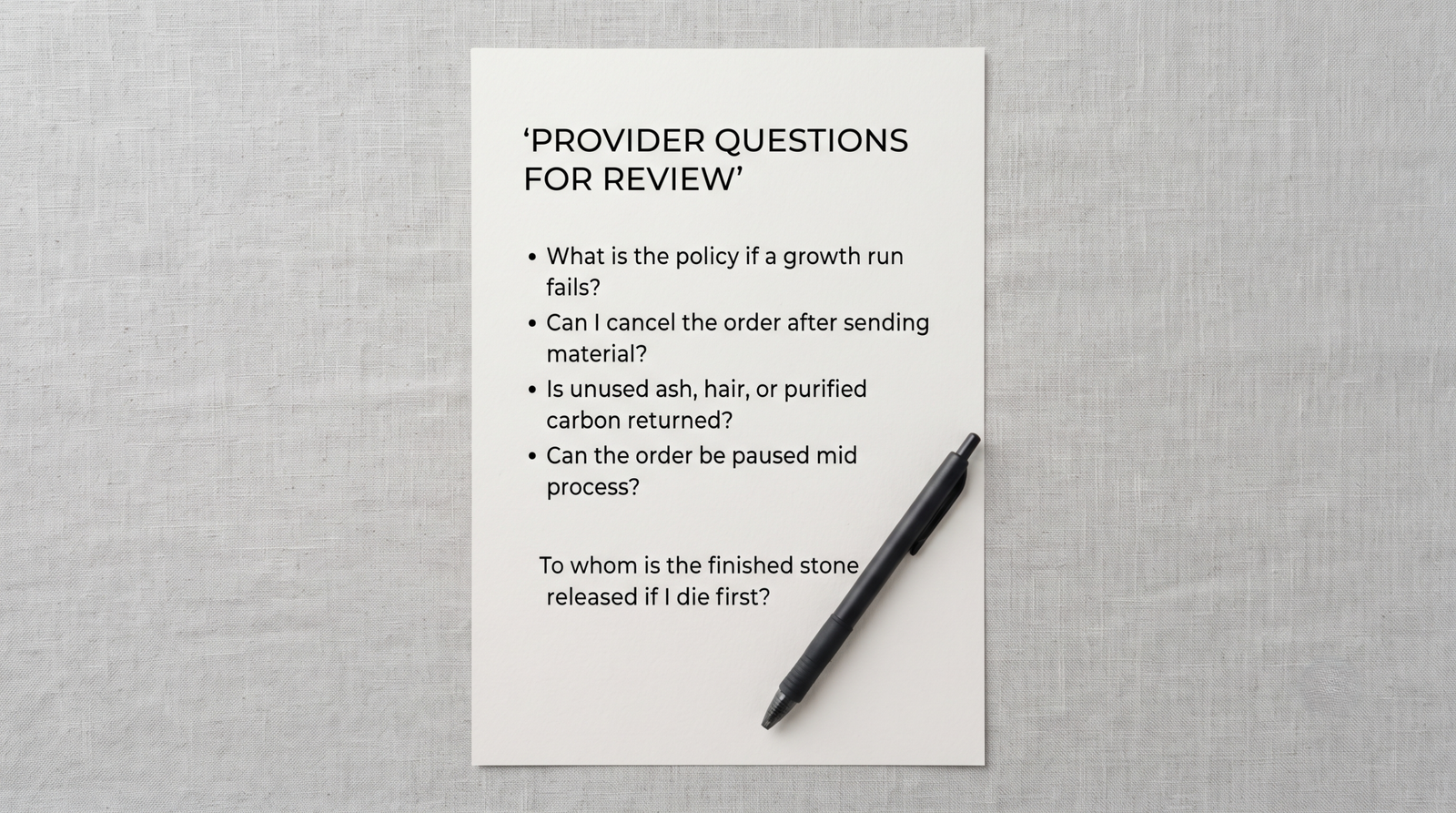
Tell the family now rather than waiting until the diamond arrives. Explain exactly what material you sent. Then ask the provider about its policy for pausing or cancelling an order and about unused material. Provider policies can differ, so get the answer in writing.
How do I explain it to a child in the family who asks?
Keep the explanation concrete and short. You can say that the family can make a diamond partly from something that belonged to Grandma. Answer the question the child asks and let the child decide whether to continue the conversation.
What if nobody objects but nobody feels enthusiastic either?
That can still provide enough agreement to move forward. Family members do not need to feel enthusiastic about your personal memorial choice. The important questions involve surprise, respect, and whether your decision overrides someone else’s plans for her remains.
Decide What You Will Do If They Say No
Think about your response before you raise the subject. If the family says no, you may choose to wait, ask only about retaining a portion, or let the idea go. Knowing your own boundary helps you keep the conversation open rather than turning it into a negotiation.
You should also understand what your available material can support before you speak with your family. Memorial Diamond can provide information about the possibilities before you raise the subject with anyone.