
Feathers to Diamonds: Creating a Memorial Diamond from Pet or Bird Feathers
While many people are familiar with transforming cremation ashes into a lasting keepsake, a genuine memorial diamond can also be grown using alternative carbon sources, such as feathers.
For bird owners, animal lovers, or those who cherish a unique feathered keepsake, creating a feather-to-diamond memorial offers an extraordinary and deeply symbolic way to honor a cherished bond.
How is a Memorial Diamond Created from Feathers?
Just like diamonds grown from human remains or hair, feather-to-diamond synthesis relies on isolating pure carbon and simulating the extreme natural conditions found deep within the earth.
The scientific synthesis process follows these key stages:
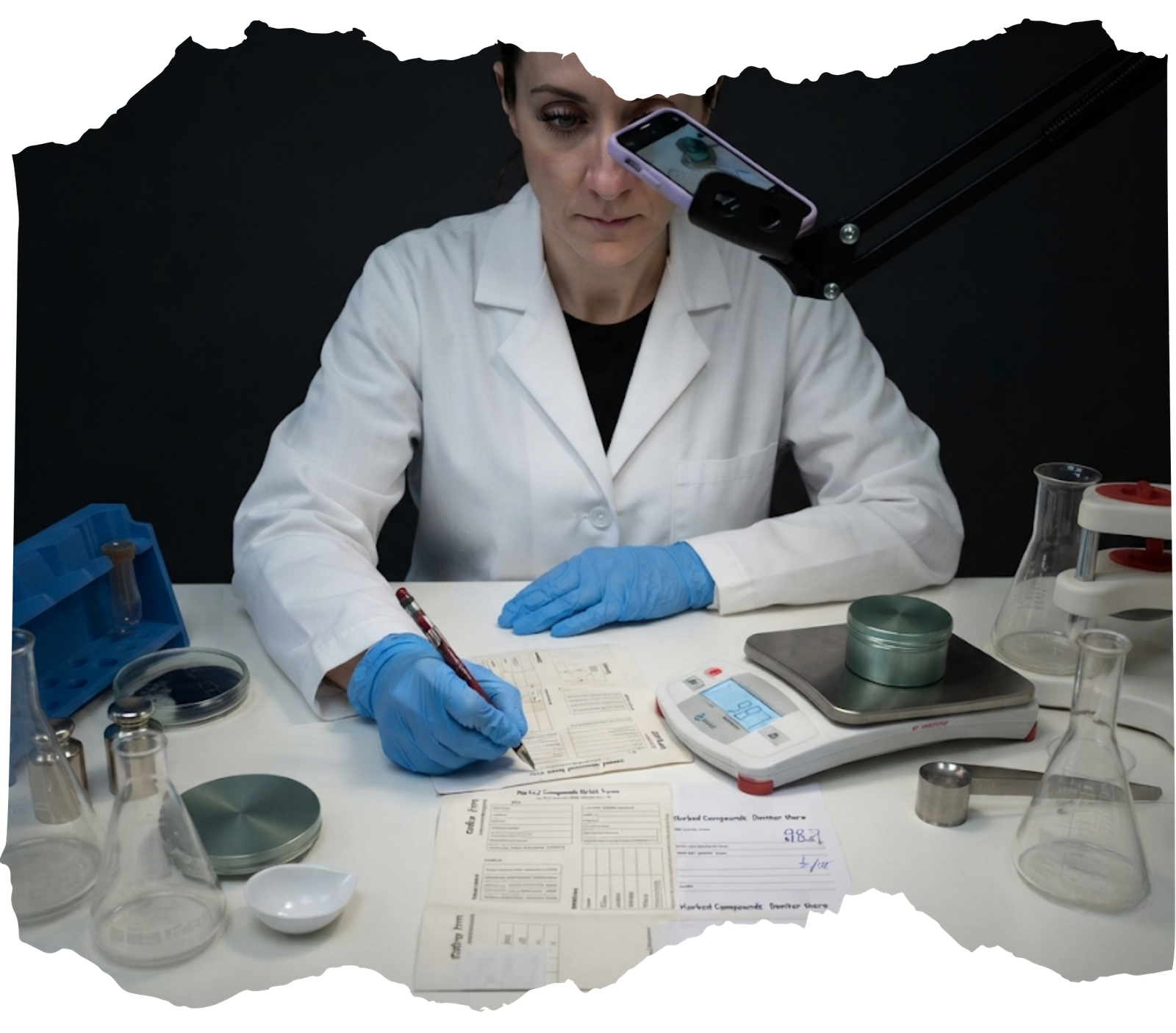
Stage 1 – Carbon Extraction from Feathers
Carbon is the foundational building block of life. Laboratory specialists carefully isolate pure carbon from the provided feather sample. Typically, a sufficient collection of feathers is required to successfully extract enough carbon for diamond synthesis. Every sample receives a unique reference tracking number to ensure absolute transparency and strict auditing throughout its laboratory journey.
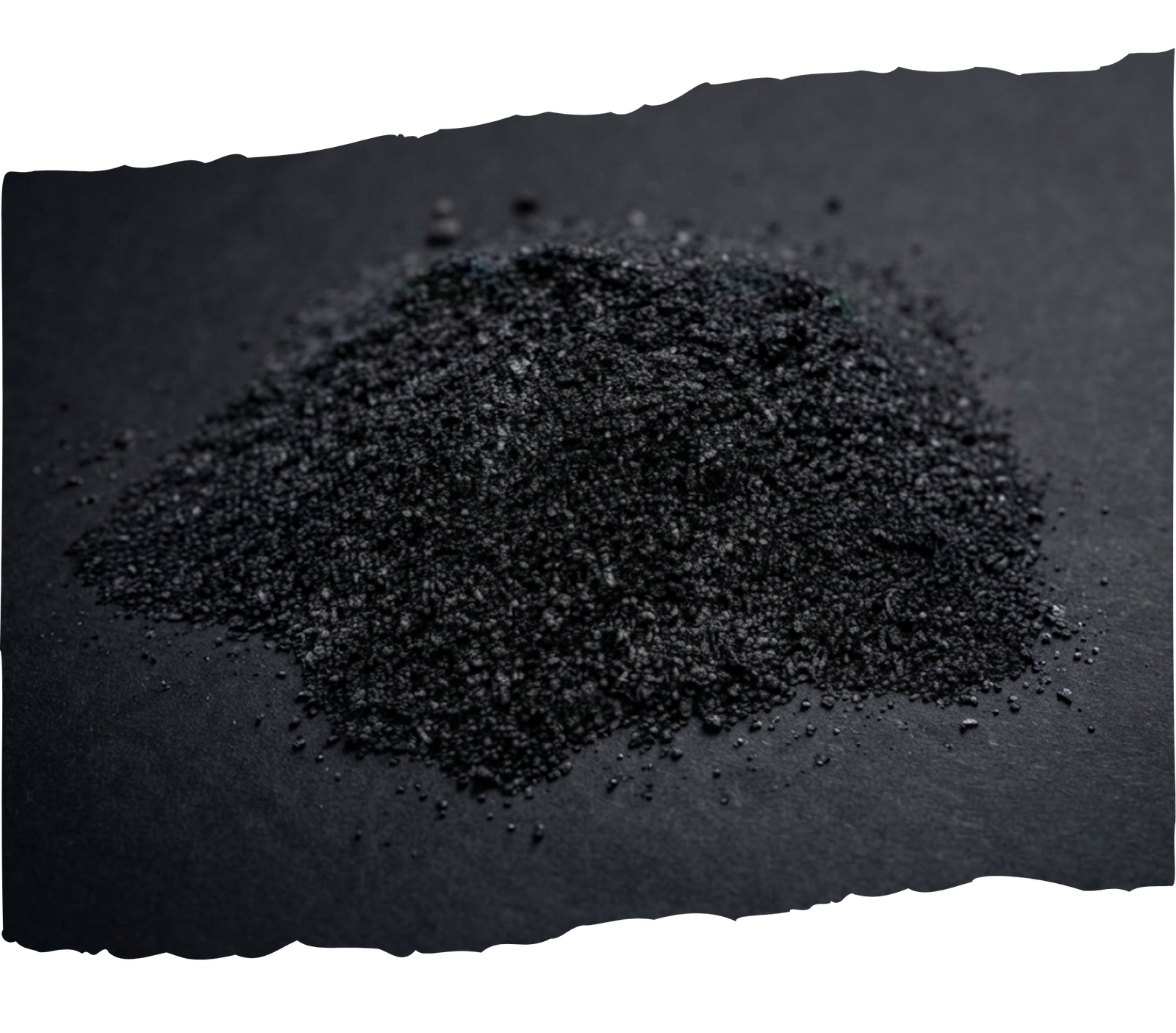
Stage 2 – Conversion to Graphite
Through specialized chemical cleaning and thermal refinement, the isolated carbon sample reaches high purity levels. This carbon is then transformed into a stable graphite structure an essential intermediate milestone known as graphitization.
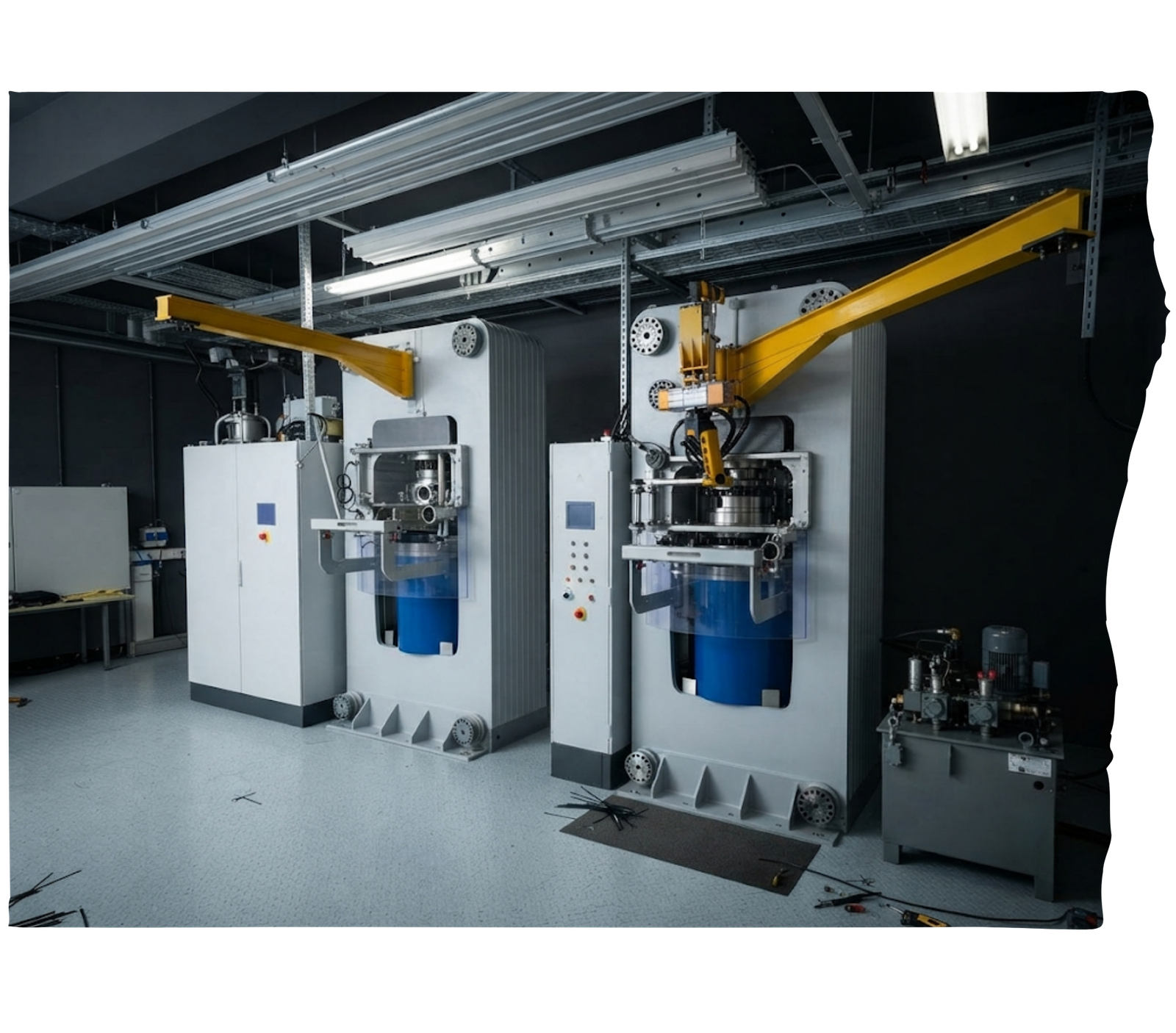
Stage 3 – High-Pressure High-Temperature (HPHT) Growth
The prepared graphite is placed inside a specialized growing cell within an advanced HPHT press. Subjected to immense pressures reaching roughly 870,000 pounds per square inch (PSI) and temperatures between 2,100° and 2,600° Fahrenheit, the atomic structure rearranges, slowly crystallizing into a genuine rough diamond.
Stage 4 – Extraction and Cleaning
Once the diamond reaches its target size in the growing cell, it is safely extracted. The raw diamond, embedded in molten metal at the core, is carefully cleaned in an acid bath.
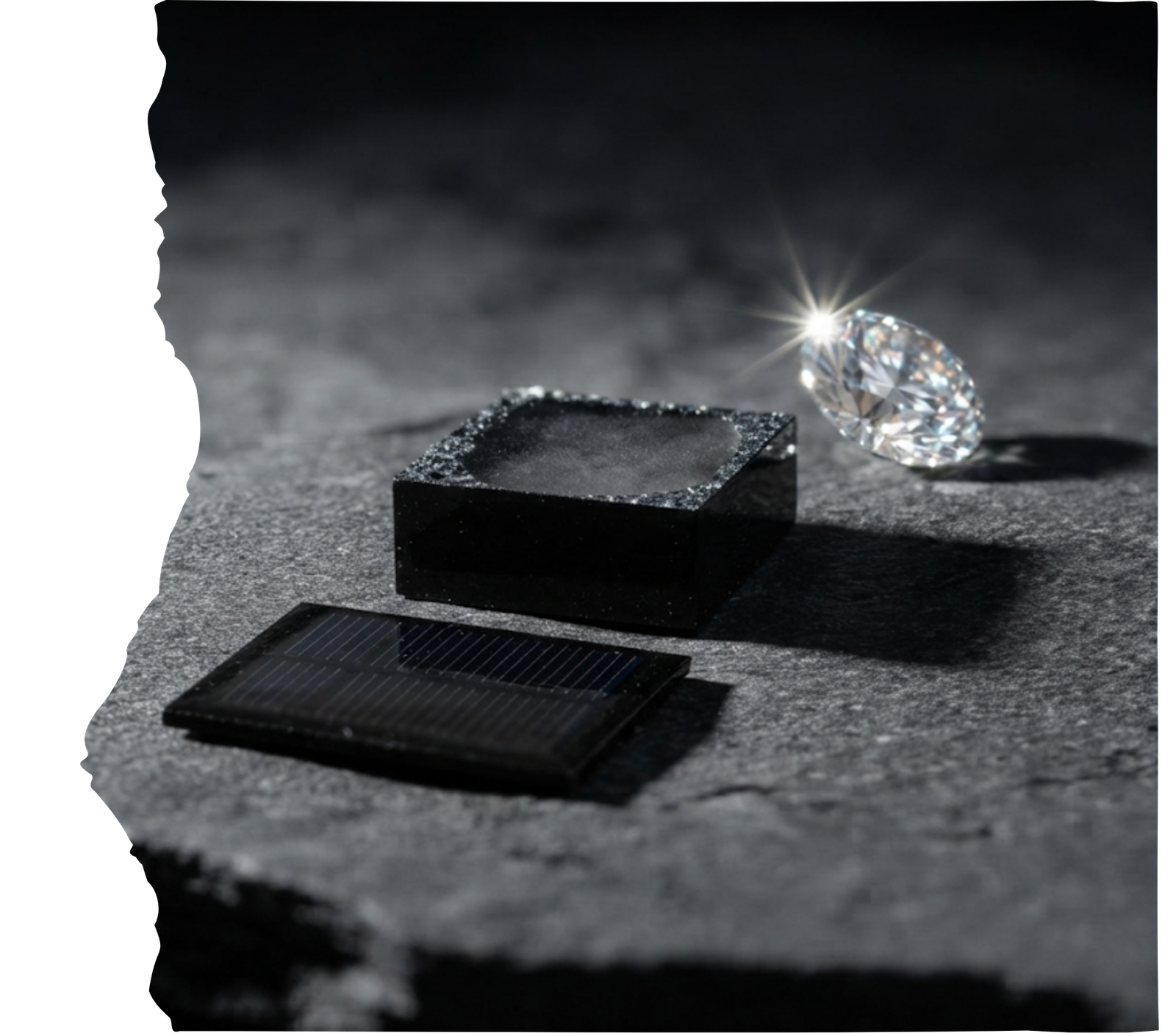
Stage 5 – Precision Cutting and Polishing
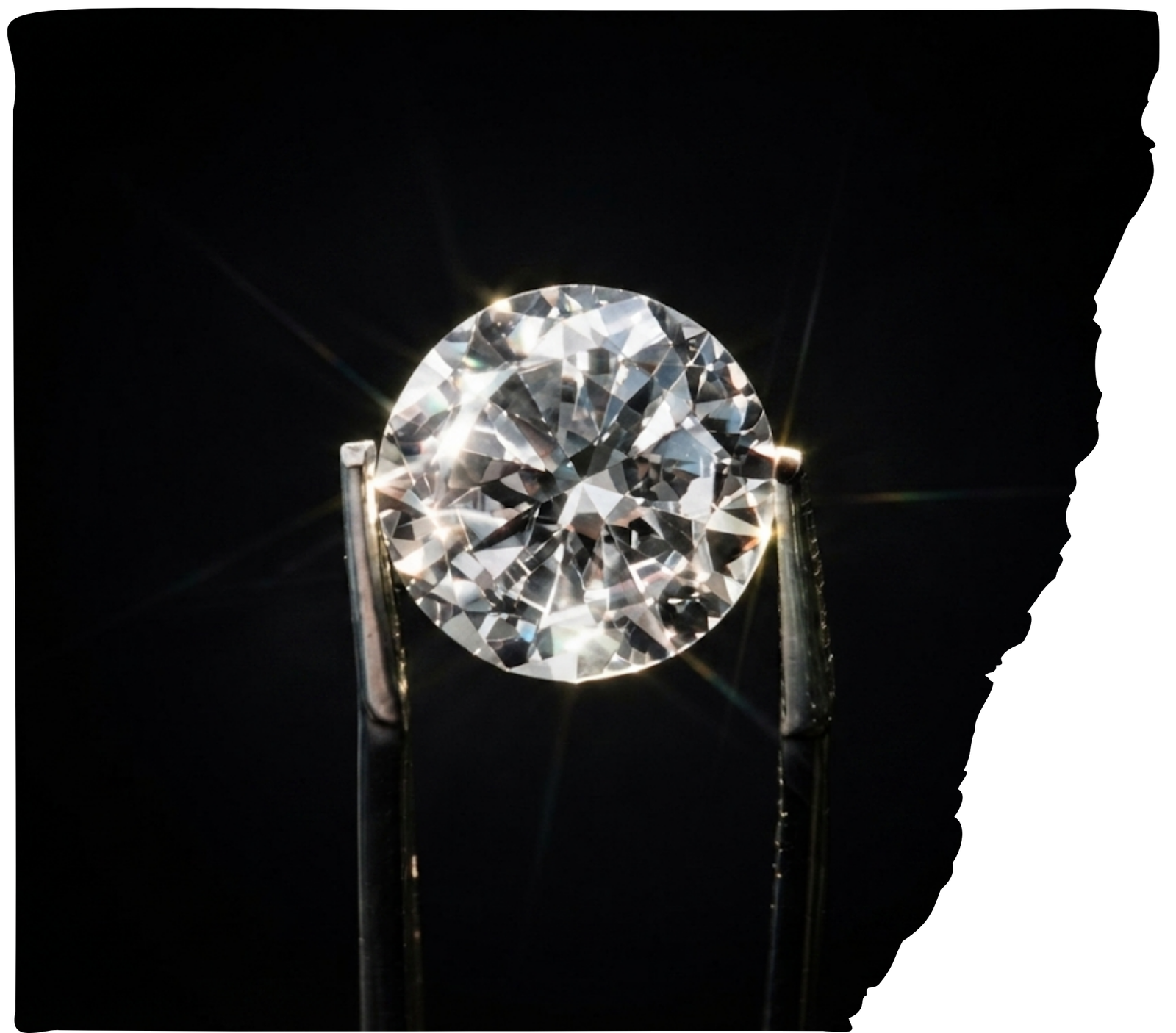
Master gem-cutters can shape the rough memorial diamond into classic cuts such as brilliant, emerald, asscher, princess, radiant, or heart shapes or polish it into a unique natural rough form. (When you are ready to set your finished stone into fine jewelry, expert creators like BlueIce Gems offer specialized custom settings).
Stage 6 – Micro-Laser Inscription
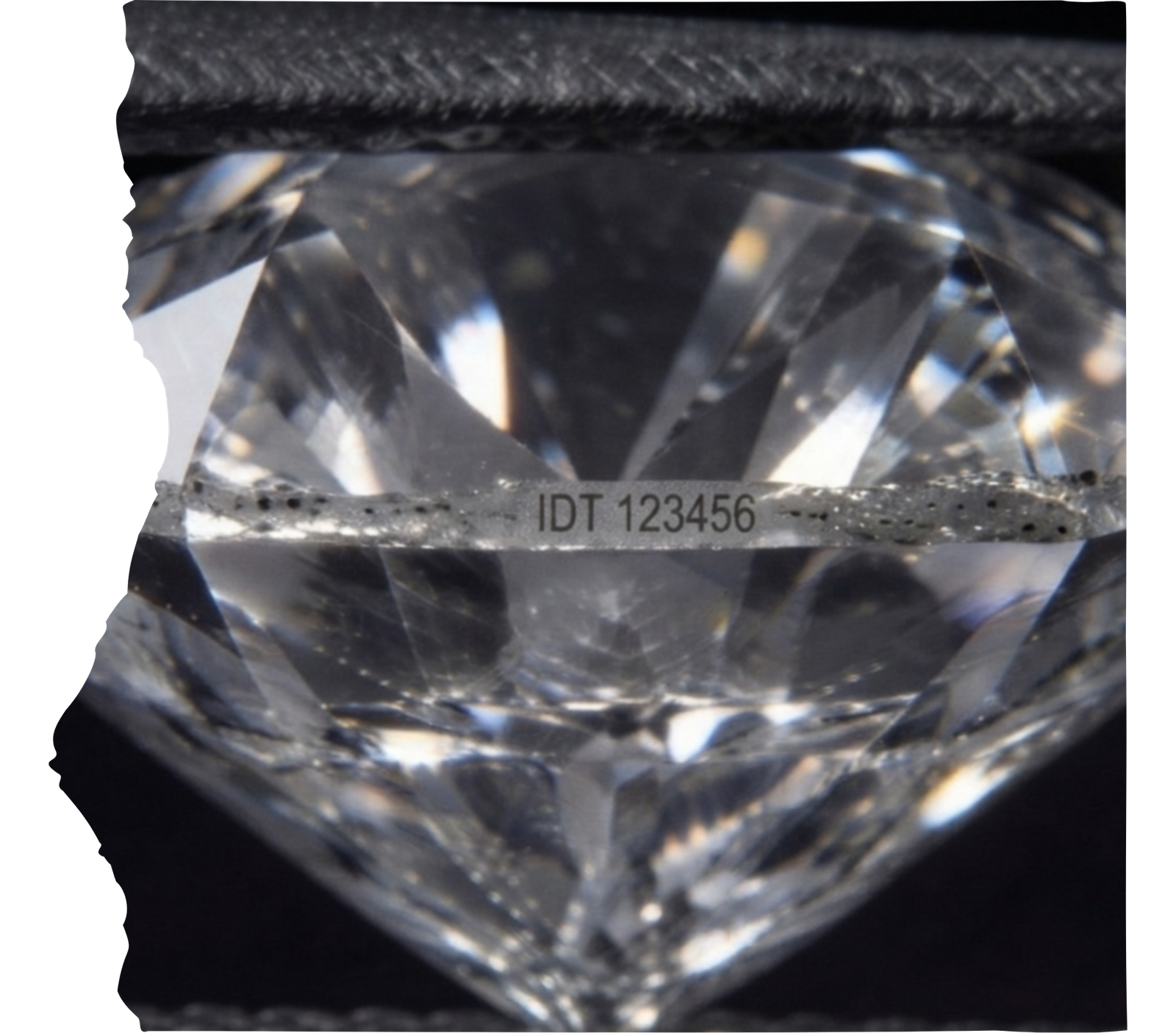
Each diamond can be subtly engraved along its girdle with a unique tracking code or a personal message, viewable only under high magnification (30x or greater) to preserve optical purity.
Stage 7 – Certification and Guarantee
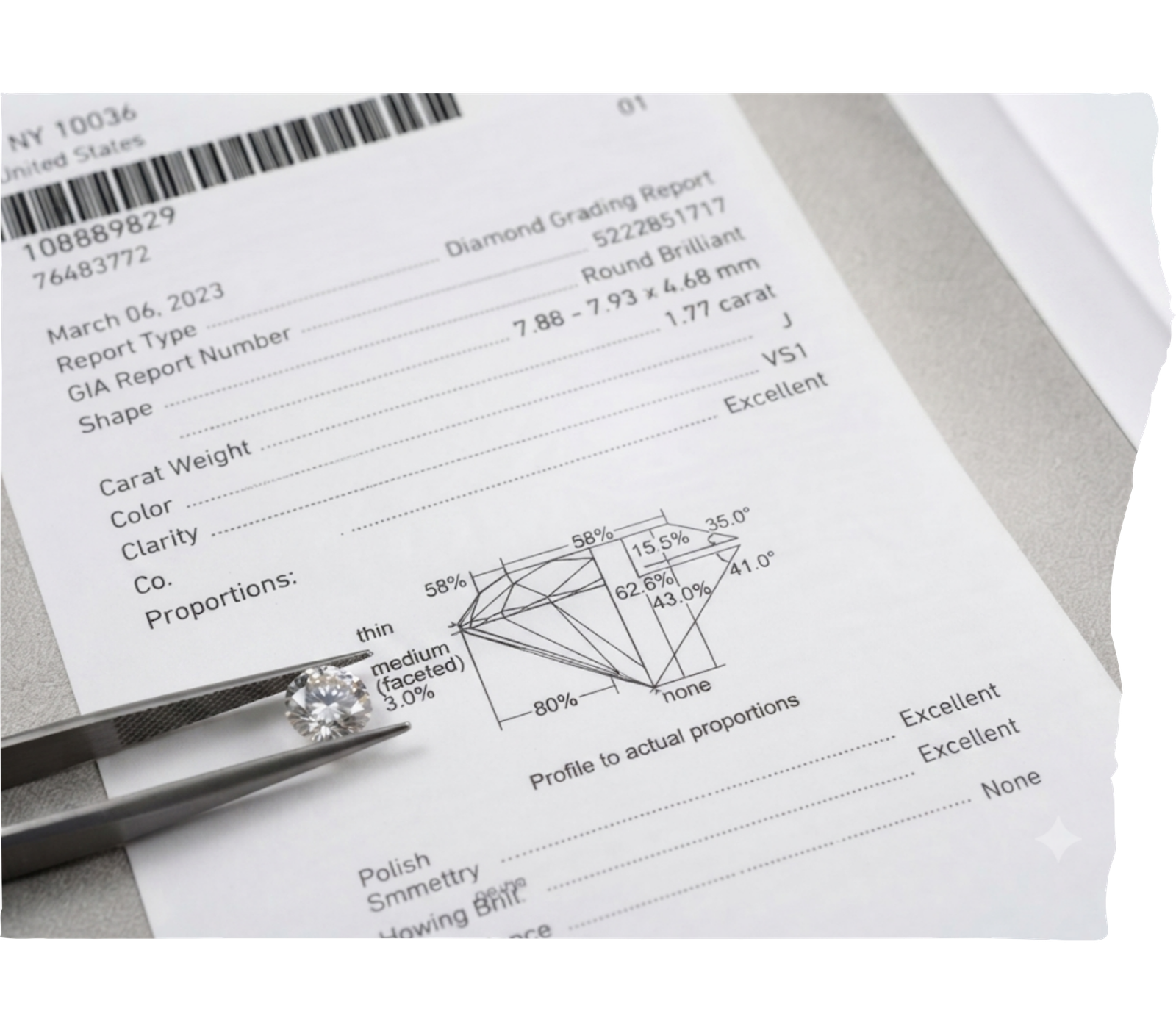
Every completed memorial diamond is accompanied by extensive documentation guaranteeing its authenticity, exact weight, optical characteristics, and the verified origin of the carbon source.
Frequently Asked Questions (FAQs) for Feather-to-Diamond Synthesis
Can a genuine diamond really be grown from feathers?
Yes, feathers contain organic carbon. Through advanced high-pressure-high-temperature (HPHT) laboratory technology, scientists can isolate this carbon and replicate the earth’s natural growing environment to form a certified, authentic diamond.
How many feathers are required to create a memorial diamond?
Because feathers vary in size and carbon yield, a specific quantity (typically a small collection or collection bag) is evaluated by the laboratory to ensure enough pure carbon can be extracted for successful synthesis.
Does the color or type of the feather affect the final diamond?
No, feathers from various bird species or colors can be utilized as the carbon source. The final color of the memorial diamond is determined by controlled laboratory variables during growth rather than the original pigment of the feathers.
Are feather-based memorial diamonds chemically identical to mined diamonds?
Yes. A memorial diamond grown from feathers possesses the exact same physical, optical, and chemical characteristics as a natural diamond pulled from the earth.
How is the authenticity and origin of the feather source verified?
Every completed stone undergoes rigorous documentation, accompanied by an official certificate guaranteeing the authenticity, weight, cut, clarity, and the verified origin of the carbon source used in its creation.
How can I turn my finished feather diamond into a piece of jewelry?
While our platform serves as an educational guide on the synthesis process, trusted jewelry partners and expert craftsmen like BlueIceGems specialize in setting memorial stones into custom rings, pendants, or other fine keepsakes.
Please send the following information:
Feathers to Diamonds: Creating a Memorial Diamond from Pet or Bird Feathers
While many people are familiar with transforming cremation ashes into a lasting keepsake, a genuine memorial diamond can also be grown using alternative carbon sources, such as feathers.
For bird owners, animal lovers, or those who cherish a unique feathered keepsake, creating a feather-to-diamond memorial offers an extraordinary and deeply symbolic way to honor a cherished bond.
How is a Memorial Diamond Created from Feathers?
Just like diamonds grown from human remains or hair, feather-to-diamond synthesis relies on isolating pure carbon and simulating the extreme natural conditions found deep within the earth.
The scientific synthesis process follows these key stages:
Stage 1 – Carbon Extraction from Feathers
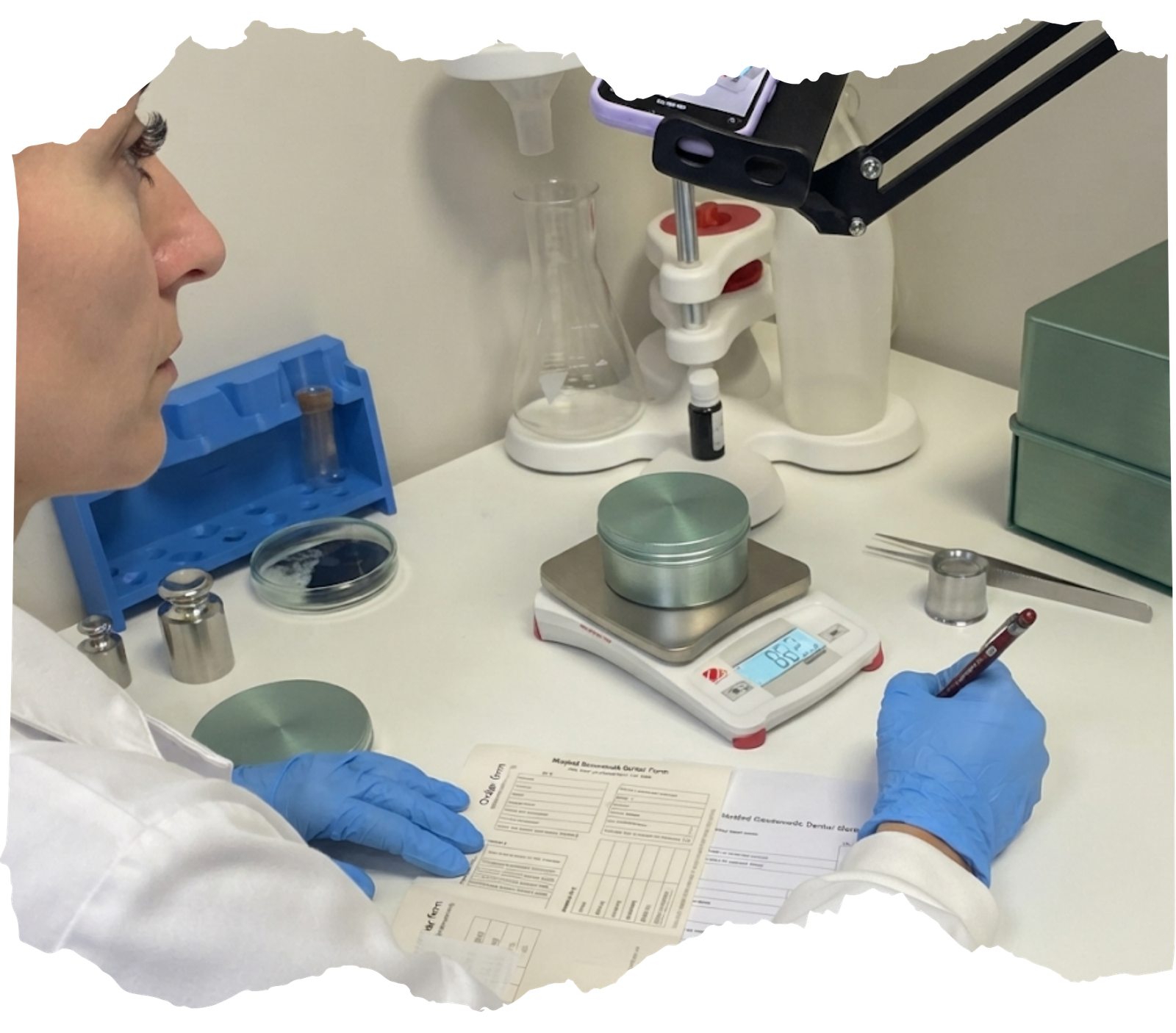
Carbon is the foundational building block of life. Laboratory specialists carefully isolate pure carbon from the provided feather sample. Typically, a sufficient collection of feathers is required to successfully extract enough carbon for diamond synthesis. Every sample receives a unique reference tracking number to ensure absolute transparency and strict auditing throughout its laboratory journey.
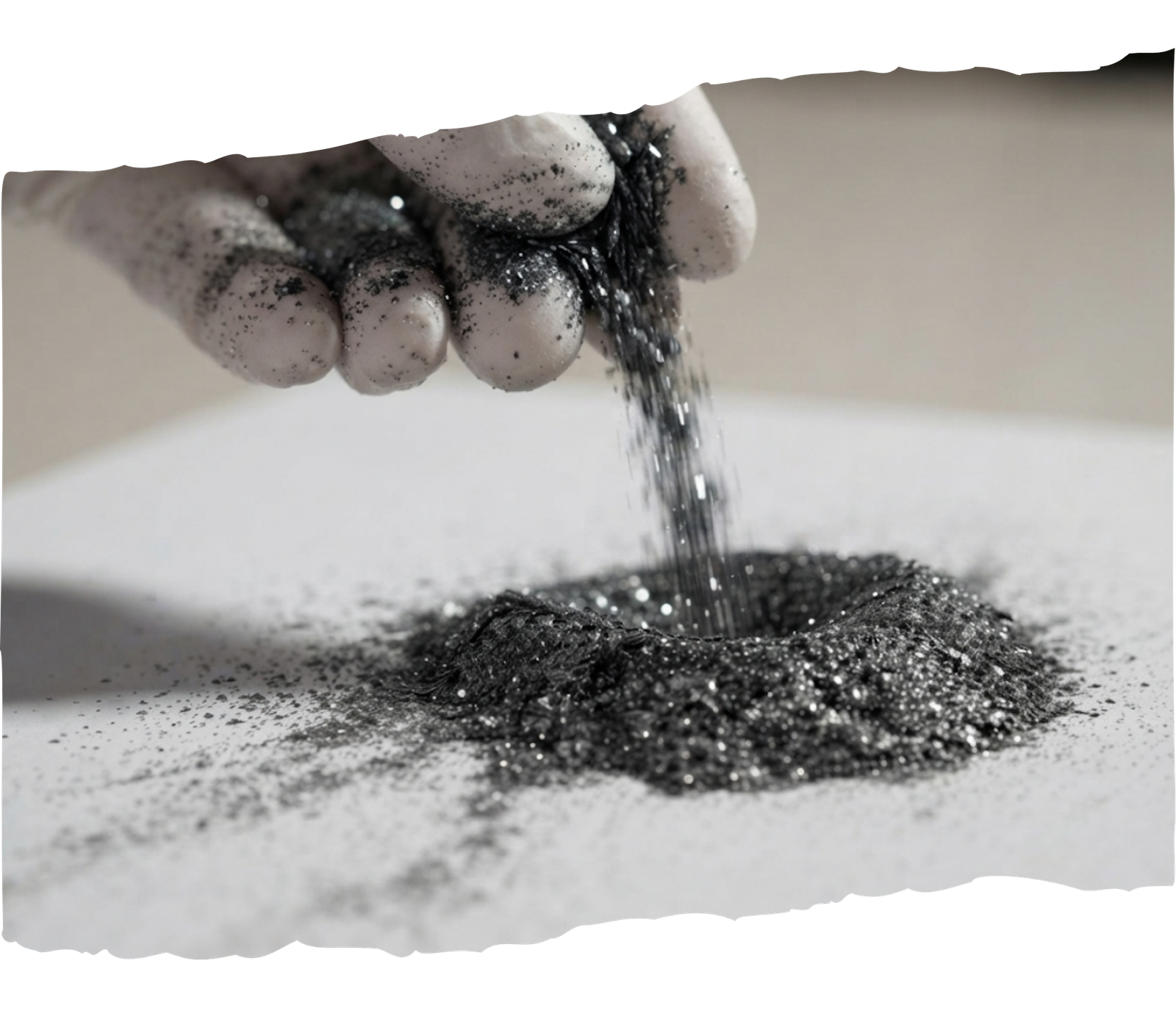
Stage 2 – Conversion to Graphite
Through specialized chemical cleaning and thermal refinement, the isolated carbon sample reaches high purity levels. This carbon is then transformed into a stable graphite structure an essential intermediate milestone known as graphitization.
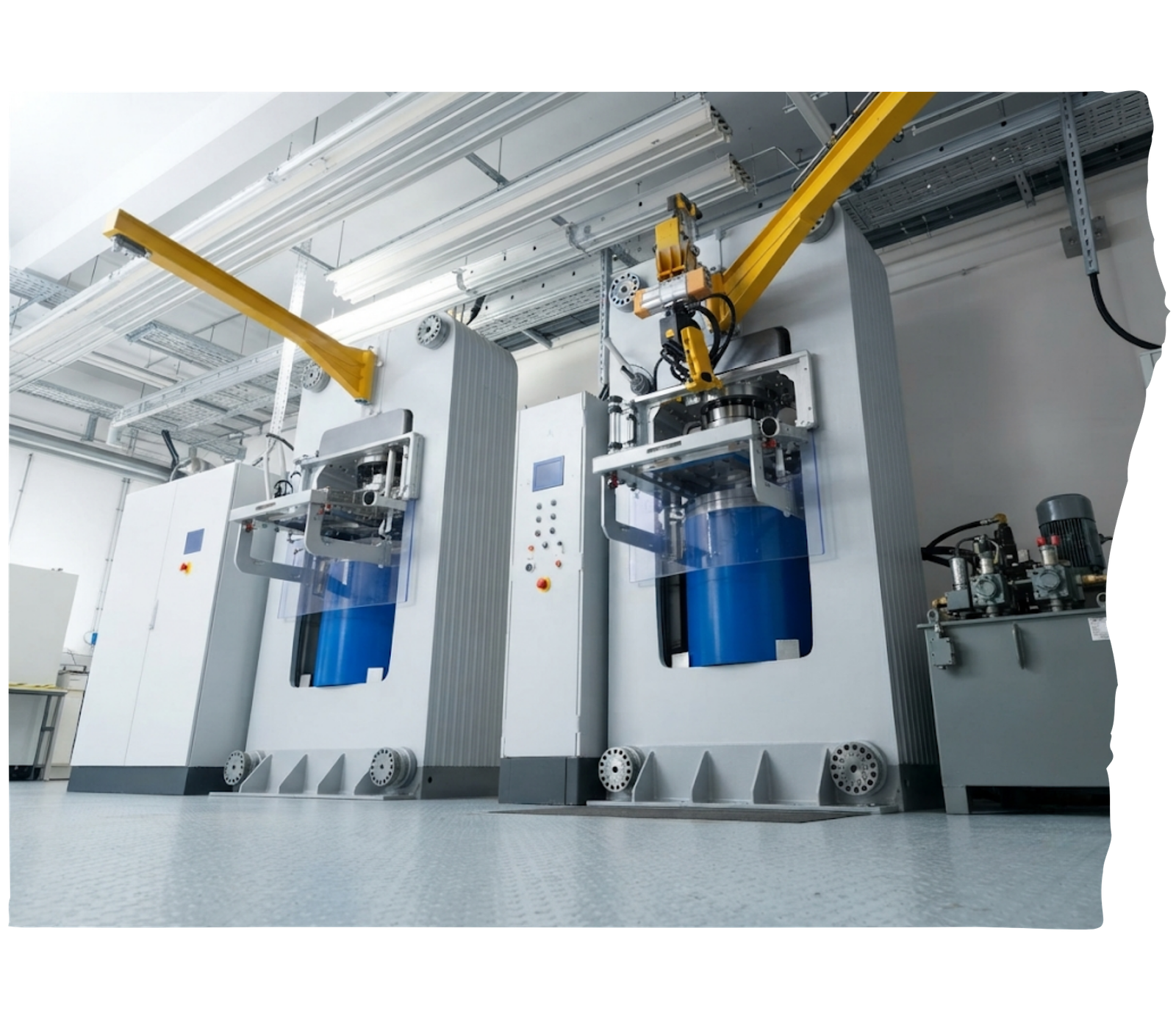
Stage 3 – High-Pressure High-Temperature (HPHT) Growth
The prepared graphite is placed inside a specialized growing cell within an advanced HPHT press. Subjected to immense pressures reaching roughly 870,000 pounds per square inch (PSI) and temperatures between 2,100° and 2,600° Fahrenheit, the atomic structure rearranges, slowly crystallizing into a genuine rough diamond.
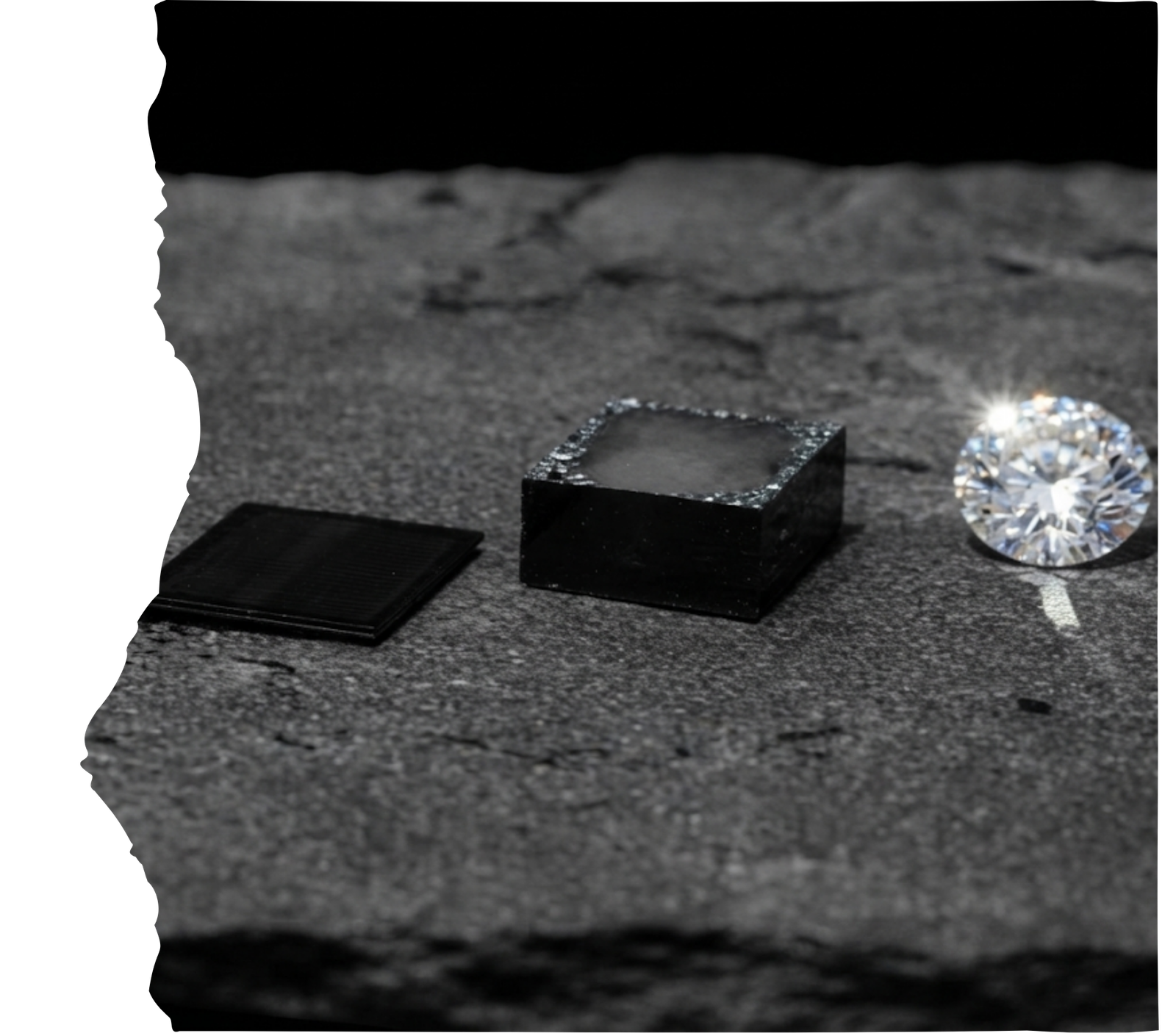
Stage 4 – Extraction and Cleaning
Once the diamond reaches its target size in the growing cell, it is safely extracted. The raw diamond, embedded in molten metal at the core, is carefully cleaned in an acid bath.
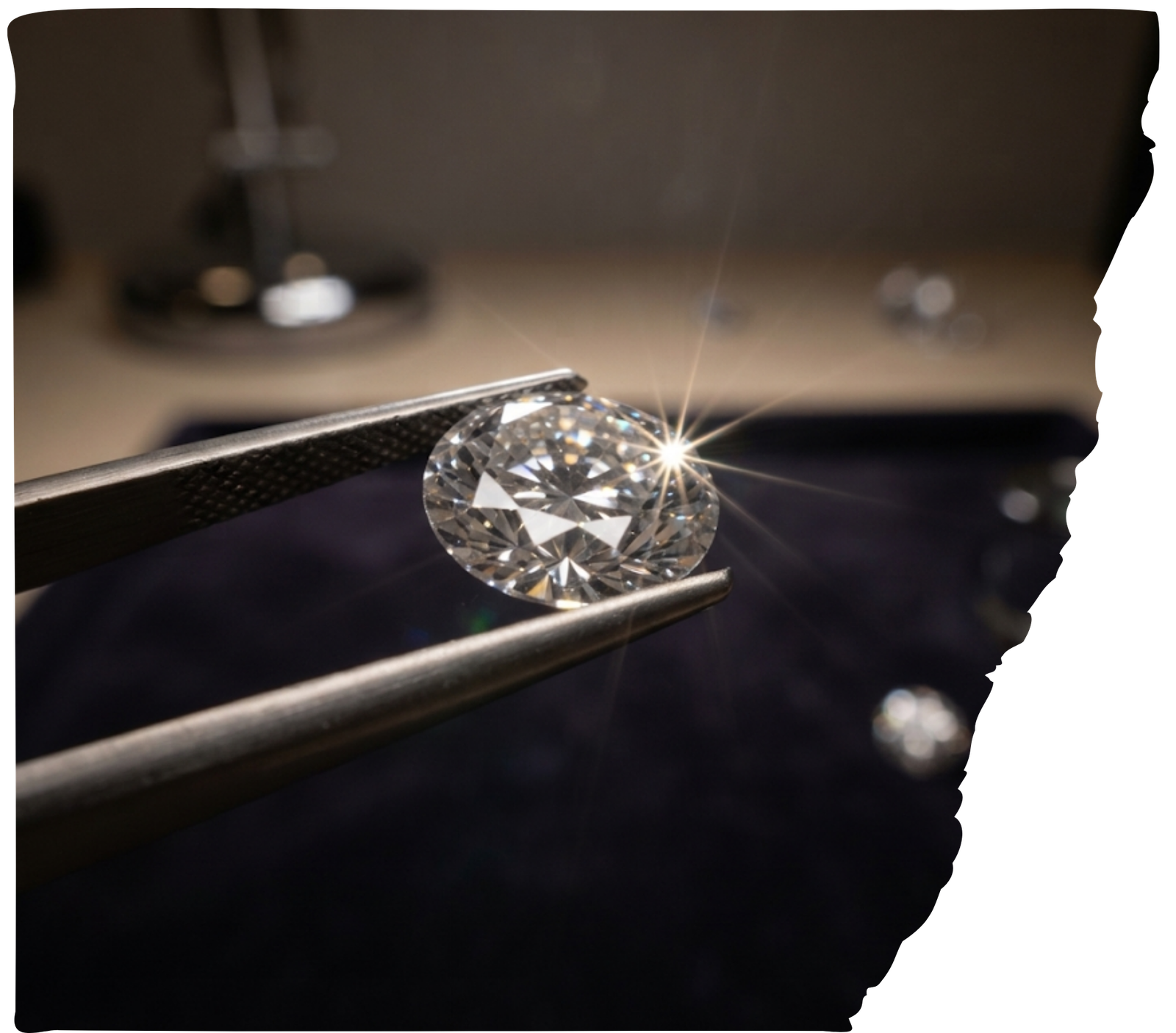
Stage 5 – Precision Cutting and Polishing
Master gem-cutters can shape the rough memorial diamond into classic cuts such as brilliant, emerald, asscher, princess, radiant, or heart shapes or polish it into a unique natural rough form. (When you are ready to set your finished stone into fine jewelry, expert creators like BlueIceGems offer specialized custom settings).
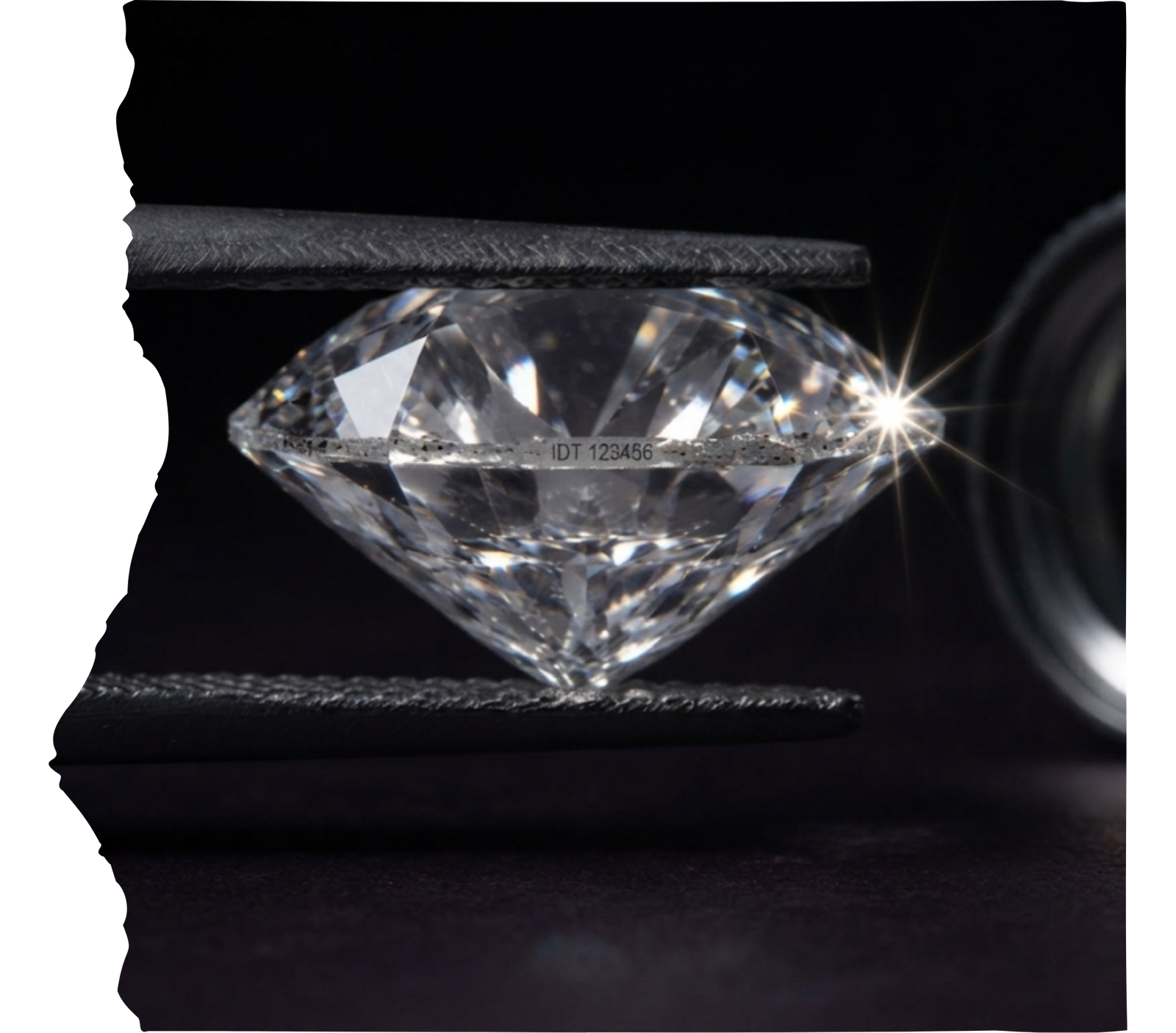
Stage 6 – Micro-Laser Inscription
Each diamond can be subtly engraved along its girdle with a unique tracking code or a personal message, viewable only under high magnification (30x or greater) to preserve optical purity.
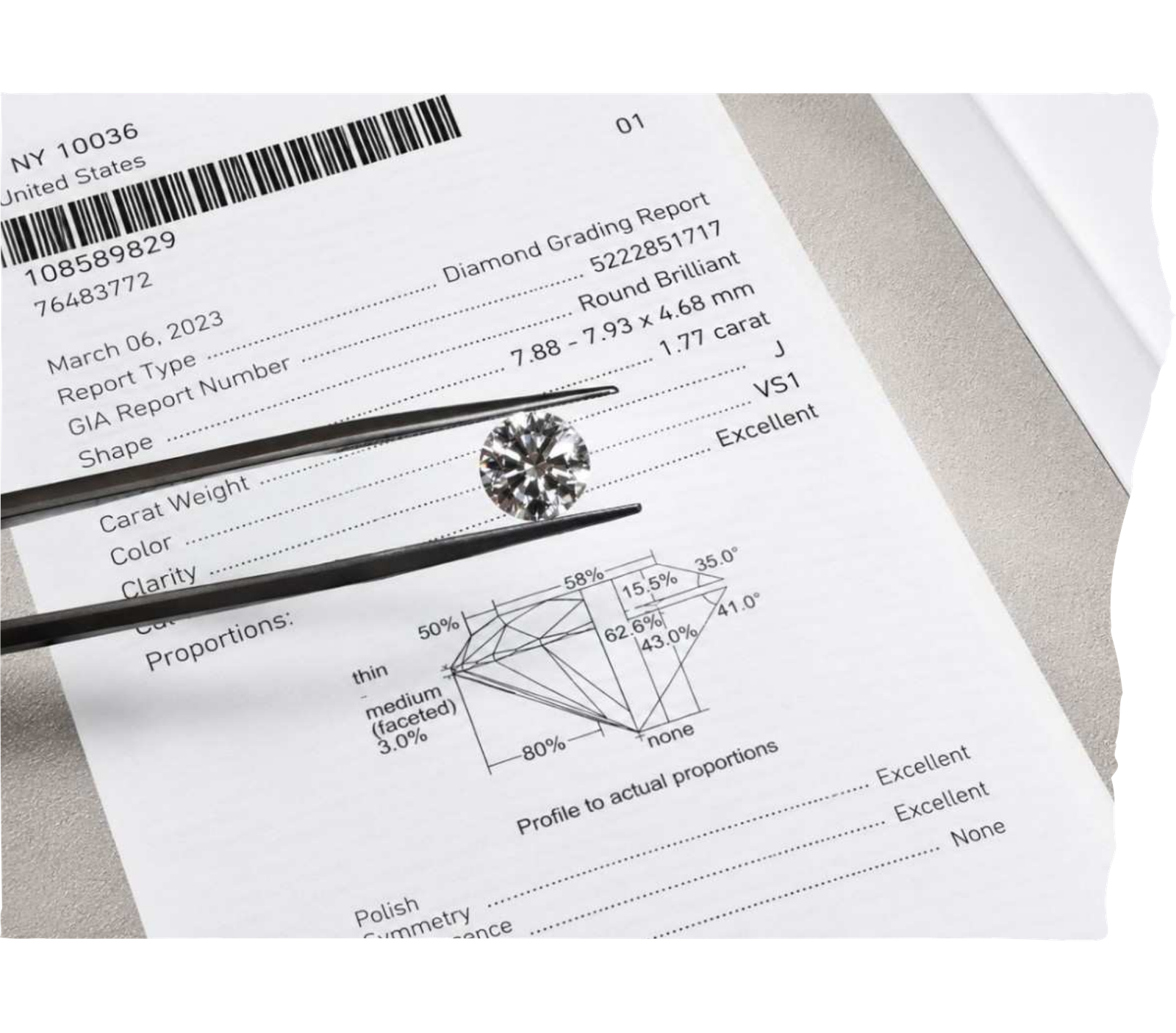
Stage 7 – Certification and Guarantee
Every completed memorial diamond is accompanied by extensive documentation guaranteeing its authenticity, exact weight, optical characteristics, and the verified origin of the carbon source.
Frequently Asked Questions (FAQs) for Feather-to-Diamond Synthesis
Can a genuine diamond really be grown from feathers?
Yes, feathers contain organic carbon. Through advanced high-pressure-high-temperature (HPHT) laboratory technology, scientists can isolate this carbon and replicate the earth’s natural growing environment to form a certified, authentic diamond.
How many feathers are required to create a memorial diamond?
Because feathers vary in size and carbon yield, a specific quantity (typically a small collection or collection bag) is evaluated by the laboratory to ensure enough pure carbon can be extracted for successful synthesis.
Does the color or type of the feather affect the final diamond?
No, feathers from various bird species or colors can be utilized as the carbon source. The final color of the memorial diamond is determined by controlled laboratory variables during growth rather than the original pigment of the feathers.
Are feather-based memorial diamonds chemically identical to mined diamonds?
Yes. A memorial diamond grown from feathers possesses the exact same physical, optical, and chemical characteristics as a natural diamond pulled from the earth.
How is the authenticity and origin of the feather source verified?
Every completed stone undergoes rigorous documentation, accompanied by an official certificate guaranteeing the authenticity, weight, cut, clarity, and the verified origin of the carbon source used in its creation.
How can I turn my finished feather diamond into a piece of jewelry?
While our platform serves as an educational guide on the synthesis process, trusted jewelry partners and expert craftsmen like BlueIceGems specialize in setting memorial stones into custom rings, pendants, or other fine keepsakes.