
Diamond Creation: How Memorial Diamonds Are Formed in the Laboratory
The transformation of a loved one’s remains into a brilliant gemstone is a remarkable fusion of advanced technology and natural science. A memorial diamond is created by replicating the exact high-pressure and high-temperature conditions under which natural diamonds form deep within the earth over centuries.
This educational guide explores the core science and the step-by-step laboratory process behind transforming residual carbon into an authentic, certified keepsake.
The Diamond Creation Process: Step-by-Step
To produce a genuine cremation diamond, specialized laboratory facilities utilize high-pressure, high-temperature (HPHT) technology. The synthesis procedure follows these core phases:
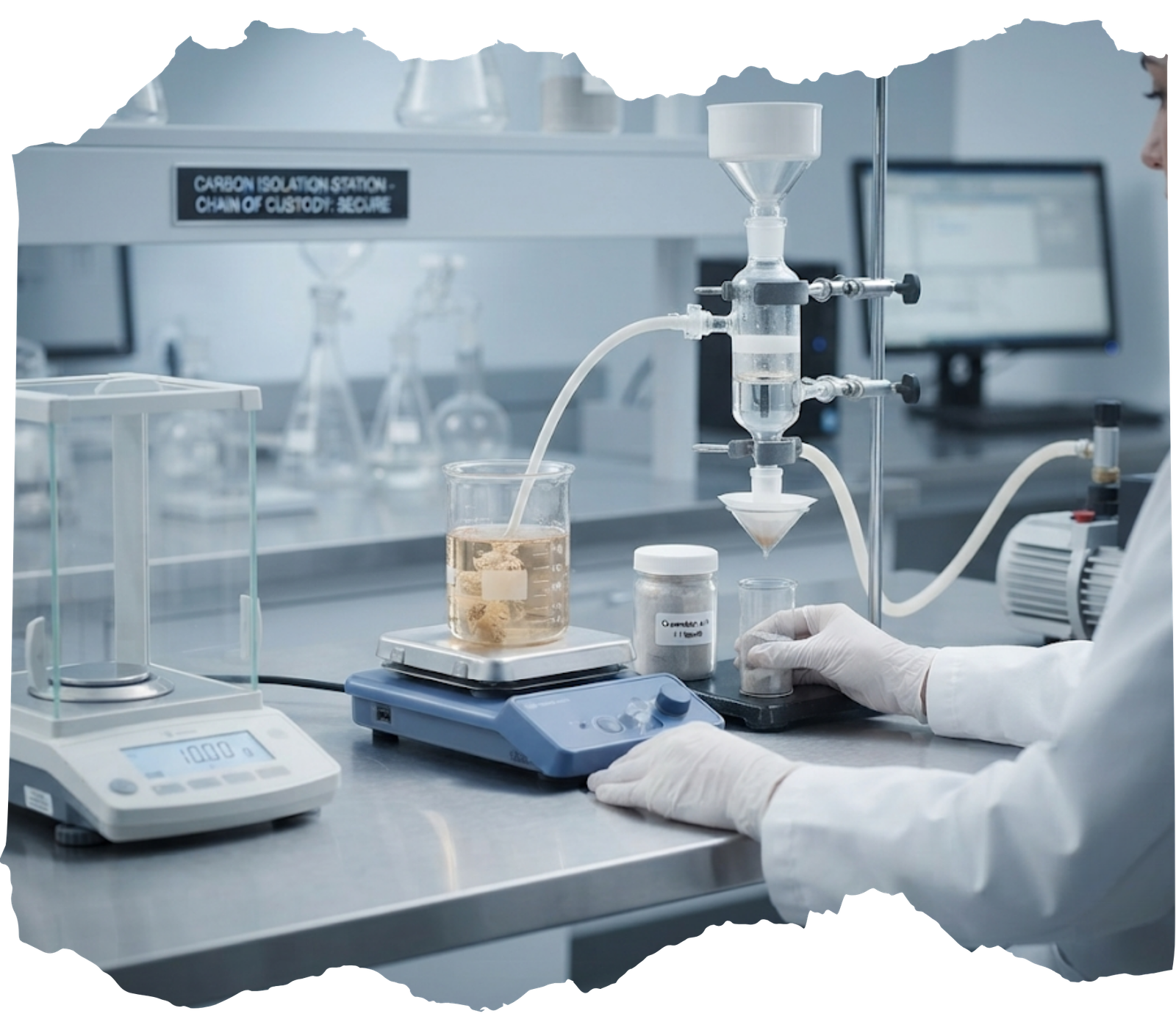
Step 1 – Carbon Isolation
The process begins by isolating pure carbon solely from the provided cremation ashes, hair, or combined multi-source samples. Because standard cremation causes most carbon to escape as carbon dioxide, laboratory specialists carefully filter and purify the remaining 1% to 5% carbon.
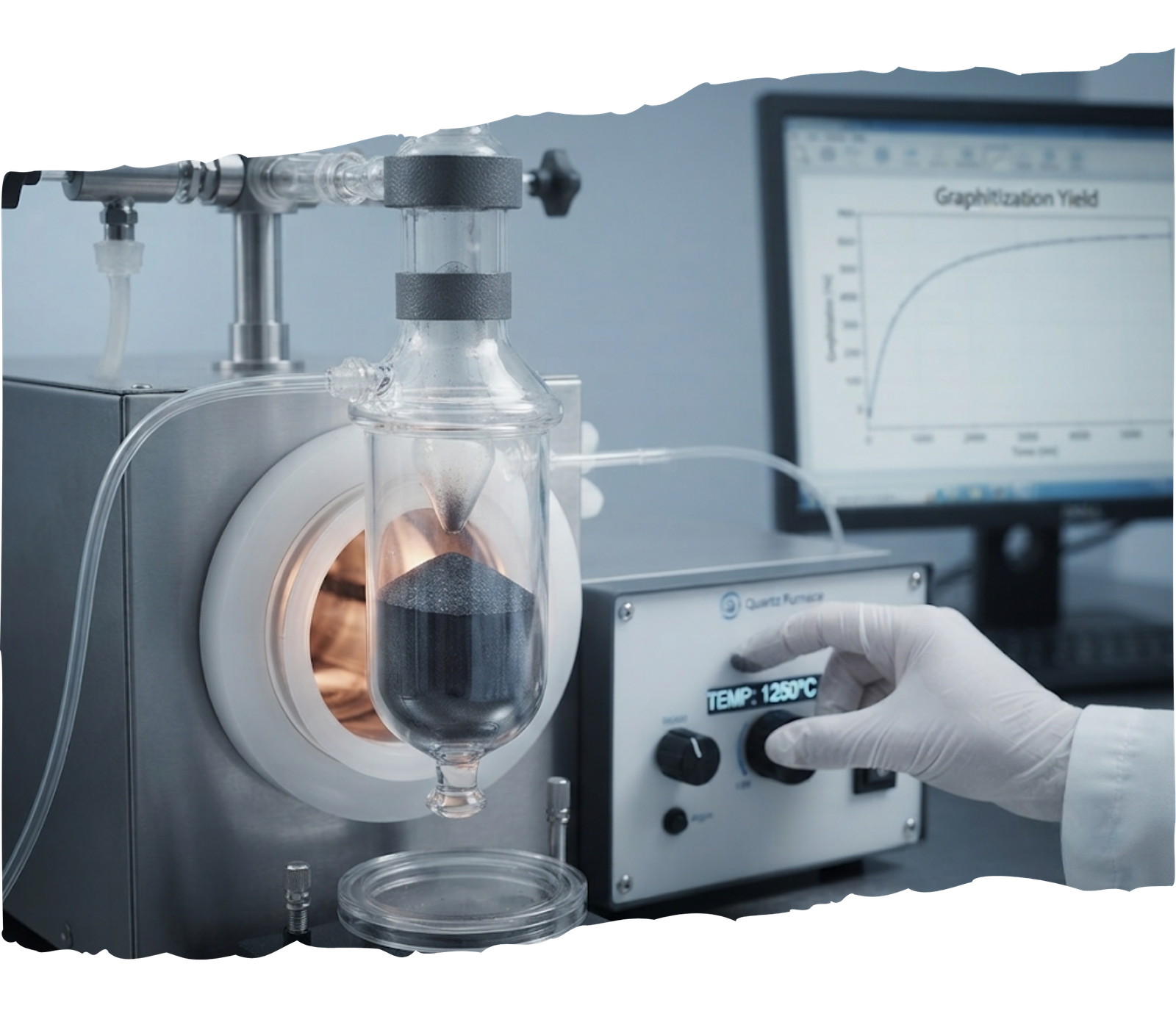
Step 2 – Conversion to Graphite
Through acid-wash filtration and thermal refinement, the isolated carbon reaches a purity level of 99.9%. This material is then transformed into a stable graphite structure an essential intermediate milestone known as graphitization.
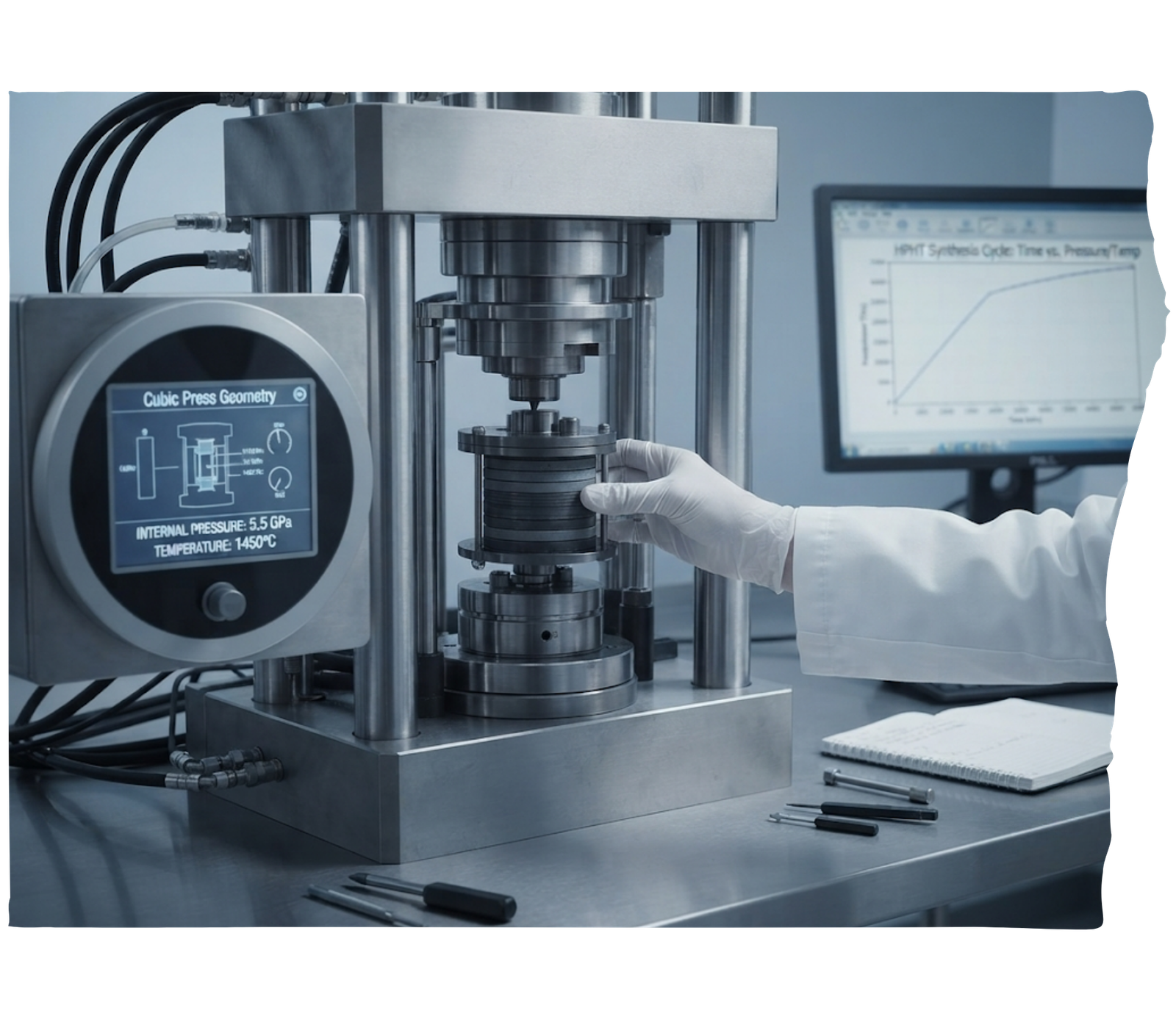
Step 3 – HPHT Cell Growth
The graphite is placed inside a specialized growing cell within an advanced HPHT press. The machinery simulates subterranean conditions by applying immense pressure reaching 870,000 pounds per square inch (PSI) alongside blistering temperatures between 2,100° and 2,600° Fahrenheit.
Step 4 – Extraction, Cutting, and Polishing
Every completed stone is micro-inscribed on its girdle with a unique tracking code for traceability and accompanied by an official certificate guaranteeing its authenticity and carbon origin.
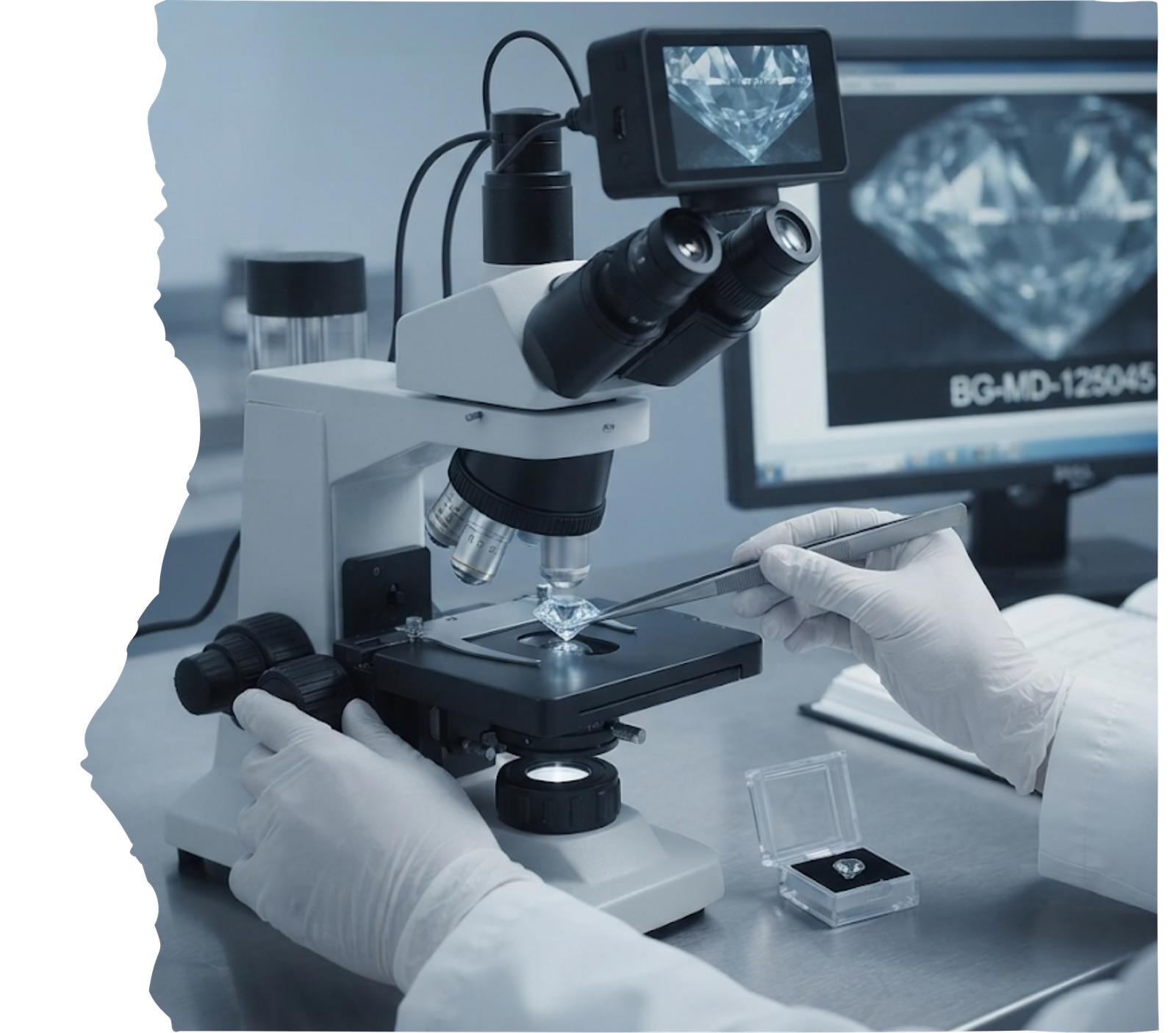
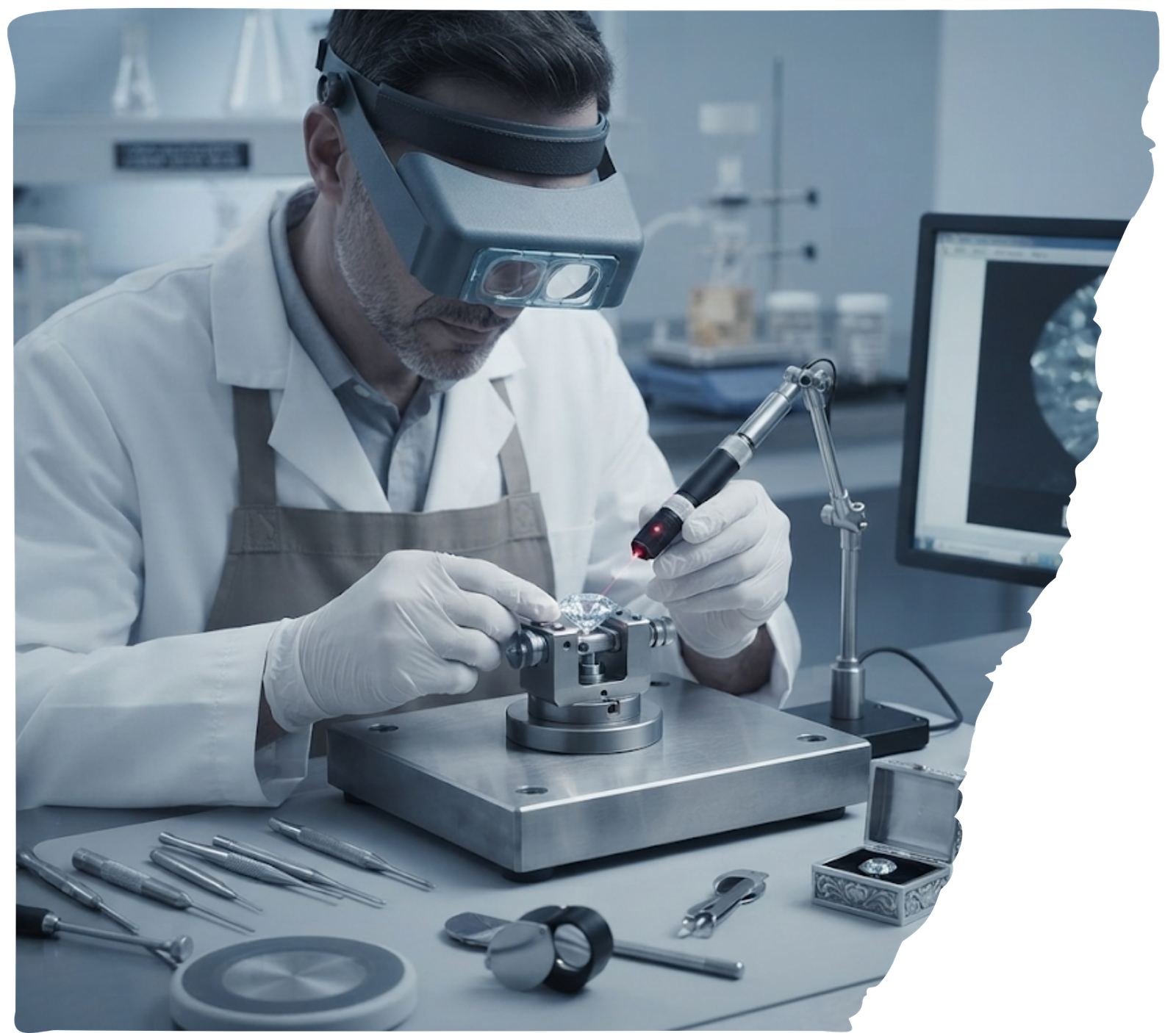
Step 5 – Laser Inscription and Certification
Every completed stone is micro-inscribed on its girdle with a unique tracking code for traceability and accompanied by an official certificate guaranteeing its authenticity and carbon origin.
Frequently Asked Questions (FAQs) on Diamond Creation
Are memorial diamonds genuine diamonds?
Yes. A memorial diamond possesses the exact same physical, optical, and chemical properties as a natural diamond mined from the earth.
How much material is needed to grow a diamond?
Typically, laboratories require at least one pound of cremated remains or ten grams of hair to successfully extract enough carbon for synthesis.
How long does the diamond creation process take?
Because the stone is grown slowly to ensure structural purity and correct sizing, the laboratory synthesis timeline generally spans several weeks to months.
Please send the following information:
Diamond Creation: How Memorial Diamonds Are Formed in the Laboratory
The transformation of a loved one’s remains into a brilliant gemstone is a remarkable fusion of advanced technology and natural science. A memorial diamond is created by replicating the exact high-pressure and high-temperature conditions under which natural diamonds form deep within the earth over centuries.
This educational guide explores the core science and the step-by-step laboratory process behind transforming residual carbon into an authentic, certified keepsake.
The Diamond Creation Process: Step-by-Step
To produce a genuine cremation diamond, specialized laboratory facilities utilize high-pressure, high-temperature (HPHT) technology. The synthesis procedure follows these core phases:
Step 1 – Carbon Isolation
The process begins by isolating pure carbon solely from the provided cremation ashes, hair, or combined multi-source samples. Because standard cremation causes most carbon to escape as carbon dioxide, laboratory specialists carefully filter and purify the remaining 1% to 5% carbon.
Step 2 – Conversion to Graphite
Through acid-wash filtration and thermal refinement, the isolated carbon reaches a purity level of 99.9%. This material is then transformed into a stable graphite structure an essential intermediate milestone known as graphitization.
Step 3 – HPHT Cell Growth
The graphite is placed inside a specialized growing cell within an advanced HPHT press. The machinery simulates subterranean conditions by applying immense pressure reaching 870,000 pounds per square inch (PSI) alongside blistering temperatures between 2,100° and 2,600° Fahrenheit.
Step 4 – Extraction, Cutting, and Polishing
Once the rough diamond achieves its desired size within the growing cell, it is safely extracted, cleaned in an acid bath, and hand-cut into classic shapes (such as brilliant, emerald, or radiant cuts). (When you are ready to mount your finished diamond into fine jewelry, expert custom setting partners like BlueIceGems provide specialized craftsmanship).
Step 5 – Laser Inscription and Certification
Every completed stone is micro-inscribed on its girdle with a unique tracking code for traceability and accompanied by an official certificate guaranteeing its authenticity and carbon origin.
Frequently Asked Questions (FAQs) on Diamond Creation
Are memorial diamonds genuine diamonds?
Yes. A memorial diamond possesses the exact same physical, optical, and chemical properties as a natural diamond mined from the earth.
How much material is needed to grow a diamond?
Typically, laboratories require at least one pound of cremated remains or ten grams of hair to successfully extract enough carbon for synthesis.
How long does the diamond creation process take?
Because the stone is grown slowly to ensure structural purity and correct sizing, the laboratory synthesis timeline generally spans several weeks to months.