
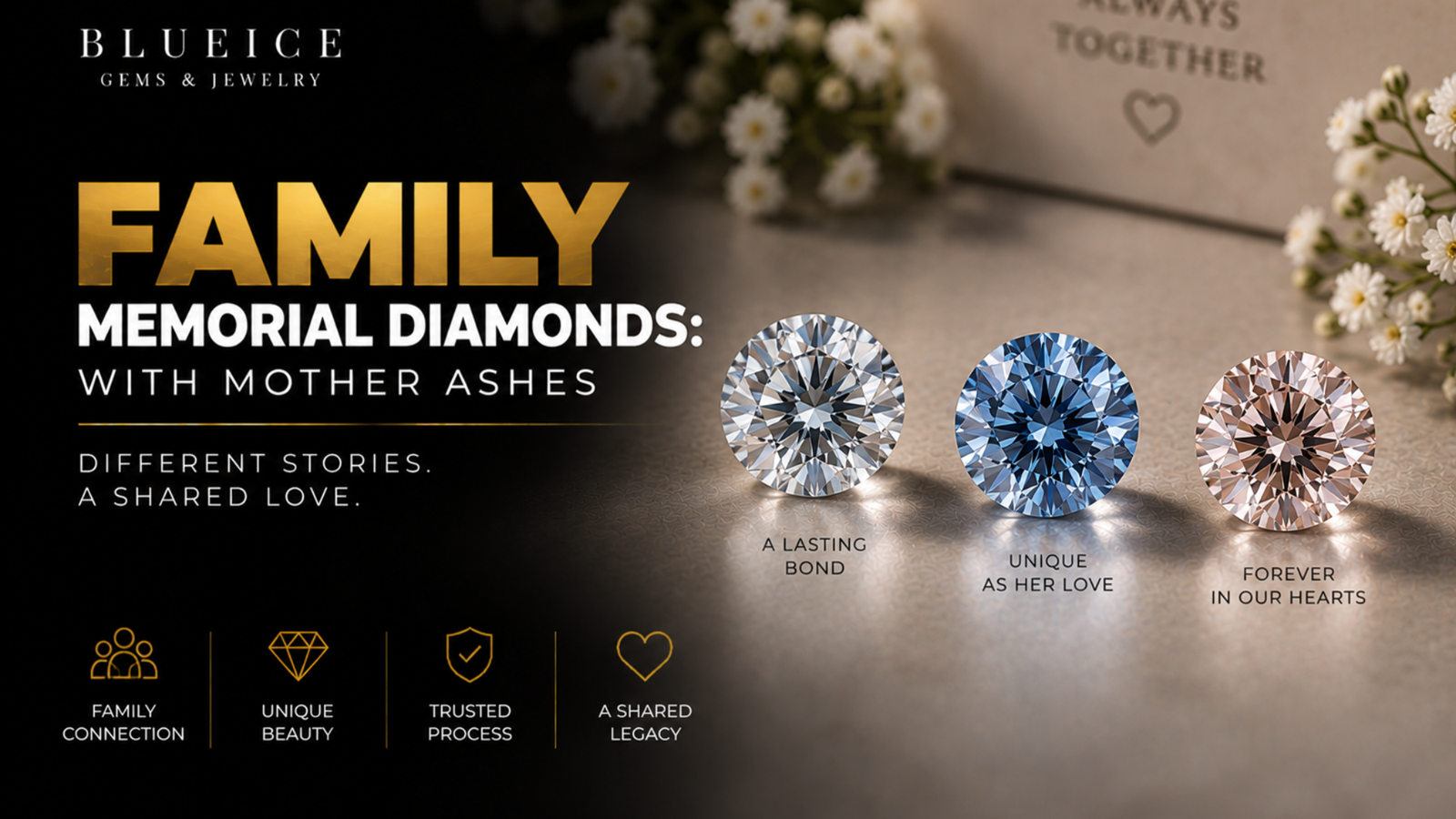
Four stones grown from the same mother will not match each other. That is the fact worth having before anything else, because it is the one that causes trouble later. The answer to the question itself is yes, one portion of a mother’s cremated remains can usually supply several memorial diamonds, one for each family member who wants one, but each stone is grown in its own run, priced individually rather than divided, and will differ from its siblings in colour and character.
Is One Portion of Her Ashes Really Enough for Several Diamonds?
Usually, yes, and by a wide margin. A single memorial diamond typically needs somewhere between a few tablespoons and around 4 oz of cremated remains, which is a small fraction of a full cremation, so three or four stones still draw on a minority of a typical cremation. At the top of that range, though, four stones can mean the better part of a pound rather than a few ounces: ask for the per-stone figure and multiply it yourself before committing, as outlined under how much ash you need.
Two points that surprise people:
- Each stone generally needs its own quantity of material. Four stones is not one portion split four ways; ask whether the provider requires four times the minimum or something less.
- Sending more does not buy bigger stones. Each stone’s size is chosen when it is ordered, and sending less than the minimum means the order cannot proceed until more arrives.
Each stone is her carbon blended with supplemental lab carbon, typically around 10 to 15 percent personal carbon by mass across the industry. Several stones do not divide her between them, as each carries the same real fraction.
The same is broadly true of hair, with one important difference: a lock is finite in a way an urn usually is not, and dividing a small lock between two orders can leave neither viable, detailed further under how much hair you need.
Will the Stones Look the Same?
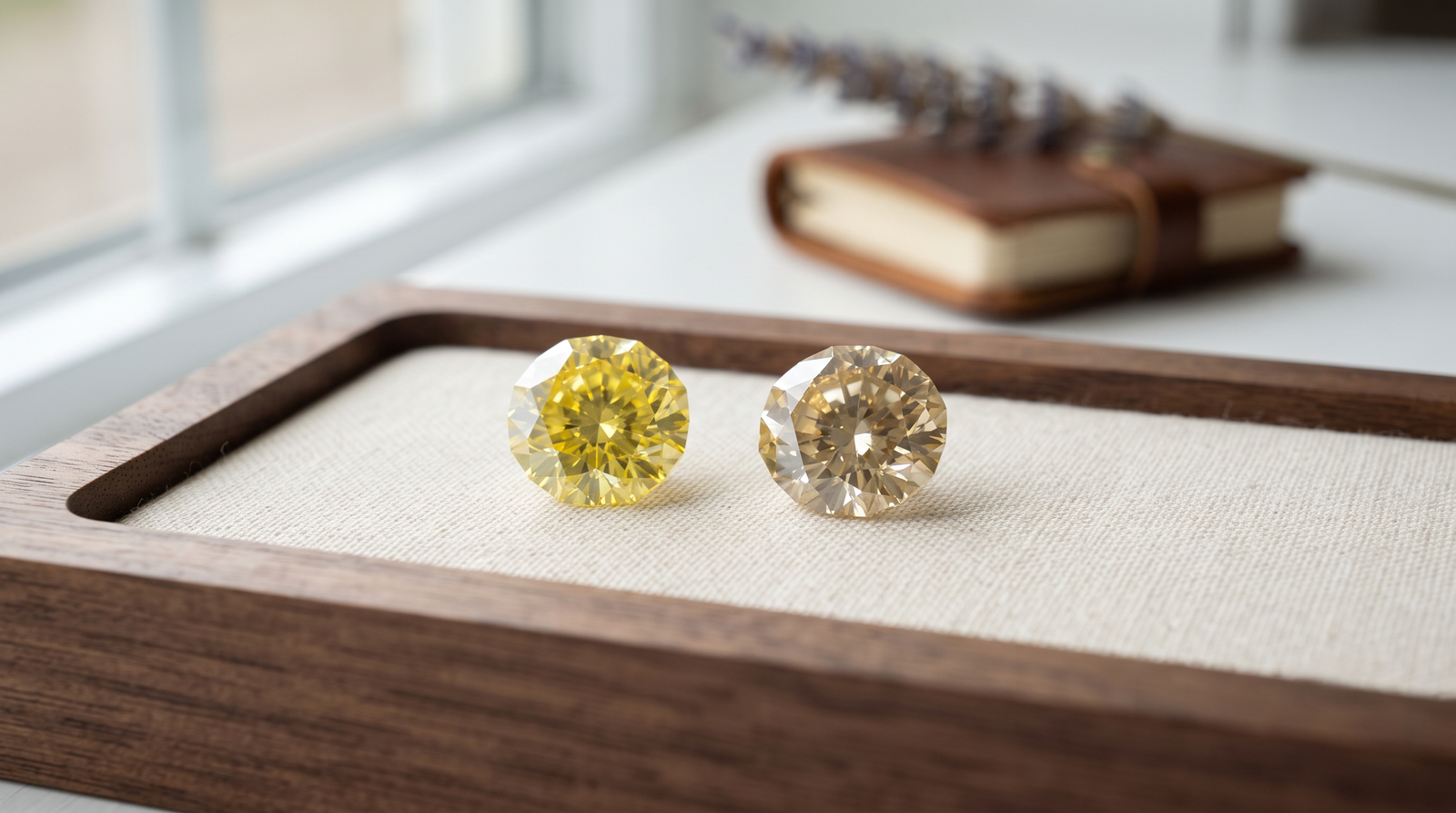
No, and this is worth saying to everyone involved before any money is spent.
Colour in a memorial diamond comes from trace elements carried in on an organic, personal carbon source, and those elements are neither evenly distributed nor precisely controllable. Two stones grown from the same submission, in separate runs, can come out visibly different in tone, explained under what color will a diamond from her ashes be.
They can also be deliberately different: some families choose different cuts or sizes for each person on purpose, which turns an unavoidable variation into an intended one. What causes friction is expecting a matched set and receiving four individuals.
What Does It Cost for Three or Four People?
Each stone is a separate commissioned growth run, so the cost is multiplied rather than shared.
| Scenario | How it is priced | Practical note |
| Four stones, same size | Four times the single-stone price, broadly | Ask whether any multi-stone allowance exists, as it is a fair question |
| Four smaller stones instead of one large | Considerably less than one large stone, in total | Price rises steeply with carat, so four quarter-carats cost far less than one two-carat |
| One stone, shared ownership | One price | Rare in practice, because someone still has to hold it |
| Stones ordered years apart | Full price each time | Nothing about the first order reduces the second |
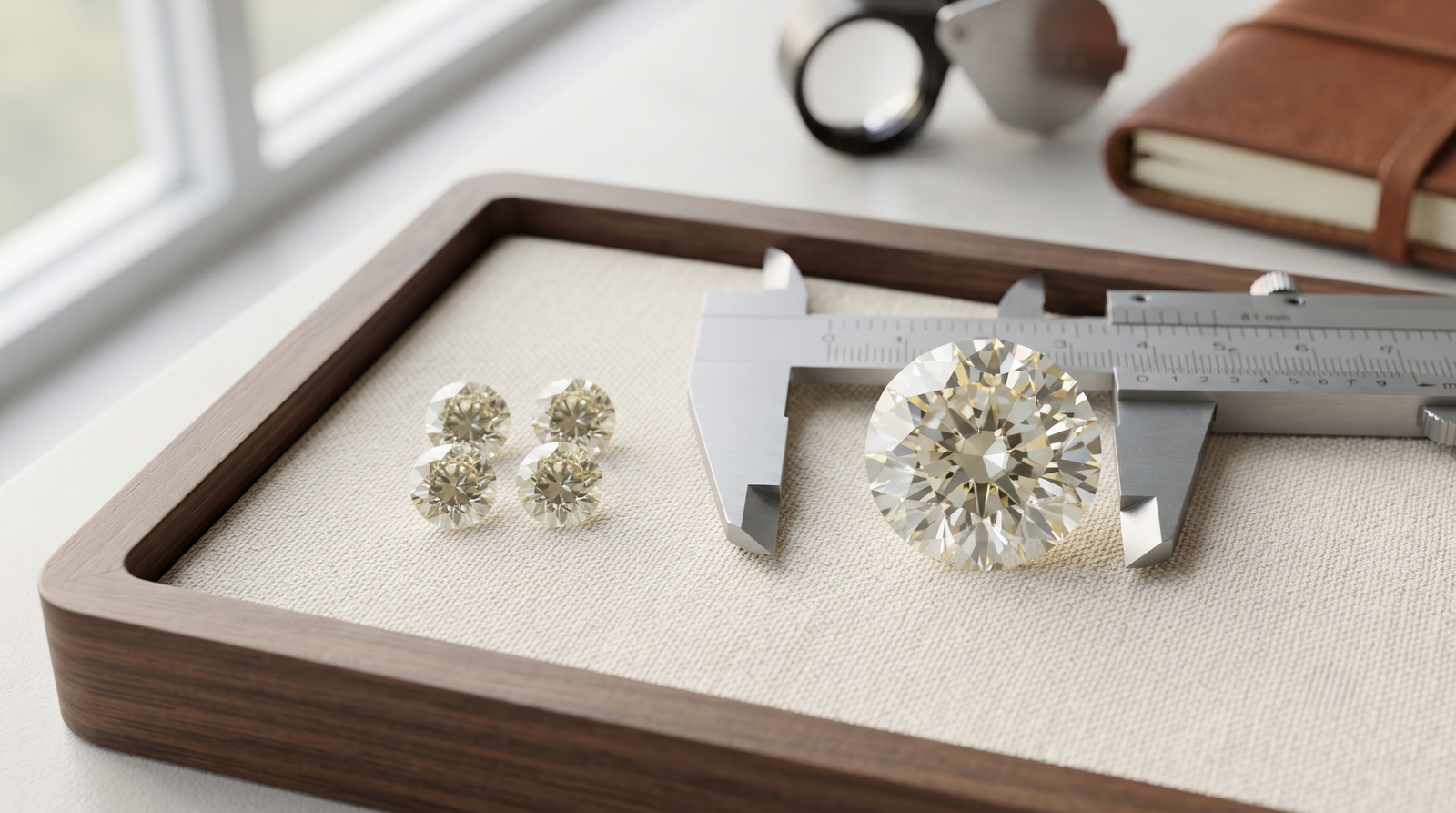
Entry-tier stones at 0.10 to 0.25 carats run roughly $750 and scale upwards, which is what makes several smaller stones a realistic option where one large one would not be, as reviewed under what a mother memorial diamond costs.
Should You Place One Order or Several?
| One order, several stones | Separate orders | |
| Material handling | One shipment, one intake, one custody record | Each person sends their own portion |
| Timeline | All finish together | Each runs on its own clock |
| Payment | One payer, usually reimbursed | Each pays for their own |
| Family friction | Concentrated in one conversation upfront | Spread out, and easier for someone to opt out later |
| Consistency | Grown in the same period, though still not matching | More variation still |
A single order is usually simpler, and its real advantage is that the ashes are handled and shipped once rather than three times.
What Should a Family Agree Before Ordering?
Six things, and none of them are about diamonds:
- Who holds the ashes now, and who is authorising this. In many families that is one person, and the others are being consulted rather than deciding.
- That the stones will differ. Say it out loud, before anyone pictures a matched set.
- Who gets which, if the sizes or colours differ, decided in advance or by an agreed method rather than on the day they arrive.
- Who pays for what, and whether one person is fronting the total.
- What happens to the remaining ashes, since a memorial diamond uses a fraction and the original plan for the rest can proceed unchanged.
- Whether anyone objects at all, keeping in mind that a no is allowed to stand, as discussed in how to talk to family about a mother memorial diamond.

What If Someone Decides They Want One Later?
Usually possible, and worth planning for rather than treating as a problem. Cremated remains do not deteriorate, so a sibling who says no this year can say yes in five years, provided enough ashes were kept back.
Two things make that easier:
- Keep more than you need. Retaining a documented portion for a possible future order costs nothing and removes the pressure to decide together.
- Note what was used. A record of what was sent, when, and to whom makes a later order straightforward rather than archaeological.
Frequently Asked Questions
Do all the stones have to be ordered at the same time?
No. Later orders are ordinary orders, priced and grown the same way, and they can be placed years afterwards. What matters is that enough of her ashes were kept back, which is an argument for retaining a documented portion rather than sending everything at once.
Can each sibling send their own share of her ashes separately?
Usually yes, and it suits families where the ashes were already divided. Each shipment is its own intake with its own custody record, which is administratively cleaner even though it means several packages rather than one.
Is one large stone that gets passed down a better idea than several small ones?
Both work, and they answer different questions. One heirloom stone means one person holds it at a time, while several stones mean everyone has one now. Cost pushes toward several small ones, since price rises steeply with carat.
What if we cannot agree?
A memorial diamond uses a small fraction of a cremation, so it rarely has to be an all-or-nothing decision. One person can proceed with their portion while others keep theirs as they are. Where the disagreement is about the principle rather than the quantity, that is a family conversation rather than a logistics one.
Can several stones be made from her hair instead?
Sometimes, and it depends entirely on how much hair exists. A lock cannot be topped up the way an urn can, so dividing a small one between two orders risks leaving neither above the minimum. Ask before dividing anything.
Will the certificate say the stones came from the same person?
Ask what the wording is. An origin certificate documents that a stone was grown from material a family submitted, and whether it references a shared submission across several stones is a documentation question worth settling before ordering rather than after.
Agree on the Differences First
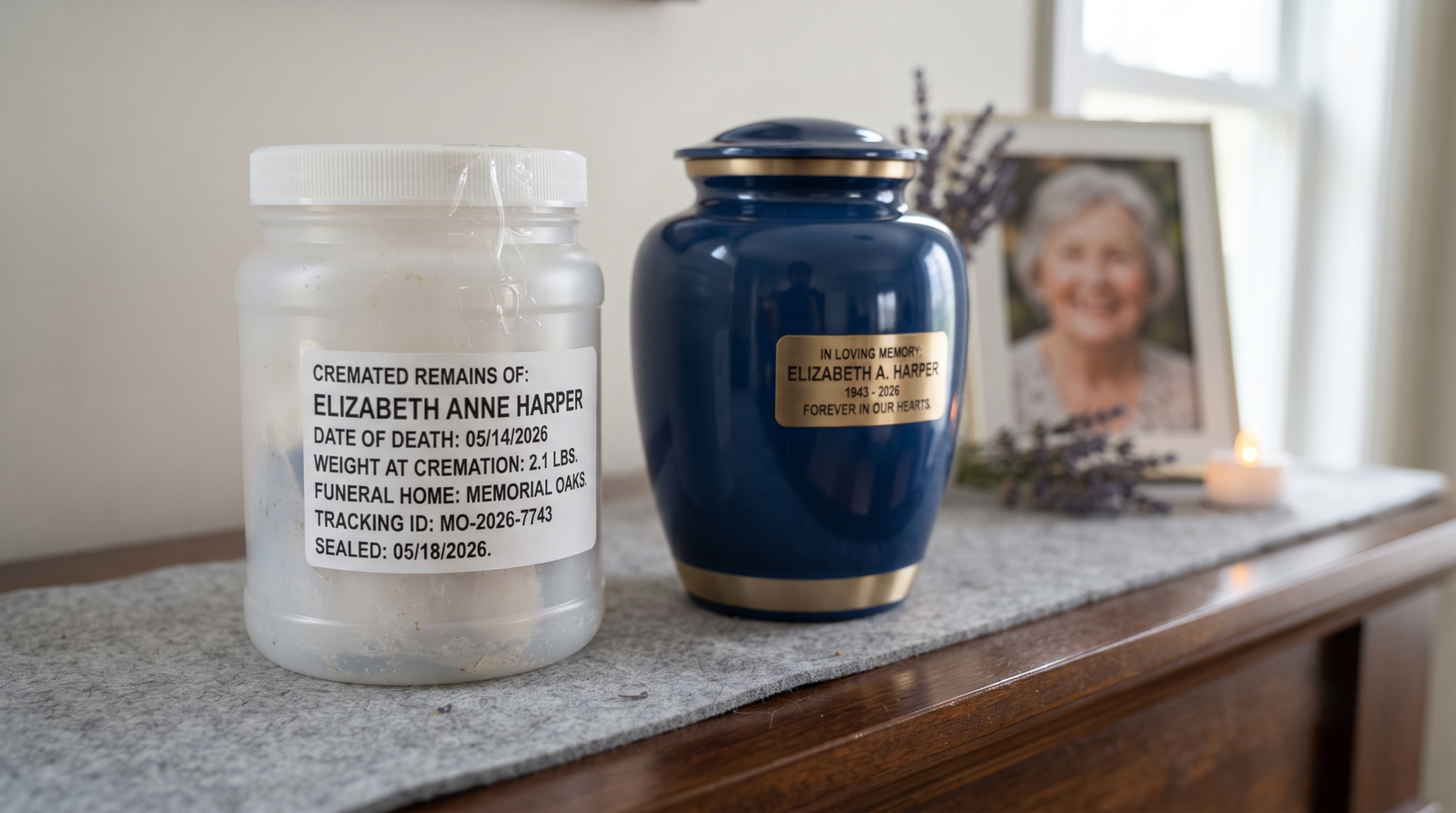
The practical work here is not the ordering, which is straightforward. It is the twenty minutes beforehand in which a family agrees that the stones will differ, who gets which, and who is paying. Ask Memorial Diamond at memorialdiamond.us how many stones one submission can support and whether they are grown together or in sequence, then have the conversation with the answer in hand rather than without it.