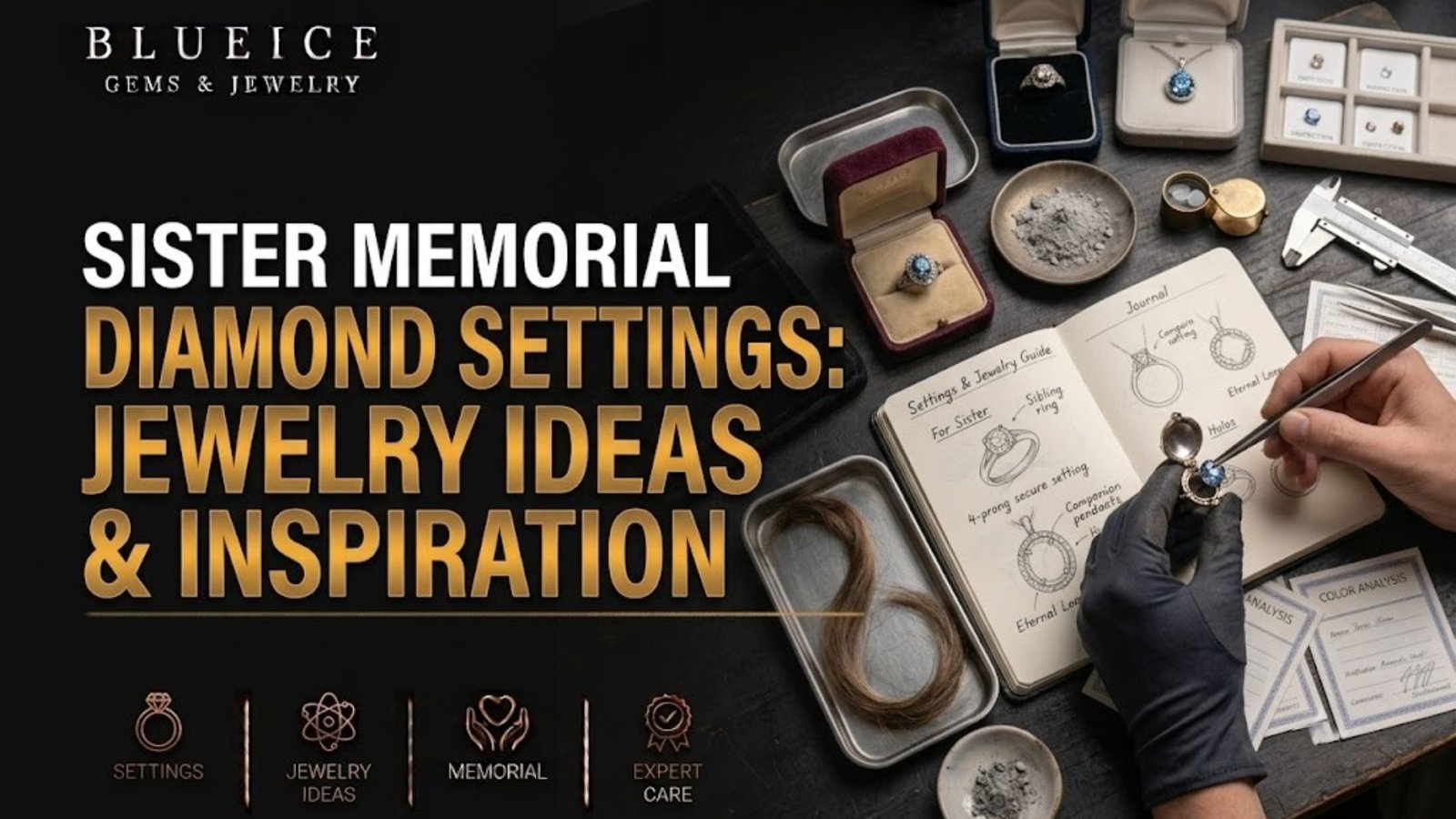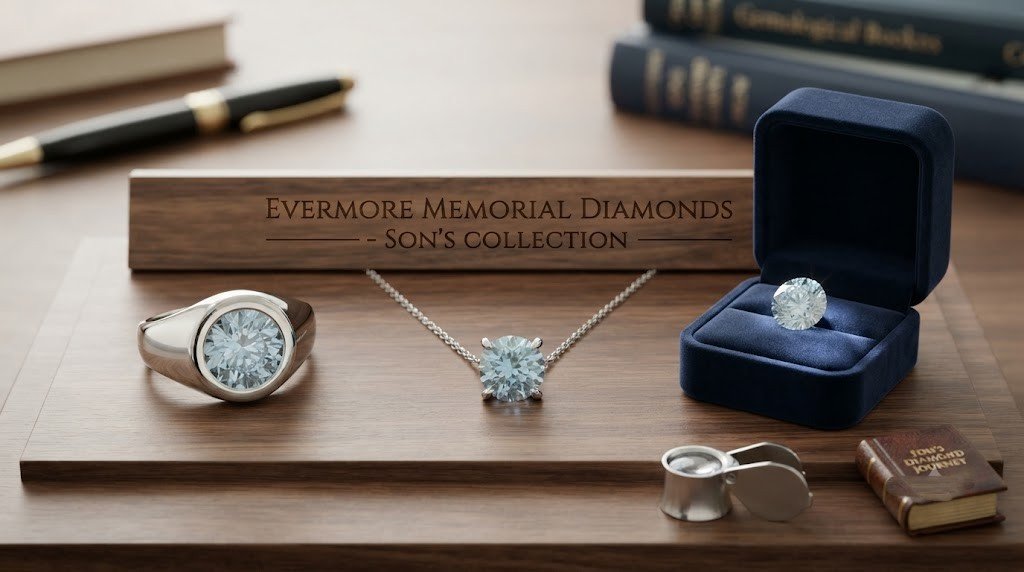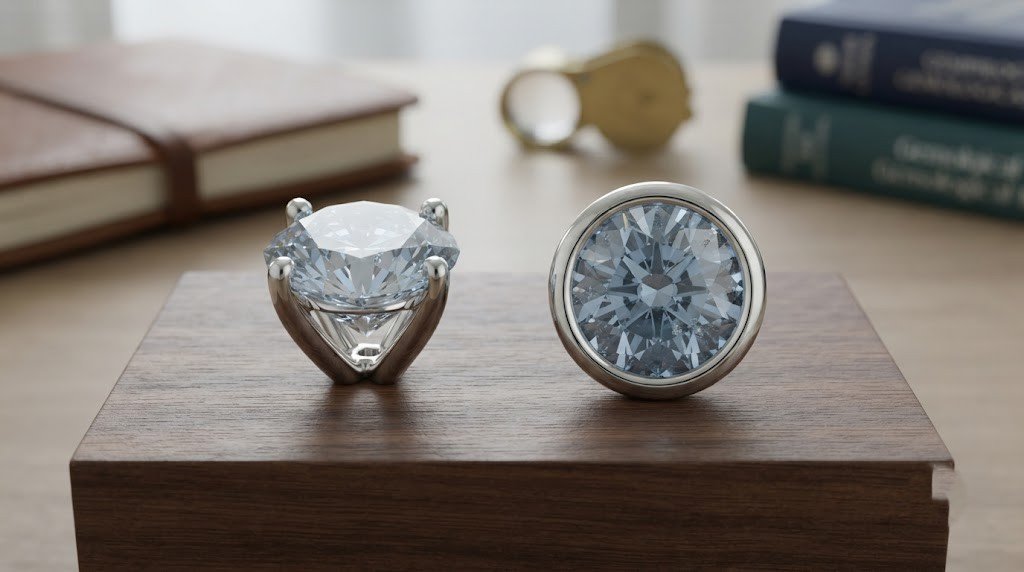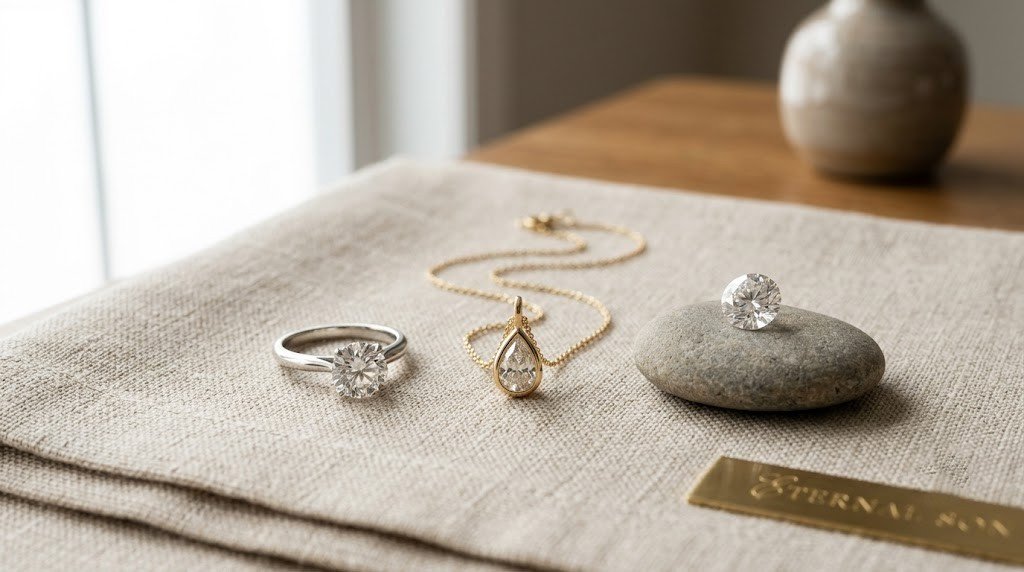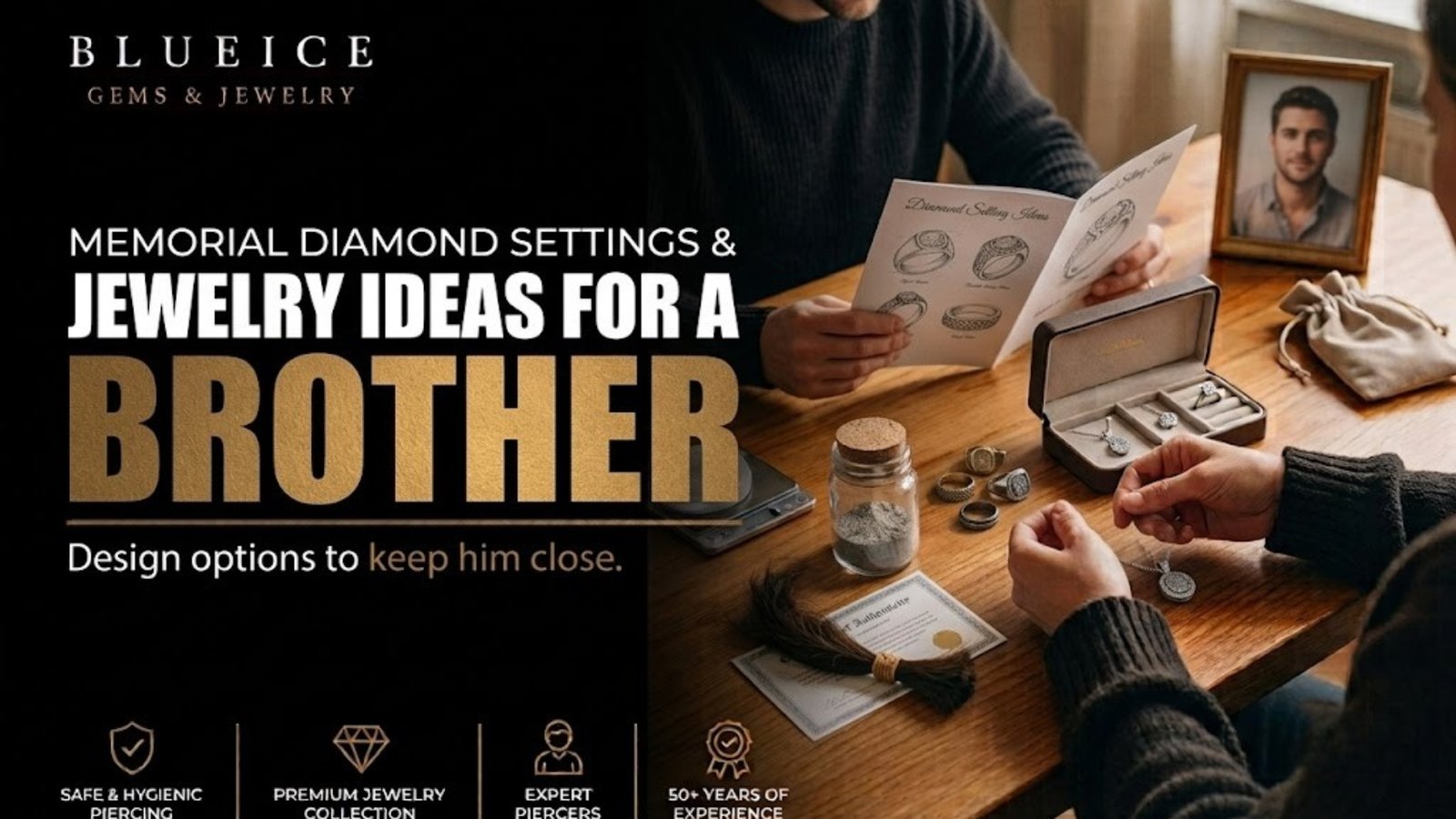
A stone grown partly from your brother’s carbon deserves a mount that keeps it safe through ordinary days, not only special ones. The best brother memorial diamond settings match three things: how often the piece will be worn, the size of the stone, and the work and habits of the person wearing it. Bezel and flush settings protect a diamond best for daily wear, prongs show more of the stone but leave it more exposed, and the metal you choose affects durability, upkeep and later resizing.
This guide stays with the practical construction choices. If you are looking for inspiration first, the separate post on ring, pendant and keepsake ideas for a brother’s diamond is the better starting point.
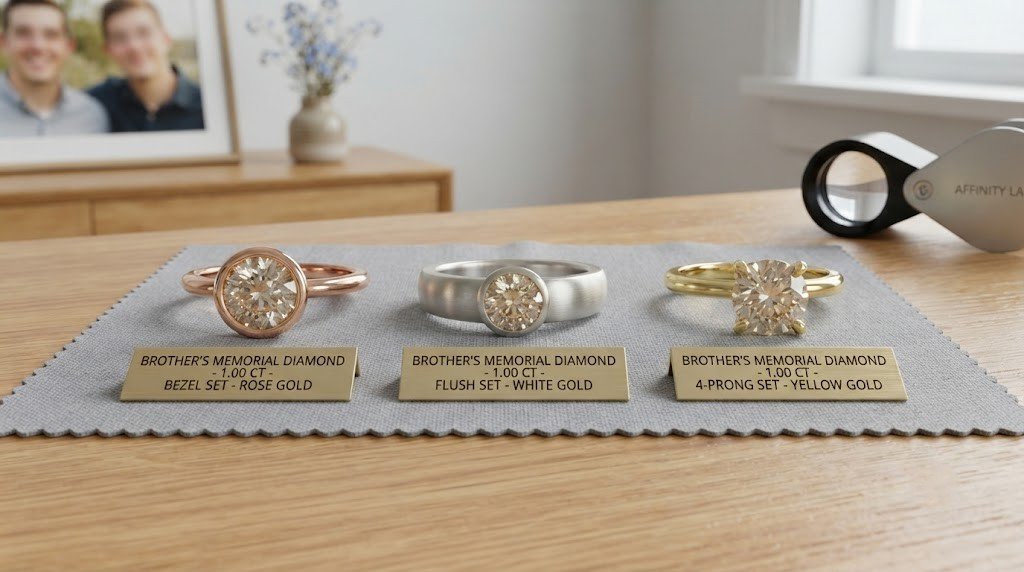
Table of Contents
What Do Brother Memorial Diamond Settings Need to Do?
Brother memorial diamond settings have two jobs. A setting holds the diamond securely, and it decides how much of the stone is on show. Those two jobs pull against each other: the more metal wrapped around the edge of a diamond, the safer it is, and the less light reaches its sides.
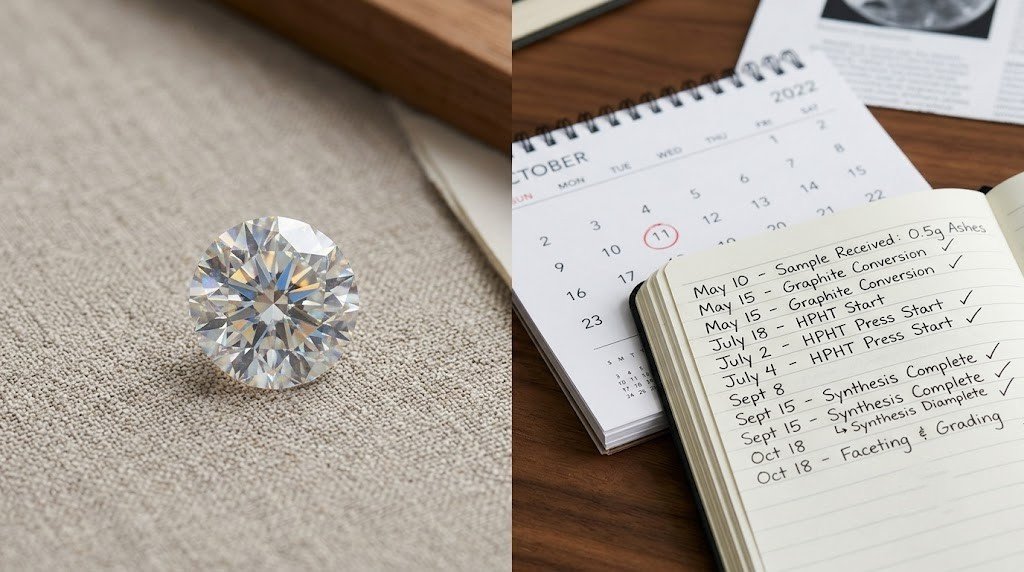
A memorial diamond is a real lab-grown diamond, graded on the same 4Cs and rated 10 on the Mohs scale of mineral hardness. Hardness is about scratch resistance, though, not toughness. In general gemology, a sharp knock at the wrong angle can still chip any diamond, which is why the mount matters so much for a stone that cannot be replaced.
Thinking about the setting before the stone is finished
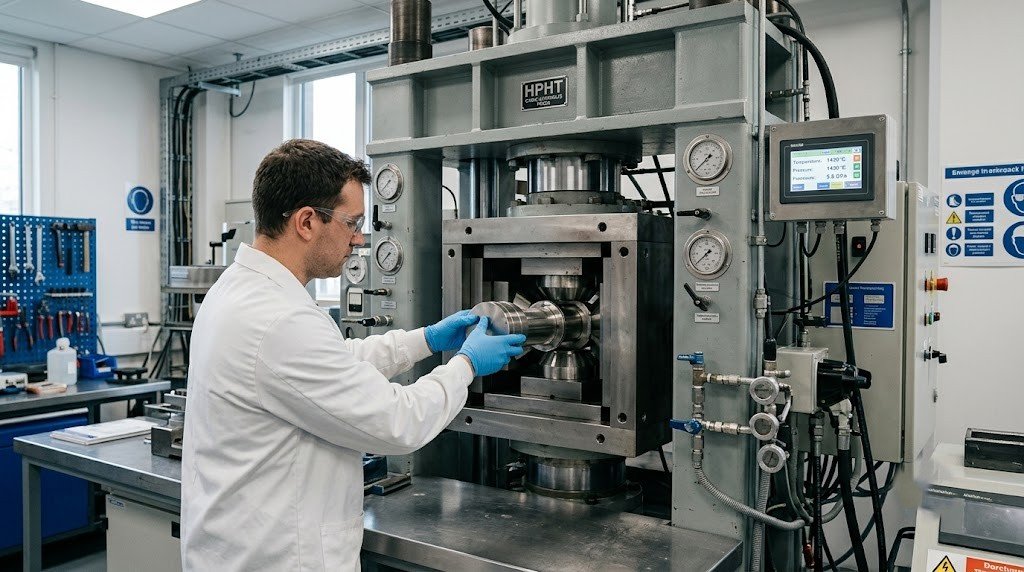
It helps to start talking about brother memorial diamond settings while the stone is still being grown, because the choice can shape the cut and size you ask for. Across the industry, growth typically takes 6 to 10 months from the day material arrives, and up to about 12 months for larger or specialty-color stones. That window gives you time to talk with a jeweler, decide who will wear the piece and agree a budget without rushing.
Which Brother Memorial Diamond Settings Hold Up Best to Daily Wear?
For a piece worn every day, protection usually comes first. Here is how common brother memorial diamond settings compare.
| Setting style | How it holds the stone | Protection for daily wear | Trade-offs |
|---|---|---|---|
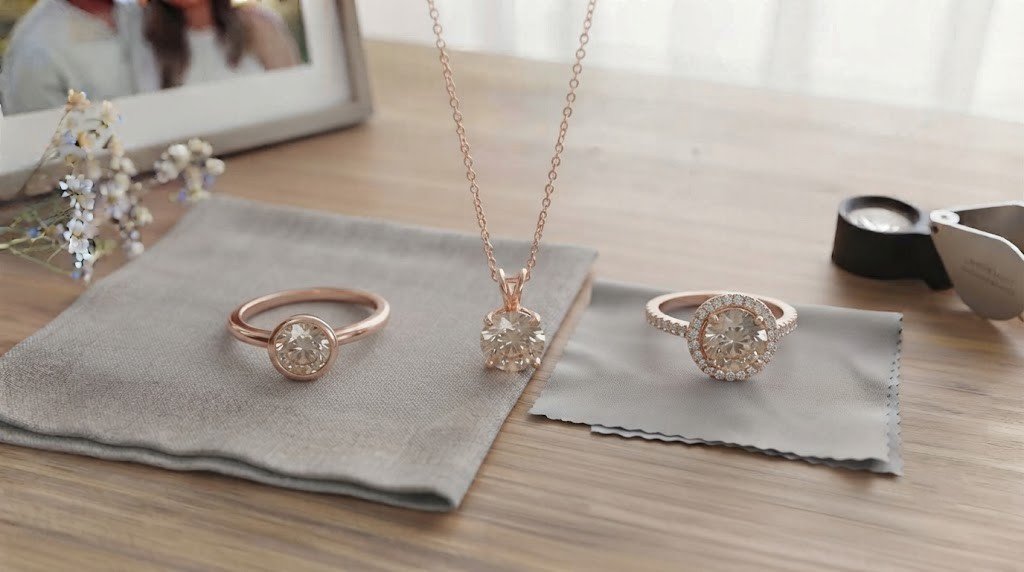
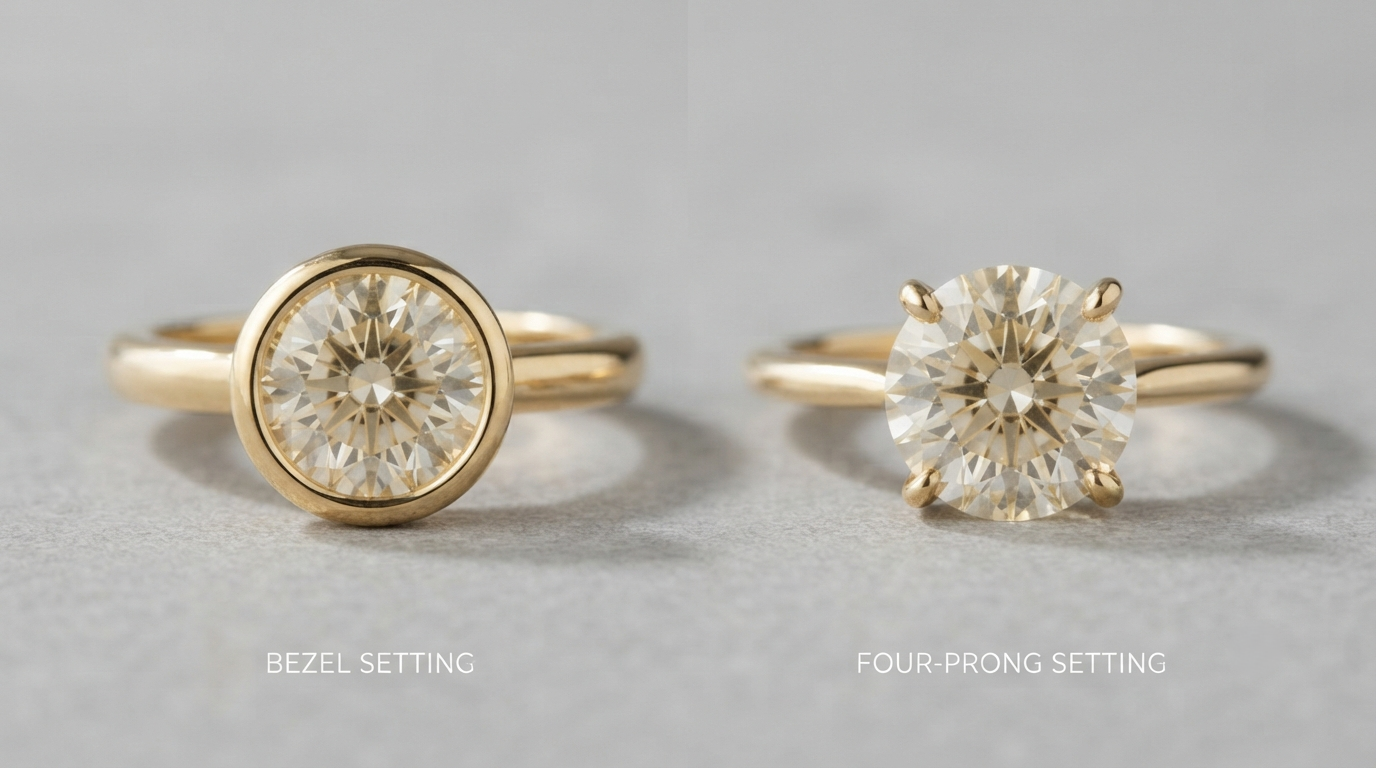
| Full bezel | A continuous metal rim around the whole edge | High | Shows less of the stone’s sides; can make a small stone look smaller |
| Half-bezel | Metal on two opposite sides, open on the others | Moderate to high | More light than a full bezel; open edges still exposed |
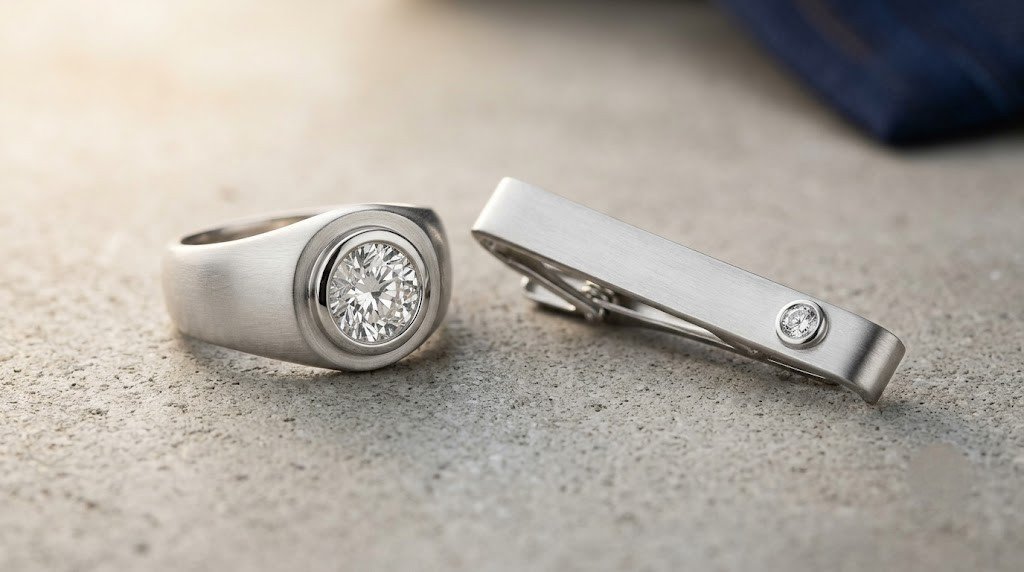
| Flush or recessed | Stone sits level with or below the metal surface | Very high | Suits smaller stones best; less sparkle visible |
| Prong (four or six) | Thin metal claws grip the stone | Lower | Most light and sparkle; prongs can snag, bend or loosen |
| Channel | Stone held between two metal walls | High | Usually used for rows of small stones in a band |
| Tension-style | Pressure from the band holds the stone | Varies | Specialist work; ask about security and later resizing |
Bezel and half-bezel
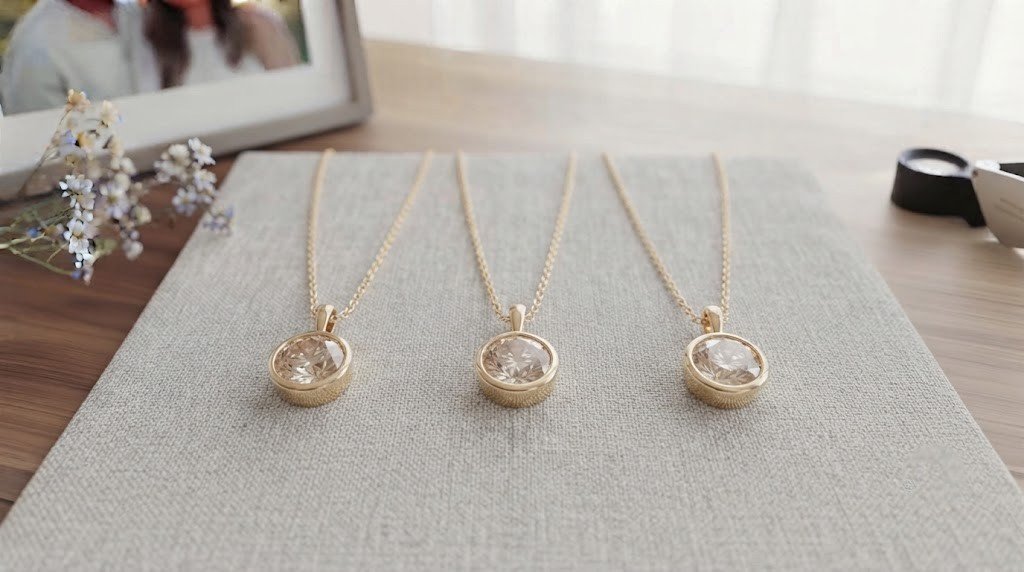
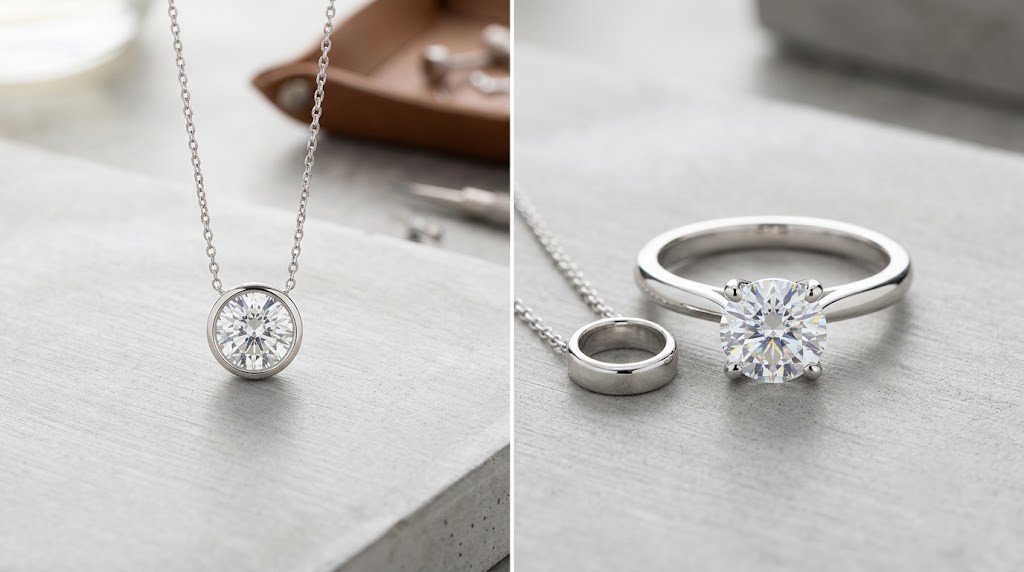
A full bezel wraps the girdle, the diamond’s thin outer edge and its most vulnerable point. That makes it one of the most protective brother memorial diamond settings for anyone who uses their hands constantly. A half-bezel gives up some of that cover in exchange for more light and a lighter look.
Flush and recessed
Flush setting drills a seat into the metal so the stone sits level with the surface. Very little can catch on it. It suits smaller stones especially well and is worth raising with a jeweler for a band that will be worn through work, sport or travel.
Prongs
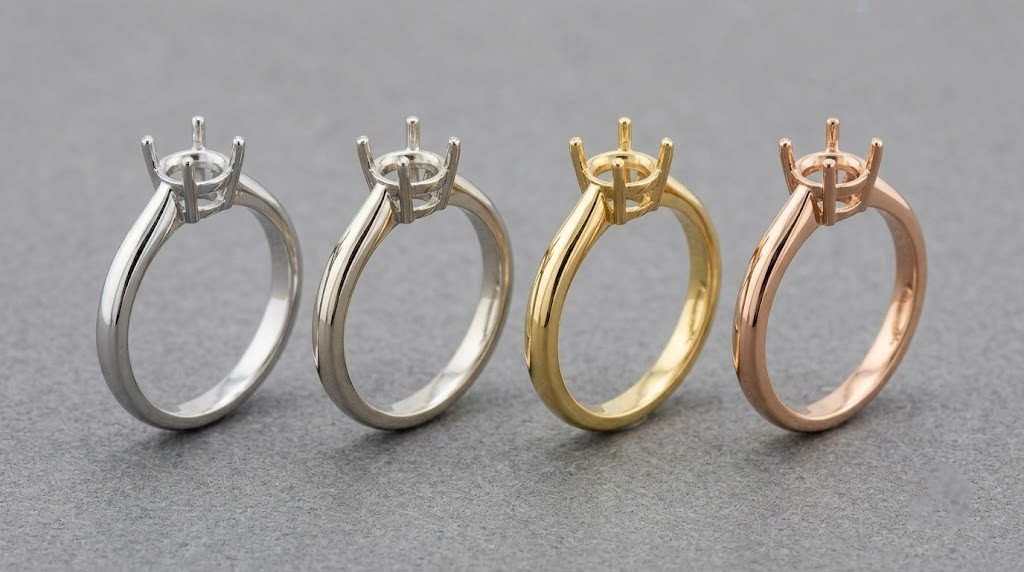
Among brother memorial diamond settings, prongs show the most diamond and suit people who wear jewelry carefully or less often. They do need checking, because a prong that bends or wears thin is one of the ways a stone can work loose from a ring. If you choose prongs, ask a jeweler how often they recommend an inspection.
How Do Metals Differ for Brother Memorial Diamond Settings?
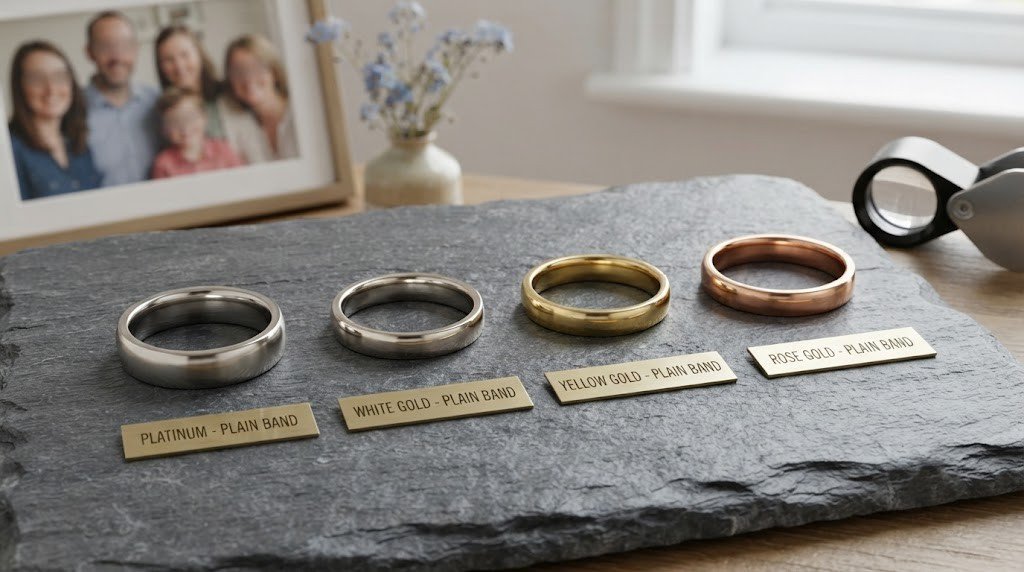
In brother memorial diamond settings, the metal affects durability, upkeep, comfort and whether the piece can be changed later. These are general differences; a jeweler can explain how they apply to a specific design.
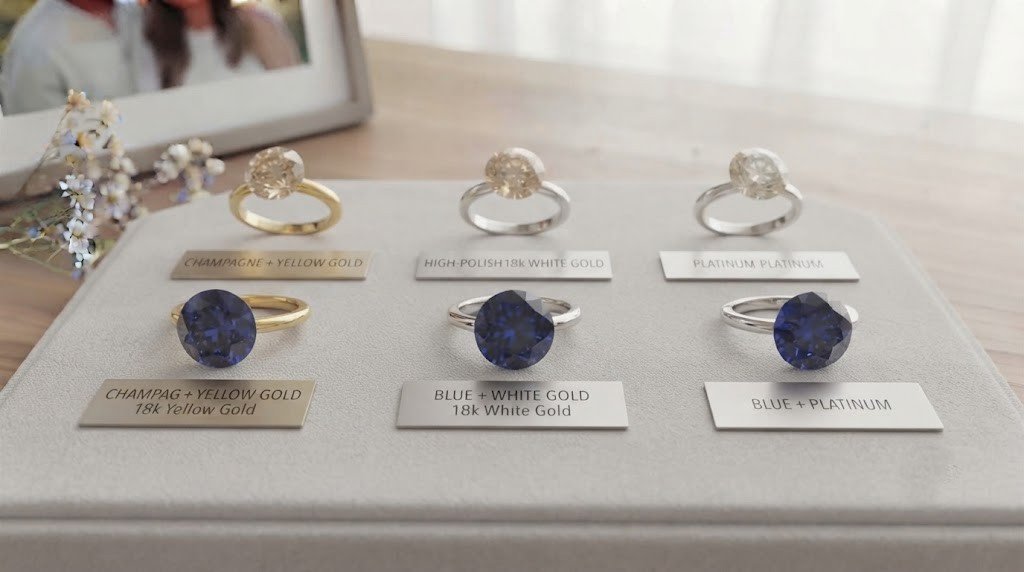
- Platinum is dense and naturally white. It wears slowly and tends to hold a stone securely, and it usually costs more than gold for the same design.
- White gold is gold alloyed with white metals and often plated with rhodium for brightness. The plating wears with time and can be renewed by a jeweler.
- Yellow and rose gold keep their color through the metal itself. Lower-karat golds are typically harder, while higher-karat golds are softer and richer in color.
- Sterling silver is affordable but softer and tarnishes, so it is less often chosen for a stone worn daily.
- Titanium, tungsten and other alternative metals appeal to some wearers, but some are hard or impossible to resize.
Metal and stone color together
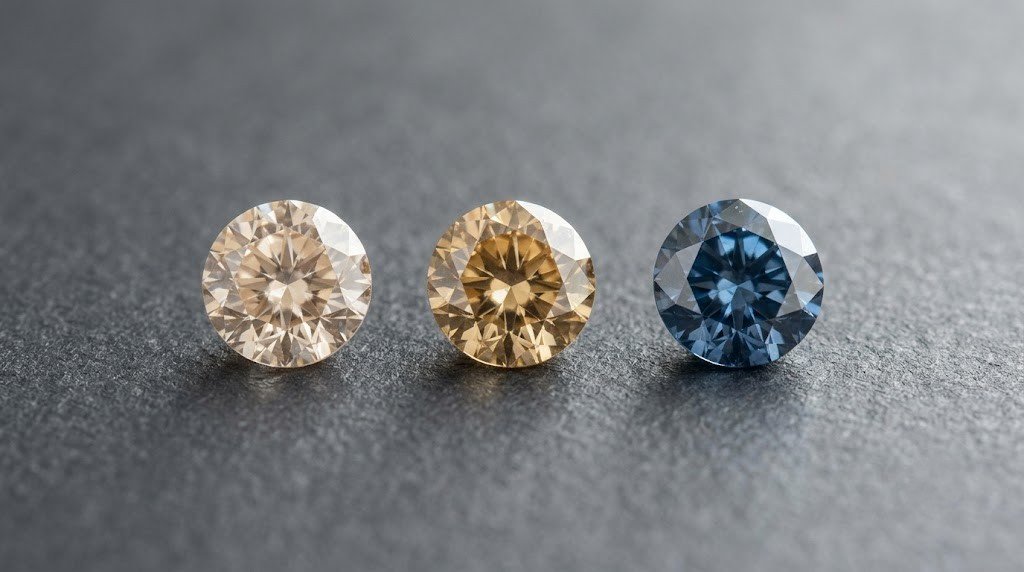
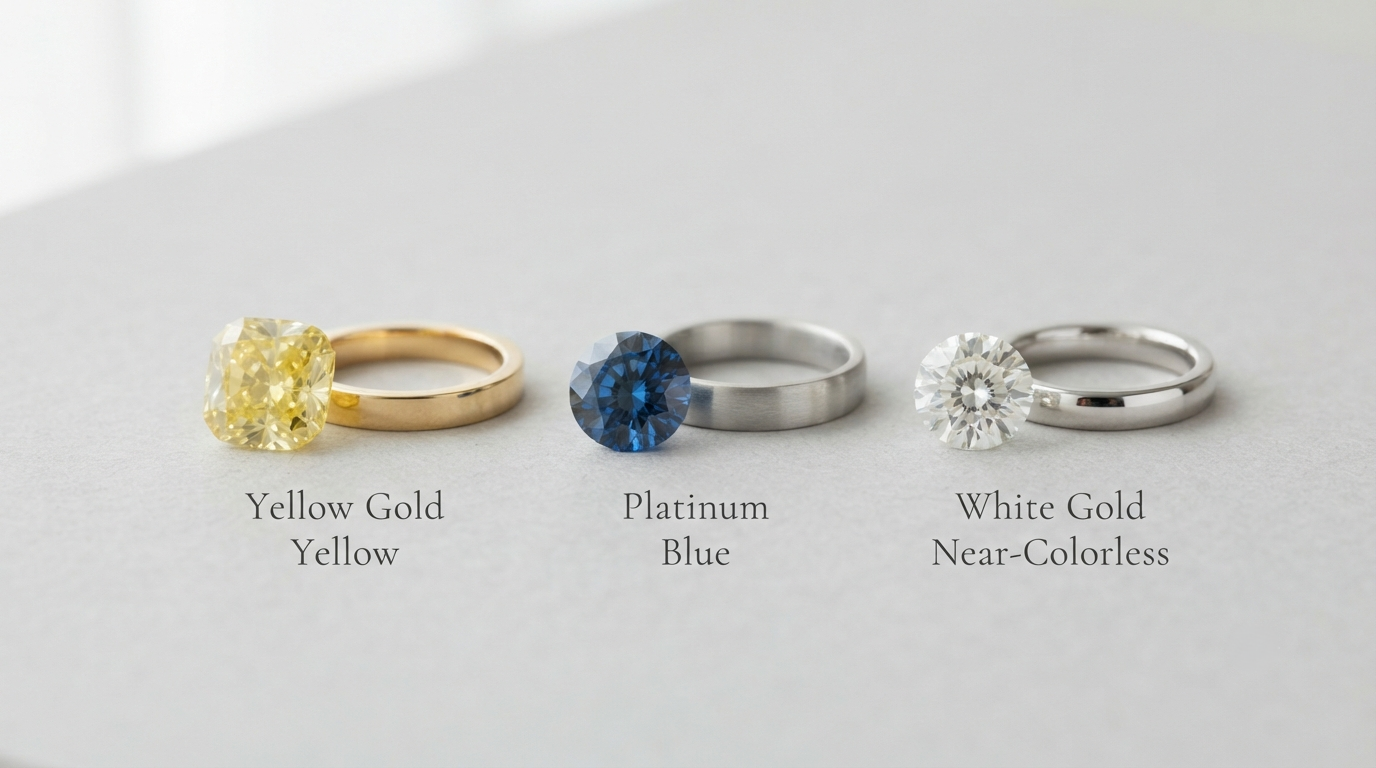
Brother memorial diamond settings also change how the stone’s color reads. White metals tend to keep a stone looking cooler, while yellow and rose gold tend to warm it. The post on what color his memorial diamond is likely to be explains why most stones lean yellow, blue or champagne, which is worth knowing before you choose a metal. Ask the jeweler to show you samples in more than one finish.
How Should Stone Size and the Wearer’s Routine Shape the Setting?
Memorial stones are generally offered from about 0.10 carats up to 5 carats or more. A small stone sits comfortably in a flush band, a bezel pendant or a stud. A larger one gives more design freedom but also sits higher and is more exposed, so protective brother memorial diamond settings matter more as size grows.
Matching the setting to the wearer’s day
Picture the actual person wearing the piece and walk through an ordinary week with them in mind. Questions that help:
- Do they work with their hands, tools, machinery or patients?
- Does their workplace limit rings or dangling jewelry for safety or hygiene?
- Do they wear gloves for long stretches, which can catch on prongs?
- Do they swim, climb, lift weights or play contact sports?
- Will they wear the piece daily or only for occasions?
Someone who wrenches on engines, nurses, cooks professionally or teaches toddlers may be happiest with a flush band or a bezel pendant worn under clothing. A person who wears jewelry mostly for occasions can choose more open brother memorial diamond settings without as much risk. None of this follows from gender; it follows from routine.
Who the piece is really for
The wearer might be you, another sibling, his partner or children if he had them, a parent, or a close friend. Let that person’s habits and taste lead, since they are the one who will live with the piece. If you are still working out where to begin, the post on where to start when choosing a memorial diamond for your brother sets out the first decisions in order.
Which Pieces Can Hold His Diamond?
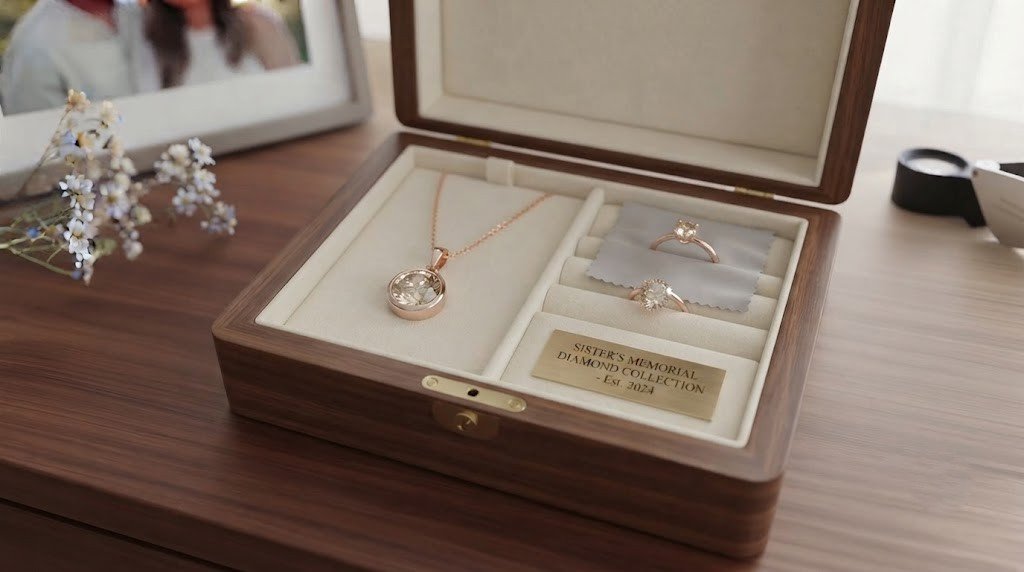
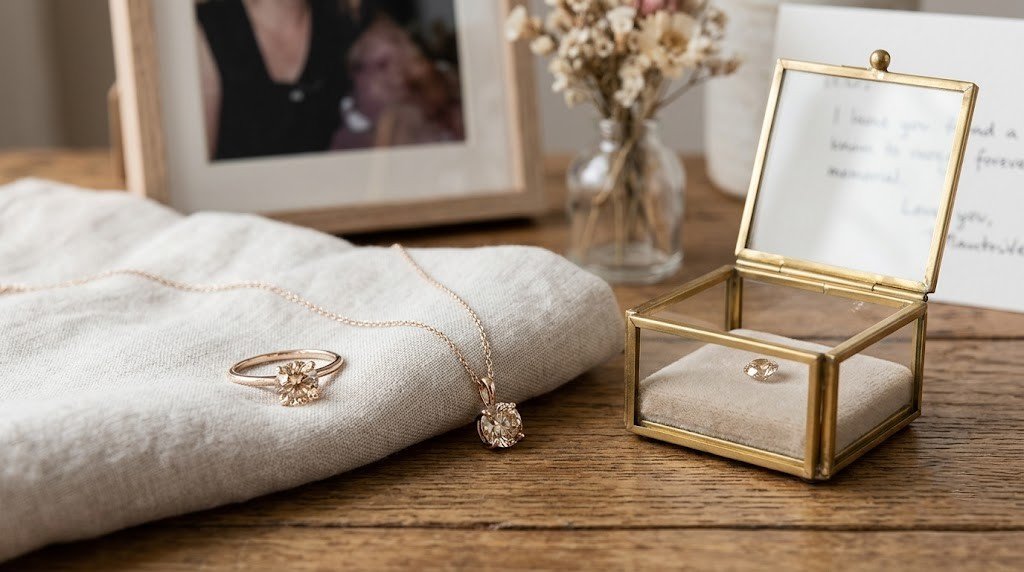
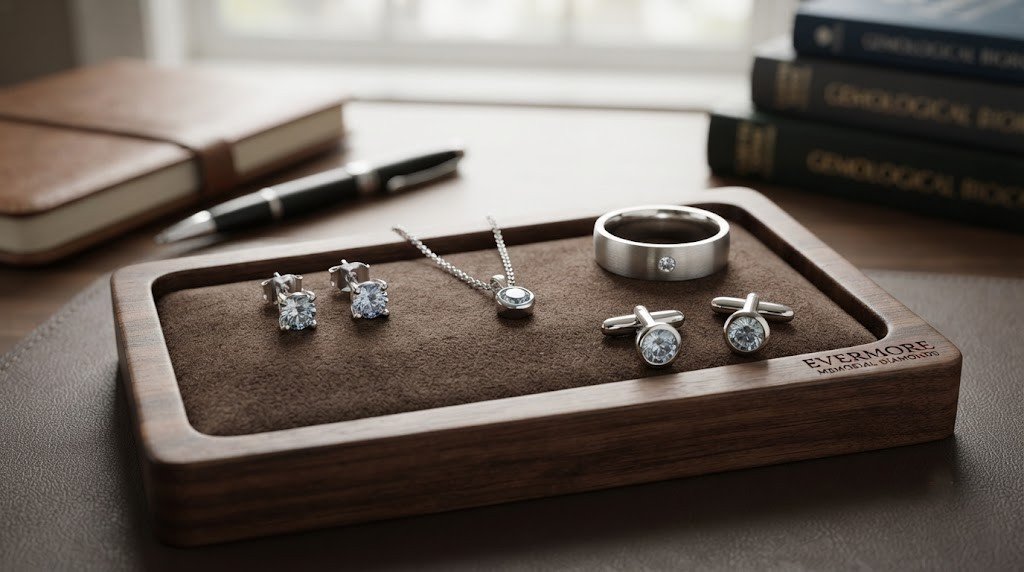
A wide range of wearers choose from the same handful of pieces. The table below covers seven common forms and which brother memorial diamond settings tend to suit each.
| Piece | Setting styles that often suit it | Practical notes |
|---|---|---|
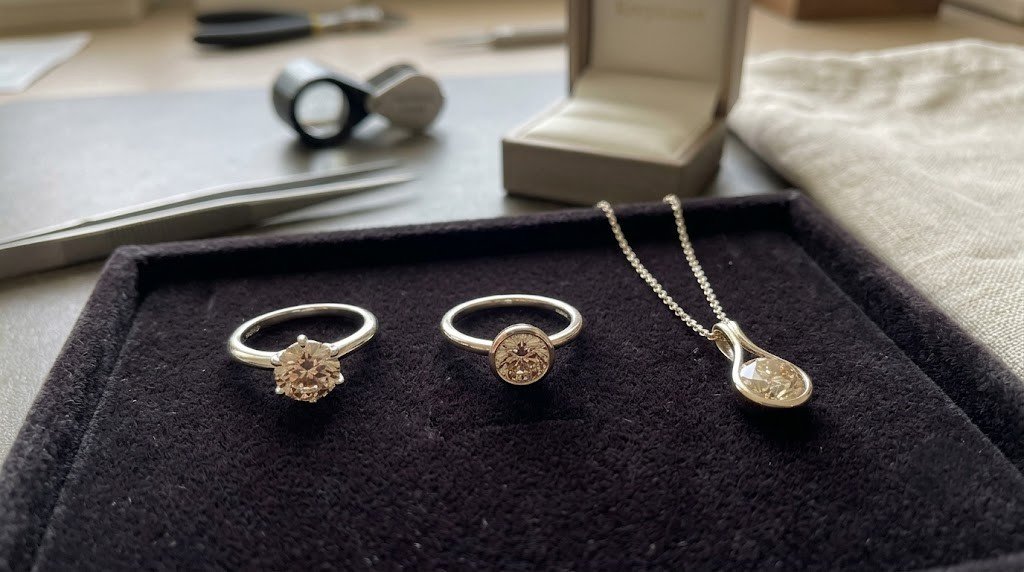
| Ring or band | Flush, bezel, half-bezel, prong | Most exposed to knocks; protective styles favored for daily wear |
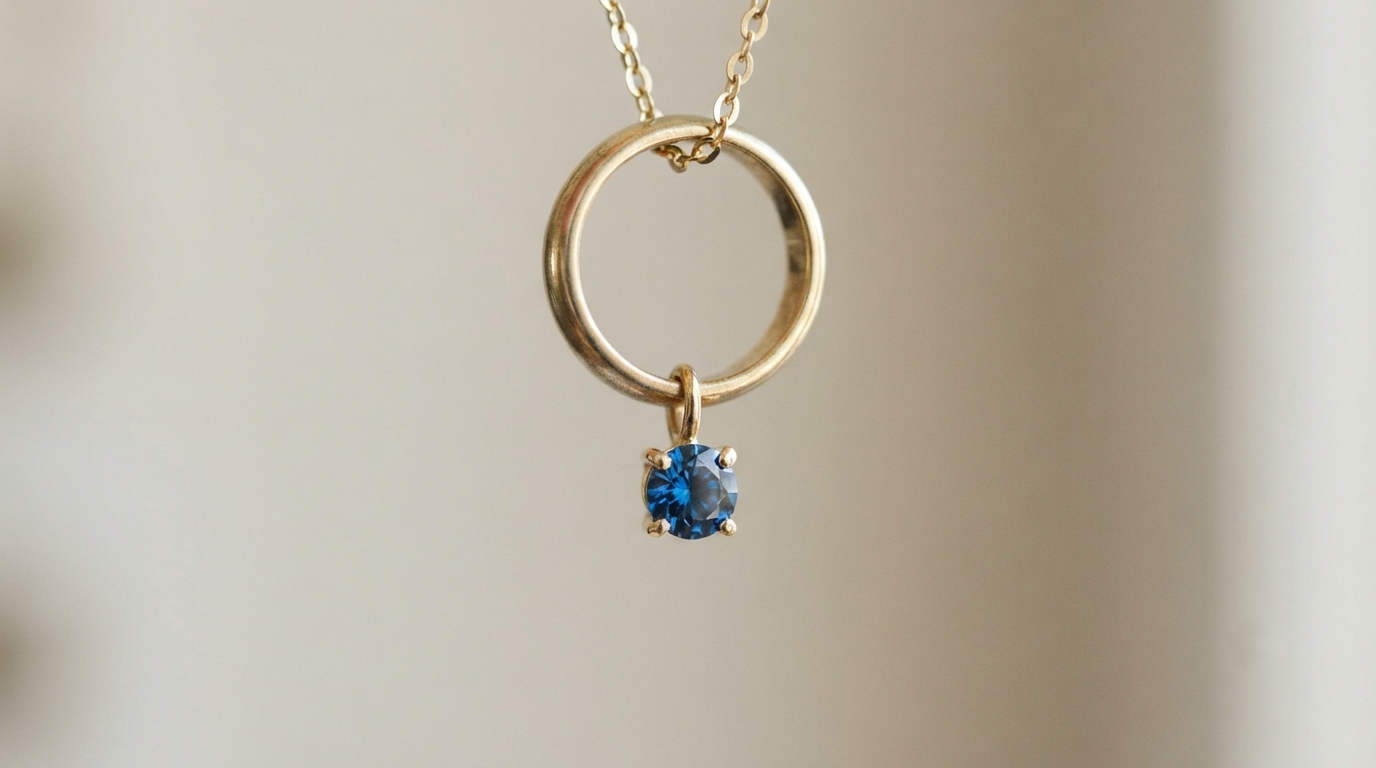
| Pendant | Bezel, prong, half-bezel | Less exposed; chain strength and clasp matter |
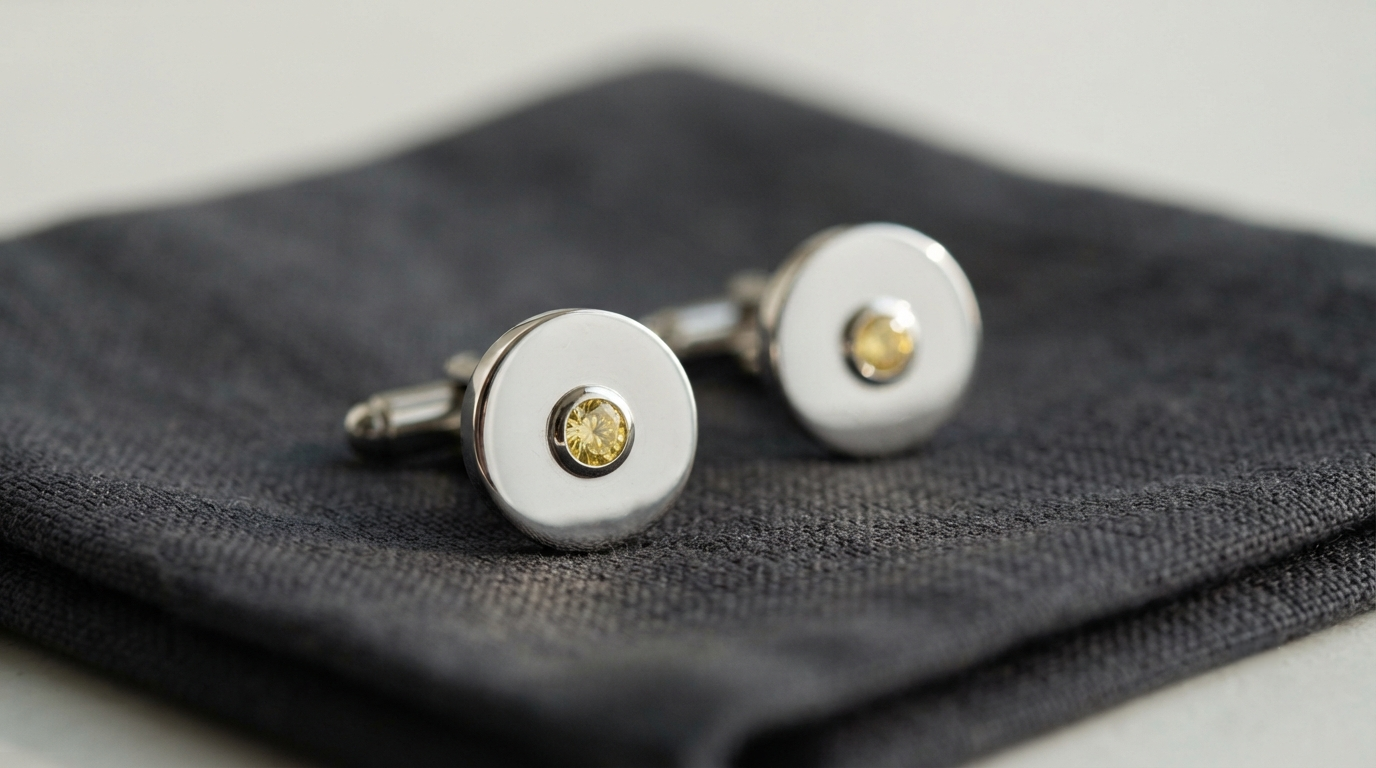
| Cufflinks | Bezel, flush | Worn occasionally; suits a pair if two stones are grown |
| Lapel pin or tie pin | Bezel, prong | Secure backing is important; easy to lose if loose |
| Bracelet | Bezel, flush | Wrists knock surfaces often; a bezel helps |
| Earrings | Bezel, prong | A matched pair means two stones; ask about color matching |
| Loose stone in a box | None | No wear risk; can be set later |
A loose stone is a real option
Keeping the stone loose, in a box with its paperwork, is a perfectly good choice. It removes wear risk and leaves brother memorial diamond settings open for later, or for someone in the next generation.
Less common objects
Families sometimes ask about setting a stone into a watch, a keychain, a compact mirror, a belt buckle, a guitar pick case or a tool handle. Some of these may be possible and some may not; it depends on the object, the stone size and the jeweler’s skill. Bring the object to a jeweler and ask whether it can hold a diamond securely, what the risks of loss are, and whether the work could be undone later. Treat brother memorial diamond settings in unusual objects as a conversation with a skilled jeweler, not a standard order.
Can You Engrave Brother Memorial Diamond Settings?
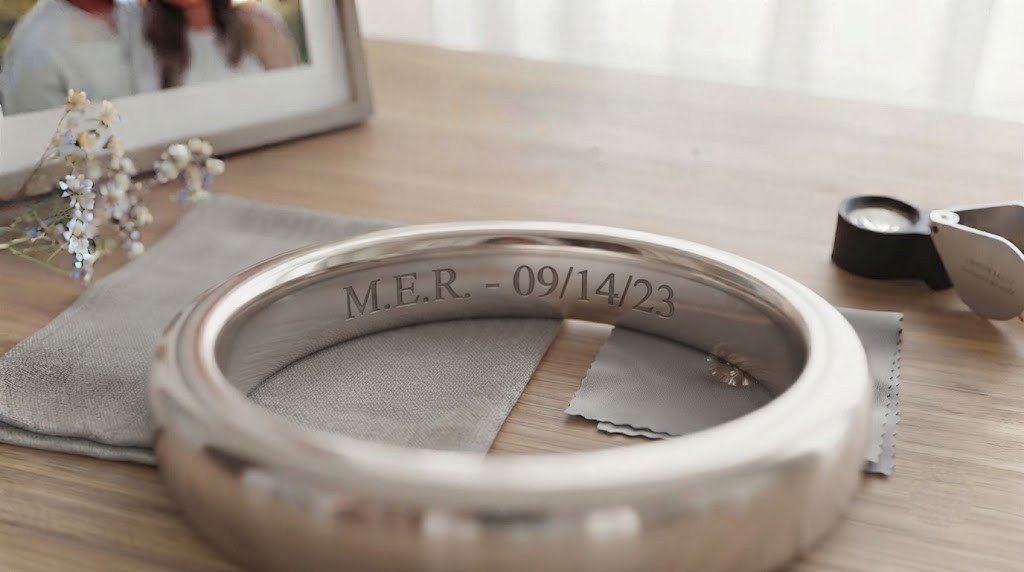
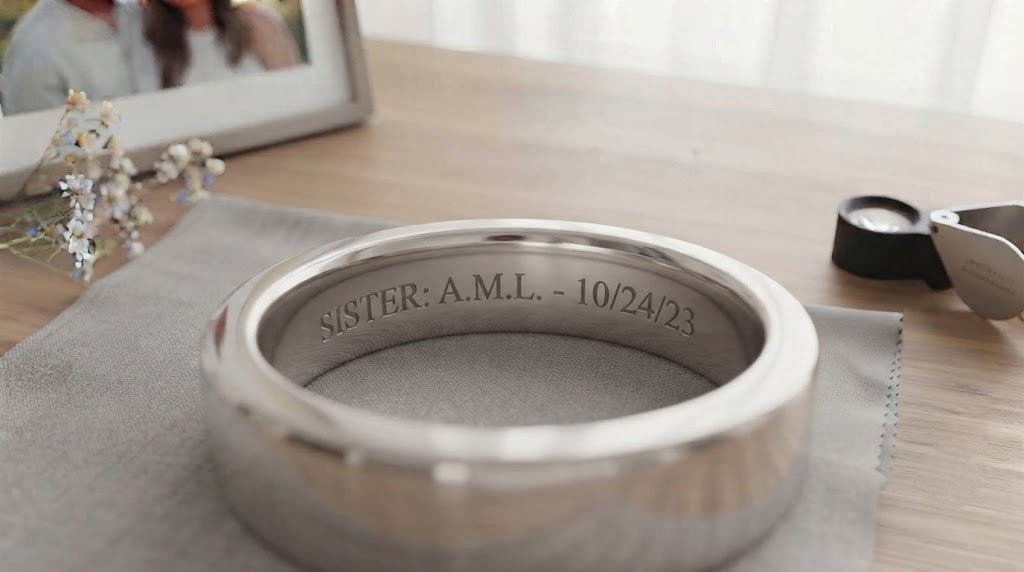
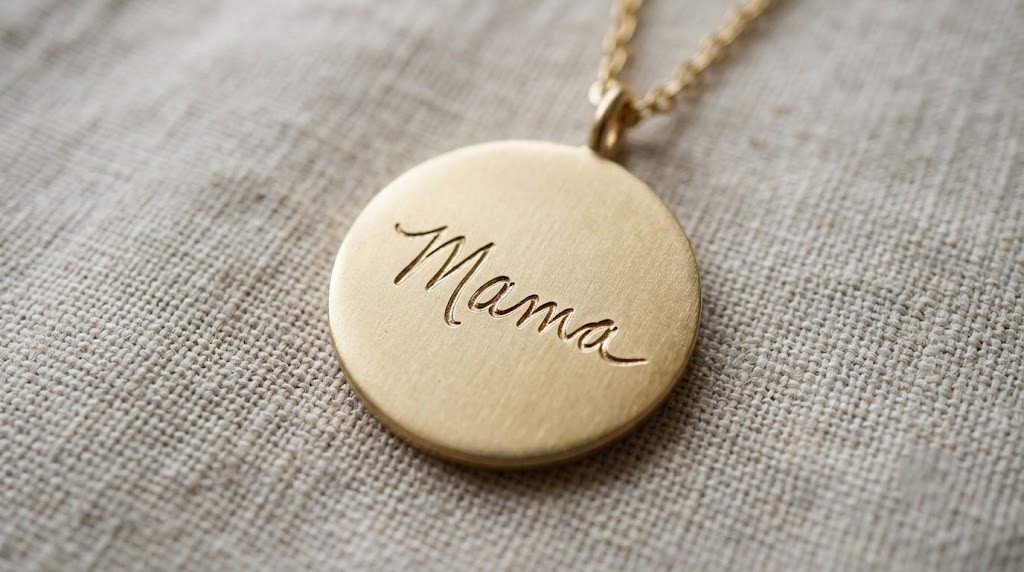
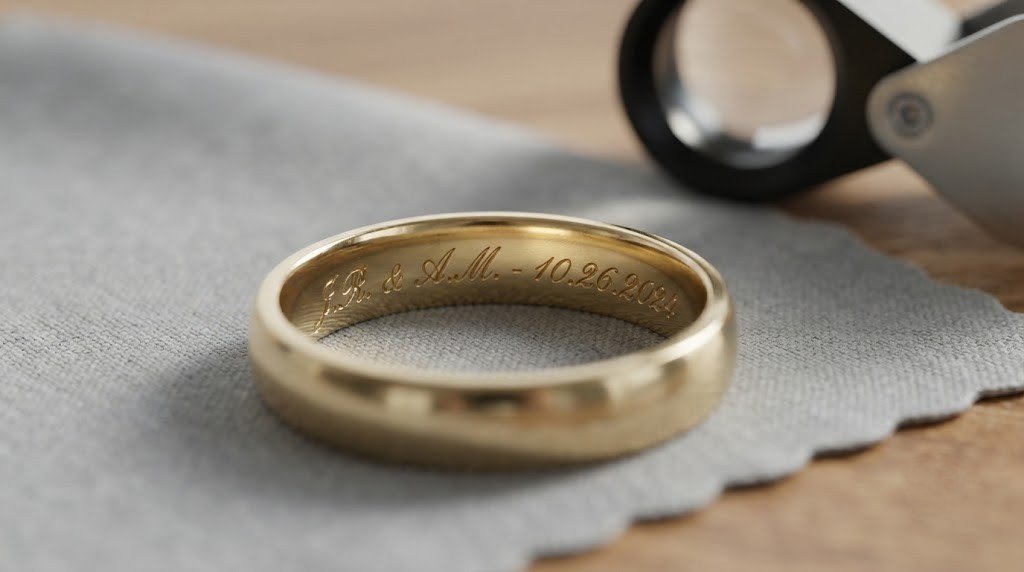
Most brother memorial diamond settings in metal can carry an engraving, typically on the inside of a band, the back of a pendant or the reverse of a cufflink. Common choices include his initials, dates, a nickname only the family used, coordinates of a place he loved, or a short line in his own handwriting if a jeweler can reproduce it.
Practical engraving questions
- How many characters fit in the space available?
- Is the engraving done by hand, by machine or by laser?
- Will resizing a ring later affect an inside engraving?
- Is engraving priced separately from the setting?
Beyond brother memorial diamond settings themselves, some providers offer a tiny laser inscription on the diamond’s girdle, such as an identification number. Whether that is available, and what it can say, is a question for the provider. Engraving is usually an add-on priced on top of the stone and setting.
How Can Family Members Coordinate Matching Pieces?
When several people want something to wear, coordinated brother memorial diamond settings can tie the pieces together without making them identical. Siblings might choose the same metal and bezel style in different forms, such as a ring for one and a pendant for another. If he had a partner or children, they may want pieces too, and a shared engraving or matching metal can link everyone’s jewelry.
Because only part of the ashes or hair is typically used, several stones can often be grown from the same shared material. Each stone may come out in a slightly different tone, so ask the provider how they handle a matched set. The post on how several relatives can each receive a stone walks through dividing material.
Who decides about his ashes
Decisions about his ashes rest with whoever has authority under the law of your state and any written wishes he left. Depending on the state and his situation, a spouse or partner, adult children or parents may come before a sibling. If someone else holds that authority, a respectful first step is to ask them whether a small portion could be set aside. Hair kept at home can be a simpler route, but personal belongings may count as part of his estate, so speak with whoever is acting as executor. For the conversation itself, the post on raising a memorial diamond with the rest of the family offers gentle ways in.
Can Brother Memorial Diamond Settings Be Resized or Changed Later?
Usually, yes, with some limits, and it is worth asking about before brother memorial diamond settings are made. A ring in platinum or gold can generally be resized a few sizes up or down, though rings with stones set all the way around, or made in some alternative metals, may not resize easily. A bezel or flush band may need more careful work than a plain shank.
Resetting into a new piece
A diamond can usually be removed from one setting and placed into another. That makes it possible to move a stone from a ring into a pendant if the wearer’s work changes, or to reset it for a new generation decades from now. Brother memorial diamond settings are not a permanent decision unless you want them to be.
When resetting, keep the grading report and any authenticity certificate with the stone. Ask the jeweler how they will document the stone while it is out of its mount, and whether they work on it in front of you.
What Should You Ask About Care, Insurance and Appraisal?
A diamond’s hardness makes cleaning simple, but brother memorial diamond settings need regular attention. Questions worth asking your jeweler:
- How often should prongs, bezels or clasps be checked?
- What cleaning method is safe for this metal and design?
- Should the piece come off for gym work, swimming or gardening?
Insurance and appraisal
Coverage for brother memorial diamond settings and the stone they hold varies by insurer and policy, so ask an insurance agent whether the piece can be added to an existing policy or needs separate coverage, and what documentation they require. If an insurer asks for an appraisal, a jeweler or independent appraiser can explain what theirs covers. An independent grading report, typically an optional, separately priced add-on, can support that paperwork. GIA’s guide to diamond quality factors explains what a grading report records. Keep in mind that an appraisal value for insurance is not the same as a resale price.
What Do Brother Memorial Diamond Settings Add to Cost and Timing?
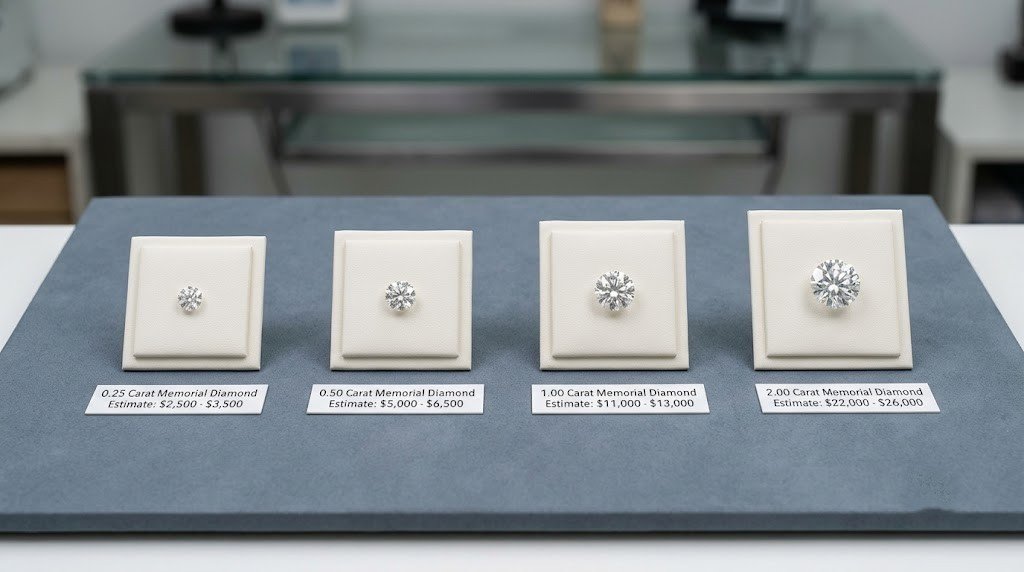
Settings are typically priced separately from the loose stone, along with grading reports, engraving and fancy cuts. Across the industry in 2026, loose memorial stones run roughly $1,500 to $3,500 at about 0.10 to 0.25 carats, roughly $5,000 to $15,000 at 0.5 to 1 carat, and roughly $20,000 to $75,000 or more at 2 to 5+ carats. These are general ranges, not Memorial Diamond’s prices.
The cost of brother memorial diamond settings themselves depends on the metal, the design, the labor involved and the jeweler. Ask for an itemized quote that separates stone, setting, engraving and any grading. A fuller look at how a brother memorial diamond is priced helps with budgeting.
Timing the setting
The stone’s growth sets most of the schedule, typically 6 to 10 months. How long setting and engraving take afterward depends on the jeweler and the design, so ask them directly rather than assuming a timeframe.
Frequently Asked Questions
Which brother memorial diamond settings are safest for someone who works with their hands?
Flush and full bezel styles are generally the most protective brother memorial diamond settings because metal surrounds the stone’s edge. A flush band leaves almost nothing to catch. Talk with a jeweler about the wearer’s actual tasks, and check any workplace rules about rings before choosing.
Is a prong setting a bad idea for a memorial diamond?
Not necessarily. Prongs show the most light of all brother memorial diamond settings and suit pieces worn carefully. They expose more of the stone and can bend or loosen over time, so schedule regular checks with a jeweler if a prong ring will be worn often.
Can one memorial diamond be split between two pieces of jewelry?
A single finished diamond is not usually divided. If two people want pieces, the usual route is growing two stones from shared material, which providers can often do. Ask the provider about matching tones and pricing for a pair before you commit.
Can his diamond be moved to a different setting years from now?
Generally yes. A jeweler can usually remove a diamond and reset it into a new piece, which lets a ring become a pendant or a stone pass to someone else. Keep the grading report and certificate with the stone whenever it is reset.
Should cufflinks or earrings use two stones from the same material?
Pairs need two diamonds, and growing both from his shared material keeps them connected to him. Two stones can differ slightly in tone, so ask the provider how they approach a matched pair and whether they can describe the likely difference.
Do we need insurance before wearing his memorial diamond every day?
That depends on your circumstances and your insurer. Valuable jewelry can often be added to a policy, sometimes with an appraisal. Ask an insurance agent what coverage options exist and what documents they need before the piece goes into daily wear.
Final Thoughts on Setting Your Brother’s Diamond
The setting is the part of a memorial piece that meets the world every day. Choosing brother memorial diamond settings around the wearer’s real life, rather than around a picture in a catalog, gives the stone the best chance of staying safe for decades.
Nothing about the first setting has to be final. A ring can become a pendant, a loose stone can wait in its box, and a piece can be rethought when the next person in the family is ready to wear it.
Learn More About Planning a Piece Around His Diamond
- Brother Ashes and Hair Diamond: The Complete Guide the full process from material to finished stone
- How Long Does It Take to Make a Brother Memorial Diamond? planning around growth time
- Brother Memorial Diamond vs. Traditional Urn: What to Know how the two can sit side by side
- Brother Memorial Diamond FAQ: Everything Families Ask quick answers across the whole process
Talk With Memorial Diamond
If you are weighing brother memorial diamond settings, or still deciding whether a stone is right for your family, Memorial Diamond is glad to talk it through at memorialdiamond.us. You do not need a design in mind to start.
Tell us who will wear the piece and how they spend their days, and we can work through the options together at whatever pace suits you.
Word count: 3,026 words · Reading time: about 15 minutes