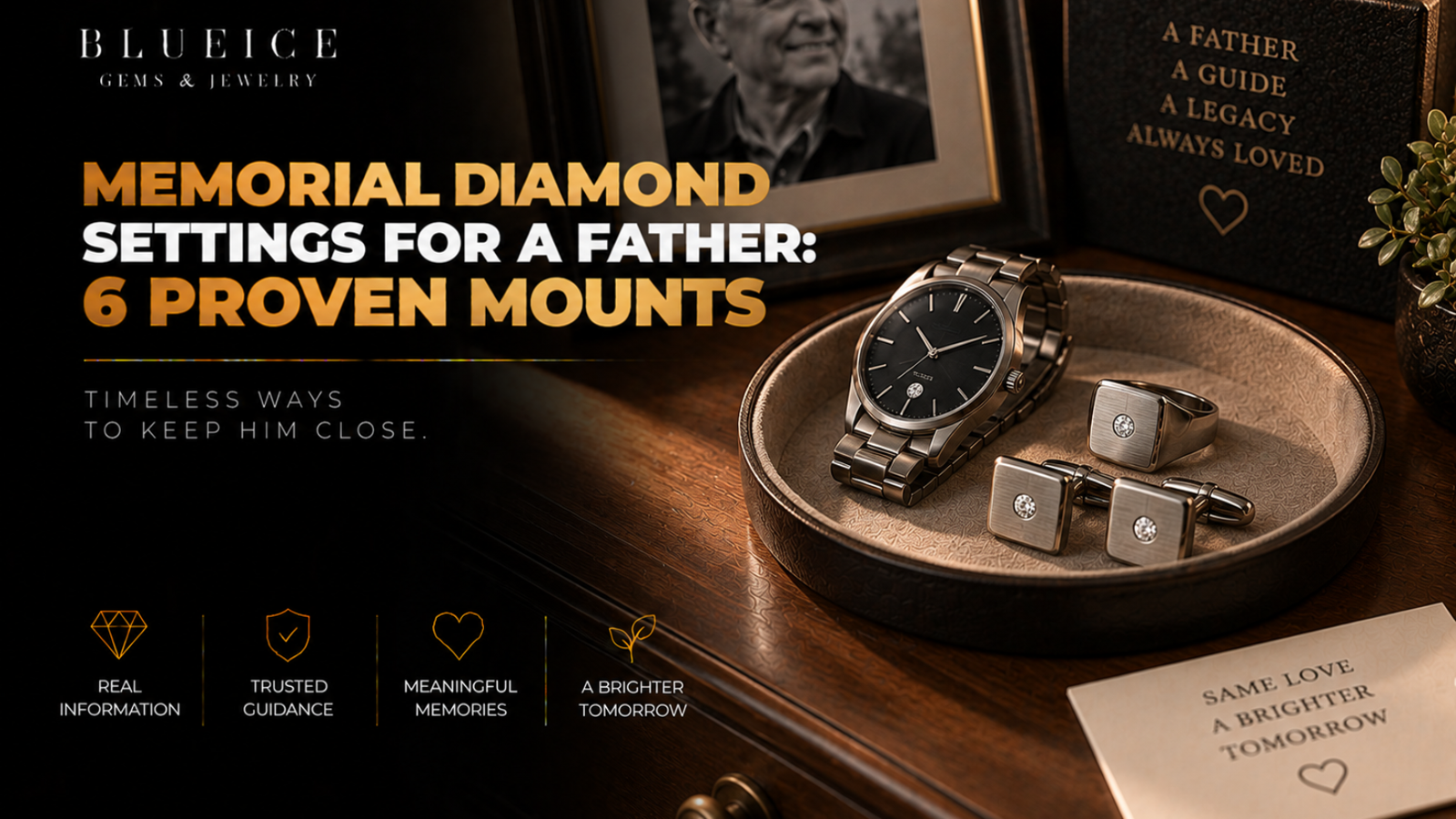
Memorial diamond settings for a father: a man's watch, a signet ring and a pair of cufflinks resting in a small dish on a chest of drawers

Memorial Diamond Settings and Jewelry Ideas for a Father

His watch came off every night and went in the same place, a dish on the chest of drawers everyone in the house knew about. That habit is the whole subject of memorial diamond settings for a father. A memorial diamond will outlast whatever holds it. The realistic way one disappears is removal: a piece taken off during the day and set down out of place. So the settings question has two halves: what holds the stone, and whether the piece comes off at all.

Declared interest: Memorial Diamond is itself a memorial diamond company, so weigh every mounting recommendation below against the fact that we sell the stone it holds.

What Actually Happens to a Memorial Diamond That Goes Missing?

Two things can go wrong with a set stone, and only one is recoverable.

Damage is the recoverable one. At 10 on the Mohs scale nothing in ordinary life will scratch the stone, though a sharp knock at the wrong angle can chip a diamond at the girdle, and you still have the stone afterwards, in your hand, with options.

Separation is not. A stone that works loose from a claw on a Tuesday and is gone by Thursday, or a piece left in a hotel room, does not come back. Memorial diamond settings should be designed against that, not against breakage.

Worth being plain about what the mount is holding. A memorial diamond is not ash in a capsule: carbon taken from him is cleaned to roughly 99.9% purity and grown into the crystal alongside supplemental lab carbon, which leaves his own contribution at something like 10% to 15% of the stone’s finished mass industry wide. That fraction is why this page is about retention rather than repair.

Which piece to make, and who for, is answered in father memorial diamond ideas. This page is the mechanics of memorial diamond settings.

Pieces That Come Off, and What to Do About Them

The memorial diamond settings men actually wear are the ones that leave the body. A father’s stone can easily end up in something that leaves the body during the day: cufflinks, a tie bar, a watch, or a ring pulled off for gloves or at a sink. That is not an argument against those pieces, but for deciding, before the piece is made, where it goes when it is not being worn.
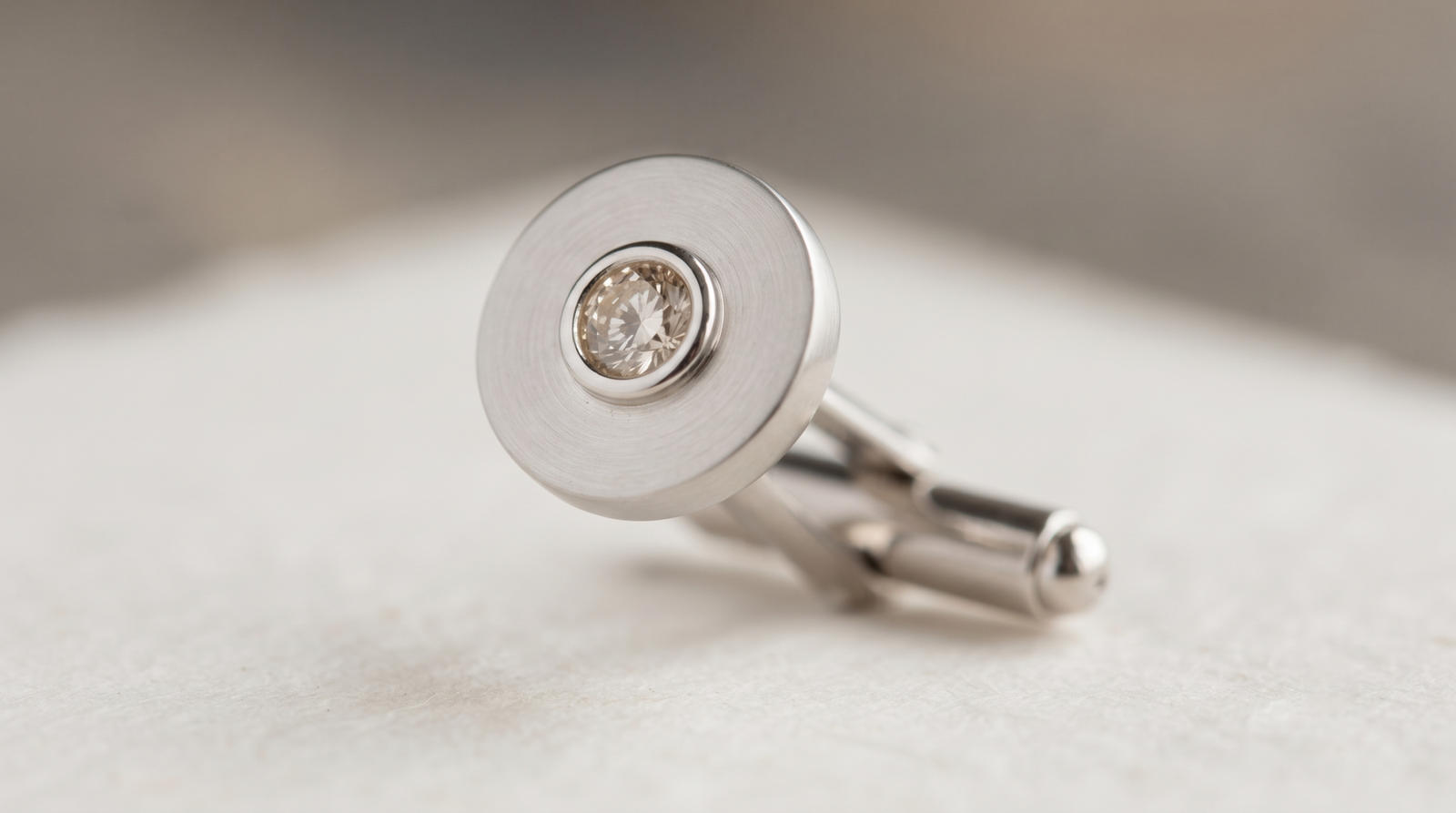
Close-up of a small diamond held in a collet on a cufflink face, back swivel visible
  • Give it one named place, where the piece actually comes off rather than where it ought to. A dish by the sink beats a box in an unused bedroom.
  • Never a pocket. Pockets are turned out, sat on, and emptied into washing machines.
  • On the move, it goes in the case, not the room. Changing rooms and hotel rooms are where small pieces get left behind.
  • Treat a daily removal as a design input. If you cannot say where the piece lives overnight, that is the decision still to make, not the metal.

How Memorial Diamond Settings Hold the Stone, Piece by Piece

PieceHow the stone is heldHow this piece actually gets lostWhat to ask the jeweler
CufflinksCollet or bezel in the face; the back swivels or chainsLeft in a shirt at the dry cleaner, or in a changing roomIs the swivel riveted rather than glued, and replaceable?
Tie bar or pinStone in the bar face; the bar clips to the tieThe clip loses tension and the bar drops off unnoticedHow tight is the clip, and will it be re tensioned?
WatchStone in the case back, dial or crown, in a fitted colletThe watch is sold on without anyone knowing what is in itDoes mounting breach the seal, and will it still service?
Signet or seal ringStone sunk into the shoulder or shank, sitting flushComes off a working hand and never goes back onHow proud does the stone sit, and can the seat be checked in place?
PendantClaws or a bezel in a fitting hung from a bailLifted off over a shirt collar and left on a hotel dresserIs the jump ring soldered, and the clasp rated for the weight?
An object he usedCollet in a drilled seat, or set into the materialThe object gets used: knocked, dropped, lent outWill the seat weaken it, and does the object still work?

Bezel and claw both appear in the second column deliberately. A rim captures the girdle, claws grip it at points, but across all memorial diamond settings, the third column decides more than the second.
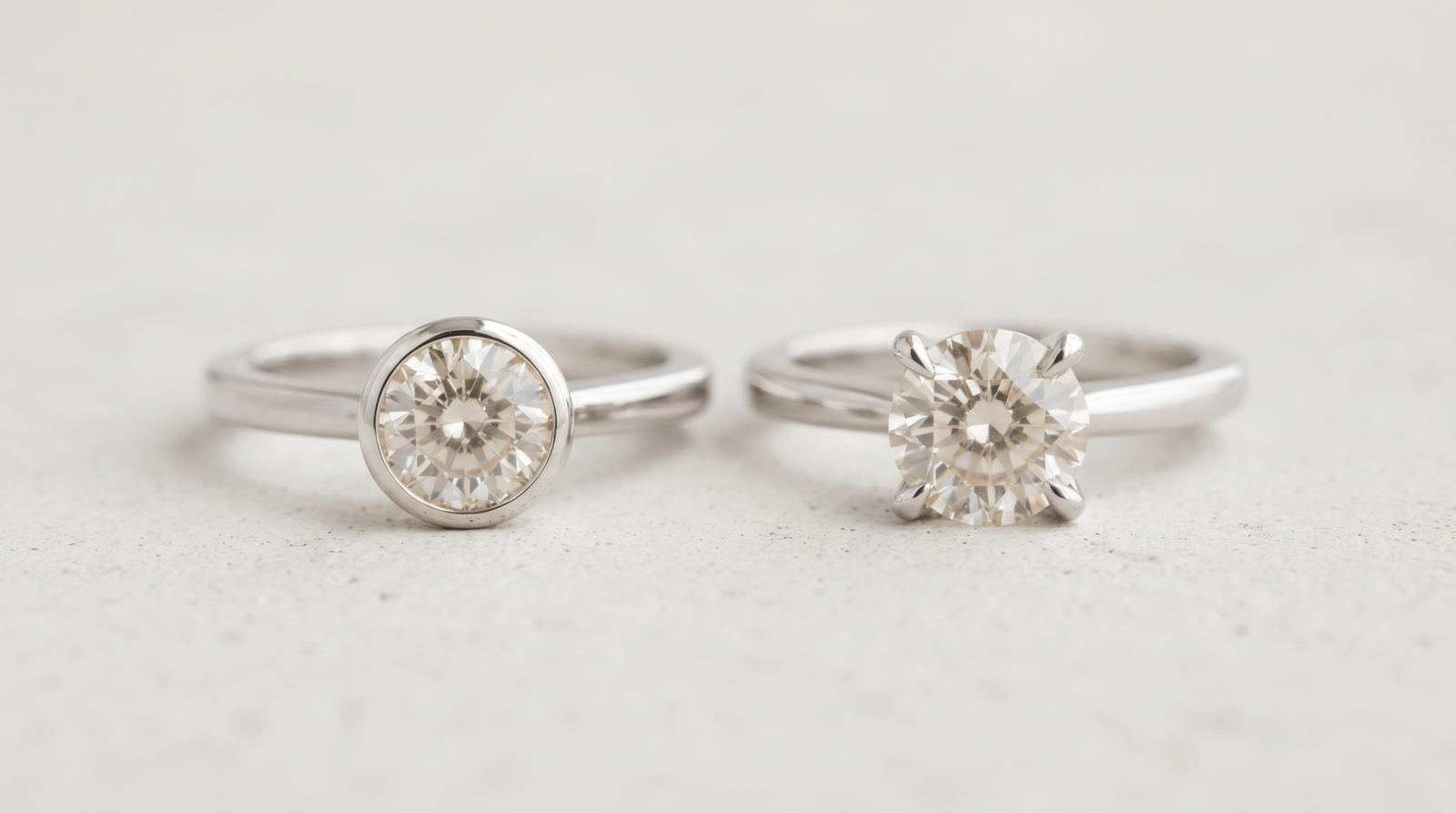
Two rings side by side, one with a flush bezel-set stone and one with a raised claw-set stone

Can a Stone Go Into Something That Was Never Made to Hold One?

Sometimes, and for these memorial diamond settings it is a bench assessment rather than a design preference. A jeweler mounting a stone into a watch, a pen, a knife handle or a box lid is working out four things.

  1. Material. Can it be cut cold, or does it need heat? Some plastics and resins craze, hardened steel resists cutting, and thin plated metal tears rather than holds.
  2. Depth. Is there material behind the face to seat a stone without going through it? A seat that breaks the far side is not a setting.
  3. Function. Does the object still have to work? A watch has to stay sealed, a knife has to flex without a stress riser, a pen has to screw together.
  4. Fixing. A collet fitted into a drilled seat, or the stone cut straight into the object’s own material? A collet keeps the cutting away from the structure, and it is the removable answer.

Things that cannot safely take memorial diamond settings: thin pressed metal with nothing behind it, anything that flexes or springs under load, anything sealed that would leak once drilled, and anything structural.

Two points before work starts on memorial diamond settings in an object. This is not always one trade. A watchmaker opens the watch, a jeweler makes the collet, so ask who does which part. And cutting into something he owned cannot be undone. If the object matters to somebody else, that conversation comes first. Setting the stone into a band he already wore has its own constraints, covered in the father ashes diamond complete guide.
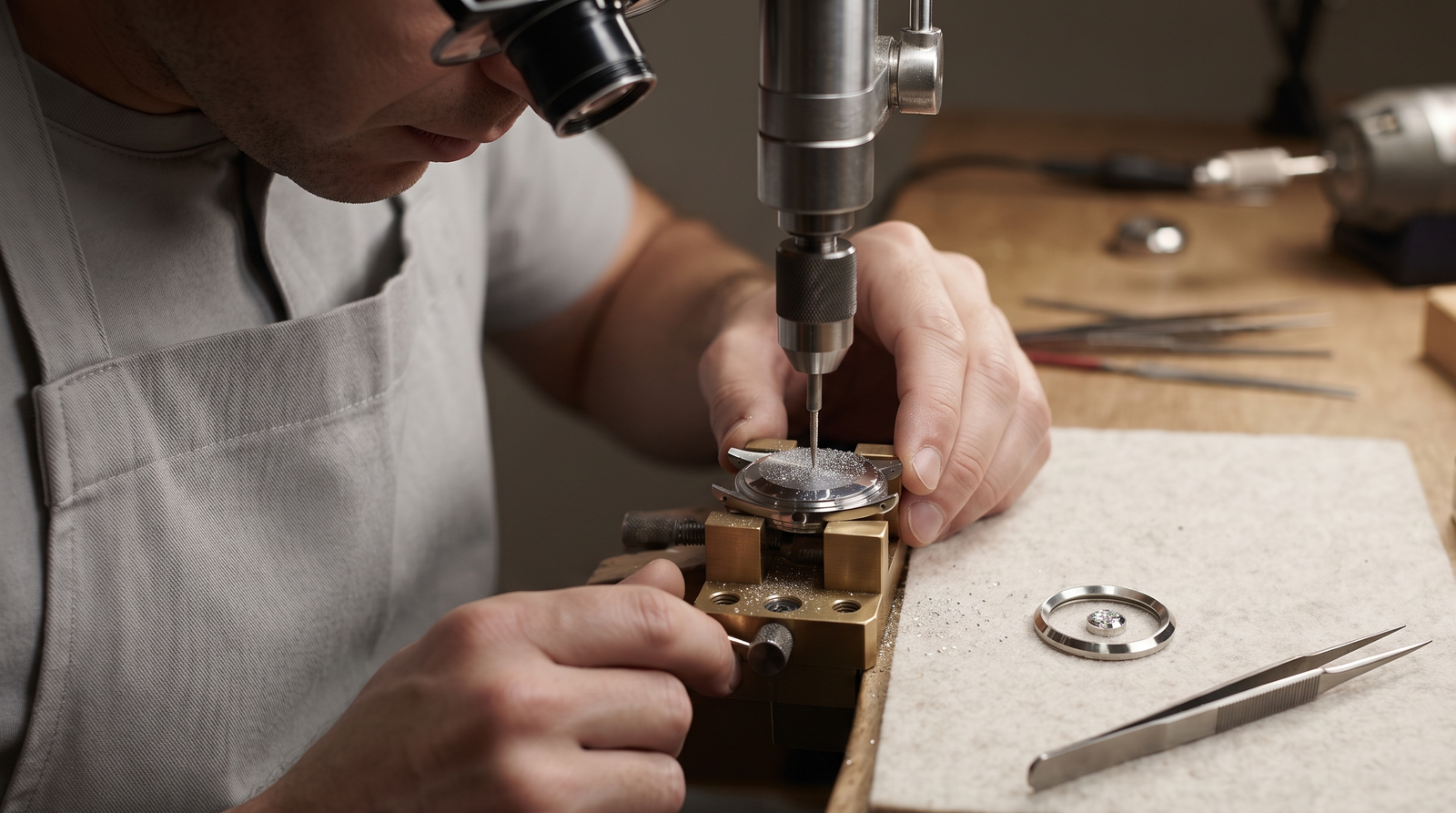
Jeweler at a bench drilling a seat into a watch case back with a collet beside it | **Priority for original photography

Metal and Wear on a Hand That Works

On a hand that lifts, grips and scrapes, height matters more than metal in memorial diamond settings.

  • How proud the stone sits decides how much it catches. A flush or sunk stone clears door frames, toolboxes and gloves. A raised claw head finds them.
  • Claw tips wear from the outside in. Gloves, tool handles and a steering wheel all press the same few points, and a claw thinned that way lets go without ever catching on anything.
  • Plated finishes wear through first at the contact points, the underside of the band above all.
  • A ring is not the only answer. If his hands worked and yours do too, a pendant under a shirt takes none of that punishment.

The metal shifts how a stone’s color reads, warmer inside a yellow mount, cooler inside a white one, so choose the mount against the finished stone rather than a description (memorial diamond colors for a father). Cleaning a set piece belongs to memorial diamond aftercare, and words on the metal to engraving and personalizing the setting.

What Size Should a Piece Be If It May Pass Between Two People?

Ask how many sizes a design can move before choosing it, because some memorial diamond settings cannot move at all. A piece that must be remade to change hands will not change hands.

  • Sidestep sizing where you can. A pendant, cufflinks, a tie bar or a watch fit anybody.
  • If it has to be a ring, ask the bench its sizing range with the stone in place.
  • Size it to whoever wears it now, not to a compromise. A ring that fits neither is the one that comes off in a glove.

Frequently Asked Questions

Mechanically, yes. A collet in the face holds a stone as securely as a ring does. The risk is the routine, not the mount: cufflinks come off in hotel and changing rooms, so decide where the pair lives first.

What does a jeweler check before memorial diamond settings go into something he owned?

Whether the material can be cut without cracking, whether there is depth behind the face to seat a stone, whether the object still has to function, and whether heat is needed nearby. Any one can rule it out.

Which memorial diamond settings suit a hand that works?

For retention on a working hand, a stone sunk into the metal sits lower and catches less than raised claws. The trade is that a sunk stone shows less light, so ask to see both profiles against your hand.

What should happen to a piece each time it comes off during the day?

It should go to one named place, not the nearest flat surface. Put a dish where the piece is actually removed rather than where you think it should be, and never on a basin rim or in a pocket.

If memorial diamond settings may pass from me to my brother, how should the piece be sized?

Ask how many sizes the design can move before choosing it, because some cannot move at all. If it has to change hands, a pendant, cufflinks or a tie bar sidesteps sizing and needs no bench work.

Are there memorial diamond settings a stone genuinely cannot go into?

Yes. Thin pressed metal with nothing behind it, anything that flexes or springs under load, anything sealed that would leak once drilled, and anything structural. A jeweler ruling an object out is stating a mechanical limit.

Final Thoughts on Memorial Diamond Settings for a Father

Decide where the finished piece lives when it is not being worn, and let that answer choose among memorial diamond settings. Put the jeweler’s questions to a bench before anything is cut. Production runs 6 to 10 months from receipt of material, longer for larger or specialty stones, time enough to decide this before the stone exists. Settings are quoted separately from the stone (what a father memorial diamond costs), so the mount is a decision you can take at your own pace.

Learn More About Memorial Diamond Settings

Talk With Memorial Diamond

If you have an object of his in mind and want to know whether it can take a stone, that is a question for a bench, and a conversation Memorial Diamond can help you frame. Reach out at memorialdiamond.us to talk through memorial diamond settings, from a plain pendant to the watch he wore.

Word count: 1,889. Reading time: about 9 minutes.
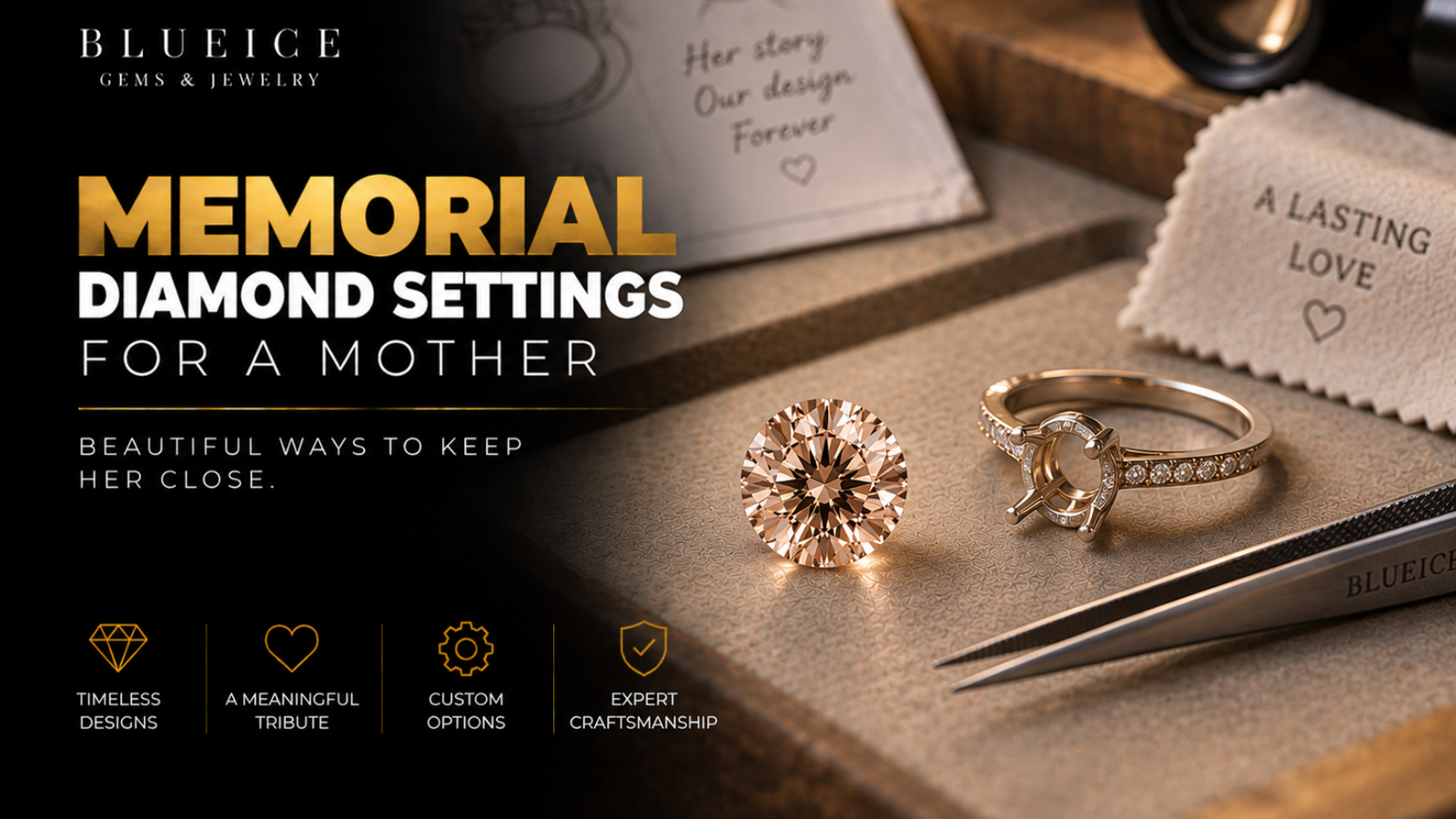
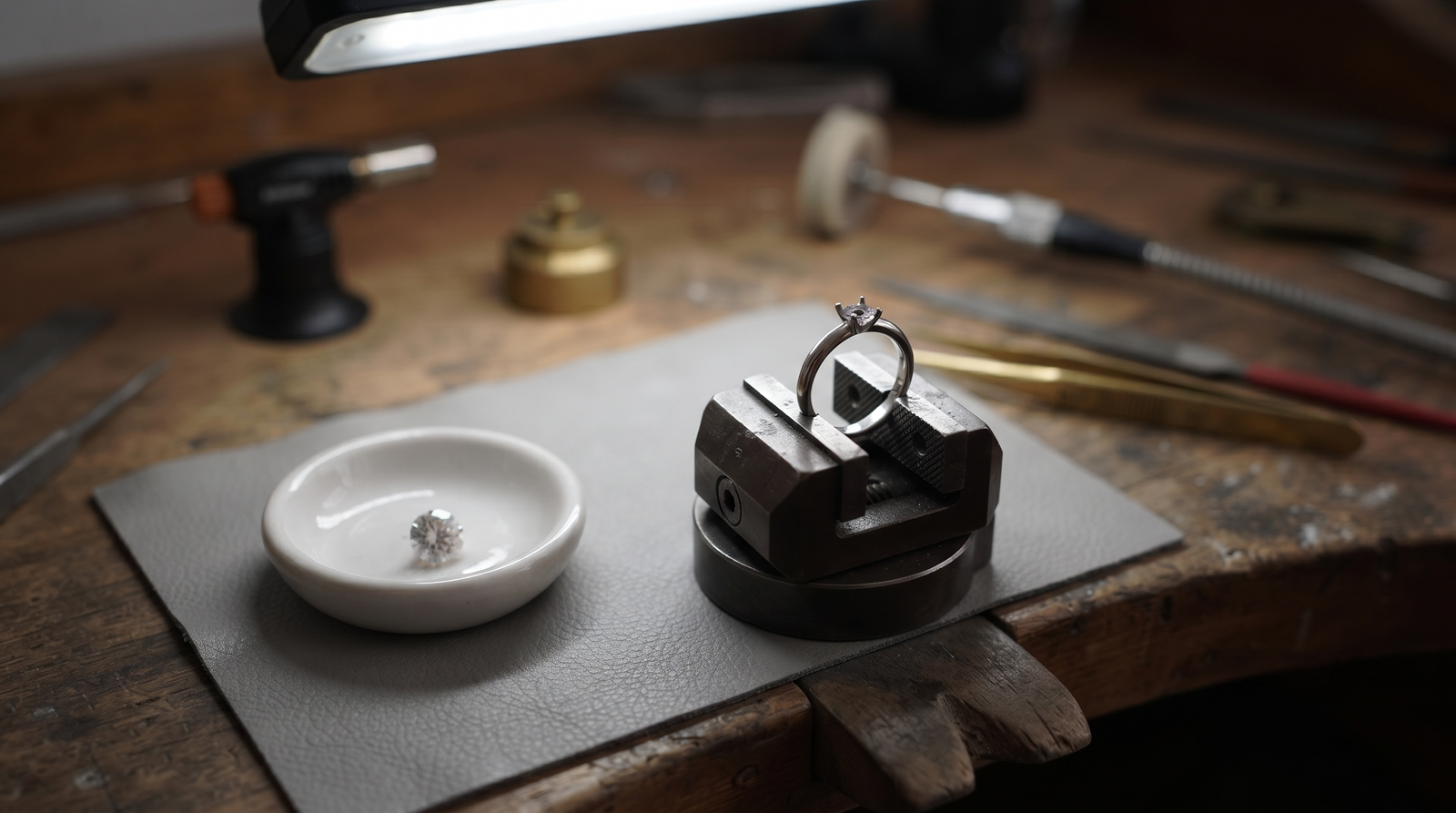
Loose memorial diamond beside an empty bezel ring mount and jeweller's tweezers on a bench mat

Memorial Diamond Settings and Jewelry Ideas for a Mother

When your mother’s memorial diamond arrives, you eventually take the loose stone to a jeweller who can turn it into something you can wear. Before you hand over the stone, remember one important fact. You cannot replace this diamond.

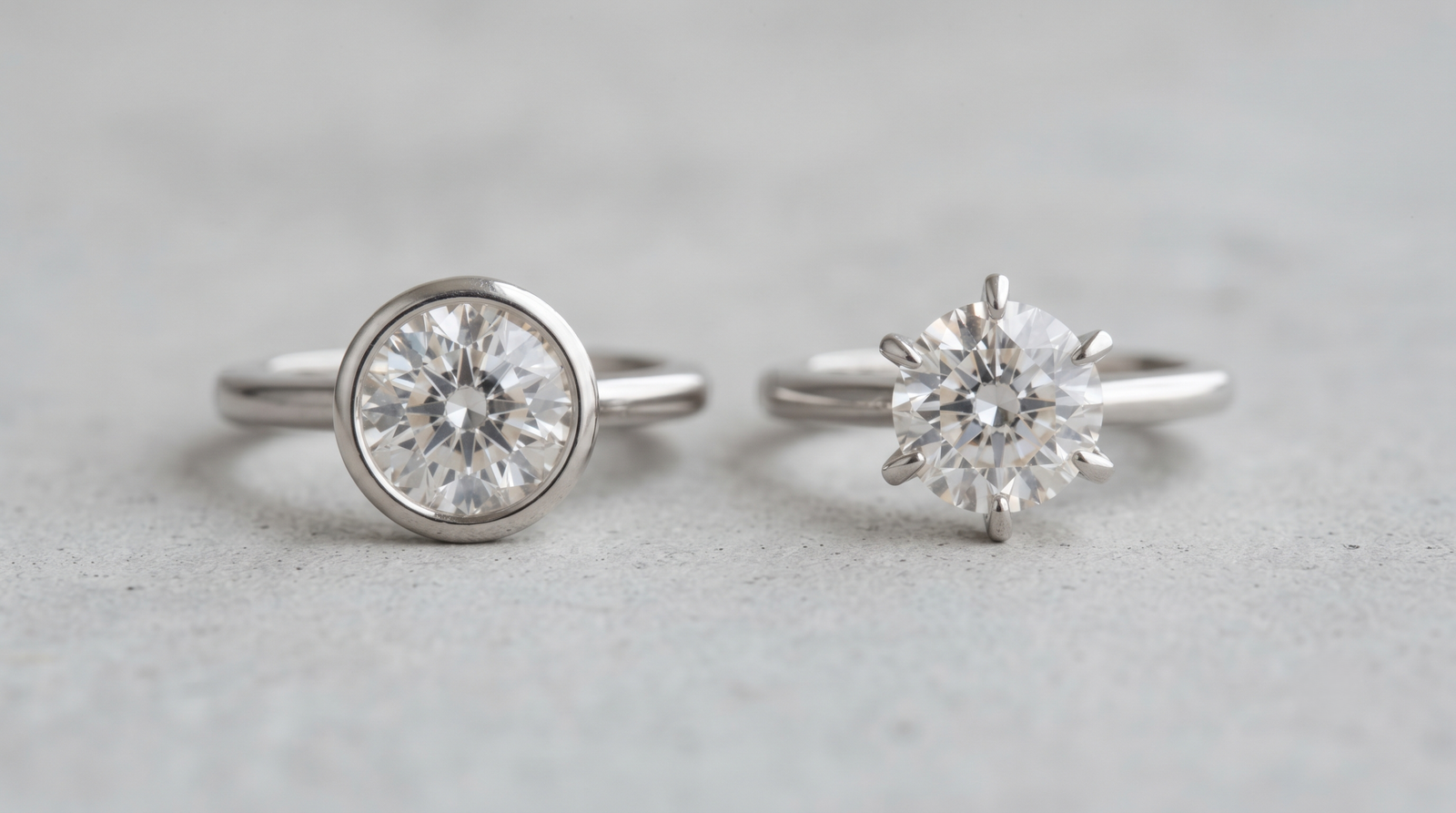
That fact should guide your setting choice. A full bezel or half bezel can give the stone strong protection. Platinum and 14k gold can provide durable options for everyday jewellery. Prongs expose more of the diamond and require regular inspection. Tension settings rely on pressure and deserve extra caution for a memorial diamond.

The setting can change later. The stone carries the permanent connection to your mother.

On this page

If you are still deciding what type of jewellery to create, explore ideas for rings, pendants and keepsakes.

Why an Irreplaceable Stone Changes the Rules

A conventional diamond has a replacement option. Insurance can provide money, and a jeweller can source another diamond with similar carat, colour and clarity.

A memorial diamond has a different meaning. Its carbon comes from your mother’s ashes or hair. The laboratory purifies that carbon and grows it into the diamond crystal alongside supplemental laboratory carbon. Industry information places the personal carbon contribution for ash derived stones at roughly 10 to 15 percent of the finished stone mass.

That personal portion remains finite. Insurance can help protect the financial value of your jewellery, but money cannot recreate your mother’s specific stone. You can learn more about whether to insure a memorial diamond.

For that reason, security should guide your setting decision.

How Each Setting Holds the Stone

SettingHow it holds the stoneExposureMain riskBest use
Full bezelA metal rim surrounds the girdleLowestThe rim can hide signs of a loose seatHands on daily wear
Half bezelMetal walls secure two sides of the stoneModerateThe exposed girdle can receive an impactProtection with more light exposure
Four or six prongsClaws hold the crown of the stoneHighA damaged claw can release the stoneRegularly inspected jewellery
TensionSpring pressure grips the girdleVery highA strong impact can affect the gripUse with extra caution
Flush or gypsyThe stone sits inside the metal surfaceLowestThe setting can make colour appear deeperWide bands and active wear
Bezel setting and six-prong setting photographed side by side at the same angle, girdle visible on the prong version

A full bezel offers one major advantage because the metal surrounds the girdle. The design can protect the edge of the diamond from many everyday impacts.

A bezel also creates one maintenance challenge. The surrounding metal can hide the seat, so you cannot always see a developing problem from above. A bezel reduces exposure, but you still need professional inspections.

Prongs provide more visual exposure and allow more light to reach the diamond. They also need regular attention because wear can thin the claw tips.

Tension settings deserve particular caution. The design relies on pressure rather than surrounding metal. A memorial diamond carries personal value that makes this risk difficult to justify.

Choosing a Metal for a Stone You Cannot Replace

The metal affects how the setting handles daily wear. It also affects how often you may need professional maintenance.

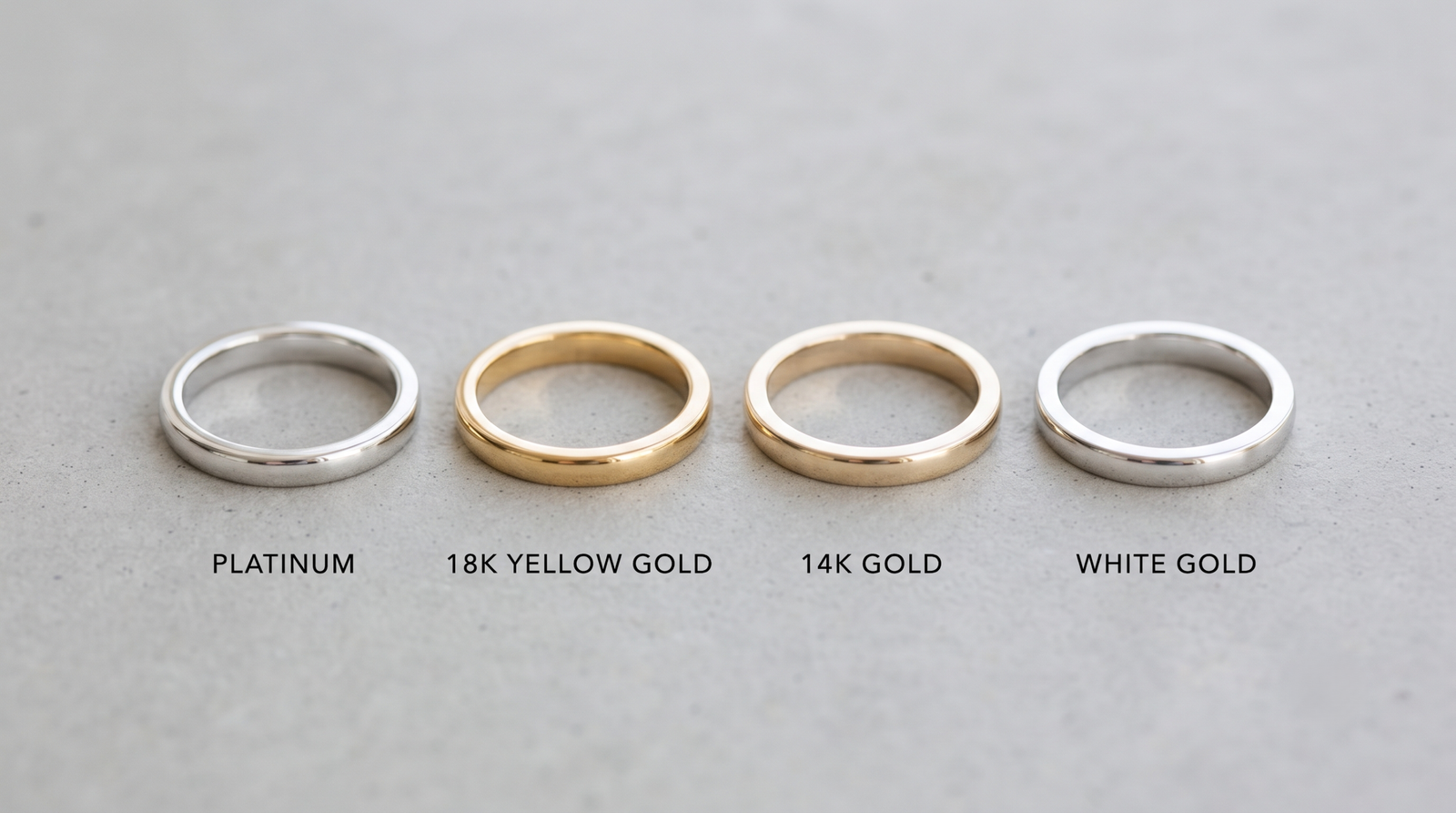
  • Platinum. Platinum offers a naturally white appearance and does not require rhodium plating. The metal moves under wear instead of shedding large amounts of material. It also costs more than the gold options in this guide.
  • 18k gold. 18k gold contains a higher proportion of pure gold and offers a rich colour. Its softer alloy can show wear on shanks and prong tips sooner.
  • 14k gold. 14k gold offers a harder gold alloy than 18k gold. If you plan to wear a ring every day, ask your jeweller whether 14k gold suits your design.
  • White gold. White gold commonly uses rhodium plating to create a bright white surface. Wear can expose the warmer metal underneath, so you may need professional replating over time. Ask your jeweller how they handle the stone during this service.
  • Sterling silver. Sterling silver does not make an ideal choice for a memorial diamond that you cannot replace. Its softer structure can allow prongs to deform with regular wear.
Four ring shanks in platinum, 18k yellow gold, 14k gold and white gold laid in a row

Your diamond colour can also look different against different metals. A champagne or yellow stone can look warmer against yellow gold and cooler against platinum. Read what to expect from memorial diamond colours before choosing the final combination.

Ask your jeweller to show your preferred diamond colour against both warm and cool metals before you approve the setting.

What Actually Loses a Stone?

The diamond usually does not cause the loss. The mount, chain, clasp or an unexpected moment can create the problem.

  • A worn prong tip. A prong can become thinner after years of wear. If the claw catches on clothing, ask a jeweller to inspect it.
  • A thinning shank. The underside of a ring receives constant contact with everyday objects. A severely worn shank can eventually affect the ring’s structure.
  • An oversized ring. A loose ring can spin around your finger and increase the chance of loss.
  • A weak bail, jump ring or clasp. Pendants depend on these components for security. Ask your jeweller about a soldered jump ring and a clasp that suits the jewellery weight.
  • Cleaning near an open drain. Always clean your jewellery away from an open sink. You can also learn more about caring for a memorial diamond.

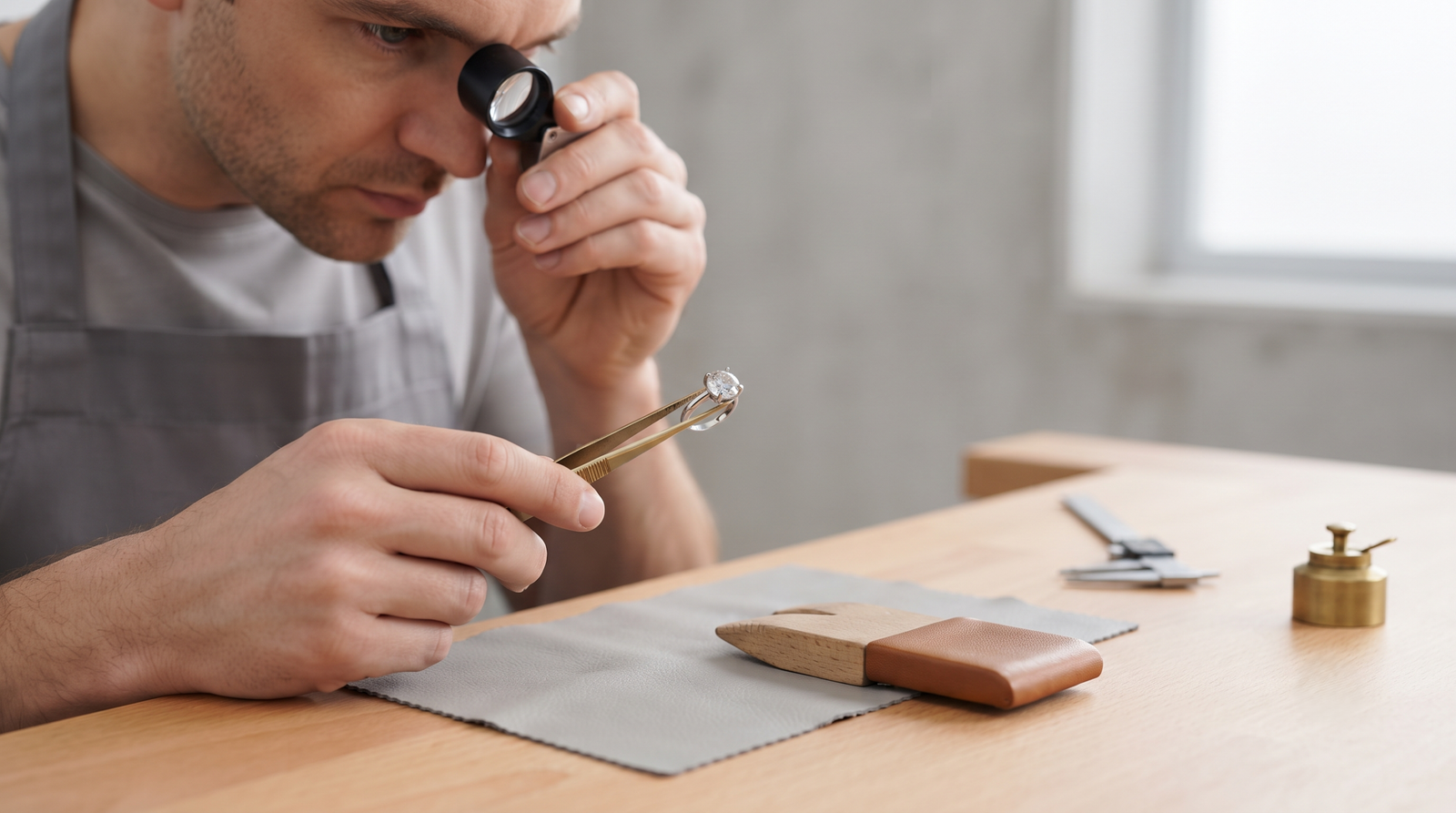
Make inspection part of your jewellery routine. Ask a jeweller to examine the prongs, the stone seat, the shank, the bail and the clasp. If you wear the piece every day, ask your jeweller how often you should schedule an inspection.

Can a Ring Holding a Memorial Diamond Be Resized?

A jeweller can resize many ring designs, but you should choose the correct size from the beginning whenever possible.

Ring work can involve significant heat. A jeweller needs to protect the diamond from unnecessary exposure during resizing or repair. Ask the jeweller whether they will remove the stone before the work or protect it during the process.

Also ask what record they provide if the stone leaves the setting during repair. Your goal should involve more than repairing the metal. You also need a clear process for protecting the diamond.

Jeweller examining the claw tips of a set diamond ring through a loupe at a bench

Consider these points before ordering your ring:

  • Measure your finger at different times of the day and at a comfortable room temperature.
  • Consider how future changes in finger size could affect the fit.
  • Remember that wide bands can require a different fit from narrow bands.
  • Ask about resizing limits before choosing an eternity design, tension design, channel setting or pavé shank.
  • Ask about sizing beads, spring inserts or sizing bars when you need a small adjustment.

Hardness Is Not Toughness

Diamond has a Mohs hardness of 10, which makes it the hardest known material. That hardness helps protect the surface from scratches.

Hardness does not mean that the diamond cannot fracture. Toughness describes resistance to fracture, and diamond can still suffer damage from a sharp impact at a vulnerable angle.

The girdle sits between the crown and pavilion and can receive direct impacts. A prong setting can leave more of this area exposed than a bezel setting.

Everyday activities can create unexpected impacts. A door frame, car door, heavy object or sudden movement can put force on the stone.

A jeweller may sometimes recut a damaged diamond, but recutting removes material and permanently reduces the stone’s weight. It can also make an existing grading report no longer describe the resulting stone accurately.

Can the Stone Move to a Different Setting Later?

Yes. A jeweller can move a memorial diamond from one setting to another when the design allows it.

You might wear the diamond in a pendant today and choose a ring years later. You might also change the setting if another family member eventually receives the stone.

The stone remains the permanent object while each setting can change over time. You can read more about passing a memorial diamond down.

Ring shank held in a bench clamp during sizing work, with the stone removed and set aside in a small dish

Each reset requires careful handling, so make a setting change for a meaningful reason rather than changing it frequently.

Keep the paperwork with the diamond through every change. Store the origin documentation and grading report together with your jewellery records.

You can place personal words on the metal rather than the diamond itself. Explore engraving and personalising the setting for ideas.

Setting, engraving and resizing can also create separate costs. Read what a mother memorial diamond costs before planning your complete jewellery budget.

Frequently Asked Questions

Is a bezel really safer than prongs for a memorial diamond?

A bezel surrounds the girdle with a continuous metal rim, so it provides strong retention and protection. Prongs hold the diamond at several points and expose more of the stone. A bezel still needs professional inspection because the surrounding metal can hide a developing problem.

Will a white gold setting need replating?

White gold commonly uses rhodium plating for its bright white appearance. Daily wear can reduce that surface over time and reveal the warmer metal underneath. Ask your jeweller how they handle the diamond during replating.

Is sterling silver a reasonable setting for a memorial diamond?

Sterling silver does not make an ideal choice for a memorial diamond that you cannot replace. Its softer structure can allow prongs to deform with regular wear. A stronger setting material can provide a more appropriate choice for long term security.

What can cause a diamond to chip if nothing can scratch it?

Hardness protects the diamond from scratches, while toughness relates to fracture resistance. A sharp impact at the wrong angle can damage a diamond, particularly around the girdle.

Does resizing a ring put the stone at risk?

Resizing involves heat and metal work, so ask your jeweller how they will protect the diamond. A jeweller can sometimes remove the stone before the work. Choosing the correct size at the beginning can also reduce the need for future resizing.

Can the same stone become a pendant now and a ring later?

Yes. A jeweller can often move the same memorial diamond between suitable settings. Each move requires careful handling, so keep the stone’s documentation with it throughout every setting change.

Ask About the Setting Before the Stone Is Finished

Consider the jewellery setting while your memorial diamond moves through production rather than waiting until the loose stone arrives. Production can take several months, which gives you useful time to consider the metal, design, mount and ring size.

You can also explore settings for rings, pendants, earrings and cufflinks if you want to compare more jewellery formats.

The most important question remains simple. If something unexpected happens during everyday wear, does your chosen setting give your mother’s diamond the protection it deserves?

Choose the setting with that question in mind. The metal can change. The mount can change. The jewellery style can change. Your mother’s memorial diamond cannot become another stone.