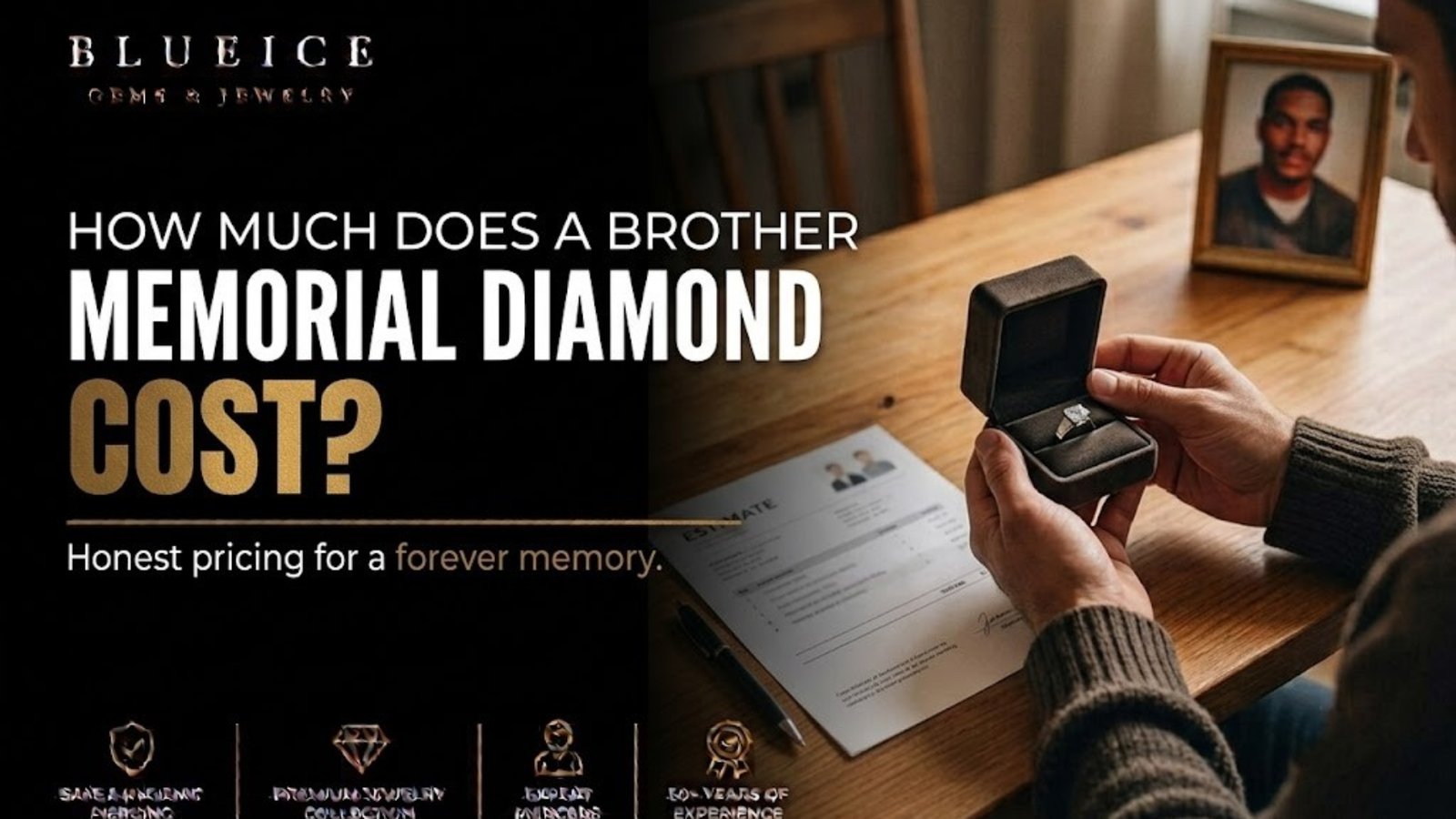
Somewhere between the arrangements and the quieter weeks that follow, the practical question of price tends to surface, often before you feel ready to say it out loud. Across the 2026 industry, a brother memorial diamond cost typically falls around 1,500–3,500 for a small stone of about 0.10–0.25 carat, 5,000–15,000 for a half-carat to one-carat stone, and 20,000–75,000 or more for stones of two carats and up.
Those are market-wide ranges rather than a fixed quote. The figure you actually see depends on size, color, cut, grading, and the setting you choose, and it applies in the same way whether you are working with his ashes, a lock of his hair, or both together. What follows explains each of those levers, the extras worth asking about, how siblings sometimes divide the expense, and how to plan at a pace that suits you.
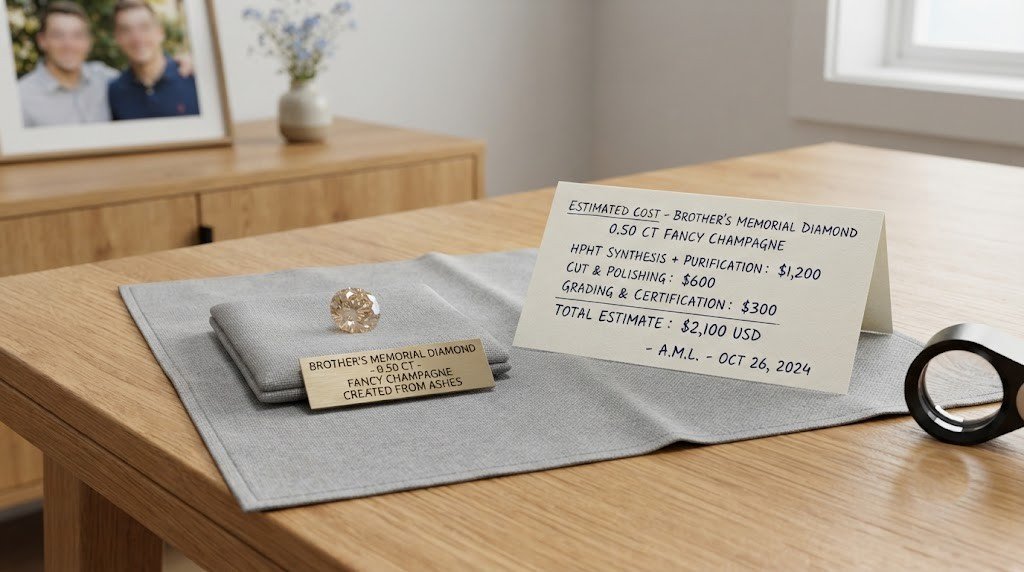
Table of Contents
What Does a Brother Memorial Diamond Cost in 2026?
Memorial diamond prices are usually grouped by carat weight, because size is the biggest single lever on what you pay. The table below sets out the general 2026 industry ranges. Read it as a map of the wider market, not as Memorial Diamond’s own price list, which has not been published yet.
| Tier | Typical carat weight | Typical 2026 brother memorial diamond cost | What tends to push a stone toward the top |
|---|---|---|---|
| Entry | About 0.10–0.25 ct | About 1,500–3,500 | The larger end of the tier, an added grading report |
| Mid | About 0.5–1 ct | About 5,000–15,000 | Colorless stones, which cost meaningfully more than blue, yellow, or champagne at the same size |
| Large and rare | About 2–5+ ct | About 20,000–75,000+ | The biggest sizes and specialty colors |
These figures normally describe a loose stone. An independent grading report, engraving, a fancy cut, and a ring, pendant, or earring setting are typically priced separately, so the full brother memorial diamond cost you budget for can sit noticeably above the base tier.
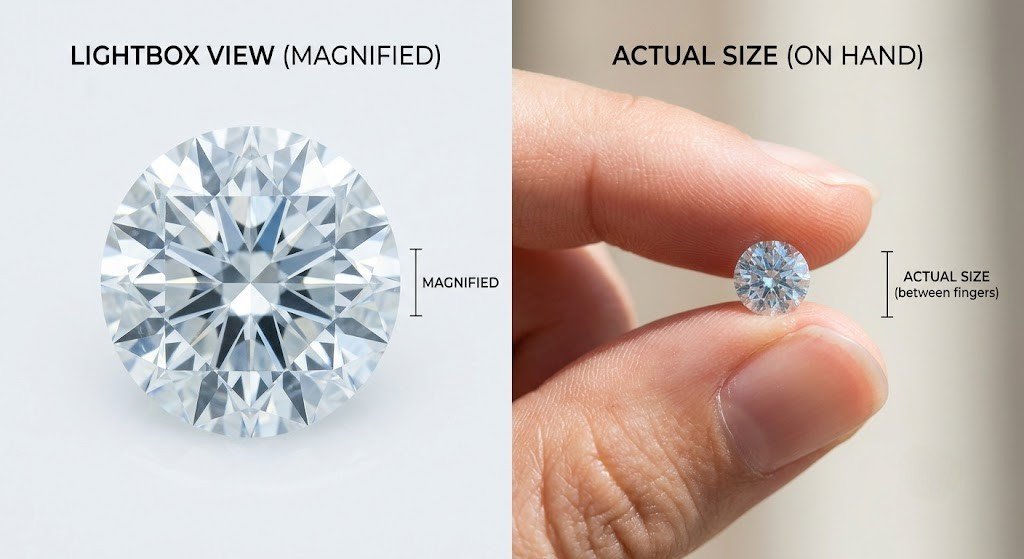
Memorial diamonds come in sizes from roughly a tenth of a carat to five carats or more, which is why two relatives asking the same question can come away with very different numbers.
What Are You Paying For When a Memorial Diamond Is Made?
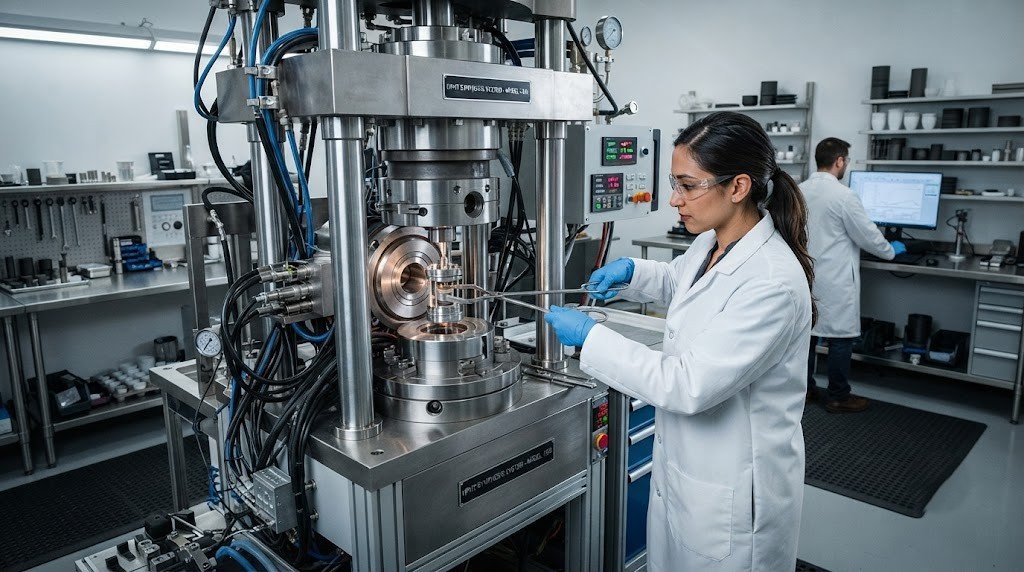
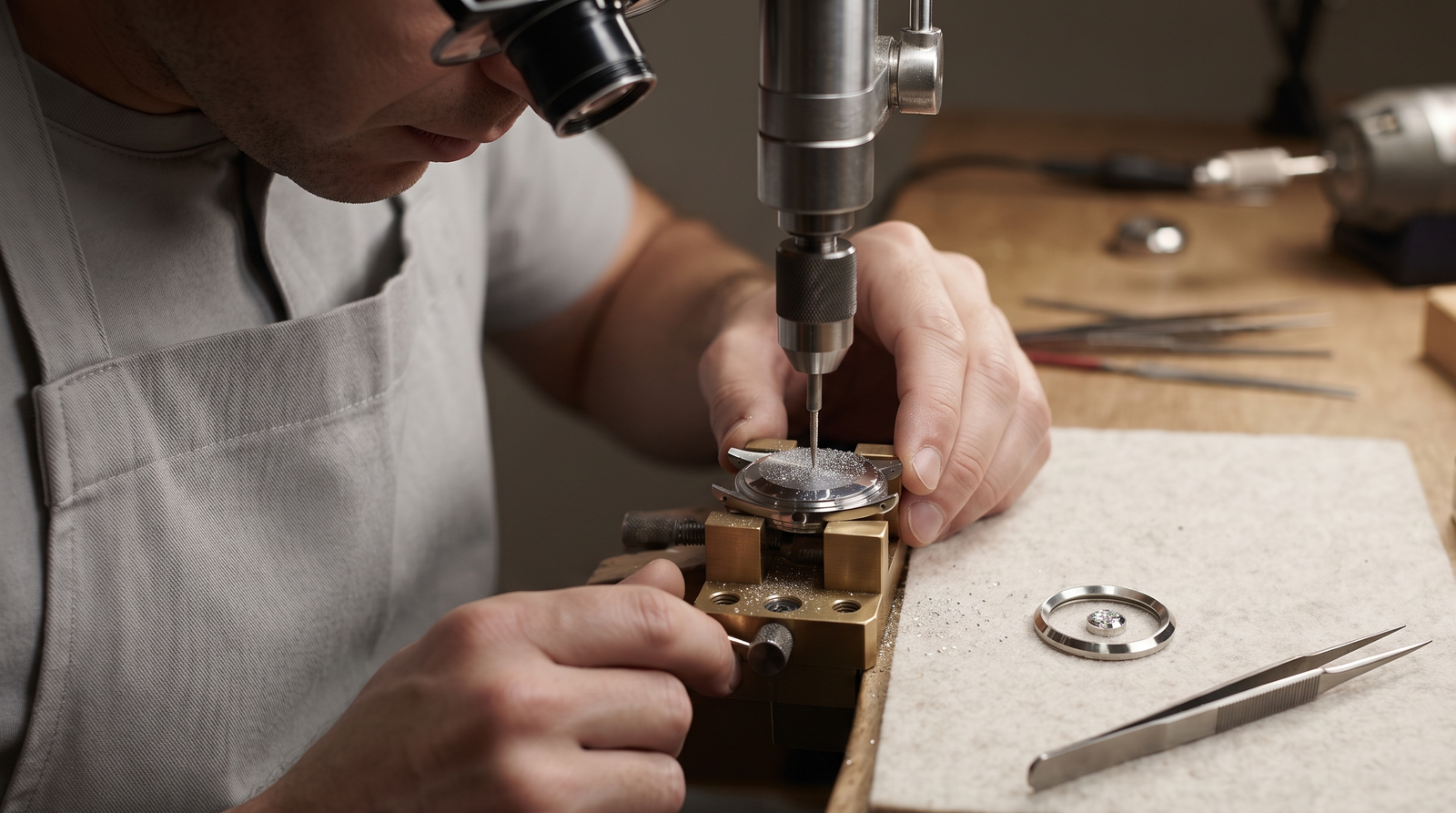
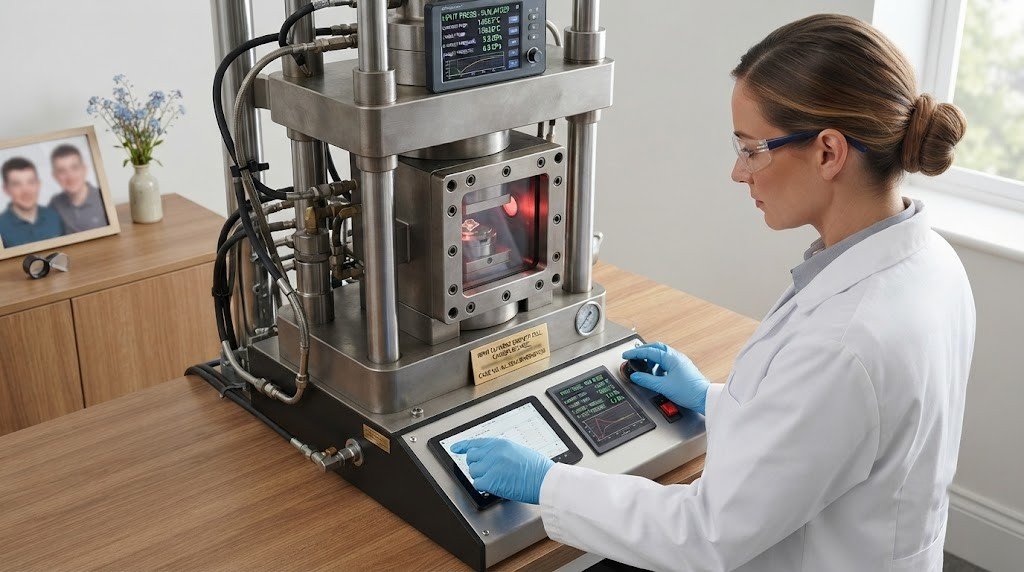
A large part of any brother memorial diamond cost reflects time, equipment, and careful handling rather than the gem alone. The finished stone is a real lab-grown diamond, chemically identical to any other diamond, and creating it from personal carbon involves a long chain of specialist work.
In broad strokes, the industry process runs like this:
- Receiving his material under chain-of-custody tracking, so the carbon stays tied to your brother throughout.
- Extracting and purifying the carbon in an oxygen-free, multi-stage process until it reaches roughly 99.9% carbon or higher.
- Graphitizing that carbon at around 2,500–2,700°C to create the feedstock a growth press uses.
- Growing the crystal, usually by HPHT at roughly 6–8 GPa and 1,400–2,500°C, with CVD used by a minority of providers. Growth runs over weeks to months.
- Cutting and polishing the rough crystal into its finished shape.
- Optional irradiation to shift color, which some providers offer.
- Grading, ideally by an independent laboratory.
If you want the science behind step four, this overview of how HPHT and CVD synthetic diamonds are grown is a clear place to start.
The point that matters most for price is simple: the weight of the finished diamond follows the length of its growth run, while the quantity of ashes or hair you provide plays no part in it. A larger stone means more press time and tighter process control, which is why the brother memorial diamond cost climbs steeply as carat weight goes up.
Which Factors Raise or Lower a Brother Memorial Diamond Cost?
Six choices do most of the work in shaping a quote. Knowing them ahead of time lets you decide where to spend and where a simpler option feels just as meaningful.
- Carat weight. The largest driver. Each step up in size adds growth time, and the tiers above show how quickly that compounds.
- Color. Colorless stones need extra processing to keep trace elements out, so they usually cost more than blue, yellow, or champagne stones of the same weight.
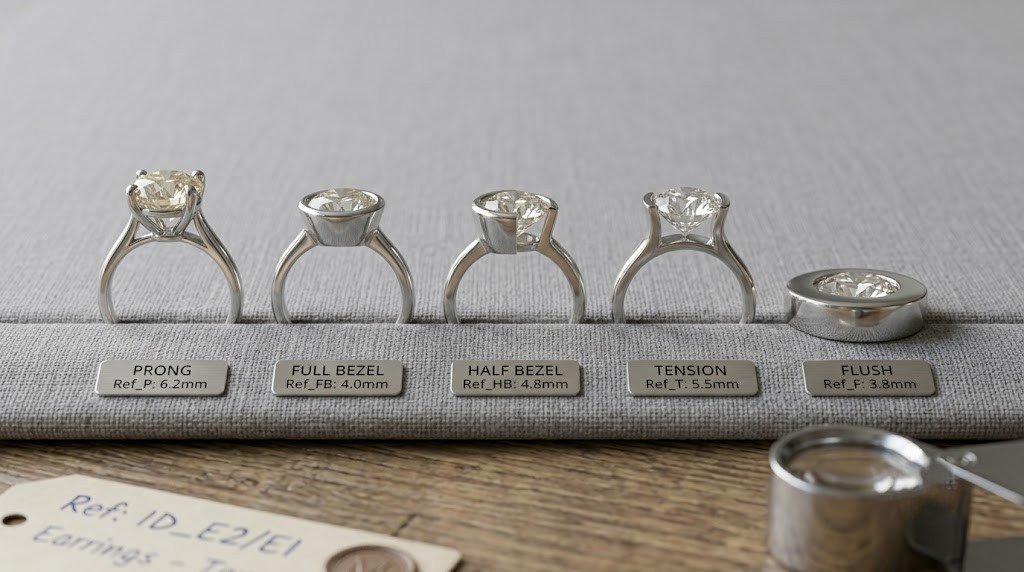
- Cut. A classic round is a common starting point. Fancy shapes such as cushion, princess, oval, or emerald are often priced as an add-on.
- Grading report. An independent report describing cut, color, clarity, and carat is usually its own line item.
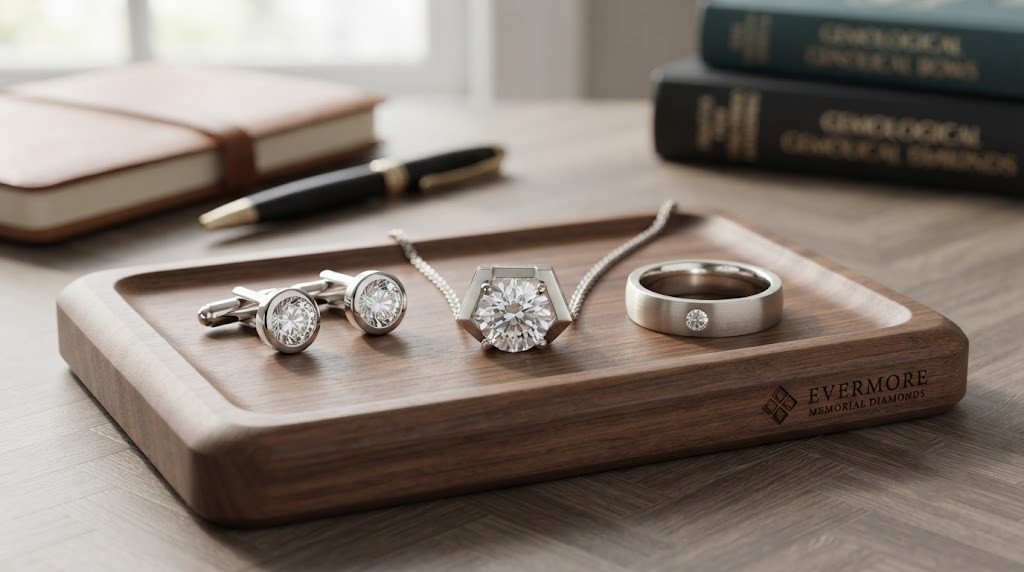
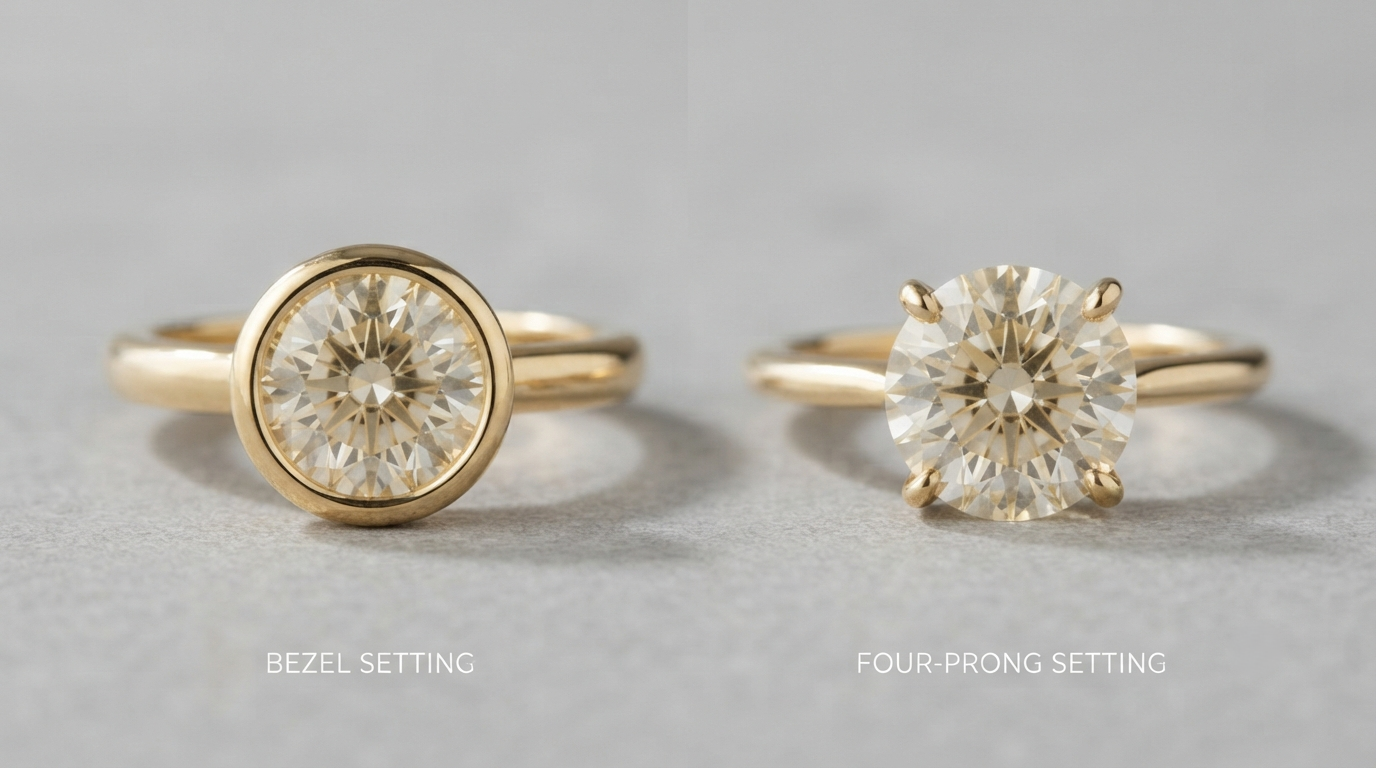
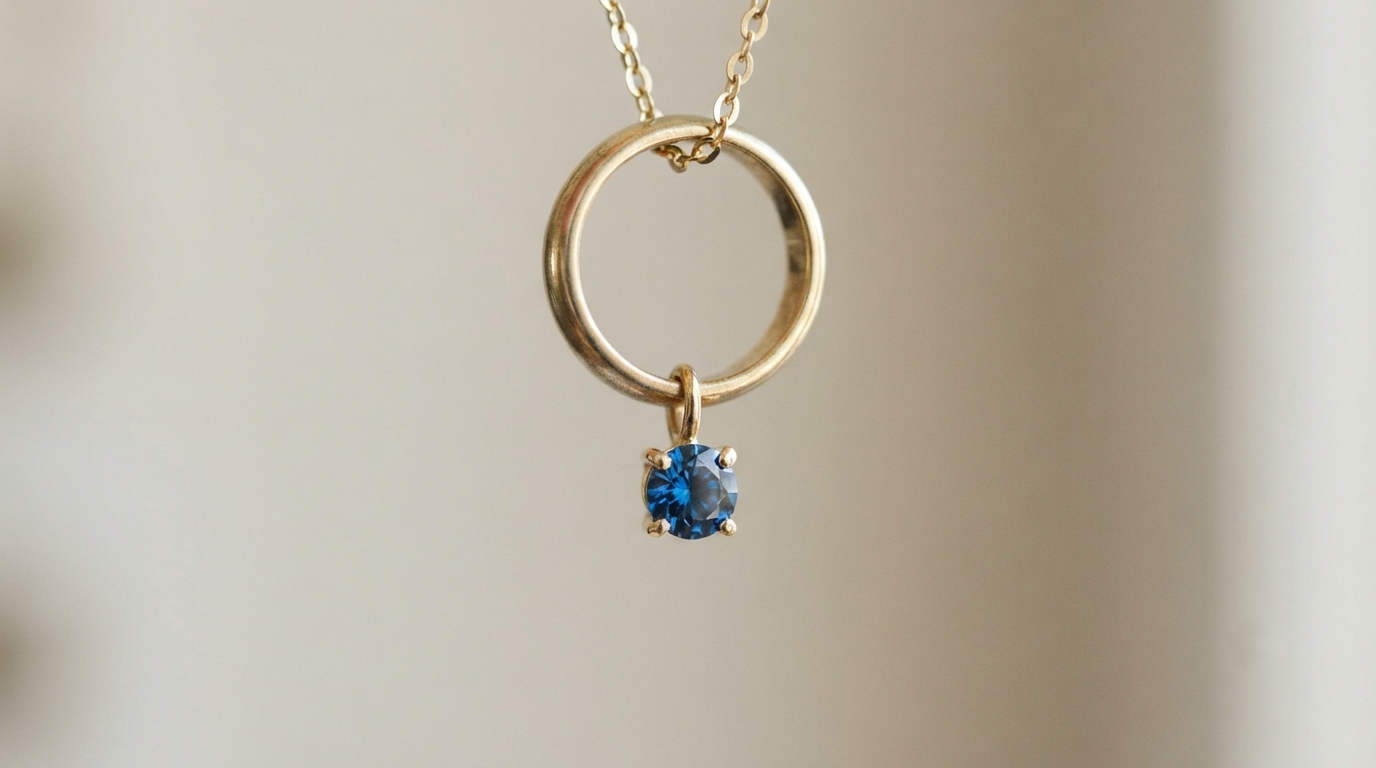
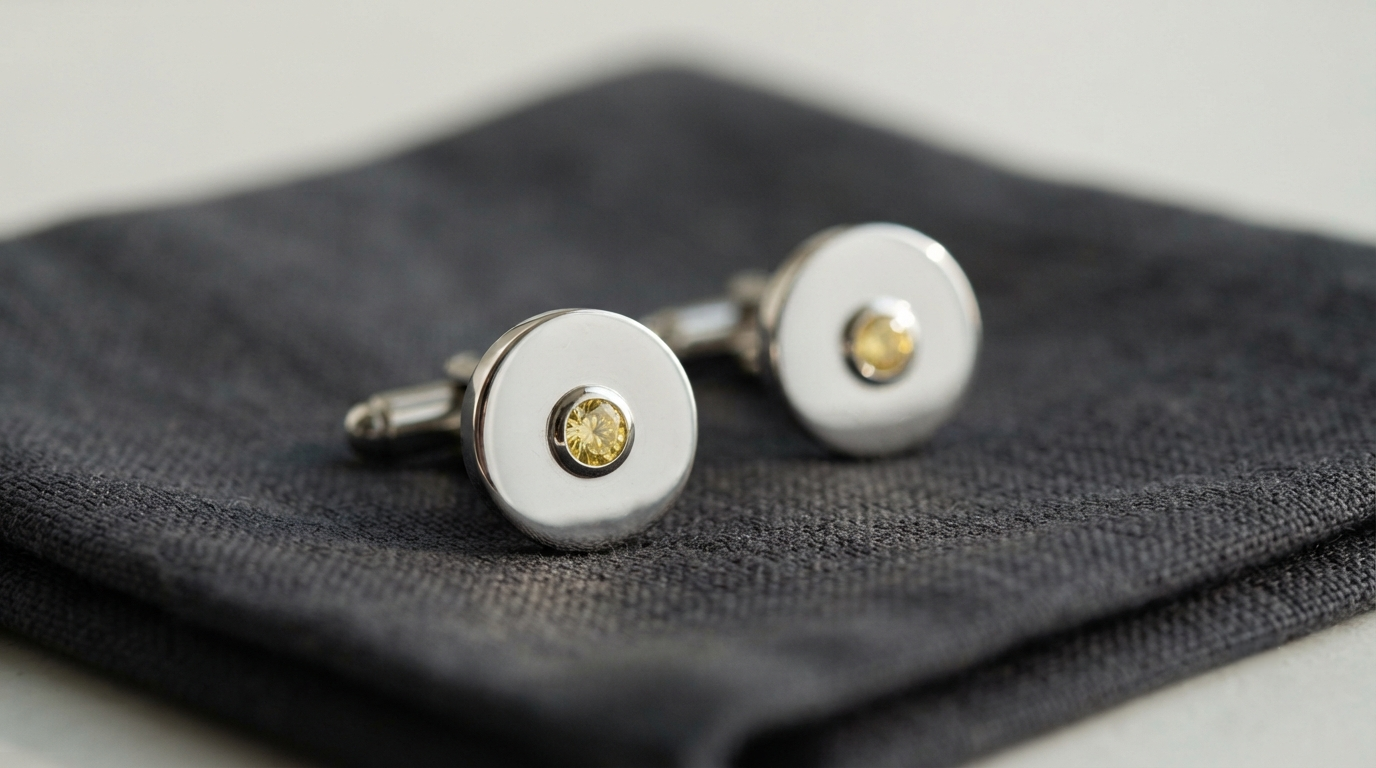
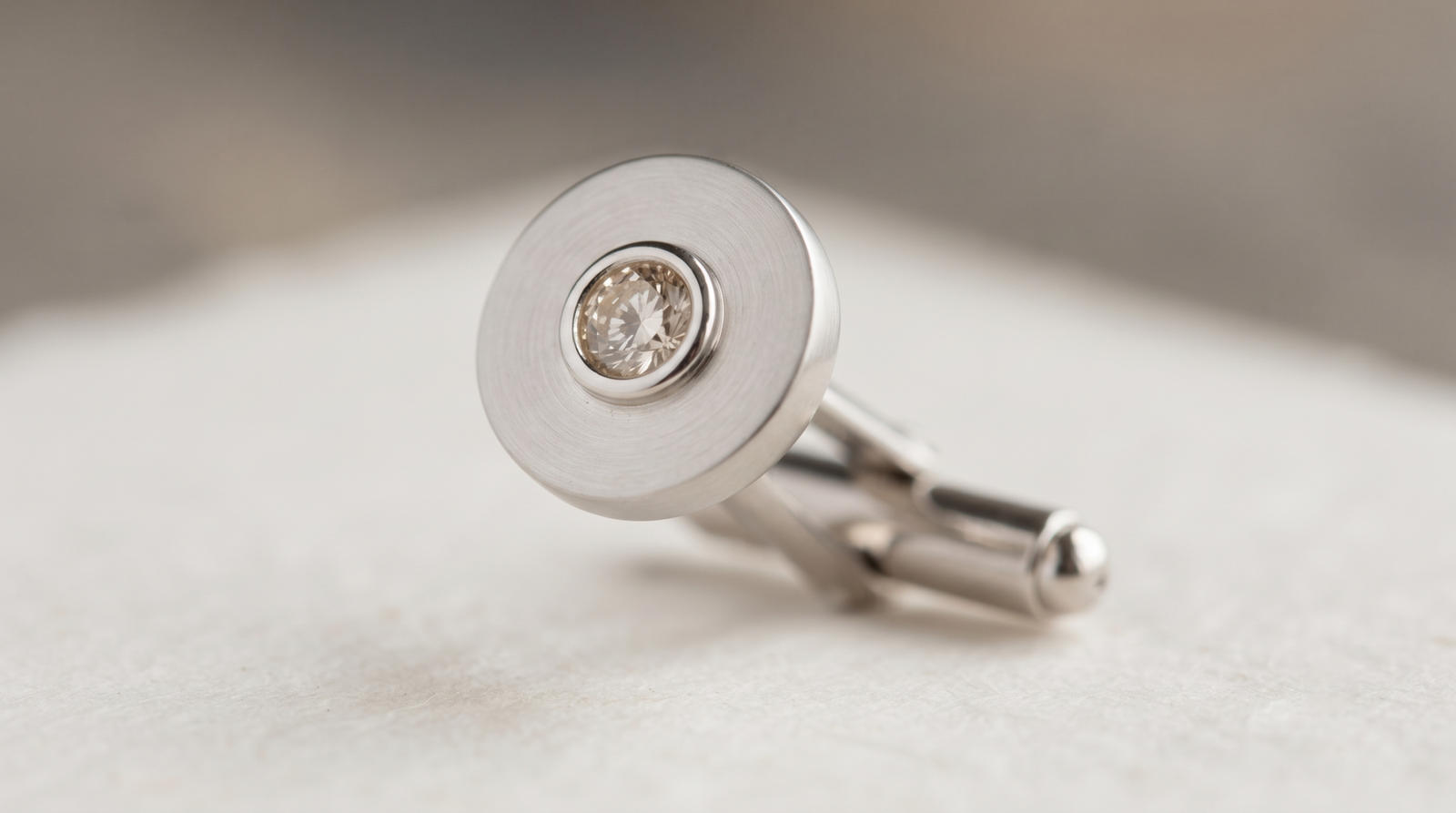
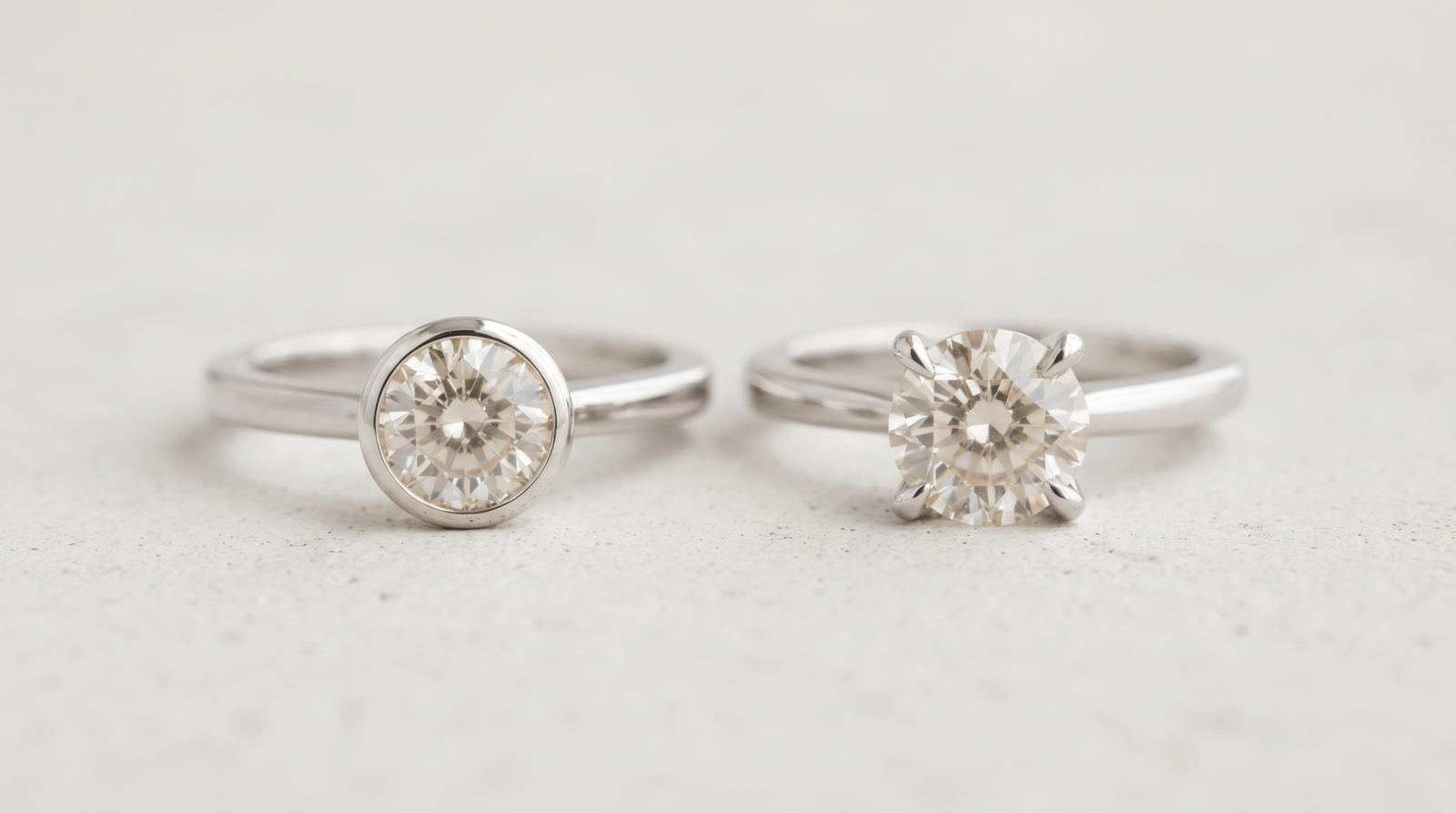
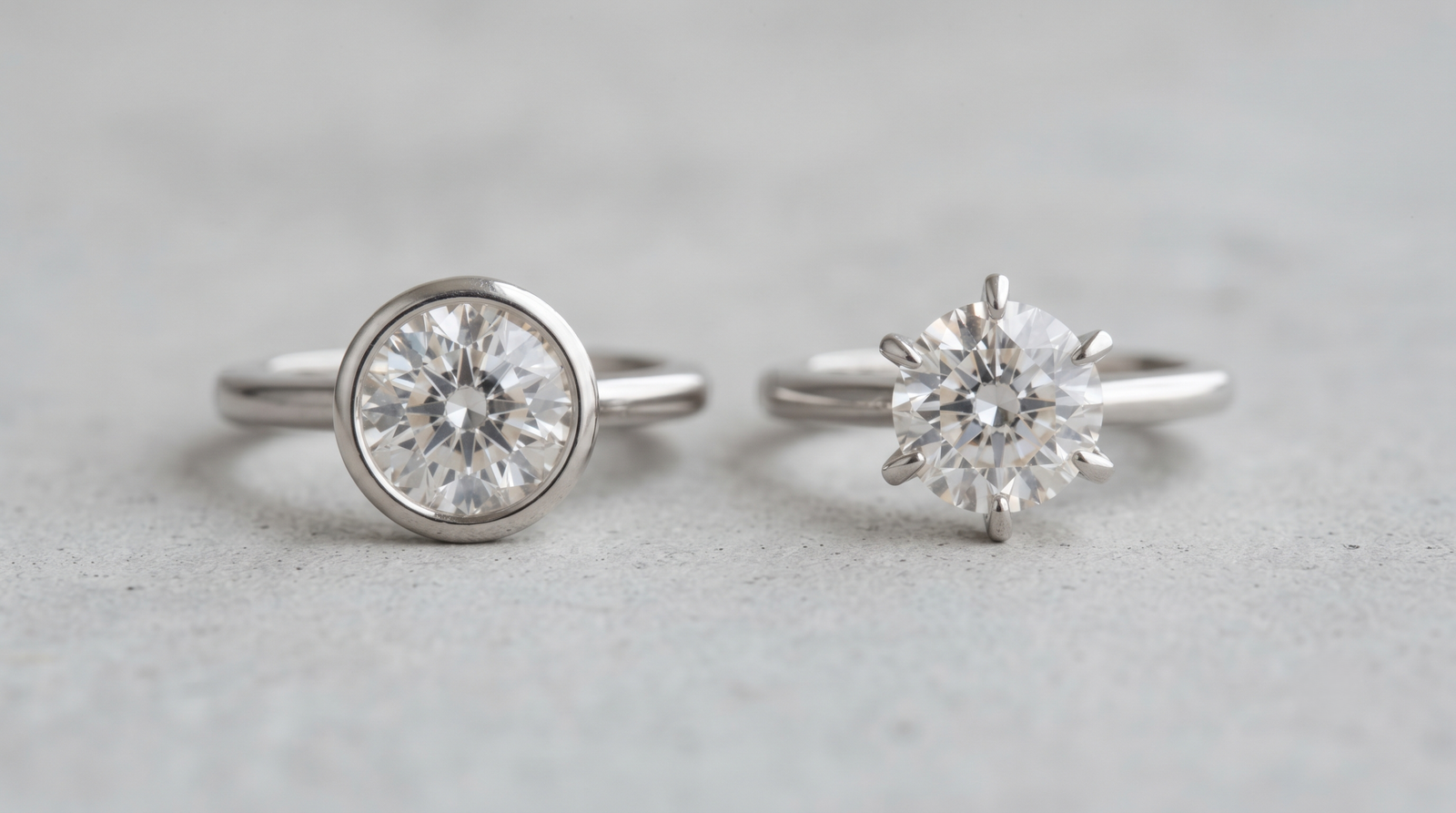
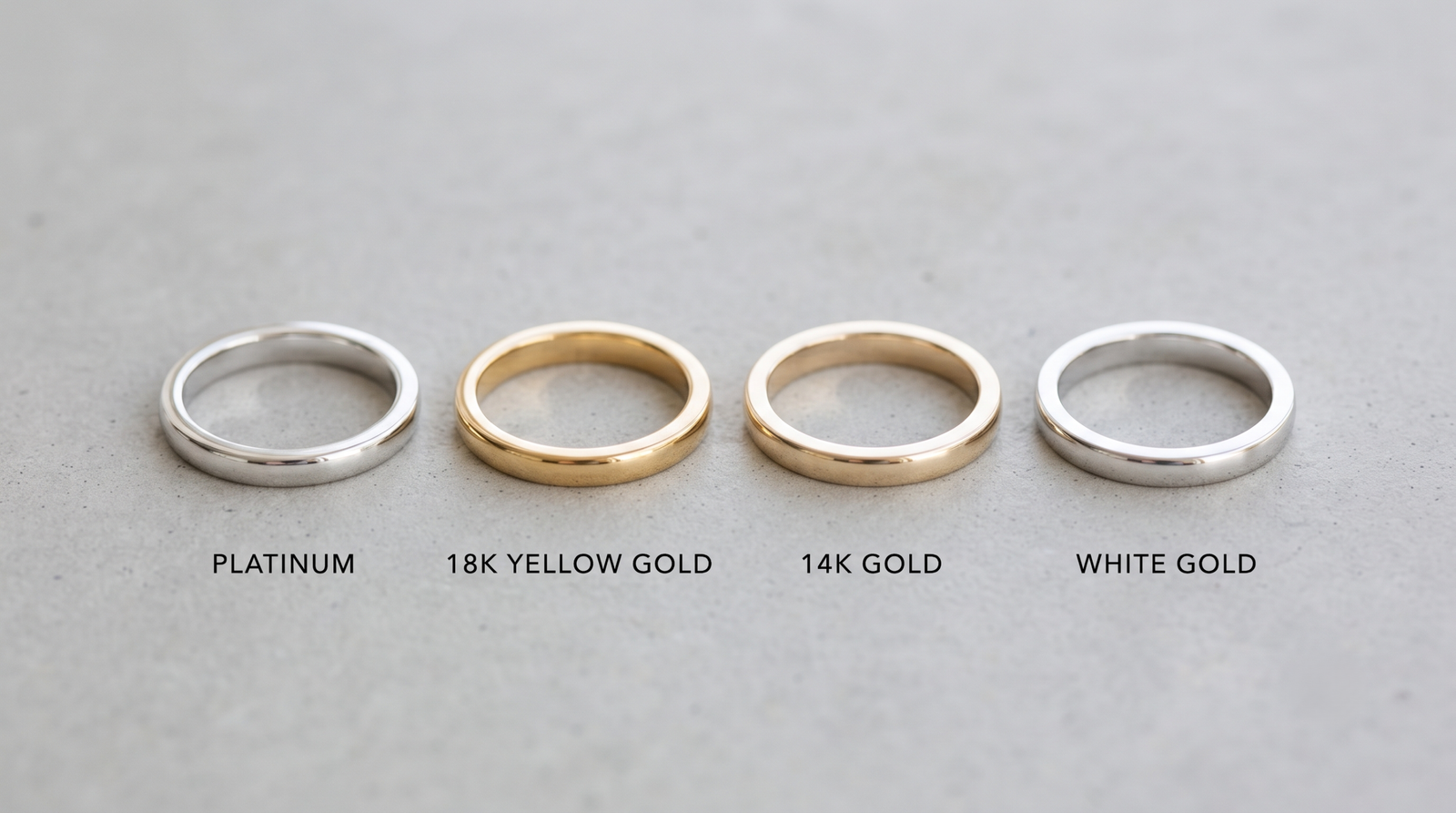
- Setting. A ring, pendant, earrings, a bracelet, or a simple keepsake mount each carry their own metal and labor costs, which the loose-stone price rarely includes.
- Engraving. Some providers offer an inscription, such as his initials or a meaningful date, typically for an added fee. Ask what length and characters are possible.
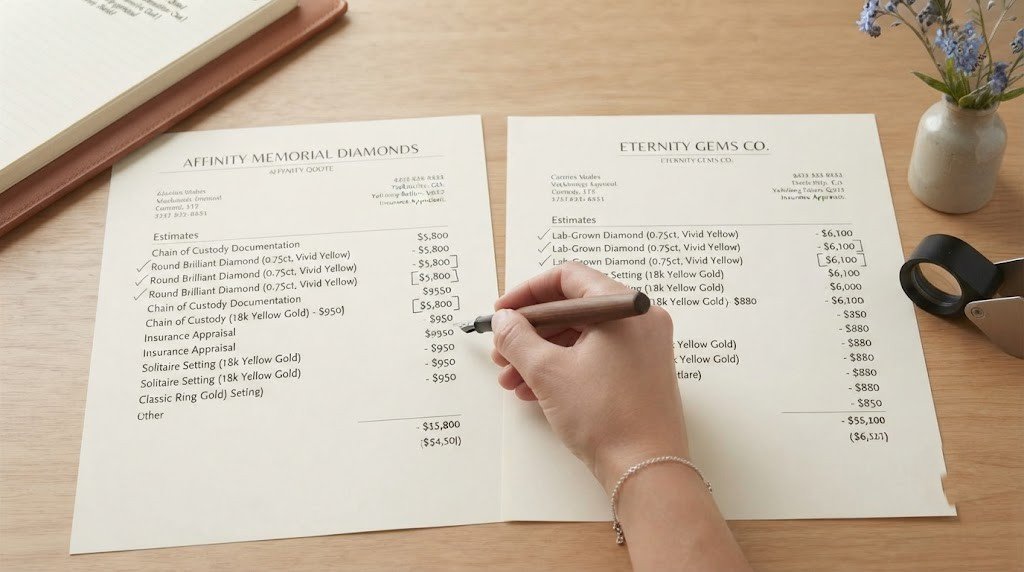
When you compare quotes, line these six items up side by side. A brother memorial diamond cost that looks low may leave out the grading report or the setting, while a higher figure may already include both. An itemized estimate is the clearest way to see what you are comparing. For inspiration on how a stone might be worn or displayed, browse these brother memorial diamond ideas for rings, pendants, and keepsakes.
Clarity for memorial stones typically lands between SI2 and VVS, and it is recorded on the grading report; ask each provider whether a clarity preference changes the quote. To understand how gemologists describe those grades, the GIA’s explanation of diamond quality factors lays out the 4Cs in plain language.
How Does Color Affect a Brother Memorial Diamond Cost?
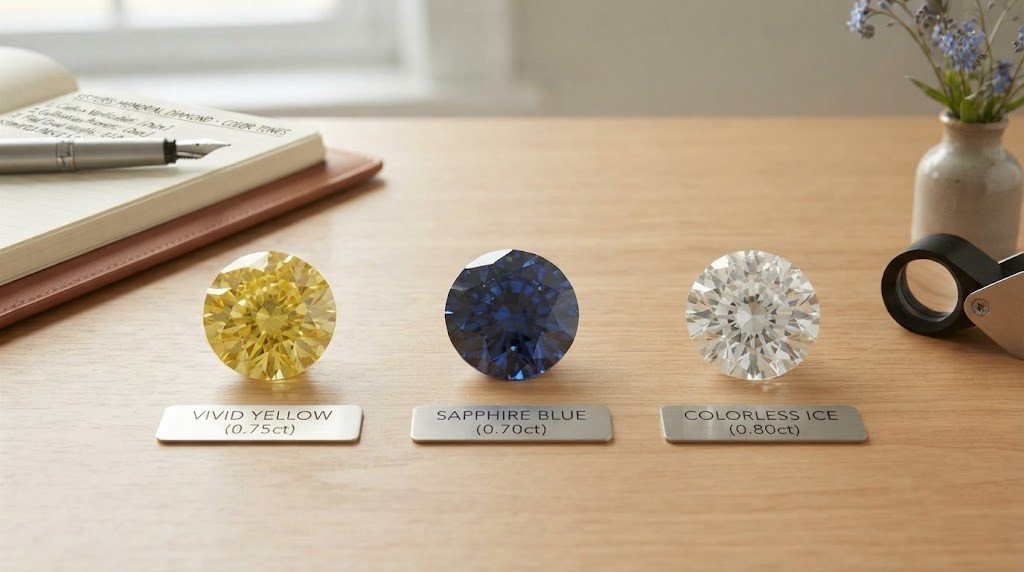
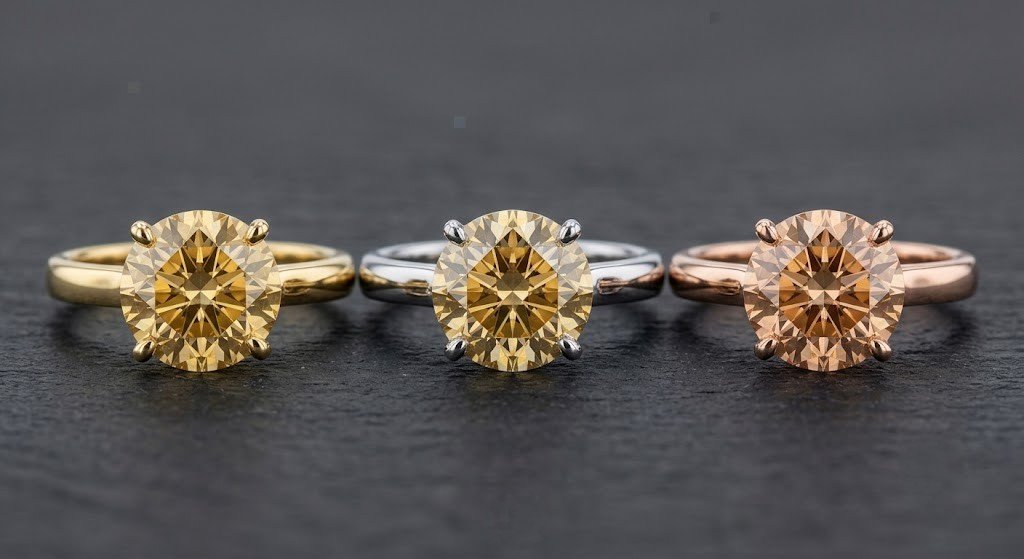
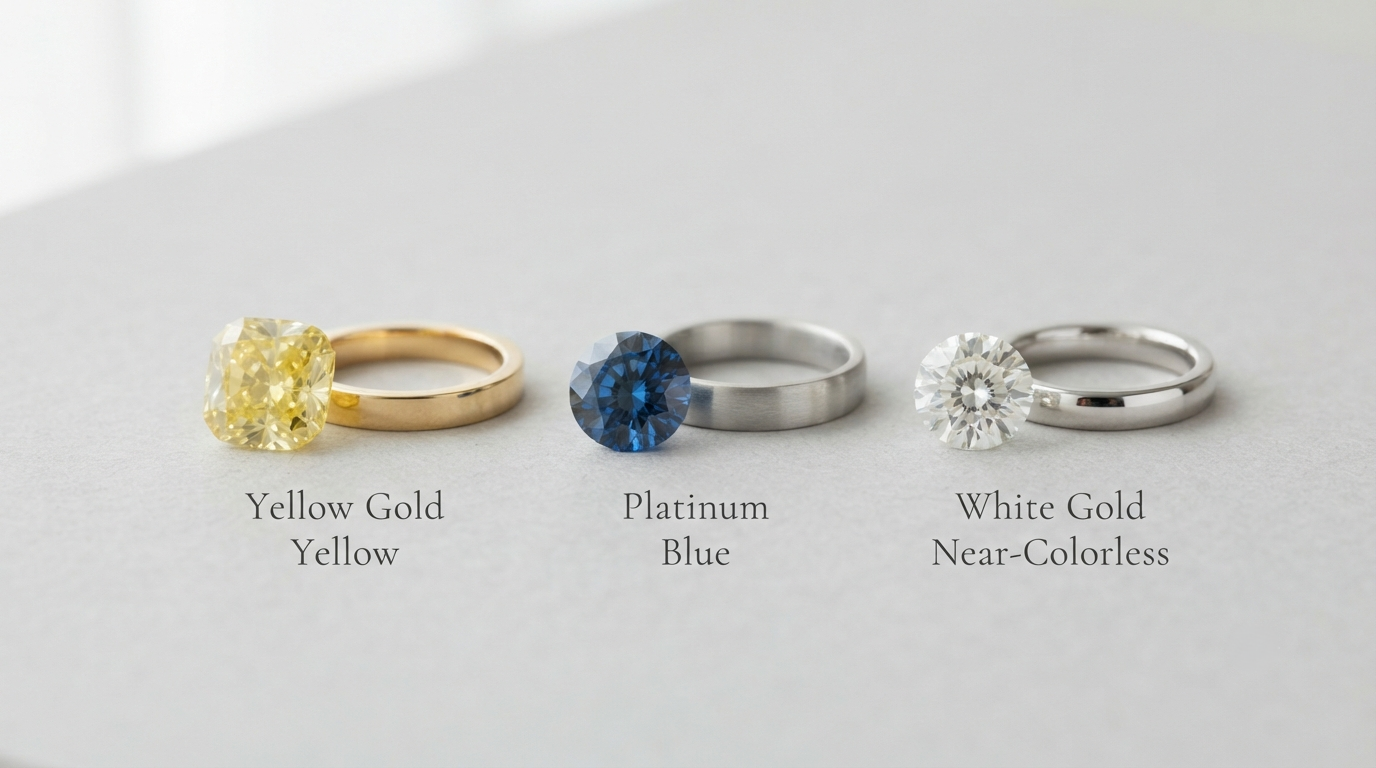
A diamond’s color comes from trace elements present while the crystal grows. Nitrogen tends to produce yellow, boron tends to produce blue, and a colorless stone requires both to be kept out. Because personal carbon comes from an organic source, those elements are common, which is why memorial diamonds naturally lean toward yellow, blue, and champagne tones.
Steering a stone toward colorless takes additional processing, and that work shows up on the invoice. In the mid tier especially, picking colorless over a warm or cool tone of the same size can move a brother memorial diamond cost toward the upper end of the 5,000–15,000 band. Some providers also offer post-growth irradiation for red, pink, green, or black stones, and specialty colors can carry their own pricing and a longer wait.
One honest caveat: the exact shade cannot be predicted from the source. Neither his ashes nor his hair reliably produces a lighter or more predictable color than the other, so ask any provider how color requests are handled and what happens if the finished tone differs from what you pictured. The post on what color a diamond made from his ashes might be goes deeper into the chemistry.
When shaping a brother memorial diamond cost, decide early whether colorless truly matters to you. If a champagne or blue stone feels just as right, that single choice can free up room for a setting, a grading report, or a second stone for someone else in the family.
Do Ashes, Hair, or Both Change a Brother Memorial Diamond Cost?
Published industry ranges are organized by carat, color, and add-ons rather than by source material, so the tiers above are quoted the same way whether you begin with his ashes, his hair, or a combination. Whether a particular provider charges differently for one material, or adds a fee for processing two materials together, varies from company to company. Rather than assuming either way, ask directly: does my choice of material change the brother memorial diamond cost you are quoting?
What genuinely differs is the material itself:
| Source | Carbon content | Typical amount requested | What is known about the finished stone |
|---|---|---|---|
| Ashes | Roughly 0.5–4% carbon by weight | A few tablespoons up to about 4 oz (about 100 g) | Ash-derived carbon typically makes up around 10–15% of the stone’s mass (some cite figures near 3%), blended with supplemental lab carbon |
| Hair | Roughly 50% carbon by weight | A small lock, often a few grams | No finished-stone percentage is published for hair; supplemental carbon is typically blended in |
| Ashes and hair together | Depends on the mix | Each provider sets its own request | No finished-stone percentage is published for blends; ask how the two are combined |
Because only a portion of either material is usually needed, the rest of his ashes can still be kept, scattered, or interred as planned. Several stones can often be grown from one source, which matters if more than one person hopes to wear something of him.
The finished diamond is never made entirely of him. A real, traceable portion of his carbon is grown into the crystal alongside lab carbon, and that holds at every price point, so a higher budget generally buys size, color, and finish rather than a larger share of your brother. For a fuller walk-through by material, see the complete guide to a brother ashes diamond, the brother hair diamond guide, or the guide to combining his ashes and hair.
What Hidden Extras Can Add to a Brother Memorial Diamond Cost?
Beyond the stone and its setting, smaller charges can quietly raise a brother memorial diamond cost later on. None are unusual, but they are easier to plan for when you know to ask. Before signing anything, consider working through questions like these with each provider:
- Is shipping his ashes or hair to the lab included, and what packaging or carrier rules apply?
- Is the independent grading report included, or is it an extra line?
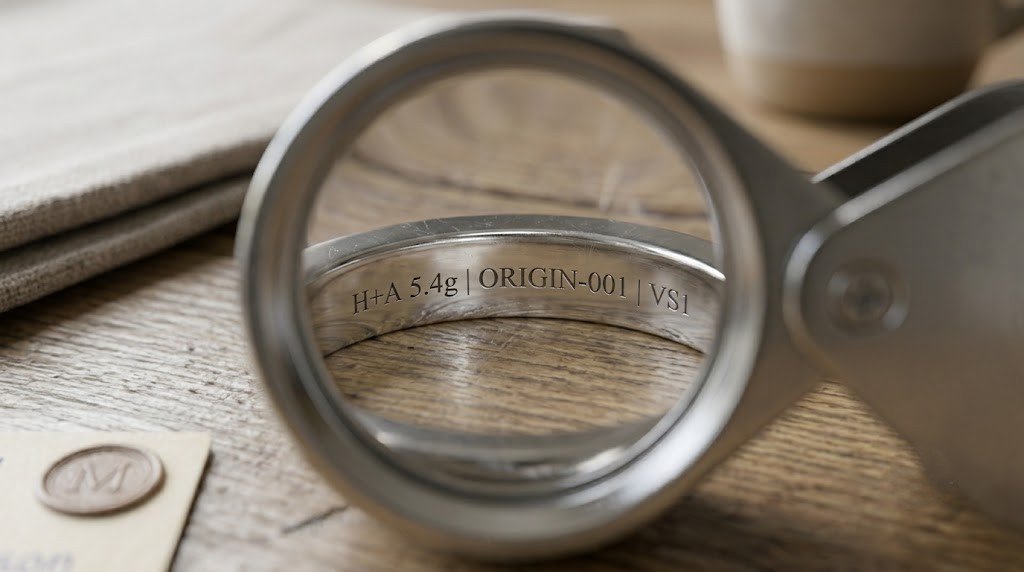
- Is the origin or authenticity certificate, the chain-of-custody document, included?
- Are engraving, a fancy cut, or color treatment priced separately?
- What happens, and what is charged, if a growth attempt does not succeed?
- Will unused ashes or hair be returned, and is there a fee for that?
- Is return shipping of the finished diamond insured, and who pays for it?
- If you later want a second stone from the same material, how is it priced, and is the material stored in the meantime?
Writing the answers in one place lets you compare an all-in brother memorial diamond cost rather than a headline number.
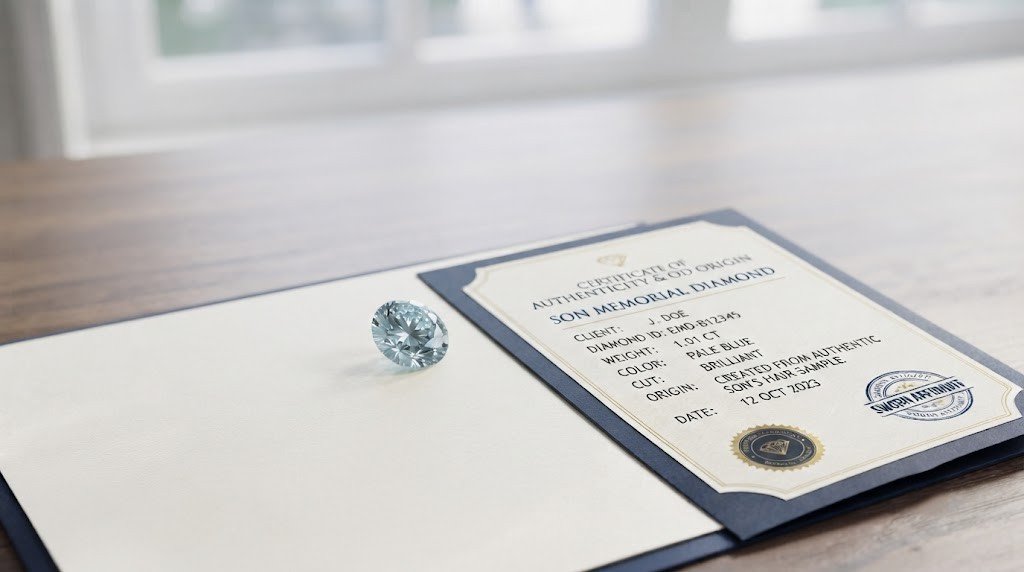
The two documents deserve a brief note. The origin certificate is normally produced by the provider itself and traces the stone back to your brother’s carbon. An independent grading report describes the diamond’s quality in standard 4Cs language. They answer different questions, and a quote that includes one does not necessarily include the other.
How Can Siblings Share a Brother Memorial Diamond Cost?
When more than one person loved him, it is natural to wonder whether the expense can be shared. No single arrangement is right; it depends on your family, your finances, and what each person hopes to keep.
A few possible arrangements:
- One shared stone. Several relatives contribute toward a single diamond that one person wears or that the family keeps together.
- Several smaller stones. Because one source can often yield more than one diamond, each person can choose an entry-tier stone in their own setting. Ask whether additional stones from the same material are priced differently.
- Uneven contributions. Some relatives may want to put in more, others less or nothing at all. Saying plainly that any amount is welcome, including none, keeps the gesture from turning into an obligation.
- One person pays, others help choose. One relative might cover the brother memorial diamond cost while others weigh in on color or setting.
Whatever you decide, putting the arrangement in writing (who pays what, who receives which stone, and who keeps the paperwork) is a kind thing to do for one another. It keeps attention on him rather than on the money.
If you are considering stones for several relatives, this explainer on splitting his ashes so several relatives each receive a diamond shows how dividing material usually works.
Who Should Agree Before Any Money Is Spent?
Before a deposit changes hands, it helps to know who holds authority to release his ashes or hair. A sibling often is not first in that line. Depending on the state, his spouse or partner, if he had one, his adult children, if any, or his parents may have the stronger claim, and choices he recorded himself before his death can change who decides. For the rules in the state involved, a local funeral director or attorney is the person to ask.

If someone else holds that authority, a respectful route is to ask them for a small portion of ashes, explain what you hope to create, and offer them a stone of their own if they would like one. Hair can be another path. A funeral home that trimmed a lock will usually hand it to the person with authority. A lock saved in a drawer or among his possessions may count as part of his estate, and states treat that differently, so confirm before you send anything to a lab.
Settling this first also protects the brother memorial diamond cost you have planned around. A deposit paid before everyone agrees can be awkward to unwind.
How Can You Plan for a Brother Memorial Diamond Cost Without Pressure?
There is no deadline on remembering someone, and a reputable provider should never make you feel otherwise. Taking time to decide, changing your mind about size, or starting smaller than you first imagined are all reasonable.
A gentle way to build a budget:
- Start from a number that feels comfortable, not from the stone you think you are supposed to want. An entry-tier diamond is a complete, real memorial on its own.
- Choose your priority. If size matters most, a champagne or blue stone may stretch further. If colorless matters most, a smaller carat may keep the total steady.
- Request two or three itemized quotes for the same size, color, cut, grading, and setting, so each estimate of the brother memorial diamond cost is truly comparable.
- Add a cushion for shipping, insurance on the finished piece, and any setting changes.
- Pause before paying. Sleep on it, talk it through with the people involved, and move forward only when it feels settled.
Be wary of pressure tactics, such as grief-timed discounts or language suggesting a bigger stone means more love. Neither reflects how much he mattered. The right brother memorial diamond cost is the one you can carry without strain.
Timing shapes planning, too. The process typically takes 6 to 10 months, and up to about 12 for stones over roughly 2 carats or specialty colors, so ask each provider whether payment is due upfront, in stages, or on completion. The post on the brother memorial diamond timeline explains what shapes that wait.
Can Financing or Insurance Help With a Brother Memorial Diamond Cost?
Some jewelry sellers offer payment plans, and some families look at personal loans or credit options to spread a brother memorial diamond cost over time. Terms, interest, and eligibility vary widely and depend on your own financial picture, so a financial advisor or your bank, not a jewelry company, is the right person to help you weigh whether borrowing makes sense.
Once the diamond exists, you may want to add it to a homeowners or renters policy, or to a dedicated jewelry policy, particularly if it will be worn every day. Coverage, appraisal requirements, and premiums differ by insurer and by state, and an insurance agent can tell you what applies. A diamond rates 10 on the Mohs scale, yet a hard knock can still chip it, which is one reason owners may choose to insure a stone whose meaning cannot be replaced.
Questions about tax treatment, such as whether any part of a memorial purchase could be deducted, belong with an accountant. Personal purchases like this generally are not deductible, but the specifics depend on your circumstances and where you live.
Frequently Asked Questions
Is a brother memorial diamond cost the same for ashes and hair?
Industry price ranges are organized by carat, color, and add-ons rather than by source, so the same tiers generally apply. Some providers may price ashes, hair, or a combined submission differently, so ask each one whether your material choice changes the quote.
What is the most affordable way to make a memorial diamond for my brother?
An entry-tier stone of about 0.10 to 0.25 carat in a natural yellow, blue, or champagne tone, with a classic round cut, typically sits at the lowest end of the market, roughly $1,500 to $3,500 before any setting or grading report.
Why are colorless memorial diamonds more expensive?
Colorless stones need extra processing to keep nitrogen and boron out during growth, since those trace elements cause yellow and blue tones. That added work is why colorless usually costs more than other colors at the same carat weight.
Can several siblings split the brother memorial diamond cost?
Yes. Families arrange this in different ways, from pooling money for one stone to each person choosing a smaller diamond grown from the same material. Writing down who pays what and who receives which stone helps everyone feel clear and respected.
Does sending more ashes or hair make a bigger diamond?
No. A stone’s carat weight reflects the time it spends growing under pressure, and the volume of material supplied does not change that. Sending extra ashes or hair will not by itself enlarge the stone or lower the brother memorial diamond cost.
Should I insure my brother’s memorial diamond?
It is worth considering, especially for a stone worn daily. A diamond rates 10 on the Mohs scale but can still chip with a hard knock. An insurance agent can explain coverage, appraisal needs, and premiums where you live.
Final Thoughts on What a Brother Memorial Diamond Costs
Money is an uncomfortable subject while you are missing someone, and no figure measures what your brother meant. What these ranges can do is help you choose with open eyes: knowing what drives a brother memorial diamond cost, which questions to raise, and how to share the decision with the people who loved him too. A small stone chosen calmly can mean every bit as much as a large one.
Learn More About Planning the Budget
- Brother ashes diamond: the complete guide how ashes become a diamond, start to finish
- Brother hair diamond: the complete guide what a lock of his hair can become
- How long a brother memorial diamond takes the typical wait and what shapes it
- Ideas for rings, pendants, and keepsakes settings for every style
- Sharing a diamond from his ashes among family when several relatives want a stone
Talk With Memorial Diamond
If you would like to talk through sizes, colors, and what a sensible budget might look like for your brother, reach out to Memorial Diamond at memorialdiamond.us. There is no rush, and asking questions does not commit you to anything.
Word count: 3,261 words · Reading time: about 16 minutes