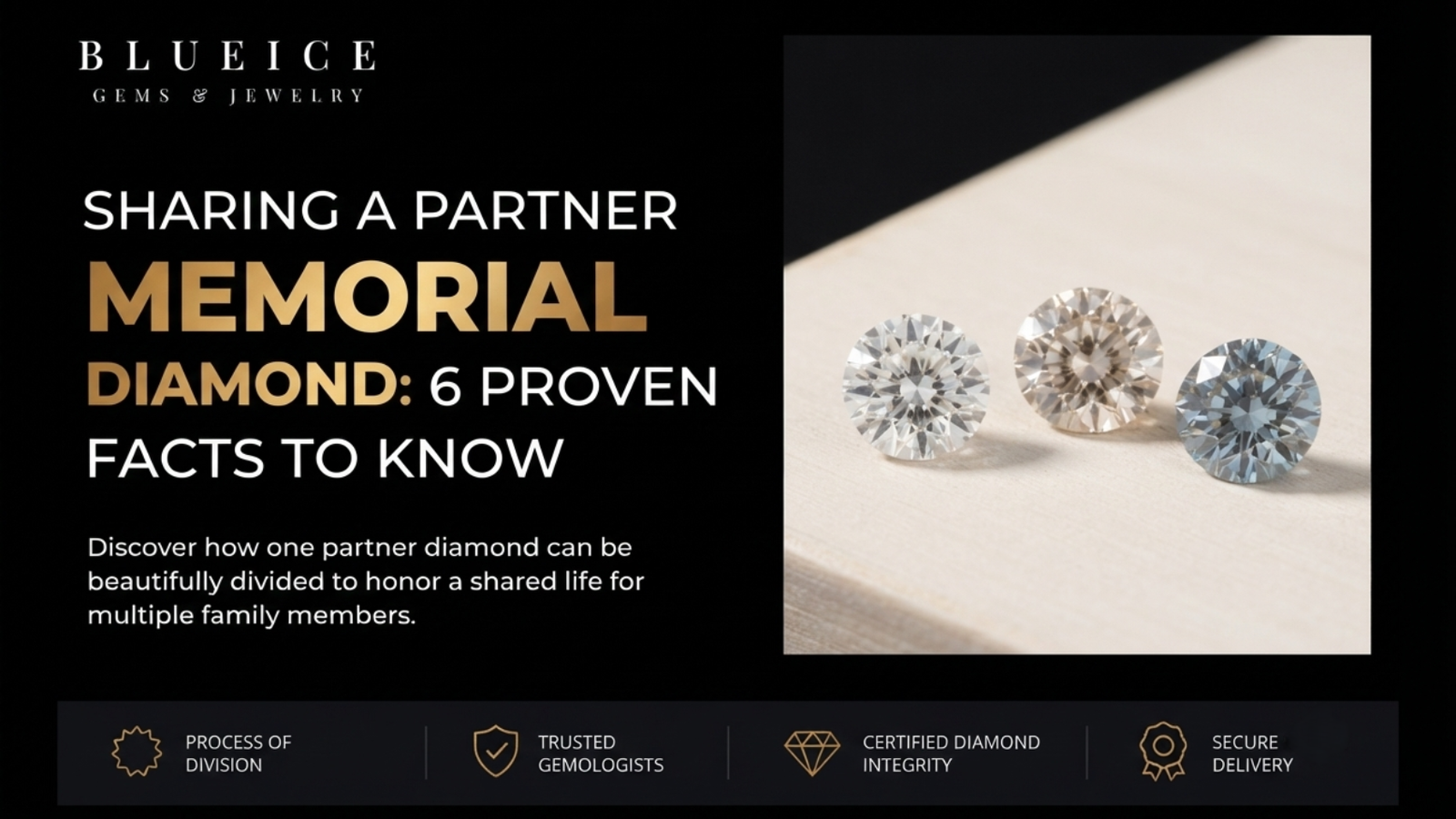
Her sister mentioned it lightly at the table, the way people raise things they have already been turning over for weeks.
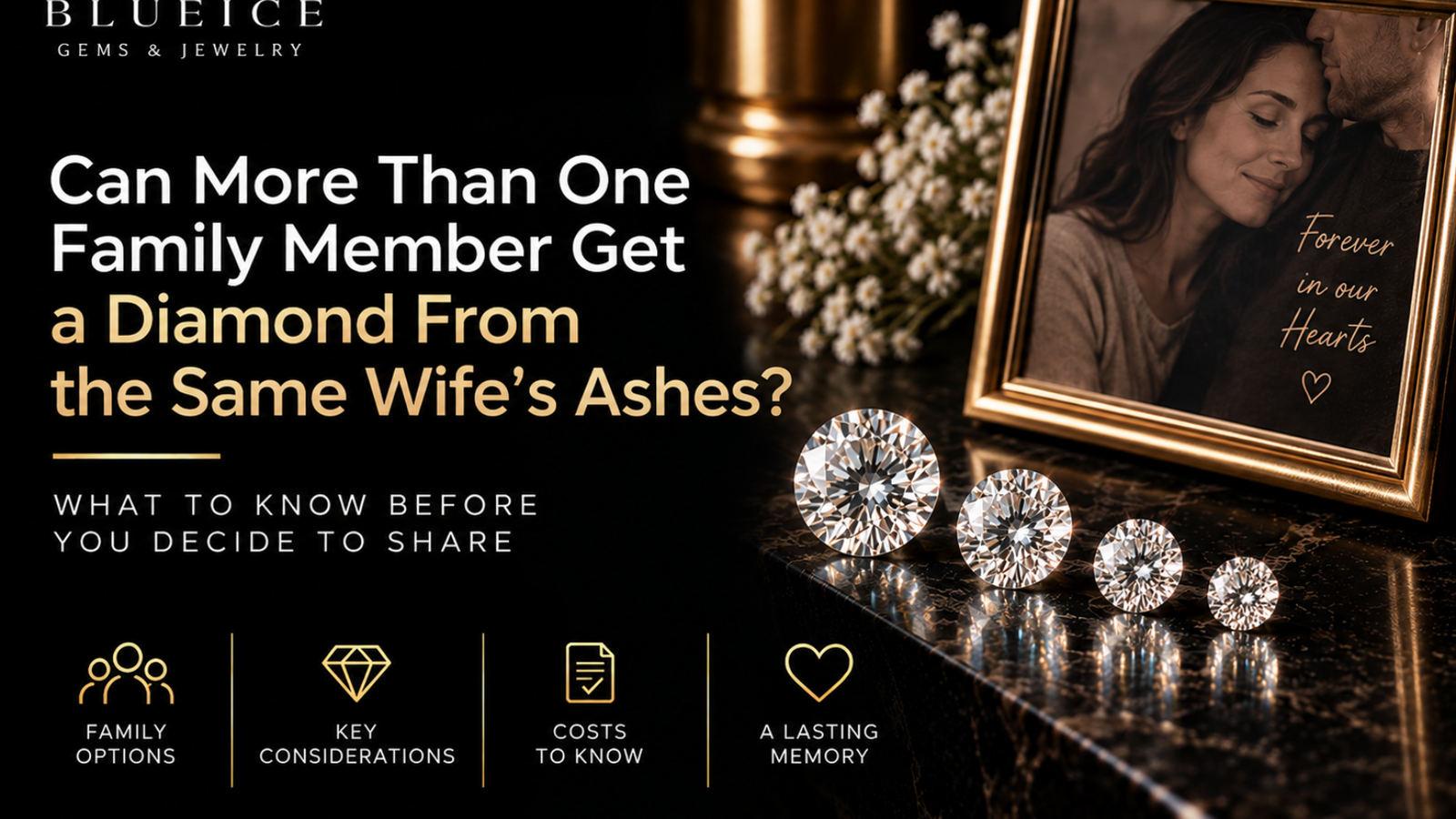
Yes. Sharing a wife memorial diamond across a family is usually possible, because a stone is grown from a portion of the ashes rather than all of them. The harder part is that sharing a wife memorial diamond is a single decision, made once, and then lived with by everyone it touches. Settling it together before any material leaves the house is far easier than reopening it afterward.
Worth saying before the rest: Memorial Diamond grows memorial diamonds and earns money when families order them, so a page telling you that sharing a wife memorial diamond is possible has an obvious stake in the answer. Read the parts about waiting and declining with that in mind.
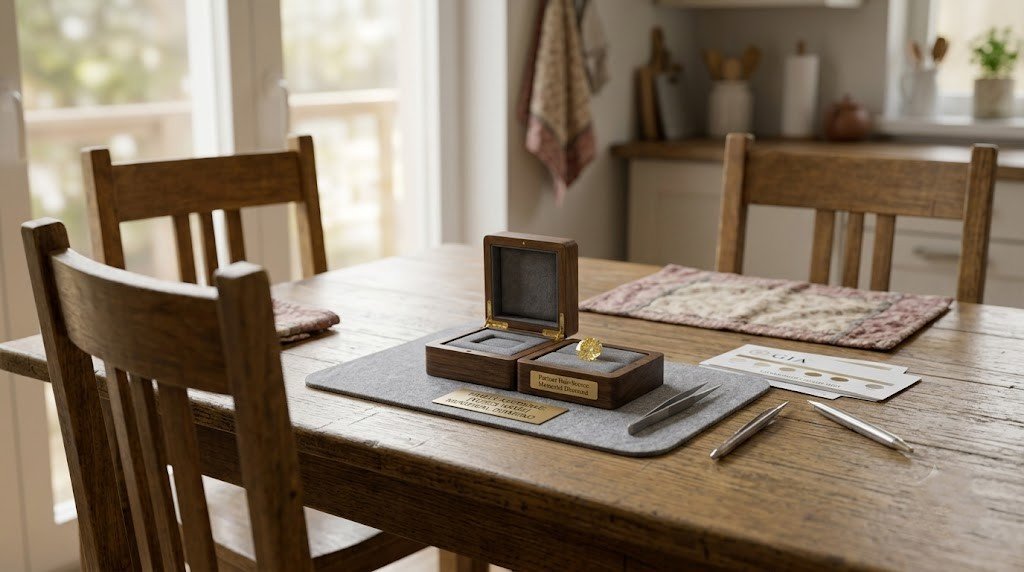
Table of Contents
Can More Than One Stone Come From the Same Ashes?
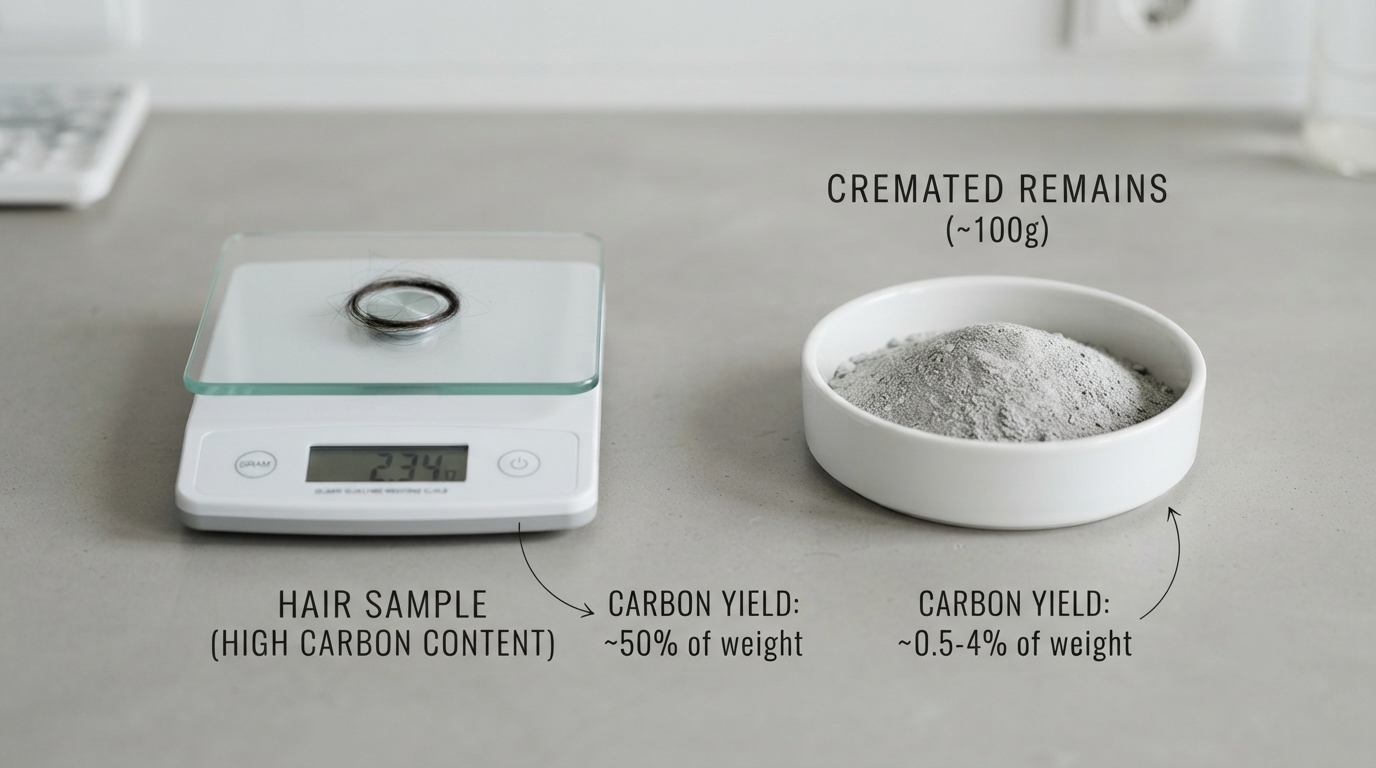
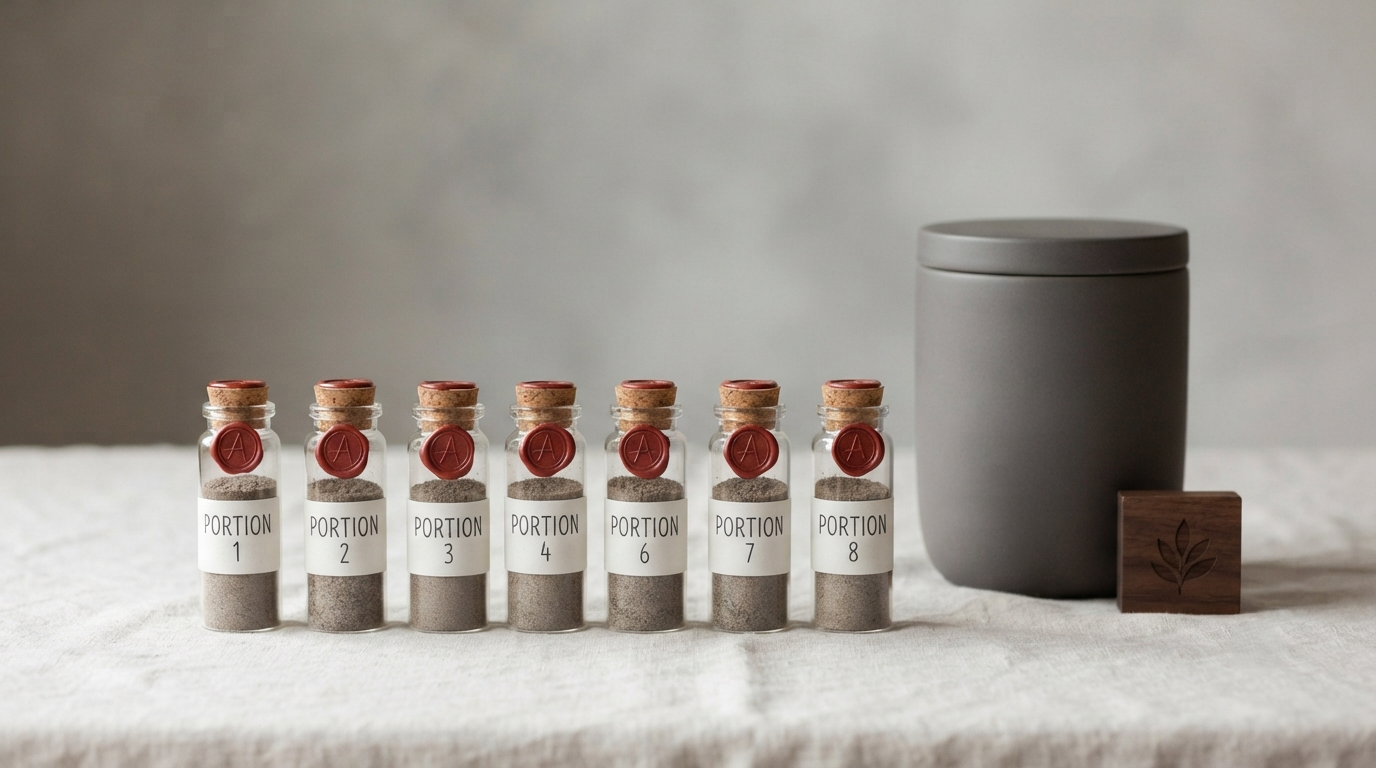
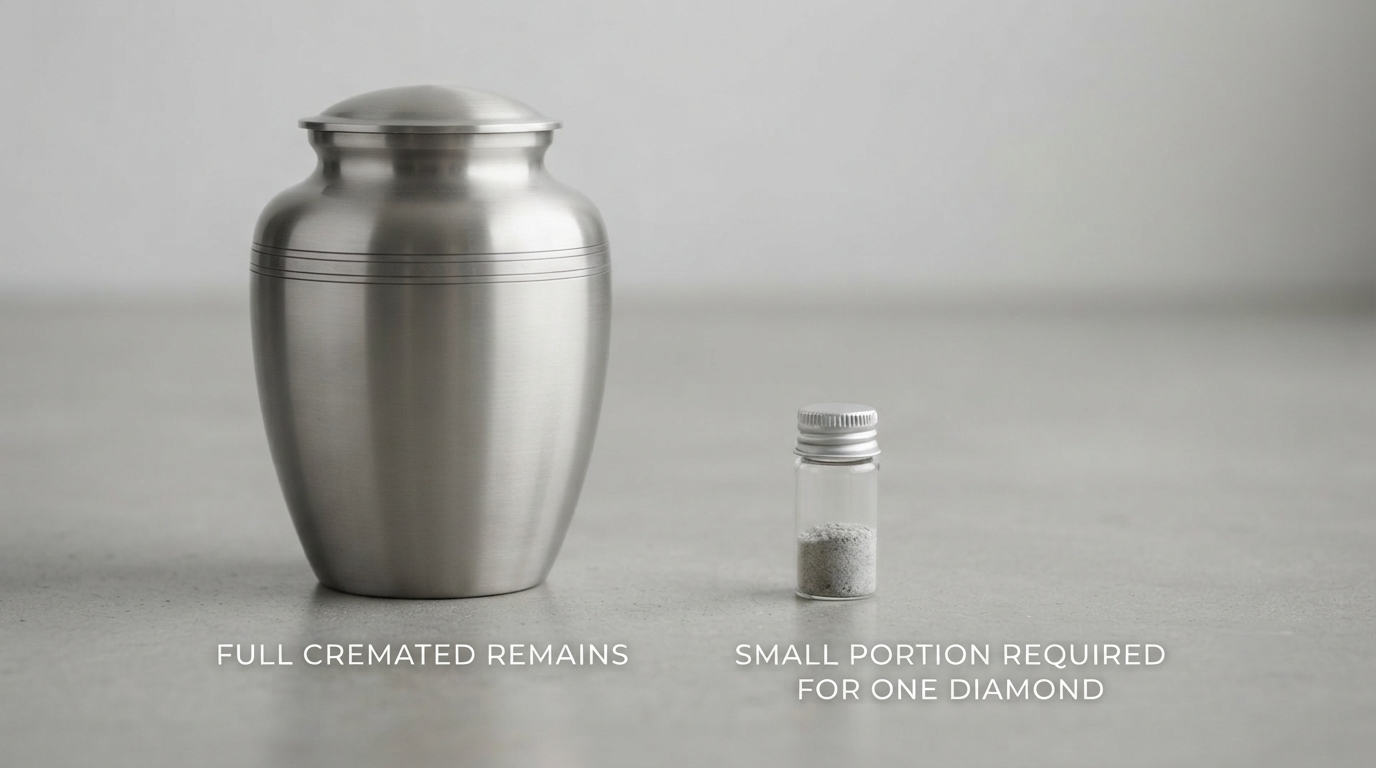
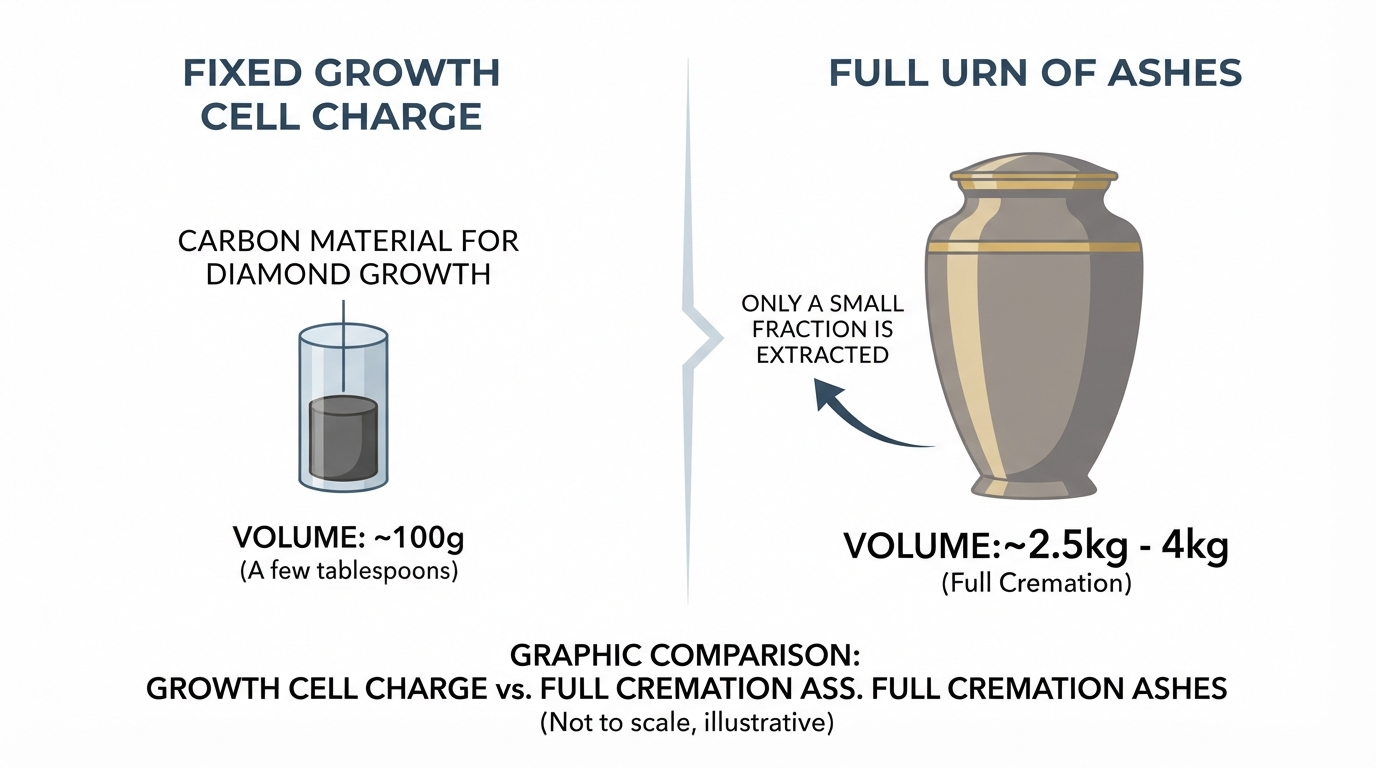
Usually, yes, and the reason sharing a wife memorial diamond works at all is arithmetic rather than generosity. A memorial diamond is grown from a fraction of what a cremation produces. Industry wide, a single order works from somewhere between a few tablespoons and roughly four ounces, about 100 grams, which is a small share of a full set of cremated remains.
That leaves room. Sharing a wife memorial diamond between two people is a very different proposition from sharing one between five, and whether the material stretches that far depends on how much you actually hold, the carat each person wants, and what a specific company states as its own minimum. Those last two belong to the company rather than your kitchen table, and how much ash one stone actually needs sets out the arithmetic properly.
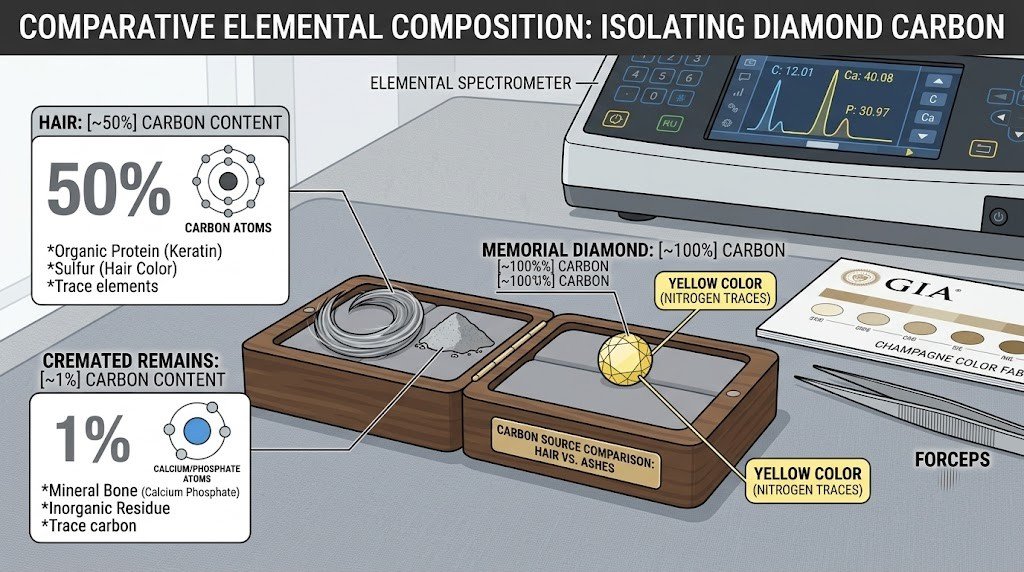
One fact matters more when several people are involved than it does for a single order, so it belongs near the top. No stone in a shared group is made only of her. The carbon recoverable from ashes is small, roughly 0.5% to 4% of ash by weight, because cremated remains are mostly calcium phosphate, so what is extracted is purified to around 99.9% carbon and then brought up to the volume a growth cell needs with lab grown carbon. Every stone in the group is the same kind of mixture, which is what sharing a wife memorial diamond actually distributes: the same blend, several times over. None is more her than another, and nobody is getting a lesser version.
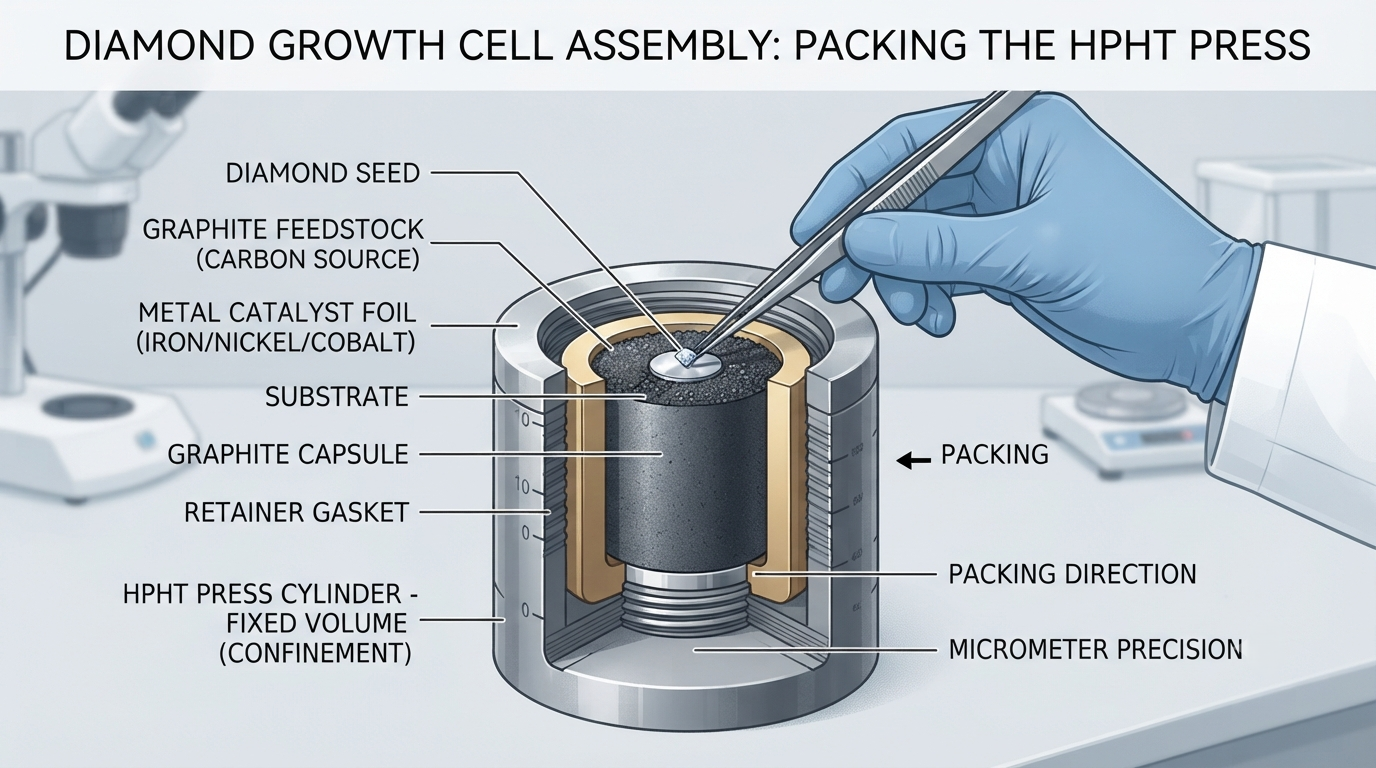
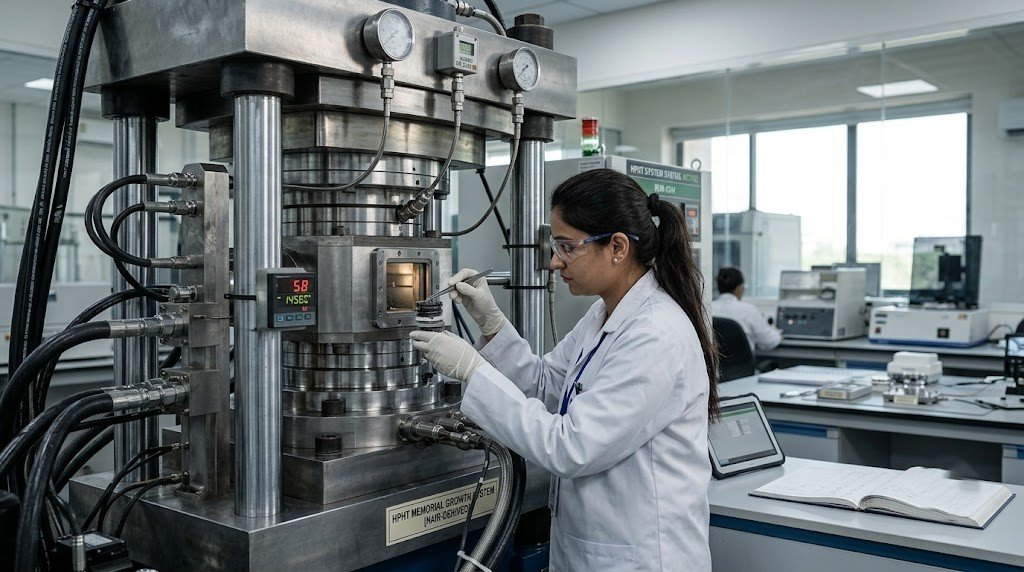
That is worth saying out loud early, because an unspoken ranking can sour a group order months later. The growth itself is an HPHT process run at roughly 6 to 8 GPa and 1,400 to 2,500°C around a diamond seed, identical in kind for every stone in the set, which is the technical reason sharing a wife memorial diamond dilutes nobody’s.
Why Sharing a Wife Memorial Diamond Is One Decision, Not Several
Here is the thing the possibility question hides. Sharing a wife memorial diamond is not a series of separate orders that happen to use the same source. It is one decision about how much of her is used, taken once, that then binds several people for as long as the stones exist.
Three things make sharing a wife memorial diamond a single decision rather than several.
The material is finite and shared. Sharing a wife memorial diamond draws every stone from one pool, so each one reduces what is left for the next request and for whatever else was planned. The second order is not independent of the first; it is made out of what the first one did not use.
The step that uses the material cannot be undone. Sharing a wife memorial diamond passes through one irreversible moment, and this is it. Once a portion has been purified and graphitized, it is carbon on its way into a crystal. It is not ash any more, and it cannot be returned to the urn.
Everyone learns about it at once, or they do not. Sharing a wife memorial diamond tends to be discovered rather than announced. Someone hears about the stones second hand, and the thing they react to is not the diamond but the fact that a decision about her was taken without them.
None of that argues against sharing a wife memorial diamond. It argues for doing the talking in the right order, before material is portioned, rather than after stones are on the way. A conversation held in advance is about what to do. The same conversation held afterward is about what was already done, which is a different and much harder conversation.
Who Decides, and Who Is Only Told?
Two separate questions live inside this one, and mixing them is what turns sharing a wife memorial diamond from a manageable afternoon into a standoff.
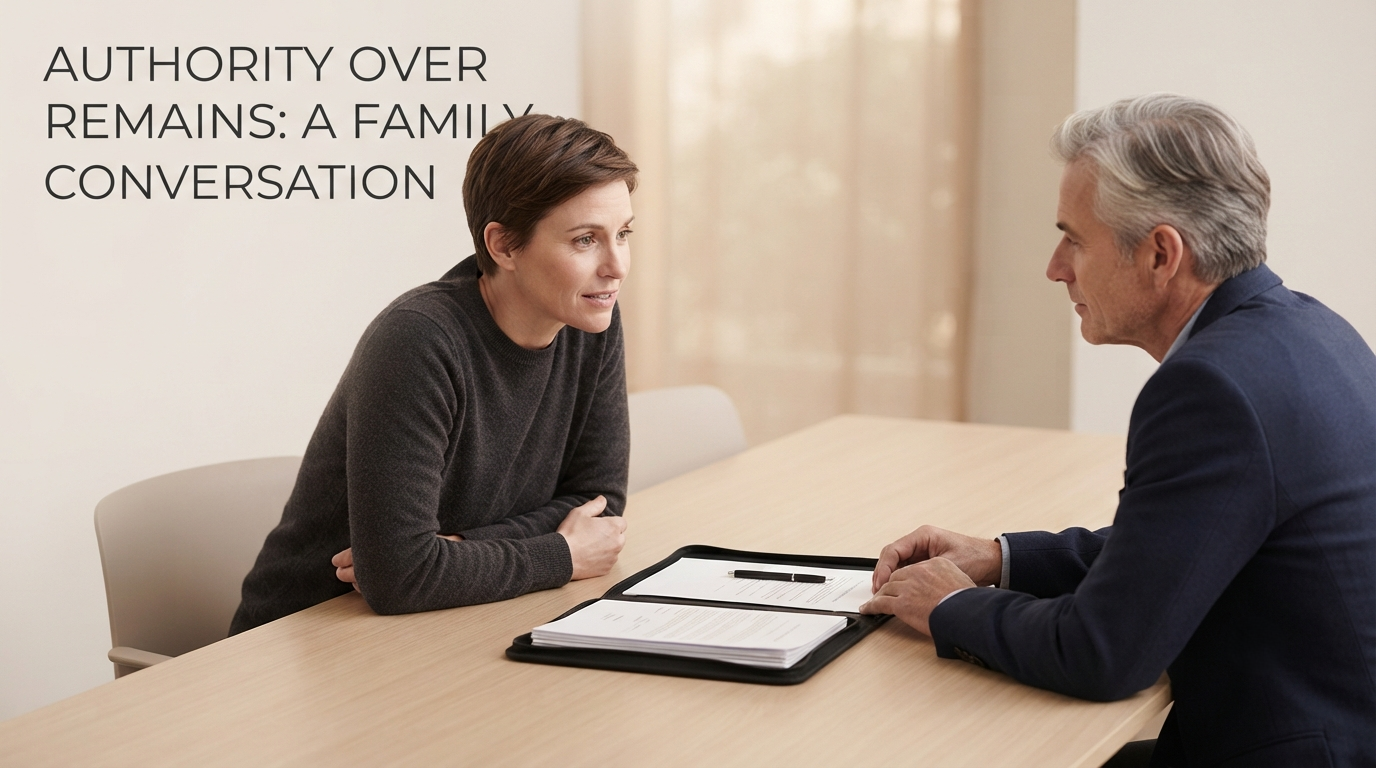
The first is legal standing. Nothing at the federal level settles it. Who may direct what happens to cremated remains is a matter of state law, and state statutes do not agree with one another about who ranks where. On top of that, her own written wishes, a form signed at the crematory, an agent she nominated, a line in the will, can outrank the statutory order entirely. Nothing in the paragraph you just read describes your state, and where a real decision about sharing a wife memorial diamond rests on it, the funeral home or an estate attorney where you live is the person to confirm it with.
The second is social standing, and it is the one that actually governs how sharing a wife memorial diamond goes in practice, whatever the statute says. Her children, her parents, her siblings, a friend who knew her longer than anyone else in the room, some of these people have no legal say at all and every reason to expect a conversation.
Before you say a word to anyone about sharing a wife memorial diamond, it helps to decide deliberately which of three categories each person is in:
- People who decide with you. Usually a very small group, sometimes only you. These are the people whose objection would actually stop the order.
- People who are asked. They get a genuine say in the shape of it, how many stones, who is included, without holding a veto.
- People who are told. They hear what is happening, early enough that it is news rather than a discovery, and are not being asked to approve it.
Writing those three lists down before the first phone call is unglamorous, and it prevents most of the trouble that sharing a wife memorial diamond can otherwise generate. The frequent complaint after a family decision about remains is not that someone was overruled; it is that they found out late and could not tell which list they had been on. How to raise it with her family goes into the conversation itself.
What Happens to the Rest of Her Ashes?
This question belongs inside the decision about sharing a wife memorial diamond, not after it, because the remainder is what everyone who did not order a stone is left with.
Sharing a wife memorial diamond uses more material than a single order does, but it does not usually use everything. The rest can still be interred, scattered somewhere she chose, kept in the urn exactly where it has been, or divided into keepsakes. Keeping an urn is a complete and finished answer in its own right, and so is a scattering that was already planned; neither becomes a lesser choice because someone in the family is having a stone made.
What sharing a wife memorial diamond does change is that the remainder now belongs to a group conversation rather than to one person’s plan. Three things are worth settling in the same sitting as the stones:
- How much is being used in total, across every stone in the order, not just yours.
- What the remainder is for, and whether that was something she asked for or something the family decided.
- Who physically holds the remainder afterward, and where it will be.
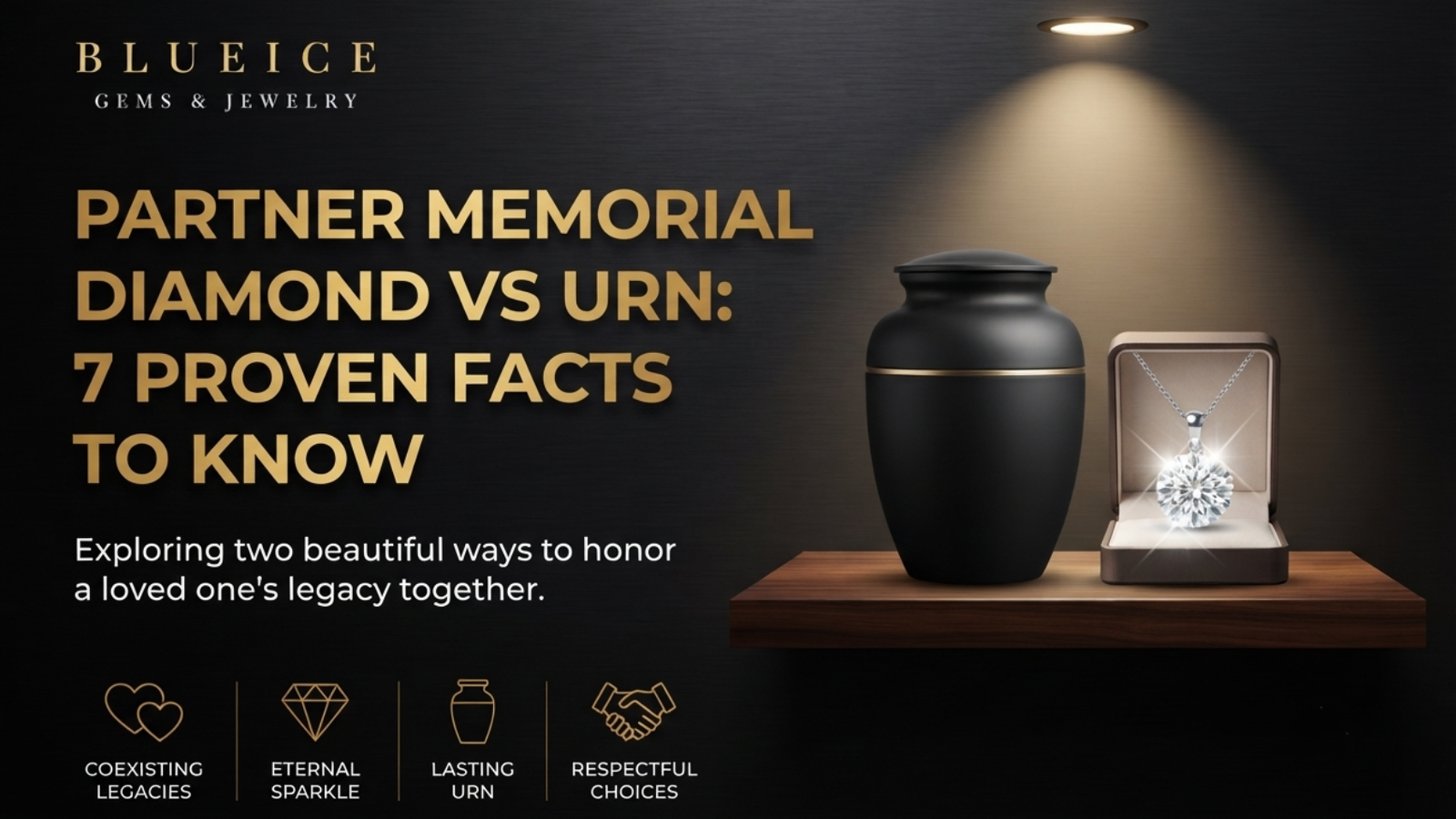
Getting that last one wrong is a surprisingly common source of friction, and it has nothing to do with sharing a wife memorial diamond in itself. A family agrees warmly about diamonds and never discusses who ends up with the urn, and the urn is the part that sits in someone’s house for thirty years. How an urn and a memorial diamond compare is worth reading by whoever is going to keep it.
When One Person Wants a Stone and Another Finds the Idea Painful
This is the situation that most often stops sharing a wife memorial diamond halfway, and it usually is not a disagreement about facts. Someone has heard how it works and still cannot make peace with it.
Declining a share in a wife memorial diamond is a legitimate position, and it needs no argument behind it. A person can find the whole idea distressing, or wrong for reasons they cannot articulate, or simply not want a piece of jewelry to be the thing they carry, and none of that is a misunderstanding waiting to be corrected. Trying to talk somebody out of it tends to convert a private discomfort into a public fight.
A few things genuinely help when sharing a wife memorial diamond runs into that, and none of them is persuasion.
Separate the two questions. “Do you want one?” and “do you object to me having one?” are different questions with different answers, and people often answer the first when they were asked the second. Ask them separately and in that order.
Offer something that is not a stone. A portion of ashes to keep, a piece of her jewelry, a photograph, being present when a stone arrives. Sharing a wife memorial diamond is one way for a family to divide what remains, and it is not the only one; someone who declines a stone may want something else entirely.
Leave the door open without leaning on it. “Nothing about this is final for you. If you feel differently in a year, tell me” is true and costs nothing. It also quietly removes the pressure to decide today.
Do not make the objection carry the whole decision. One person’s discomfort about sharing a wife memorial diamond is a reason to slow down and to be careful about how the news travels. It is not automatically a veto, unless you have decided it is.
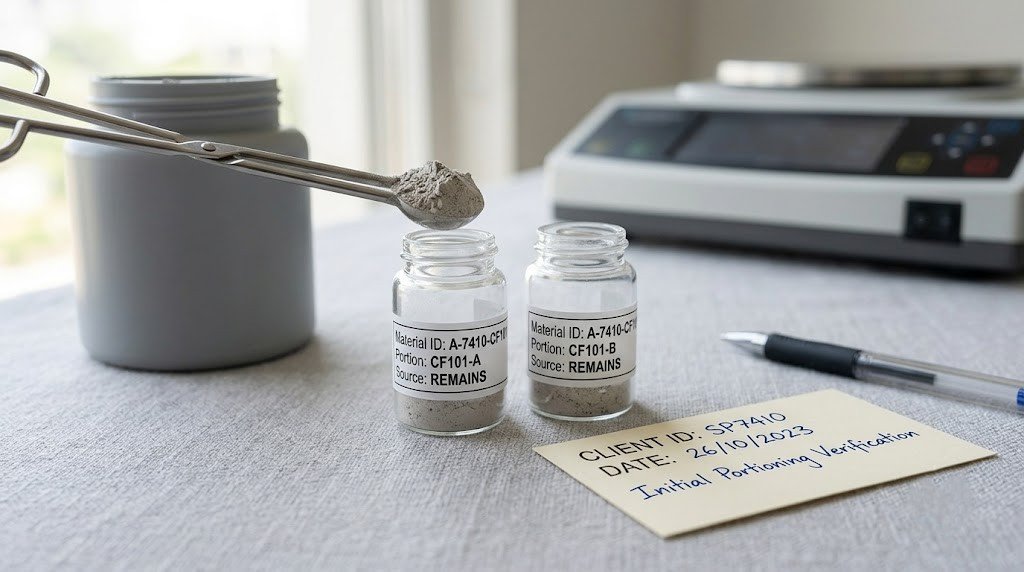
Where a family genuinely cannot agree about sharing a wife memorial diamond, the smallest useful step is to separate and label a portion of ashes and change nothing else. That commits no one, costs almost nothing, and keeps every option available while people move at different speeds.
Five Steps to Settle Before Anyone Sends Anything
These are the five things worth agreeing on before a single portion is measured out for sharing a wife memorial diamond. They take an afternoon, and they are far cheaper to do now than to unpick later.
- Agree who is in the group, by name. Not “the children” or “her side of the family”, a list of people. Sharing a wife memorial diamond breaks down most often over someone who assumed they were included and was not named.
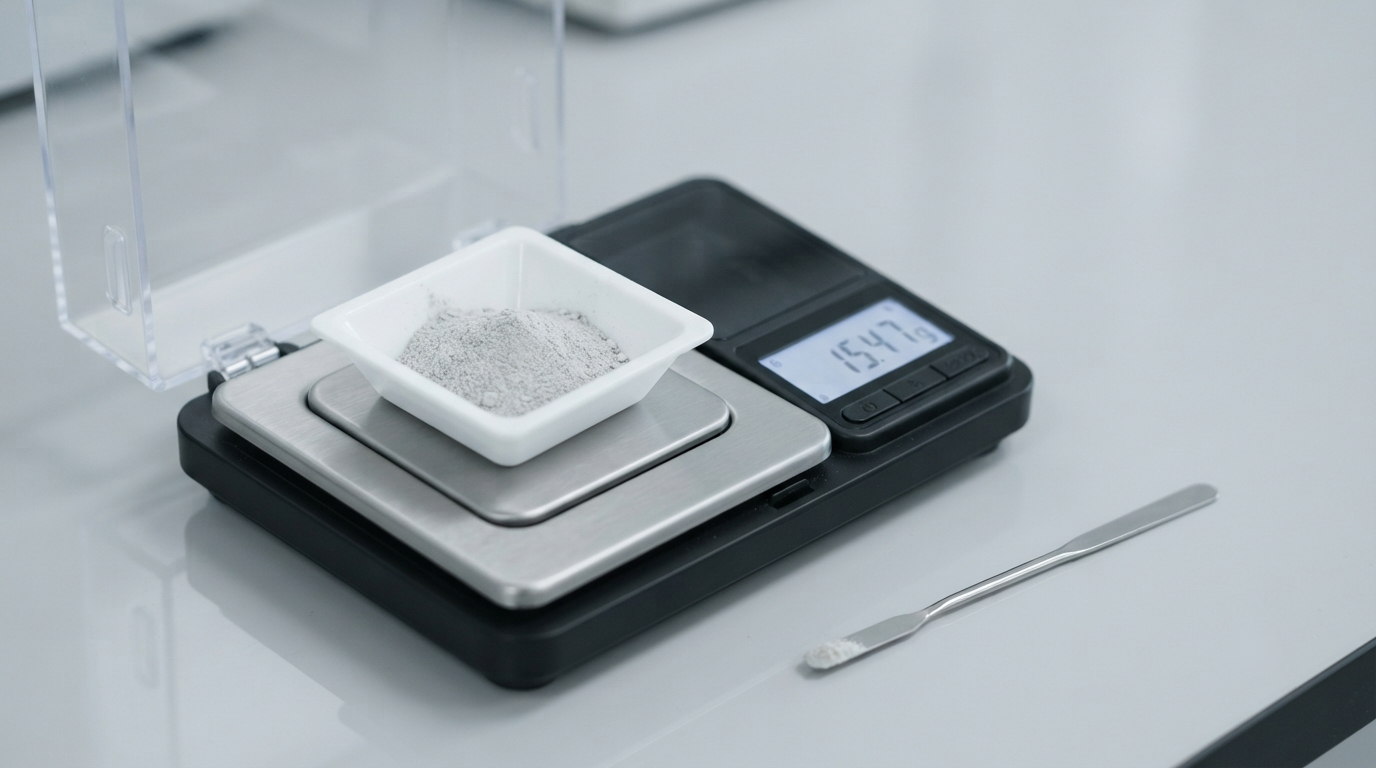
- Agree the total amount of ashes the whole order will use, and confirm it against what you actually hold rather than what you think you hold. Weigh or measure it before anyone commits to a stone size.
- Agree what the remainder is for, and who will keep it once the wife memorial diamond order is placed. Write it down. This is the part everyone remembers differently a year later.
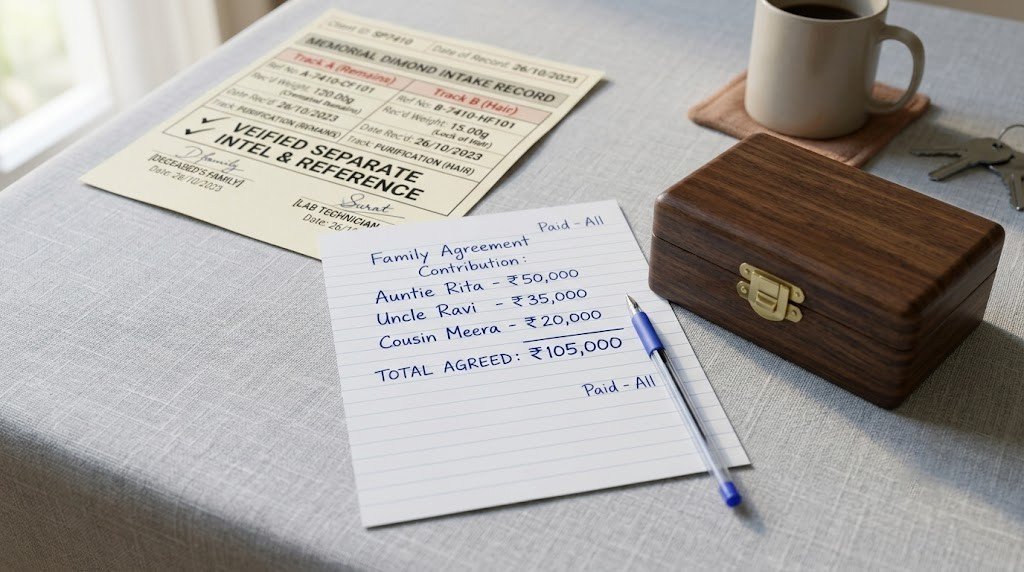
- Agree who pays for what. Each stone is its own order, quoted and paid for separately, and what a wife memorial diamond costs varies sharply by carat and color. A shared source does not mean a shared bill, and assuming otherwise causes real resentment.
- Agree what happens if someone joins late or drops out, before it happens. Whether a placed order can be amended is a question to put to the company directly, not something to assume. Ask it during step five rather than during a crisis.
Do those five and sharing a wife memorial diamond becomes an administrative exercise rather than a negotiation. Skip them and every later question, colors that do not match, who pays the setting cost, who was told when, arrives without an agreed answer behind it.
What Reopening the Decision Costs Later
The reason to settle all of this in one sitting is that the parts of sharing a wife memorial diamond do not reopen equally. Some can be revisited at any point for nothing; others cannot be revisited at all.
| The decision | When it has to be settled | Who it binds | What reopening it costs later |
|---|---|---|---|
| Who is in the group | Before material is portioned | Everyone, including the people not on the list | Little in money, a great deal socially. A late addition is usually experienced as having been left out |
| Total ashes used across all stones | Before anything is sent | Everyone who wanted a portion of the remainder | Not reversible. Material used is gone from the urn permanently |
| What the remainder is for | Before an interment or scattering is scheduled | Whoever holds it afterward | Reversible until a scattering or interment goes ahead. After that, not at all |
| Carat and color of each wife memorial diamond | Before growth begins for that stone | Only the person ordering that stone | Depends entirely on the company and how far the work has traveled. A question to ask, never to assume |
| Who pays for what | Before any order is placed | Everyone in the group | Cheap to change on paper, expensive in goodwill once someone has already paid |
| Who is simply told | Ideally before the order, not after | The person told | Free, and it is the single most common regret. Telling someone late is the thing families say they would do differently |
Read the last column rather than the first. Sharing a wife memorial diamond is administratively manageable because only two rows are genuinely irreversible, and both of them are about material rather than about people.
Frequently Asked Questions
Can two family members each get a diamond from the same wife’s ashes?
Usually, yes. One stone uses only a portion of a cremation’s ashes, so the same remains can often supply more than one. How many depends on the quantity you hold, the carat sizes chosen, and each company’s stated minimum.
Does sharing a wife memorial diamond mean each stone contains less of her?
Not in any meaningful sense. Every stone, shared or not, is grown from purified personal carbon combined with lab grown carbon to reach a workable volume. The proportions are similar across the group, so no stone in a shared order is more her than another.
Will diamonds grown from the same ashes match each other?
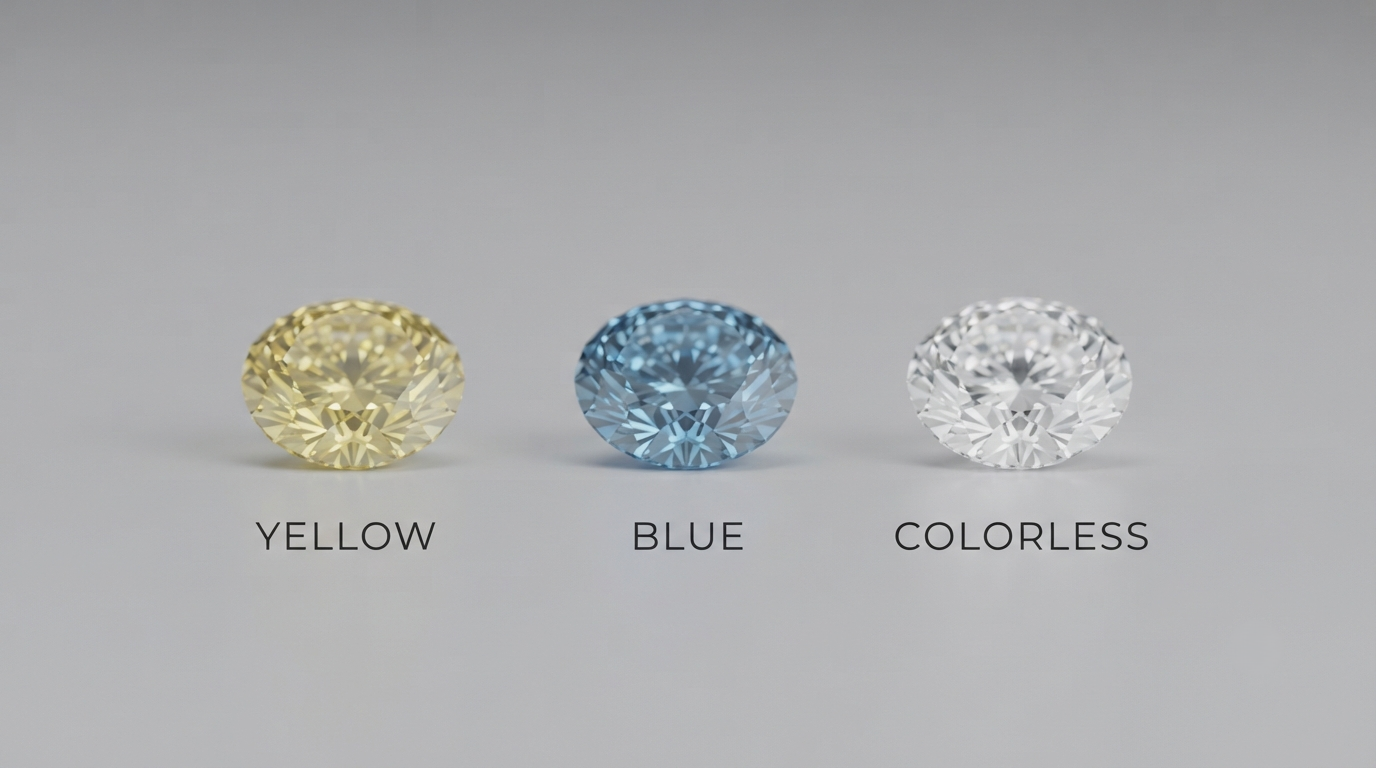
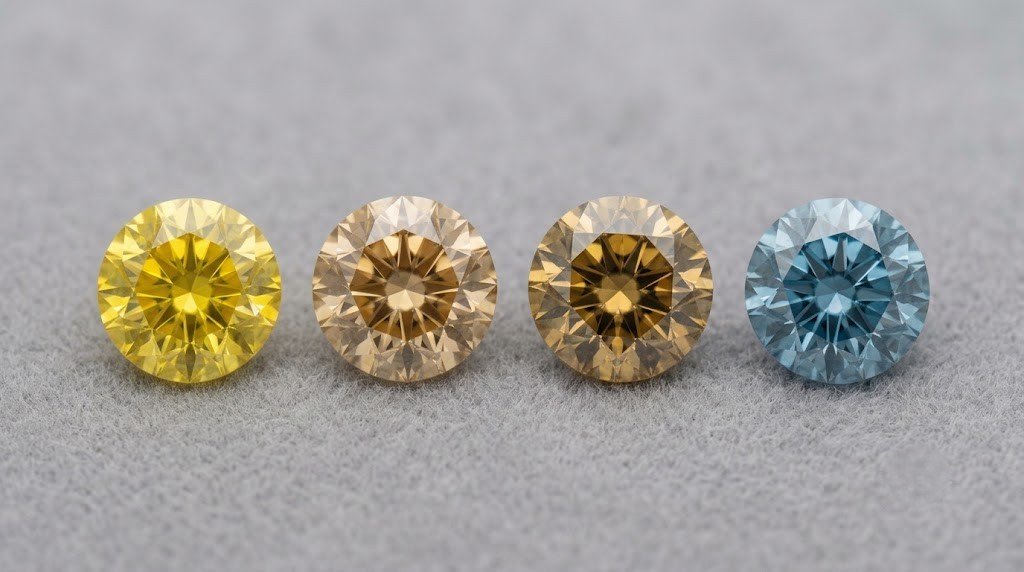
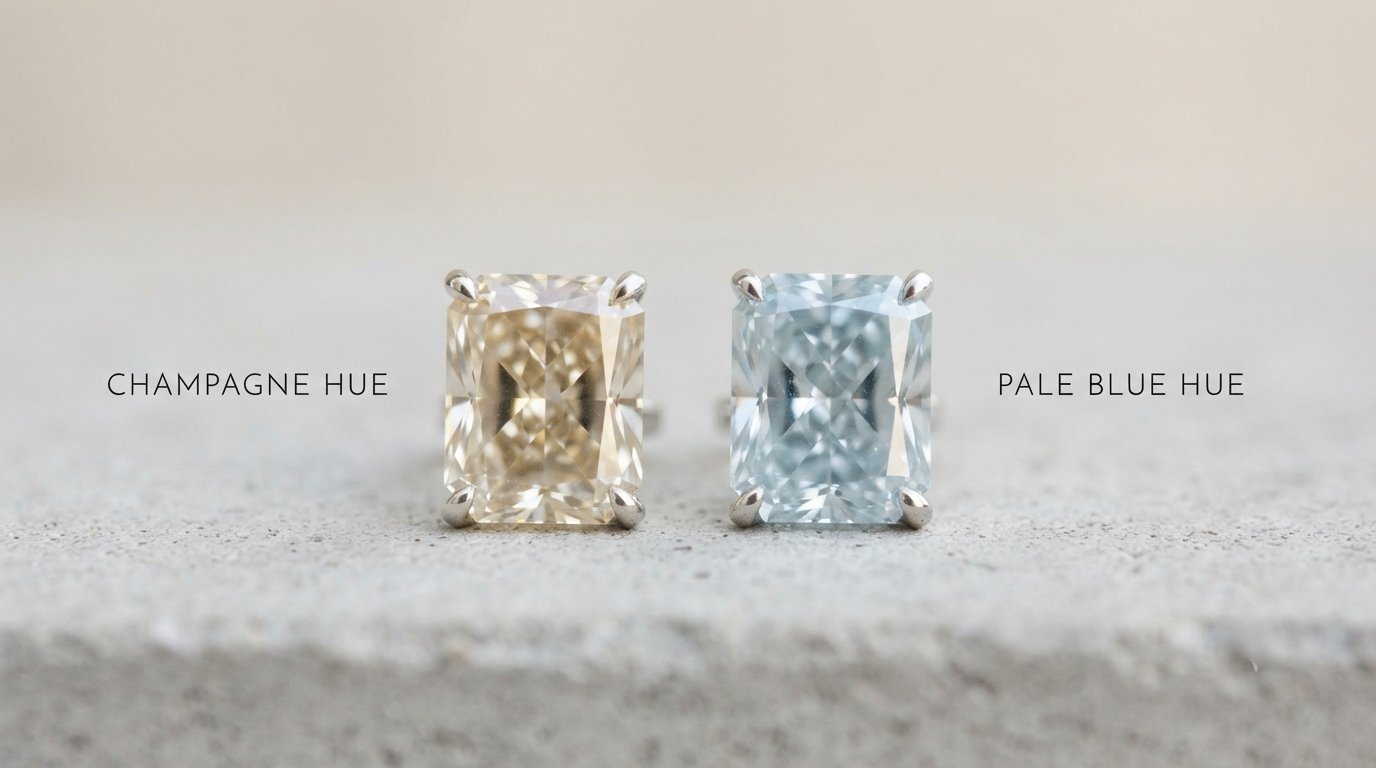
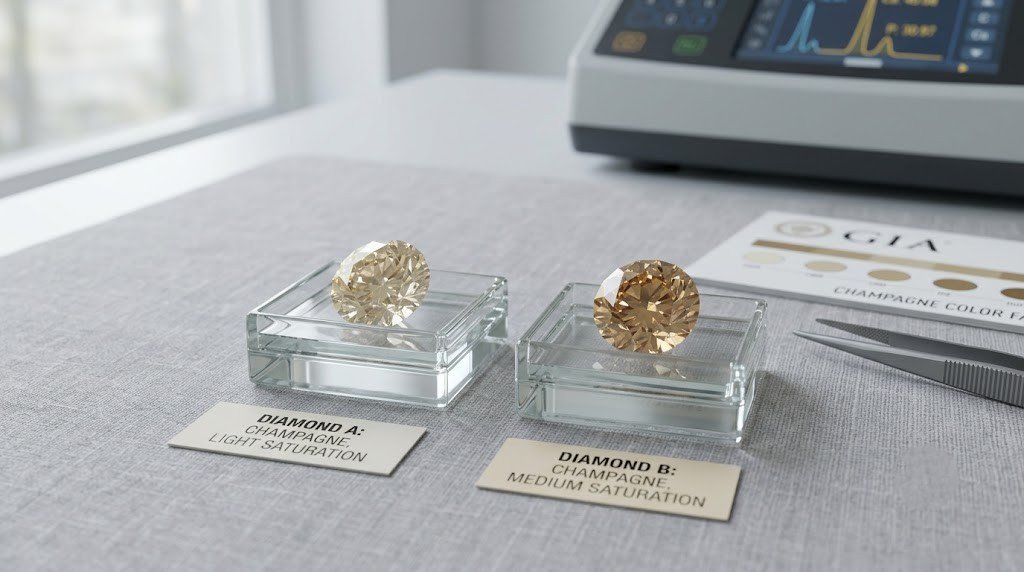
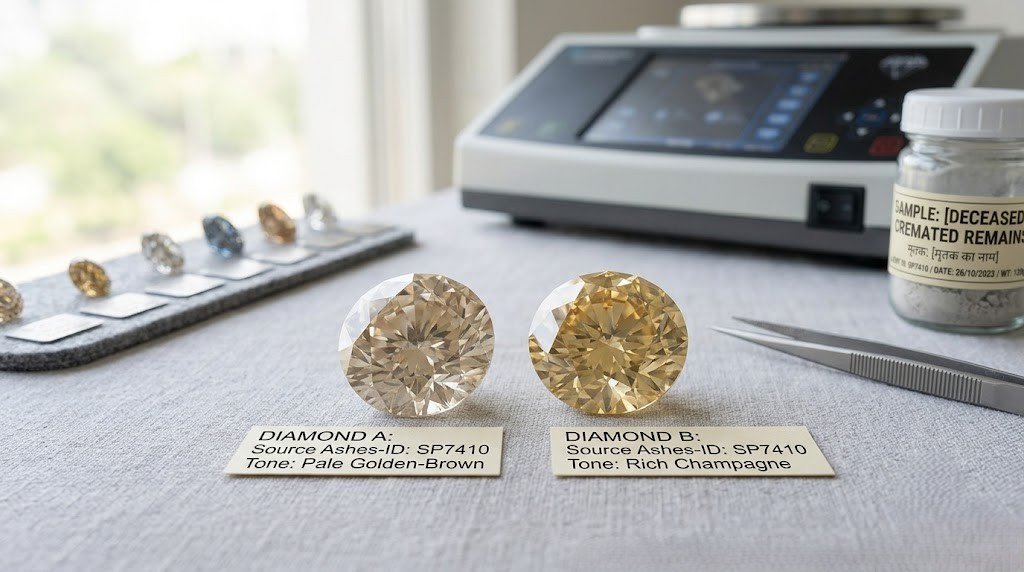
There is no promise that they will. Each stone is grown separately, and color comes from trace elements present during growth, so two stones from one source can differ visibly. Raise matching with the company before anyone orders.
Do all the stones have to be ordered at the same time?
Not necessarily, but the material has to be set aside at the same time. Whether a later stone can be added to an existing arrangement is a company specific question. Keeping a labeled portion back is what actually preserves the option.
What if one of her children does not want a memorial diamond?
That is a complete answer and needs no justification. Ask separately whether they object to others having one, offer something that is not a stone, and leave the possibility open without pressing. Declining is not a misunderstanding to be corrected.
Who has the legal say over what happens to a wife’s ashes?
It varies by state, and by anything she put in writing, a will, a signed cremation authorization, a document naming an agent for disposition. A surviving spouse often ranks high, but there is no national rule. Confirm locally with the funeral home or an estate attorney.
Final Thoughts on Sharing a Wife Memorial Diamond
The question in the title has an easy answer and a hard one sitting behind it. Yes, the ashes will usually stretch far enough for sharing a wife memorial diamond to be possible. Whether the family will stretch is a different matter, and it is decided almost entirely by the order in which people find things out.
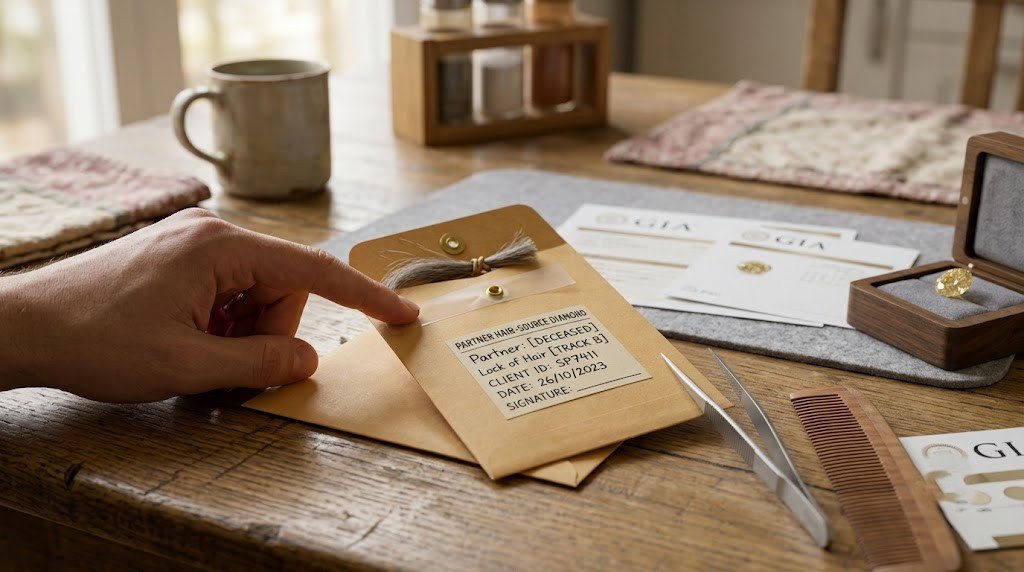
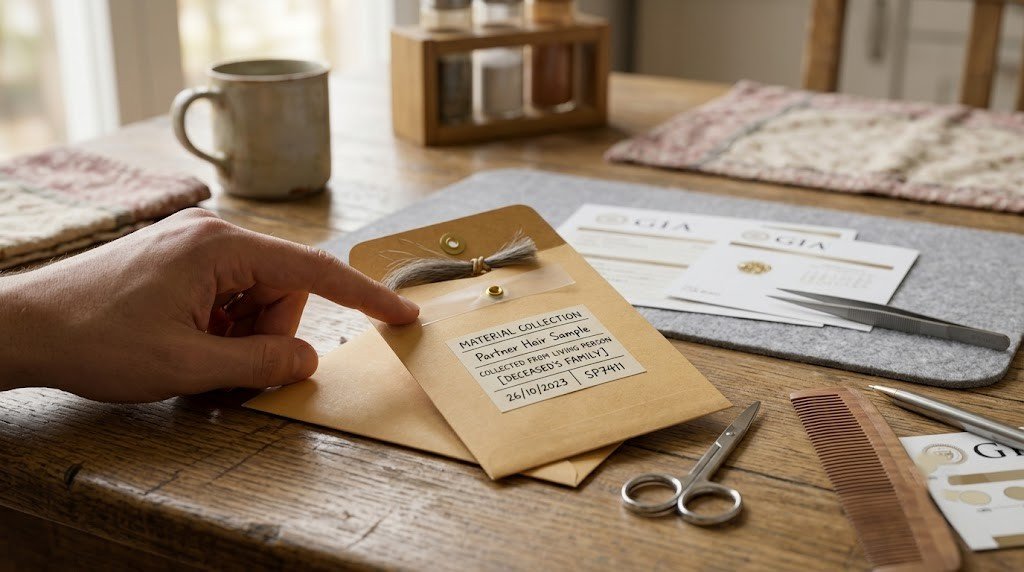
Nothing here has to happen this month. Ashes are stable mineral matter and do not deteriorate on a shelf, which means the expensive, irreversible parts of sharing a wife memorial diamond can wait behind the cheap, reversible ones. Separate a portion, label it with whose it is and the date, keep it dry, and you have bought the family a year to talk without closing a single option.
Learn More About Wife Memorial Diamonds
- Sharing one person’s ashes between several stones
- How much ash one stone actually needs
- How an urn and a memorial diamond compare
- What color to expect from her ashes
- Every question families ask about a wife memorial diamond
Talk With Memorial Diamond
If the conversation about sharing a wife memorial diamond has reached the point where somebody needs a real number, how much material a group order would use, how many stones it would support, what each one would cost, that is a question to put to a company rather than to settle among yourselves.
Memorial Diamond is one of the companies you can put a shared wife memorial diamond enquiry to, at memorialdiamond.us. Asking commits nobody to anything, which is more than can be said for most of the decisions that have landed on you this year. And if the answer today is that the family is not ready, that is a legitimate place to stop. The portion you set aside will keep.