
Somewhere in your house there is a container, and near it there is a decision nobody ever prepared you to make.
A son ashes diamond is a real, lab grown diamond grown from carbon recovered out of your son’s cremated remains. It takes a portion rather than the whole: carbon makes up only about 0.5% to 4% of ash by weight, so what a laboratory can actually work from is a fraction of a fraction, and nearly everything you are holding now stays exactly where it is.
Memorial Diamond grows these stones, so this page comes from a company with something to sell. Every number below is an industry wide band, not our published figure, and you should put the same questions to us that you would put to anyone else.
This guide takes the son ashes diamond route end to end, what is recoverable, what stays with the family, how the work is done, how long it runs, what color to expect, what it costs, and the one question that has to be settled before any of the rest of it matters.
Table of Contents
What a Son Ashes Diamond Is, in Plain Terms
Take the simplest question first, because families ask it in a lowered voice as though it were rude. Yes, it is a diamond.
A son ashes diamond is carbon locked into the cubic lattice that makes a diamond a diamond. It is not resin with ash suspended in it, not a coated stone, not a simulant with a certificate attached. The method is high pressure and high temperature, the same HPHT growth used across the lab grown diamond trade, running at roughly 6 to 8 GPa and somewhere between 1,400°C and 2,500°C. What comes out is scratched by nothing softer than another diamond and can be cut, set, appraised and insured like any stone on any counter. The cut, color, clarity and carat framework gemologists use is applied to it without modification.
Now the part a page like this owes you early, because a page that hides it until the end is not being straight. A son ashes diamond is not made entirely of your son, and no honest description of this category claims otherwise.
A growth cell holds a fixed volume of carbon, set by the carat ordered and by the physics of the press. Whatever the submission yields after purification is topped up with laboratory carbon before growth begins. Industry figures for the ash route usually cite that personal share at 10% to 15% of the finished stone by mass, and some providers cite figures as low as 3%. Those atoms are genuinely in the lattice, genuinely came out of your son, and are genuinely a minority of what you will be wearing. Both halves of that sentence are true and neither cancels the other.
How Much Ash Does a Son Ashes Diamond Actually Use?
Less than almost anyone expects, and the reason is chemistry rather than mercy.
Cremated remains are mostly calcium phosphate, bone mineral, not carbon. Only about 0.5% to 4% of ash by weight is carbon a laboratory can recover and use. That is why the industry typical request sits where it does, and why it sounds larger than it needs to be.
| Figure | Industry typical band | What it means for a son ashes diamond |
|---|---|---|
| Carbon content of cremated remains | About 0.5% to 4% by weight | The only fraction of the ash that can become a stone |
| Portion usually requested | A few tablespoons up to about 4 oz, approximately 100 g | Sized as insurance against a thin yield, not as a price of entry |
| Personal carbon in the finished stone | About 10% to 15% of its mass, the figure cited for the ash route; some providers cite as low as 3% | Real and physically present, not the whole crystal |
| What a larger carat changes | Growth time in the press | Not the size of the portion you are asked to send |
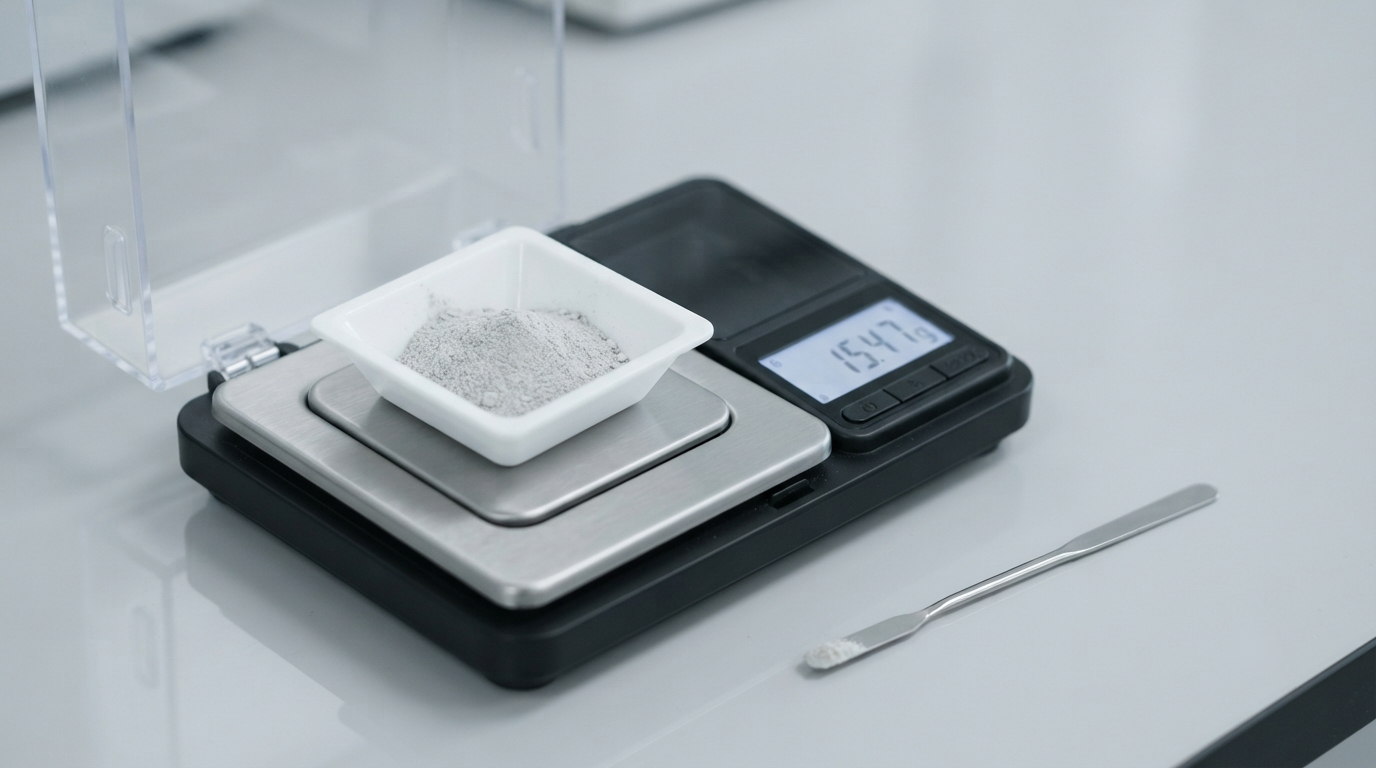
Read the last row twice, because it undoes an assumption almost every parent arrives with. Ordering a bigger stone does not mean handing over more of him. Carat is bought in weeks under pressure, not in spoonfuls. A one carat son ashes diamond and a quarter carat one can start from portions of much the same size.
Which leaves the thing that actually matters here: whatever you decide, the great majority of what you hold does not move. An interment can still happen. A scattering he asked for can still happen. A shared urn can stay on the shelf it has been on. A son ashes diamond is a portion set aside, not a substitute for the arrangements you have already made.
If you want the quantity question on its own, the step by step walkthrough of turning your son’s ashes into a diamond handles measuring and packing in more detail than belongs on a page this wide.
Who Has the Authority to Say Yes?
This is the section to read before any other, and it is the one most guides bury.
If your son had a spouse, a registered domestic partner, or adult children of his own, the legal right to direct what happens to his remains may rest with them and not with you. Across most of the United States the order of priority runs through next of kin, and a surviving spouse, then adult children, commonly sits ahead of parents in that order. But the order is written state by state rather than nationally, and anything your son himself left in writing, from a will to a signed cremation authorization, can reorder it completely.
So the honest position is this: you may hold the ashes and still not be the person whose signature releases a portion of them, or you may be exactly that person and not know it yet. Both are common. Neither is a verdict on how much you loved him.

There is no national rule to look up, so find out locally. A funeral director who handled the cremation can usually tell you in one phone call who signed what, and that call costs nothing. Where authority sits with your son’s spouse or children, a son ashes diamond becomes a request rather than a decision, and requests of this particular kind are granted far more often than parents fear, because what is being asked for is small and changes nothing else that was planned.
A second version of this question is quieter and just as real. Parents are not always in agreement, and are not always in contact. One parent may be arranging this alone, paying for it alone, and unsure whether to raise it with the other at all. What helps is deciding in advance which conversation you are willing to have and which you are not, so the answer is ready when it comes. Whether more than one family member can each have a stone from the same ashes is often the practical shape that conversation takes.
If the ashes were interred or scattered years ago, that becomes a permissions question rather than a chemistry one. Cemeteries and columbaria set their own rules about removing interred remains, and state or local law may add more on top. Ask the cemetery directly, in writing, before assuming the answer either way.
From the Shelf to the Finished Stone
Six stages turn a portion of ash into a son ashes diamond, and only one of them is fast. Knowing the sequence makes the months feel less like silence.
| Stage | What is happening | Typical share of the wait |
|---|---|---|
| Intake and logging | The portion is weighed, given a reference, and recorded | Days |
| Carbon extraction and purification | Carbon is separated from bone mineral and driven toward 99.9% or higher purity | Weeks |
| Graphitization | Purified carbon is converted to graphite at roughly 2,500°C to 2,700°C | Days to weeks |
| Growth | Graphite plus lab carbon grows around a seed at 6 to 8 GPa and 1,400°C to 2,500°C | Weeks to months, this is where carat comes from |
| Cutting and polishing | The rough crystal is cut to the shape chosen | Weeks |
| Optional grading and setting | Independent grading if you order it, then mounting if you have ordered jewelry | Weeks |
Two things in that table are worth pulling out.
The first is that every piece of evidence a son ashes diamond can ever carry is created in the top three rows. Once purified carbon goes into the cell, nothing about its origin is recoverable by any test. So the intake weight, the reference number and the date are not paperwork, they are the whole record, and they should reach you when they happen rather than in a summary afterwards.
The second is that the growth row is the only one you control, and you control it by choosing a carat. Everything above and below it runs at roughly the same pace regardless of what you ordered.
How Long Does a Son Ashes Diamond Take?
Industry wide, production runs about 6 to 10 months from the day material is received to a finished stone, stretching toward twelve months for a large carat or a specialty color.
That figure covers the laboratory work on a son ashes diamond only. It does not include the part that comes first, which for most families is longer: the months of not being ready, of raising it with people who may not want to hear it, of putting the brochure in a drawer and taking it out again. Nobody’s clock starts when the website says it does.
Three practical notes about the wait:
- The clock starts at receipt, not at order. If you are sending from another state or another country, the transit and intake time sits before the quoted window rather than inside it.
- Bigger stones wait longer. A son ashes diamond around 2 ct or above can push the schedule out by months, because the press time is the schedule.
- Ask what happens if it fails. Growth runs do not always produce what was intended. Ask, before you send, what a provider does when a run comes out unusable, and whether a second attempt uses new material.
There is no urgency built into any of this from the material’s side. Cremated remains are chemically stable and do not spoil. Waiting a year to decide costs you nothing, and the timeline written out stage by stage covers what is happening during each month if the silence is the hard part.
What Color Will a Son Ashes Diamond Be?
Honestly: a son ashes diamond lands within a range, and not precisely.
Color in any diamond comes from trace elements sitting in the crystal while it forms. Nitrogen present in the growth cell pushes the stone toward yellow. Boron pushes it toward blue. Colorless is not a third ingredient, it is what is left when both are almost entirely absent, which has to be engineered rather than added, and is the reason colorless usually costs more than a tinted stone rather than less.
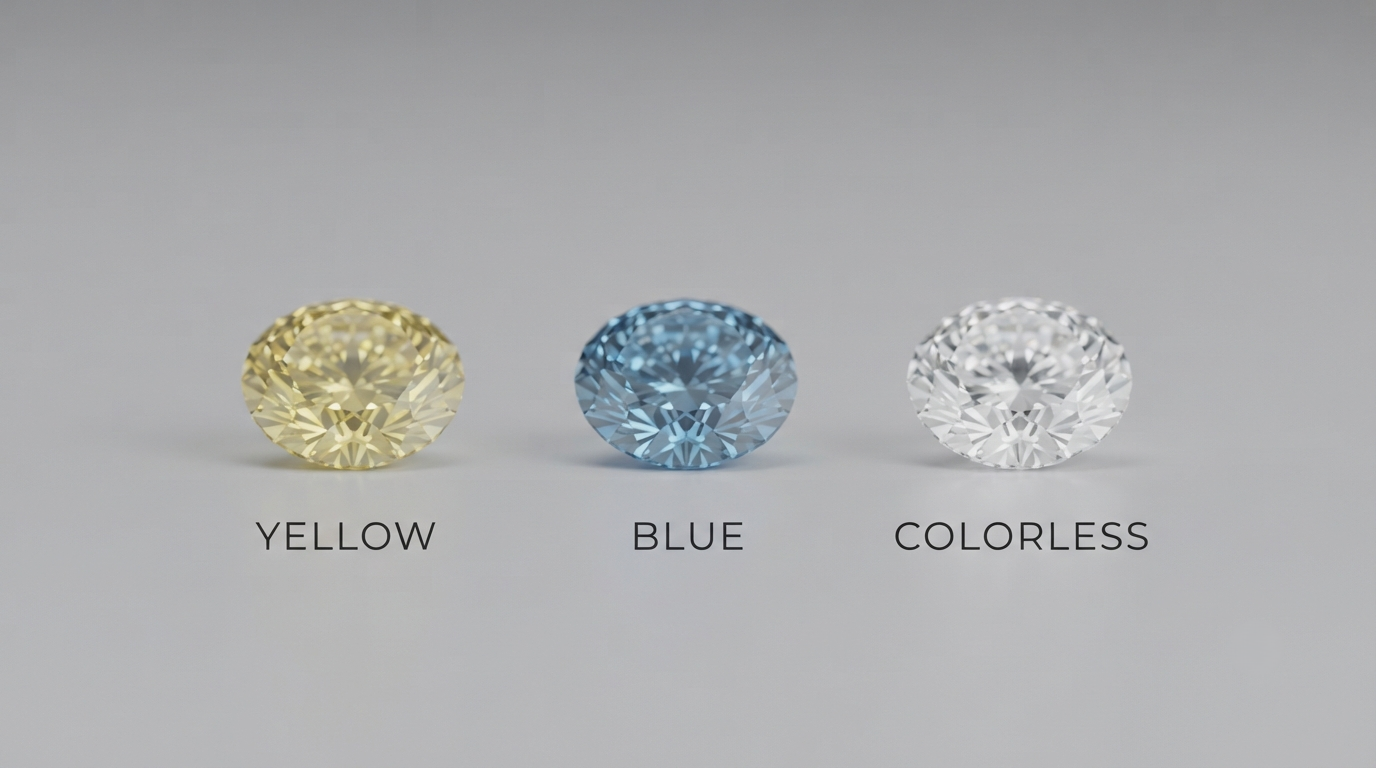
Because cremated remains are organic and variable, the trace element profile arriving with any given submission is not identical to the next one. A provider can steer toward a target and can narrow the band, but a son ashes diamond is not a paint chip and nobody can hand you an exact shade in advance. Clarity behaves similarly, the range across the category typically runs from SI2 up to VVS.
What you can do is make the range explicit before growth begins:
- Ask what color range the provider will commit to in writing, not in conversation.
- Ask what happens if the finished stone lands outside it, remake, refund, or neither.
- Ask whether the price you have been quoted assumes a tinted stone or a colorless one, because the gap between those two is not small.
What color to expect from a memorial diamond goes further into how wide the honest range really is.
What a Son Ashes Diamond Costs
Memorial Diamond does not publish a price list for a son ashes diamond, and the bands below are not one. They are where the category sits across the industry in 2026, and they are useful mainly as a way to read whether a quote you have been given is complete.
| Industry band | Carat it usually buys | What to make anyone confirm is included |
|---|---|---|
| About $1,500 to $3,500 | 0.10 to 0.25 ct | Whether an independent grading report is priced on top |
| About $5,000 to $15,000 | 0.5 to 1 ct | Grading, plus whether a fancy cut or engraving is extra |
| About $20,000 to $75,000+ | 2 to 5+ ct | All of the above, plus the setting and an insurance appraisal |
What moves a son ashes diamond up or down those bands is carat first, then color, then cut, then whether grading and a setting are inside the number or outside it. The source material does not move the price: what a carat buys is time in the press, not a larger portion of him. If a quote seems to vary with the material rather than the carat, ask what that difference is for.
One question is worth more than a price comparison: ask what the quote does not cover. A number that looks lower than everyone else’s is sometimes a stone without a grading report, without a setting, and without return shipping. How a memorial diamond quote is actually built breaks the line items apart.
Nine Things to Settle Before Anything Is Sent
Not a description of what any company does. Nine things to get answered about a son ashes diamond, in writing, before a portion leaves your house.
- Who holds legal authority over the remains, confirmed with the funeral home or from what your son left in writing, not assumed from who has the container.
- How much is being asked for, and whether that is a received weight or a usable weight after processing. Those are different numbers.
- What happens to material the process does not consume, returned, retained, or destroyed. Get this before you send, not after.
- Whether the intake record reaches you at intake, date, weight, reference number, sent the day the parcel arrives.
- Whether growth happens in house or is subcontracted, and how custody is documented at that handover if it is.
- What color range is committed to, and what the remedy is if the stone falls outside it.
- Whether an independent grading report is included in the price or added to it.
- What happens if a growth run fails, second attempt, new material required, or refund.
- Whether more than one stone can come from the same portion, if siblings or a surviving spouse may want one later. Deciding this in advance is far easier than revisiting it in a year.
A provider who answers all nine plainly has told you something. One who answers warmly and generally has also told you something, and it is worth hearing.
Frequently Asked Questions
Do we have to decide before the cremation happens?
No. Cremated remains are stable and do not deteriorate on a shelf, so a son ashes diamond can be arranged months or years later just as well. The only decision that is genuinely time sensitive is not scattering the whole of what you have.
Our son’s wife holds the ashes. Can we still do this?
Ask her rather than assume. Where a surviving spouse holds authority, which varies by state and by anything he put in writing, a son ashes diamond becomes a request for one small portion, which changes nothing else that was arranged and is granted more often than parents expect.
He was buried rather than cremated. Is there any route for us?
Yes, and it does not involve the grave. Hair is roughly 50% carbon and requires no cremation at all, so a diamond grown from his hair is the open door for families where cremation was never part of it.
Can his brother and sister each have one from the same ashes?
Often, if each portion still meets the stated minimum on its own. Ask before dividing anything, because splitting one barely sufficient portion into three is how a workable submission stops being one. Each son ashes diamond is grown separately and each takes its own months.
Does it matter how long the ashes have been in the house?
Age is not the issue, storage is. If the container has been opened many times, or has sat somewhere damp, say so plainly when you request an assessment of a son ashes diamond. Providers would far rather know in advance than find out at intake.
Can we send hair as well as ashes?
Yes, and the combined route has its own guide. Sending both does not enlarge the personal fraction of the stone or make the color more predictable, it means the carbon comes from two different points in his life rather than one.
Final Thoughts on a Son Ashes Diamond
The chemistry of a son ashes diamond turns out to be the easy part. A small portion, a long wait, a stone that is partly him and partly not, and a color nobody can promise you in advance.
What is harder, and what this guide has tried not to smooth over, is that a son ashes diamond often sits behind a question about permission, whose signature, whose agreement, whose turn to be asked. That question has an answer, usually a faster one than the dread around it suggests. One call to the funeral director. One conversation with his spouse or his children. One honest exchange with the other parent, or a decision not to have it yet.
Settle that, and everything else on this page becomes logistics. Nothing here needs to be decided this month, or this year. The container is not going anywhere while you think.
Learn More About Son Memorial Diamonds
- How to Turn Your Son’s Ashes Into a Diamond
- Son Hair Diamond: The Complete Guide
- Son Ashes and Hair Diamond: The Complete Guide
- How to Turn Your Son’s Hair Into a Diamond
- How Much Does a Memorial Diamond Cost?
Talk With Memorial Diamond
Nothing on this page asks you to commit to anything, and there is no version of this where hurrying helps.
If it would be useful to know what a son ashes diamond would mean in your particular situation, start with three questions rather than a quote: what portion is required and whether that figure is a received or a usable weight; what becomes of the part the process does not consume; and how many months the carat you are picturing would actually need. memorialdiamond.us answers all three with nothing to sign, and so does any provider worth using.
If the authority question is still open, ask that one first and everything else second. The urn stays where it is in the meantime.
Leave A Comment