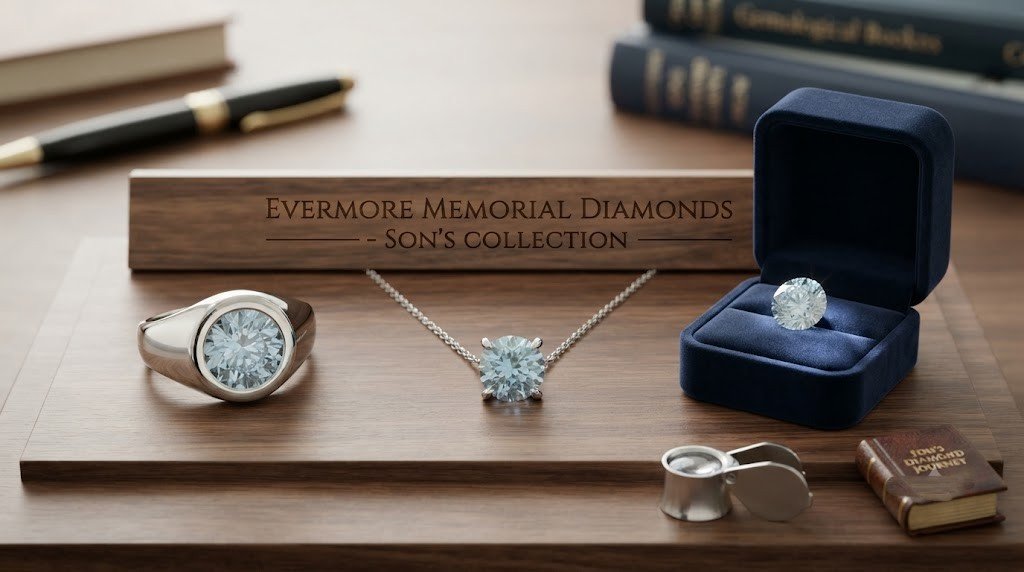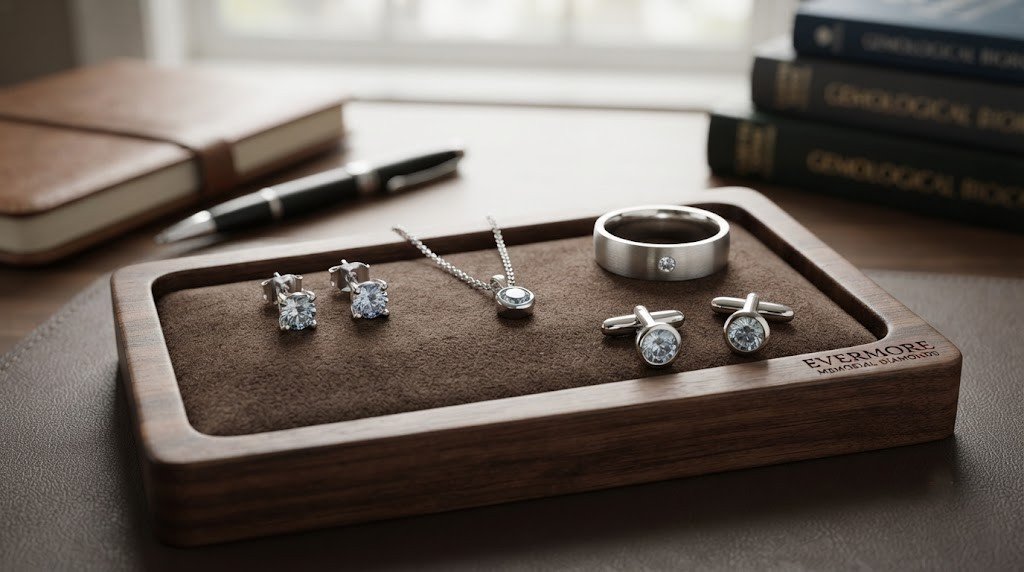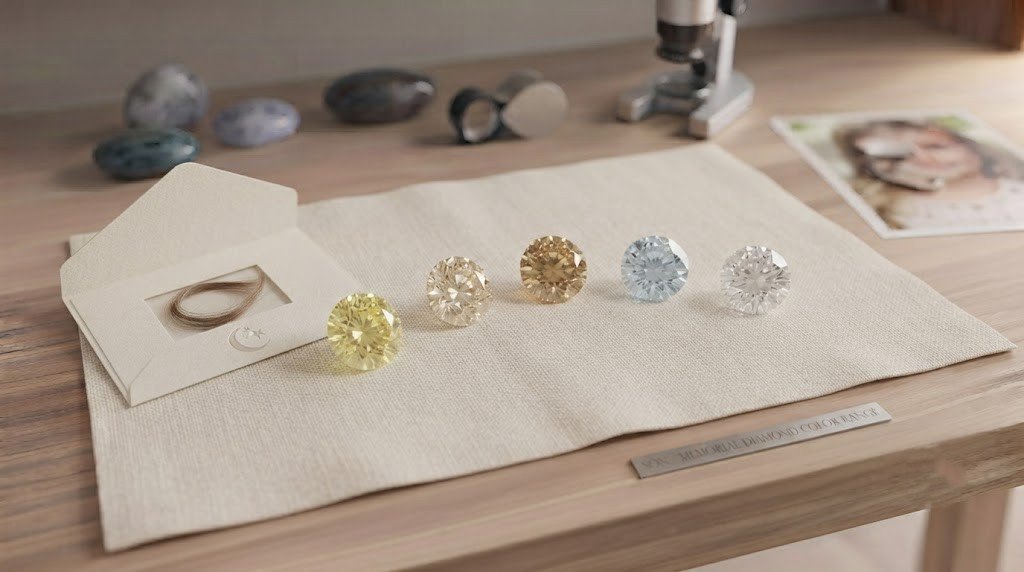
The idea may have arrived quietly, late at night, and now it sits with you, unshared. Talking about a son memorial diamond with the rest of his family usually goes best when you raise it early, keep the ask small and specific, start with whoever holds authority over his remains, and make it clear that nothing has been decided yet.
Nobody has to agree on the first day, and a real conversation can take more than one sitting.

Table of Contents
When Is the Right Time to Raise It?
Sooner than feels comfortable, but not in the first raw hours. The practical reason is that decisions about his remains tend to move on their own schedule. An urn gets chosen, a scattering gets planned, a burial plot gets paid for, and a family that learns about a son memorial diamond only after the ashes have been interred has far fewer options left.
That does not mean raising it at the funeral home during paperwork. A calmer moment, a few days after the service, gives people room to think rather than react.
There is no deadline in the process itself, which is worth knowing. Cremated remains are mineral and stay stable for years, so a family that needs six months, or two years, before anyone is ready to talk about a son memorial diamond loses nothing by waiting. The only real pressure comes from other plans for the ashes.
A useful test is simple: if his ashes are still together and nobody has committed to a final resting place, now is a reasonable time to raise the question about a son memorial diamond.
Who Needs to Hear About a Son Memorial Diamond First?
Start with whoever holds authority over his remains, because every other opinion about a son memorial diamond is advisory until that person agrees. It is often not the parent, and finding that out late can be painful.
Each state sets its own order of priority, and there is no single national rule. For a son who was married or in a registered partnership, his spouse or partner commonly ranks first. If he had adult children, they may come ahead of his parents. Anything he put in writing, such as a directive, a will provision, or a prepaid funeral arrangement, can override the usual order altogether.
So a parent may be the one who first thinks about a son memorial diamond and still not be the one who signs. Whether he was a teenager or a grown man with a household of his own changes who that signer is, and nobody should assume.
The funeral director who handled the cremation can usually tell you how the rules work where you live, and a brief call with an attorney can confirm it if the situation is complicated.
If the authority sits with his spouse, partner, or children, approach them as the people most directly bereaved, not as a hurdle. A spouse asked to decide about a son memorial diamond that his parents have proposed is being asked something large, and the request lands better with no expectation attached.
How Do You Open the Conversation?

Plainly, briefly, and as a question rather than a plan. The aim is to share what you have learned about a son memorial diamond, not to win agreement, and people can tell the difference.
These are openers written in ordinary words. They are not scripts, and they are not meant to steer anyone. Change them until they sound like you:
- “I’ve been reading about something and I’d like to tell you about it, but I don’t need an answer today.”
- “Have you ever heard of a diamond grown partly from a person’s ashes? I keep thinking about it for him.”
- “I want to ask you something about his ashes, and it’s fine if you want to say no.”
- “Would you be open to hearing about a son memorial diamond, even just to know what it involves?”
- “It would only use a small amount. The rest would stay exactly as we planned.”
- “I don’t want to do anything with his ashes that you’re not comfortable with. Can we talk it through?”
- “If it’s too soon, tell me, and I’ll bring it up again later or not at all.”
What helps after the opener is information, offered only when asked. Some relatives have never heard of a memorial diamond at all, and a neutral outside explanation such as the general overview of memorial diamonds as a category can answer whether the concept exists without making the conversation feel like a sales pitch.
What can go wrong is arriving with a provider already chosen and a price already quoted. That can turn a conversation about a son memorial diamond into a request for permission.
What If His Parents Are Not Together?
Then the conversation may happen twice, separately, and that is normal. Parents who divorced long ago, who are estranged, or who simply grieve very differently are common, and one parent arranging things alone is not unusual.
If you are one of two parents, consider speaking to his other parent before anyone else in your own household hears about a son memorial diamond. Learning about it secondhand, from a sibling or a new partner, can turn a manageable disagreement into a bitter one.
Where contact is strained, a short written note about a son memorial diamond can be easier than a call. Keep it factual: what the idea is, that only a portion of the ashes would be used, that you want their view, and that nothing happens without whoever holds authority.
They can read it alone and answer in their own time.
The other parent’s say may be limited by the same order of priority described above, and that can cut either way. Include them anyway. Being told is not the same as being asked.
How Do You Bring In Siblings, Grandparents and the Wider Family?
After the people with authority have had their say, and in smaller conversations rather than one big announcement.
His siblings often ask the most practical questions about a son memorial diamond: whether they could have a stone too, what it costs, and whether it changes the plan for the rest of his ashes.
How more than one family member can receive a stone is useful to review before they ask.
His grandparents may feel uneasy about a son memorial diamond at first. Patience helps more than persuasion, and some come around once they understand that the urn or grave they expected can still exist.
Aunts, uncles, and cousins usually need to hear about a son memorial diamond once it is decided, rather than be consulted. Telling them avoids any sense that something was done in secret.
Children in the family deserve a simple, honest explanation from an adult they trust. They need not be part of the decision about a son memorial diamond.
What Worries Come Up About a Son Memorial Diamond, and What Are the Honest Answers?
Most concerns fall into a handful of patterns, and nearly all of them deserve a straight answer rather than reassurance. The table below sets out concerns families may raise about a son memorial diamond.
| Concern You May Hear | An Honest Answer |
|---|---|
| “It feels strange.” | It can, and that is a fair reaction. Many families simply need time with the idea before deciding. |
| “I want to keep him whole.” | Only a portion is used, typically a few tablespoons up to about 4 oz, roughly 100 g. The rest can stay together. |
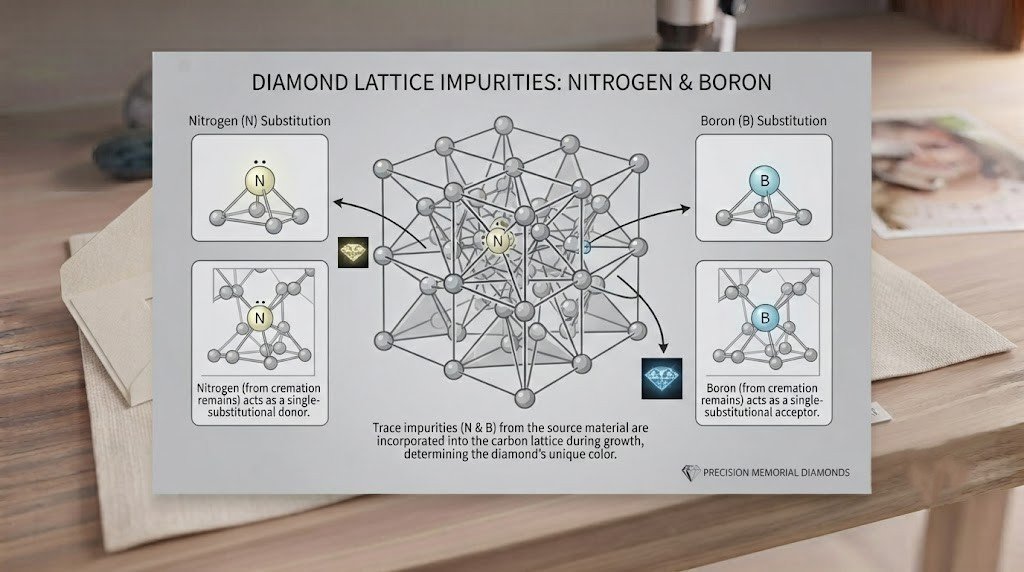
| “Is any of it really him?” | On the ash route, personal carbon is usually described as around 10 to 15 percent of the finished stone, with some providers publishing figures near 3 percent. The rest is supplemental lab carbon. |
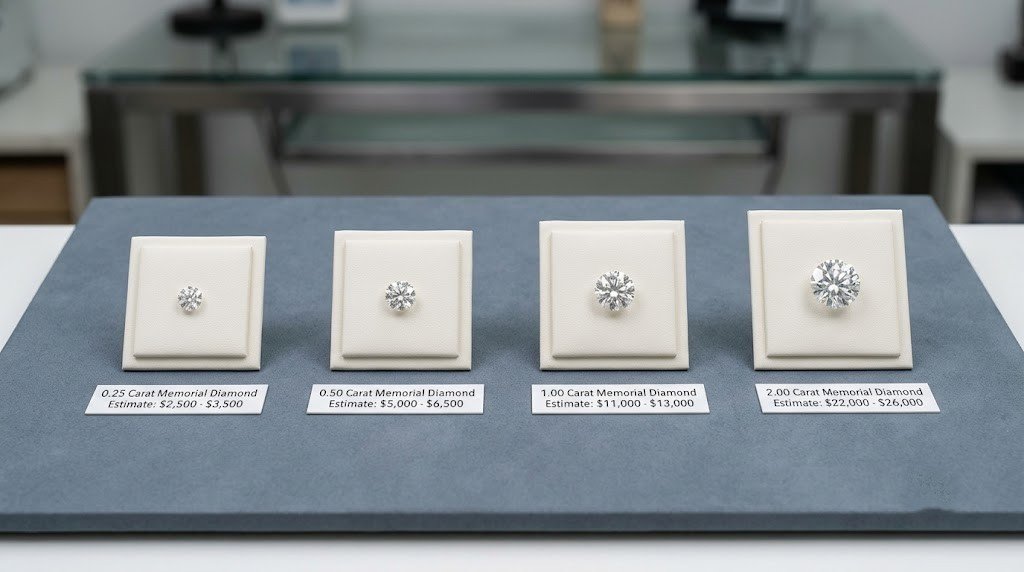
| “It’s too expensive.” | Industry prices run roughly $1,500 to $3,500 for the smallest stones and rise steeply with size. No one should feel pressured into a figure they cannot afford. |
| “What happens to whatever isn’t used?” | Policies differ between providers. Ask in writing before anything is sent. |
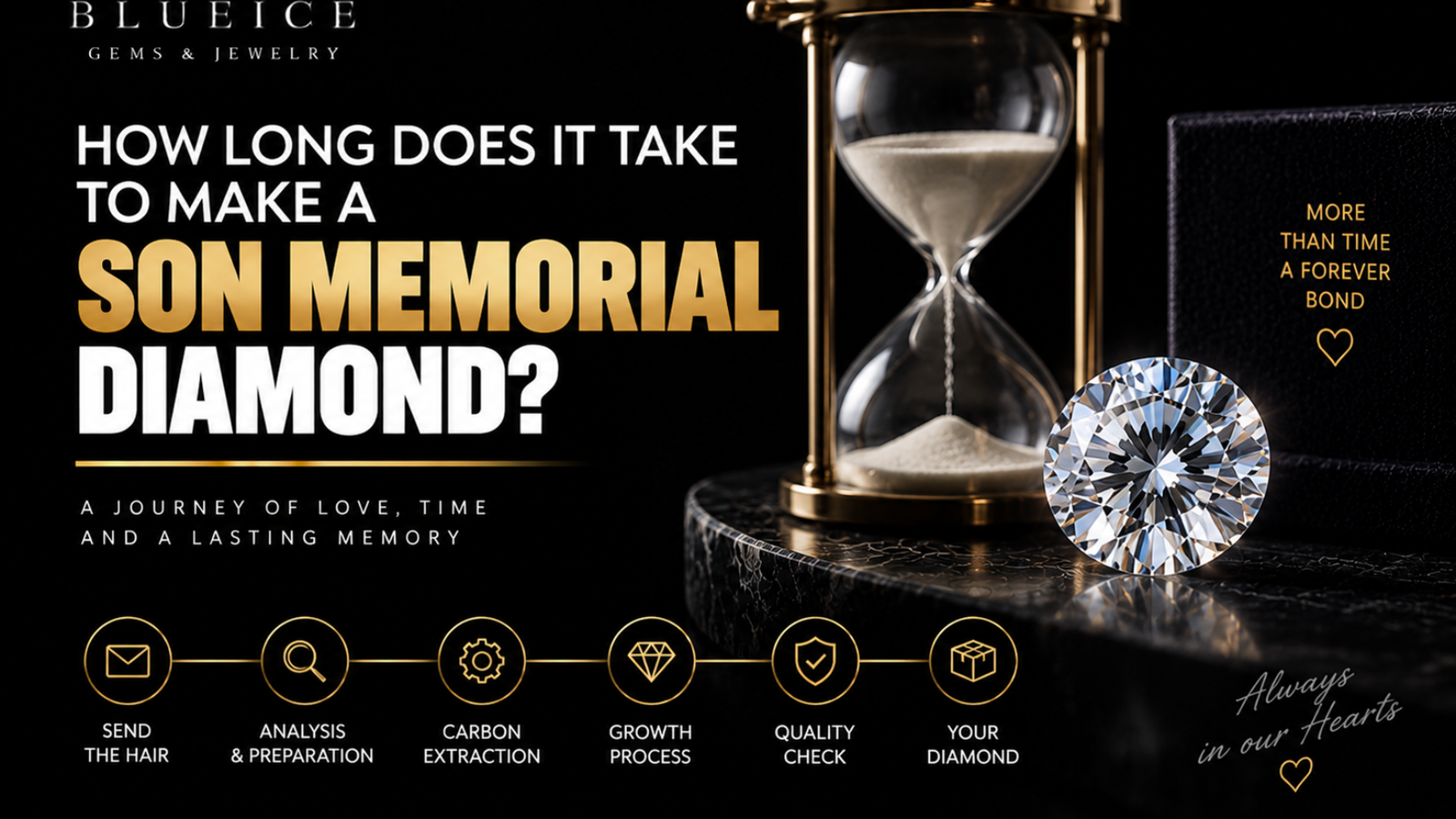
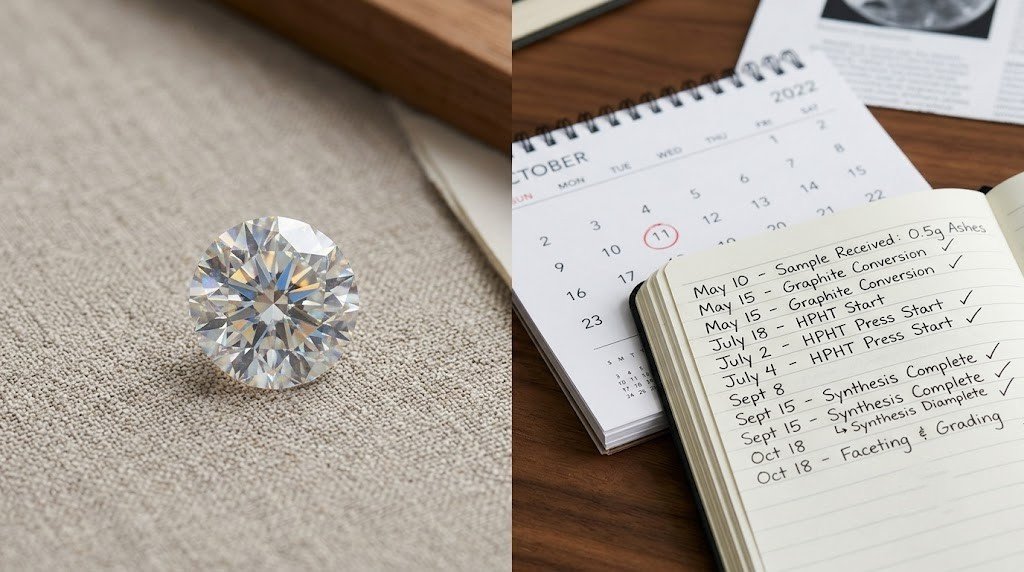
| “It will take forever.” | Typically six to ten months industry wide, with up to twelve months for larger or specialty color stones. |
| “Our faith may not allow it.” | Views vary by tradition, denomination, and individual clergy. It is worth asking your own faith leader. |
| “Who gets to decide?” | Whoever state rules and his own written wishes place first, which may be his spouse, partner, or adult children. |
On cost, being specific helps. What families typically spend lays out the industry tiers, and a relative who says something is too expensive may be picturing a very different figure.
On whether any of it is really him, the honest answer matters more than the comforting one. A relative who later learns the stone was not all him may stop trusting everything else you said about a son memorial diamond.
How much of the stone actually comes from his ashes explains the science in plain terms.
What If Faith or Culture Is Part of the Hesitation?
Then take it seriously and do not argue with it. The source notes that religious teachings concerning cremation and the handling or dividing of ashes vary widely.
Some traditions object to cremation itself. Others accept cremation but prefer that ashes stay together in one resting place, and some have no objection at all. Within a single faith, clergy and congregations may answer differently.
If a grandparent or parent raises a religious concern about a son memorial diamond, the respectful step is to suggest asking their own faith leader together, rather than researching a counterargument.
Cultural expectations around mourning periods and ash rituals deserve the same respect even where no doctrine is involved.
Where the objection is to dividing ashes, hair offers a route that does not touch them. It is an option to mention, not a workaround to press on someone who has said no.
How Can Hair or a Shared Stone Change the Conversation?
Both can take the heat out of some common objections. Hair means the ashes need not be involved at all, and sharing means nobody has to be left out.
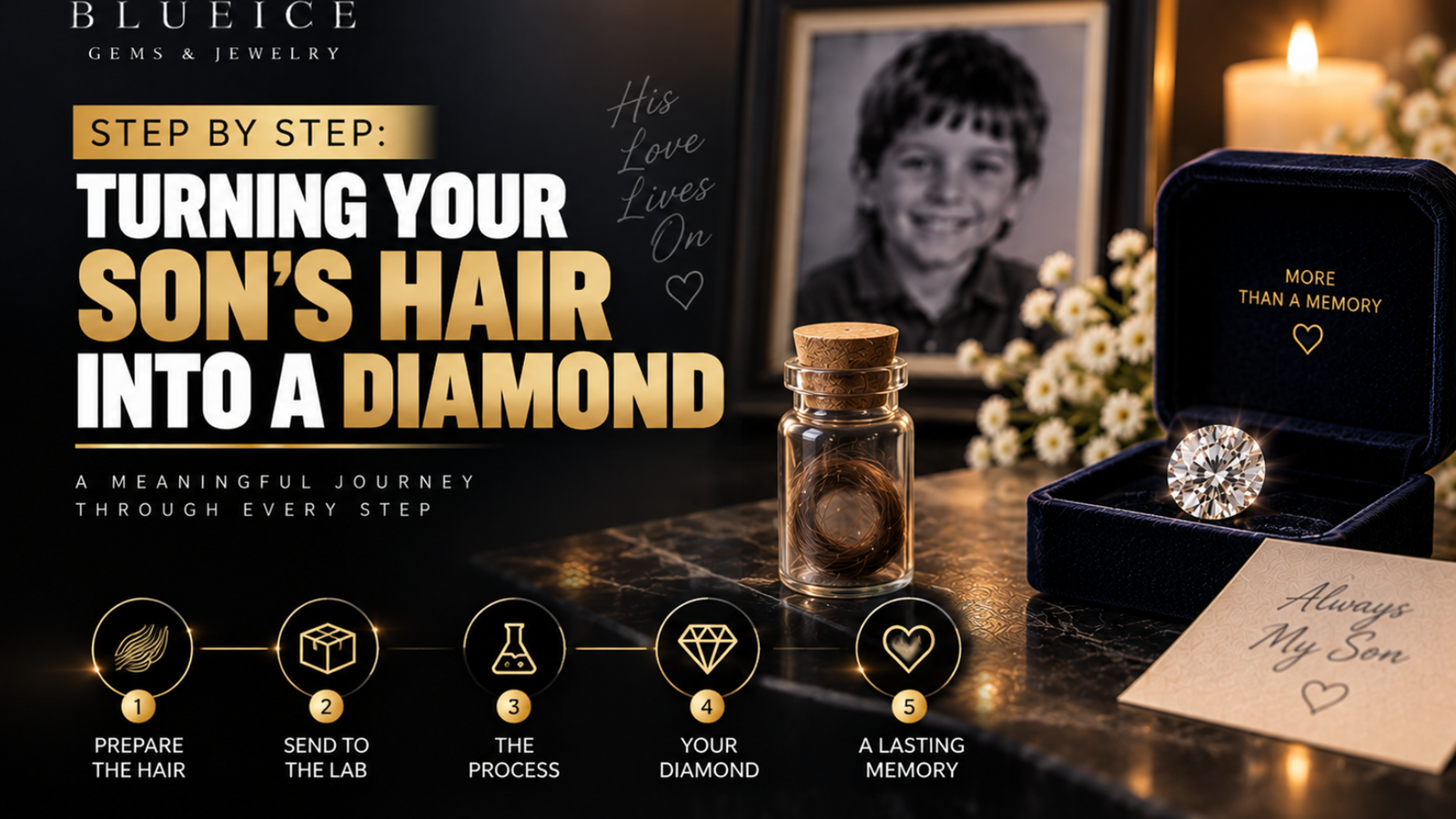
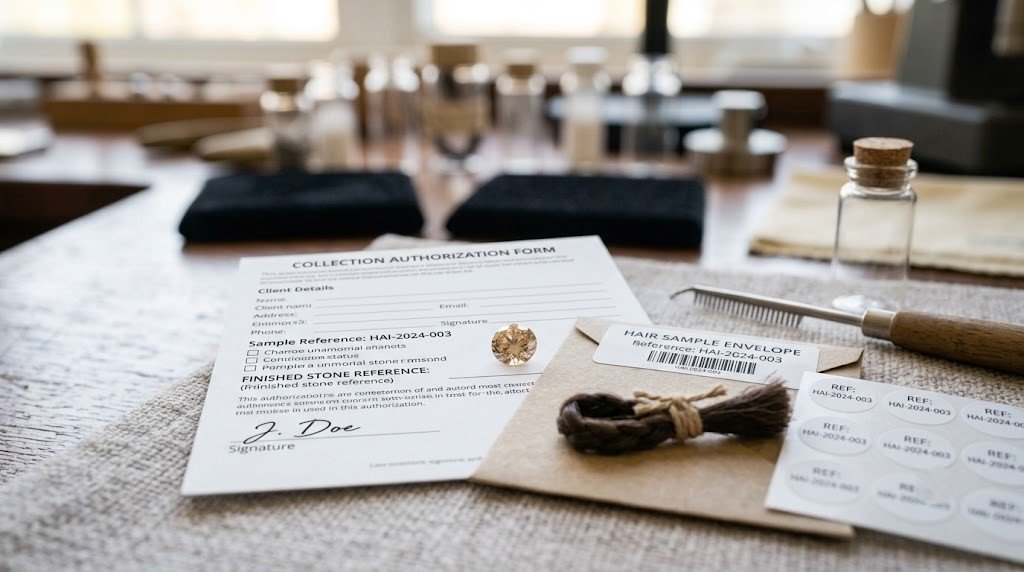
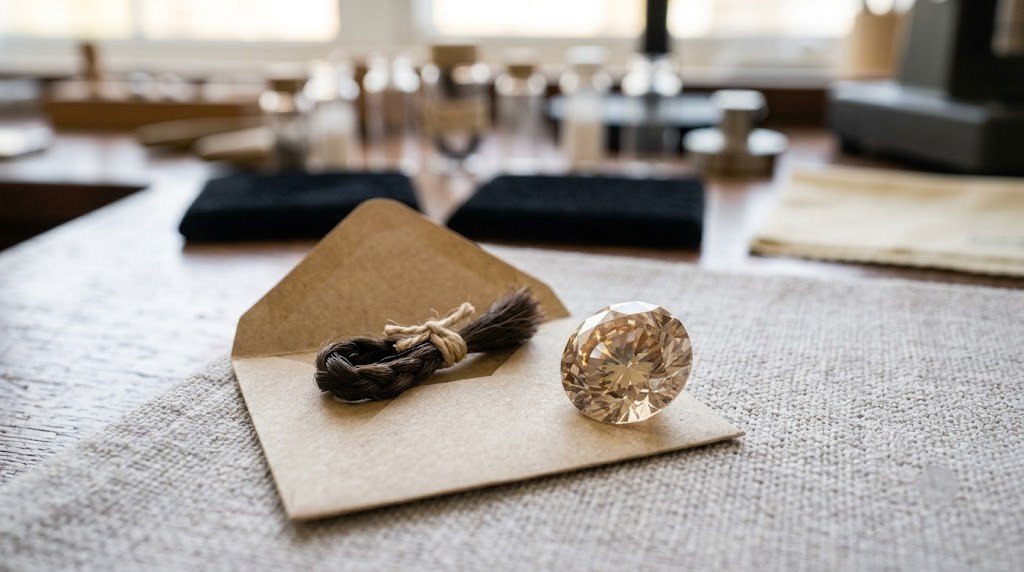
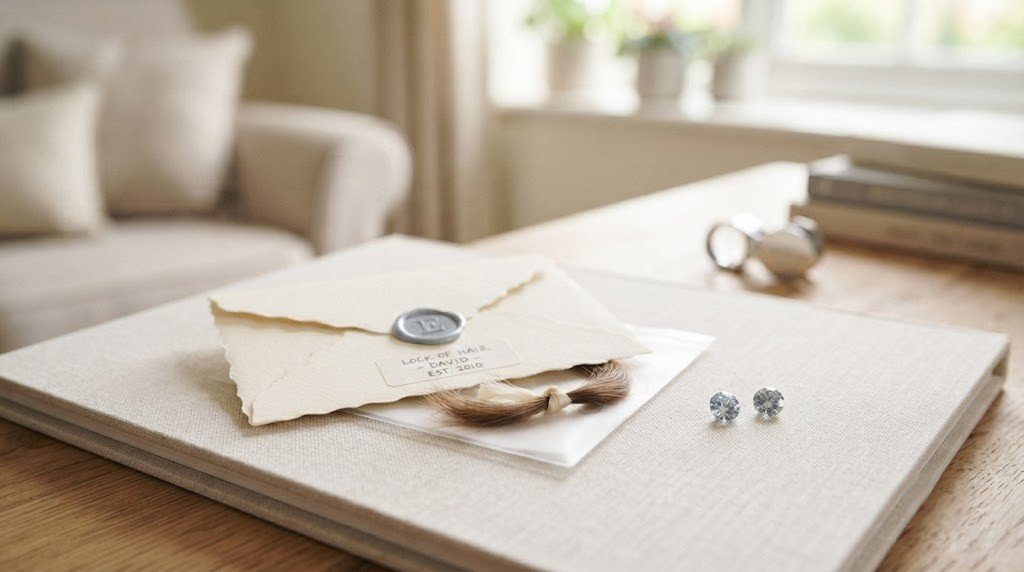
Hair. For relatives uneasy about a son memorial diamond because it would divide the ashes, hair is often the first thing to mention. A small lock, typically a few grams, is enough. Hair is roughly half carbon by weight, but that describes the input only. No equivalent finished stone percentage is published for hair, so ask any provider in writing.
Belongings can form part of an estate and rules vary by state, so check whose permission is appropriate before sending anything.
The complete guide to a son hair diamond covers this route in full.
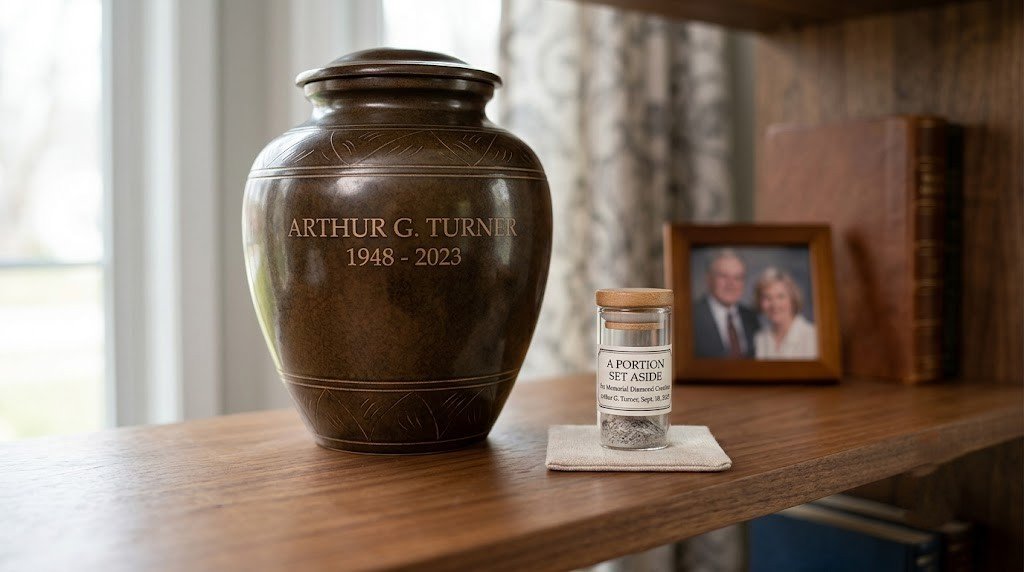
Only a portion. For the ashes route, the amount a laboratory needs is small. The urn stays, the scattering goes ahead, and the burial can happen.
How much ash is actually needed gives the typical quantities.
Sharing. Because only part of the material is used, more than one stone can often be grown from the same source, one for each parent, or for a sibling and his spouse, each priced and timed separately.
When everyone who wants one can have one, the conversation about a son memorial diamond can shift from who decides to what each person would like.
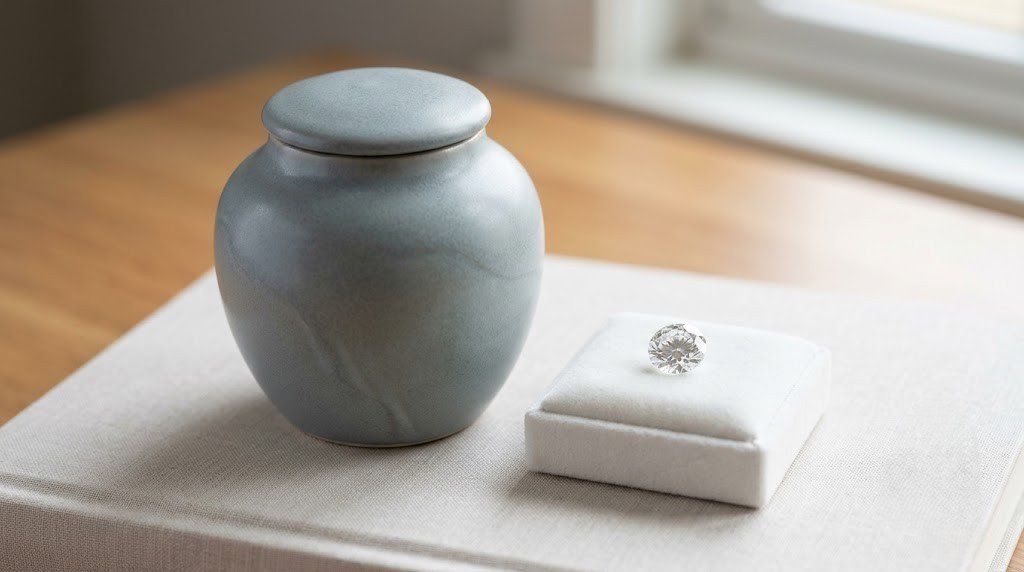
A diamond does not replace anything, and how a memorial diamond compares with a traditional urn can help relatives who assume it is one or the other.
What Happens If the Family Cannot Agree?
Waiting is allowed. A decision about a son memorial diamond does not have to be made this month, and pushing through a disagreement can leave a wound that lasts longer than the decision itself.
If the person with authority says no when asked about a son memorial diamond, that is the answer for now. It may change in a year, or it may not.
Pressing, recruiting allies, or going around them can damage relationships the family may need for a long time.
If people are divided but not opposed, a few practical steps can help:
- Ask a neutral person to explain the process. A funeral director has no stake in the outcome and may have fielded questions about memorial diamonds before.
- Put the key facts about a son memorial diamond in writing so everyone reads the same information: quantity, cost range, timeline, and what happens to unused material.
- Agree to revisit the question on a set date rather than arguing in circles.
- Separate the questions. Whether to do it, who holds authority, and how many stones are three different conversations.
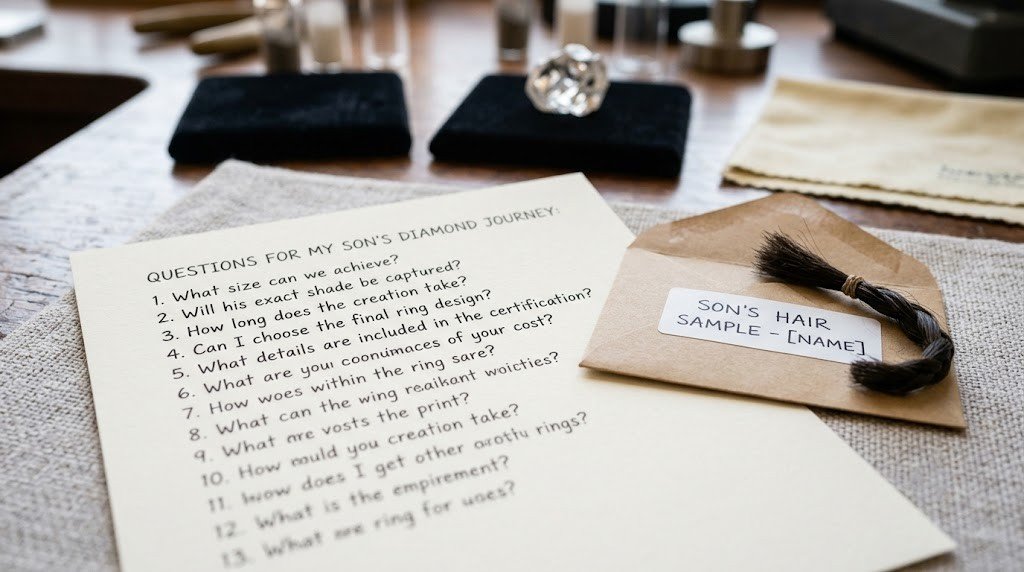
Questions worth asking any provider can double as a shared checklist, which moves the discussion from feelings about a son memorial diamond to facts everyone can check.
If you are still weighing whether to go ahead at all, where to start when choosing one may help you sort your own thinking before the next conversation.
If grief itself is what makes the conversation impossible, a grief counselor, faith leader, or support group can help with the harder conversations underneath this one.
Frequently Asked Questions
Do I need everyone’s agreement before ordering a son memorial diamond?
Not everyone’s, but you need the signature of whoever holds authority over his remains, which depends on state rules and anything he left in writing. His spouse, partner, or adult children may rank ahead of his parents. Beyond that person, wider agreement is not required, though it is usually worth seeking.
What should I say if a relative thinks the idea is strange?
Agree that it can feel unfamiliar, then offer plain facts if they want them: only a small portion of ashes is used, the rest stays as planned, and the stone is a real lab grown diamond. Then give them time. Many people need to sit with the idea before they can react to it.
How do I raise questions about a son memorial diamond with his spouse or partner?
Gently, privately, and as a question they are free to decline. They may be the person with authority and are among those most directly bereaved. Offer information rather than a plan, make clear nothing has been arranged, and let them choose whether and when to talk further.
Can his other parent and I each have our own stone?
Often, yes. Because only part of the ashes or hair is used, more than one stone can frequently be grown from the same source. Each is typically grown and priced on its own, with a separate timeline, so ask the provider in writing whether one submission can cover two stones.
What if my family’s religion discourages dividing ashes?
Traditions and individual clergy vary. Ask your own faith leader rather than assuming either way. If the concern is about dividing ashes, a diamond grown from hair may be worth mentioning since it does not involve the ashes at all.
Is it too late to talk about a son memorial diamond if his ashes were scattered?
If all the ashes were scattered or interred, the ash route may no longer be possible, but hair remains an option if any was kept. If some ashes were set aside, even a small amount may be enough. Ask a provider what quantity it typically requires before ruling anything out.
How long should we wait if family members are not ready?
As long as it takes. Cremated remains are stable for years, and the process has no deadline of its own. Agreeing on a time to revisit the question, perhaps a few months away, can take pressure off everyone without closing the door on the idea.
Final Thoughts on Talking About a Son Memorial Diamond
Most of the difficulty in talking about a son memorial diamond has nothing to do with diamonds. It comes from grief, from old family patterns, and from the fear that someone will be left out or overruled.
The approach that tends to work is simple, even if it is not easy. Find out who holds authority first. Offer the idea as a question. Share honest facts, especially about how little of his ashes is used and how much of the stone is really him. Let people say no, and let them change their minds later.
Whether he was a young boy or a man with a family of his own, the people who loved him will not all grieve the same way. A conversation about a son memorial diamond that leaves room for that difference can give everyone space to consider what they want, whatever is eventually decided.
Learn More About Son Memorial Diamonds
- Son memorial diamond questions families ask most for short answers across the whole topic.
- The complete guide to his ashes becoming a diamond for the full background on the ash route.
- How much hair is needed for quantities for the route that leaves the ashes untouched.
- How long the process takes for where the months go when deciding when to begin.
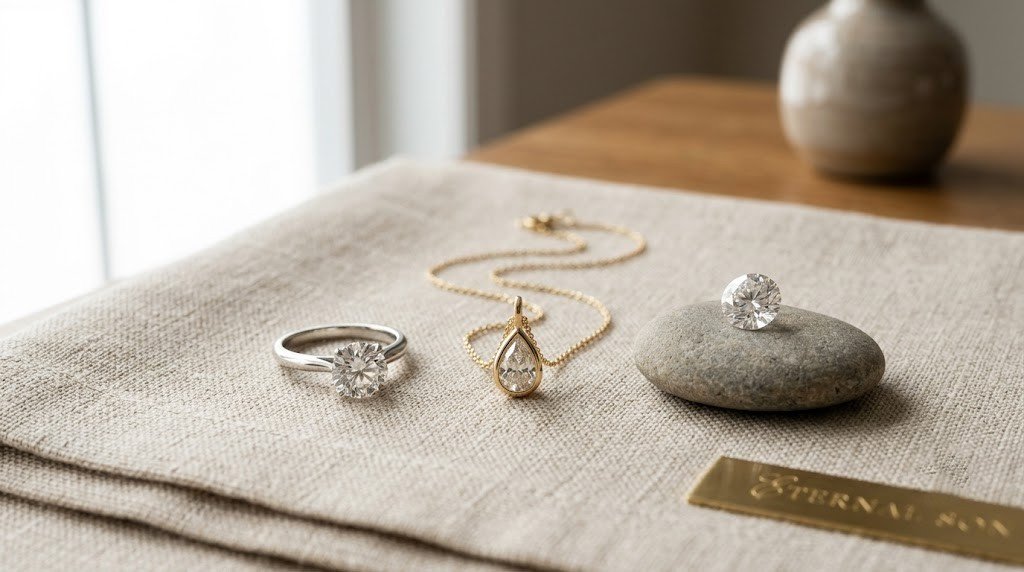
- Settings and jewelry ideas for a son for rings, pendants, and keepsakes to consider together.
Talk With Memorial Diamond
If it would help to have plain answers about a son memorial diamond before you talk to his family, Memorial Diamond can be reached at memorialdiamond.us. You can ask about quantities, timing, and what happens to unused material, with no obligation and no pressure to decide.