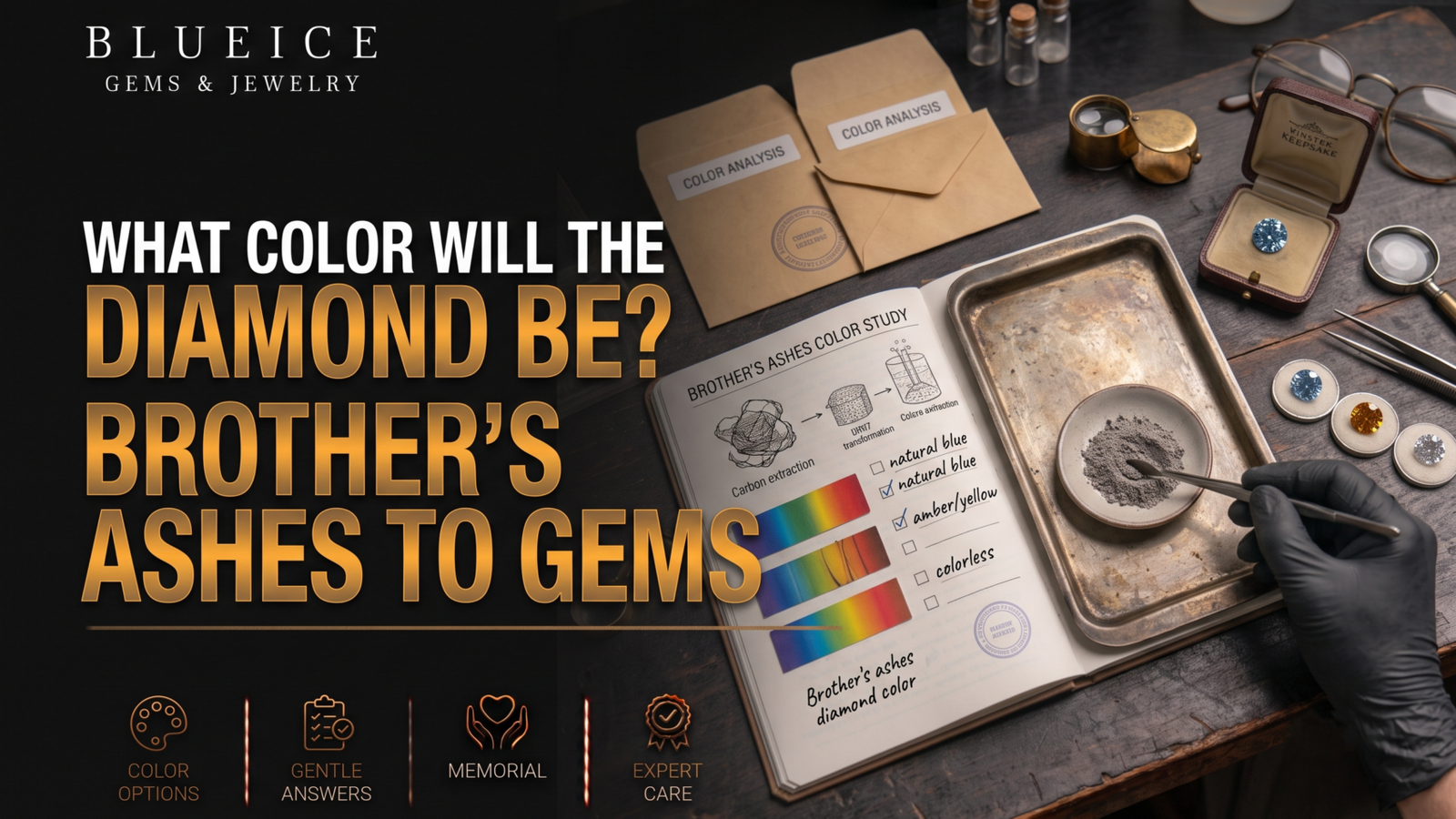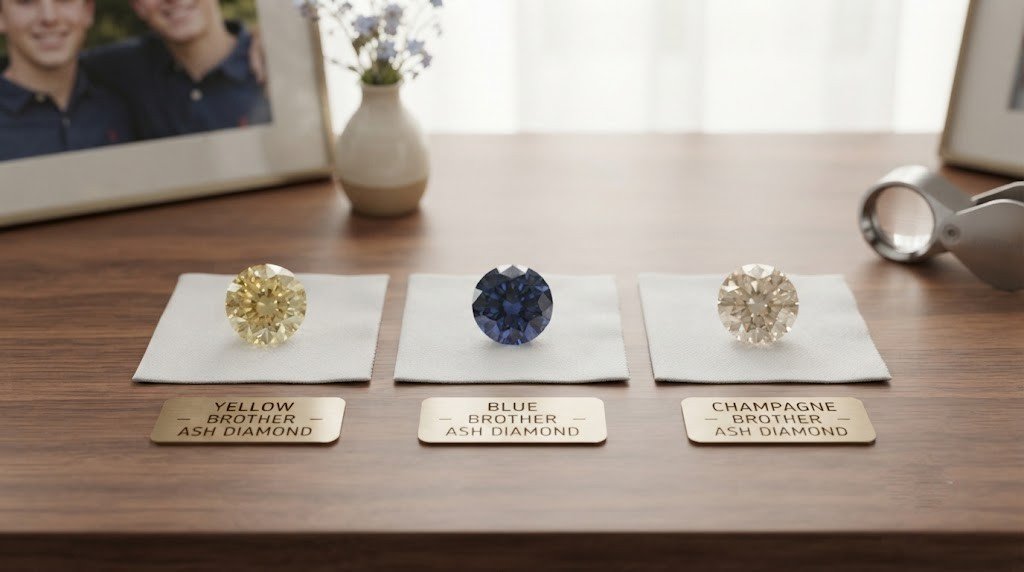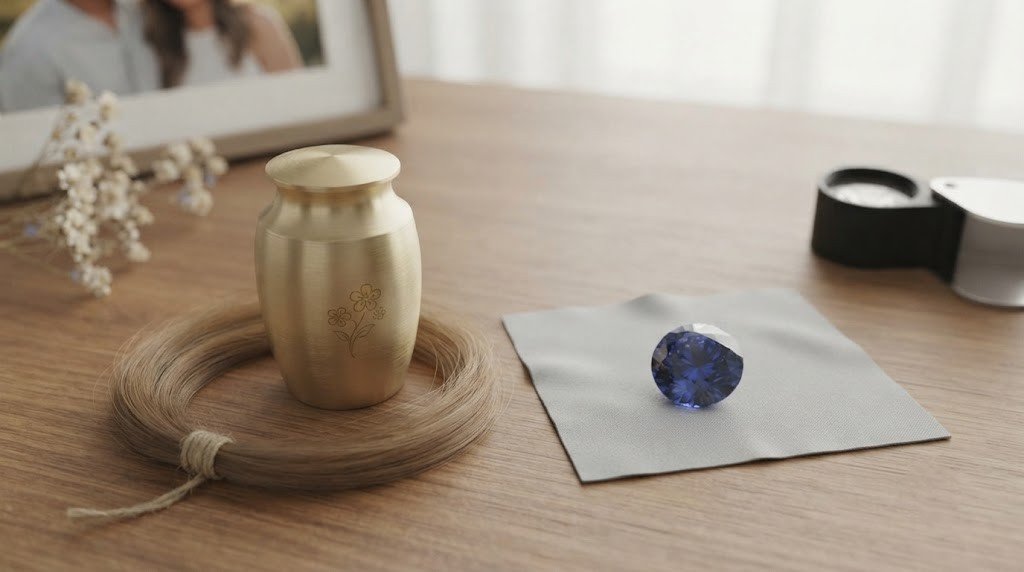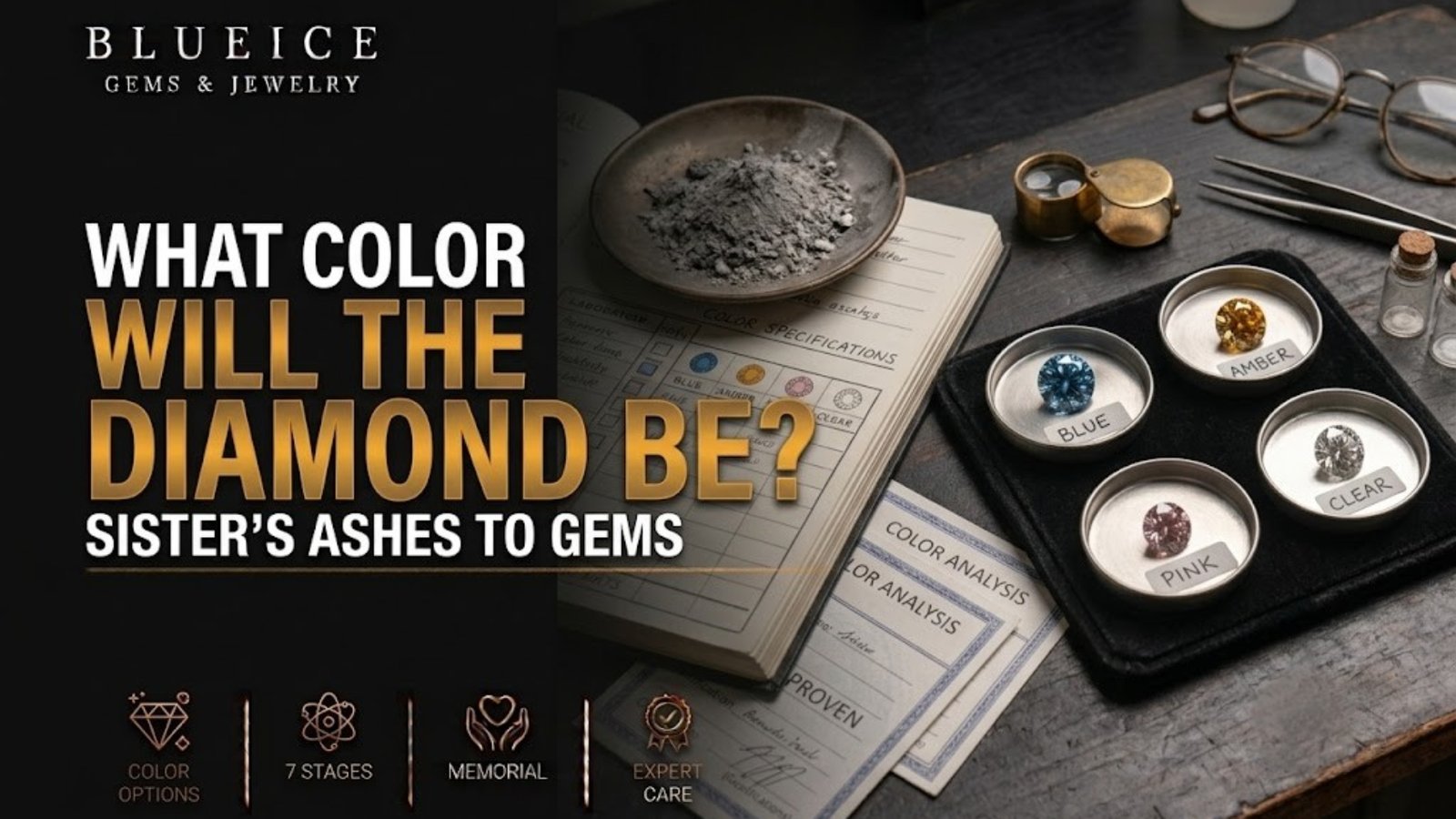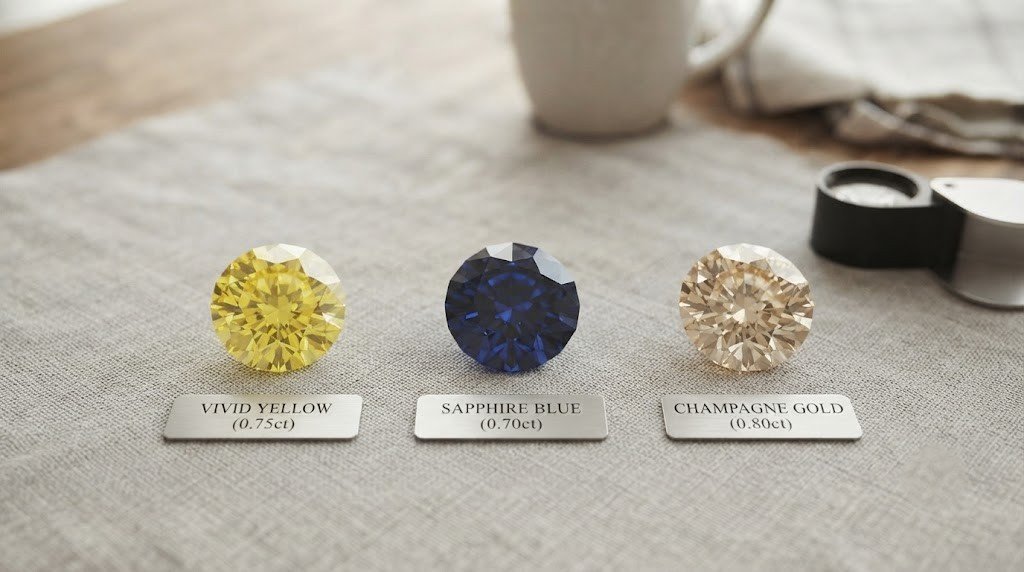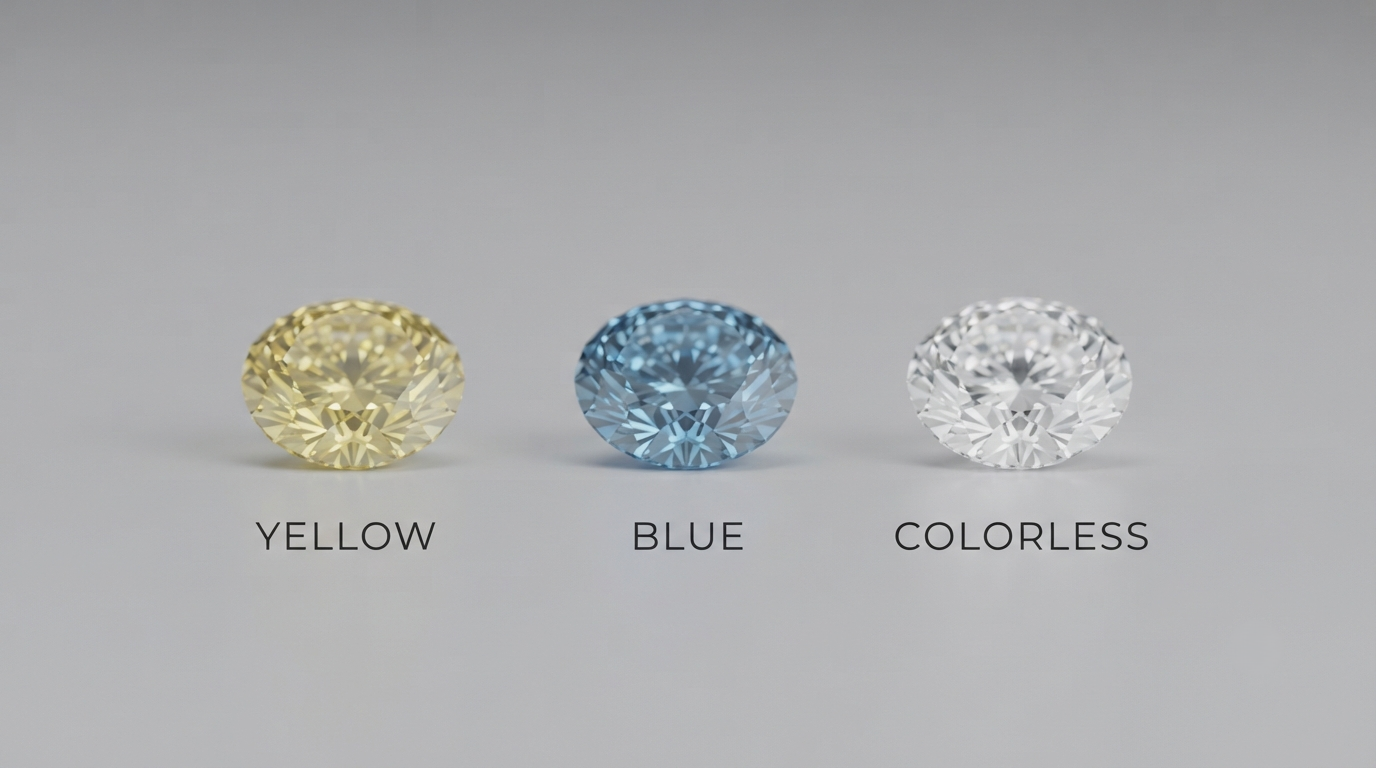
Bringing together a little of his ashes and a lock of his hair can feel like gathering two parts of one story into a single small object, and the question of color soon follows. The brother ashes hair diamond color cannot be predicted from either material or from the mix: memorial stones, blended or not, tend to settle into yellow, blue, or champagne because of trace nitrogen and boron during growth, colorless needs extra processing at a higher price, and irradiation can add other shades.
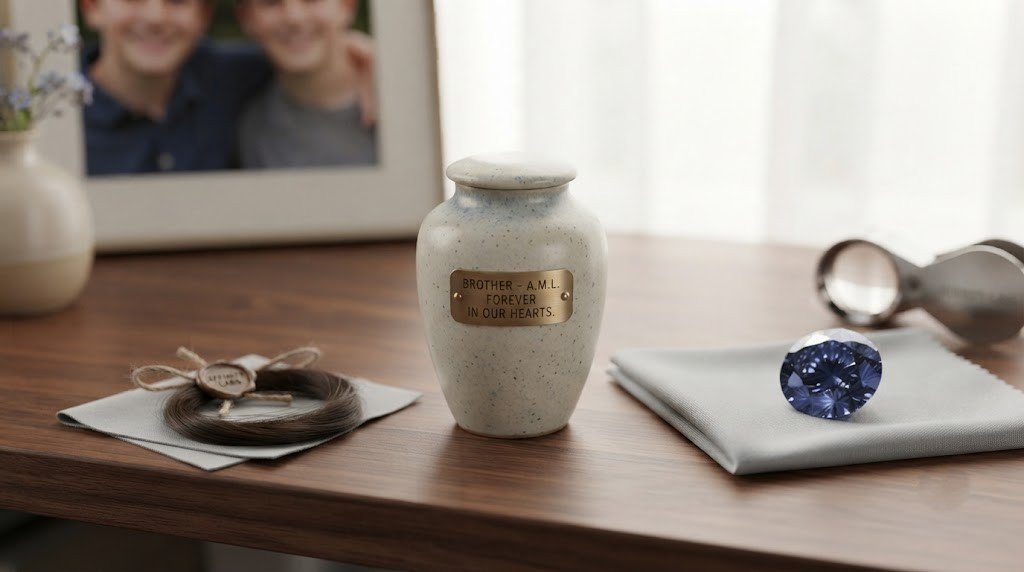
Table of Contents
Does Blending Change the Brother Ashes Hair Diamond Color?
Not in any way anyone can forecast. Combining two sources of his carbon is a decision about meaning, about wanting both the ashes and the hair represented in one crystal. It is not a technique for steering the brother ashes hair diamond color toward a particular shade, and no provider can tell you in advance that a blend will come out lighter, darker, bluer, or warmer than a stone from either material alone.
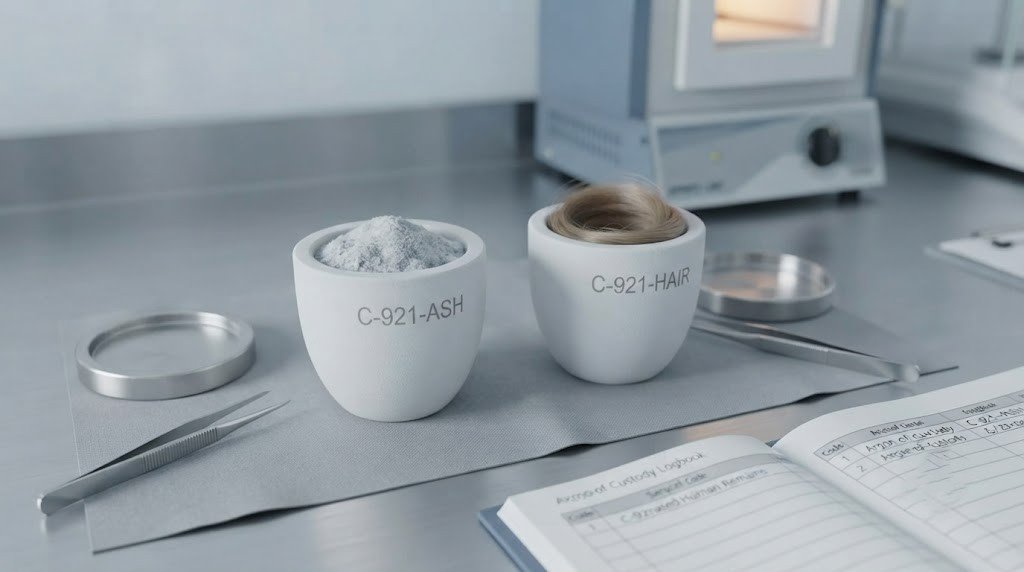
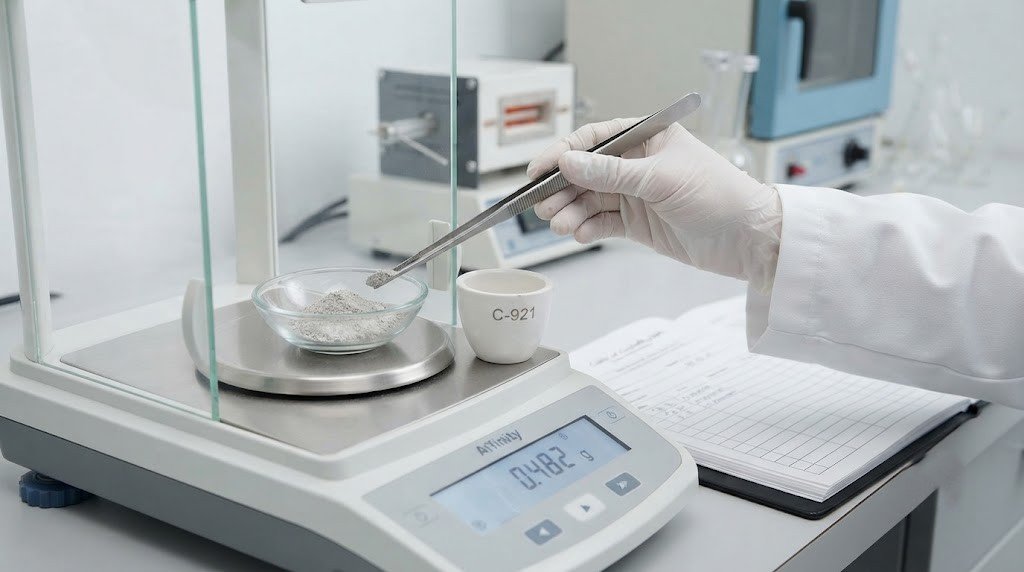
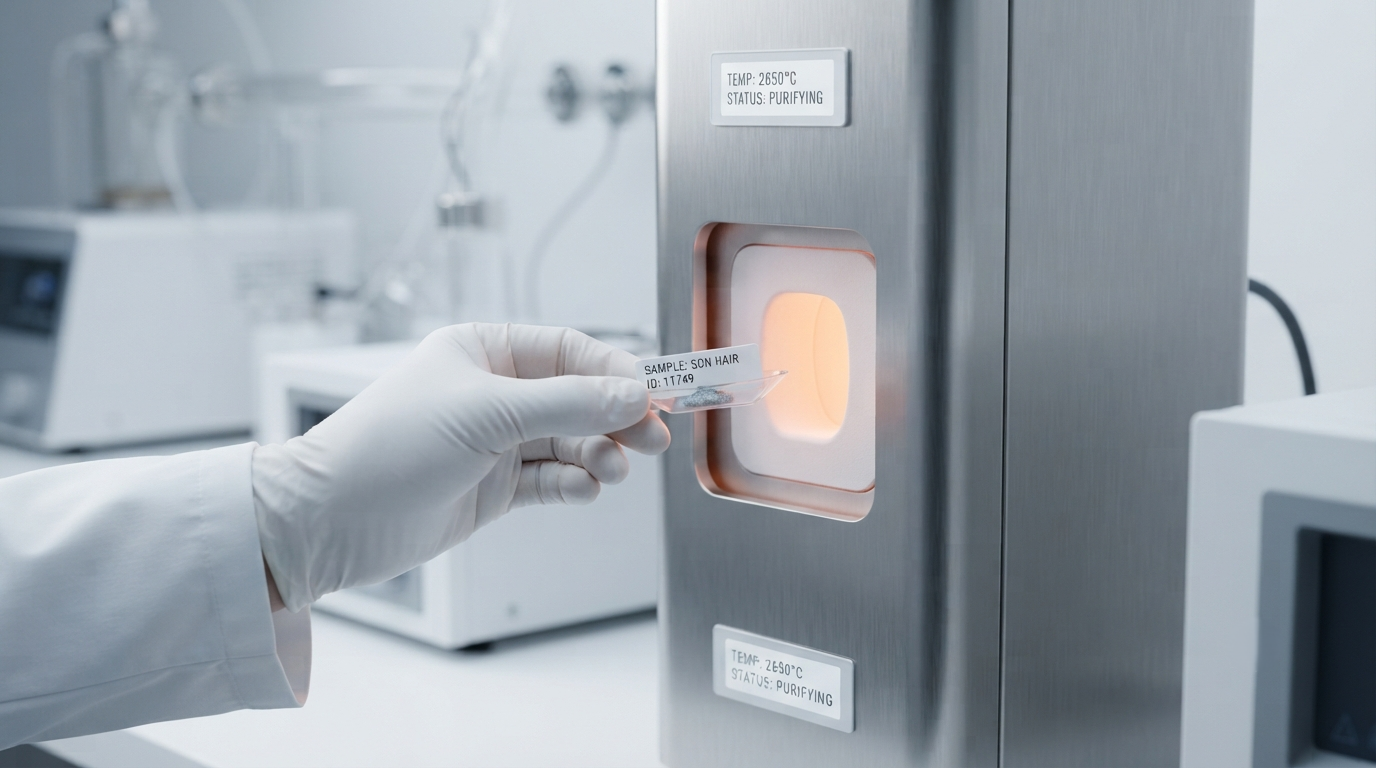
The reason lies in what happens before growth. Ashes and hair each go through controlled, oxygen free heating that removes everything except carbon, reaching roughly 99.9% purity or higher. By the time the material is converted to graphite at around 2,500 to 2,700°C, it is carbon ready for the press, and the color story has not yet been written.
That story is written during growth, by whatever trace elements find their way into the crystal. So when people ask whether the hair will “brighten” the ashes, or whether the ashes will “warm” the hair, the honest answer is that the brother ashes hair diamond color depends on growth conditions rather than on the recipe of the blend. Providers also differ in whether they offer blended stones at all, so it is worth confirming that before planning around one.
Where Do Yellow, Blue, and Champagne Tones Actually Come From?
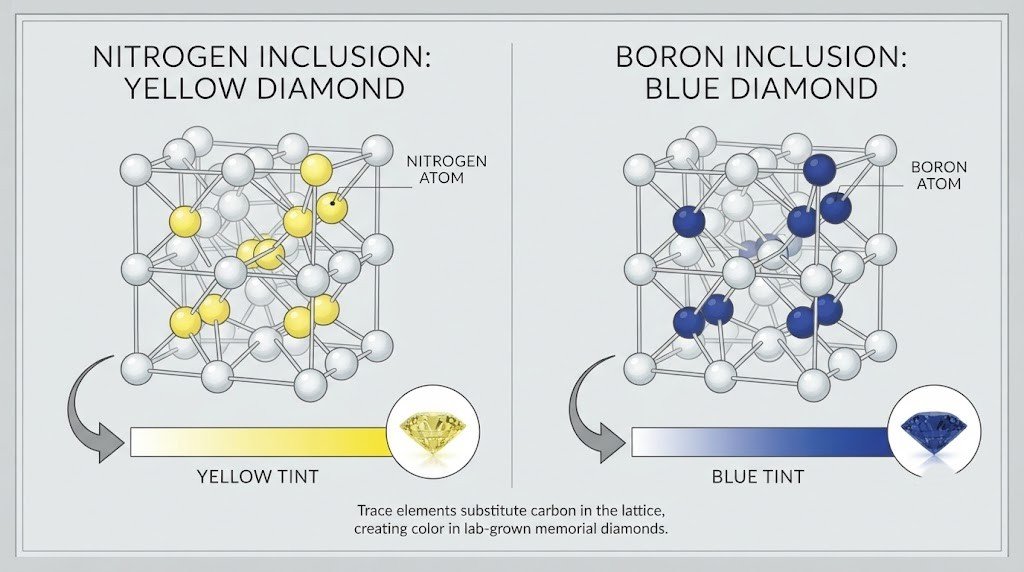
Diamond is carbon arranged in a tight, repeating lattice. When a stray nitrogen atom takes a place in that lattice, the stone takes on a yellow tint; when boron does the same, it leans blue. A colorless diamond requires that both be kept out almost entirely, which rarely happens by accident when the brother ashes hair diamond color starts from an organic source.
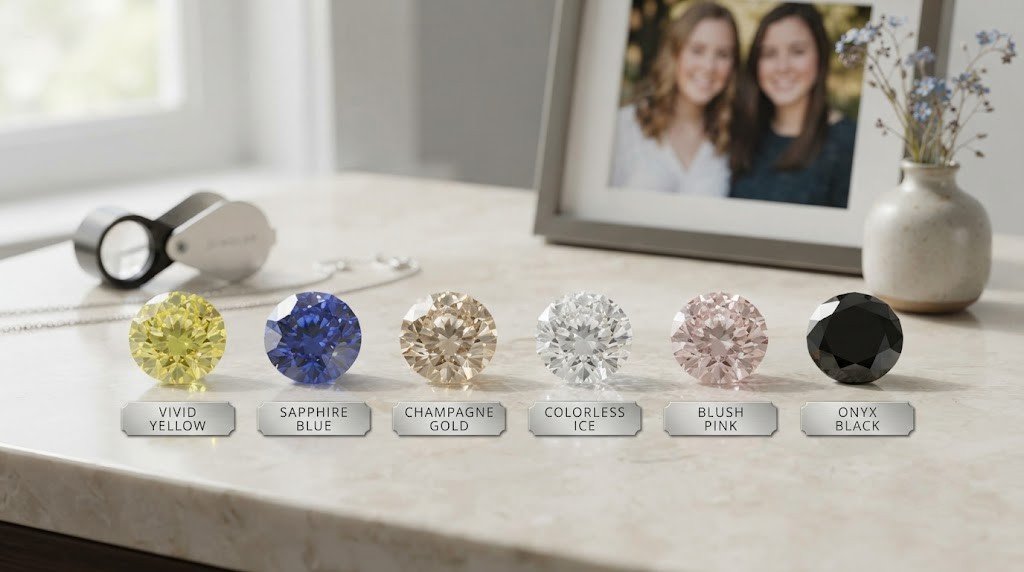
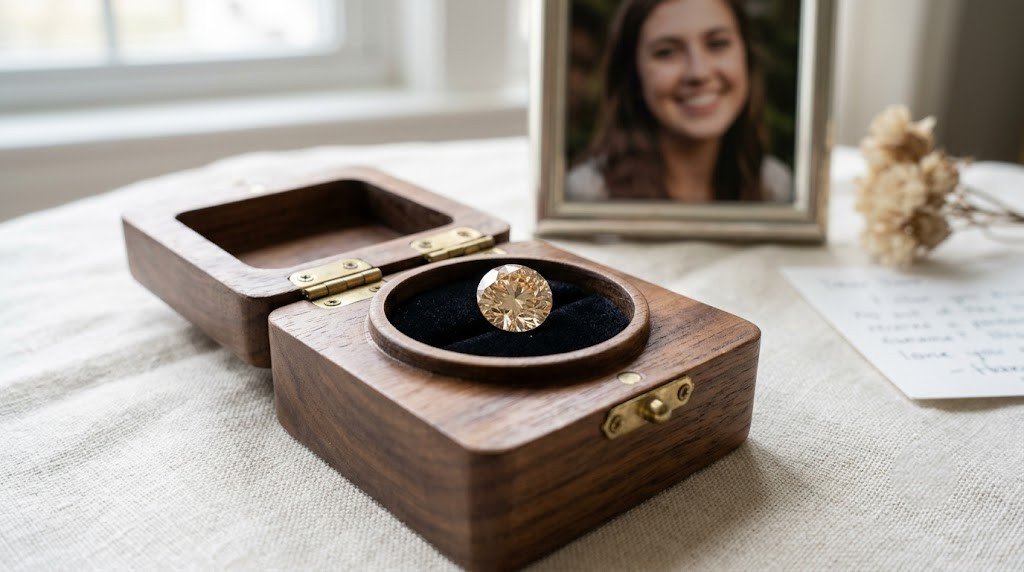
Memorial stones begin with personal carbon rather than a controlled industrial feedstock, and trace elements are common in organic material. That is why memorial diamonds across the industry tend toward yellow, blue, and champagne or brown tones, and why a brother ashes hair diamond color in one of those families should be seen as a natural result rather than a flaw.
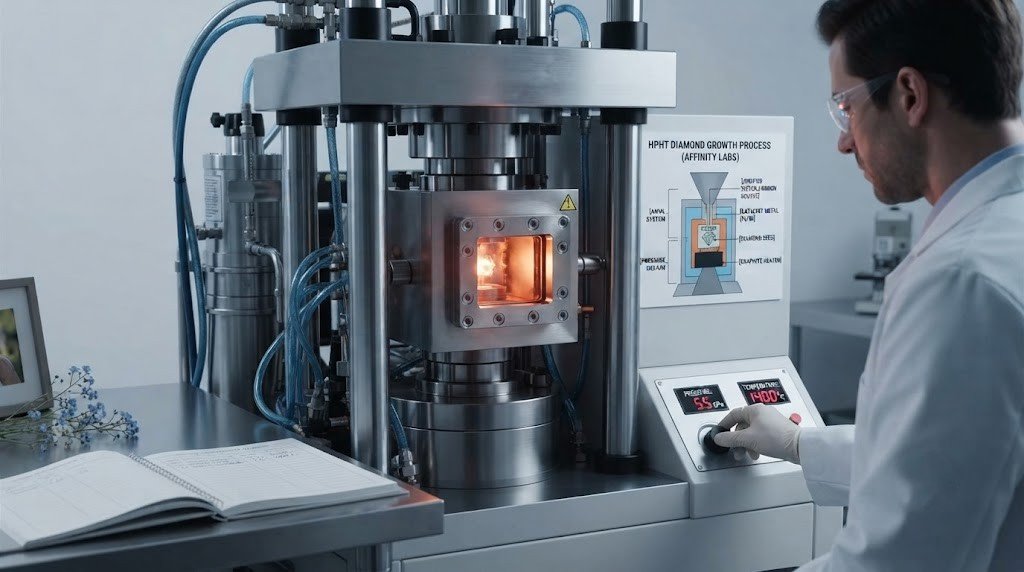
The purified carbon, typically blended with supplemental lab sourced carbon, is grown in a press under about 6 to 8 GPa and 1,400 to 2,500°C using the HPHT method that most memorial providers rely on, with CVD used by a minority. Growth lasts weeks to months, and the brother ashes hair diamond color that emerges reflects the conditions of that particular run. Readers who want the underlying science can find a clear explanation in this article on how HPHT and CVD synthetic diamonds are grown.
How Much of a Blended Stone Comes From Each Material?
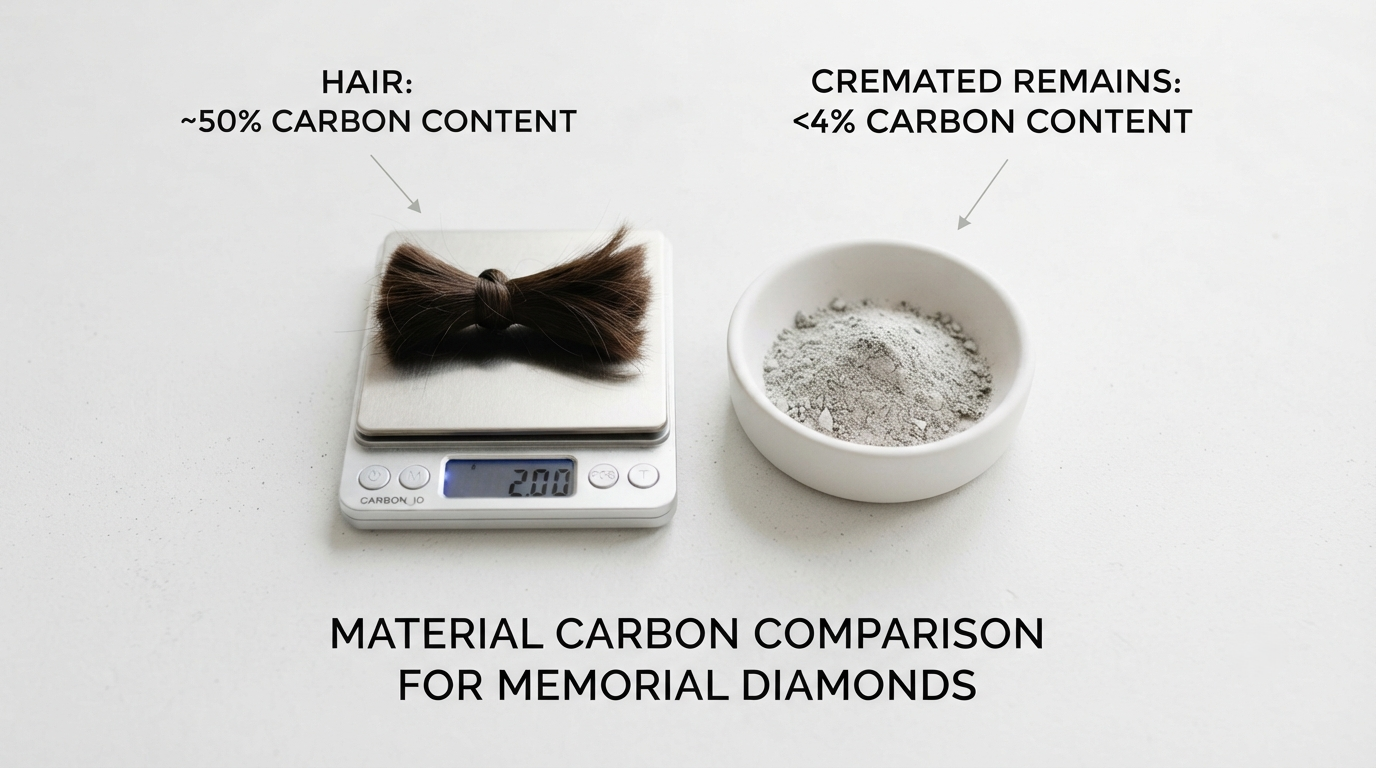
This is where honesty matters most. Cremated ashes are mostly calcium phosphate, and only about 0.5% to 4% of ash by weight is usable carbon. For stones grown from ashes, the personal carbon usually accounts for roughly 10 to 15% of what the finished diamond weighs, and a few providers put it nearer 3%. That percentage is an ash figure only.
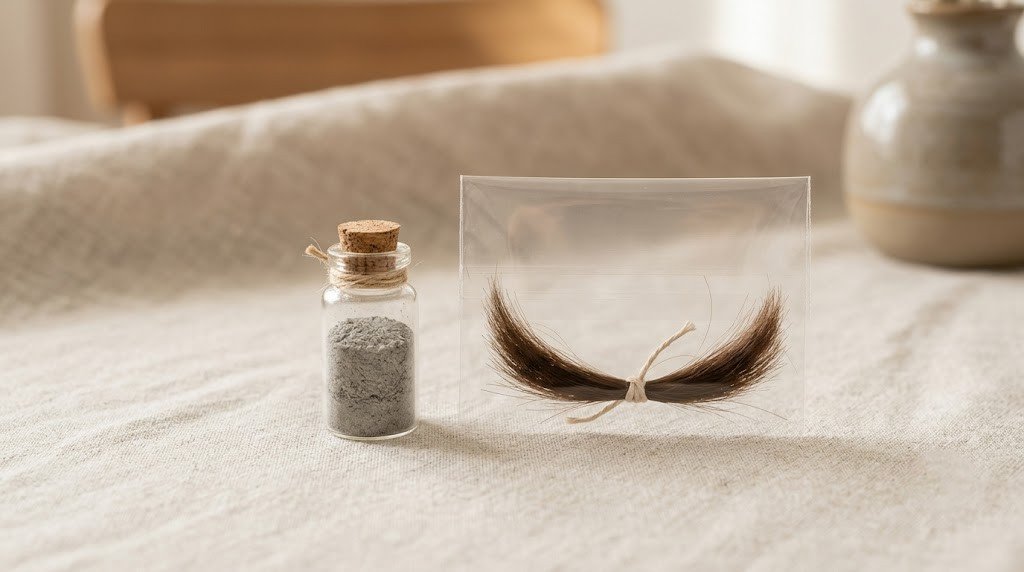
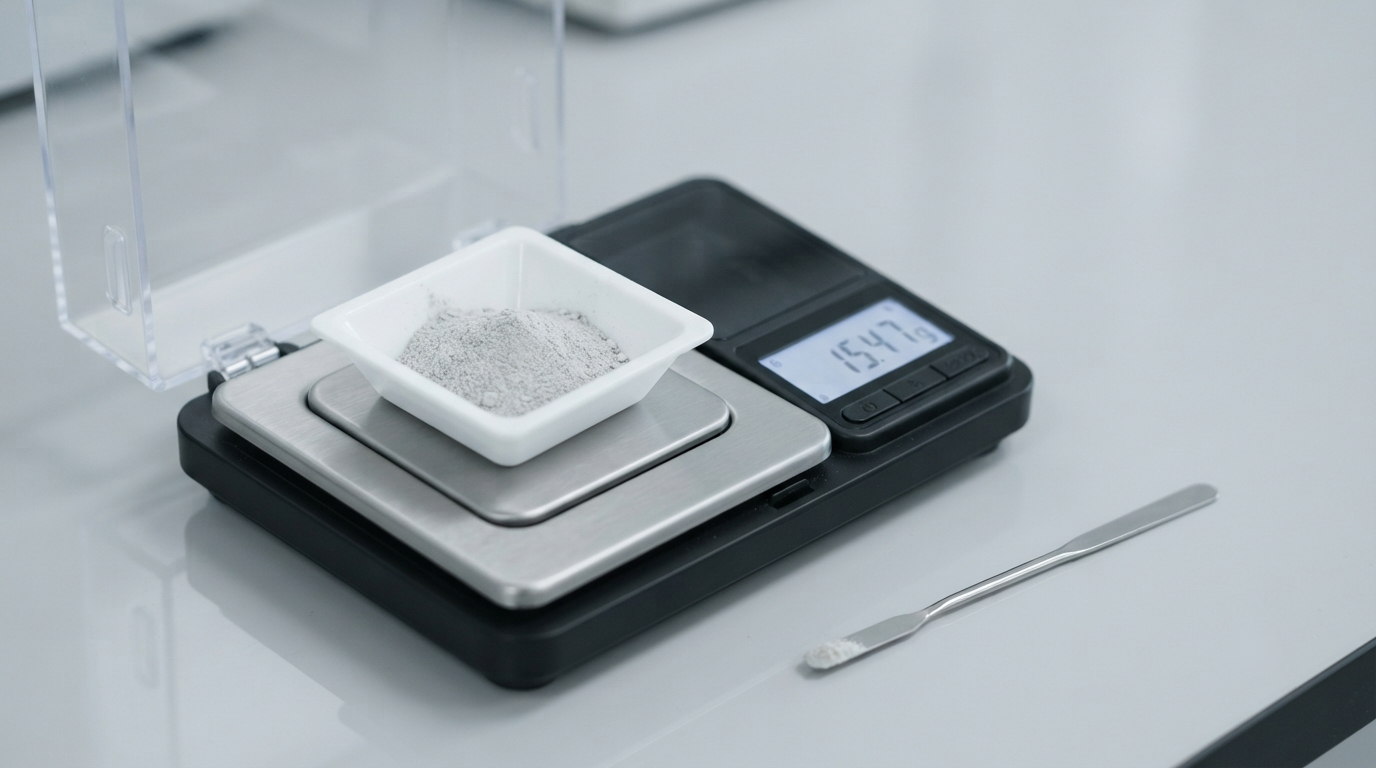
Hair is a richer source, roughly 50% carbon by weight, which is why a small lock or a few grams is usually enough. But no finished stone percentage is published for hair, and none is published for blends of ashes and hair. Anyone who quotes you a precise split between the two in a combined stone is going beyond what the industry publicly documents.
The defensible statement is that genuine, purified carbon from both his ashes and his hair goes into the crystal, typically alongside supplemental lab carbon to reach a workable size. None of this proportion shifts the brother ashes hair diamond color in a predictable direction. For a closer look at amounts, the guide to how much ash and hair a brother memorial diamond needs covers typical ranges and what to confirm with a provider.
Can the Brother Ashes Hair Diamond Color Be Colorless?
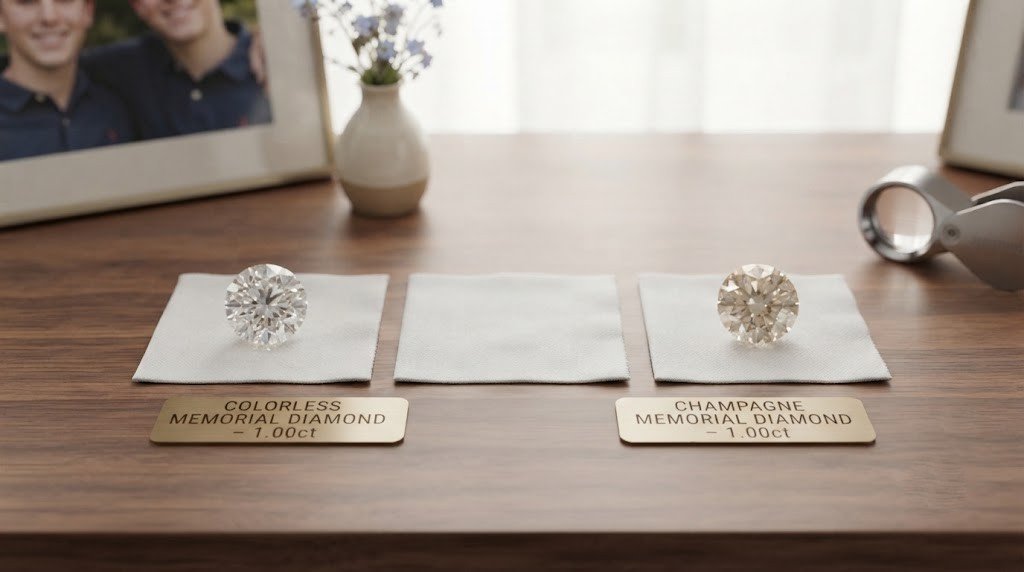
Yes. A colorless memorial diamond can be grown from a blend, but it is a choice that requires additional processing to keep nitrogen and boron out of the crystal. That extra work is why choosing colorless as the brother ashes hair diamond color typically costs more than a yellow, blue, or champagne stone at the same carat weight.
Across the industry, a 0.5 to 1 carat memorial diamond typically falls around $5,000 to $15,000, and colorless lands toward the upper end of that span. If you already know colorless is the brother ashes hair diamond color you want, tell the provider at the start, ask how colorless is priced at your target size, and ask whether it changes the timeline.
It can be worth pausing on the motivation, too. Some people want colorless because it feels classic or matches the jewelry they already wear. Others reach for it because they assume a tinted stone is somehow less genuine, which is not the case: a memorial diamond with a champagne or blue brother ashes hair diamond color is graded on the same 4Cs and shares the same hardness and optical behavior as any other diamond.
What Can Irradiation Add to a Brother Ashes Hair Diamond Color?
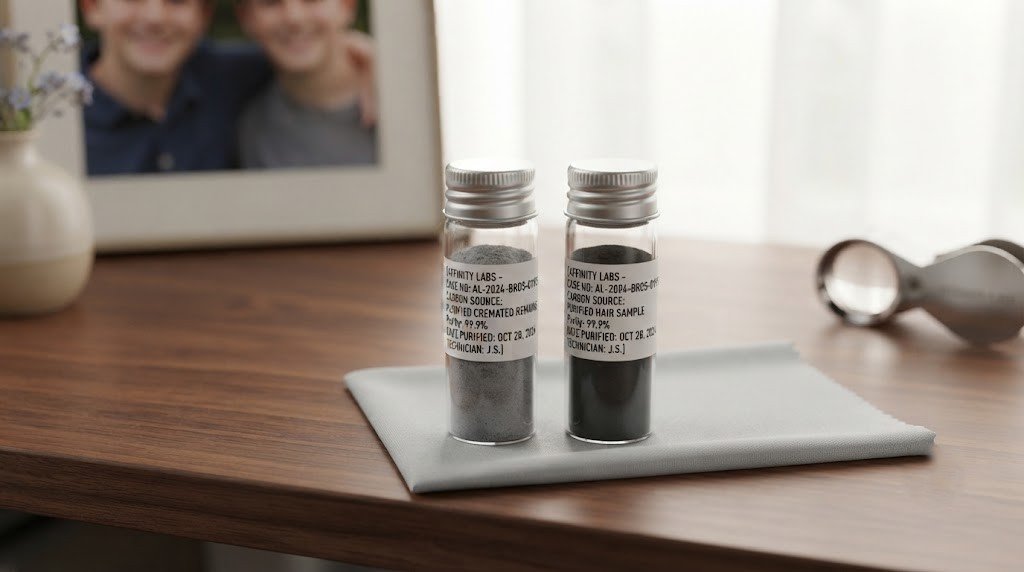
Irradiation is an optional post growth treatment that some providers offer to shift or intensify color. Where offered, it can produce red, pink, green, or black stones. The treatment changes the brother ashes hair diamond color you see, while the carbon from his ashes and hair that went into the press stays exactly where it is.
Not every provider offers irradiation, and those that do may limit the palette. Specialty colors can lengthen the process as well: across the industry, a finished stone typically takes 6 to 10 months, while specialty colors such as black, or stones larger than roughly 2 carats, can take up to about 12 months.
If one of these shades speaks to you, ask which colors are available, how the treatment is recorded on the paperwork, and what it adds to the cost. There is no reason, emotional or otherwise, to treat a red or black brother ashes hair diamond color as less meaningful than a natural yellow. The choice is about what feels right to you when you think of him.
How Do Brother Ashes Hair Diamond Color, Carat, and Price Fit Together?
Carat weight is driven mainly by growth time in the press, not by how much ash or hair you provide, so sending more material does not make a bigger stone. Larger diamonds take longer and need tighter control, which is why prices rise steeply with size. Brother ashes hair diamond color layers on top of that: colorless typically commands a premium over natural tones at the same weight, and treated colors may be priced separately.
General 2026 industry ranges are shown below as typical figures for the category, not any provider’s price list. Blended stones may carry their own pricing, so ask.
| Size tier | Typical industry price | Brother ashes hair diamond color notes |
|---|---|---|
| 0.10 to 0.25 ct (approx.) | About $1,500 to $3,500 | Natural yellow, blue, or champagne tones are common; colorless adds cost |
| 0.5 to 1 ct | About $5,000 to $15,000 | A colorless stone usually prices near the upper end |
| 2 to 5+ ct | About $20,000 to $75,000 or more | Longer growth; above roughly 2 ct, or for specialty colors, up to about 12 months |
| Extras | Priced separately | Independent grading, engraving, fancy cuts, and settings |
A simple way to work with these numbers is to decide which you would give ground on first. If colorless matters most, a smaller stone may keep the total in reach; if size matters more, a natural tone leaves room in the budget for a larger carat or a setting. The detailed guide to what a brother memorial diamond typically costs explains each tier and add on.
What Should You Settle Before Gathering Both Materials?
A blended stone involves two sources, and each can raise its own question of permission. A sibling often does not hold authority over a brother’s remains. Depending on the state, the decision may rest first with a spouse or registered partner, adult children, or parents before it reaches a sibling, and any instructions he left on paper about who should decide can reshuffle that order.
If someone else holds that authority, the gentle route is to ask whether you might have a small portion. Providers commonly work with anywhere from a few tablespoons to about 4 ounces (roughly 100 grams) of ashes, usually a small share of the whole, leaving the remainder to be kept, scattered, or interred as planned. Any hair saved in his home or among his possessions could be treated as part of his estate depending on state rules, and a lock cut by the funeral home is generally passed along through the person holding authority.
These conversations can feel heavier than choosing a brother ashes hair diamond color, and it helps to have them first. The complete brother ashes and hair diamond guide walks through the whole path, and if several relatives hope for stones of their own, the post on sharing a brother memorial diamond among family members covers how that can work.
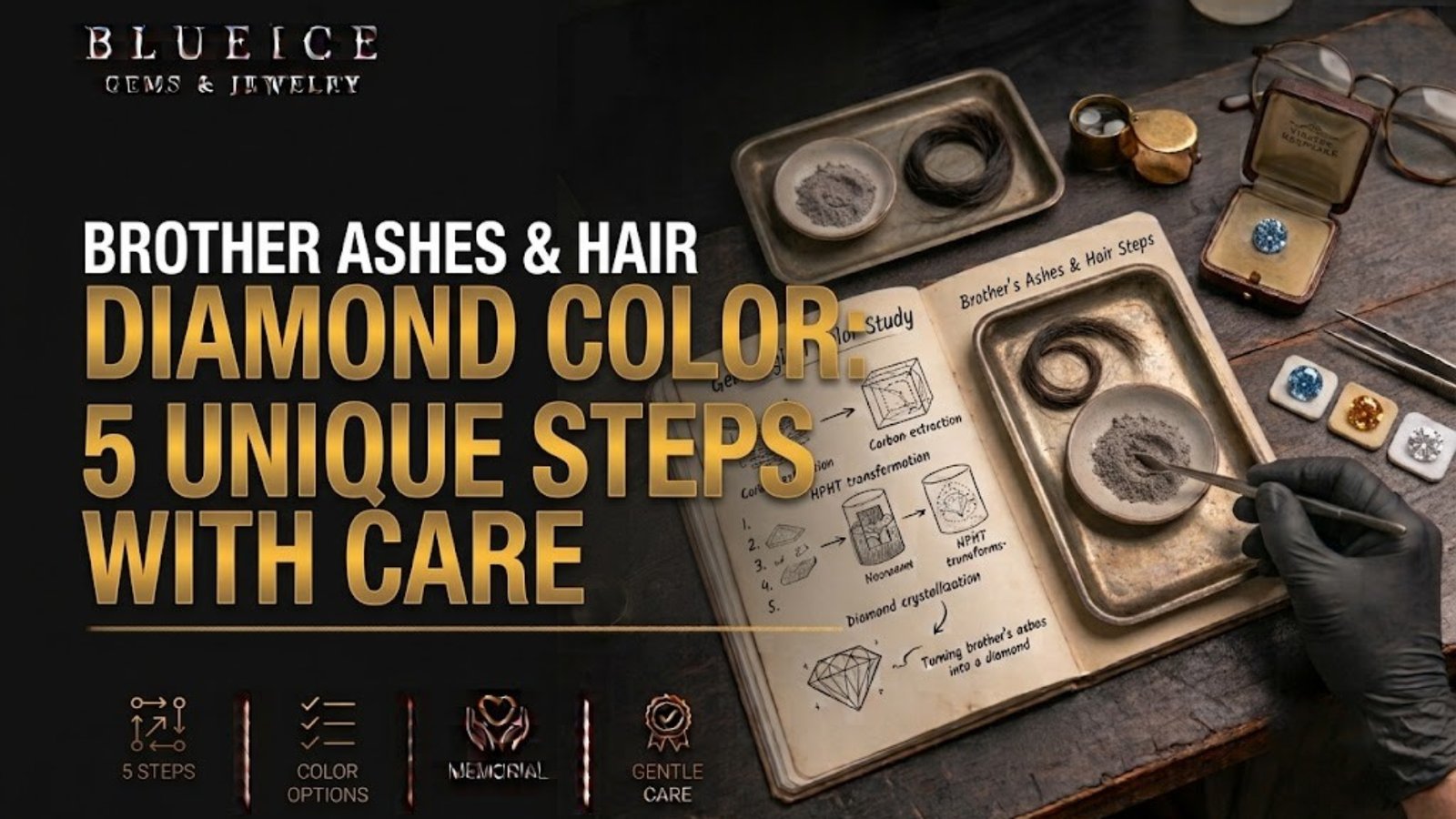
How Do You Choose a Brother Ashes Hair Diamond Color in Five Steps?
Choosing a brother ashes hair diamond color is easier when it is broken into small decisions. None of these steps assumes anything about his age, his tastes, or who will wear the stone, and none ties a color to gender: a pink stone can honor a brother as fully as a blue one.
- Decide how open you are to surprise. If you are content for the stone to show whatever natural tone emerges, you can let the brother ashes hair diamond color unfold on its own.
- Settle whether colorless matters. If it does, raise it before anything is sent, since it requires additional processing and typically costs more.
- Consider treated shades. Ask whether irradiated red, pink, green, or black is offered, and how it affects price and timeline.
- Think about how and when you will wear it. A stone worn daily on a hand may call for a different tone than a pendant kept for special days or a keepsake held at home.
- Let memory have a say. A color tied to a place, a season, a shirt, or a car you associate with him can be as good a reason as any.
If more than one person in the family is planning a stone, each can work through these steps separately and arrive at a different brother ashes hair diamond color. The variety can reflect the different ways each person knew him.
Do Some Metals or Settings Suit Certain Colors Better?
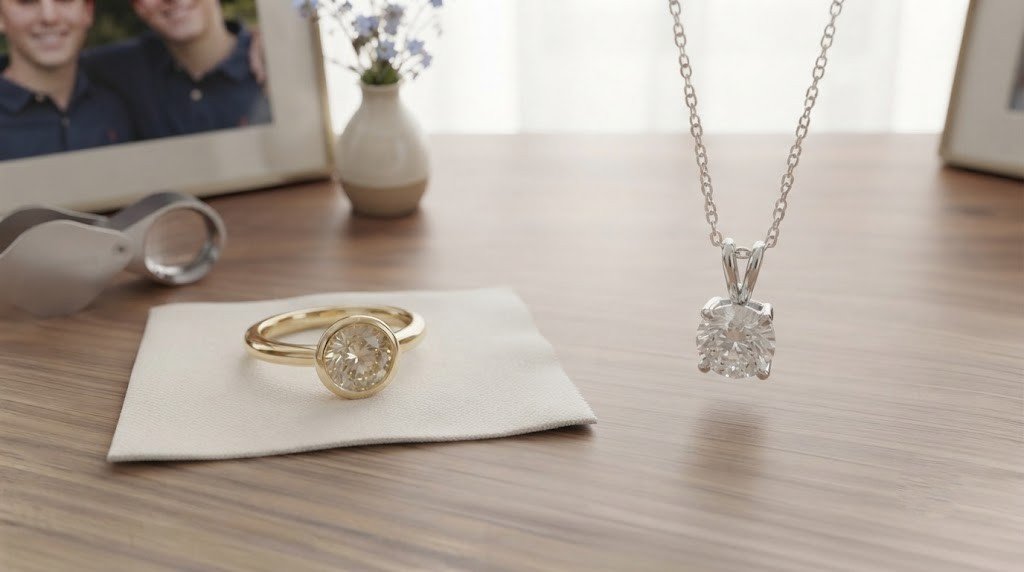
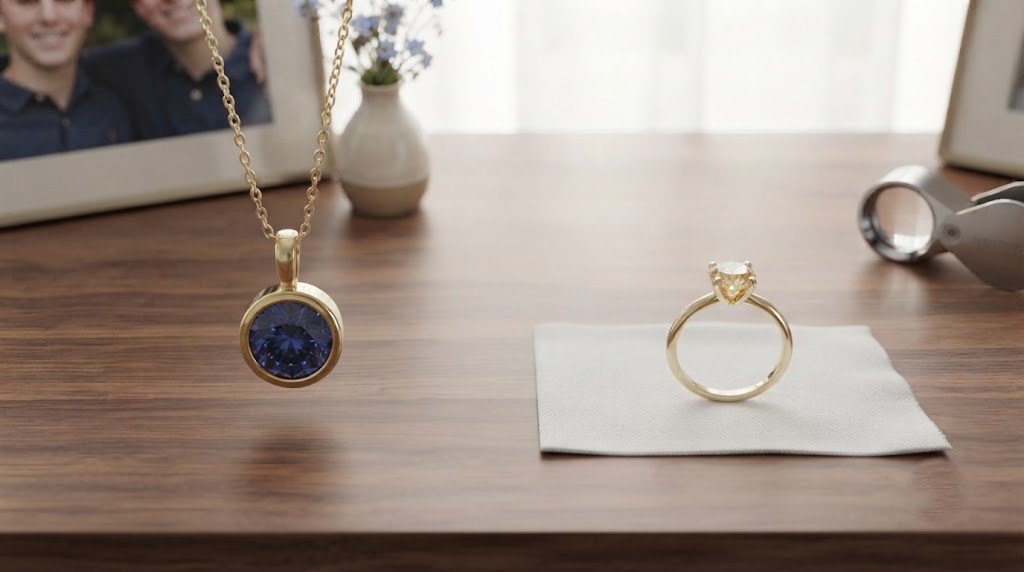
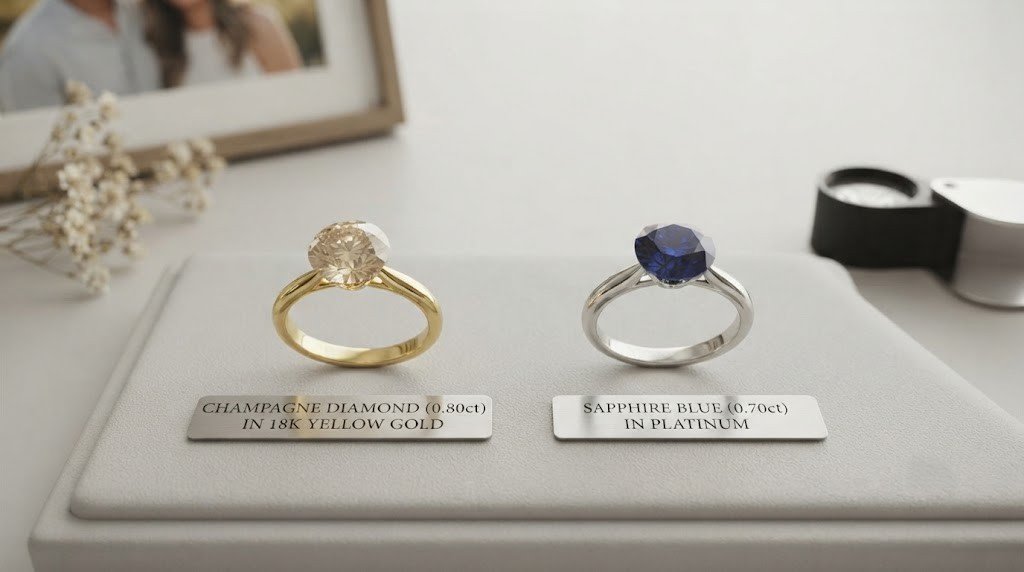
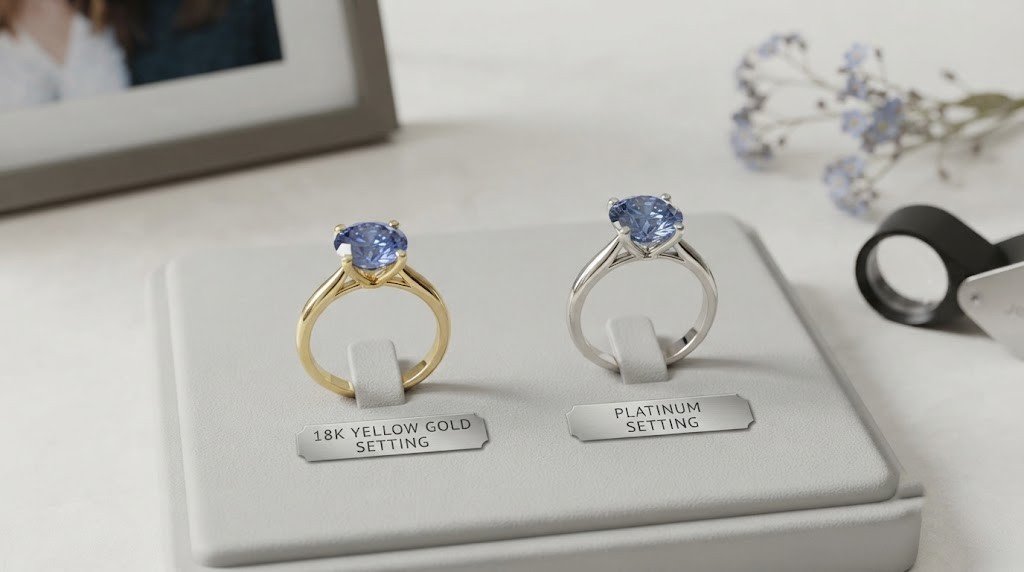
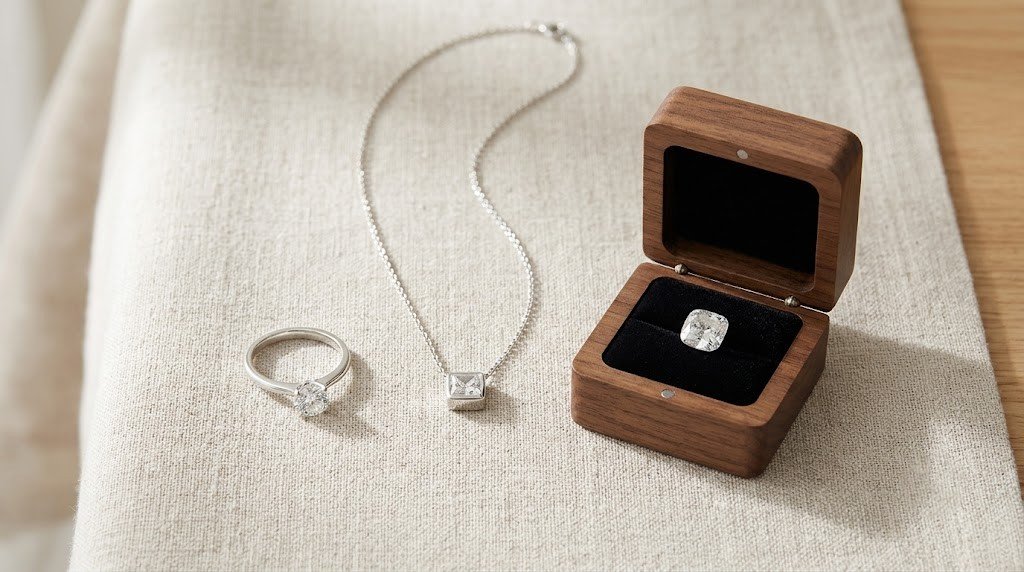
Metals and settings are, above all, a question of taste. Yellow gold, rose gold, white gold, platinum, and other metals all have devoted fans, and the right one is whatever you will be happy to see every day. Solitaires, bezels, halos, pendants, studs, bands with a set stone, and keepsake pieces are all reasonable homes for a blended memorial diamond, whatever its brother ashes hair diamond color.
You may come across the idea that a certain metal changes how a brother ashes hair diamond color appears. If that matters to you, ask a jeweler directly and request to see a stone of similar color against a few metals before deciding. Your own eyes are a better guide than any general rule.
Durability is worth a question at the same time. Diamond is 10 on the Mohs scale, yet a sharp knock at the wrong angle can still chip it, so ask which settings hold up best for the way you plan to wear the stone. If you are still comparing materials, the posts on the color of a diamond made from your brother’s ashes and the color of a diamond made from his hair look at each source on its own.
Which Color Questions Belong on Your Provider List?
A short list of questions about brother ashes hair diamond color can prevent misunderstandings later. These are worth asking before any material leaves your hands:
- Do you offer blended stones from ashes and hair, and how is each material tracked?
- Which color families do your memorial stones usually come out in?
- Do you offer colorless processing, and what does it add to price and timeline?
- Which irradiated shades are available, and how is treatment disclosed?
- What happens if the finished color is not what I hoped for?
- Will the stone come with an independent grading report as well as an origin certificate?
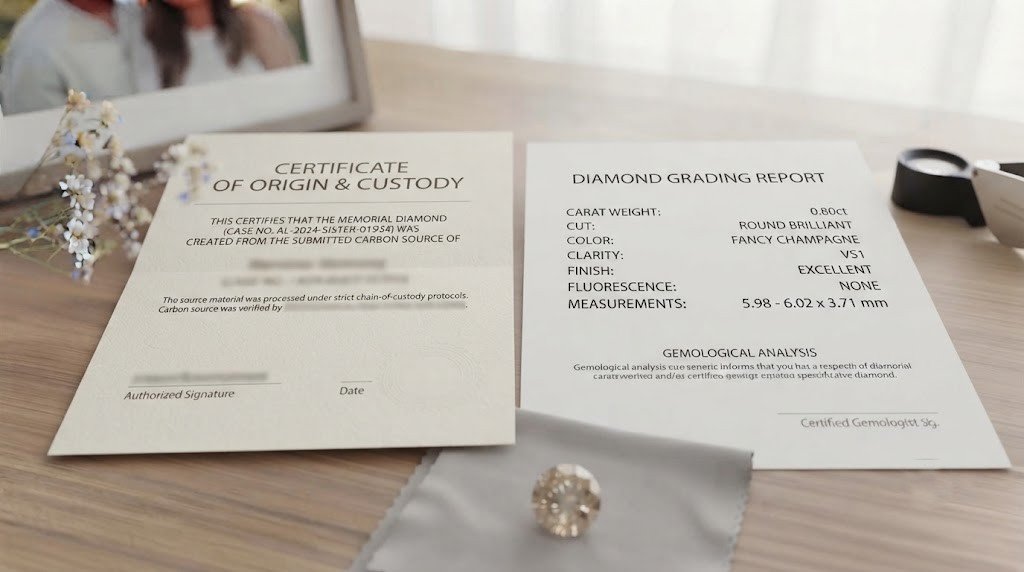
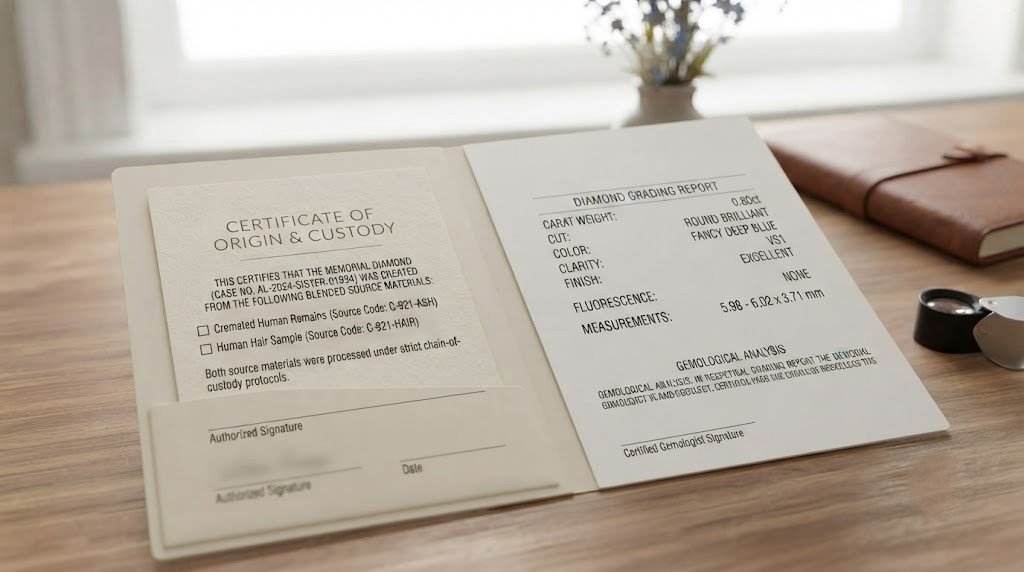
The difference between those last two documents is worth understanding, because the grading report is where the brother ashes hair diamond color is formally recorded. An origin certificate, usually issued in house, records chain of custody, confirming the stone was grown from the carbon you sent. A grading report, ideally from an independent lab referencing standards such as GIA’s framework for diamond quality, records cut, color, clarity, and carat; clarity for memorial diamonds typically falls between SI2 and VVS. The list of questions to ask before turning his ashes and hair into a diamond goes further.
Frequently Asked Questions
Will mixing hair with ashes make the brother ashes hair diamond color lighter?
There is no published evidence that it does. Blending is about meaning, not about steering color. Stones from ashes, hair, or a mix of both still tend toward yellow, blue, or champagne, and the precise shade of a blend cannot be forecast.
Can a provider predict the brother ashes hair diamond color before growth?
No provider can name an exact shade beforehand. Trace elements such as nitrogen and boron, present in tiny and variable amounts, shape the tint during growth. A provider can describe likely color families and offer colorless processing or irradiation to narrow the range.
What share of a blended stone comes from his ashes and hair?
No finished stone percentage is published for hair or for blends. For ash alone, personal carbon typically makes up around 10 to 15 percent of the stone’s mass, with some citing about 3 percent, alongside supplemental lab carbon.
Does a colorless blended diamond cost more?
Typically, yes. Keeping nitrogen and boron out requires additional processing, so colorless usually costs meaningfully more than yellow, blue, or champagne at the same carat weight. For a stone of half a carat to one carat, typical industry pricing sits around $5,000 to $15,000, with colorless near the top.
Can a blended memorial diamond be red, pink, green, or black?
It can, where a provider offers irradiation after the stone is grown. That treatment can yield red, pink, green, or black. Offerings differ between providers, a black stone may need up to about a year, and the treatment belongs on the stone’s documentation.
Does sending more ashes or hair give a bigger or deeper colored stone?
No. Carat size depends mainly on how long the crystal grows, and color depends on trace elements during growth. Providers typically ask for a few tablespoons to about 4 ounces of ashes and a small lock of hair, though requirements vary.
Final Thoughts on Brother Ashes Hair Diamond Color
Choosing to combine his ashes and hair says something about wanting both parts of his story in one place. The brother ashes hair diamond color that comes out of the press will be decided by chemistry rather than by intention, and that can feel strange at first. Yet whether it lands on a soft yellow, a quiet blue, a warm champagne, or a colorless stone you asked for, it will be a genuine diamond grown in real part from him.
Learn More About Color in Combined Stones
- Brother Ashes and Hair Diamond: The Complete Guide the full path for a blended stone
- Gauging the ashes and hair a combined brother stone requires quantities and what to confirm
- What Color Will a Diamond Made From Your Brother’s Hair Be? the color question for hair alone
- When several relatives each want a stone of their own dividing one source among family
Talk With Memorial Diamond
If you are weighing a blended stone and wondering which color might feel right, Memorial Diamond is glad to talk it through with you. Visit memorialdiamond.us to ask about combining his ashes and hair and the color options worth considering, in your own time.
Word count: 2,919 words · Reading time: about 15 minutes