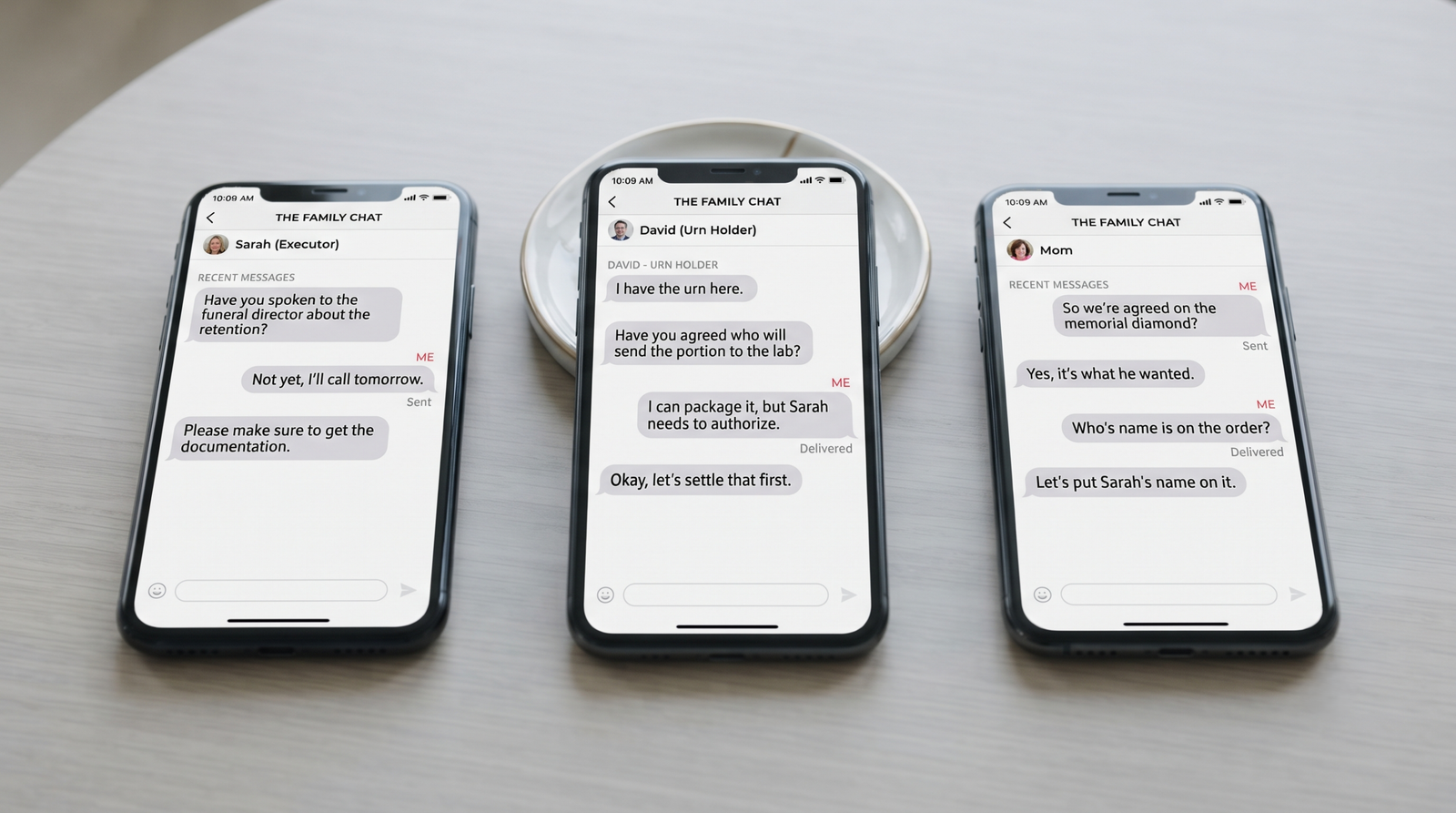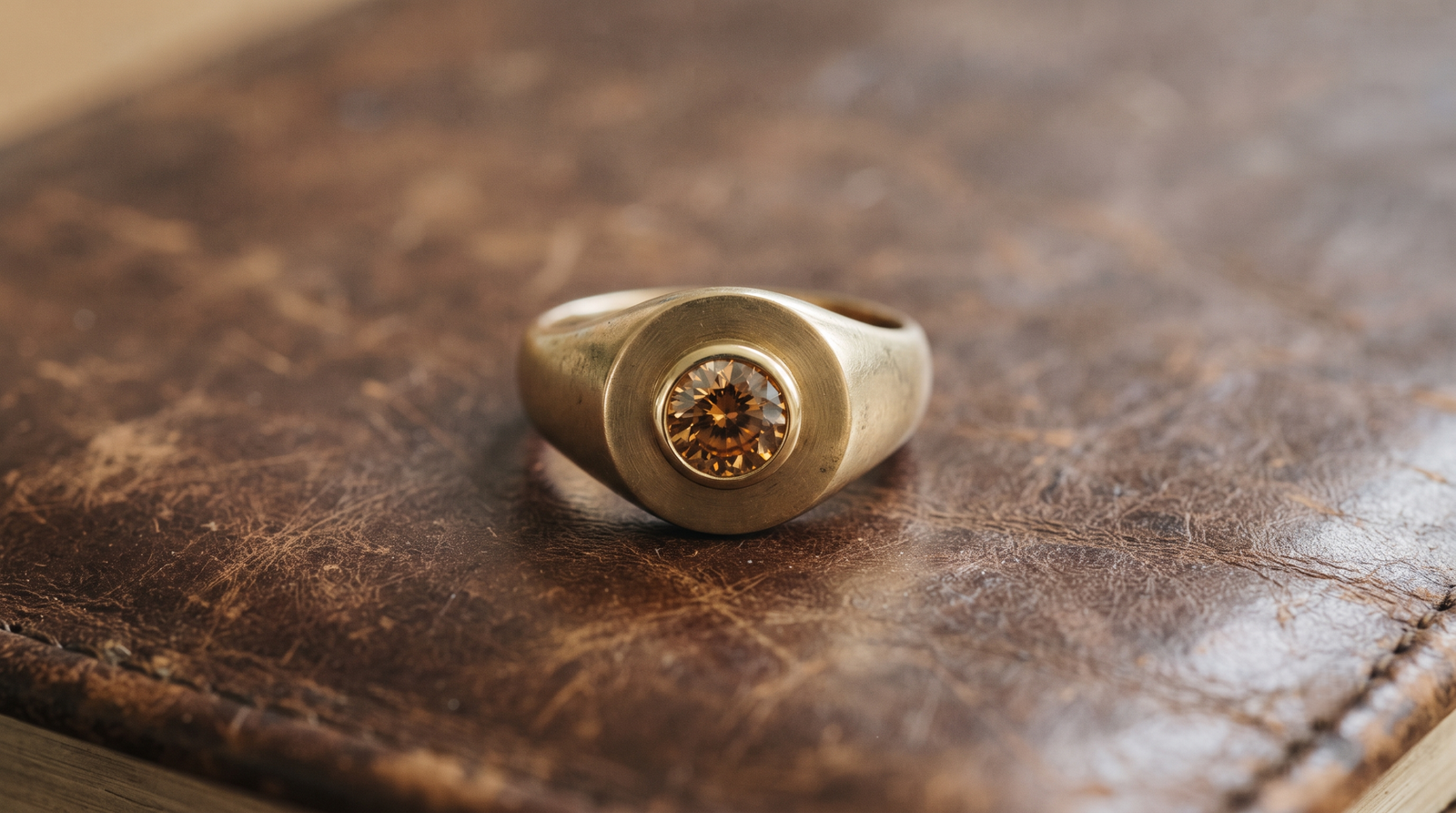
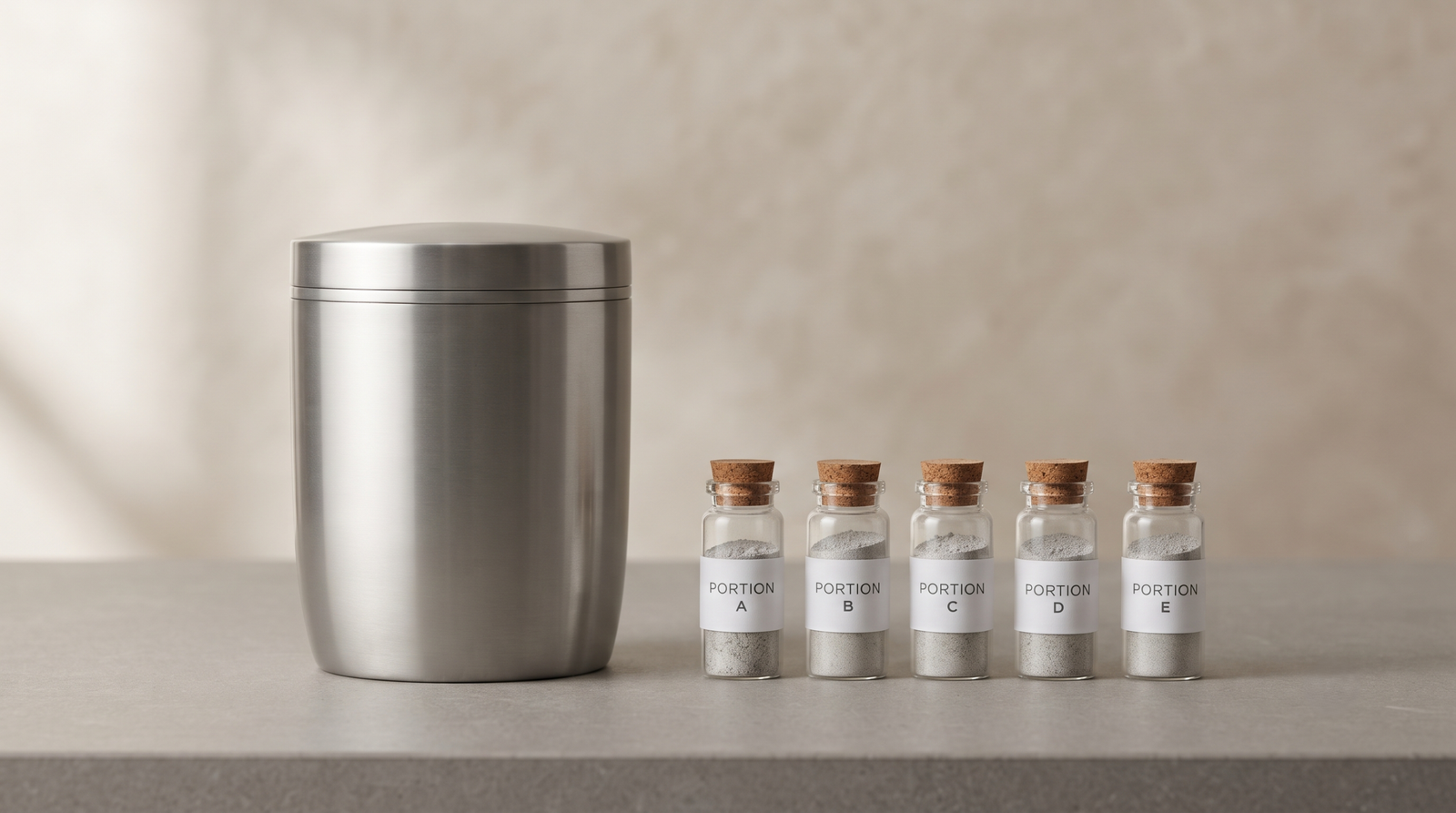
You can do the arithmetic in an afternoon. Three of you, a portion each, and the question of whether there is enough. Yes, more than one family member can have a diamond grown from the same father’s ashes, because a single stone uses only a small portion of a cremation’s remains. The quantity is not what settles it. What settles it is which one family member holds his ashes, whether that person is one of the people asking, and how many people the arrangement has to satisfy.
A note on where this comes from: Memorial Diamond makes memorial diamonds and would be one of the providers you might approach. Nothing on this page is written to steer that.
Table of Contents
Which One Family Member Actually Controls His Ashes?
Cremated remains are generally released to the person who arranged and authorized the cremation, confirm locally rather than assuming. That is a name on a document: a surviving spouse, an executor, or whichever relative signed the paperwork at the funeral home. It may not be yours.
Two things are bundled inside the word control. The first is possession: one family member physically has the container. The second is authority over disposition: who decides what happens to the remains. In many jurisdictions that sits with a surviving spouse ahead of adult children, but it varies by state and can be displaced by written instructions he left.
Here is the asymmetry specific to a father. The people who want stones are not automatically the one family member with control. A widow holds the urn; three adult children want three diamonds. The arithmetic stays easy; the request still has to travel to the person who can say yes. Raising it with that person has its own shape: how to talk to family about a father memorial diamond handles it.
What the Material Allows
Industry practice puts one stone’s requirement between a few tablespoons and roughly 4 oz, about 100g, of cremated remains. A full cremation yields substantially more, so three or four portions is unremarkable, and the rest can still be interred, scattered or kept as intended. How much ash you need for a father memorial diamond covers the figures properly.
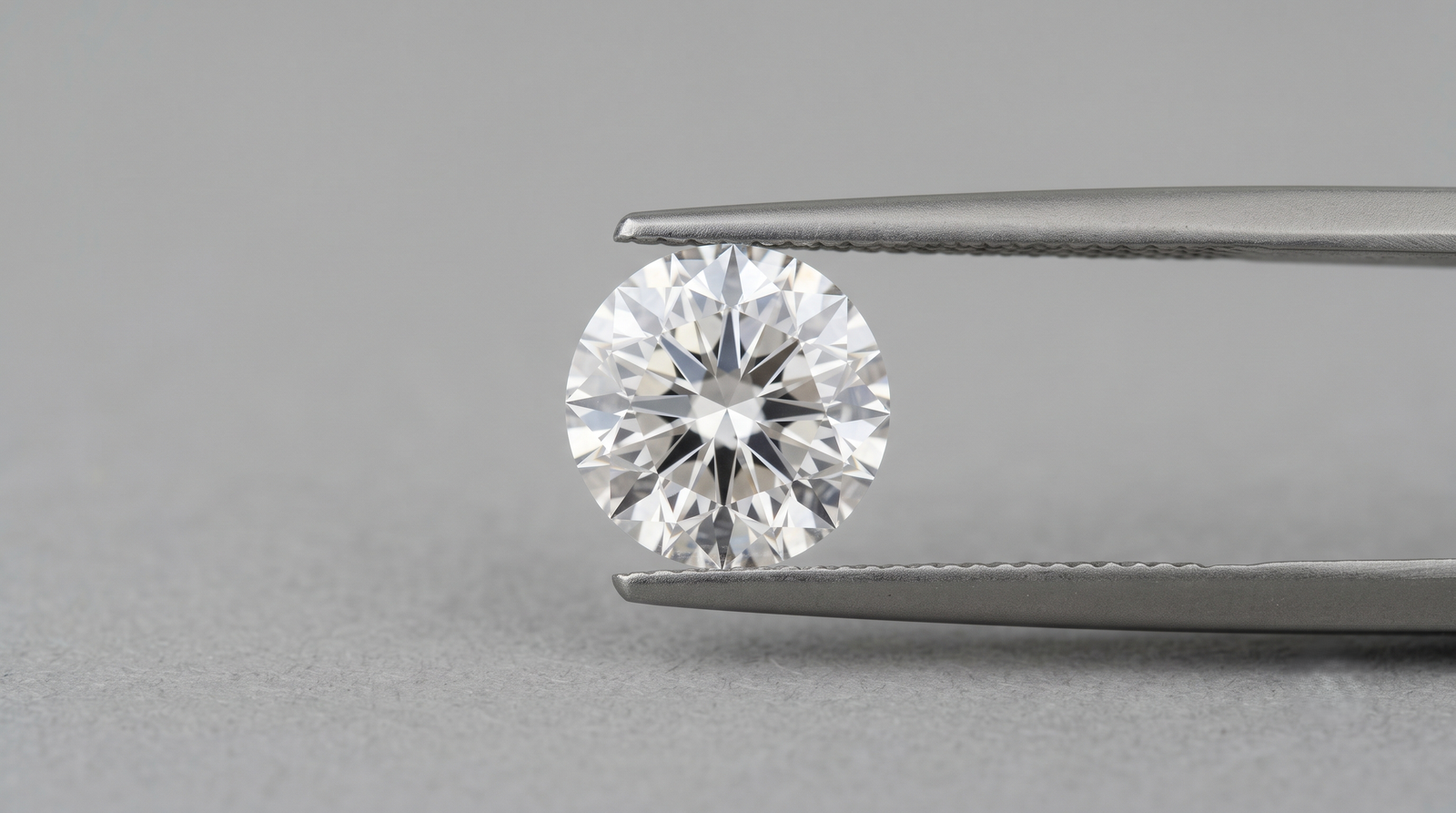
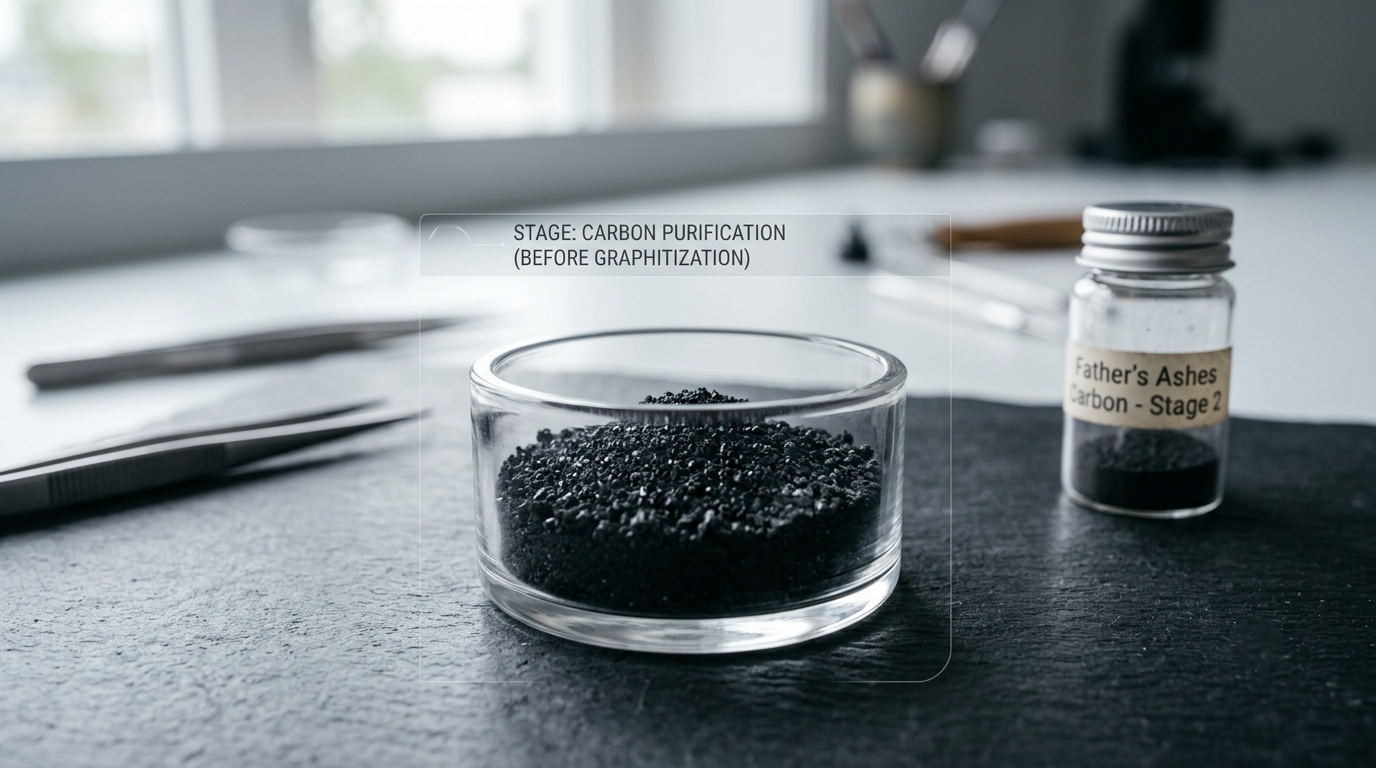
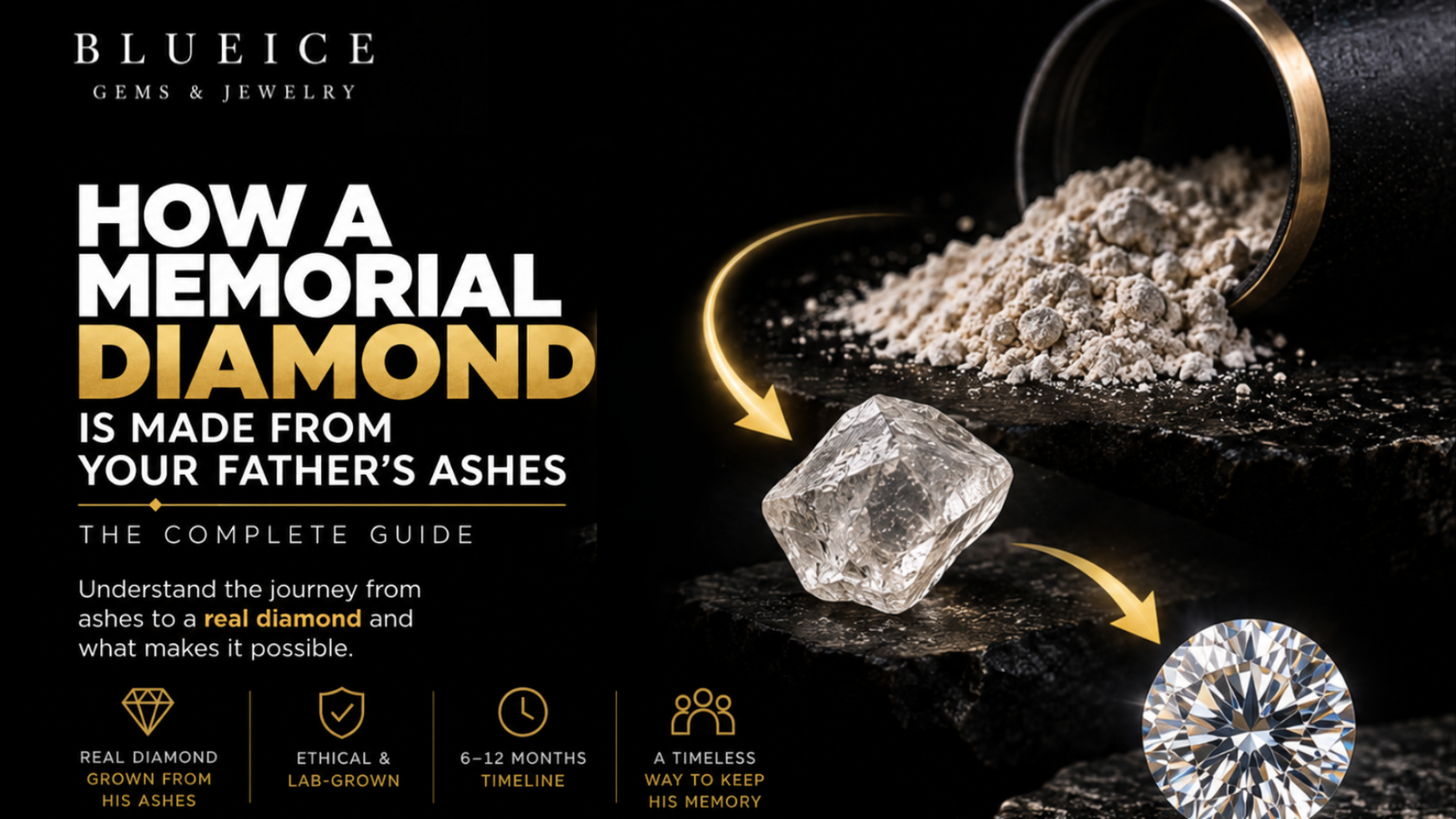
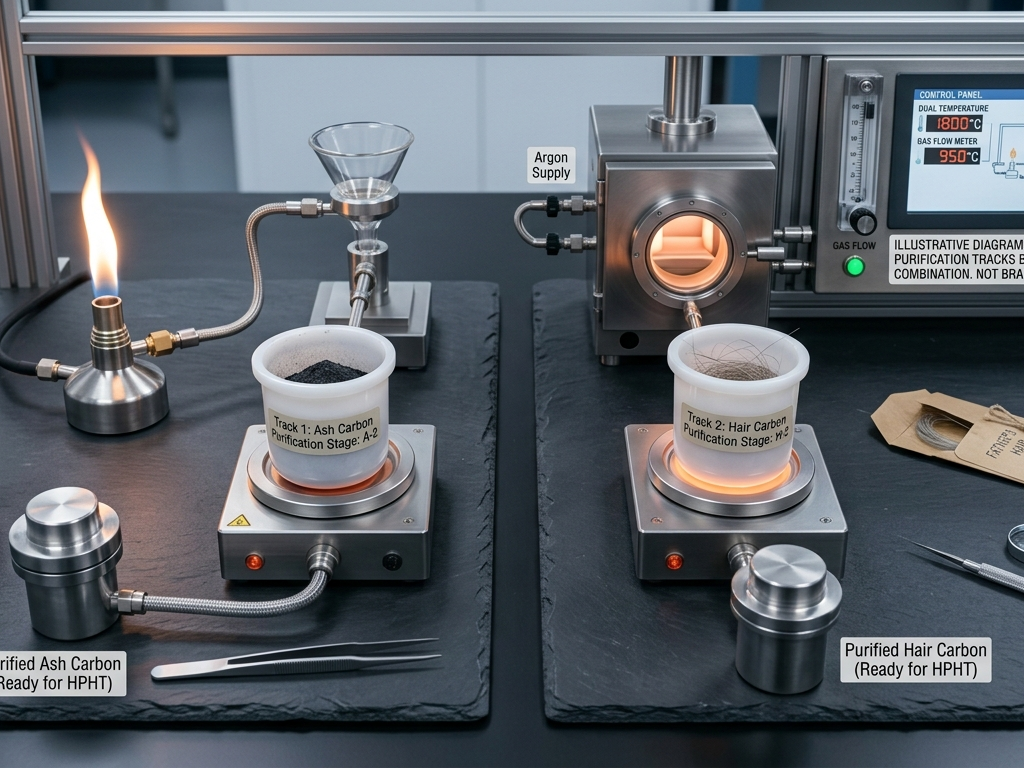
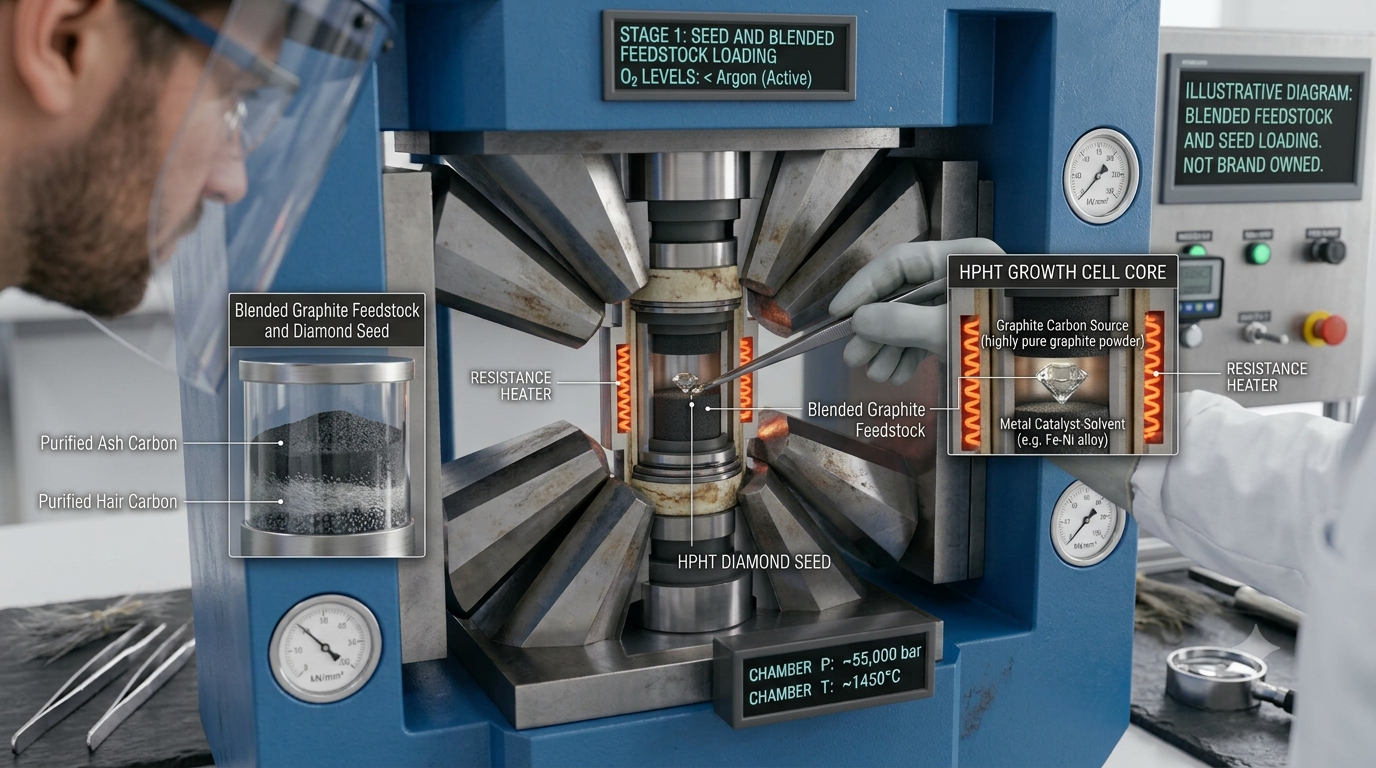
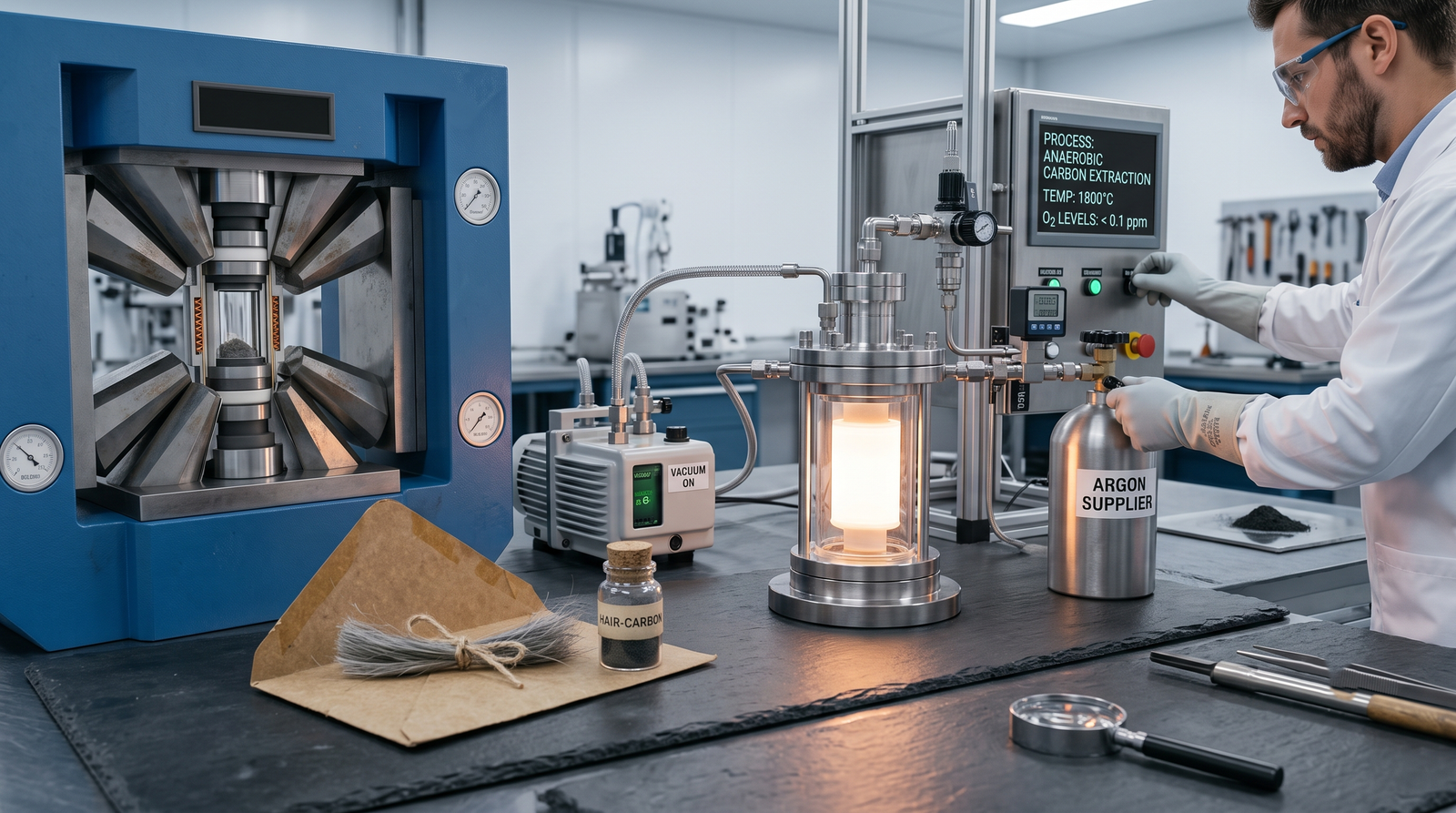
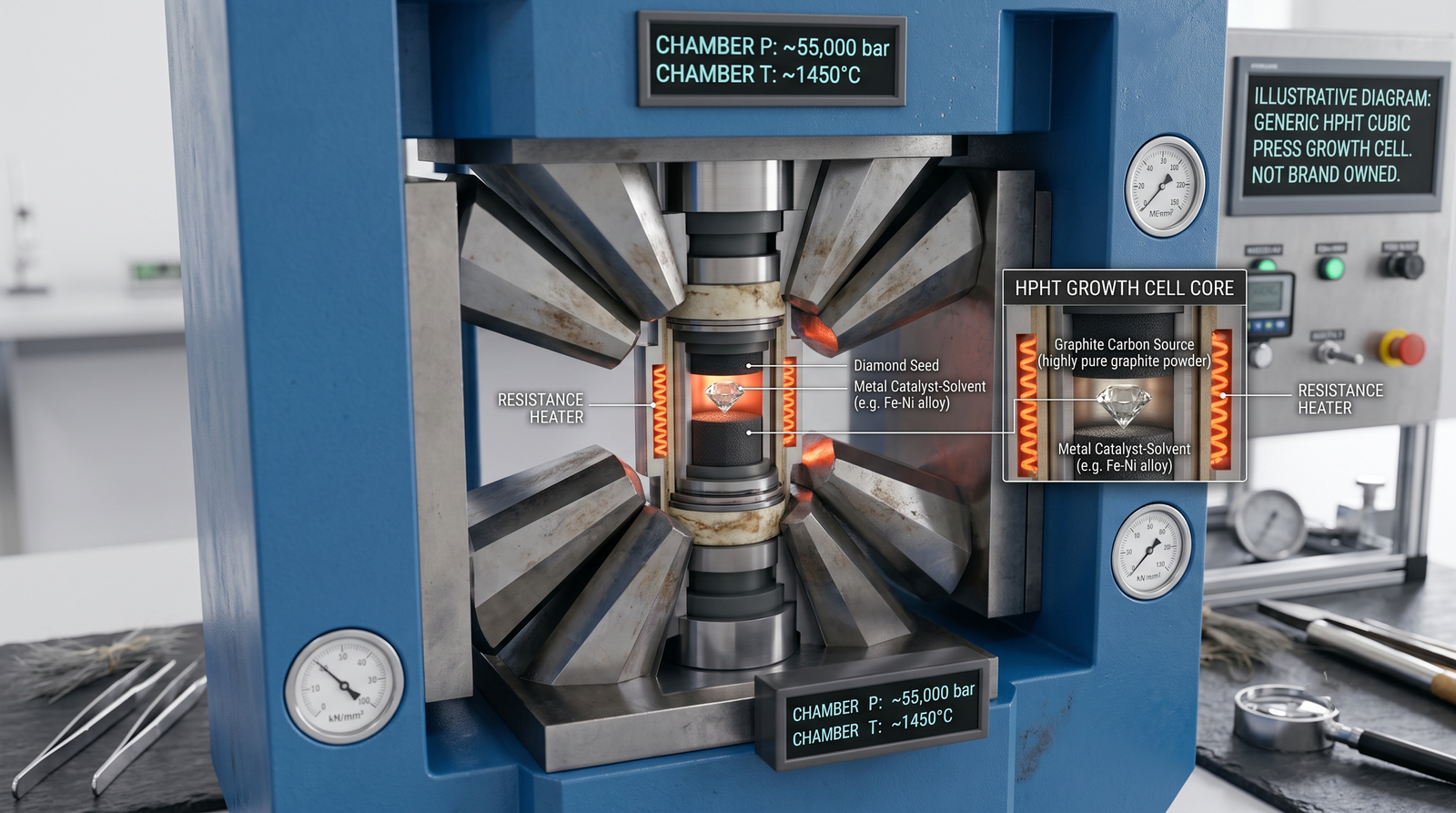
Be precise about what each portion becomes. Carbon recovered from ashes is refined to around 99.9% purity, but ash carries only about 0.5% to 4% carbon by weight, so one portion yields far less than the volume a growth cell has to be charged with; lab sourced carbon makes up the rest. Industry figures put the personal fraction at roughly 10% to 15% of a finished stone’s mass, a per stone figure, not a pooled one. Each stone is grown to the same ratio, so four stones do not divide him four ways. Every one of them is a real lab grown diamond, grown by the same HPHT or CVD method as any other.
Two consequences follow:
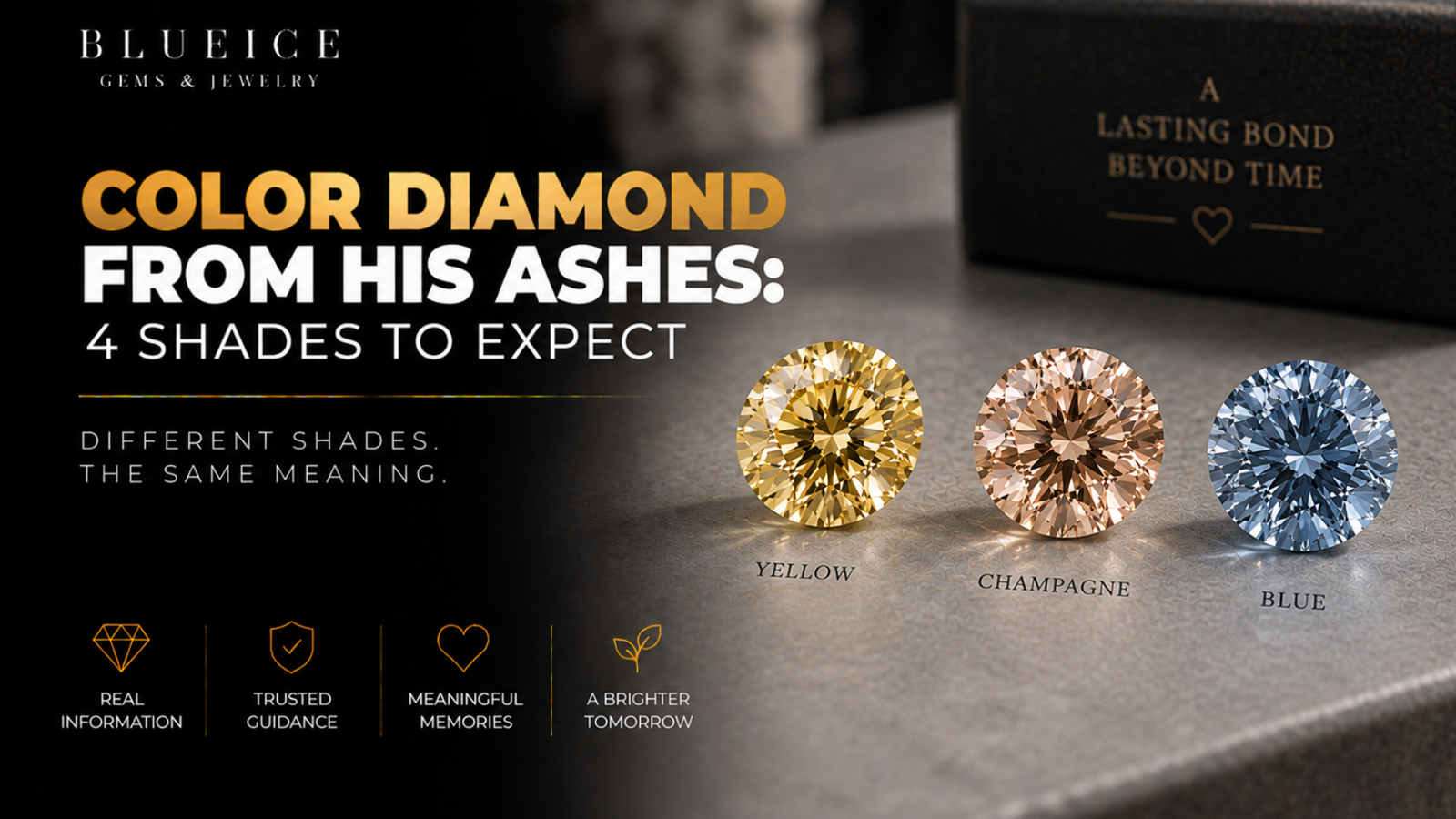
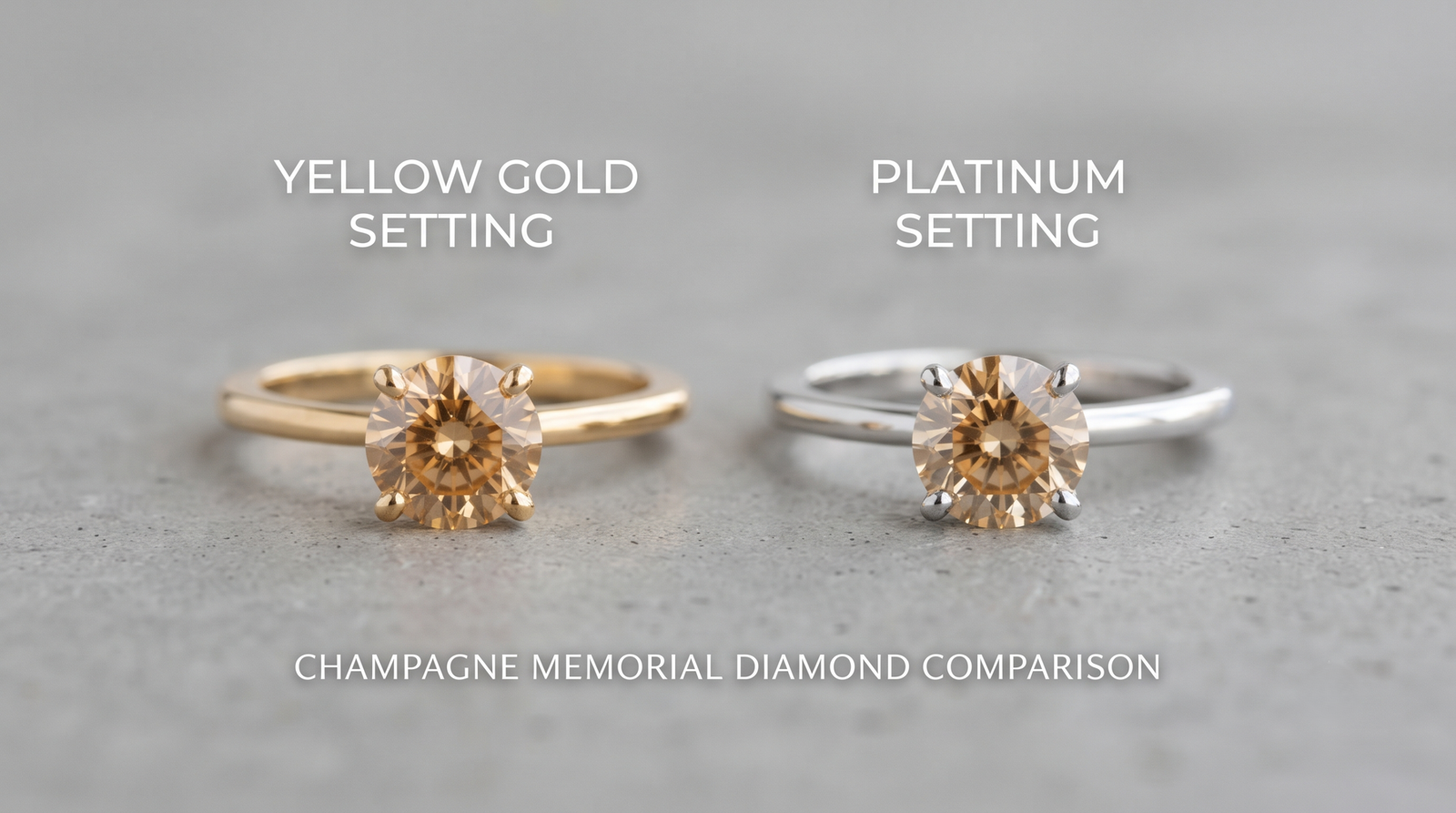
- The stones will differ from each other. Color comes from trace elements present at growth, and separate growth runs are separate events: memorial diamond colors for a father covers how a color is specified before anyone sees it.
- Four stones are four orders. Price follows the number of stones and the carat of each, not the volume of ash. What a father memorial diamond costs sets out the ranges.
Where the Friction Sits, Arrangement by Arrangement
| Family arrangement | Who controls the material | Where the friction sits |
|---|---|---|
| Widow surviving, adult children of that marriage | His widow, who arranged the cremation | The children are asking for a portion of something in her house that is, to her, still his |
| Widow surviving, adult children of an earlier marriage | His widow | Whether they are asking her or the estate, and whether anyone has established which |
| No surviving spouse, several adult children, one has the urn | The sibling it went home with | Possession was an accident of who had space; it now reads as authority |
| No surviving spouse, an executor appointed | The executor, while the estate is open | Estate timelines, and any written instruction, which may already settle it |
| Second marriage, adult step children on both sides | His widow, then her executor | “Family member” is the contested word; the count is settled before any stone is |
| A portion already retained by several relatives | Each holder of a portion | Already decentralized; more than one family member may be able to order independently |
| Already interred, scattered, or committed to a booked date | Nobody, once it is done | The ash route is closed; hair, if any was kept, is a separate question |
Read the middle column: in four of these seven rows, the one family member with control is not the one doing the asking. If your question is about supply, the answer is easy. If it is about permission, that is the harder half.
One Person Orders; Several People Receive
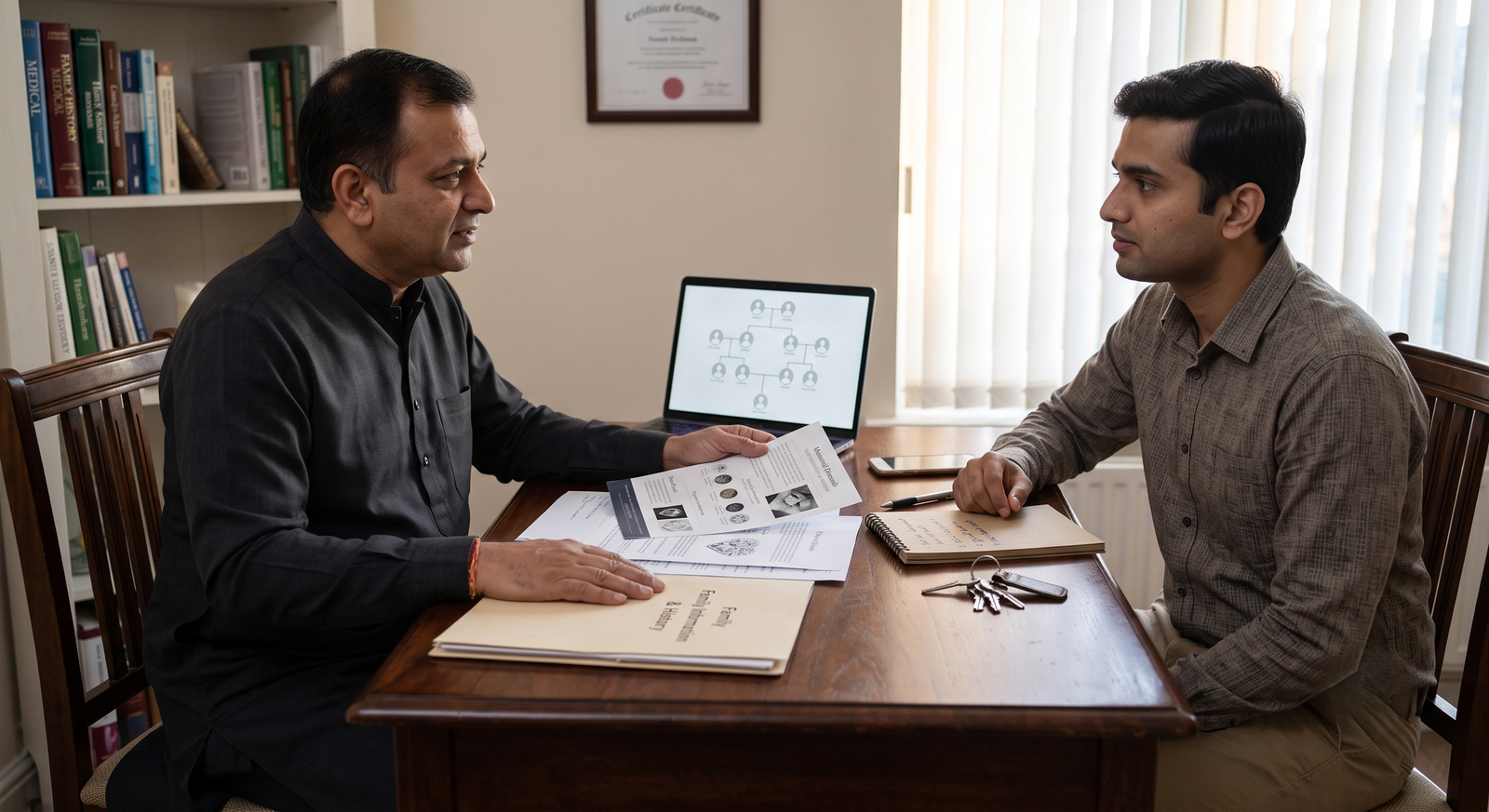
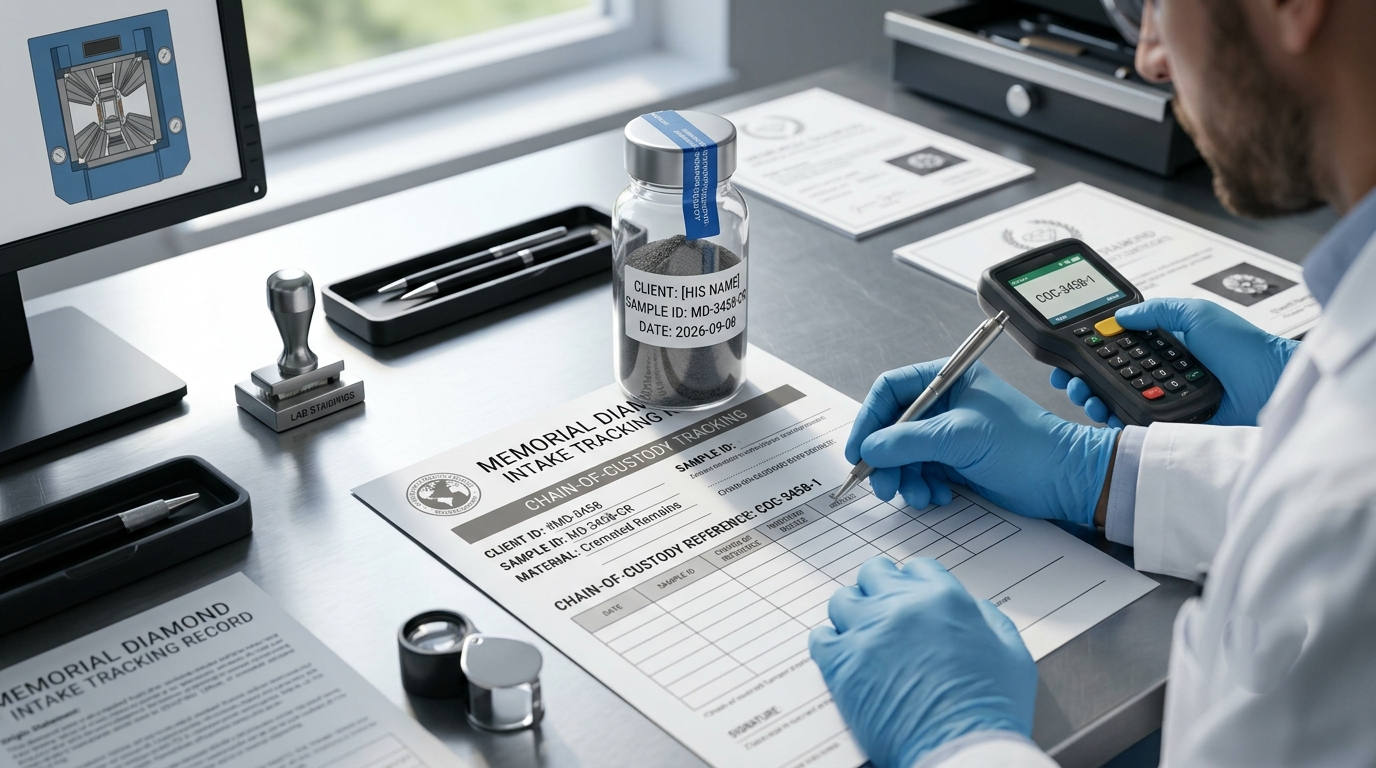
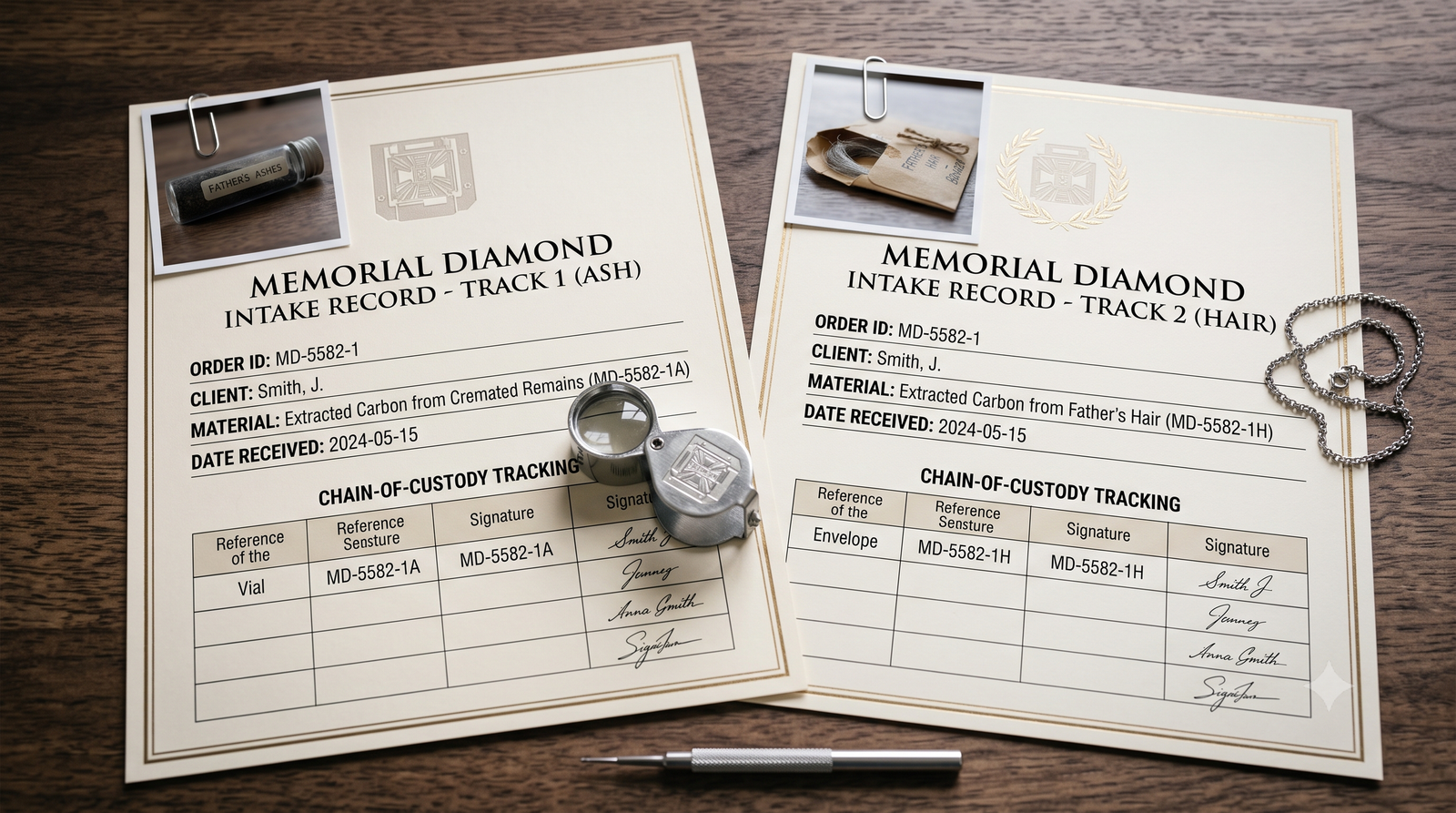
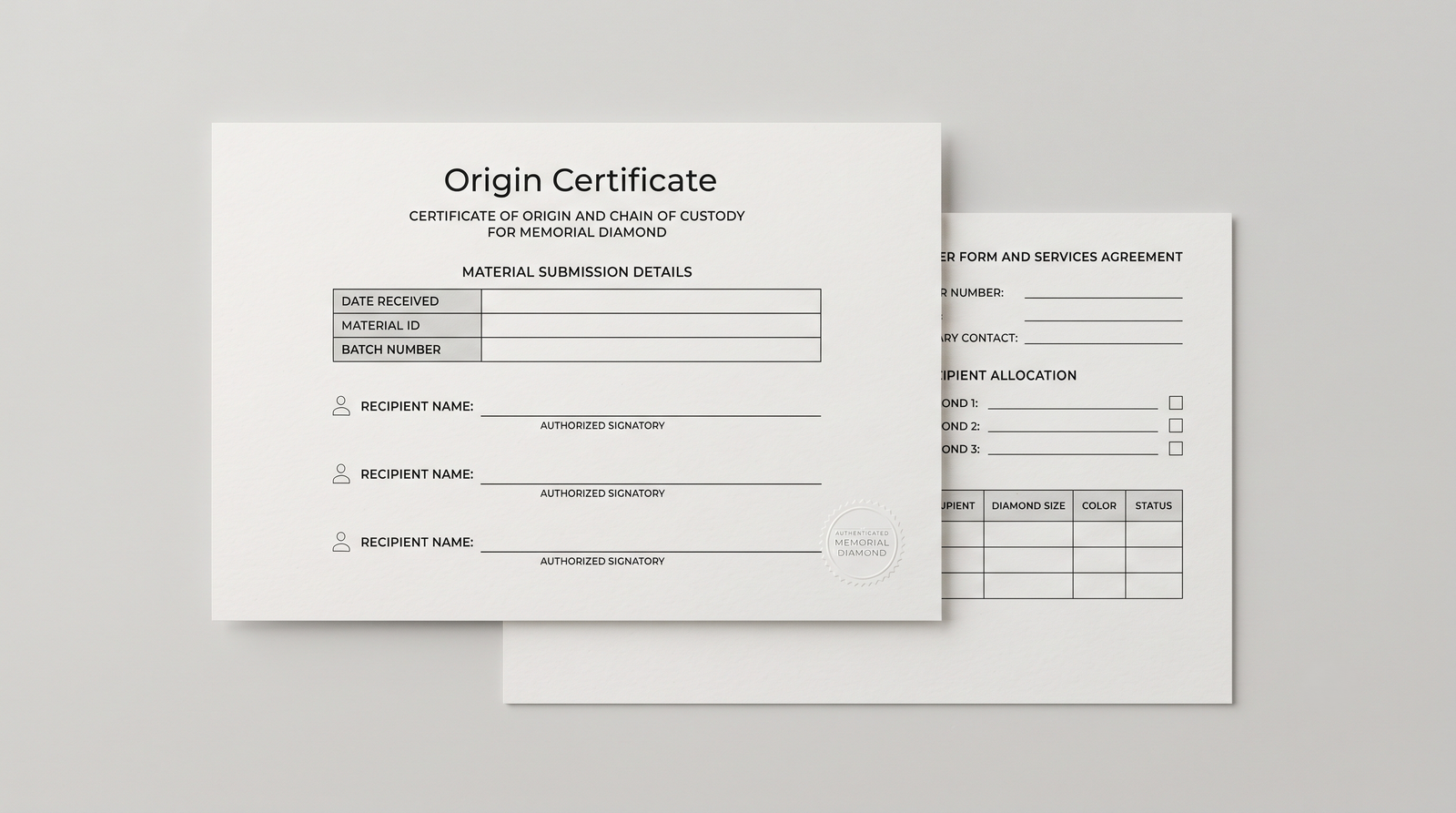
Even where four people each end up with a stone, the order usually sits with one named account holder: one submission of material, one chain of custody record, one counterparty making the decisions the laboratory needs. That structure works. It fails when people do not know they are inside it.
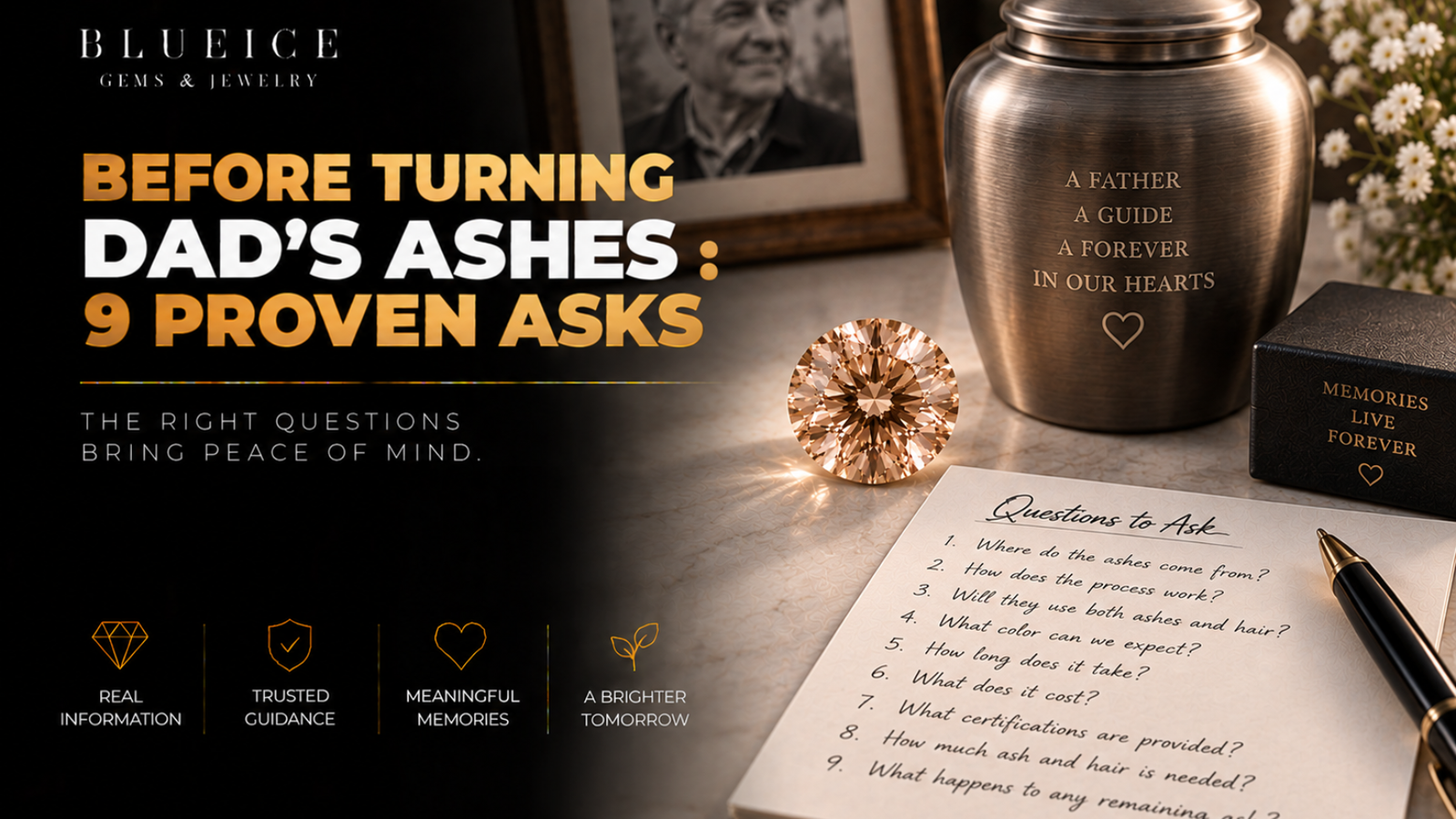
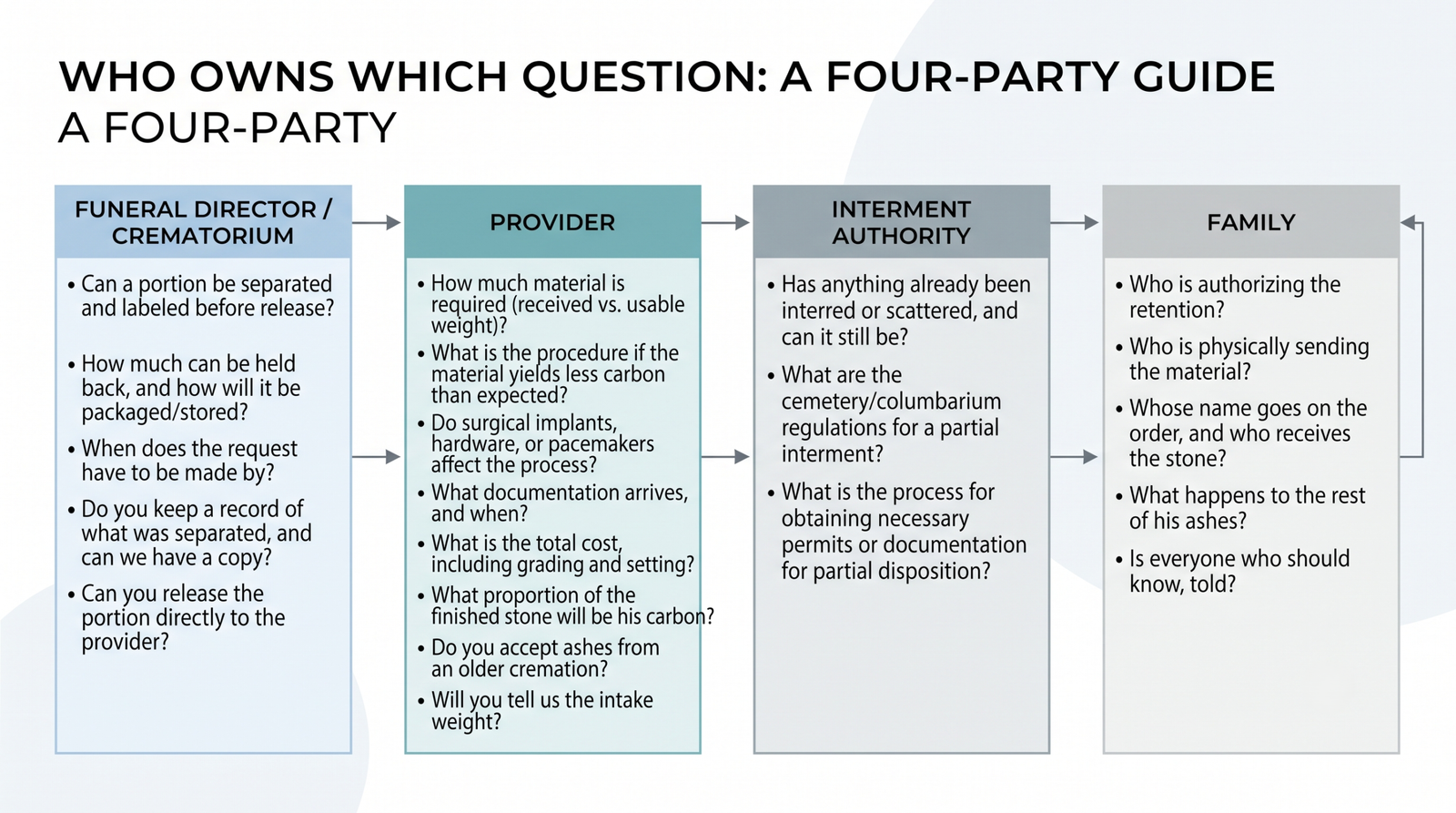
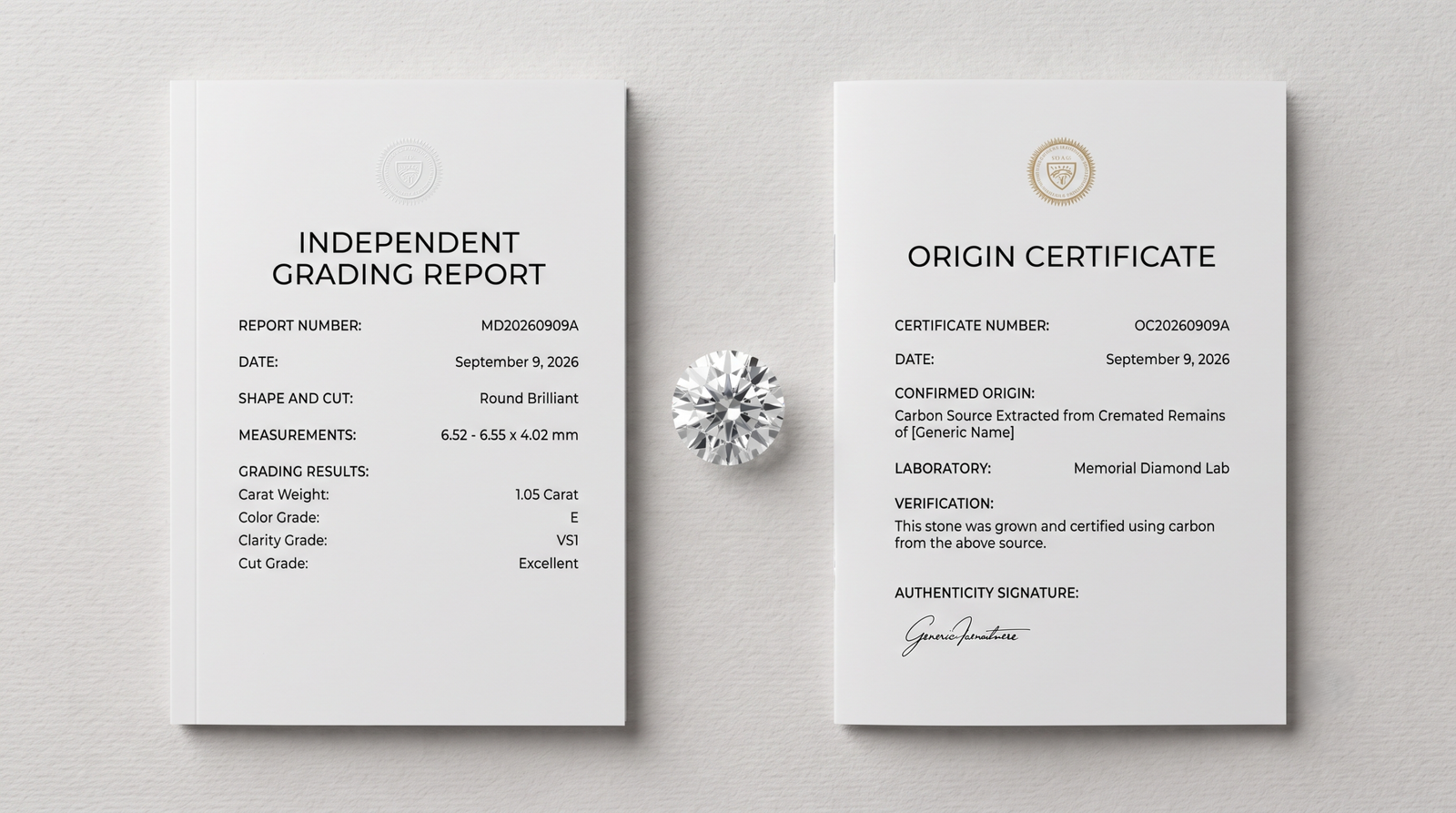
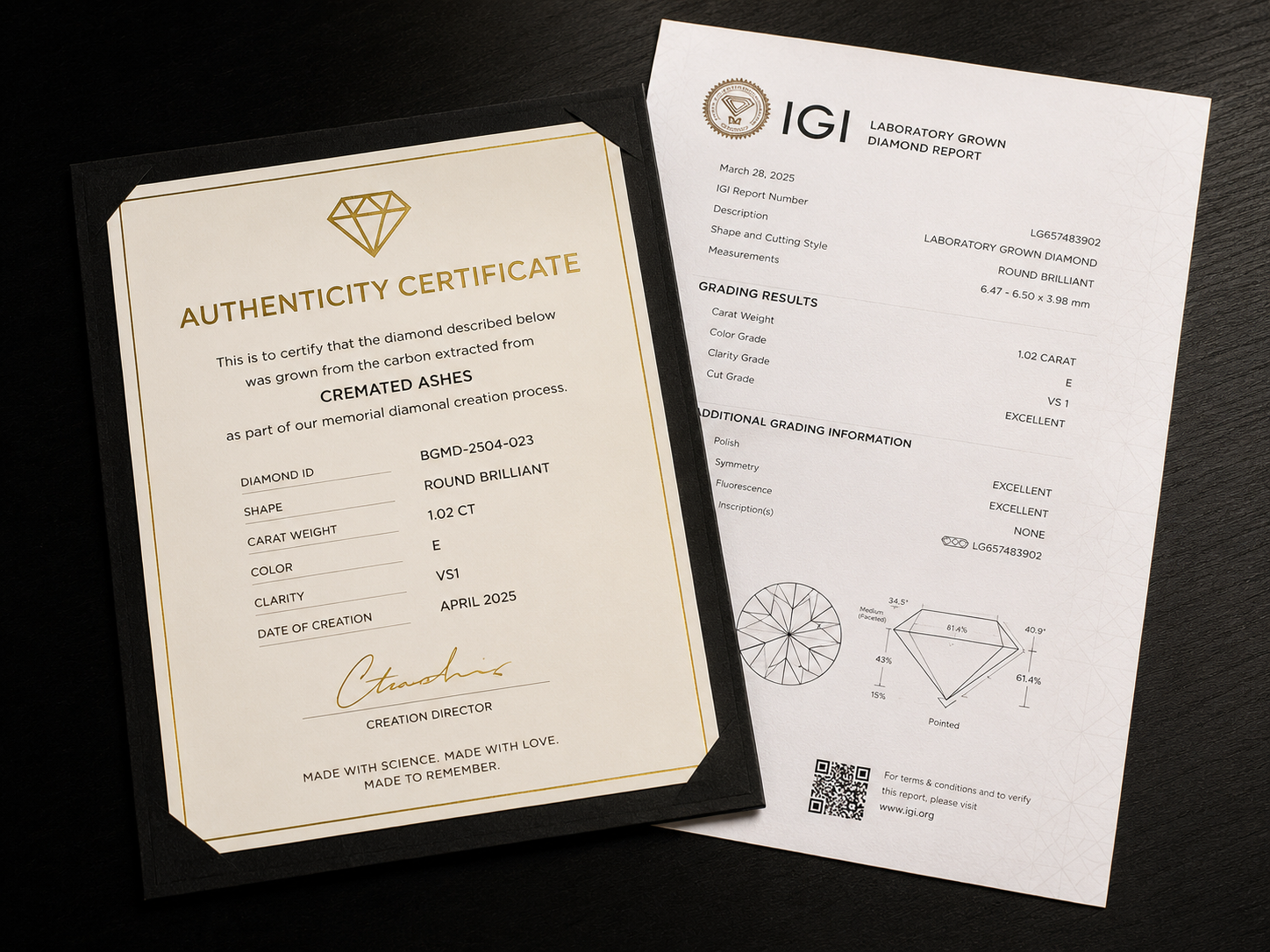
Whoever signs is the one family member a provider comes back to, on the laboratory’s timetable rather than the family’s, settling carat and color for each stone, carrying payment across all of them, and agreeing what happens if somebody withdraws after material has gone. Ask before ordering whether each recipient is named on the origin documentation, and what becomes of material submitted and not used. Questions to ask before turning your father’s ashes into a diamond collects the wider set.
Frequently Asked Questions
My stepmother has his ashes and I have not raised it with her yet. Does that change what is possible?
Not what is physically possible: the quantity involved is small. It changes who the request goes to. She is the one family member holding the remains, so the practical answer is hers to give, whatever the wider family thinks.
Will retained ashes still be usable if we order a second stone years from now?
Cremated remains are chemically stable and do not degrade in ordinary storage, so a later order is workable in principle. Confirm storage and handling requirements with a provider rather than assuming a particular portion will be accepted.
If he left no instructions, can one family member decide alone?
They hold the material, so any request goes through them, and a provider would treat them as the customer. Whether they decide alone is then an arrangement inside the family: anyone who would want a say is better asked first.
Can one of us have a hair diamond while the others have ash diamonds?
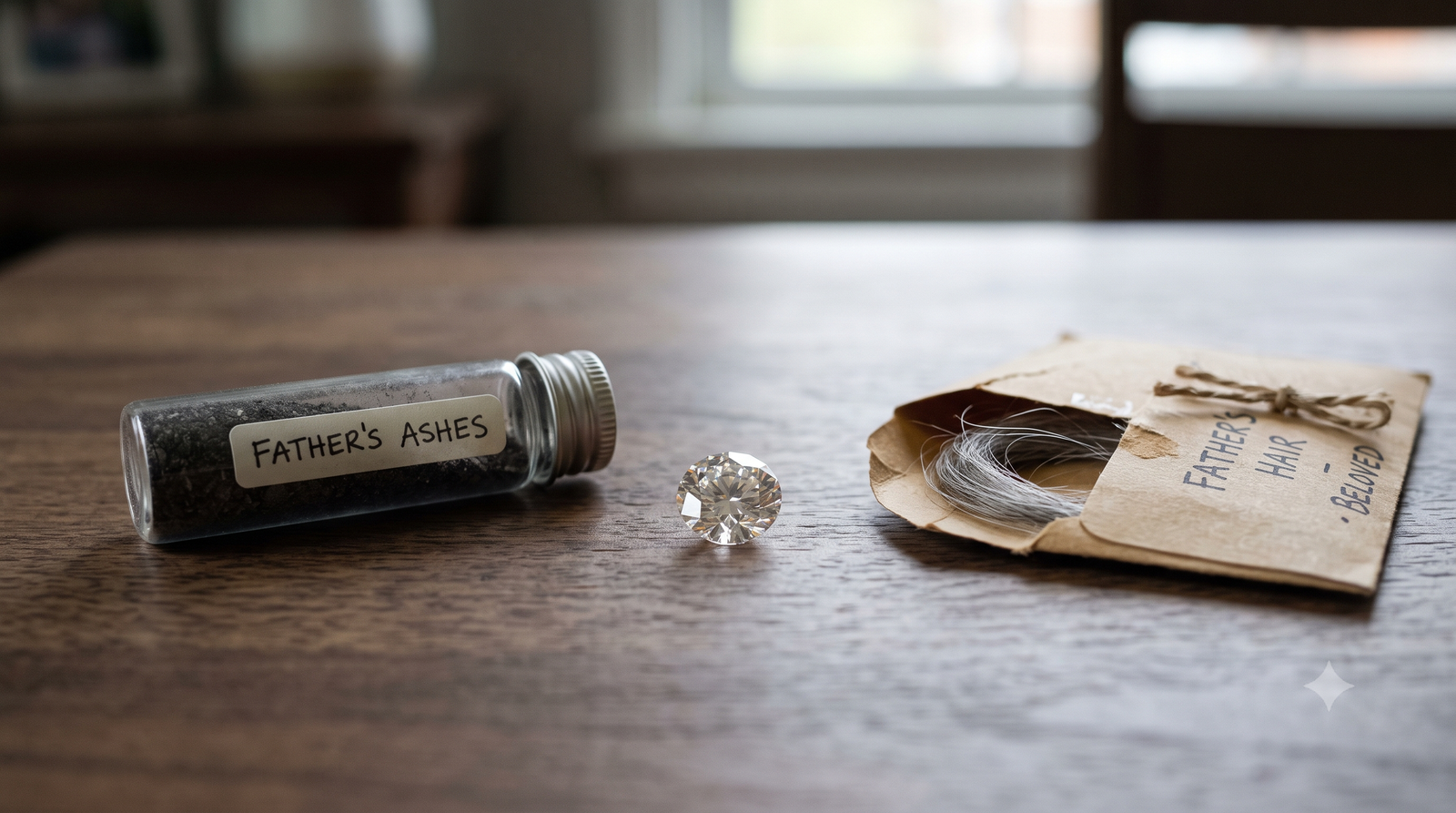
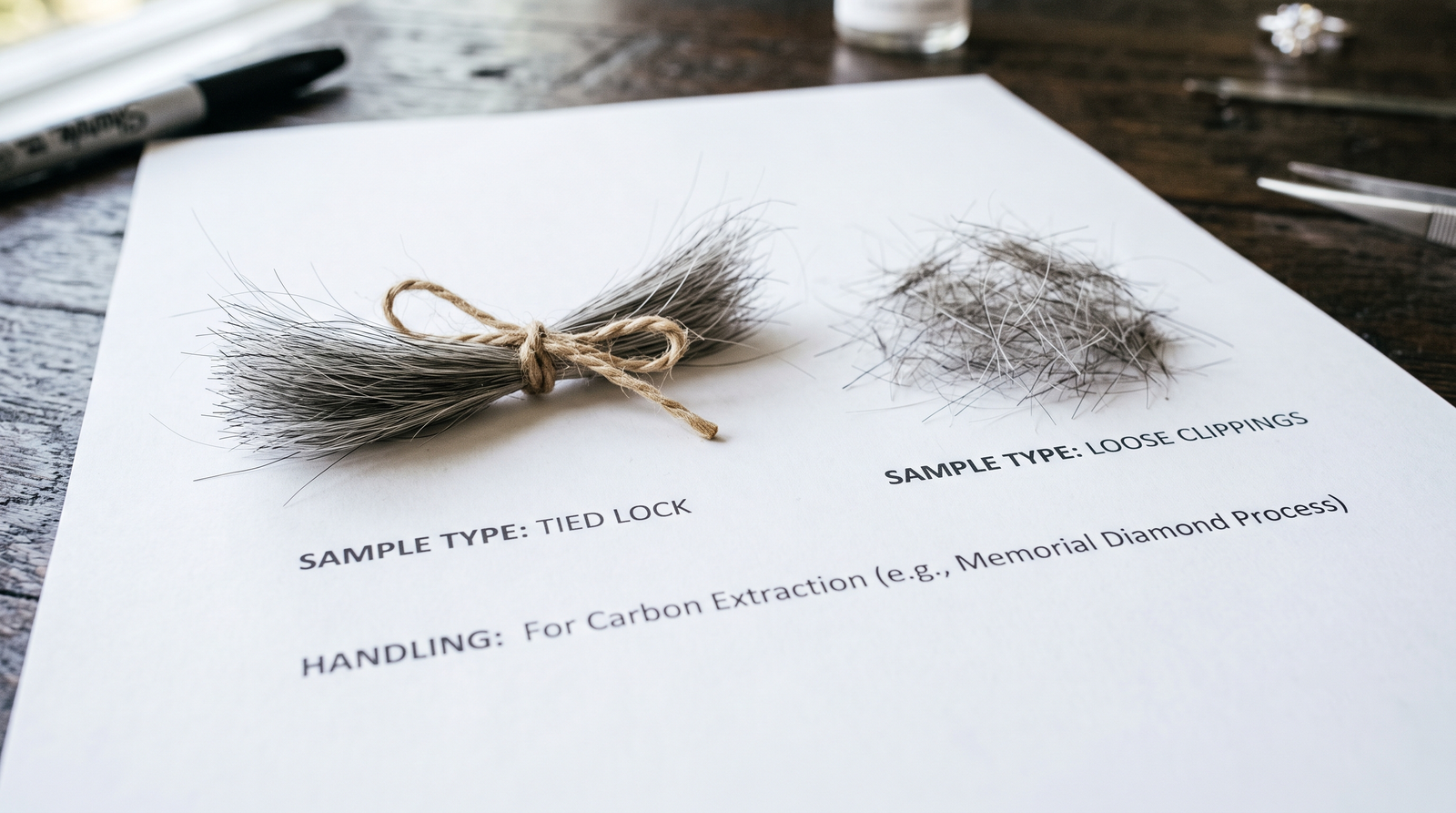
Yes, where hair was kept. Hair is roughly 50% carbon against ash’s 0.5% to 4%, so far less material is needed, and it is a separate submission with its own order rather than a variation on the ash one.
Does more than one family member have to be on the contract?
Usually not; providers typically need one customer of record. Ask whether several recipients can be named on the origin certificate, and whether payment can be split across people, before anything is posted.
What if a sibling was never asked?
Another stone cannot fix it. If material remains and the holder agrees, a later stone can be grown; being left out of the decision is not recoverable the same way. Write down who was told, when, and what they said.
Final Thoughts on Sharing a Father’s Ashes Diamond
The supply question is the easy one, and most families settle it in a sentence. The harder one is that one family member holds his ashes and everyone else is asking. Get that conversation right, agree who signs and who receives, and the number of stones takes care of itself.
Learn More About Father Memorial Diamonds
- How Much Ash Do You Need for a Father Memorial Diamond?
- How to Talk to Family About a Father Memorial Diamond
- Memorial Diamond Colors for a Father: What to Expect
- How Much Does a Father Memorial Diamond Cost?
- Father Memorial Diamond FAQ: Everything Families Ask
Talk With Memorial Diamond
If several of you want a stone from the same ashes, the useful first conversation is about who holds them and who signs. Reach out to Memorial Diamond at memorialdiamond.us to talk through what one submission can become for more than one family member.