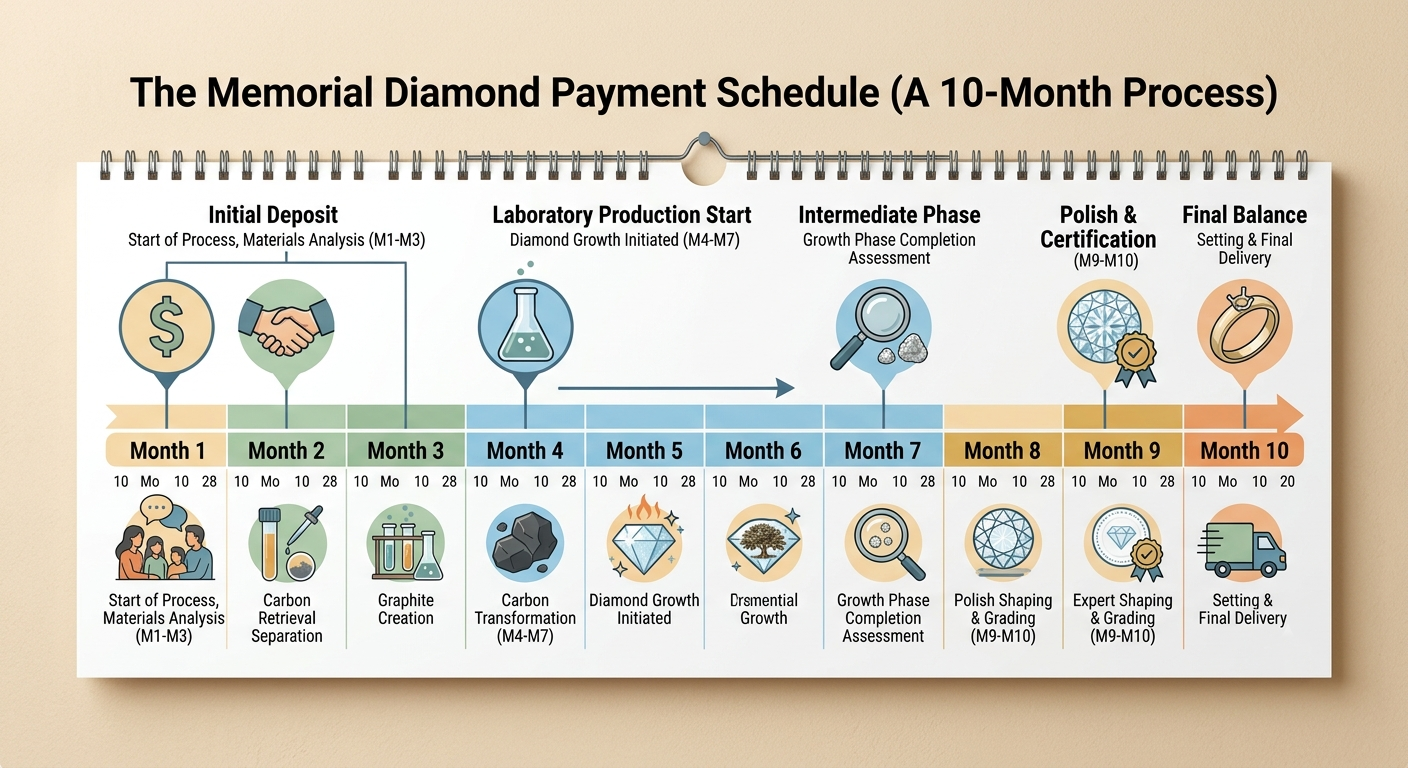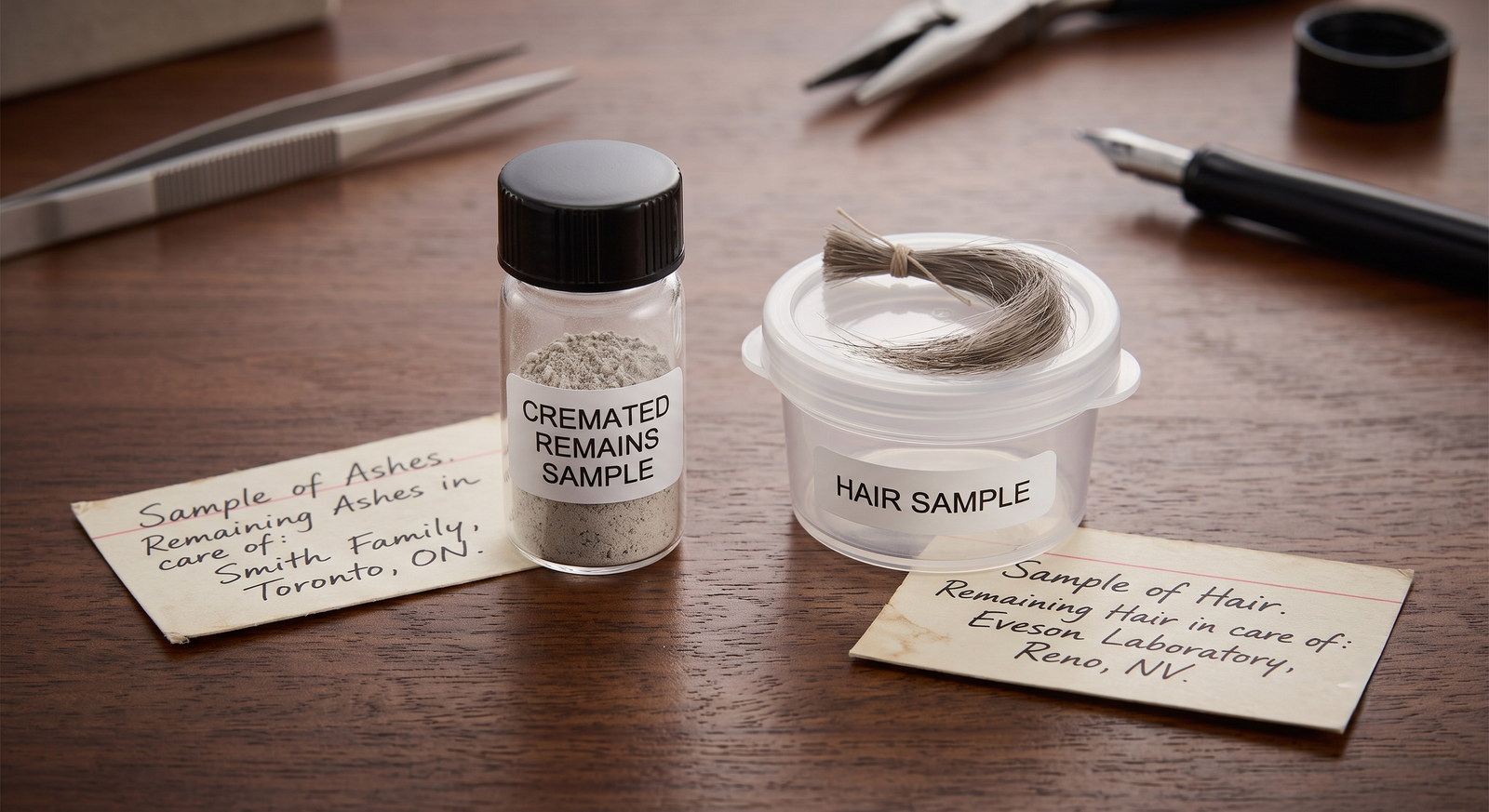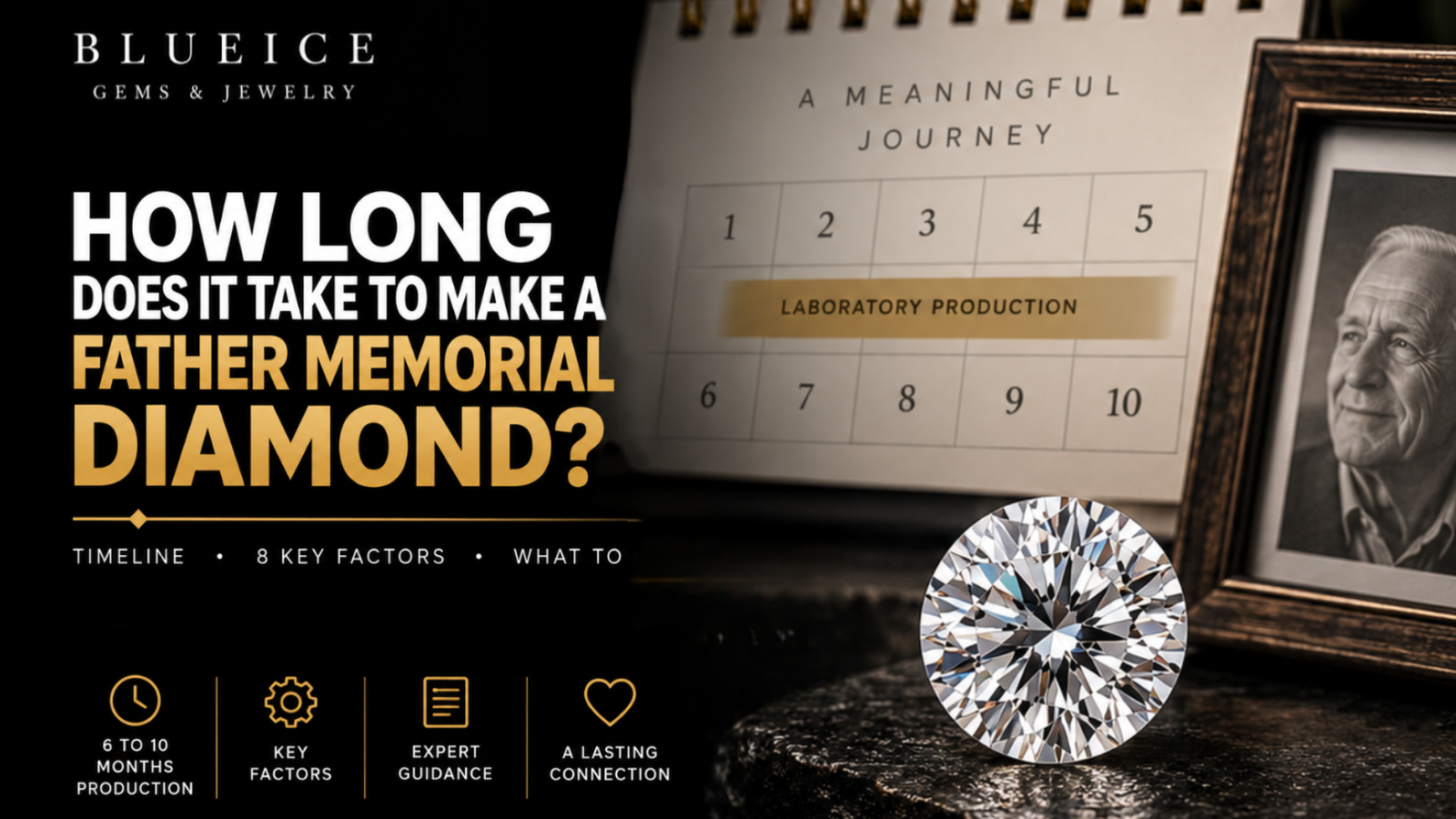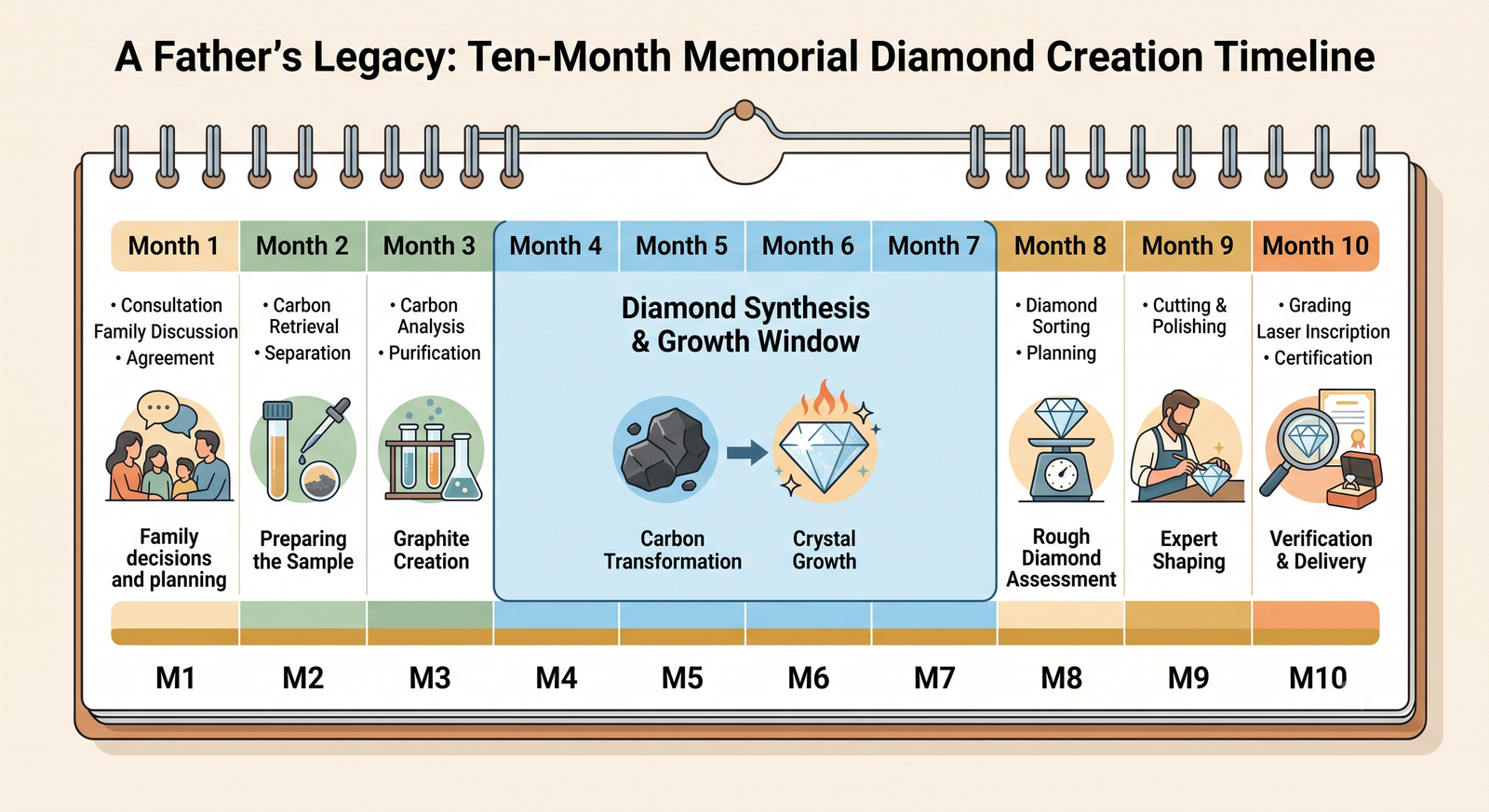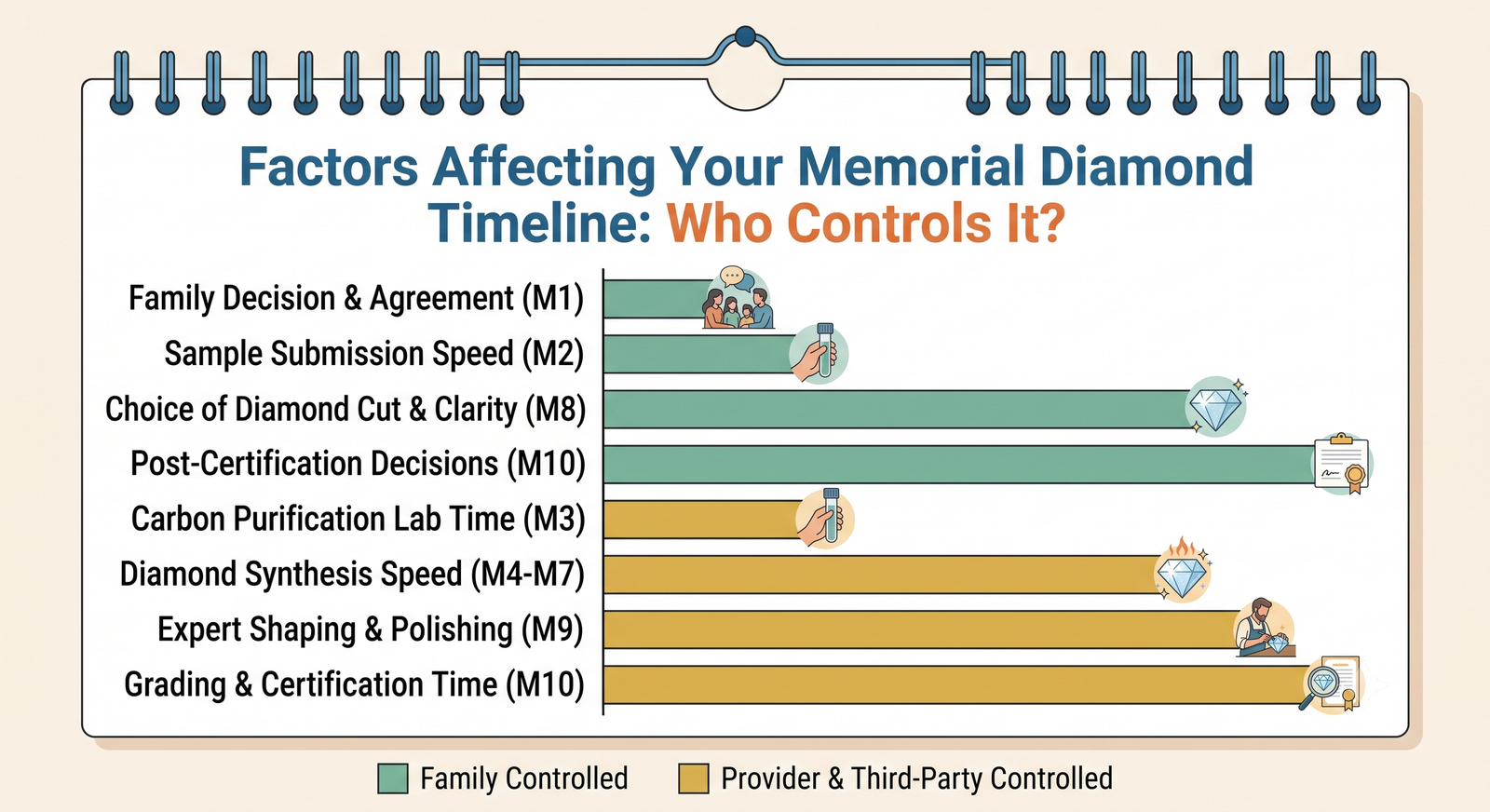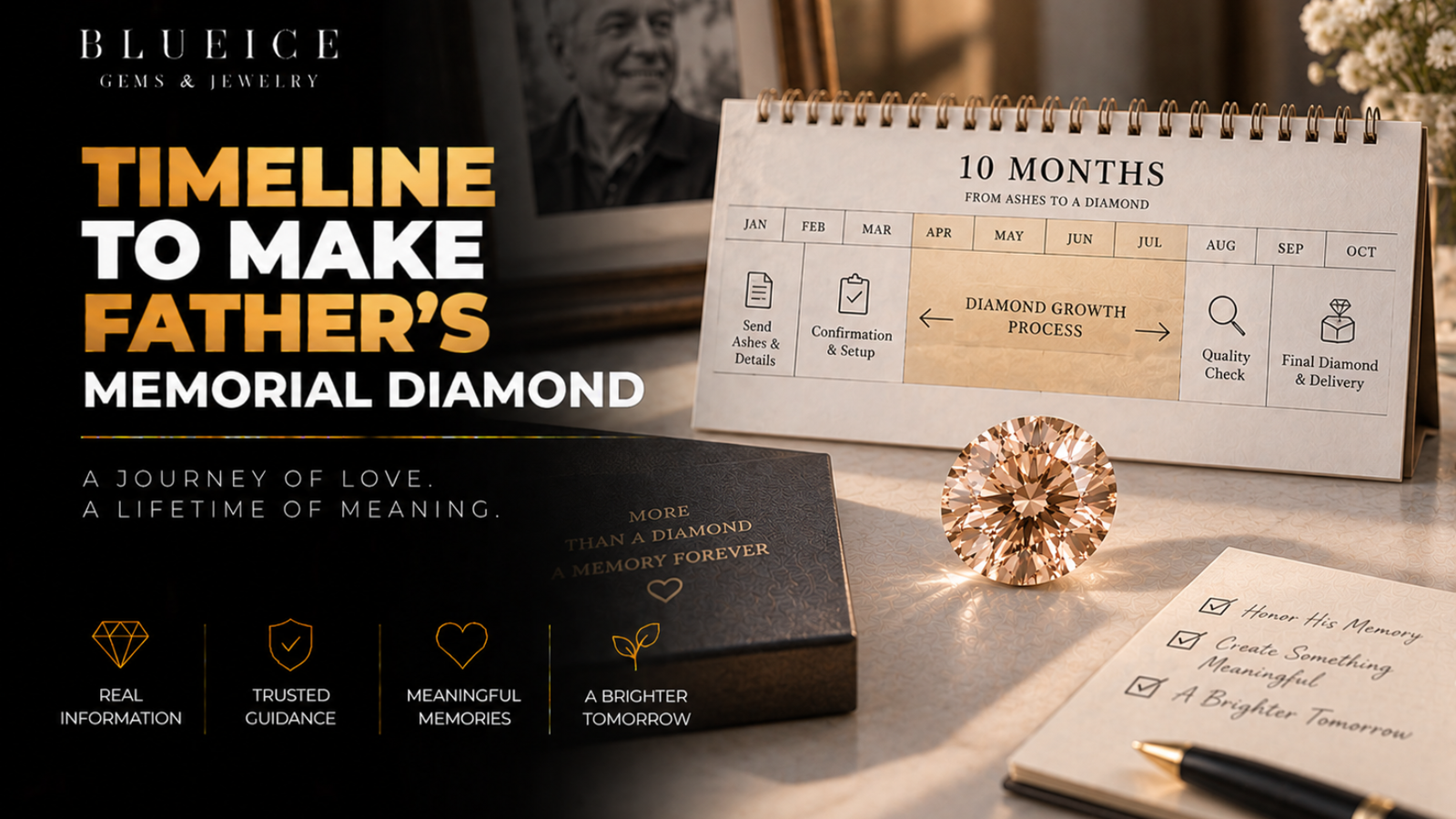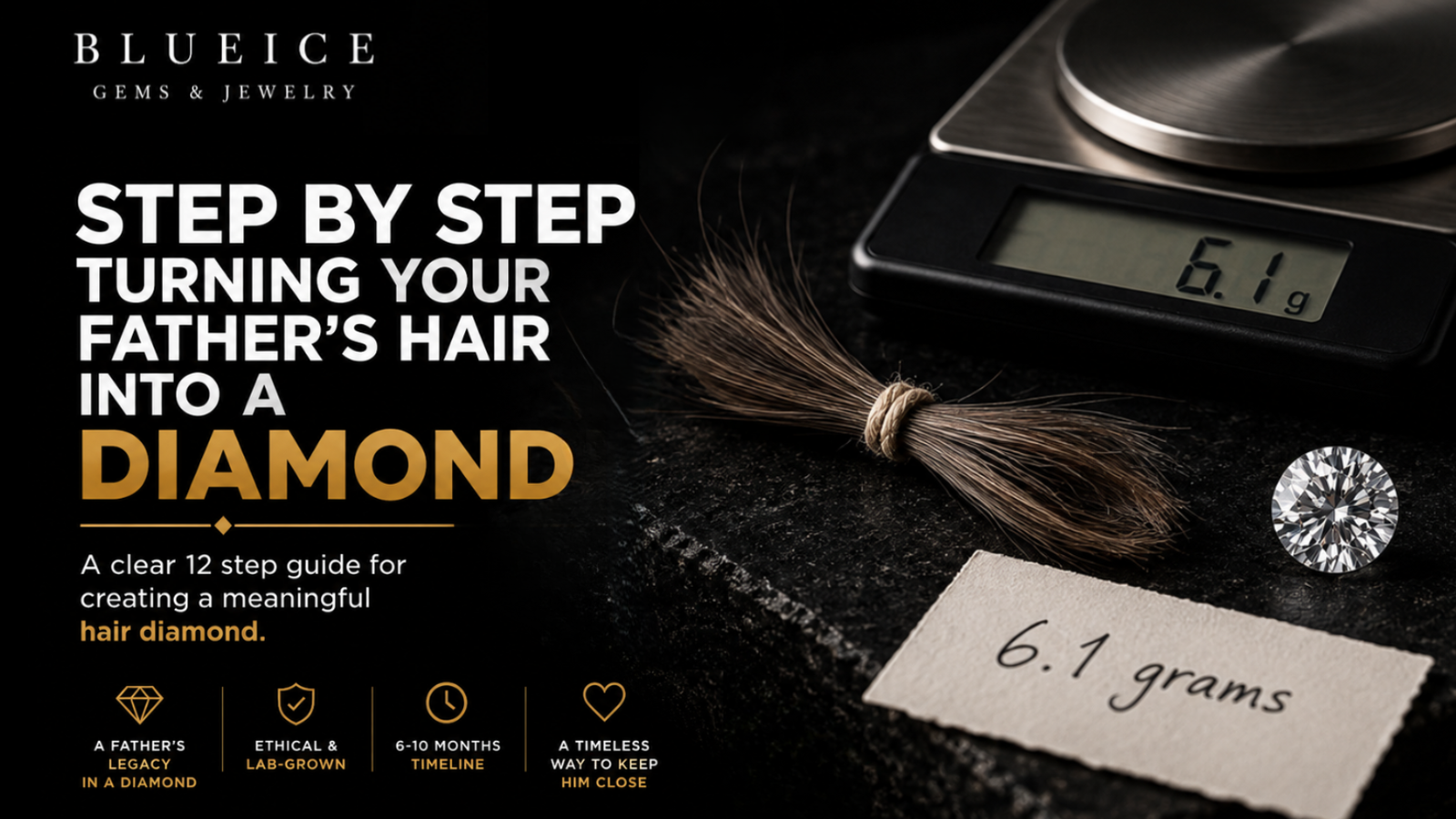
The first step here has no laboratory in it, no cost and no deadline. It is a search, and for a father it often decides whether there is going to be a stone at all. Turning your father’s hair into a diamond, a father’s hair diamond, in the shorthand this page uses, runs to roughly twelve steps: a search, five belonging to your family, then six laboratory and finishing stages. Production typically takes 6 to 10 months from intake, and because hair requires no cremation, this route stays open for a father who was buried.
This sequence begins one step earlier than a process description usually does, before there is a lock in hand at all, because for a father that is frequently where a family is standing.
Memorial Diamond is a provider in this category, so treat what follows as a description of how the route works generally and as questions to ask any company, this one included.
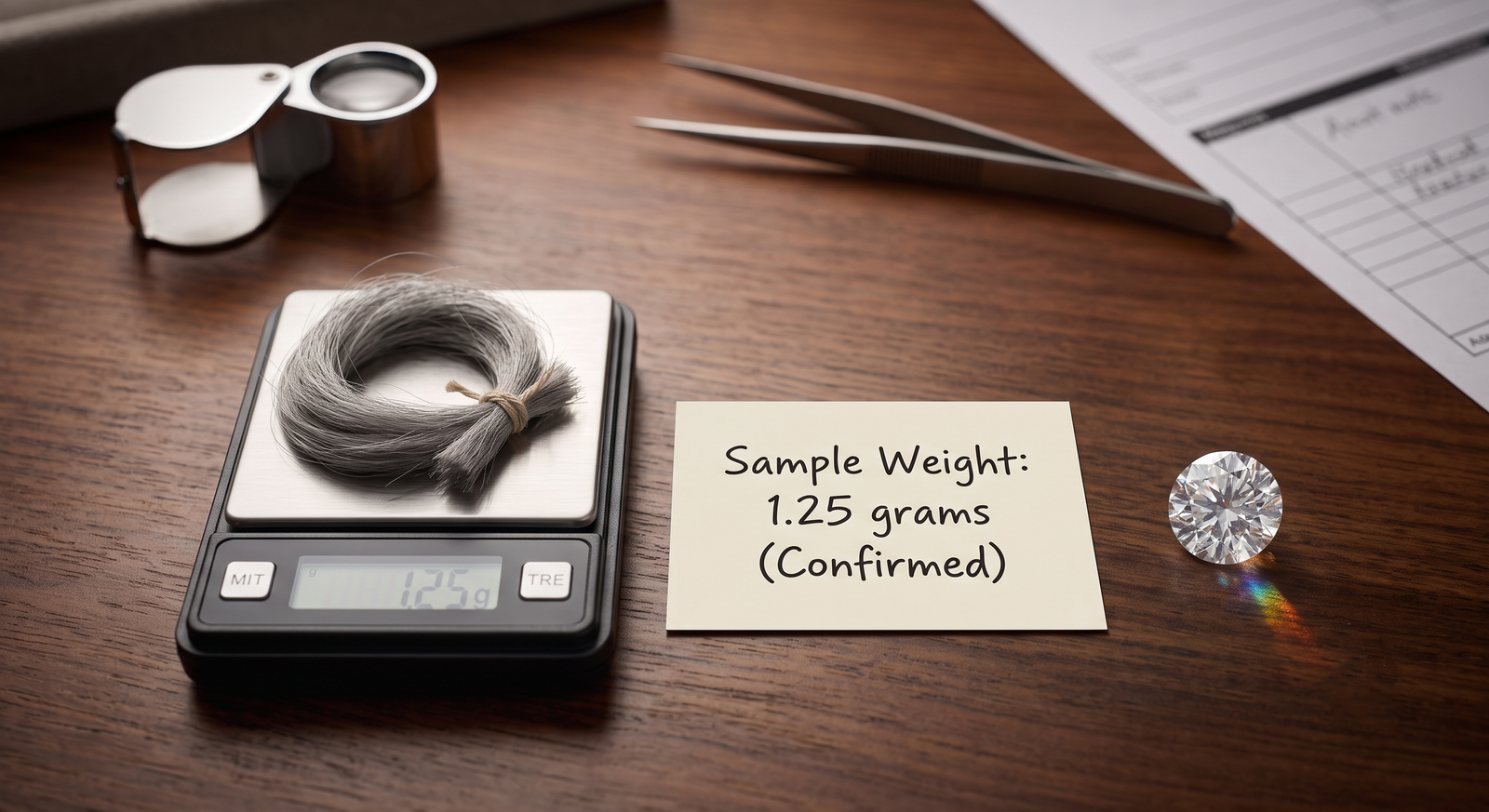
Table of Contents
Where Does a Hair Diamond Sequence Actually Begin?
With a search, and it counts as a step because it has an output: a candidate sample and a number on a scale.
Treating it as a step rather than as a precondition changes how it gets done. A precondition is something you either have or don’t, so a family that assumes it doesn’t can stop looking within an afternoon. A step is something you work through, and it has a defined end.
The complete guide to father hair diamonds covers where a father’s hair tends to turn up, the places are not the obvious ones, and short clippings count. What that guide does not cover is when to stop looking.
How Do You Know When the Search Is Finished?
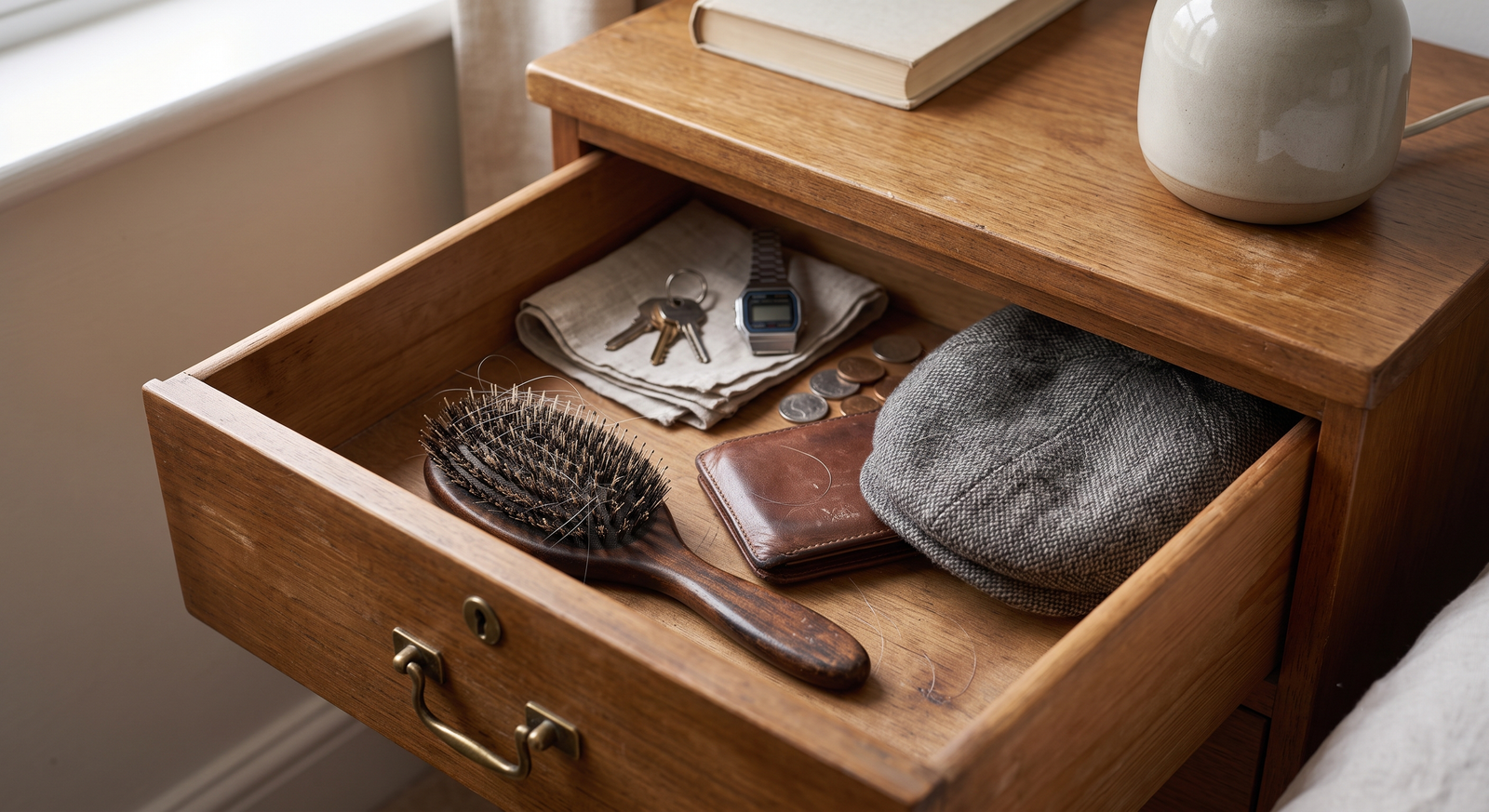
The search is finished when one of three things is true. Not before, and there is no value in continuing after.
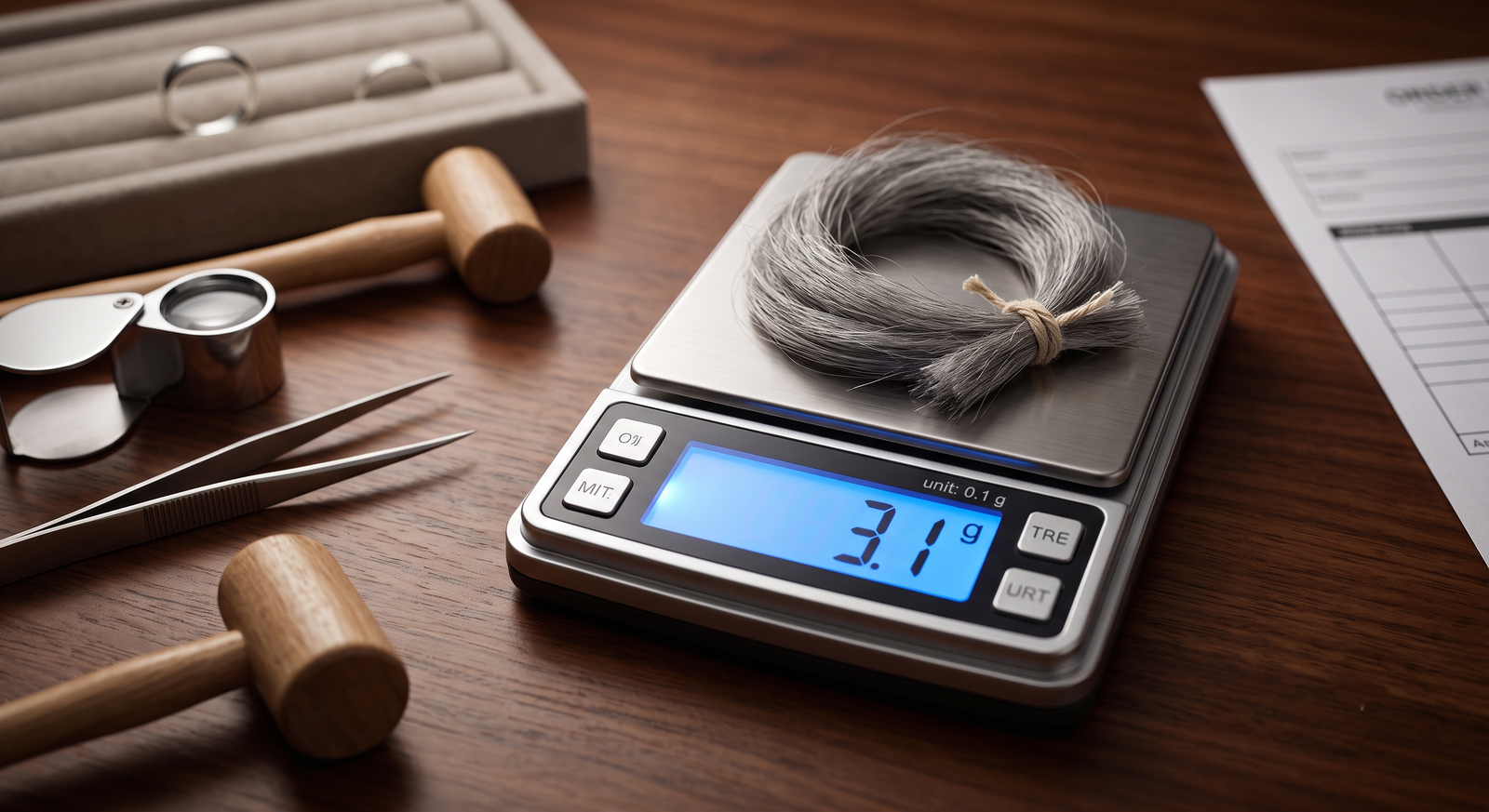
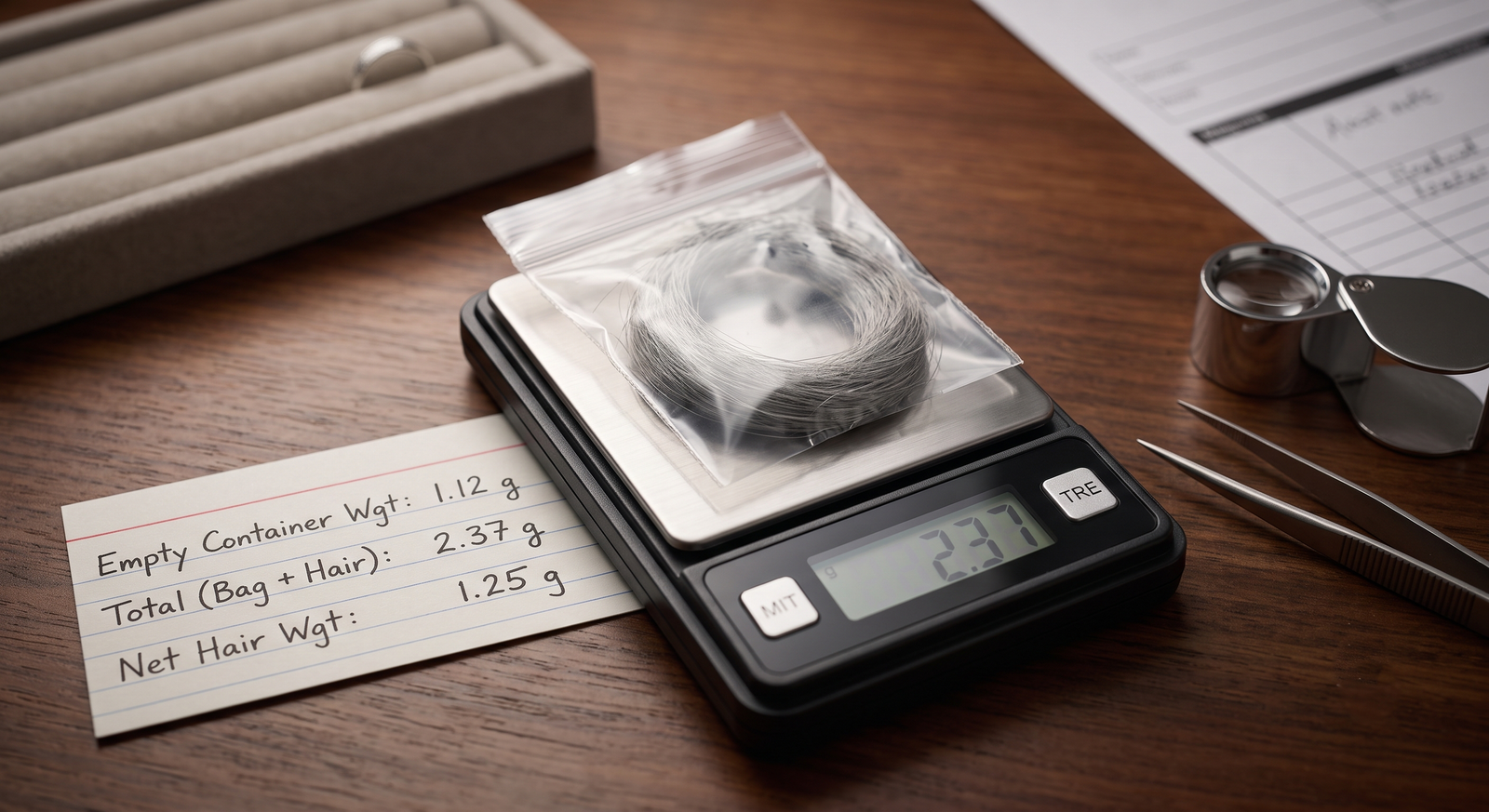
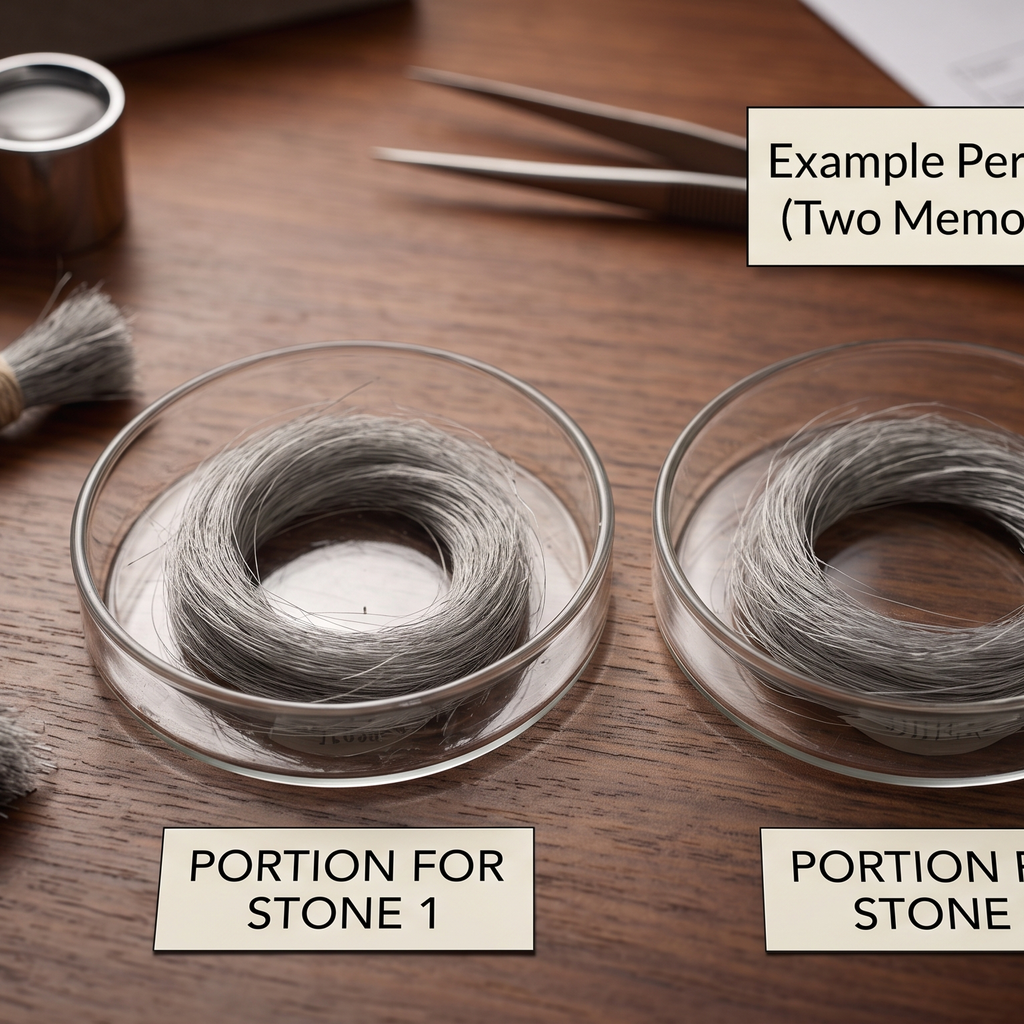
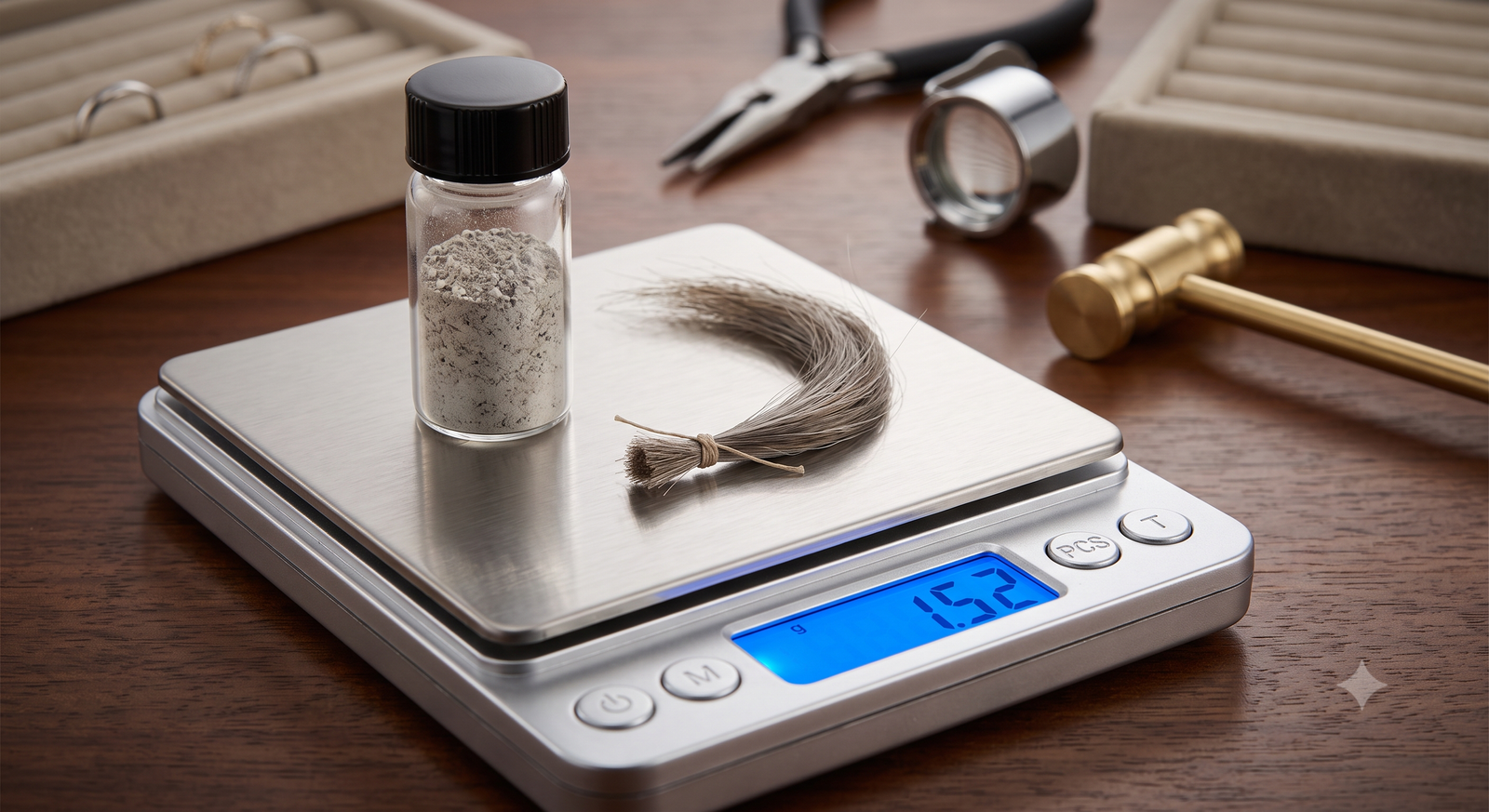
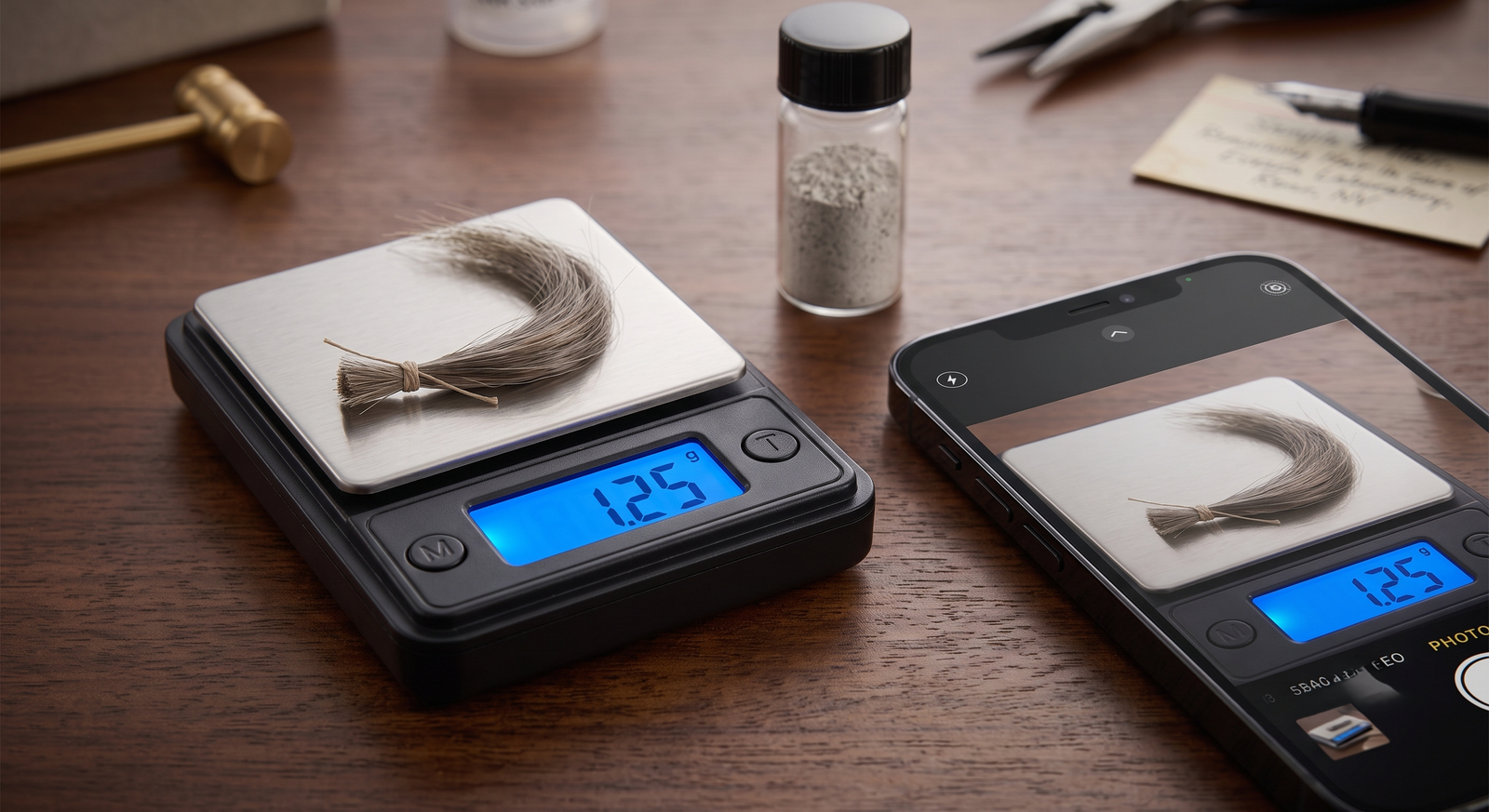
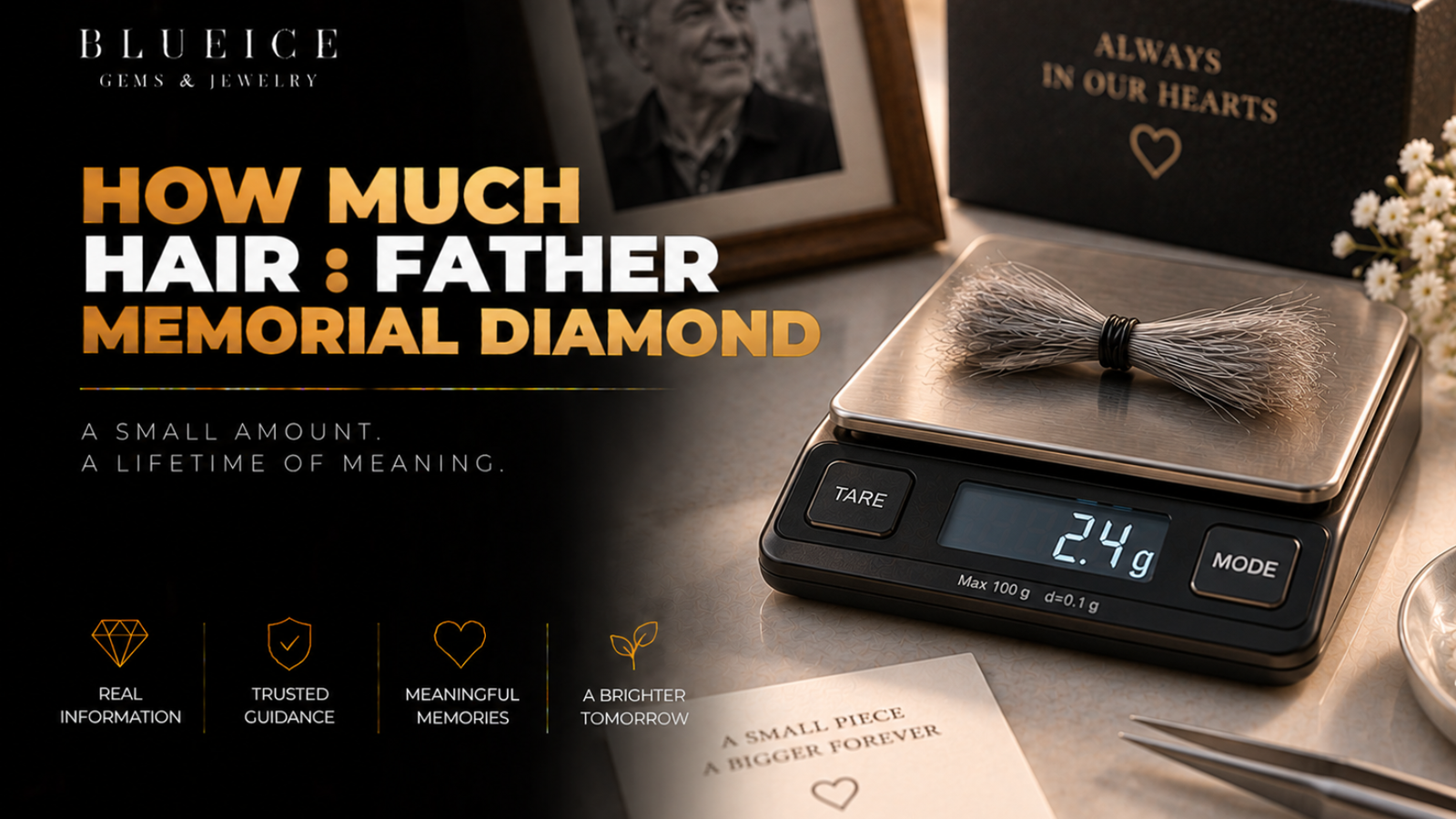
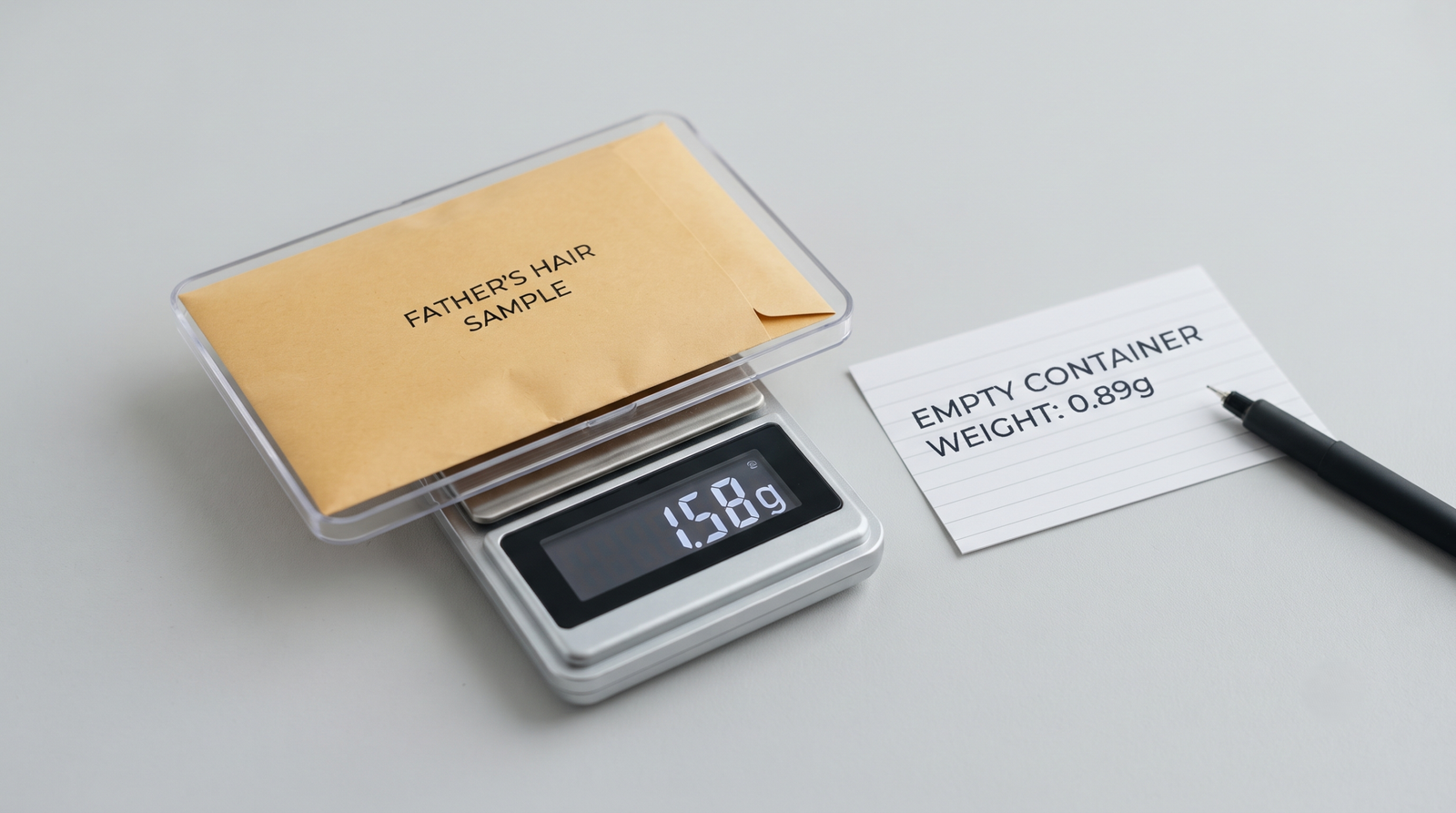
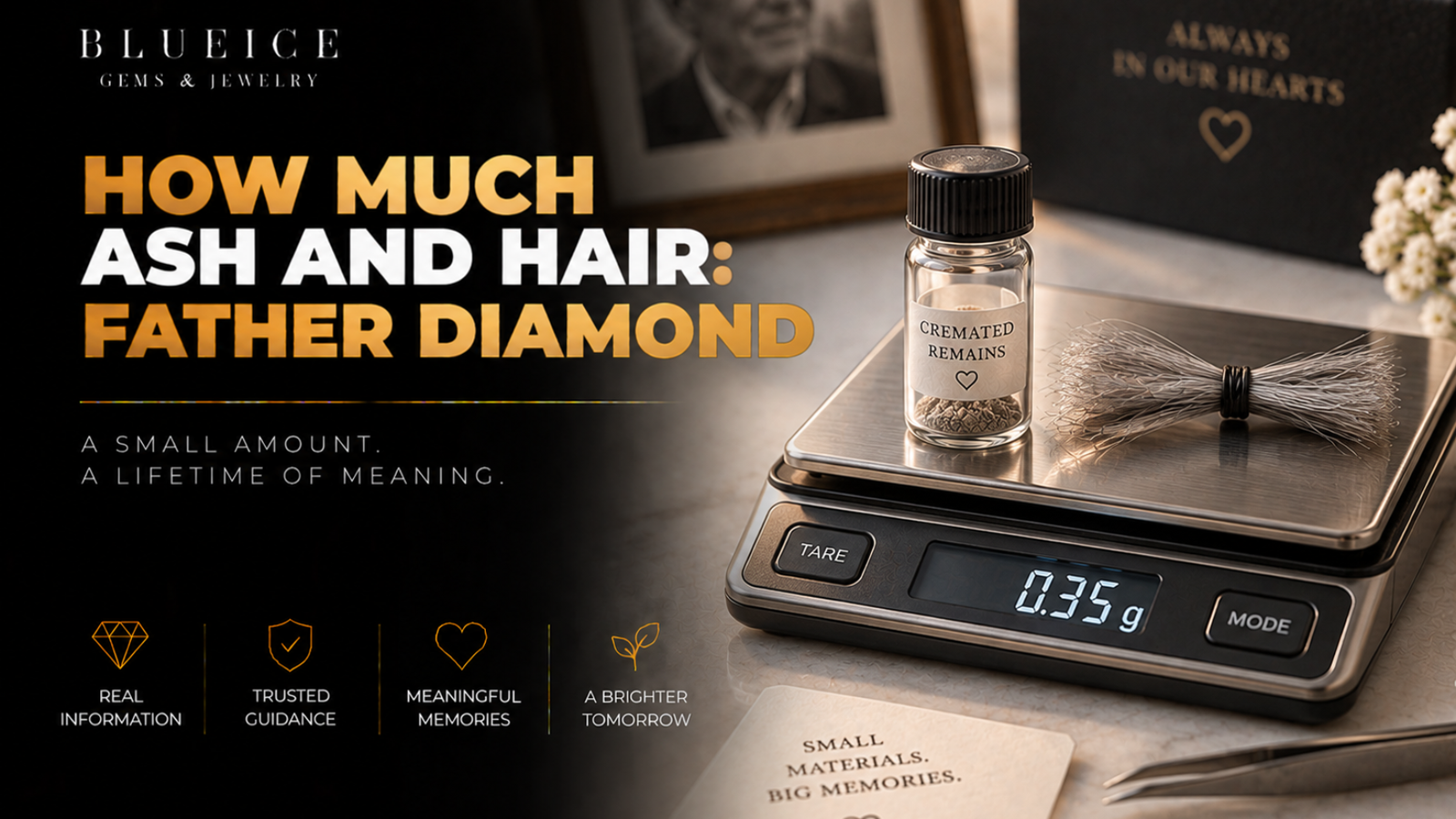
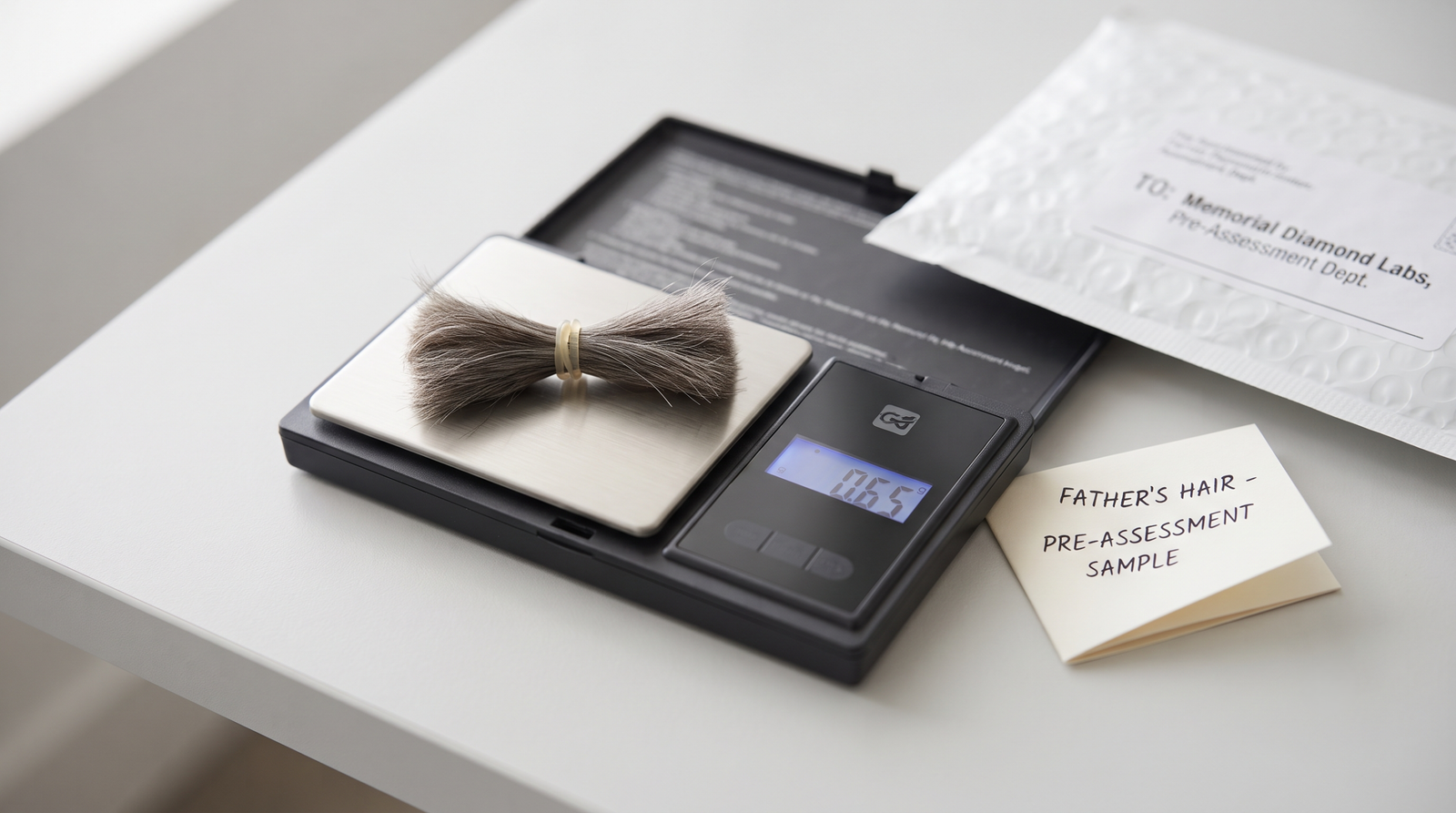
- You have a sample and a weight. Weigh it in its container, subtract the container, and photograph it beside the scale reading. A number ends the search whether or not the number turns out to be enough, how much hair is needed covers what to do with the figure once you have it.
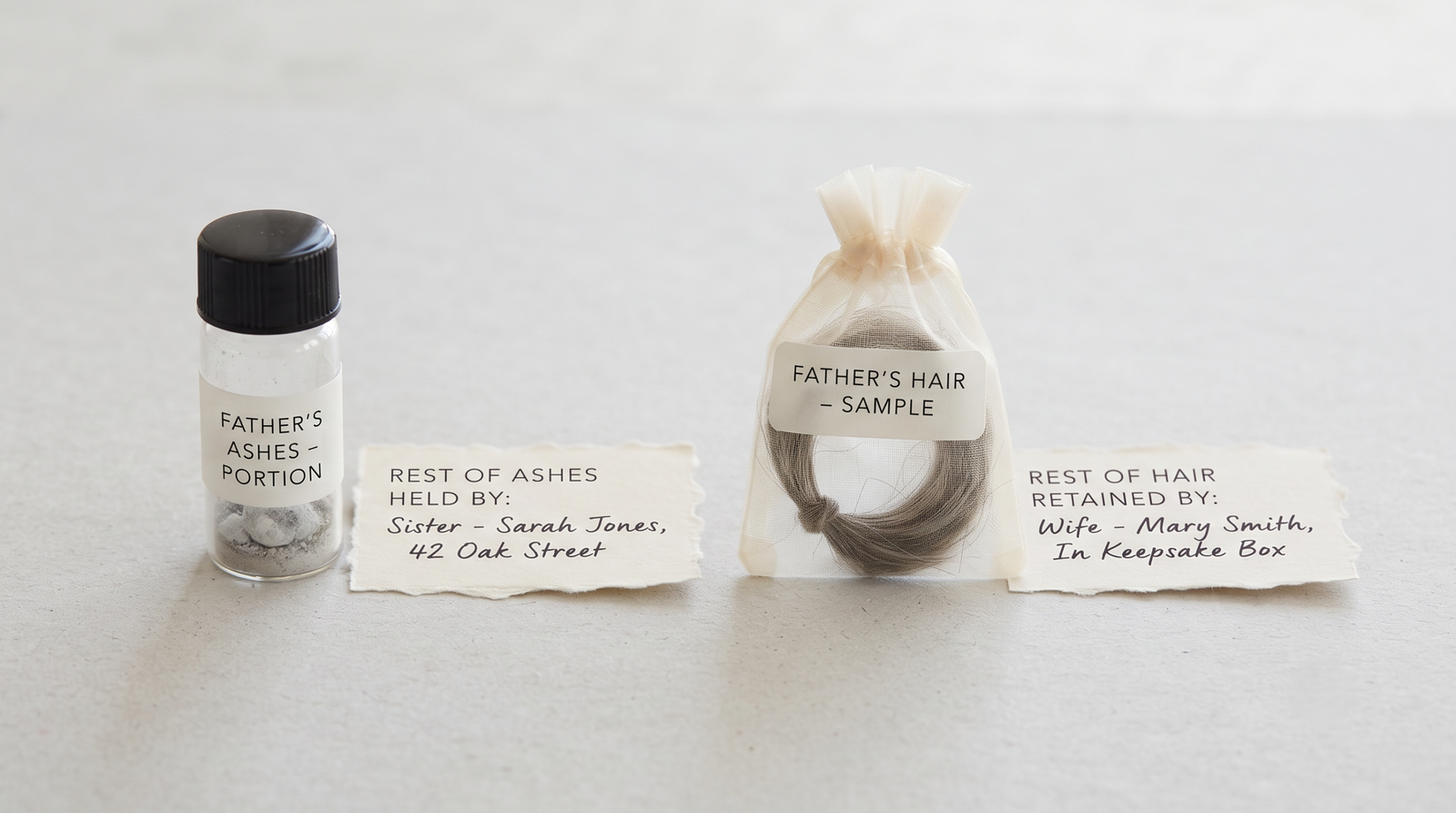
- Everyone who might have kept something has been asked. A widow, a sibling, an adult child, a barber of twenty years, whoever cleared the house. This is the condition most easily skipped, and it is often where a sample turns up.
- The places have been checked and there is nothing. A wallet, a bedside drawer, a shaving cabinet, a hat, a hairbrush, a car headrest, a workshop bench. If those come up empty, they come up empty, and that is a finished search rather than a failed one.
If the search ends at condition three, his ashes remain a route, and the sequence in step by step: turning your father’s ashes into a diamond picks up from there. Nothing about ending a hair diamond search this way is a lesser outcome.
What Does the Whole Sequence Look Like?
| Step | Whose hands | Typical duration | What it produces |
|---|---|---|---|
| 1. Search for a sample | Your family | An afternoon to a few weeks | A candidate sample |
| 2. Weigh and photograph it, without dividing it | Your family | Ten minutes | A weight, in grams |
| 3. Ask a provider whether that sample is acceptable | Your family and the provider | Days | An answer, ideally in writing |
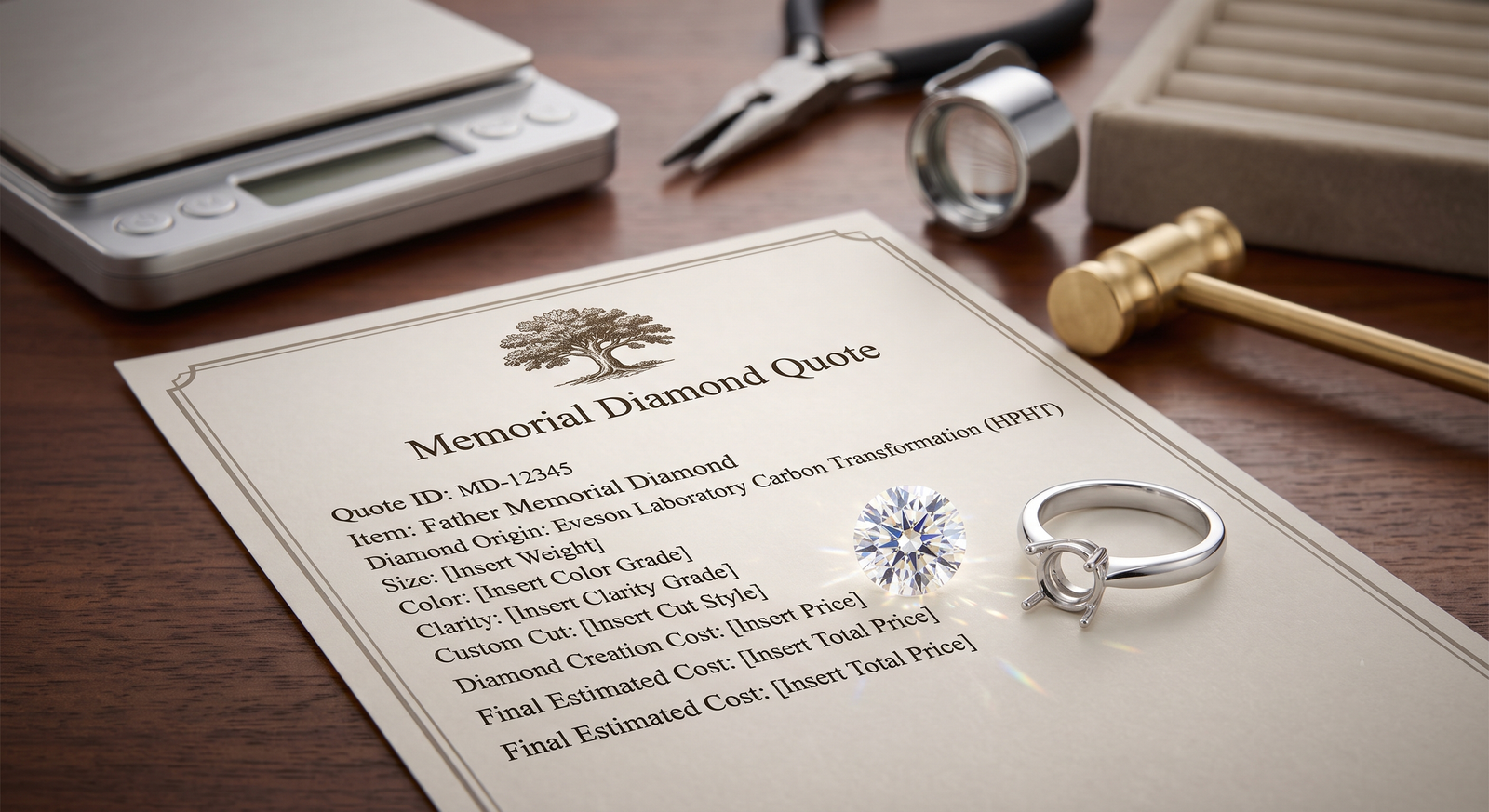
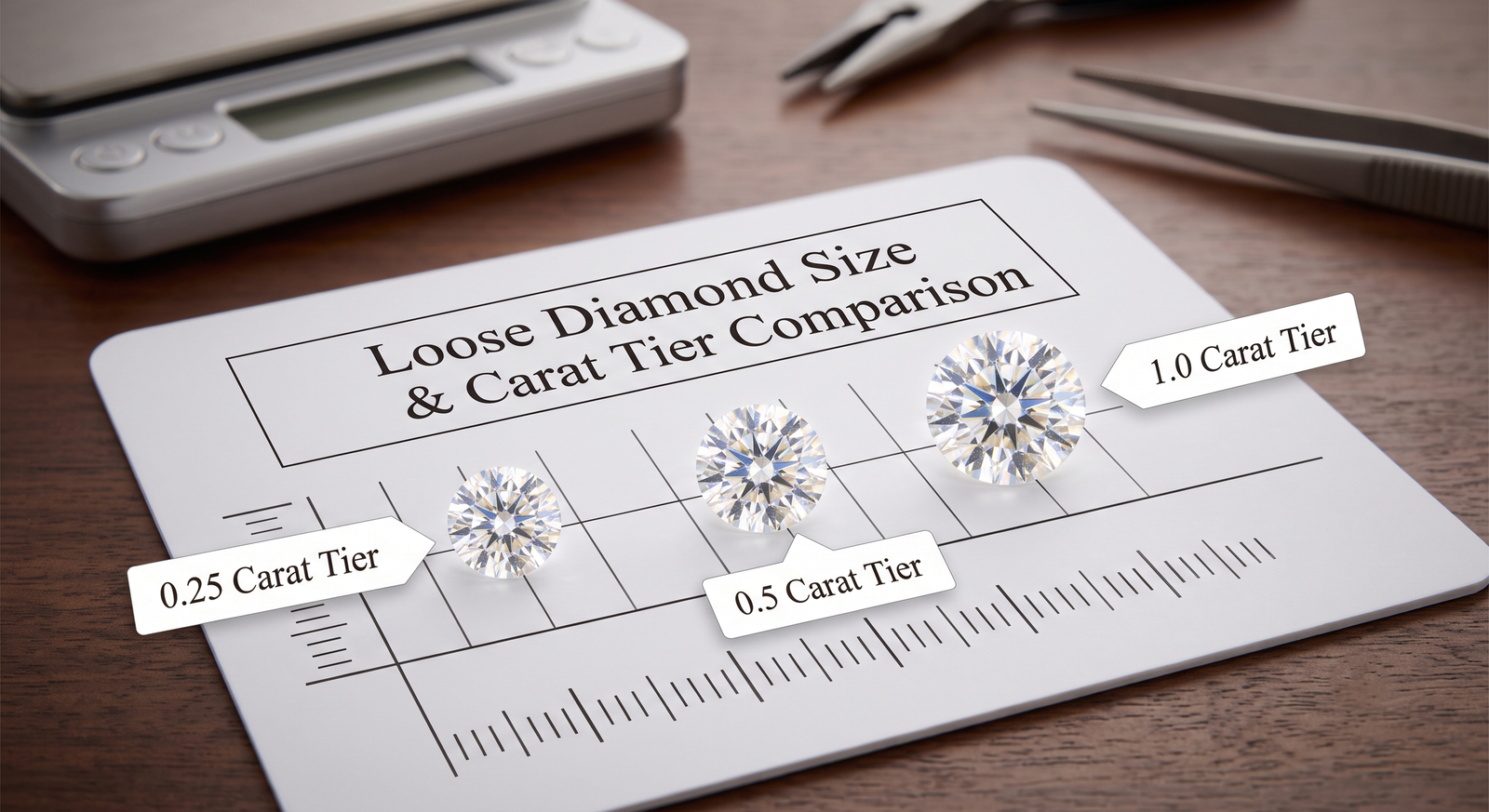
| 4. Choose a provider; specify carat, color and cut | Your family | 1 to 4 weeks | An order reference |
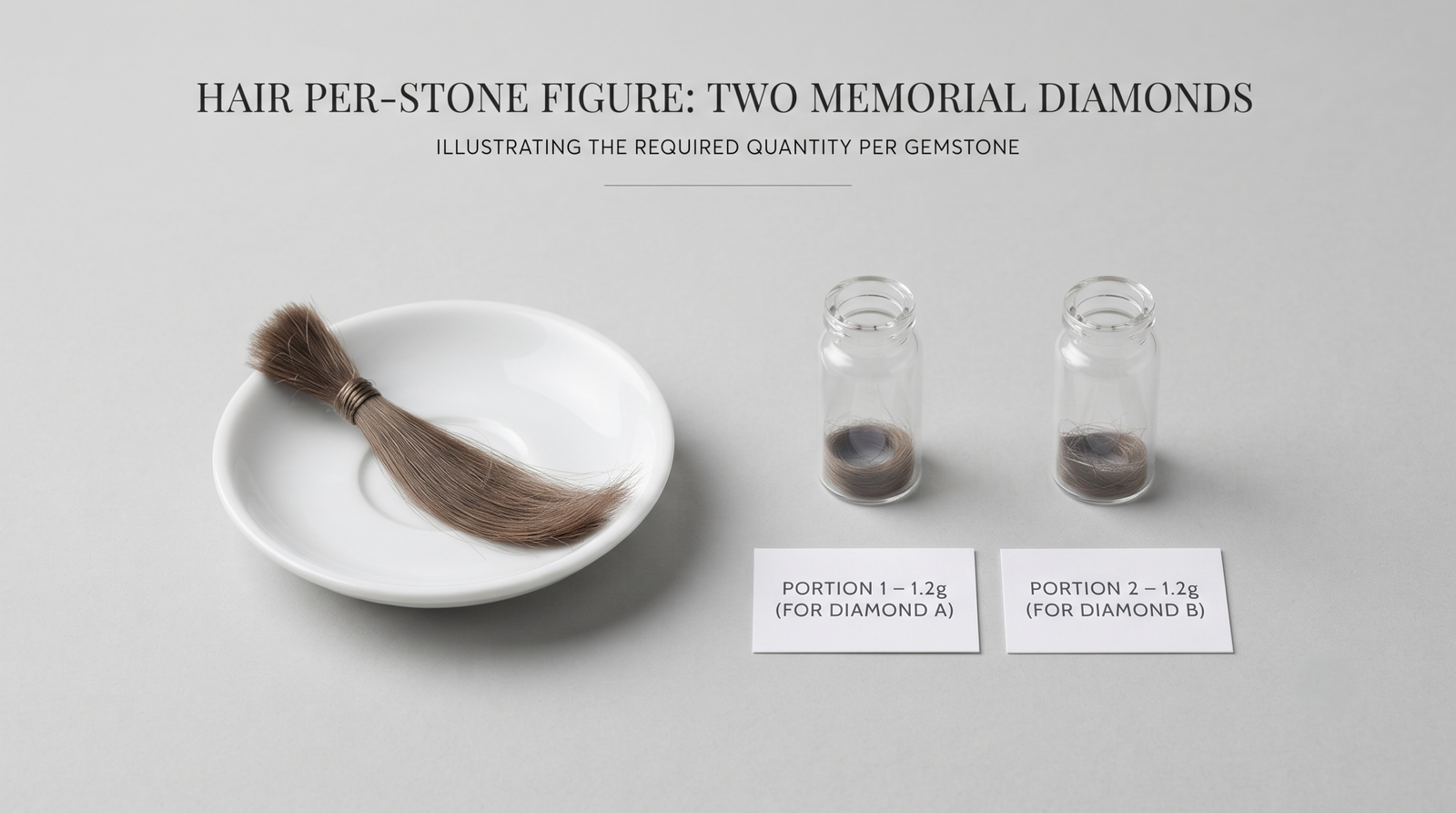
| 5. Cut or separate only what is being sent, and document it | Your family | An hour | The submission, and a record of it |
| 6. Package and ship | Your family, then a carrier | 1 to 3 days in transit | A tracking number |
| 7. Intake, weighing, logging, chain of custody reference | Laboratory | Days, the clock starts here | A reference number you can quote |
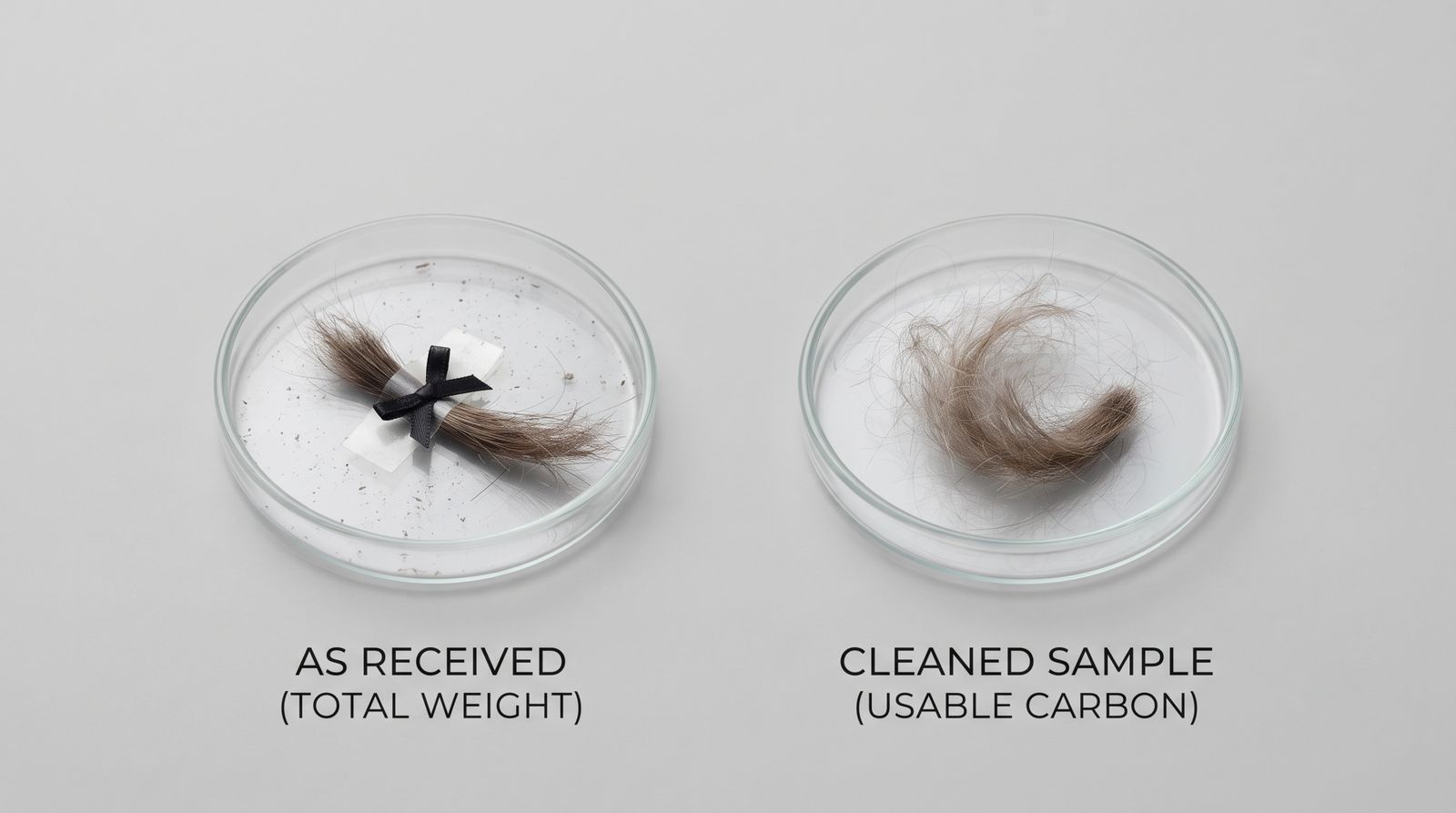
| 8. Pre cleaning: product, oils, dust and debris removed | Laboratory | Days | Clean keratin, at a lower weight |
| 9. Carbon extraction and purification to roughly 99.9% | Laboratory | Weeks | Purified carbon |
| 10. Graphitization at roughly 2,500 to 2,700°C | Laboratory | Days to weeks | Graphite feedstock |
| 11. Growth in an HPHT cell, blended with supplemental lab carbon | Laboratory | Weeks to months | A rough crystal |
| 12. Cutting, polishing, optional color treatment, grading, setting | Laboratory, then setter | Weeks | The finished hair diamond |

The durations in the table are estimates, there to make the shape visible; the only sourced figure is 6 to 10 months of production from step 7, which is why step 6 is worth doing promptly and steps 1 to 5 are not worth rushing.
Steps 1 to 6: From a Drawer to a Mailbox
Only three of these six involve touching anything. The rest are questions, and the order they are asked in is what separates a comfortable hair diamond process from an anxious one.
Step 3 comes before step 5. Ask whether the sample is acceptable before anything is cut, separated or divided. A lock is finite, and the answer costs nothing but a few days. Send the weight and the photograph rather than a description: “6.1 grams of beard clippings, collected in two sittings” is a question a provider can answer; “a bit of his beard” is not.
Step 5 is the only irreversible act in the family’s half of the sequence. Everything before it, the search, the weighing, the inquiry, the order, can be undone, paused or abandoned. Cutting cannot.
Step 6 has fewer constraints than the ashes route does. Hair is not cremated remains and does not carry the shipping restrictions that go with them. Package it dry, sealed, cushioned and labeled with the order reference, and keep a photograph of the sealed package. How to turn your father’s hair into a diamond covers the documentation your family creates around that parcel, which for a hair diamond has no institutional substitute.
Steps 7 to 12: What Does the Laboratory Do With a Few Grams?
Each laboratory stage between intake and a finished hair diamond is described in how a memorial diamond is made from your father’s hair. Three things about that half matter for the sequence.
Step 7, intake, starts the clock. The sample is logged, weighed and given a chain of custody reference. Ask for both the reference and the intake weight in writing.
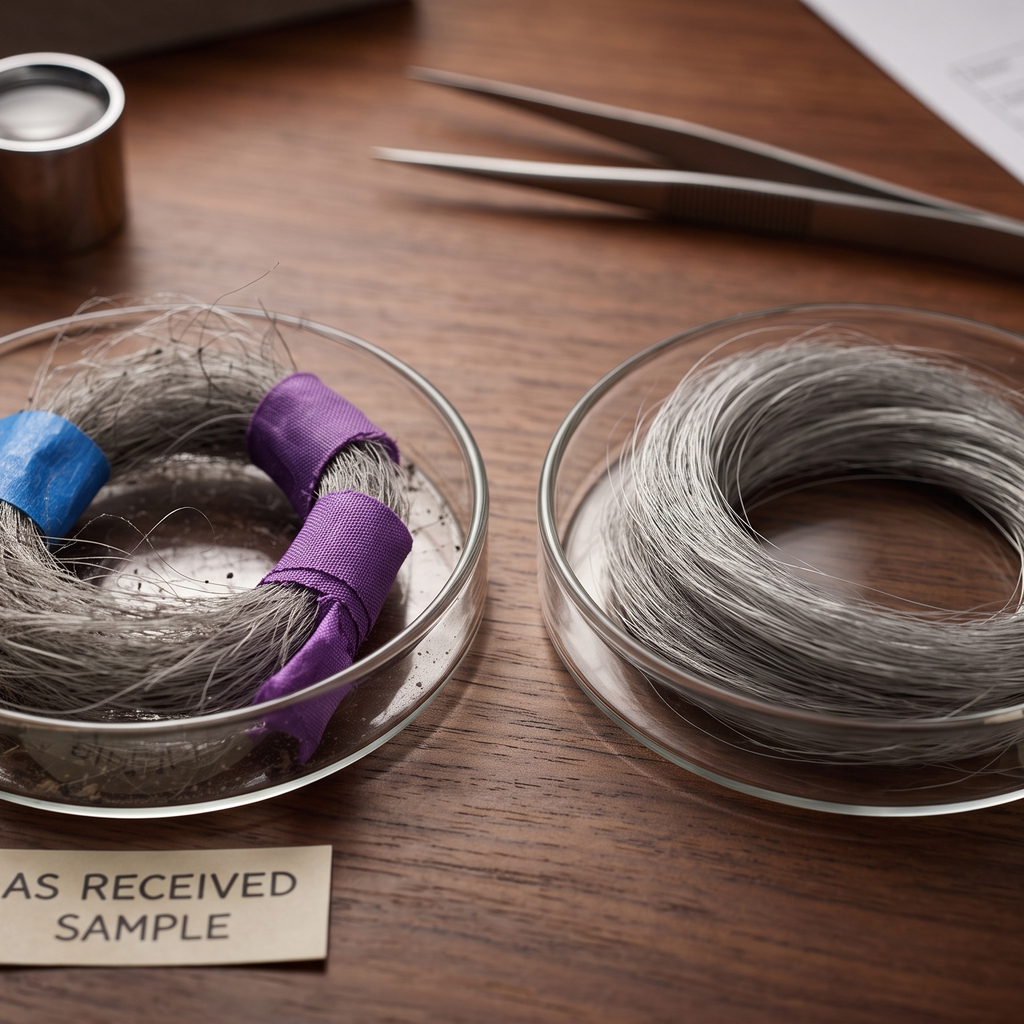
Step 8 has no equivalent on the ash side. Providers commonly describe a preparation stage in which product, oils, dust and anything that is not hair are removed before extraction begins, so the weight entering step 9 is lower than the weight that arrived. Ask what theirs removes.
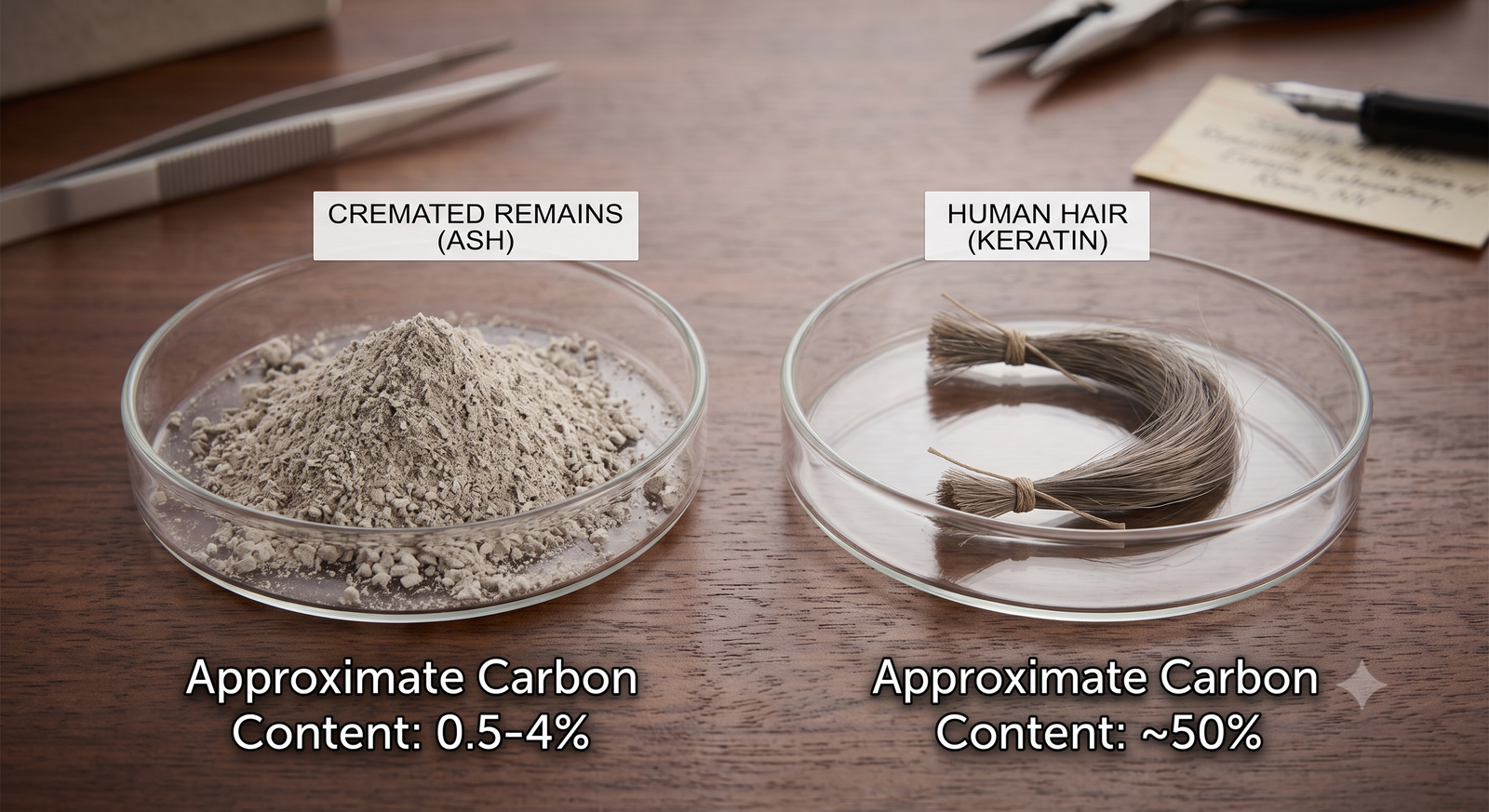
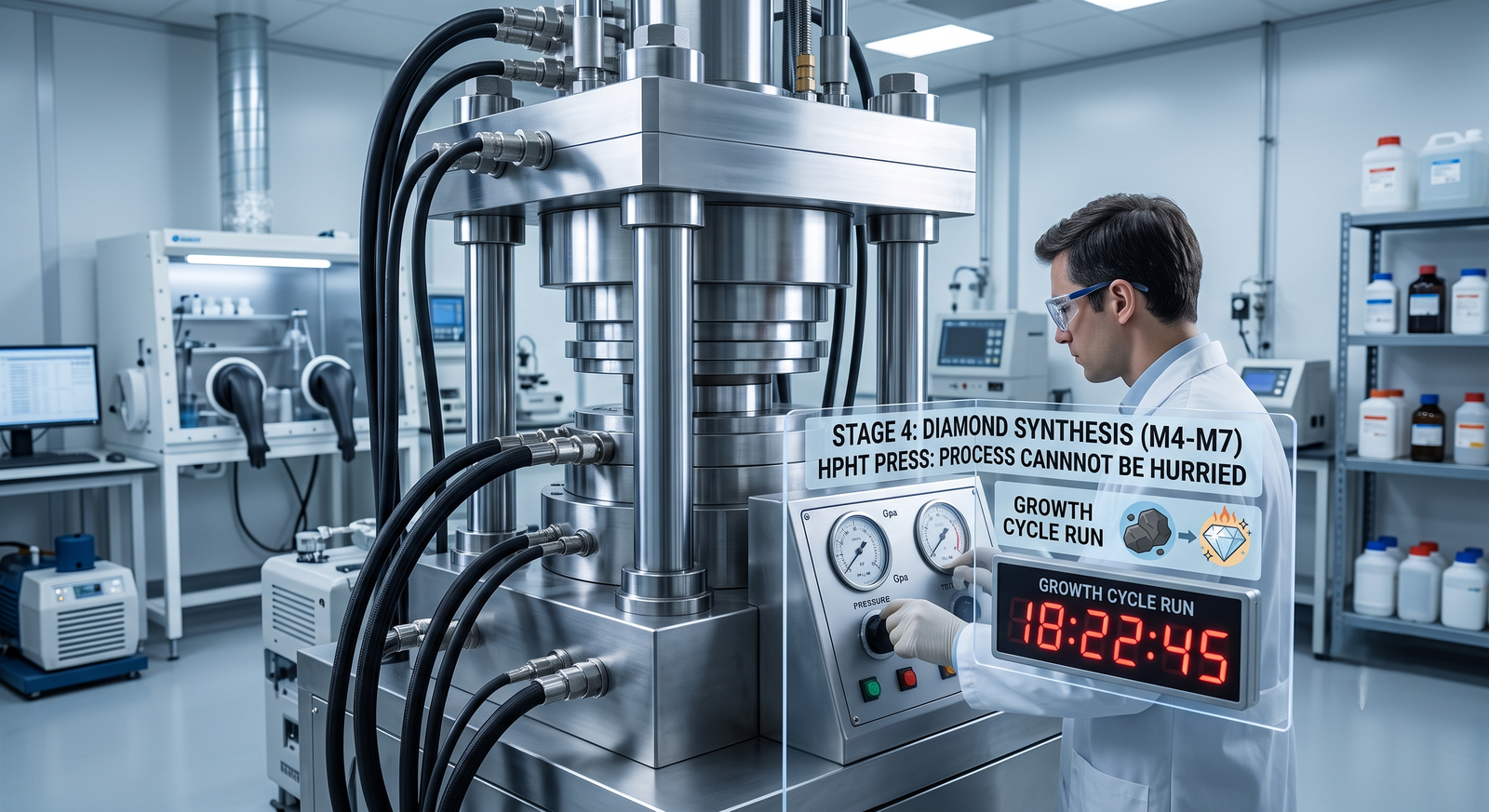
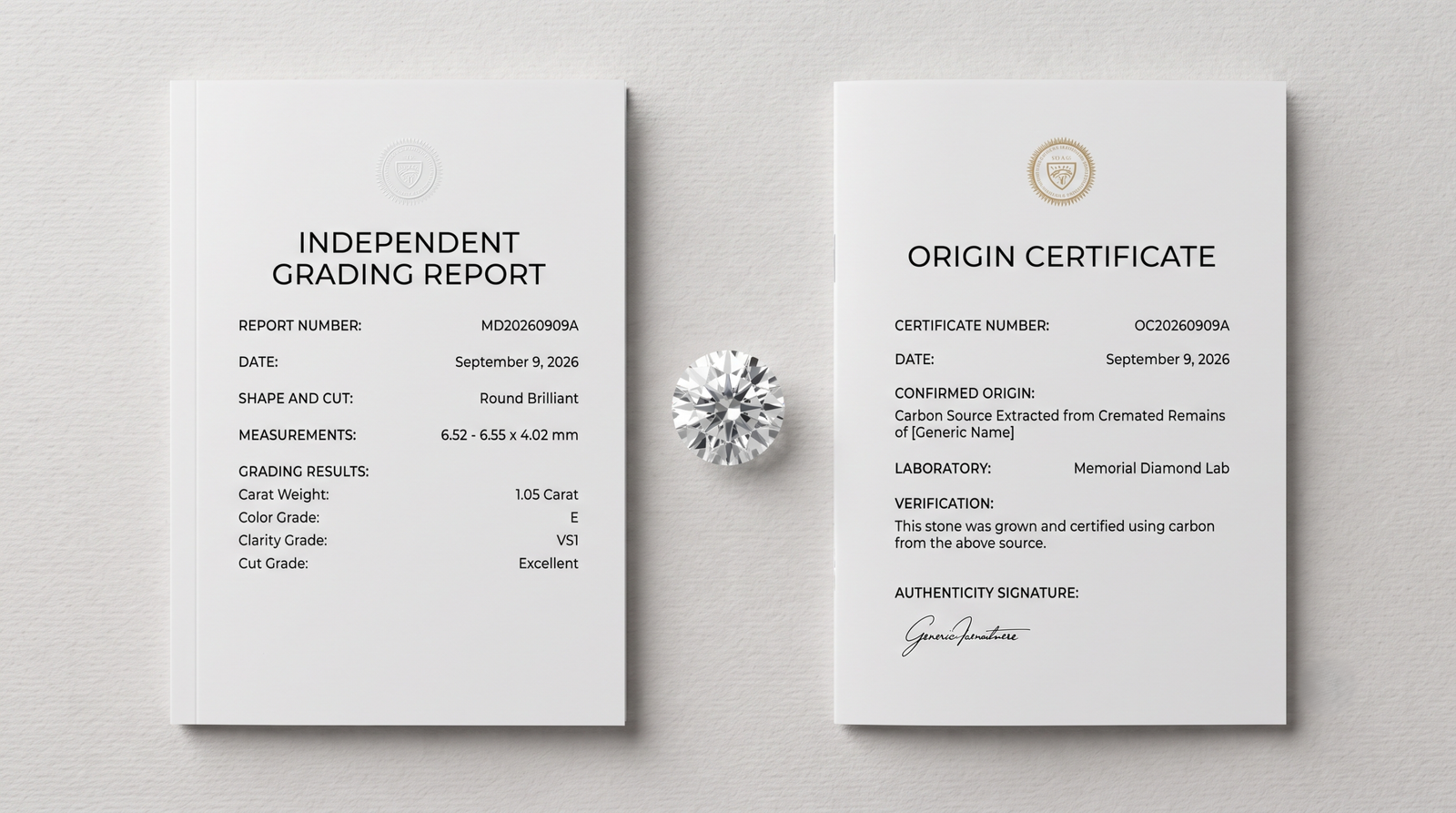
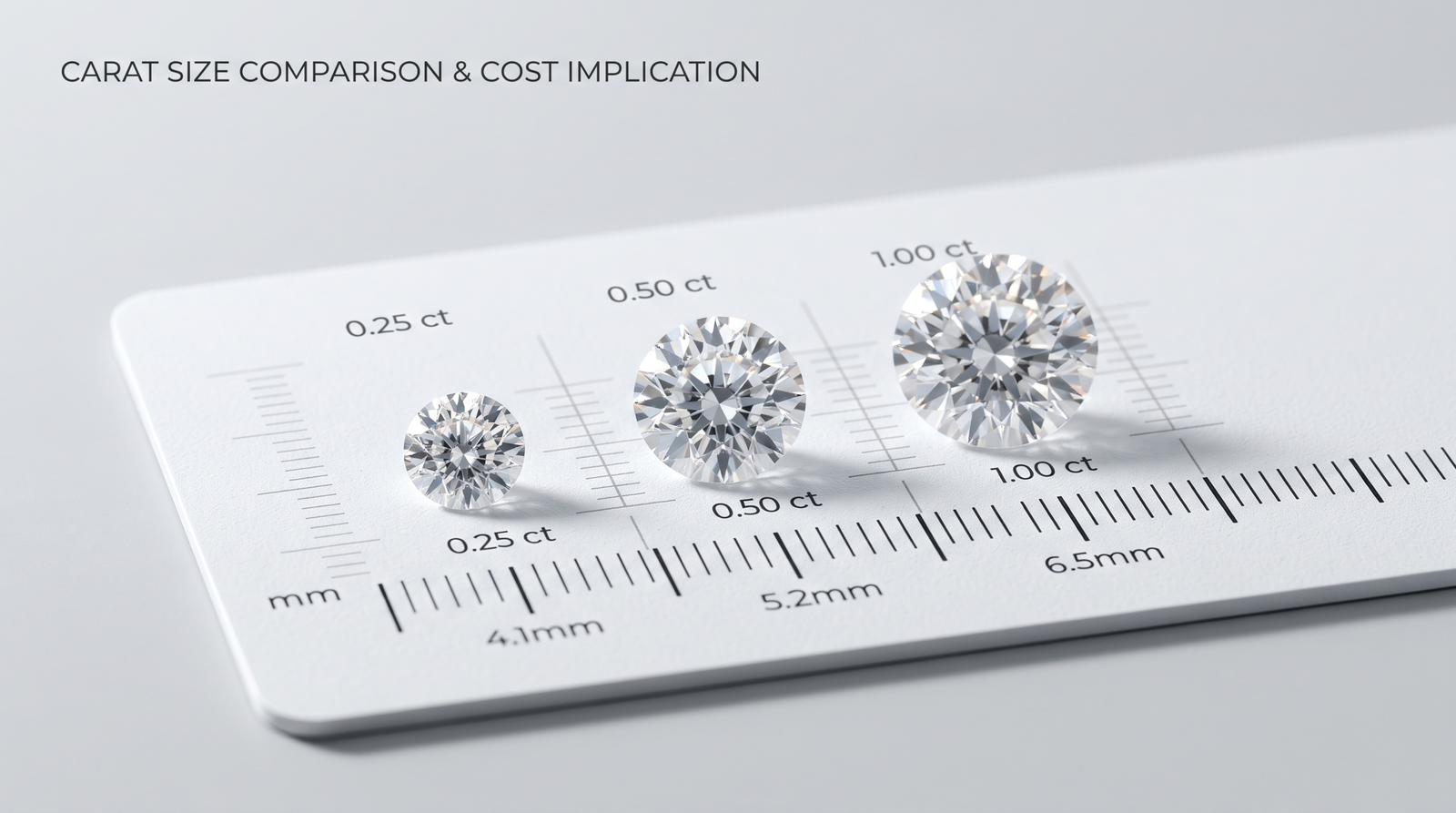
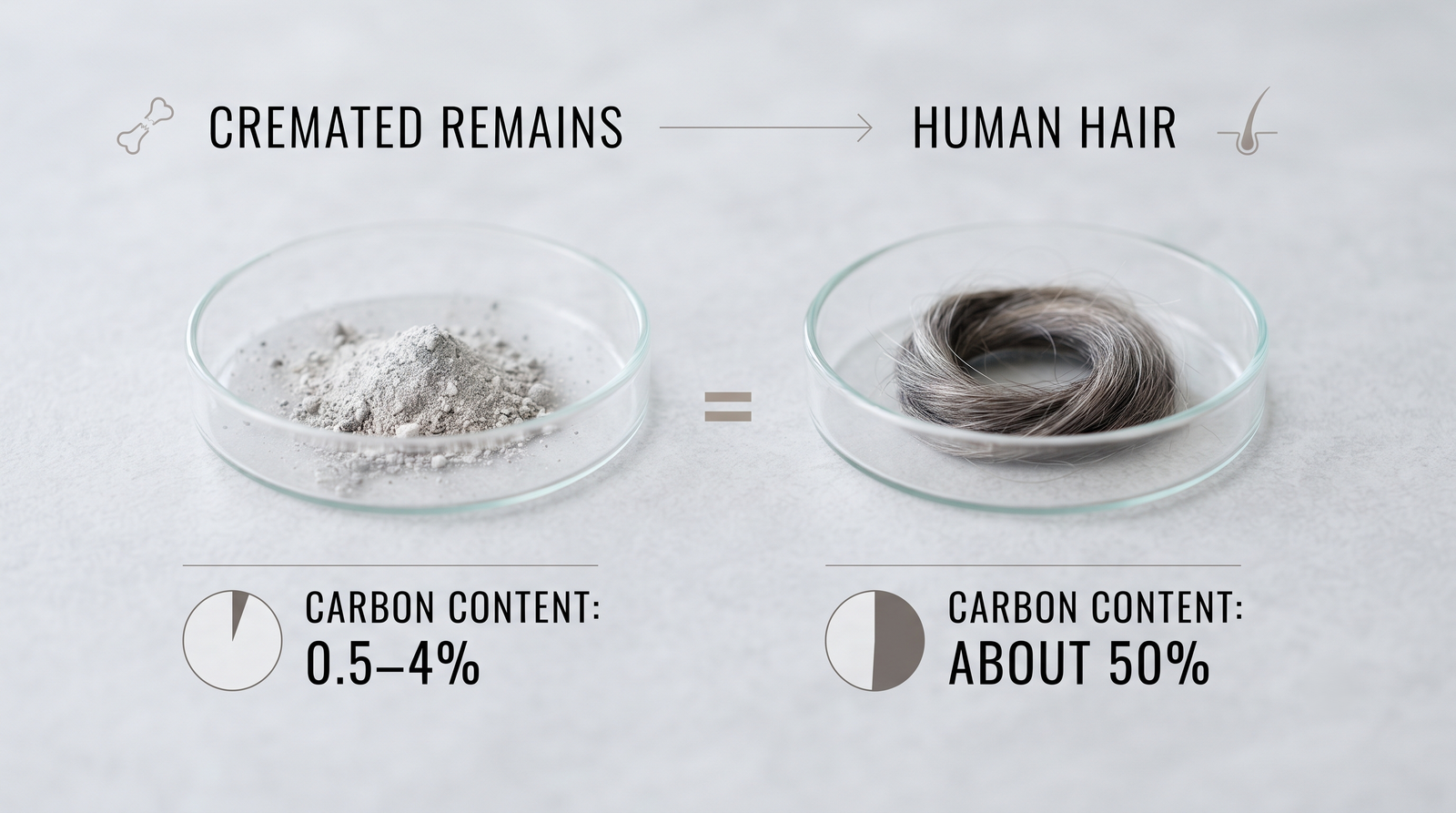
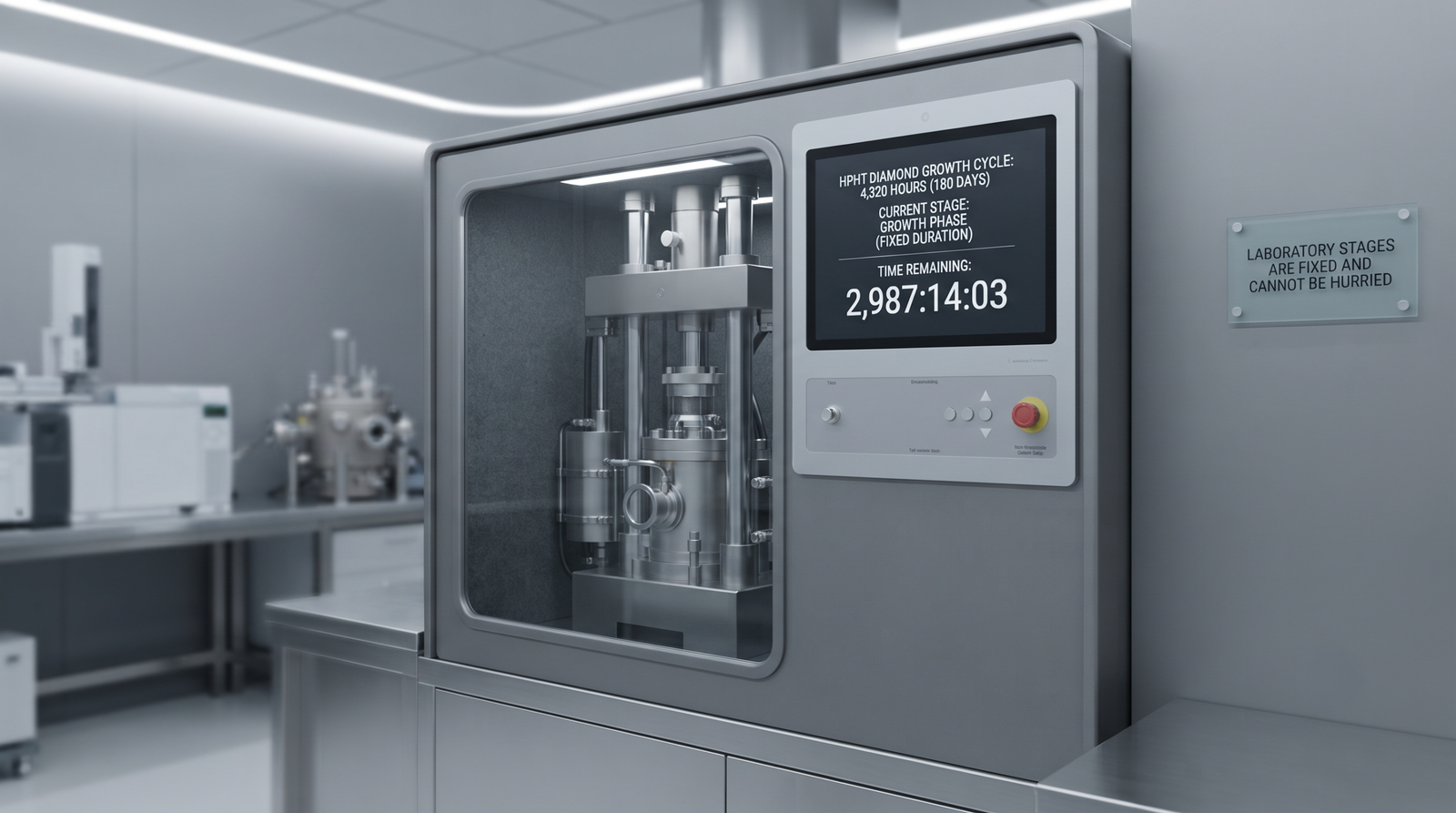
Steps 9 to 12 are the laboratory’s and are fixed. Extraction and purification to roughly 99.9% carbon, hair is roughly 50% carbon by weight, against ash’s 0.5% to 4%, then graphitization at roughly 2,500 to 2,700°C, then a growth run of weeks to months in an HPHT cell, then cutting, optional color treatment, grading on the standard 4Cs and setting. Before any of it can be grown, the recovered carbon is topped up with lab grown carbon to reach a usable volume, so a finished hair diamond holds a provable share of him rather than the whole of him. Any provider claiming otherwise is describing something the process does not do.
What emerges from graphitization is carbon rather than hair, so a hair diamond’s color comes from trace elements present during growth rather than from the color his hair was, what color a diamond made from your father’s hair will be covers that.
Why Does a Hair Diamond Have No Cremation in It, and No Deadline Either?
This is the structural difference between the two routes, and it is worth being precise about this.
The ashes route has a door that closes: once a father’s remains are interred or scattered, that option is generally closed, and the retention request has to be made before release. The hair diamond route has no equivalent. Hair is stable in storage, which is why a lock kept in 1998 is generally still usable and a sample found next year works as well as one found this week, worth confirming with a provider rather than assuming, but it is not the ash route’s kind of deadline.
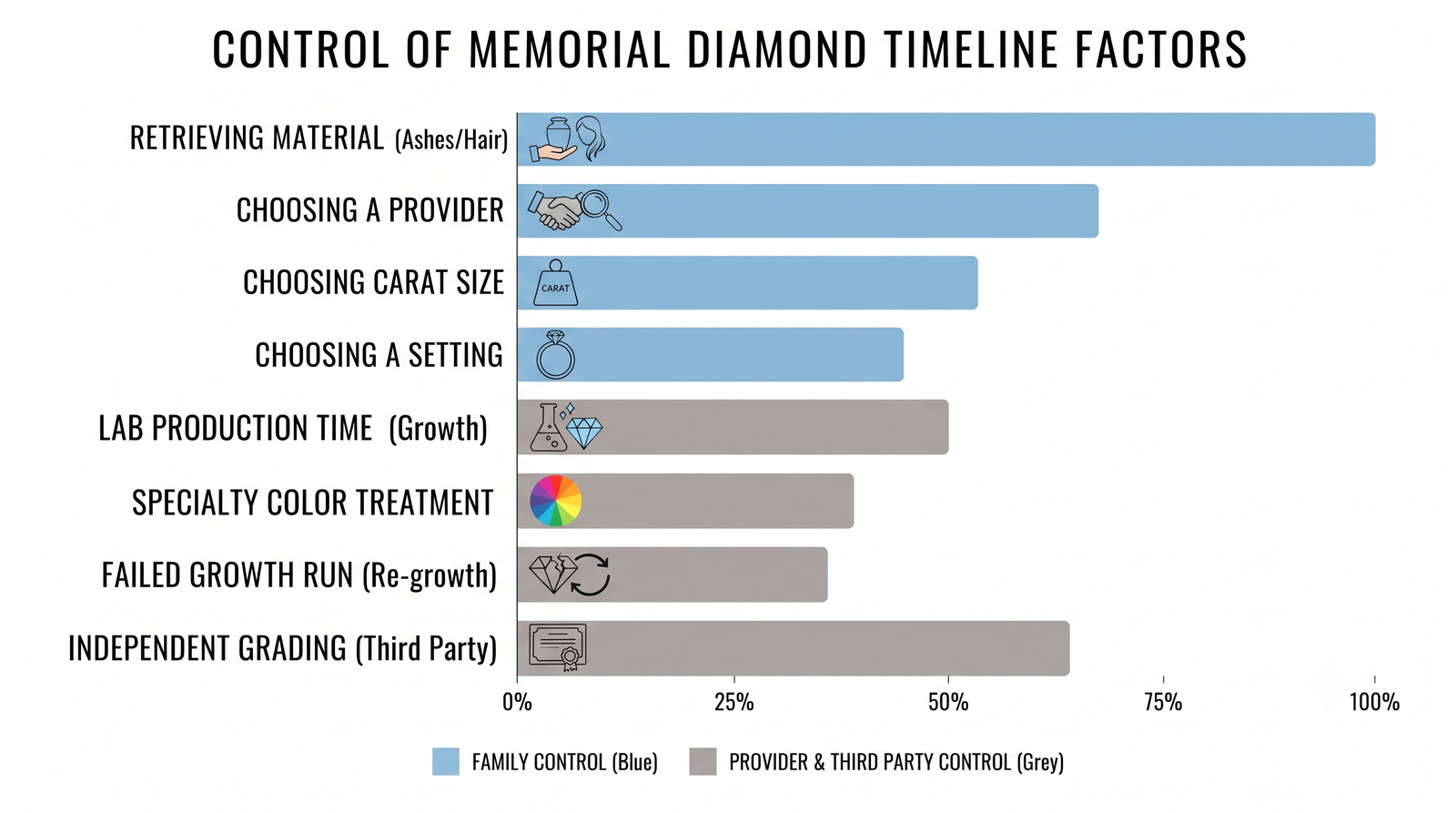
That does not make the hair diamond sequence entirely reversible. Step 5, the cut, is permanent, and a sample sent is a sample out of your hands. But the pressure that sits over an ashes decision does not sit over this one, and a family under time pressure elsewhere in their lives should know that.
Frequently Asked Questions
Where in the sequence should a provider first be contacted?
At step 3, before anything is cut. An acceptance answer based on a stated weight and a photograph costs a few days and protects a sample you cannot replace. Choosing a company for the hair diamond can wait until after that answer.
Can the search be done by someone else in the family?
Yes, and there is a case for it. The person clearing a house may see things the person grieving hardest does not. Give them the weight target and ask them to photograph rather than collect anything they find.
How long does the family half of the sequence usually take?
Anywhere from a week to a few months, and none of it is on a clock. Steps 1 to 5 have no external deadline at all, only step 6 onward runs against the production timeline of a hair diamond.
If a provider says the sample is acceptable, how long is that answer good for?
Ask, because it varies. An acceptance based on a photograph and a stated weight is a provisional answer; a definitive one normally follows intake. Get the provisional answer in writing anyway, so the definitive one can be compared against it.
Can the pre cleaning step reject a sample outright?
Ask what their preparation stage removes and what happens if it takes a marginal sample below a usable weight. It is the reason to send a hair diamond sample with margin rather than exactly at a stated minimum.
Does anything here need to happen before a funeral or memorial service?
No. Unlike the ashes route, nothing in a hair diamond sequence is closed by a burial, cremation or interment. Collecting hair is simpler before a service than after, but nothing is lost if that moment has passed.
Final Thoughts on the Hair Diamond Sequence
Step 1 costs nothing, involves nobody outside your family, and has no deadline attached to it. It is also the only step that can turn a hypothetical into a decision, which is why it is worth doing before anything else on this page, and why it is worth finishing properly, with one of the three end conditions actually met, rather than letting it trail off. A hair diamond that never happens because the search stopped early is a different thing from one that never happens because there was nothing to find.
Learn More About Father Memorial Diamonds
- Father Hair Diamond: The Complete Guide
- How Much Hair Do You Need for a Father Memorial Diamond?
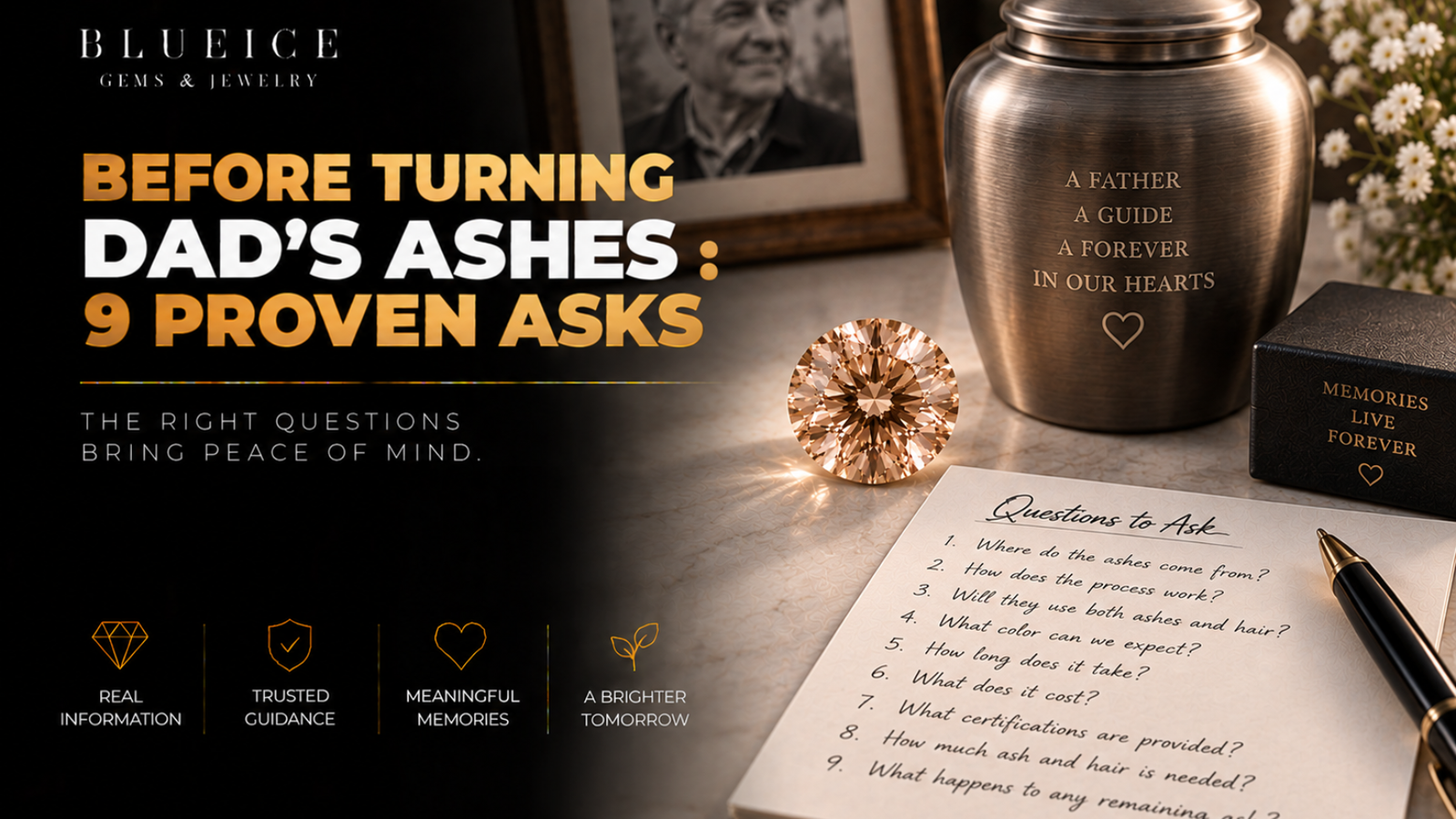
- Questions to Ask Before Turning Your Father’s Hair Into a Diamond
- How Long Does It Take to Make a Father Memorial Diamond?
- Father Memorial Diamond FAQ: Everything Families Ask
Talk With Memorial Diamond
Once there is a weight and a photograph, Memorial Diamond can say whether that sample works for a hair diamond and what happens to it at each stage. If the search has not started yet, it can start this afternoon. Reach out at memorialdiamond.us.