Parents who contact us about this rarely open with a question about diamonds. They ask what the first phone call is, and whether making it commits them to anything.
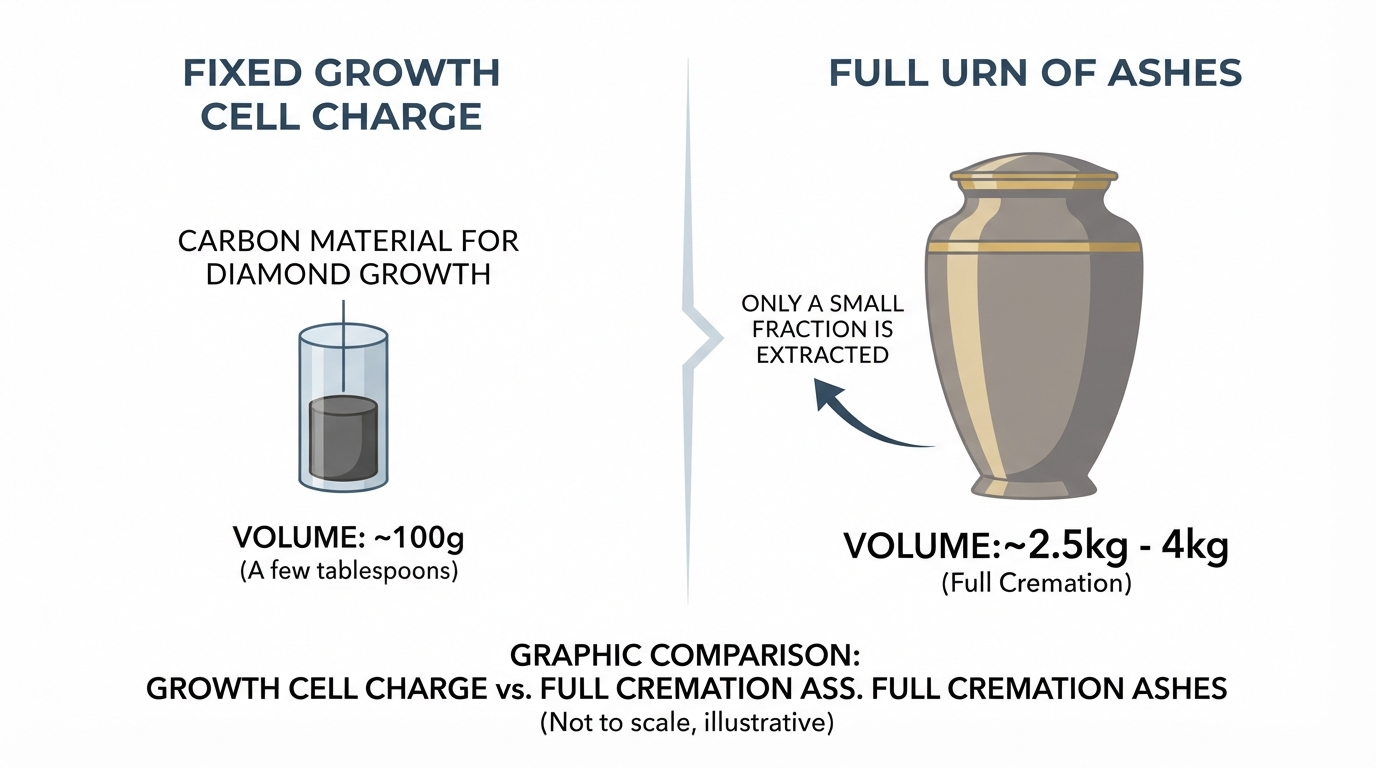
Families who turn son ashes into a diamond work through the same seven steps: confirm who holds legal control of the remains, settle the stone you want, separate a portion, industry typically a few tablespoons up to roughly 4 oz, and send it to a laboratory that returns a real lab grown diamond in about six to ten months. Of those seven steps, three cannot be undone.
Memorial Diamond grows memorial stones, so read our account of how to turn son ashes into a diamond knowing we have a commercial interest in it.
Table of Contents
What Does It Take to Turn Son Ashes Into a Diamond?
Seven steps, of which three commit you, and they are arranged so that everything reversible comes before the first of those three. None is technically demanding; the difficulty is entirely in the sequencing.
| Step | What is actually happening | Reversible? |
|---|---|---|
| 1 | Establishing who legally controls the remains | Yes, finding out commits nothing |
| 2 | Telling the people this affects | Partly; it cannot be unsaid |
| 3 | Fixing the object, carat and color range | Yes, until material moves |
| 4 | Separating a portion and authorizing the work to turn son ashes into a diamond | No |
| 5 | Purification and graphitization | No |
| 6 | The growth run under pressure | No |
| 7 | Cutting, optional independent grading, setting | Yes, late choices |
Read the last column first. Steps 4, 5 and 6 each consume material and shut a door behind you. Steps 1 to 3 exist so that everything needed to turn son ashes into a diamond is settled before step 4 begins.
If you have not settled whether to turn son ashes into a diamond at all, the guide that weighs it against the alternatives handles that decision.
Step 1: Who Actually Controls His Ashes Right Now?
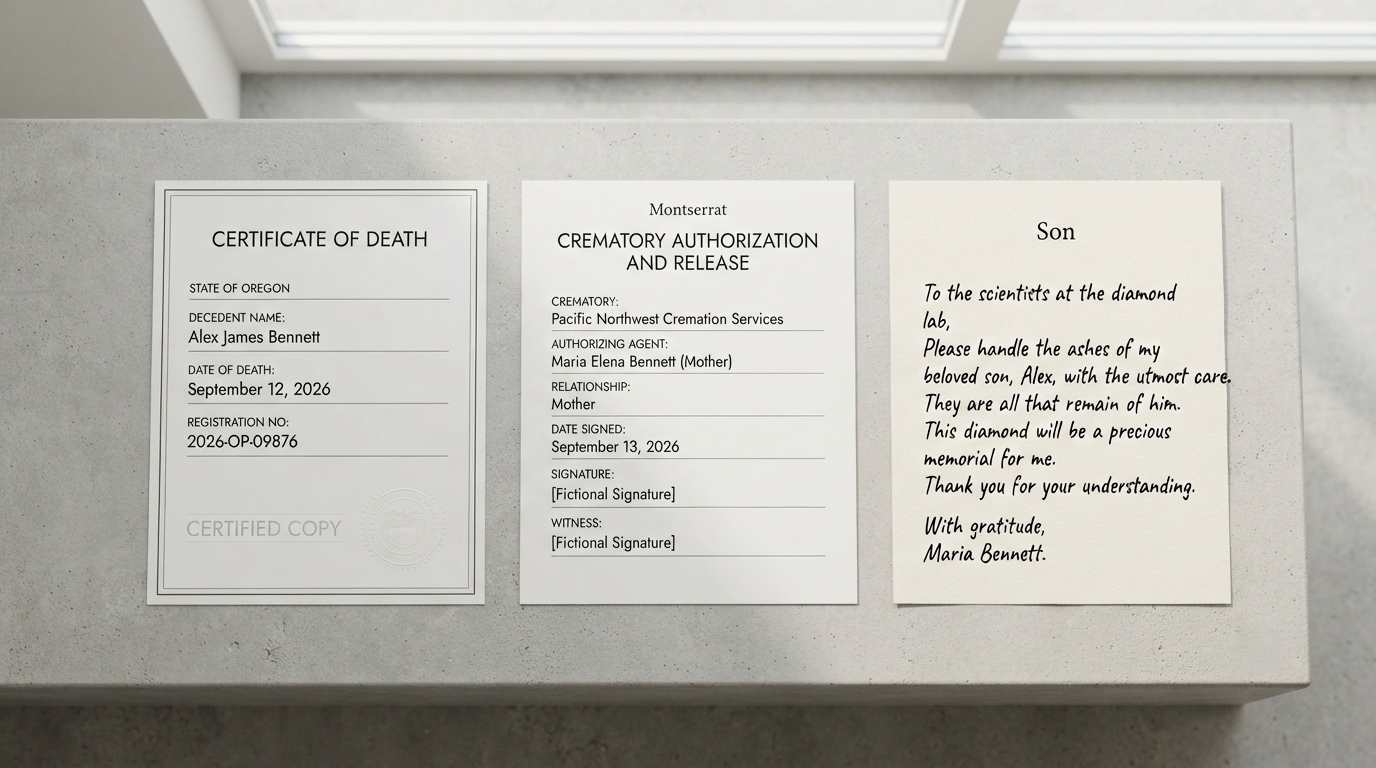
This is the step that most often surprises parents. No single national rule decides who holds authority over a person’s remains. Each state sets its own order of priority, and a document your son left, a will, a disposition directive, a form naming an agent, can override it. Statutes broadly share one thing: a surviving spouse sits near the top and adult children often rank above parents. Whether your son was twenty two or fifty two, if he had a wife, a husband, a registered partner or children of his own, the standing needed to turn son ashes into a diamond may sit with them, not with you.
Establish it before money is spent. Three things to find out:
- Where the ashes are, and who signed for them. The crematory records who authorized the cremation and who collected the remains; one call settles it.
- Whether he left anything in writing. A directive, will clause or pre need form can change the answer entirely.
- What your state’s priority order says. It varies, and assuming is how families discover mid process that someone was never asked.
If you and his other parent are no longer together, or are not of one mind, that does not stop anything by itself. It changes who has to be asked, and often means one of you does the legwork alone. A parent arranging this alone is common, and not a failure of anything.
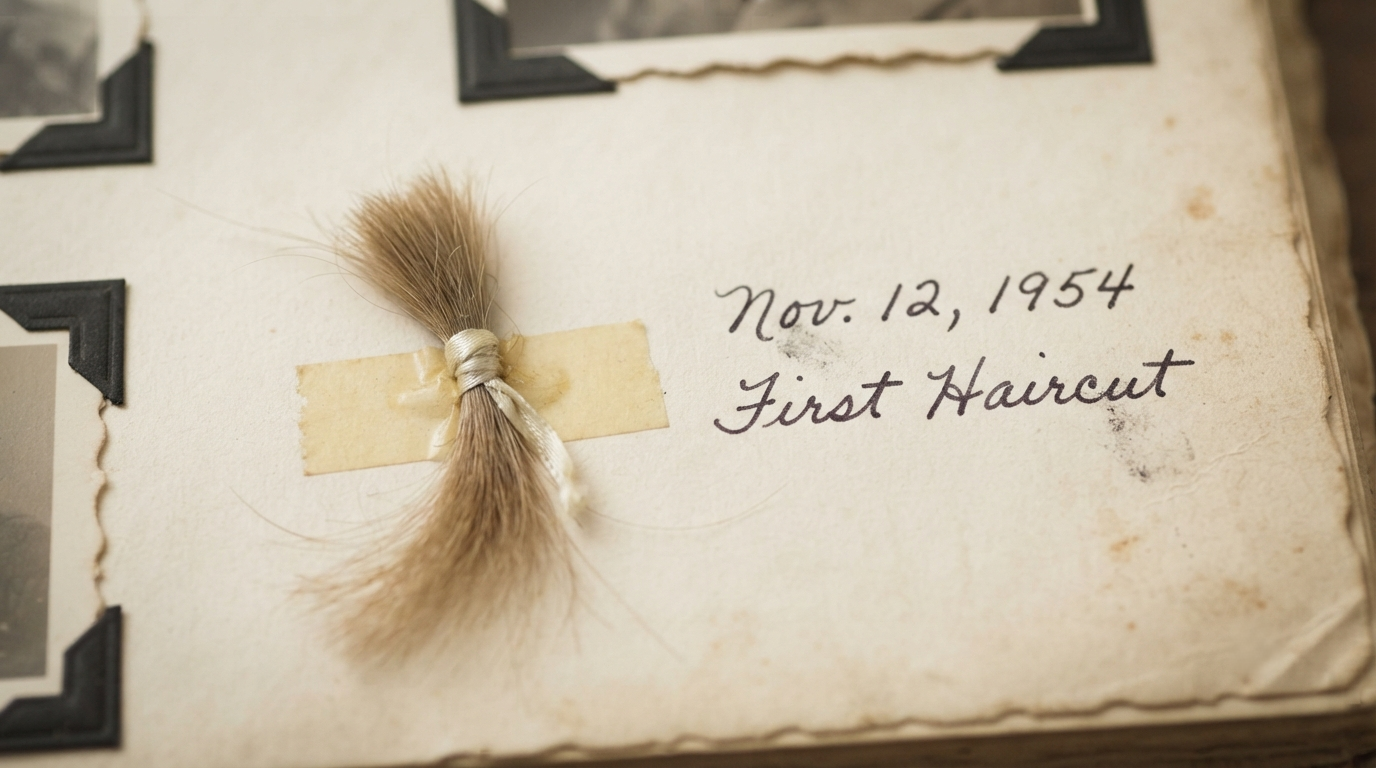
If you do not hold authority and will not be given it, that is an answer rather than the end of it. A lock of hair already in your own house needs no cremation, and because the rules in this area attach to remains rather than to a keepsake in a drawer, it is usually the more straightforward question in practice, a lock of his hair instead is the route that often stays open when you cannot turn son ashes into a diamond.
Step 2: The Conversation That Comes Before Anything Is Opened
Other people have a stake in the ashes even where they hold no authority: his siblings, his partner, grandparents. Telling them comes before step 4, because the order decides how both go.
Raised in advance, a plan to turn son ashes into a diamond is a proposal, and a proposal can be answered. Raised afterwards, it is a disclosure about something already done, the only part of the sequence genuinely hard to repair.
Worth having ready:
- How much you are proposing to use. Most families are surprised it is a portion, not all of it, and the objection often dissolves there.
- What happens to the rest. Saying plainly that the urn stays, or the scattering goes ahead, removes the fear that this replaces an agreed plan.
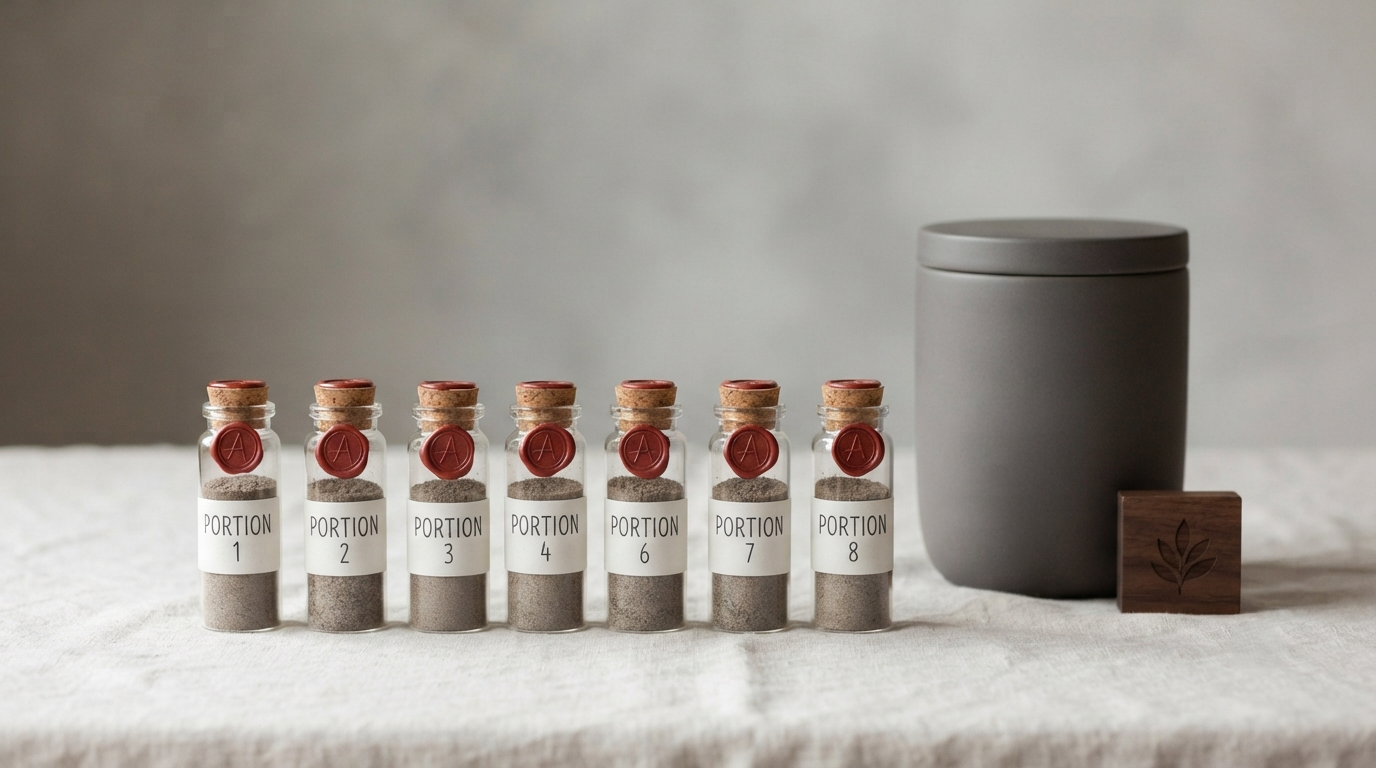
- Whether more than one stone is possible. If his sister or his partner would want one, that is easier to arrange now. Whether several family members can each have a diamond from the same ashes covers it.
- That nothing is booked. At step 2, a decision to turn son ashes into a diamond is still only a conversation.
Some of these conversations end without agreement. Better to learn that now than with a container already open.
Step 3: Settle the Stone Before You Price Anything
Three things get fixed here: the object you want to hold, the carat it implies, and the color range you will accept. All three are free to change your mind about, which is why they precede the portion.
Start with the object. A ring worn daily, a pendant under a collar, a loose stone in a box, and a setting shared between two parents point at different sizes. Carat is bought, not determined by the ashes: size follows growth time in the press, so a larger portion does not produce a larger stone.
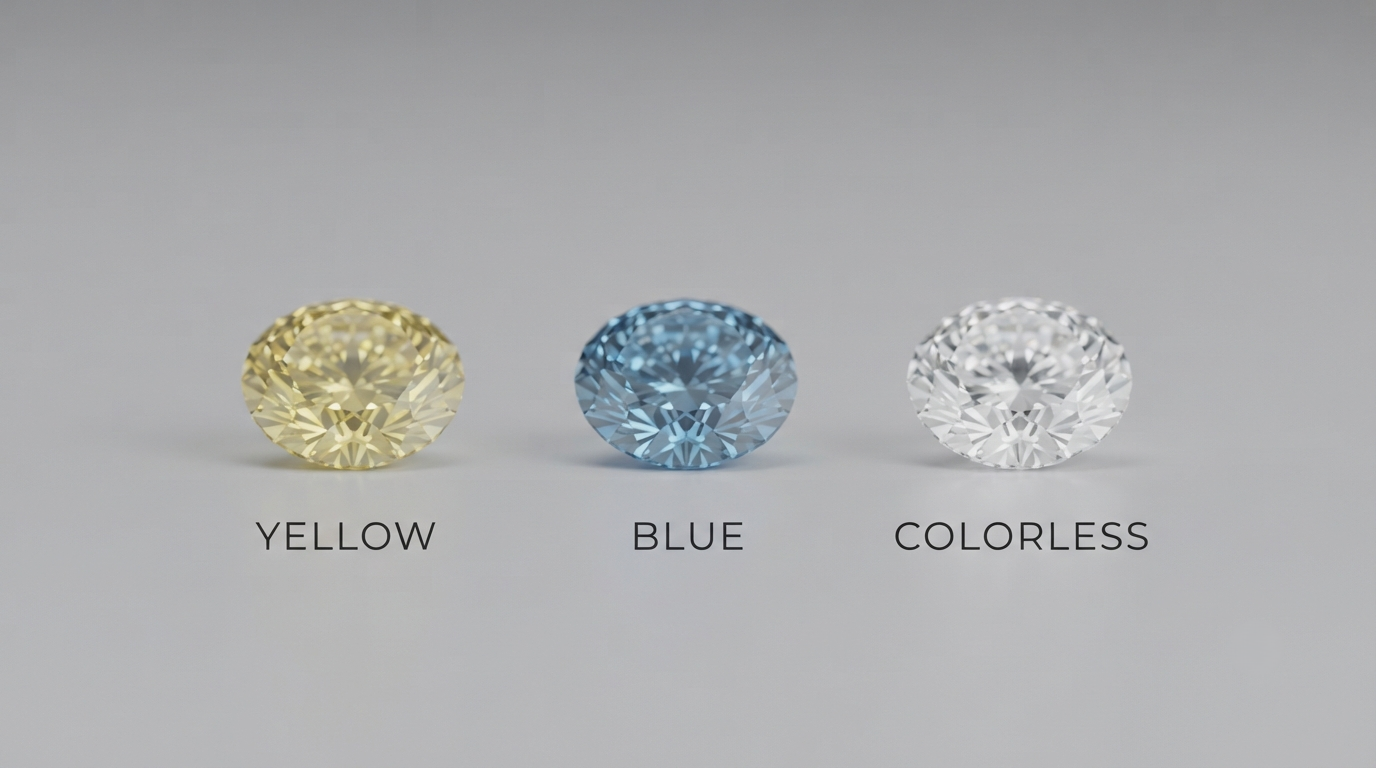
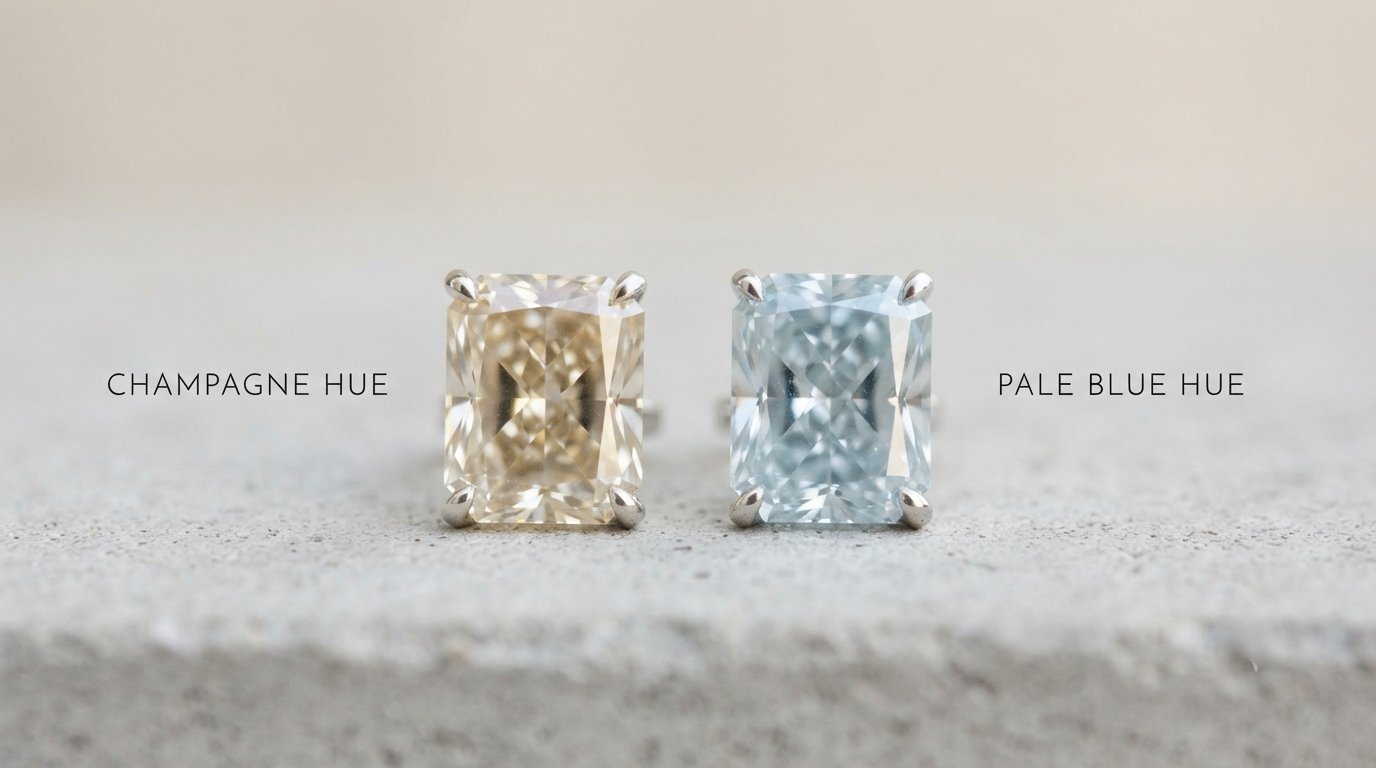
Color is narrowed, not chosen. Nitrogen in the growth cell pulls the crystal toward yellow and boron toward blue; a colorless stone is one where neither element was present in any quantity, which is why colorless has to be engineered and costs more. Ash is an organic source carrying trace elements of its own, so warm tones are ordinary rather than a fault. Ask what range a provider will put in writing before you turn son ashes into a diamond, what to expect from memorial diamond color sets out how wide it honestly runs.
Settle the provider here too. Six things to ask before you turn son ashes into a diamond: the exact minimum, and whether it is weight or volume; what container the material travels in; what documentation comes back at intake; what happens to material not consumed; what follows a failed growth run; and whether a later order can use material separated today.
Step 4: Separating the Portion, and Authorizing Its Use
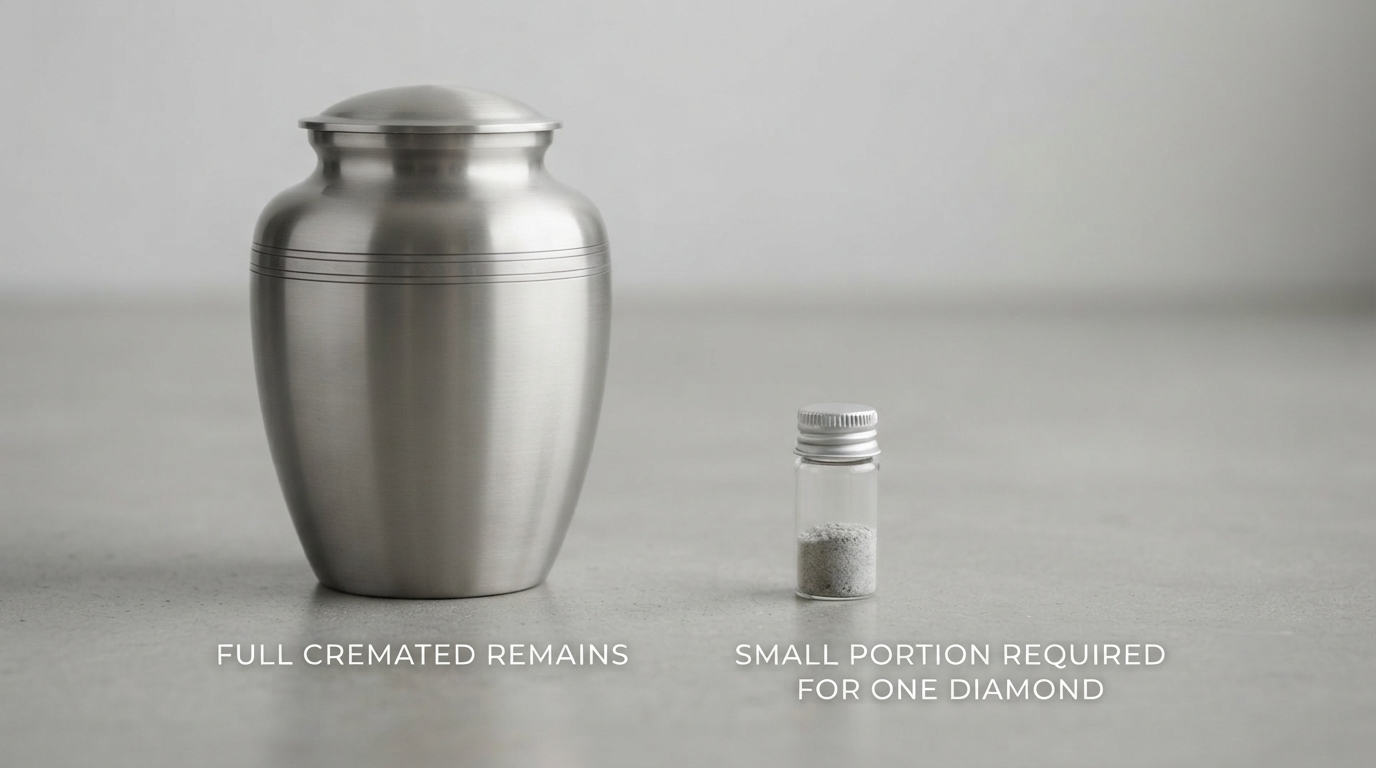
Here is the first door that shuts in any plan to turn son ashes into a diamond. A portion separated, sealed and sent is committed, and material that enters a growth run is consumed by it.
So the question is not only whether the quantity is enough, but what it leaves you holding.
| If you want to keep open | Then set aside | Confirm first |
|---|---|---|
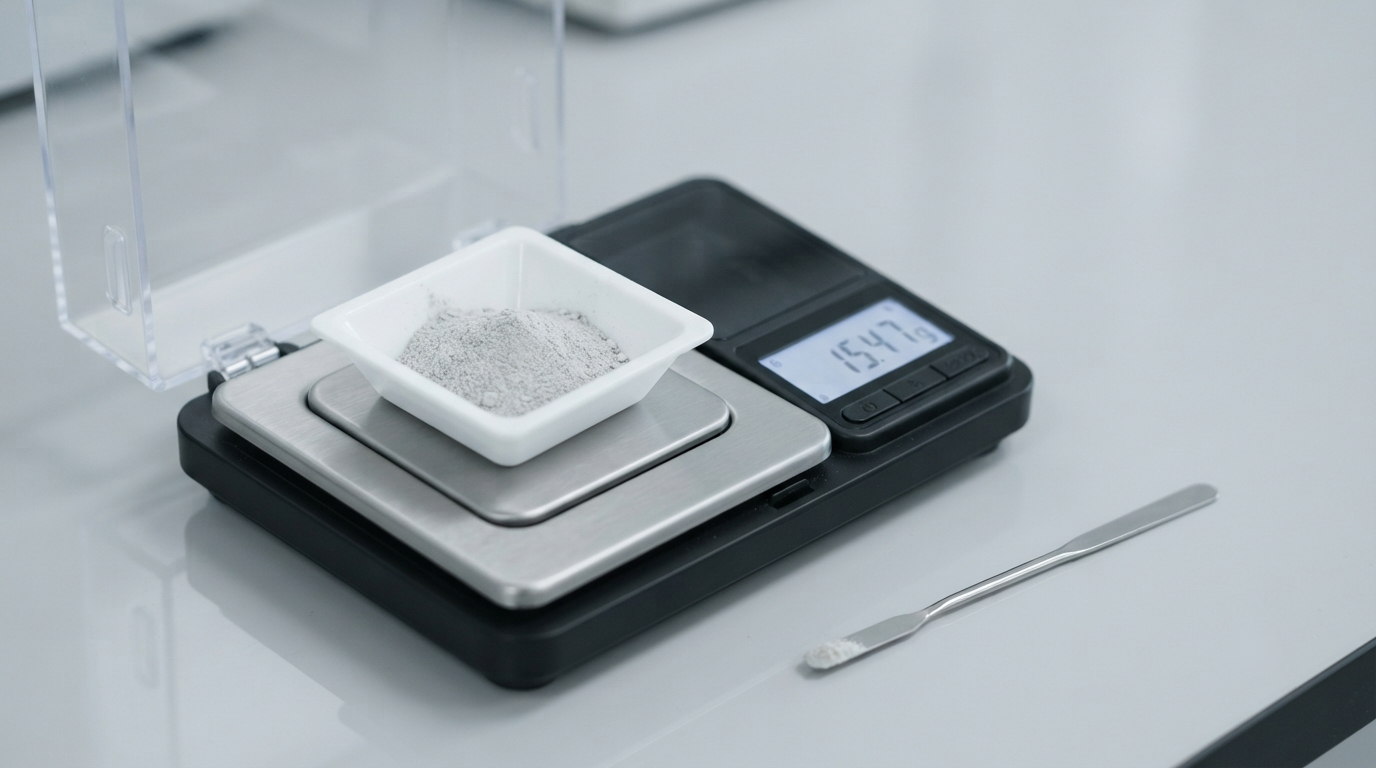
| A second stone later, for a sibling or the other parent | Two provider minimums, stored separately | Whether a later order can use material separated today |
| The scattering or interment already planned | The minimum only, remainder sealed as it is | The stated minimum, so you take no more than needed |
| A share for his spouse, partner or children | Their portion separated before yours | What each person expects, before anything is opened |
| Simply not deciding yet | A little over the minimum, labeled | That material separated in advance is still accepted when you turn son ashes into a diamond later |
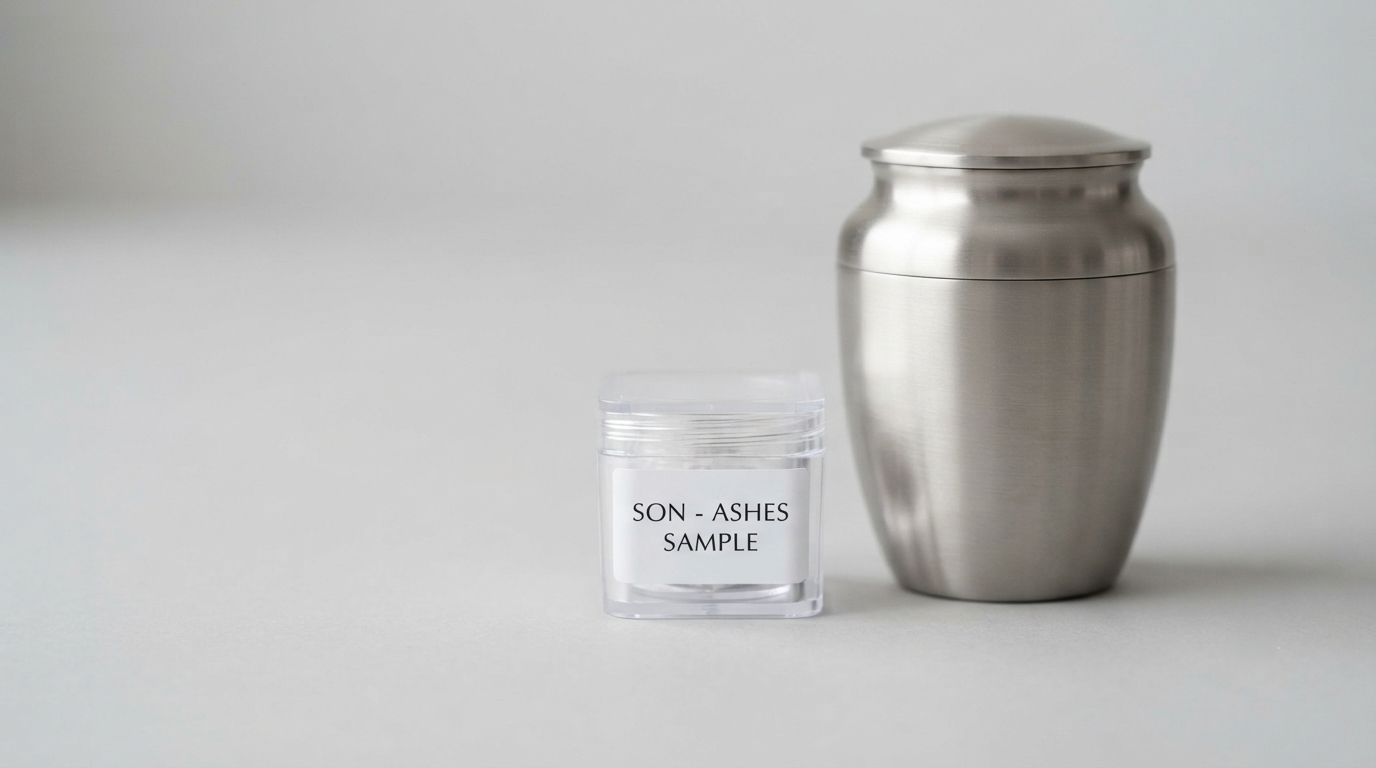
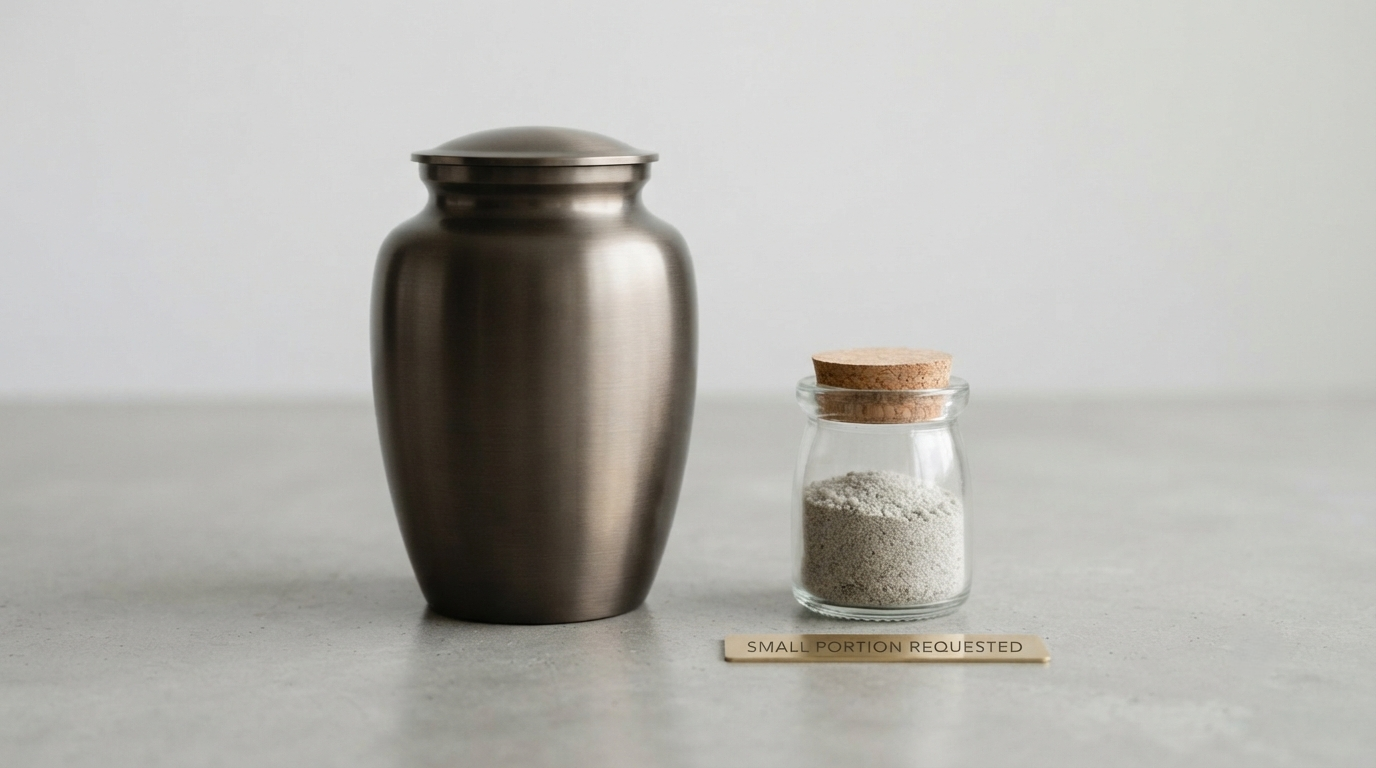
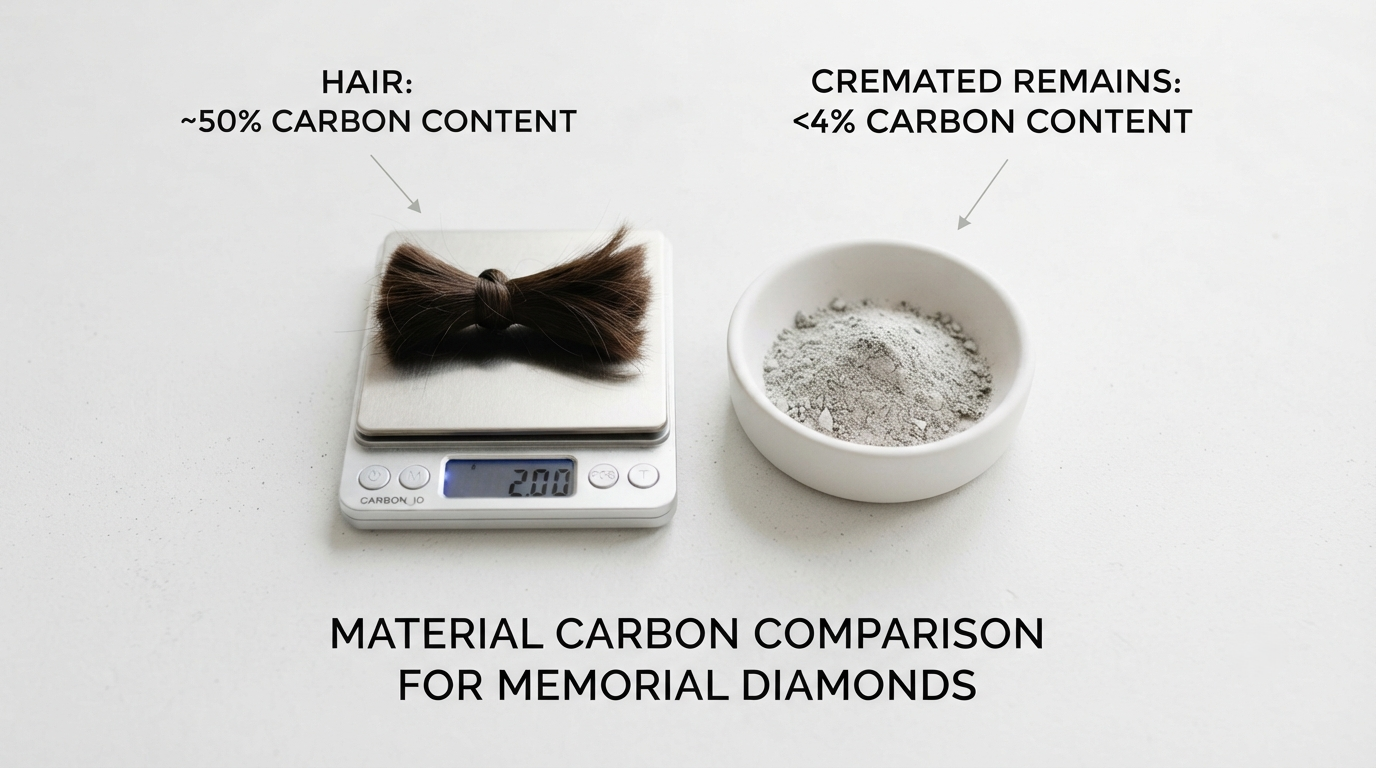
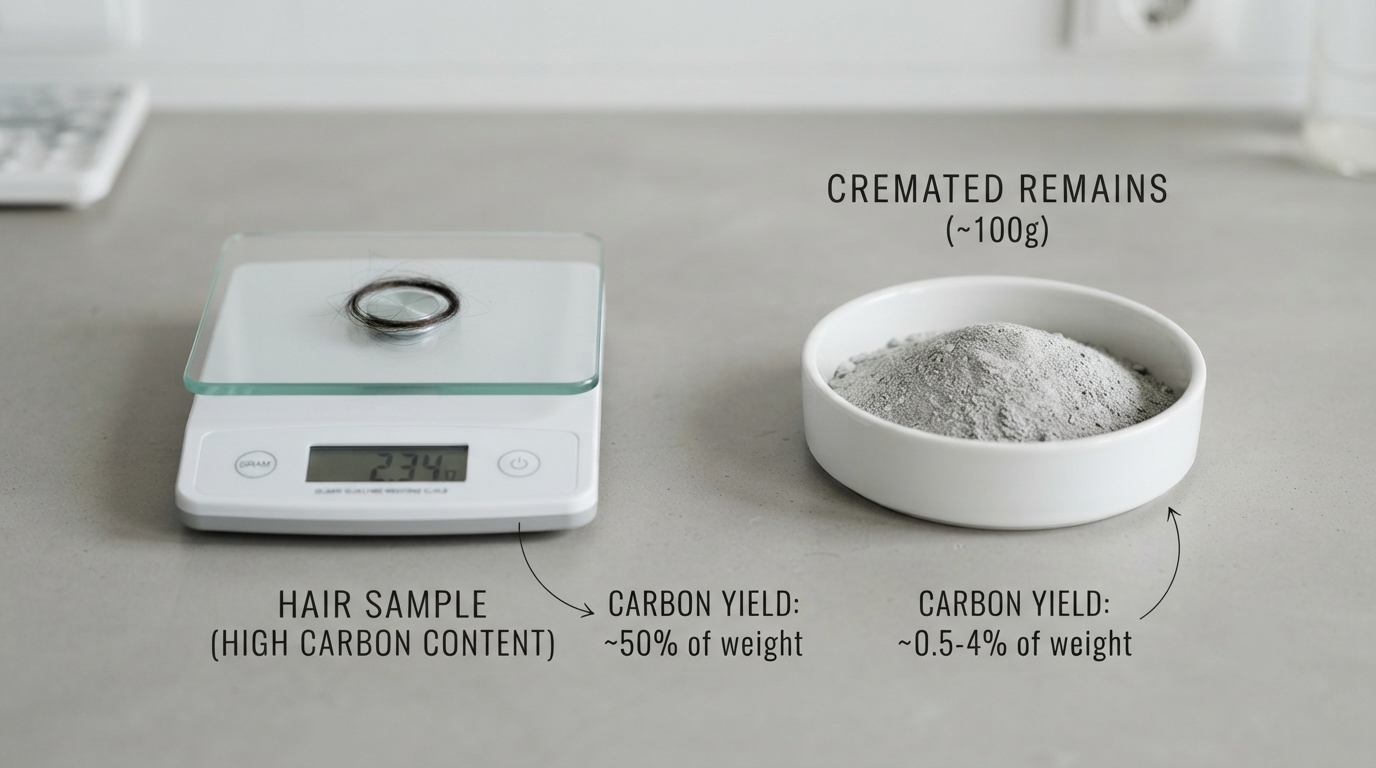
Then the fact that makes restraint easy: ash is mostly the calcium phosphate of bone, with usable carbon at roughly 0.5% to 4% by weight. What is recovered is purified past 99.9% and made up with lab sourced carbon, because no household quantity of ash fills a growth cell alone. Industry figures for the ash route put his own carbon at around 10% to 15% of the finished stone’s mass, and some providers cite figures as low as 3%. Ask which end of that range a company works to. Parents who turn son ashes into a diamond and keep the remainder lose nothing: a doubled portion does not raise that share, enlarge the stone or shorten the wait.
Write down what you did, the date, the quantity, who was present, where the remainder sits. Nobody else records this step.
Step 5: Packing, Posting, and What to Confirm That Morning
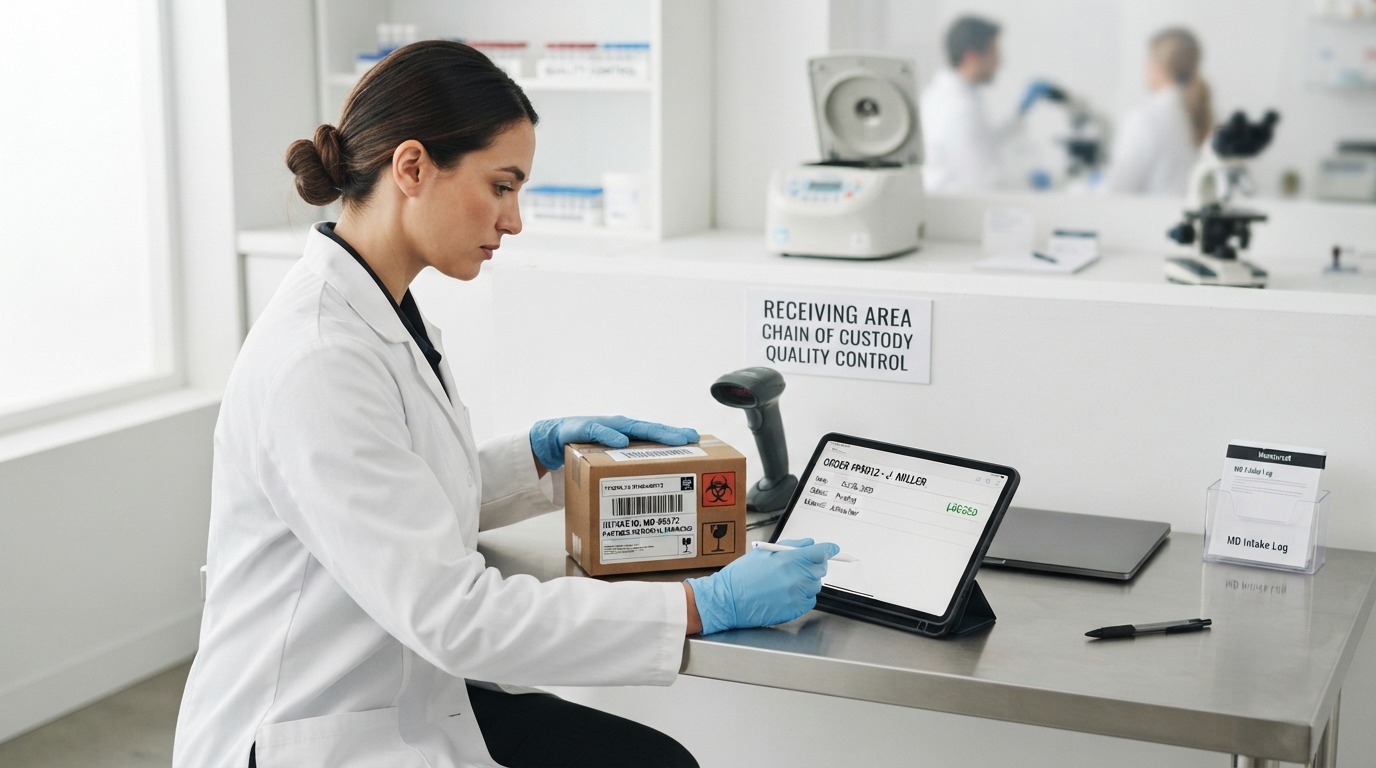
Shipping cremated remains is governed by whoever carries the parcel, and those policies vary by company and service class, and get revised without notice. So the calls belong on the morning of posting, not on the day you decided to turn son ashes into a diamond.
Four things settled before the parcel is addressed:
- The container the laboratory expects, and whether one is supplied to you.
- The carrier’s present rules on how the parcel is wrapped, marked and declared.
- Whether handing the material to a funeral director instead alters any of that.
- The tracking you hold, and what confirmation reaches you on arrival.
Sealing that container is the last physical act here that belongs to you rather than to a laboratory. Breaking the seal again, because a question went unasked, is the one avoidable mistake here.
Step 6: What Happens Inside the Laboratory
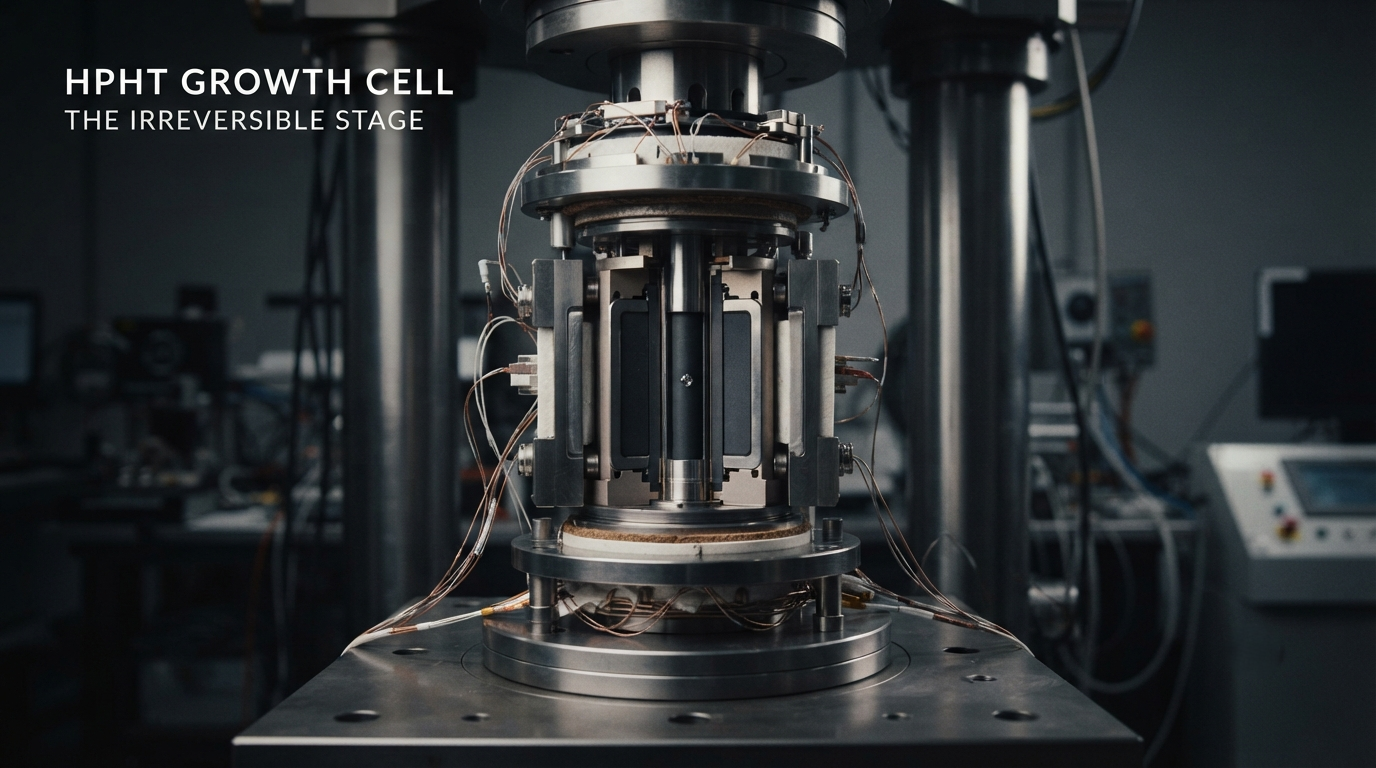
Once the portion is logged in, the work to turn son ashes into a diamond runs in three stages, and the second and third are the remaining points of no return.
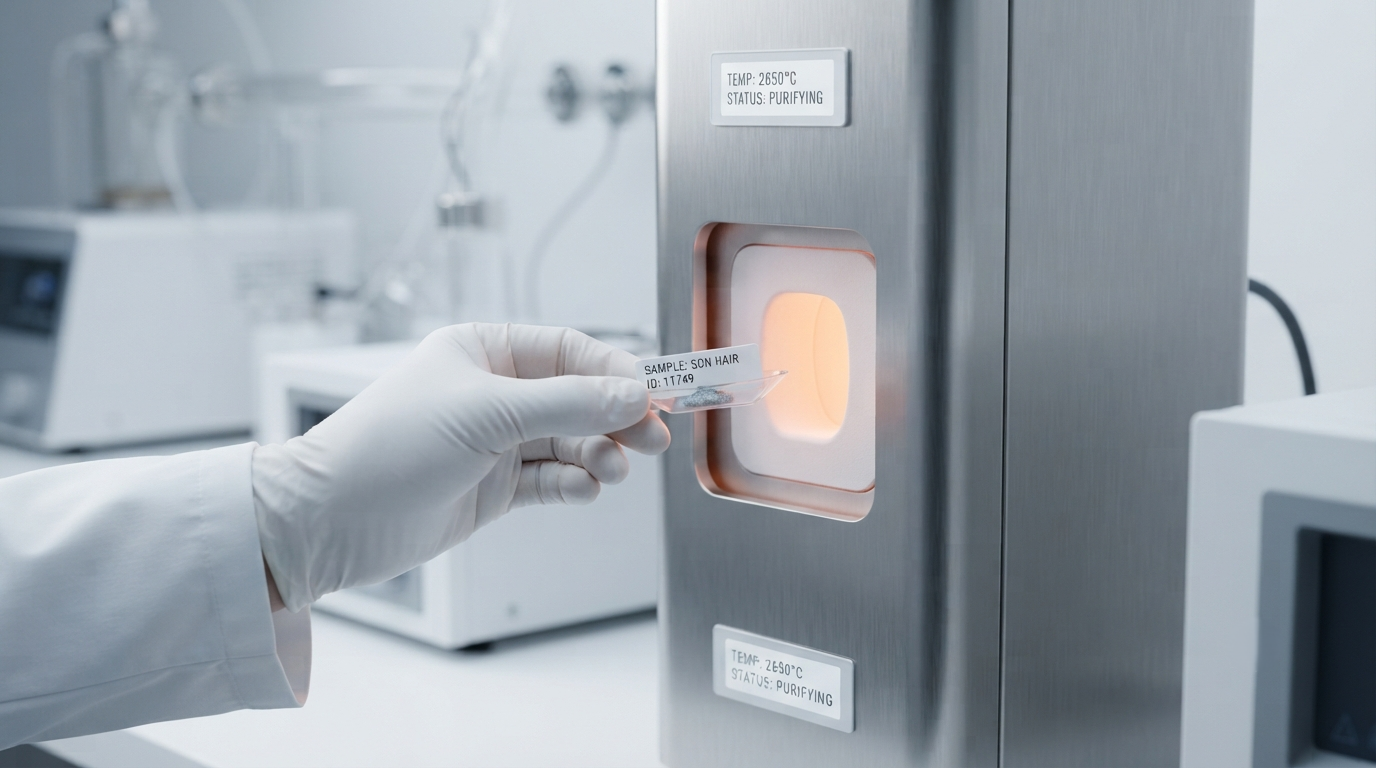
Purification. The material is heated in a controlled, oxygen free chamber that strips away everything which is not carbon, leaving carbon at roughly 99.9% purity and above. Up to here it is still, physically, ash that has been refined.
Graphitization. Heated further, to around 2,500 to 2,700°C, that carbon becomes graphite, the feedstock a diamond press can use. This is the second door: after graphitization there is no ash to send back, because it is no longer ash in any recoverable sense.
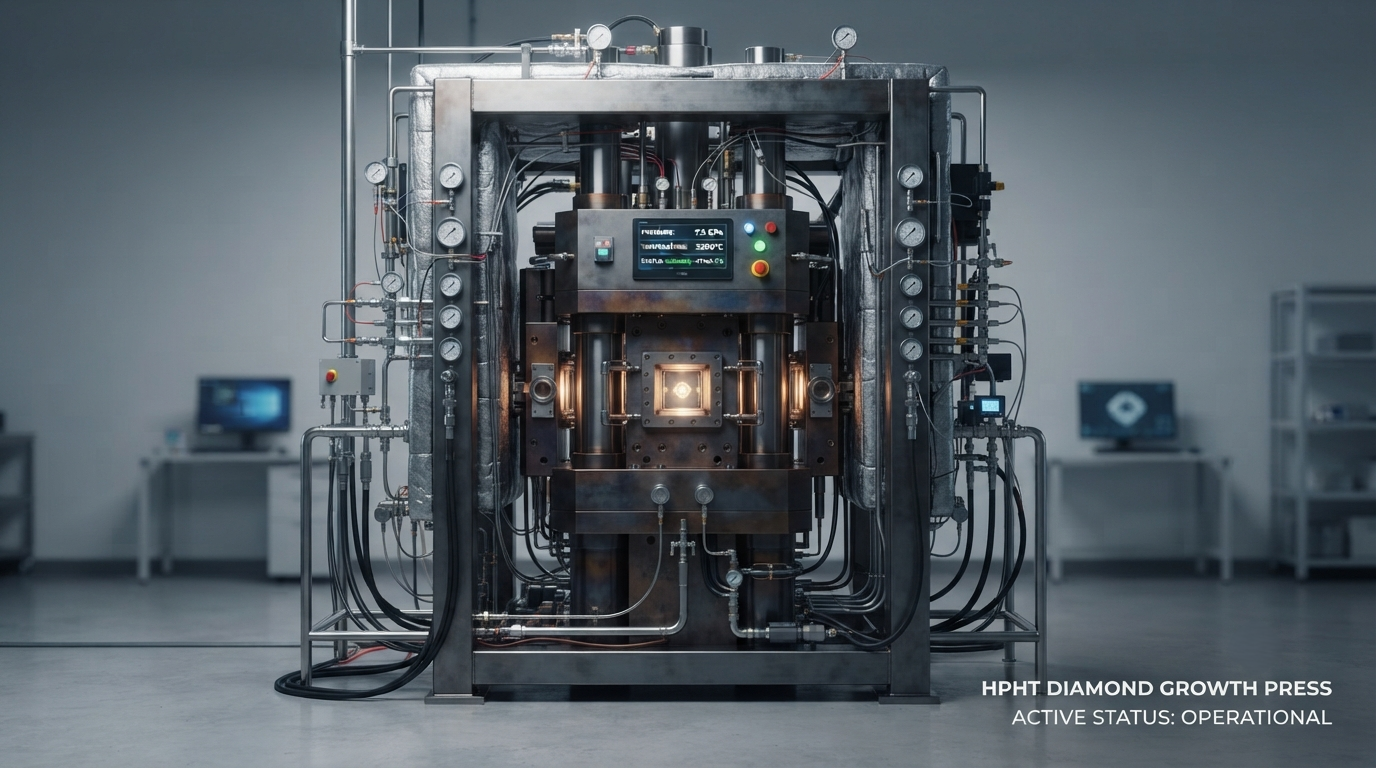
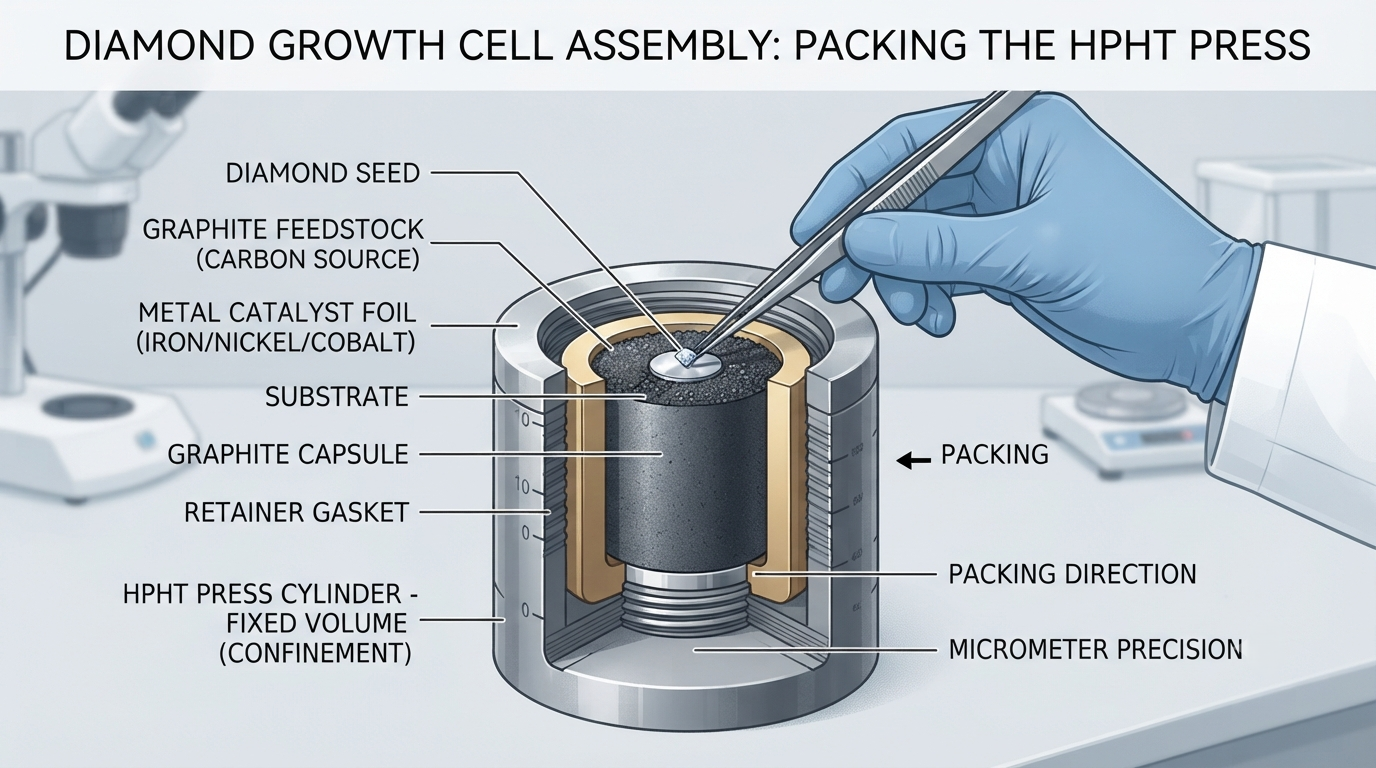
Growth. The graphite, blended with supplemental lab carbon to fill the cell, goes into a press with a tiny diamond seed. Roughly 6 to 8 GPa and temperatures of about 1,400 to 2,500°C reproduce mantle conditions, and the crystal grows over weeks to months. The same HPHT method serves the wider lab grown diamond industry.
Expect silence. A crystal growing in a sealed cell produces nothing to report for long stretches, which is not the same as nothing happening. Agree in advance what you will be told and when, because most of the months needed to turn son ashes into a diamond pass with nothing visible. How long the whole process takes breaks the months down.
Step 7: Cutting, Grading, and What Comes Back
The rough crystal is cut and polished into the shape you chose, and that shape can be revisited until cutting starts. Clarity typically lands between SI2 and VVS, and the result is a diamond in every measurable sense: 10 on the Mohs scale, with the optical behavior and grading criteria of any other.
Keep two documents distinct. Independent grading is optional rather than a standard stage, and it happens only if you order it. A grading report, ideally from an independent laboratory working to recognized 4Cs standards, describes the stone’s quality. A certificate of origin, usually issued in house, records that it was grown from your family’s carbon. A provider offering the second is not offering the first.
Setting comes last, long after the decisions that commit you to turn son ashes into a diamond are behind you, and it is reversible. A stone can be reset any number of times, so the ring chosen now is not a decision anyone is stuck with.
What Can You Still Change After Each Stage?
The sequence reads most usefully backwards: what is fixed at each point, and what is still yours to move.
| Once this has happened | Fixed from then on | Still yours to change |
|---|---|---|
| Authority over the remains is confirmed | Nothing | Everything, including whether to turn son ashes into a diamond at all |
| The family conversation has happened | That they know | Size, color, provider, timing, whether you proceed |
| The portion is sealed and posted | That much material is committed | Carat, color range, cut, setting, the order until growth begins |
| Graphitization is complete | The ash no longer exists as ash | Cut, shape, whether to order grading, engraving, setting |
| The growth run has finished | Carat and color are what they are | Cut, whether to order an independent grading report, setting, who eventually wears it |
Most parents who turn son ashes into a diamond never need the last two rows. They matter because knowing where the doors are lets the earlier steps be taken slowly.
What Does It Cost to Turn Son Ashes Into a Diamond?
Price follows carat, and carat follows growth time. Industry wide in 2026, the smallest stones at roughly 0.10 to 0.25 ct are quoted around $1,500 to $3,500. The half carat to one carat band, where many orders land, runs between about $5,000 and $15,000. Past 2 ct and toward 5 ct or more, figures begin near $20,000 and extend beyond $75,000. Those are category wide ranges, not Memorial Diamond’s prices, which are not published.
Colorless costs meaningfully more than yellow, blue or champagne at the same size, and is one of the specification choices that moves what it costs to turn son ashes into a diamond. Grading reports, engraving, fancy cuts and the setting are quoted separately from the loose stone, so establish what a figure includes before comparing two. A fuller cost breakdown covers what moves the number. Get a written quote before you agree to turn son ashes into a diamond at any particular size.
Frequently Asked Questions About Turning a Son’s Ashes Into a Diamond
Do I need the death certificate or the cremation paperwork to start?
Providers generally require documentation identifying the remains and the person authorizing their use before they will turn son ashes into a diamond, usually a death certificate and the crematory’s paperwork. Ask what a company needs before separating anything.
His wife has the ashes. What do I ask her first?
Ask whether she would be open to a portion being used, before raising sizes or providers. If she holds authority, the decision to turn son ashes into a diamond is hers, and it lands better as a question than a formed plan.
My son’s father and I disagree about this. Can one of us proceed alone?
That depends on who holds authority under your state’s order of priority, and on anything your son left in writing, not on which parent feels more strongly. Establish the legal answer first, then decide whether to act on it.
Is there a point after which the laboratory can no longer send the ashes back?
Yes. Once purification and graphitization are complete, the material is no longer ash in any recoverable form, so a request to stop has to arrive before that stage. Ask where that line falls for any provider you ask to turn son ashes into a diamond.
Can his sister have a stone from the same portion?
If two of you want to turn son ashes into a diamond, the cleaner arrangement is two portions rather than one, each sized to the provider’s minimum and stored separately. Raise it before anything is separated, because splitting a portion already sent is rarely possible.
Does it matter that he was cremated years ago?
No. Cremated remains do not degrade in any way that affects carbon recovery, so you can turn son ashes into a diamond a decade after the cremation exactly as you could a month after it.
What if I do not want to divide his ashes at all?
Then keep them whole. Hair is roughly 50% carbon by weight, needs no cremation, and is usually a simpler question in practice than authority over remains, and it produces the same kind of stone, which is why parents unwilling to open the urn take that route.
Final Thoughts on What It Takes to Turn Son Ashes Into a Diamond
The plan to turn son ashes into a diamond contains three irreversible acts and four steps built to make sure you reach them already decided. Nothing else in it is fragile, and nothing else is urgent.
Take steps 1 through 3 as slowly as you need. Finding out who holds authority, telling the people it affects, and settling what you want to hold cost nothing and commit nothing. By the time a container is opened, the decision to turn son ashes into a diamond should already be behind you.
Learn More About Son Memorial Diamonds
- The ashes decision, weighed in full
- Month by month, how long a stone takes
- Hair as an alternative to dividing an urn
- Using a portion of ashes and a lock together
- The hair sequence, from the drawer onward
Talk With Memorial Diamond
The best moment to ask us anything is while you are still inside the first three steps, before a container is opened, a portion measured or a parcel addressed.
Bring whatever you have, including very little. memorialdiamond.us is where to begin, and the six questions listed in step 3 make a reasonable agenda for a first conversation about how to turn son ashes into a diamond.