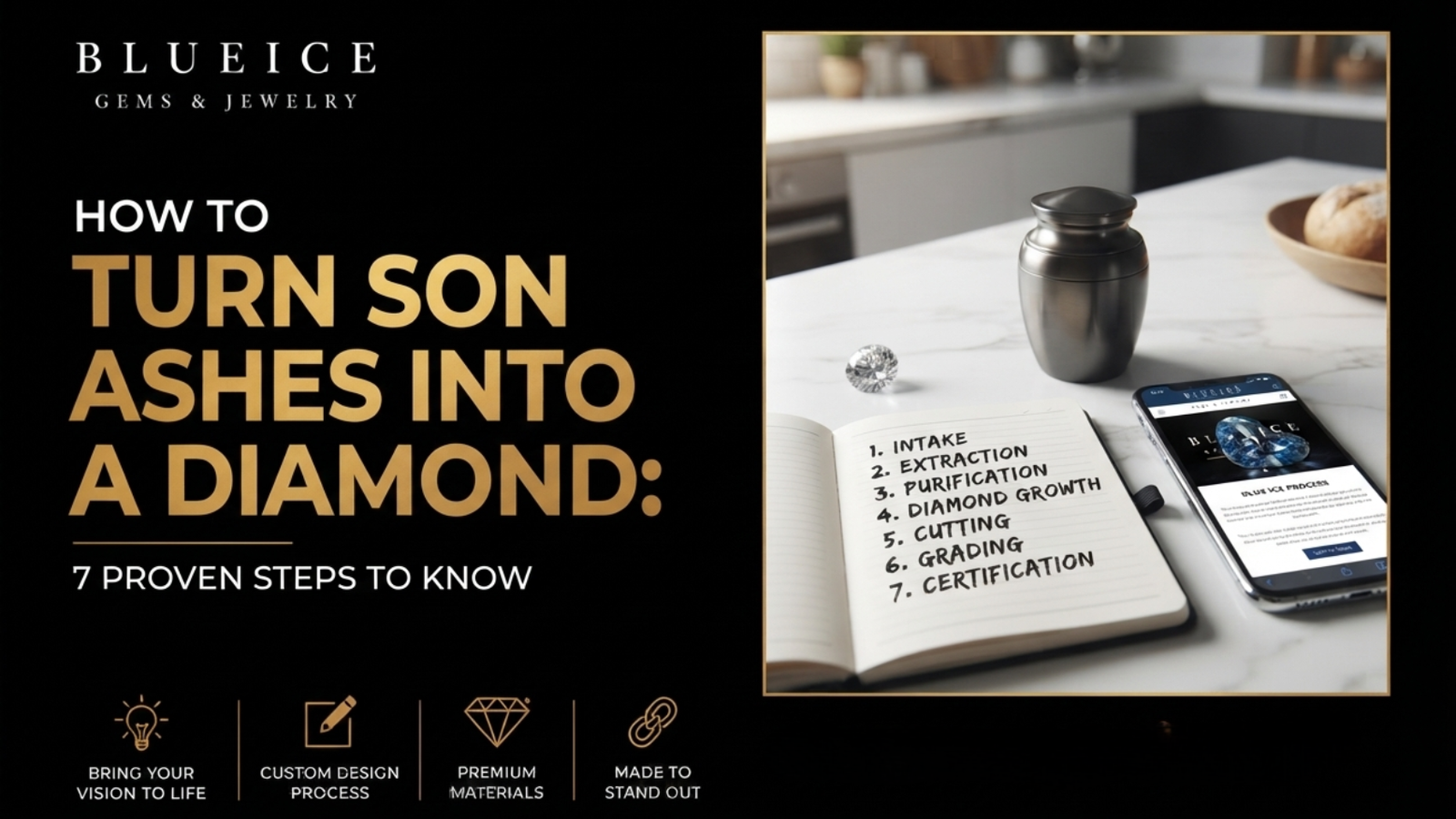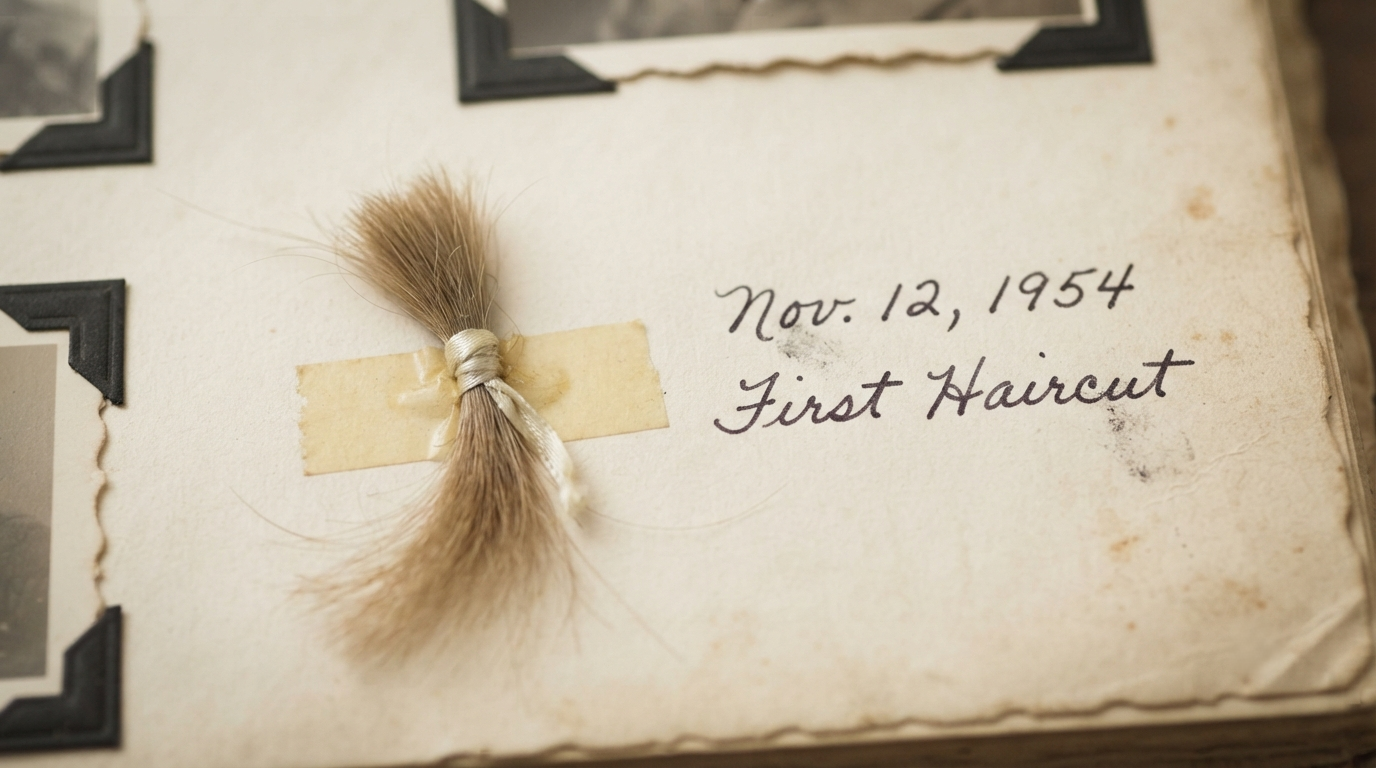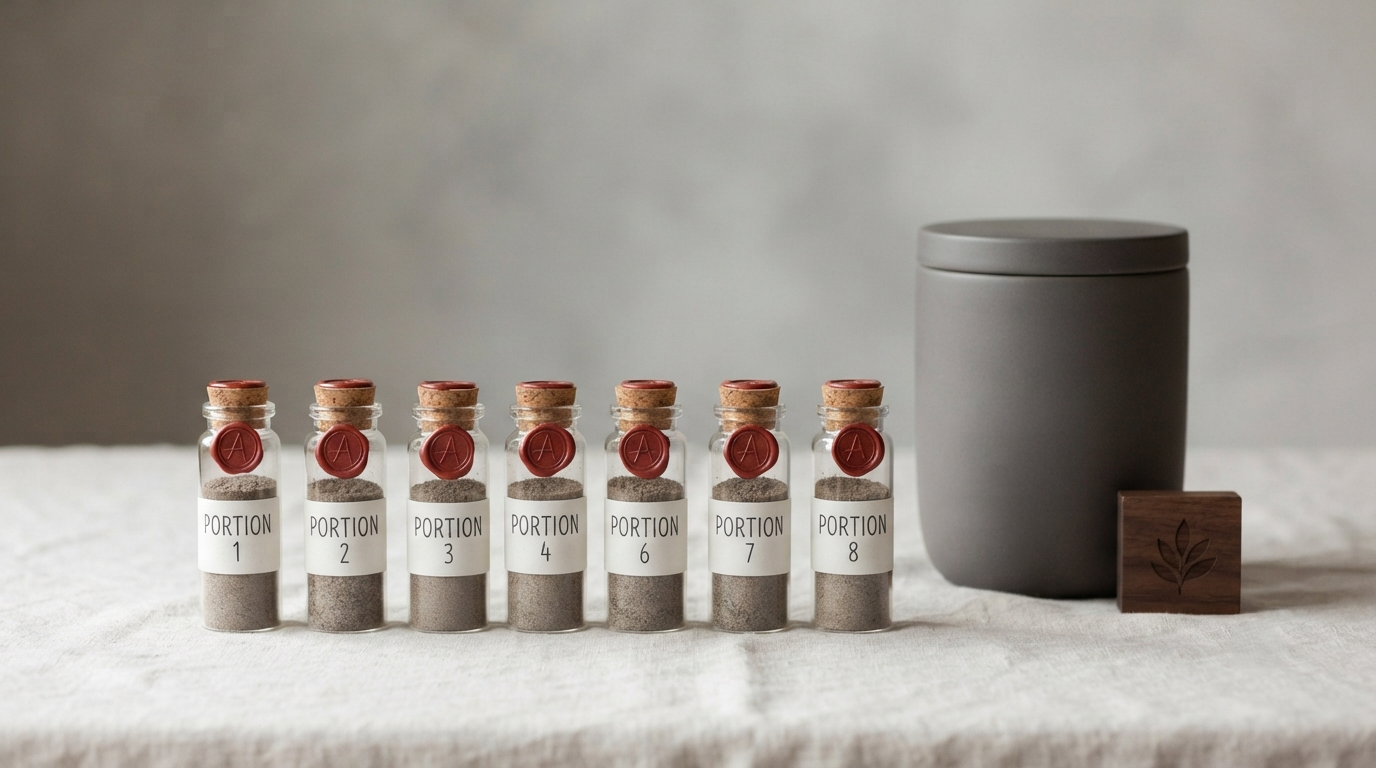
The sample is usually already in the house. A curl in a baby book. An unmarked envelope in a desk. A ziplock bag carried home from a hospital, or a hairbrush nobody could bring themselves to empty.
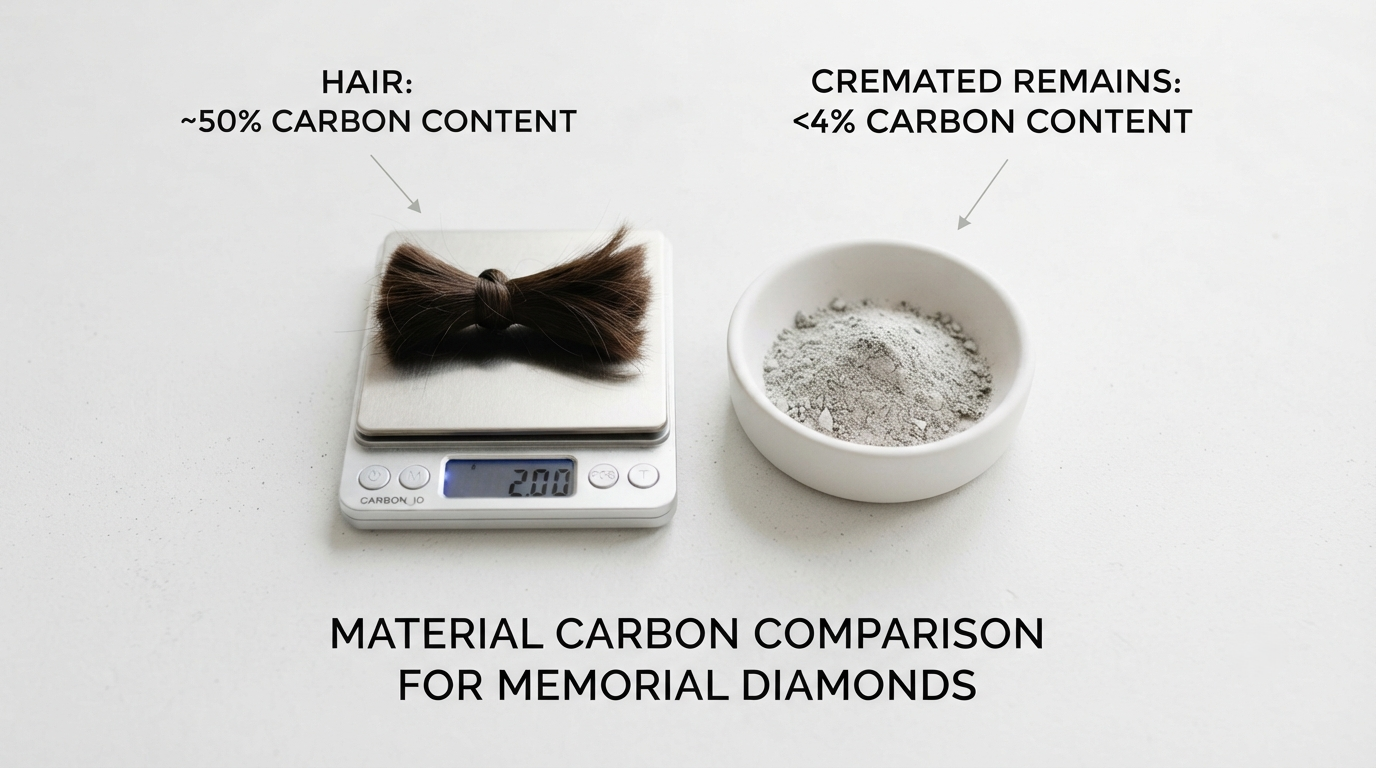
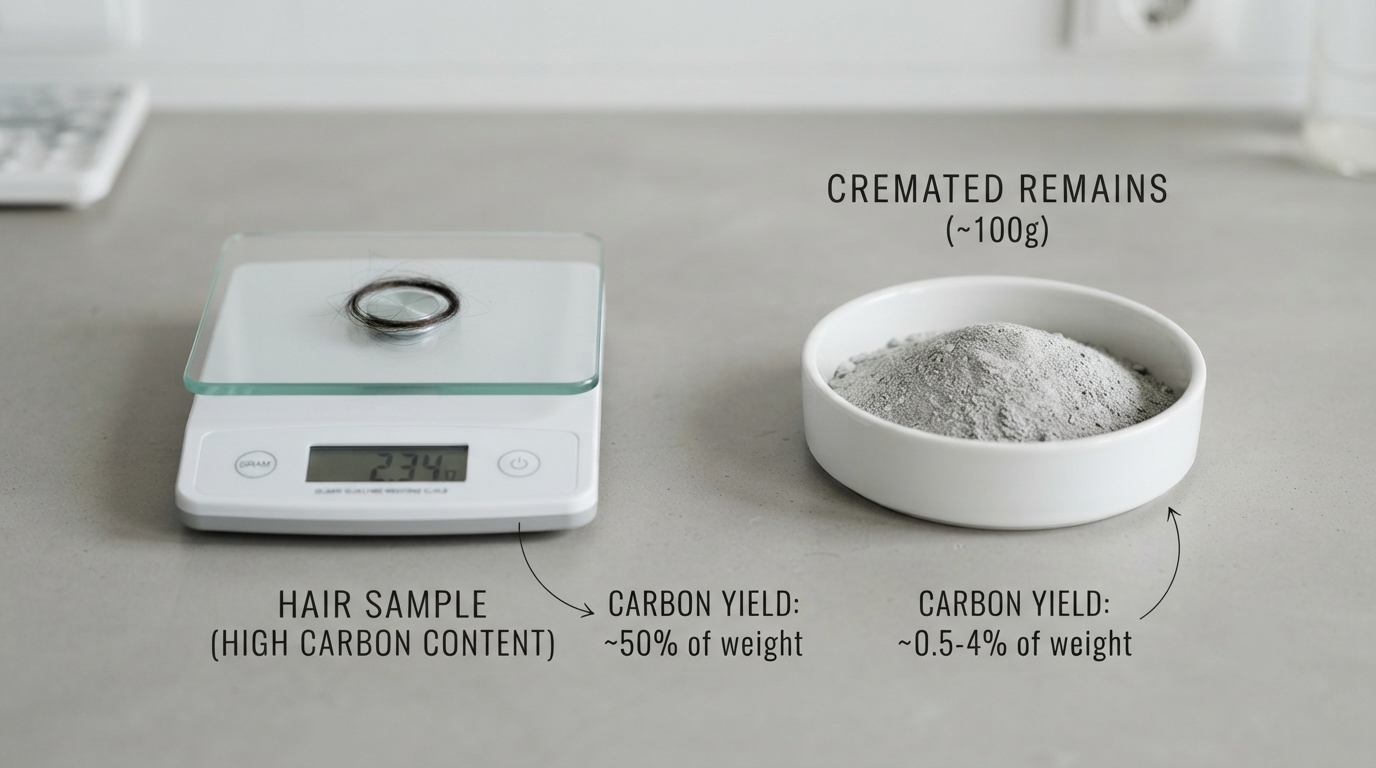
Families who turn son hair into a diamond work through the same sequence: find a usable sample, satisfy yourself that it is his, decide how much of it you are willing to commit, and send a small lock, industry typically a few grams, to a laboratory that returns a real lab grown diamond in roughly six to ten months. Hair is about 50% carbon by weight and no cremation is involved, so the laboratory stage is the simple half. The difficult half happens in your house first.
We grow memorial stones at Memorial Diamond. That is a commercial interest in your decision to turn son hair into a diamond, and it is stated here rather than left implied.
Table of Contents
Why the House Comes Before the Laboratory
Most guides on how to turn son hair into a diamond start at the growth press. That is the wrong end. By the time a courier collects the envelope, every decision that mattered was made at a kitchen table.
Seven things happen between a drawer and a finished stone: you find a sample, establish it is his, decide whether to commit it, weigh it, check its condition, send it, and wait. Only the last two involve the laboratory you ask to turn son hair into a diamond.
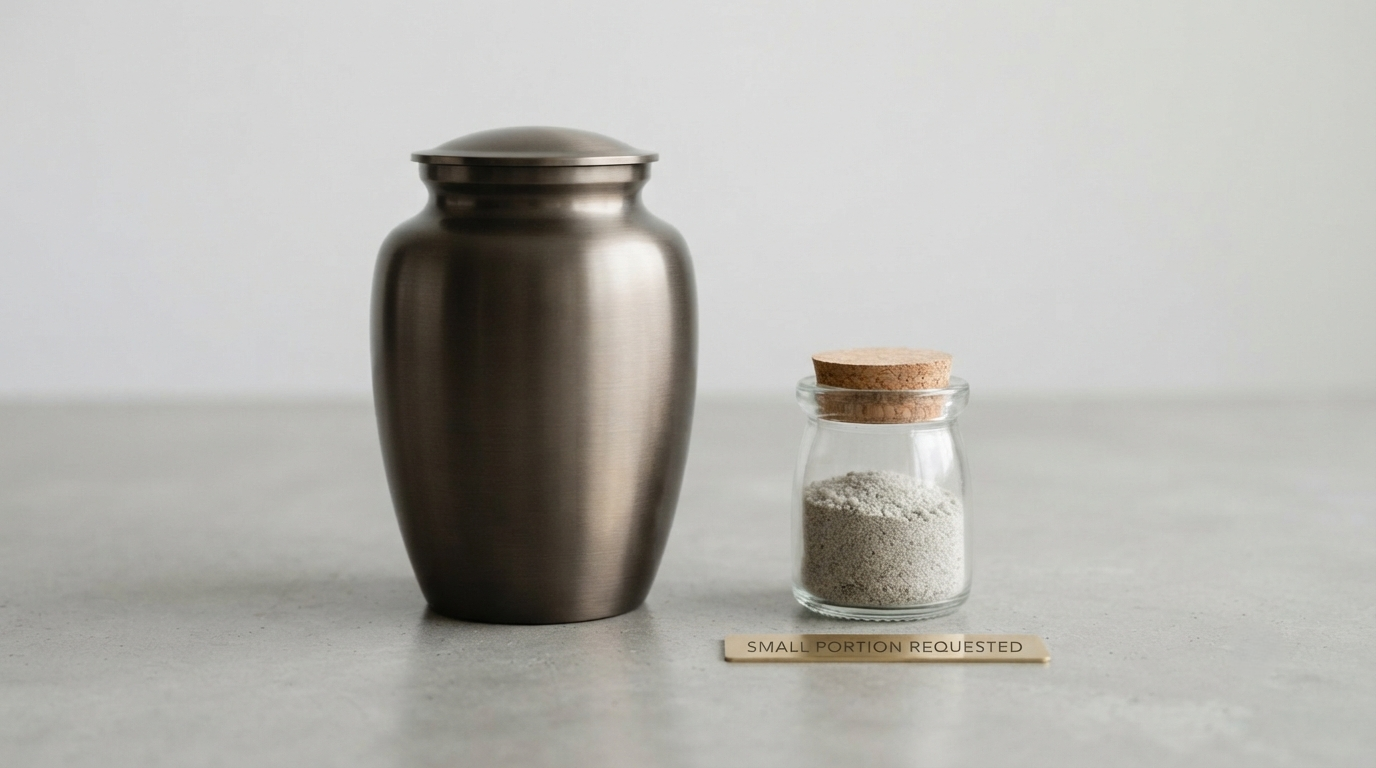
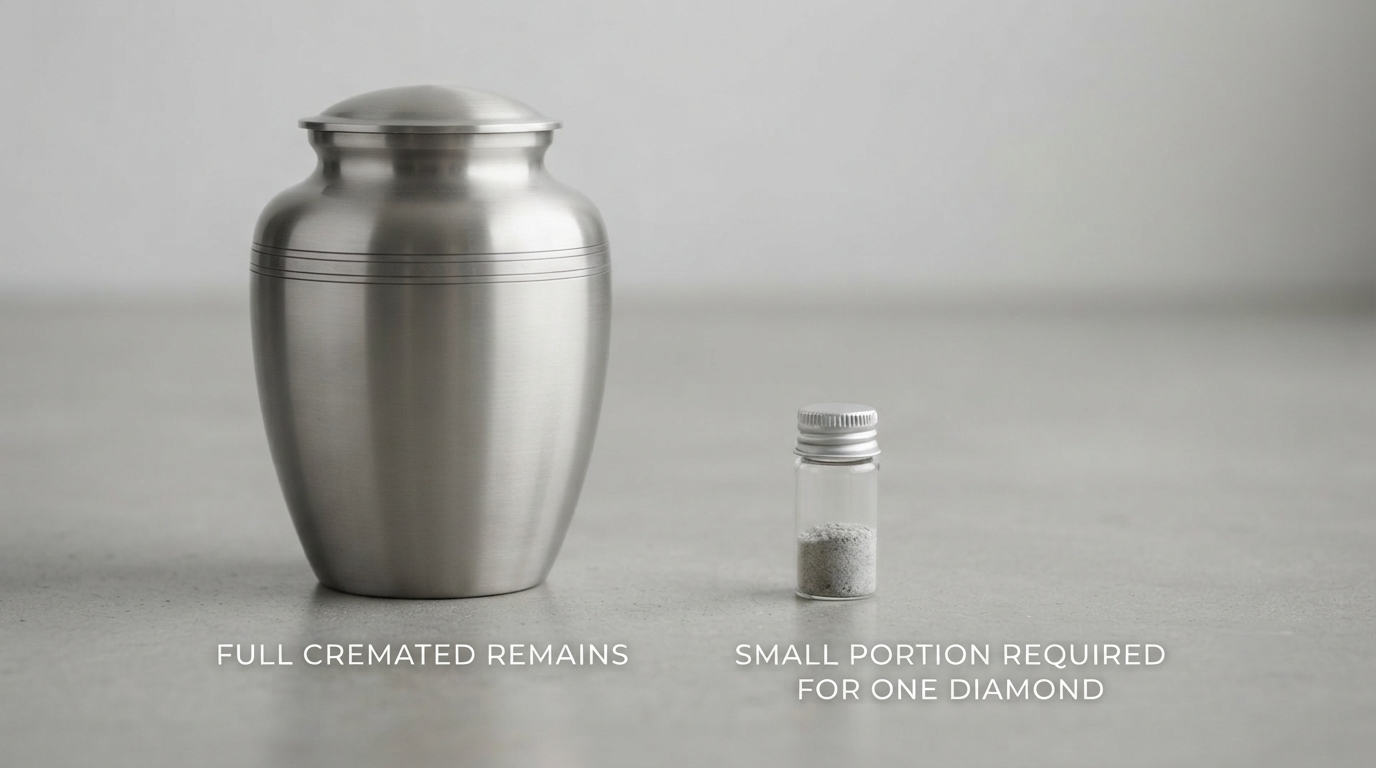
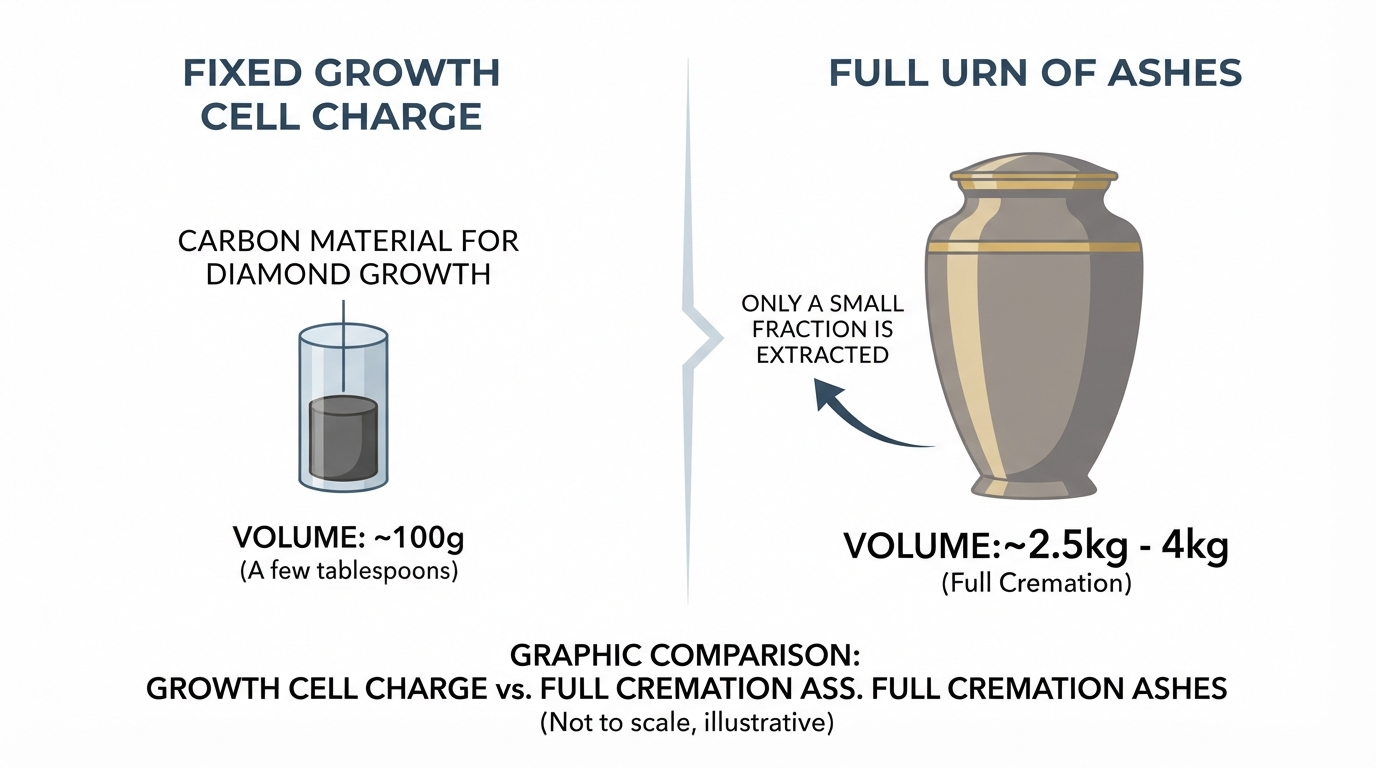
The reason is quantity. Ashes come in volume, and a portion leaves plenty in the urn. A lock of hair is often a single object, the only one, with no second envelope behind it. So the question that governs everything when you turn son hair into a diamond is not technical. It is whether this particular sample is the one you are willing to give up.
Against that, one piece of good news: keratin does not spoil. A curl kept dry for thirty years holds its carbon as well as hair cut last month, whatever age your son was. Time is not what damages a sample; damp, glue and mixing are, so nothing is lost by waiting until you are ready to turn son hair into a diamond.
If you have not decided between materials, the wider guide written for parents weighs hair against ashes.
Where Do You Find Hair Nobody Thought to Label?
Almost nobody sets a lock aside in order to turn son hair into a diamond one day. It survives by accident, which is why the search is a real step.
| Where it turns up | How it got there | Check this first |
|---|---|---|
| A baby book or memory box | A first haircut, kept by whoever cut it | Whether it is glued or taped to the page |
| A hairbrush, comb or razor | Ordinary daily use, never thrown out | Whether more than one person used it |
| A locket, ring or keepsake box | Someone kept it deliberately, years ago | Whether removing it destroys the keepsake |
| A hospital or hospice bag | Cut during treatment or after death | Whether the bag holds anyone else’s belongings |
| An envelope in a desk or wallet | A barber, a partner, a grandparent | Whose handwriting is on the outside |
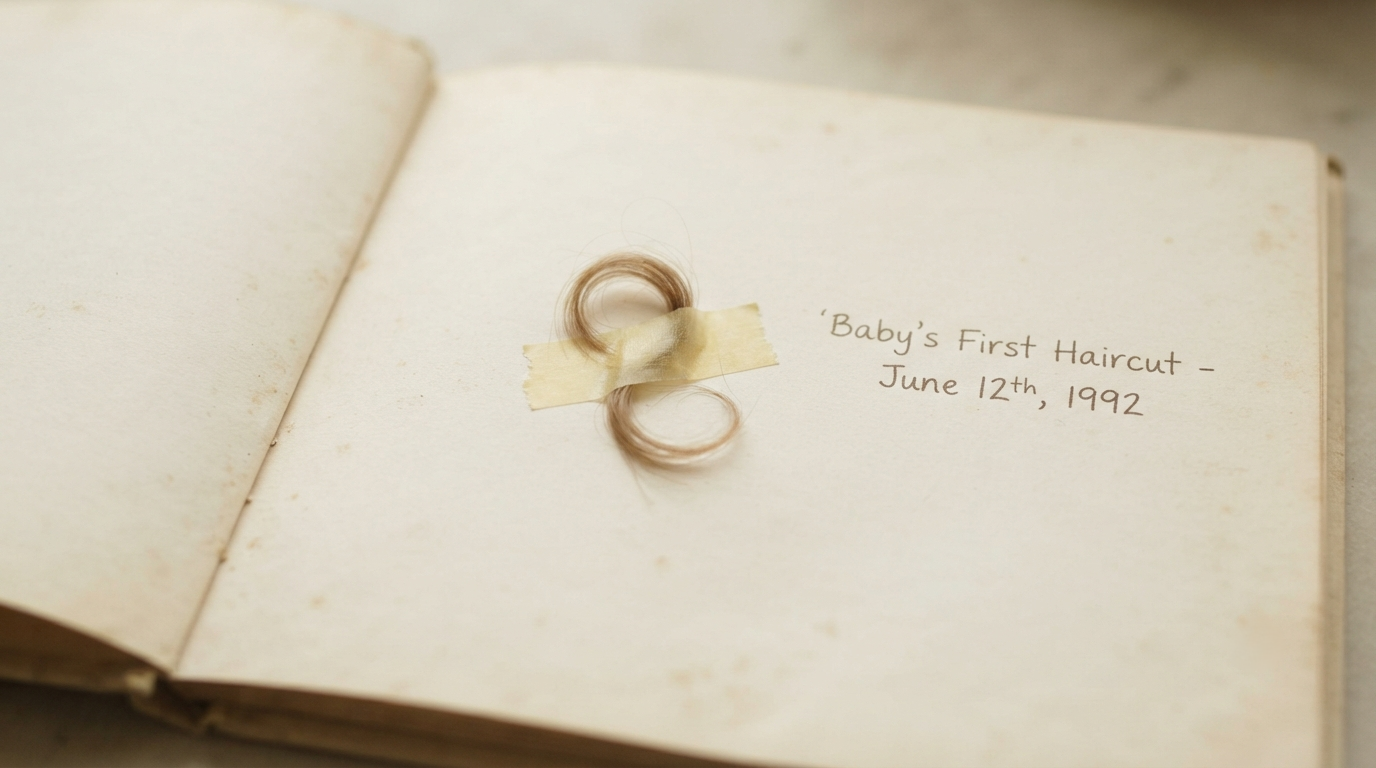
Work through all of them before deciding there is nothing. Families certain they have no sample often find two, and a second changes the arithmetic of everything after.
One place to be careful: a keepsake already doing a job. A curl set into a locket is a sample and an object at once, and using it to turn son hair into a diamond leaves the locket empty. That is a real trade, not a technicality.
How Do You Know the Hair Is His?
Nobody labels these things at the time. Decades later, an unmarked envelope in a box of family papers may hold his hair, his brother’s, or a grandparent’s, and that question has to be settled before anyone is asked to turn son hair into a diamond.
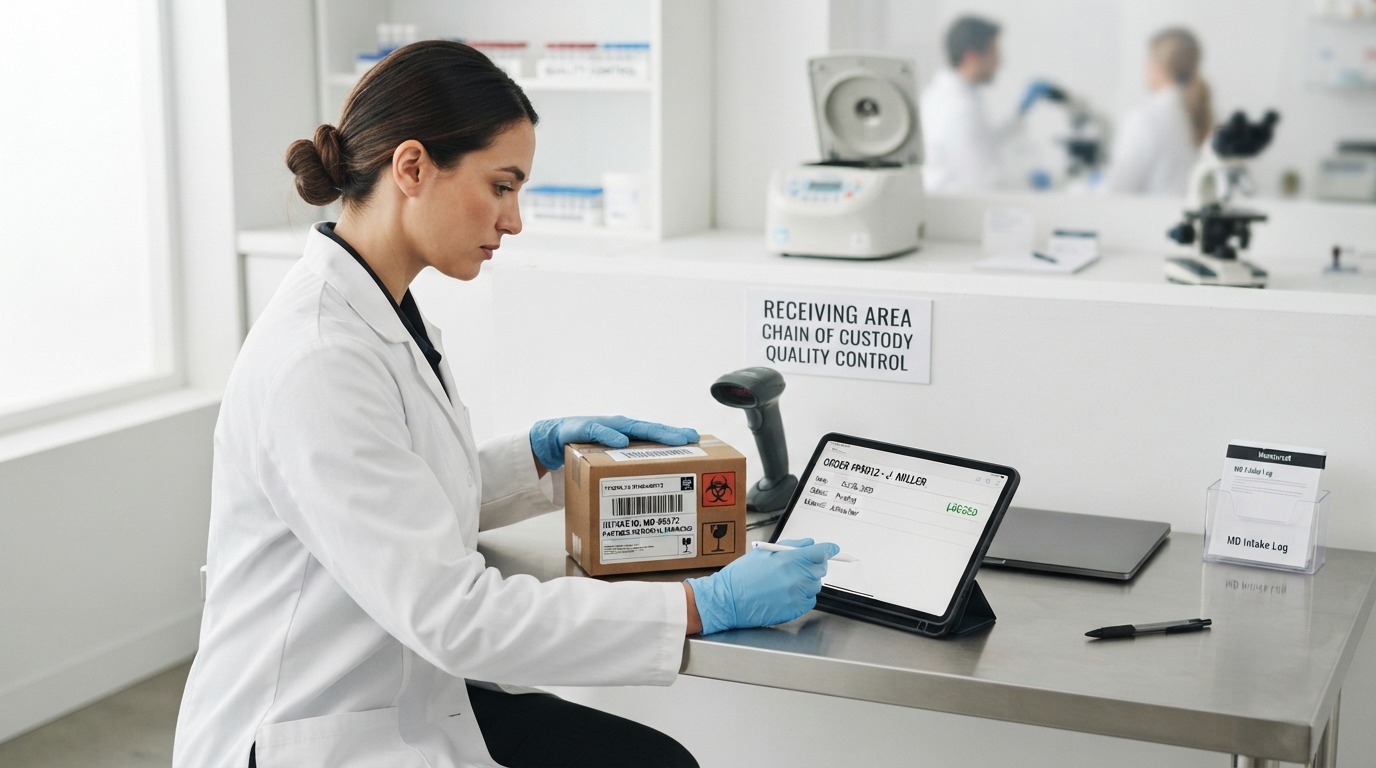
No laboratory test settles it for you. Providers do not generally offer DNA verification of submitted samples, and a company’s chain of custody paperwork cannot stand in for provenance it never had, custody records begin when the parcel arrives.
So the evidence is domestic:
- Ask who kept it, and when. Whoever cut the hair, or put it away, is usually still findable and usually remembers.
- Match it against photographs. Color and texture at a given age are better evidence than memory, especially where hair darkened over time.
- Read the container. Handwriting, a date, a hospital label or a barber’s envelope often answers the question outright.
- Count the locks. Baby books often hold siblings’ hair on facing pages, and two envelopes in one box is the commonest reason to stop.
If you cannot get to reasonable certainty, say so rather than proceeding quietly. A sample you privately doubt will not become more convincing once it is a stone. Of everything involved in a plan to turn son hair into a diamond, this is the part no later care can fix.
Should You Commit a Sample You Cannot Replace?
Here the hair route and the ashes route genuinely diverge. The decision to turn son hair into a diamond is what makes people put the envelope back in the drawer for a year, and doing so is a legitimate choice.
| What you actually hold | What committing it costs | Do this first |
|---|---|---|
| One small lock, and nothing else | Everything, if the growth run fails | Ask what follows a failed run before you turn son hair into a diamond |
| Two or more separate samples | Little; one is kept back intact | Decide now which is sent and which stays |
| A lock shared with siblings’ hair | Possibly someone else’s keepsake | Ask them before it is separated |
| A curl set in a locket or ring | The keepsake, permanently | Weigh it first; a locket curl is often under the minimum |
| Shed hair from a brush | Almost nothing, if enough can be gathered | Establish it is only his |
Two points to hold together. A failed growth run is uncommon but not impossible, and a provider’s answer about what follows one matters more when the input cannot be replaced. Where you hold a single sample, weigh it, ask whether it clears the minimum with room to spare, and only then decide whether to turn son hair into a diamond at all.
Parents are also allowed to disagree. If you and his other parent see it differently, the sample need not be split today; it can stay where it is until you agree.
Weighing Before You Split the Lock
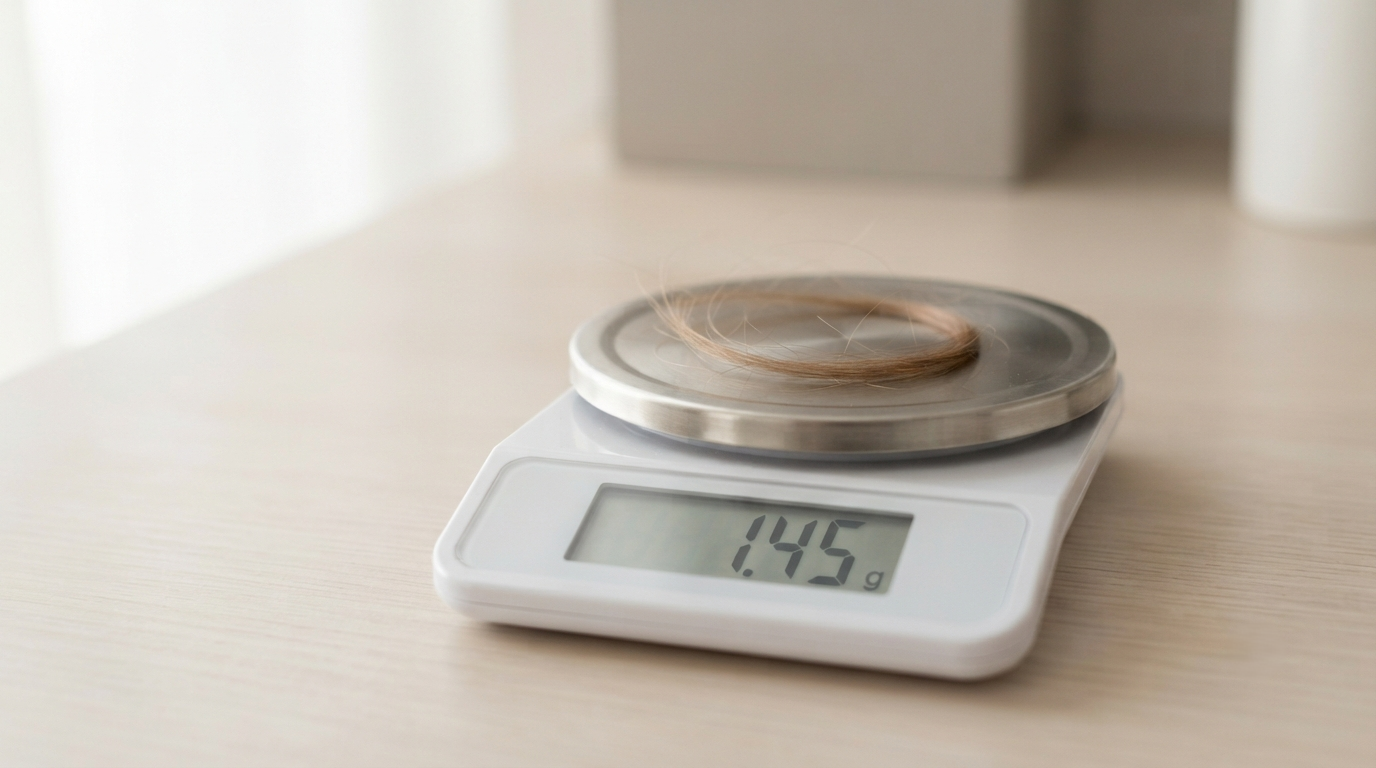
Hair is measured in grams, and the amount needed to turn son hair into a diamond is small enough that locks kept in baby books are almost always lighter than people remember. Weigh before you plan.
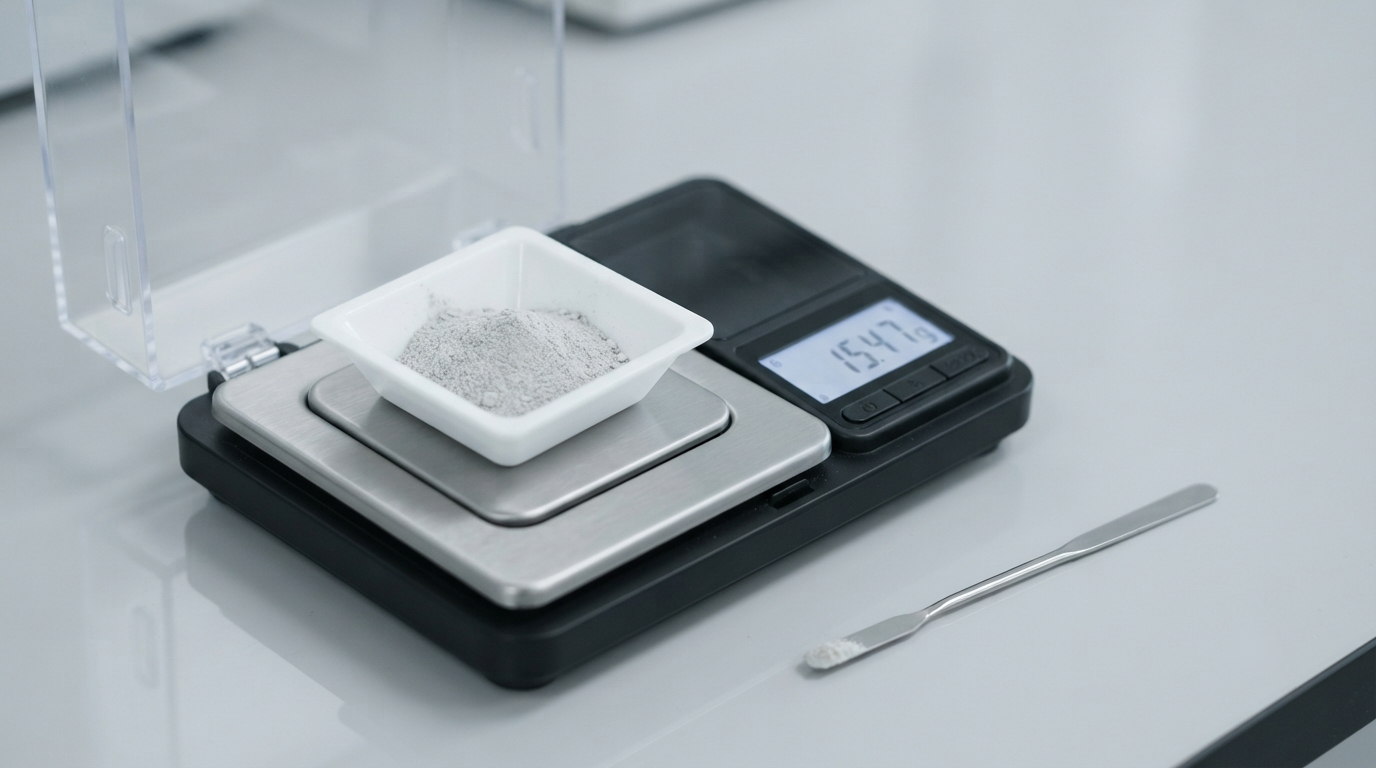
A kitchen scale reading to 0.1 g is enough. Industry practice puts the requirement at a small lock, a few grams, or roughly a palm sized bundle, but it differs by provider and stone size, so the only number that matters is the one your laboratory states.
What to do with the result:
- Comfortably over the minimum. Split it: send what is needed, keep the rest. That is the one advantage hair has over an urn portion.
- Just at the minimum. Send it whole rather than splitting thin, and ask whether a margin is expected.
- Under the minimum. Ask before giving up whether a second sample can be combined, whether a smaller carat lowers the requirement, and whether brush hair can make up the difference.
Sending more than a provider asks for does not buy a bigger stone, or a larger share of him in it, when you turn son hair into a diamond. Carat follows growth time in the press, not input volume. Quantities given in grams rather than descriptions are set out separately.
Is a Hairbrush Enough to Turn Son Hair Into a Diamond?
Usually, yes. For many families a brush is the only way to turn son hair into a diamond at all, because no cut lock was ever kept.
Shed hair has generally lost its root bulb, which sounds like a problem and is not. The carbon sits in the keratin of the shaft, so brush hair is chemically the same material as a cut lock. Length is no barrier either; short clippings work.
The genuine obstacle is mixing. A shared brush, a family comb, a brush that traveled in someone else’s bag, any of these can hold two people’s hair, and no purification stage can tell them apart. Before you turn son hair into a diamond from a brush, establish that only he used it, and separate by color and length where you can.
If you cannot be confident, treat the brush as a fallback and look once more for a cut lock before you turn son hair into a diamond from shed hair.
What If the Sample Is Mixed, Dyed or Degraded?
Most damage people worry about is not damage. Purification strips everything that is not carbon, so product, dye and grime are removed along the way. The real problems are physical: adhesive, contamination and material that is not his.
| Condition of the sample | Does it still work? | Ask the provider |
|---|---|---|
| Dyed, bleached or chemically treated | Generally yes; the treatment does not survive purification | Whether they want it noted on the submission |
| Fine or thinned after illness or treatment | Generally yes, though more is needed by weight | Whether a lower weight works for a smaller stone |
| Taped or glued into a baby book | Usually, if it lifts; the adhesive is the issue | Whether to send it attached or attempt removal |
| Stored damp, or visibly mildewed | Often yes, but confirm case by case | Whether to send a photograph before posting |
| Mixed with another person’s hair | Only if it can be separated by hand | Whether any mixed sample is accepted at all |
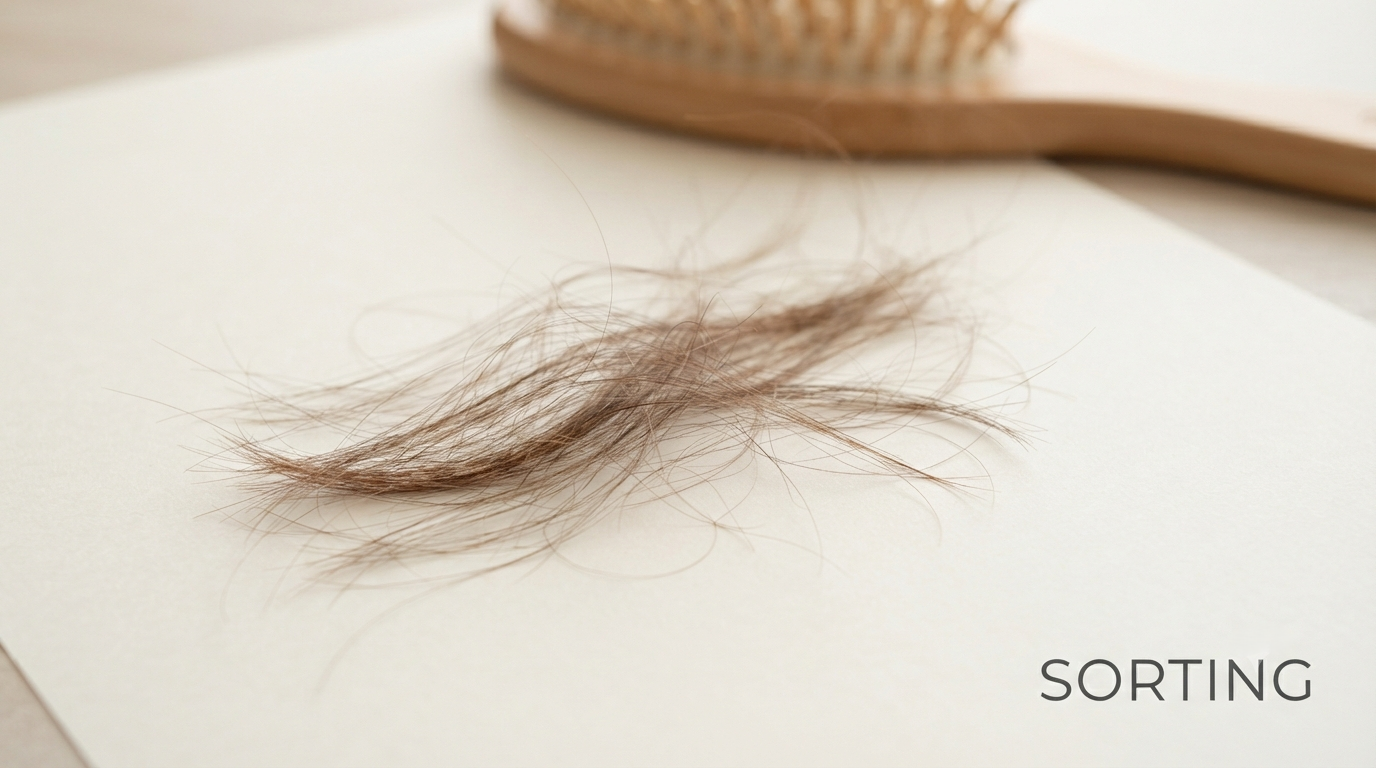
Most of what stops a family from being able to turn son hair into a diamond is not the state of the hair at all. Age and appearance rarely disqualify a sample; uncertainty about whose it is always does. If a lock is glued down, do not soak or scrape it, describe it and let the laboratory say whether they would rather receive the page.
Sending It, and the Shorter Laboratory Path
This is where the hair route gets simpler in practice. There are no cremated remains carrier rules to follow and no crematory paperwork to collect. Rules in this area are written around remains rather than around a keepsake in a drawer, so a lock that has been in your own house for years is normally the easier question. It is not a free pass: belongings can pass to an estate, the position differs from state to state, and a sample somebody else keeps is a conversation rather than a decision, so check where it matters instead of assuming. That simpler starting point is the main practical reason families turn son hair into a diamond rather than dividing an urn.
Pack it dry: a paper envelope inside a rigid mailer, tracked, never damp hair sealed in plastic. Write down what you sent and what you kept back, because nobody else will.
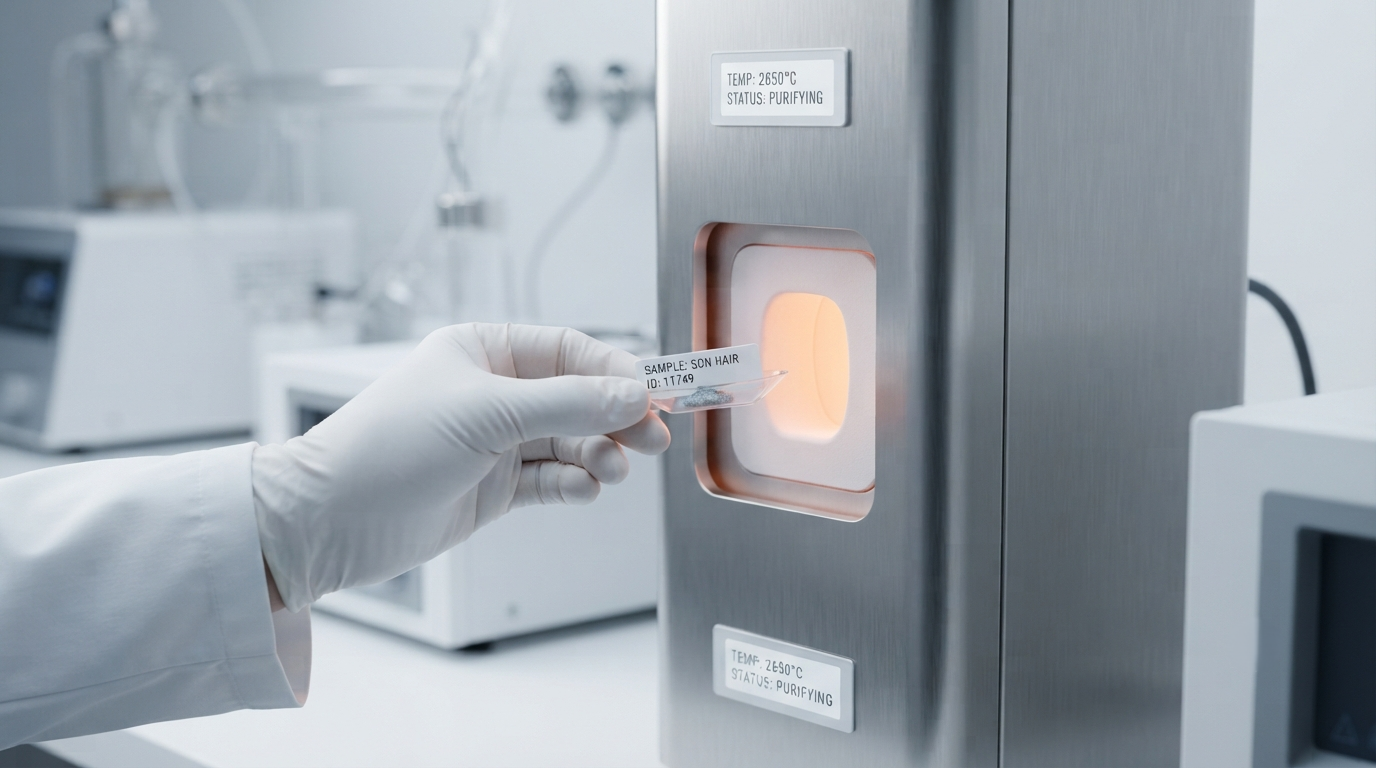
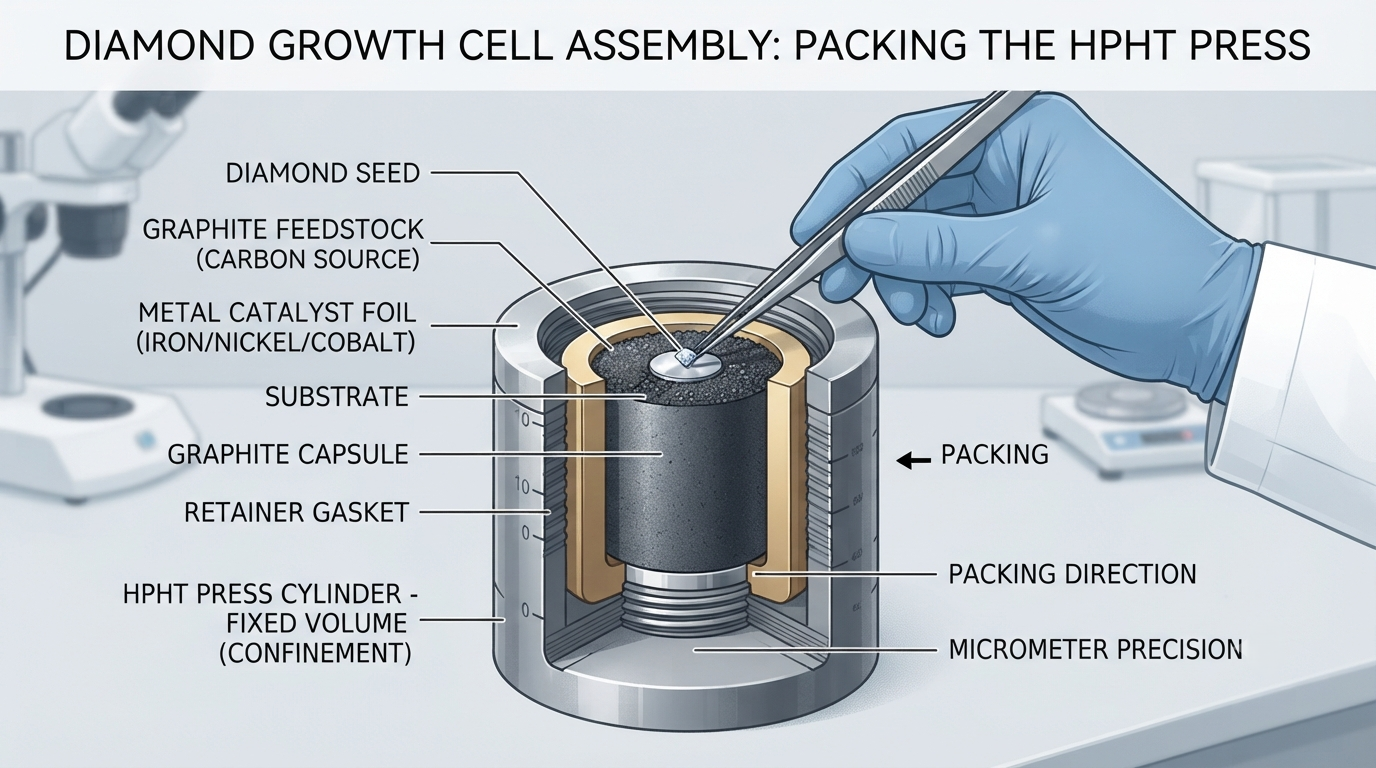
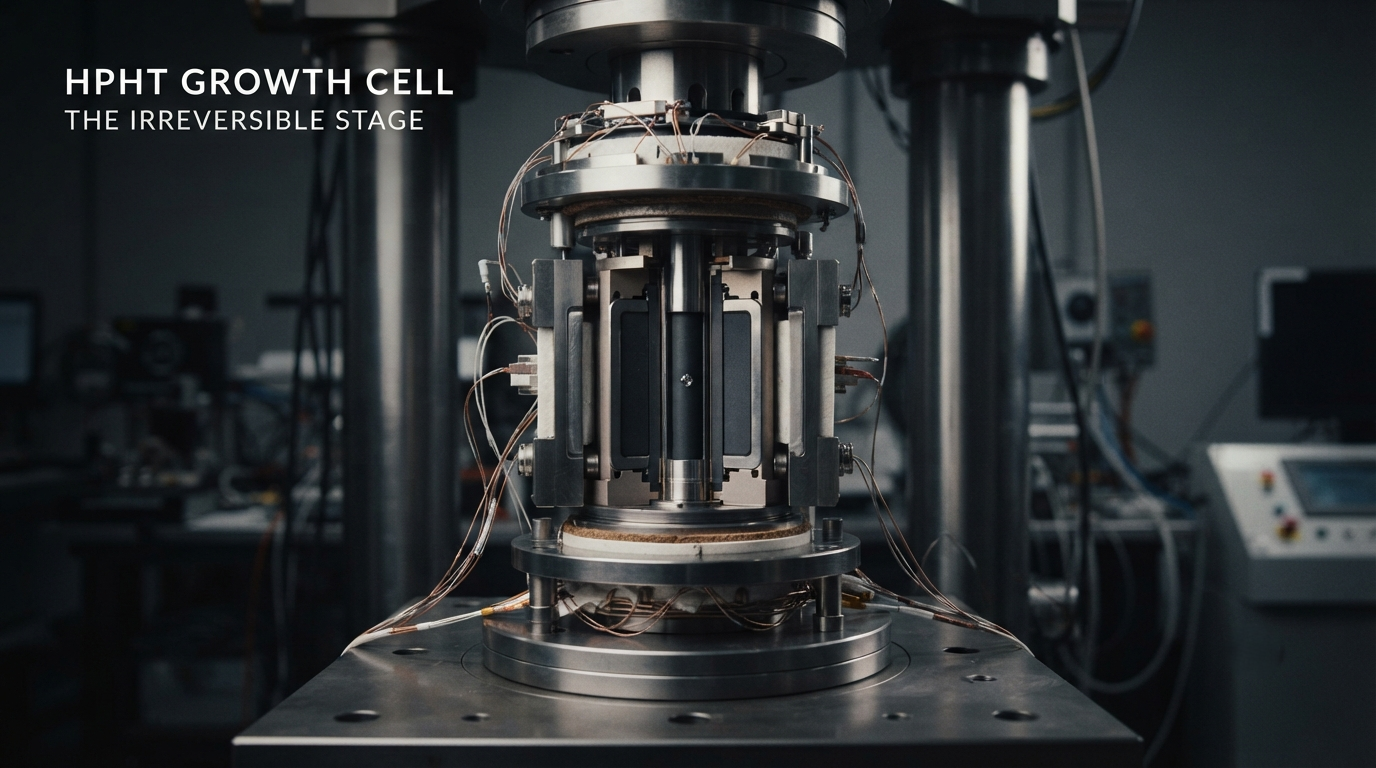
Inside the laboratory, the work to turn son hair into a diamond runs in three stages. The material is purified in an oxygen free chamber until what remains is carbon at roughly 99.9% and above. That carbon is heated to around 2,500 to 2,700°C and converted into graphite. The graphite goes into a high pressure, high temperature cell with a diamond seed, at roughly 6 to 8 GPa and 1,400 to 2,500°C, where the crystal grows over weeks to months, the same category of stone whether the carbon began as hair or ash.
Two honest qualifications. Hair’s high carbon content means far less material is needed, but a few grams cannot fill a growth cell, so supplemental laboratory carbon is added. The widely quoted 10% to 15% personal share describes the ash route; no equivalent industry figure is published for hair. What stays true either way is that the personal carbon is real, verifiable and a minority of the finished stone, so ask the provider what share your sample will contribute. And what is shorter about this route is the preparation, not the press: growth time still governs carat, so the months needed to turn son hair into a diamond remain six to ten, and longer for large stones.
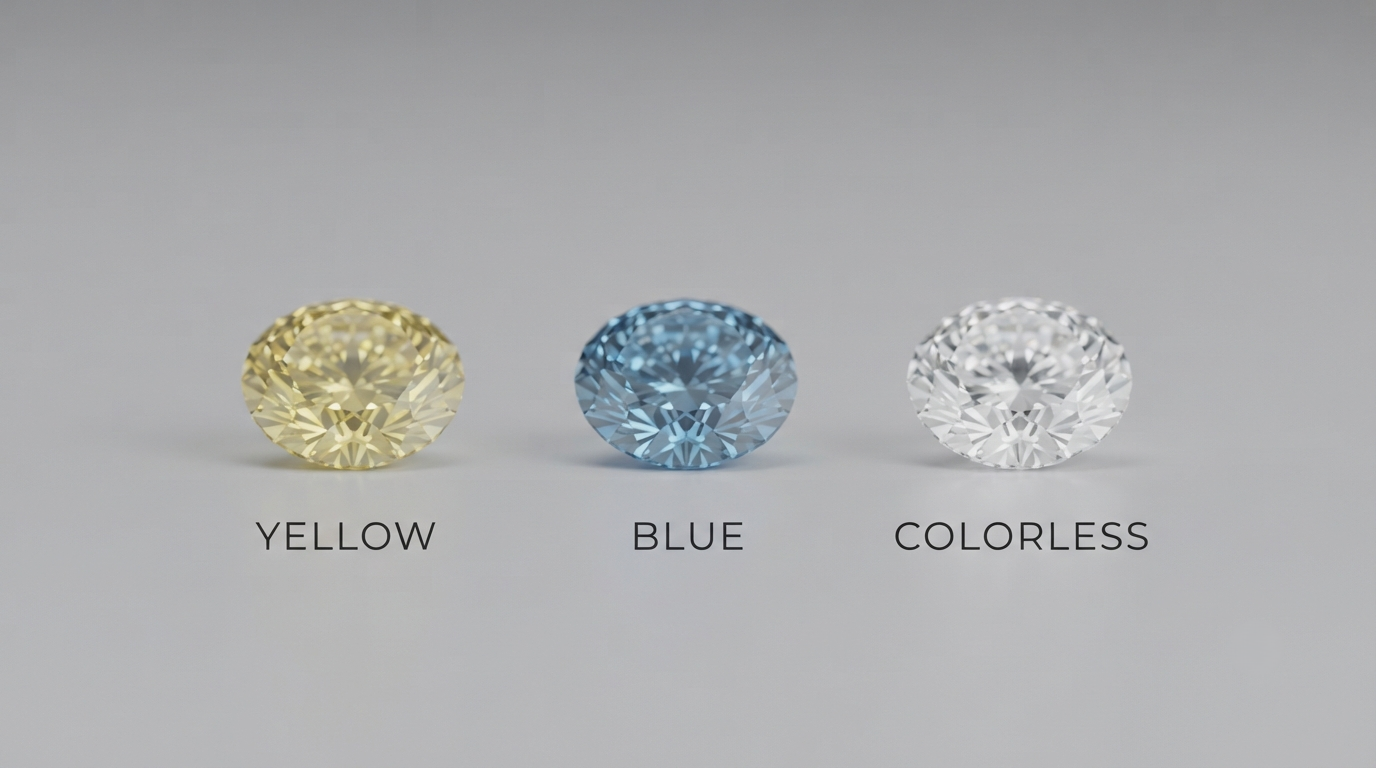
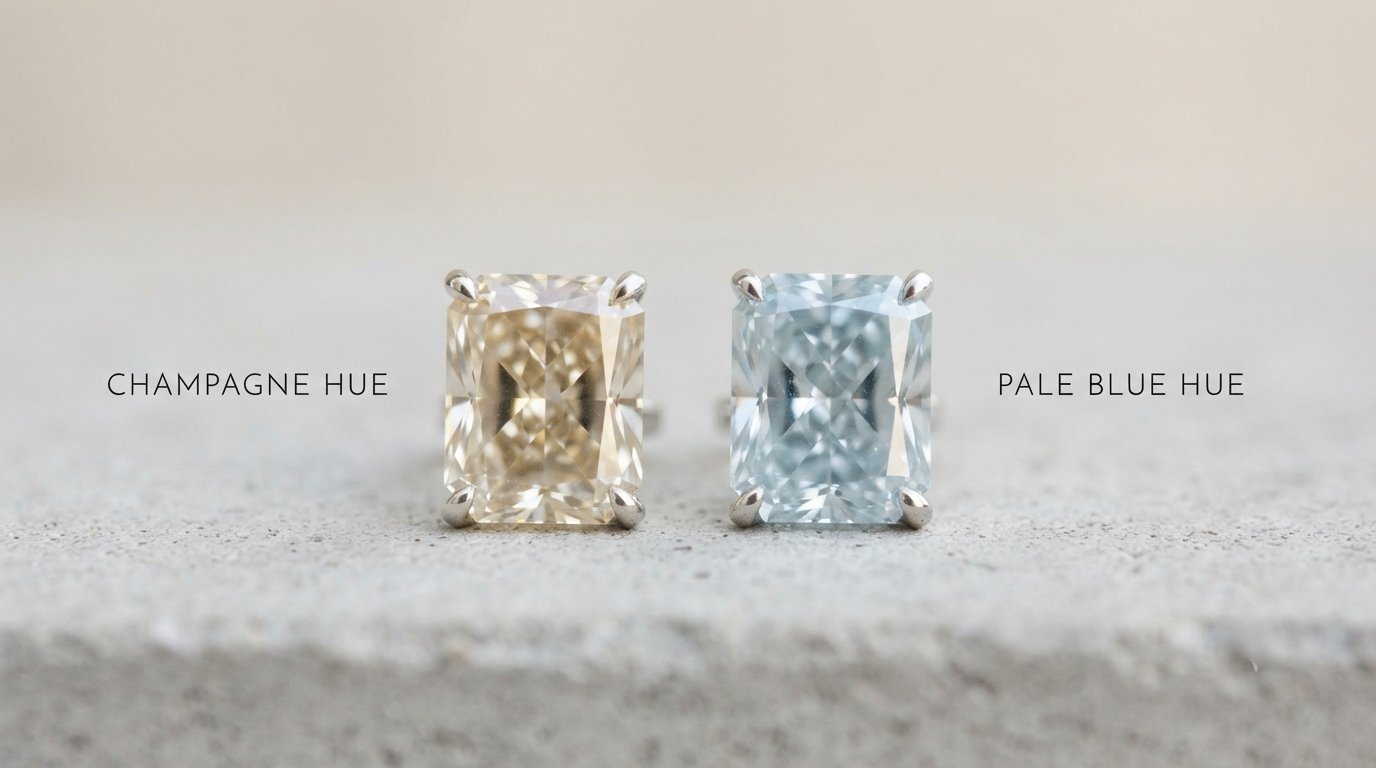
Color arrives rather than being ordered. Nitrogen present in the cell trends the crystal yellow, boron trends it blue, and with neither present in any quantity the stone comes out colorless, the specification that has to be engineered, and priced accordingly. What color a hair grown diamond comes out covers the range. What comes back is a diamond on every measure, hardness included, and the month by month wait between sending and receiving is set out separately.
The Cost of Choosing to Turn Son Hair Into a Diamond
What it costs to turn son hair into a diamond tracks carat, not material. Across the industry in 2026, stones around 0.10 to 0.25 ct are typically quoted at roughly $1,500 to $3,500; the 0.5 to 1 ct range where most orders sit runs about $5,000 to $15,000; and from 2 ct toward 5 ct or more, quotes start near $20,000 and pass $75,000. Those are category figures, not Memorial Diamond’s published prices.
Choosing to turn son hair into a diamond rather than dividing an urn does not by itself lower the figure. What moves it is carat, whether you want colorless, and whether a grading report, engraving, a fancy cut or a setting is included or quoted separately. A fuller breakdown of what drives the price covers them. Ask for the quote in writing before you agree to turn son hair into a diamond at a particular size.
Frequently Asked Questions About Turning a Son’s Hair Into a Diamond
The lock I have is from his first haircut, decades ago. Is it still usable?
Almost certainly. Keratin is stable and dry storage preserves carbon indefinitely, so a curl cut decades ago is still a usable way to turn son hair into a diamond. What matters is whether it is glued to a page, mixed with a sibling’s hair, or too light once weighed.
How can I be sure the hair in the envelope is his?
By domestic evidence rather than testing: who kept it, what is written on the container, what photographs from that period show. Providers do not generally offer DNA verification of a submitted sample, so ask any company what it does and does not check, and settle the question at home before you turn son hair into a diamond.
Is hair from a hairbrush good enough?
Yes, provided only he used the brush. Shed hair without root bulbs works, because the carbon sits in the shaft. A shared brush is the version to avoid, since mixed hair cannot be separated after purification.
What happens if the sample turns out to be mixed?
If two people’s hair can be told apart by color or length, separate it and send only his. If not, ask the provider directly, some accept a sample with noted uncertainty and some do not.
Can I keep part of the lock back?
Yes, and it is one of the places where choosing to turn son hair into a diamond is easier than dividing an urn. If the sample comfortably clears the stated minimum, split it, send what is needed and keep the remainder in its container.
Does his hair being dyed or thinned by treatment matter?
Not usually. Purification removes everything that is not carbon, including dye and product, so a treated sample generally works. Very fine hair may simply mean more weight is needed to reach the minimum.
Do I need anyone’s permission to use hair I already have?
In practice this is usually the easier of the two questions. Statutes here are written around remains rather than around keepsakes, so a lock kept in your own house for years does not normally raise the same question before you turn son hair into a diamond. It is not absolute: belongings can pass to an estate, rules differ from one state to the next, and a sample someone else holds is a conversation, not a decision. Where it matters, ask rather than assume.
Final Thoughts on the Decision to Turn Son Hair Into a Diamond
Everything that can go wrong in a plan to turn son hair into a diamond goes wrong before the envelope is posted: the wrong sample, an uncertain one, or the only one, sent before anyone had decided.
So the sequence is deliberately front loaded. Find every sample in the house. Establish whose it is. Weigh it. Work out what is left if you send it. The laboratory stage is the part you do not have to manage, and the part that cannot begin until the rest is settled.
Learn More About Son Memorial Diamonds
- Hair as a route, weighed in full
- How much hair, by weight
- The same walkthrough for his ashes
- Combining both materials in one stone
- What choosing ashes involves instead
Talk With Memorial Diamond
If you are still working out what you have and whether it is enough, that is a reasonable time to ask questions, long before you ask anyone to turn son hair into a diamond.
Send us what you know at memorialdiamond.us: where the sample came from, what it weighs, and what condition it is in. Those three answers cover most of a first conversation.