Most people read a page like this months before they act on it, which is the right way round.
To turn partner ashes into a diamond you set aside a portion of the cremated remains, industry typically a few tablespoons up to around 4 oz, send it to a laboratory, and receive a real lab grown diamond back in roughly six to ten months. The steps themselves are not difficult. What stalls families is doing them out of order, because two of the six cannot be walked back once taken.
This page sets out the order in which to turn partner ashes into a diamond, not the chemistry behind it. Memorial Diamond grows memorial stones, so treat the questions below as ones to put to us as readily as to anyone else.
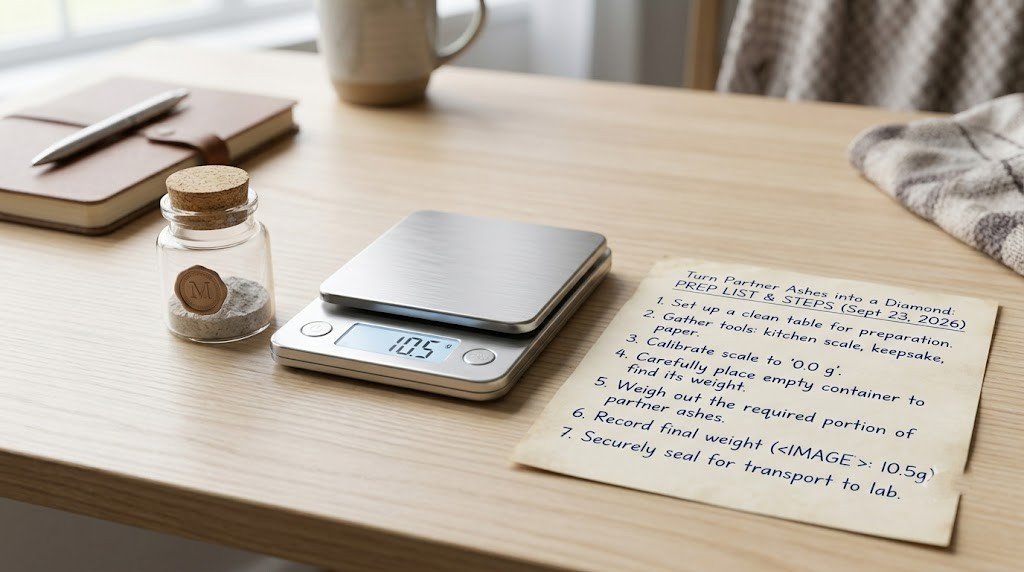
Table of Contents
What Does It Take to Turn Partner Ashes Into a Diamond?
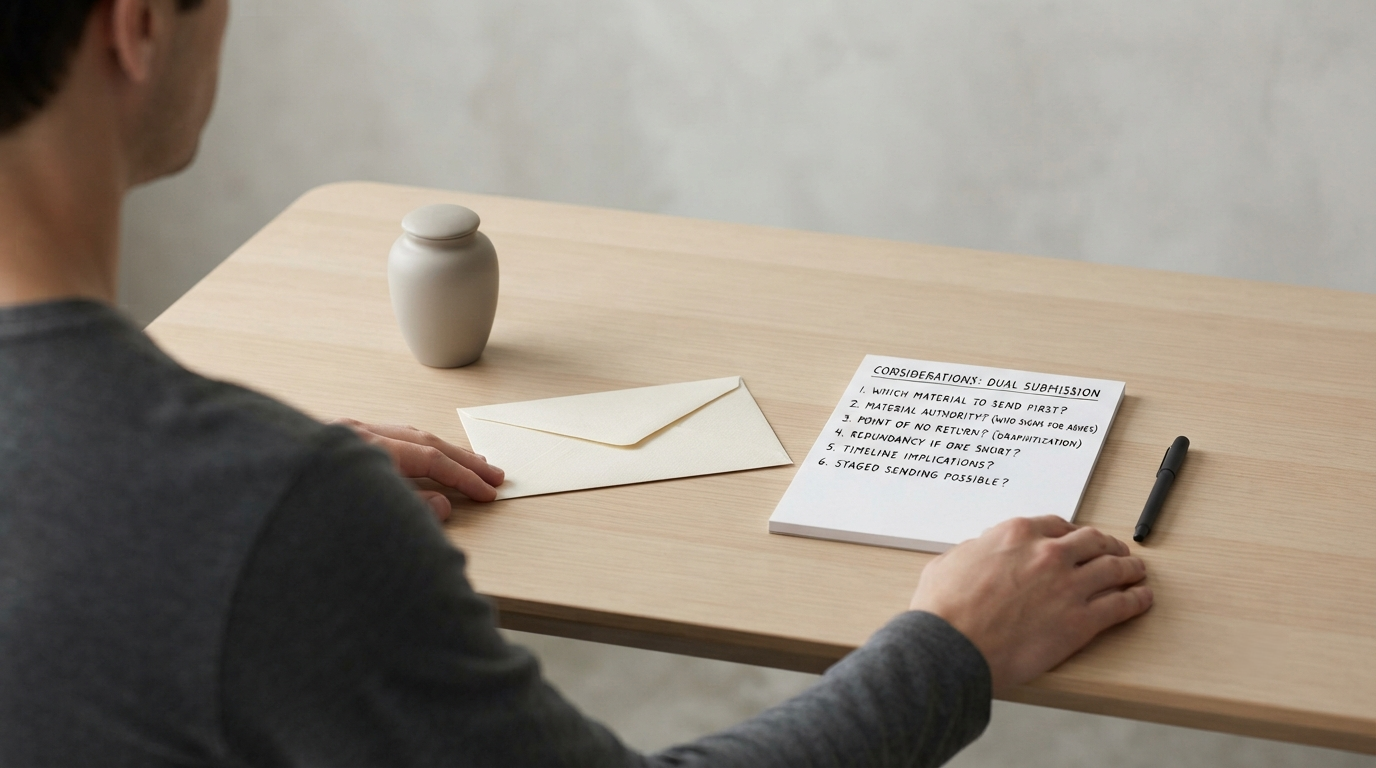
Six steps turn partner ashes into a diamond, and the order is the whole job. Every one of them is easy in isolation; the difficulty is that steps 4 and 5 consume something, and steps 1 through 3 are what stop you consuming it wrongly.
| Step | What you settle | Why it has to come before the next one |
|---|---|---|
| 1 | What you actually want to end up holding | A pendant, a ring, and a loose stone lead to different carats, and carat drives everything downstream |
| 2 | Who has the standing to authorize using the remains | Asking for agreement to turn partner ashes into a diamond after a portion has been separated is a much harder conversation than asking beforehand |
| 3 | Carat, color, and which provider | A provider’s stated minimum depends on the order; you cannot size a portion against an order that does not exist |
| 4 | How much to portion out, and what you are keeping | Once a portion is separated and sent to turn partner ashes into a diamond, it is committed. Deciding the keep back afterward is not an option |
| 5 | Packaging, carrier, and the paperwork that travels with it | Carrier and provider requirements have to agree on the day you post, not in principle |
| 6 | What you will be told during the wait, and when | Agreeing this before you send turns months of silence into something expected |
Nothing in a plan to turn partner ashes into a diamond requires speed; it is genuinely fine to sit on step 1 for a year. What is not fine is reaching step 4 without having done step 3, which is how people post a portion sized for a company they then decide against.
If you are earlier than all of this and still working out whether to turn partner ashes into a diamond at all, the complete guide to a partner ashes diamond covers the decision rather than the sequence.
The Two Steps You Cannot Walk Back
Four of the six steps needed to turn partner ashes into a diamond are entirely reversible: the object, the provider, the carat, and how you are thinking about the whole thing. Changing any of them costs nothing but time.
Two are not reversible. A portion that has been separated, sealed, and posted is committed; material that goes into a growth run is consumed by it. And the conversation in step 2 cannot be un had: once someone knows you are planning to turn partner ashes into a diamond, they know, and you cannot take that back if the conversation goes badly.
That asymmetry is the entire reason for the order. Everything reversible goes first, so that by the time you reach the parts that commit you, you are not still deciding.
It is also why there is no useful hurry. A portion separated this month and a portion separated in two years produce the same stone, because cremated remains do not degrade in any way that affects carbon extraction. Waiting to turn partner ashes into a diamond costs you nothing except the waiting. Acting early and then changing your mind costs you material you cannot get back.
One practical consequence. If a date is pushing you, an anniversary, a scattering someone else has scheduled, separate the date from the sequence. A deadline is a good reason to begin step 1 today, never a reason to jump to step 4.
Step 1: Decide What You Want Before You Price Anything
Not the stone. The object. Every later decision about how to turn partner ashes into a diamond runs downstream of this one.
A memorial diamond ends up in one of a few shapes: worn daily and unnoticed, worn visibly, worn occasionally, or kept loose in a box and taken out. Those are genuinely different purchases. A stone for a pendant worn every day can be smaller than one meant for a ring, and the setting matters more than the carat for surviving years of wear.
Decide this first, because of all the steps required to turn partner ashes into a diamond it is the only one that carries no cost and puts no material at risk. Write down the answer, even loosely, “something I can wear under a collar” is a usable brief; “something nice” is not.
Two things worth knowing while you decide. Diamond is 10 on the Mohs scale, the hardest known natural mineral, so the stone will outlast the setting around it by a very long way. And carat is a decision you make and pay for, not something the ashes decide; how to choose a carat size sets out that trade off properly.
Step 2: Who Has the Standing to Authorize It?
This step exists because “partner” is not a single legal status, and it is the step most guides on how to turn partner ashes into a diamond skip entirely.
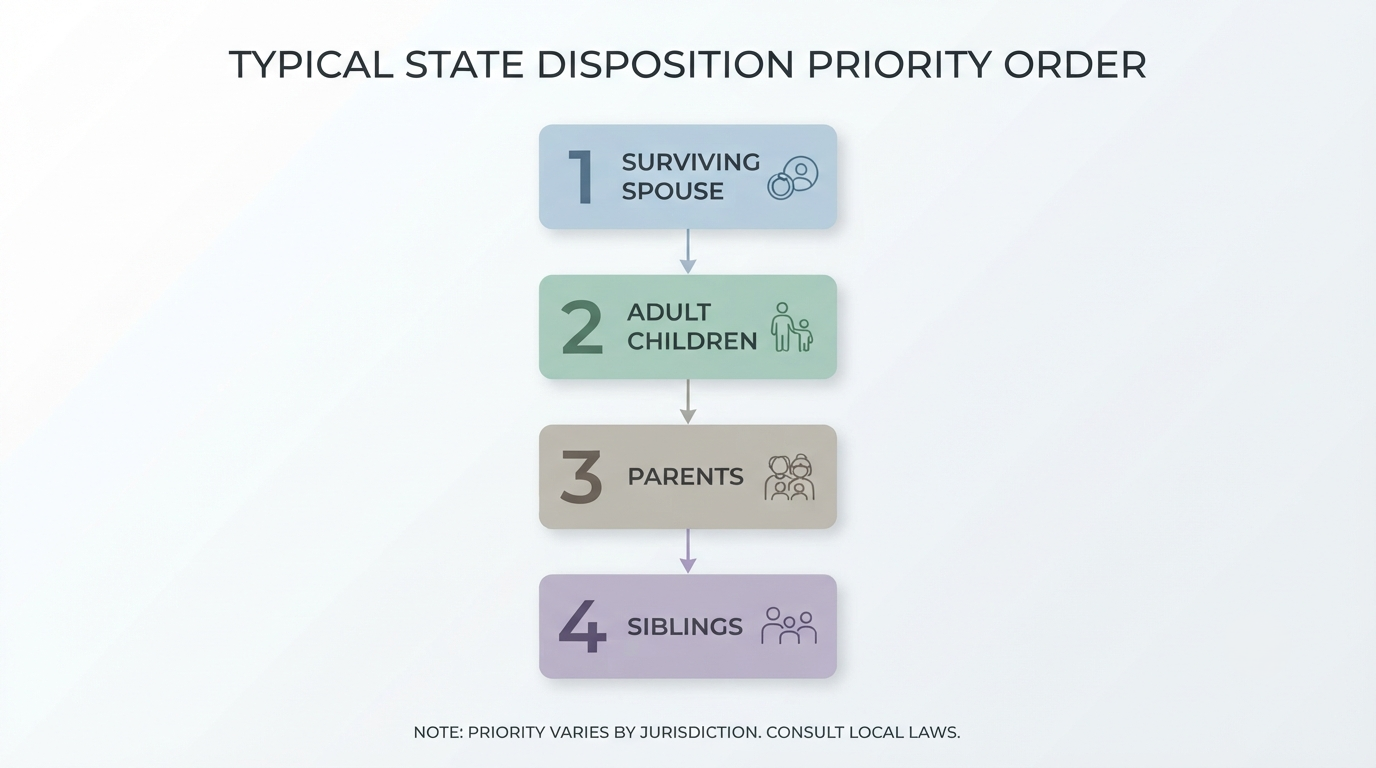
No national rule decides this. Each state sets its own order of priority over a person’s remains, and a document your partner signed, a will, a disposition directive, a form completed at the funeral home naming an agent, can displace that order. Some states put a legal spouse at the head of the list and work outward through blood relatives; some let a named agent outrank all of them. Where there was no marriage, where their family never acknowledged the relationship, or where not everyone knew about it, standing may well sit with somebody other than you.
That is a fact to establish, not to fight. Three practical moves:
- Find out who actually holds the remains and under what authority. If a funeral home still has them, ask who is named on their paperwork, usually definitive, and one phone call.
- Check for anything written. A disposition directive or a line in a will can change the answer completely, and it is worth locating before any conversation starts.
- Have the conversation before you separate anything. Saying in advance that you would like to turn partner ashes into a diamond is a request; saying it afterward is a disclosure, and it lands very differently.
If the answer is that you do not have standing and are not going to get agreement, that is a real outcome and not the end of everything. Hair needs no cremation, no permission over remains, and no one else’s cooperation; turning a partner’s hair into a diamond is the route that stays open in that situation.
Step 3: Settle Carat and Color Before Any Material Moves
Of the six steps needed to turn partner ashes into a diamond, this is the one people want to do last and have to do third.
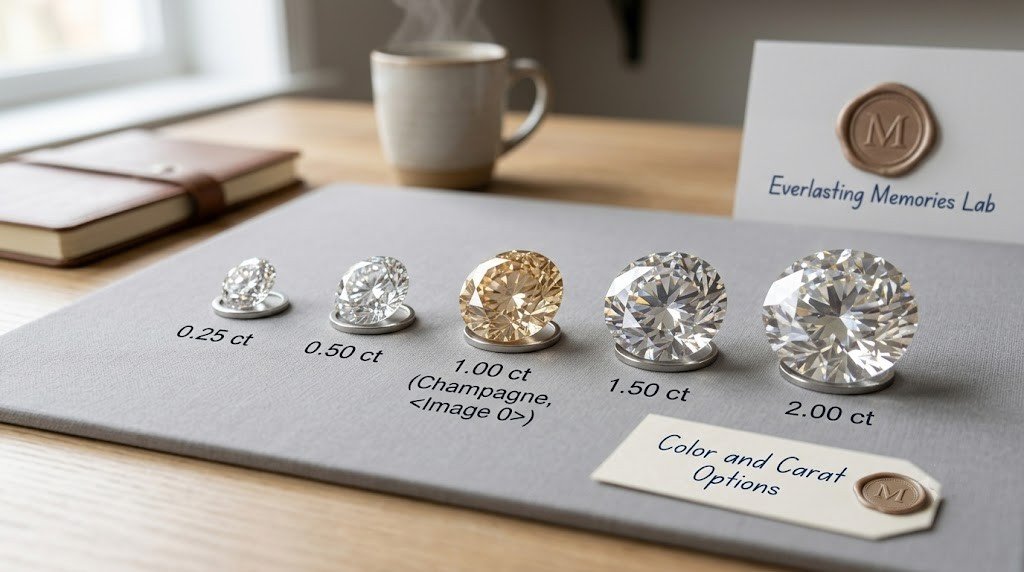
A provider’s minimum quantity is tied to the order, so you cannot correctly size a portion until the order exists. Settle the carat, settle the color range you will accept, and settle who you are sending to, in that order, before anything is separated.
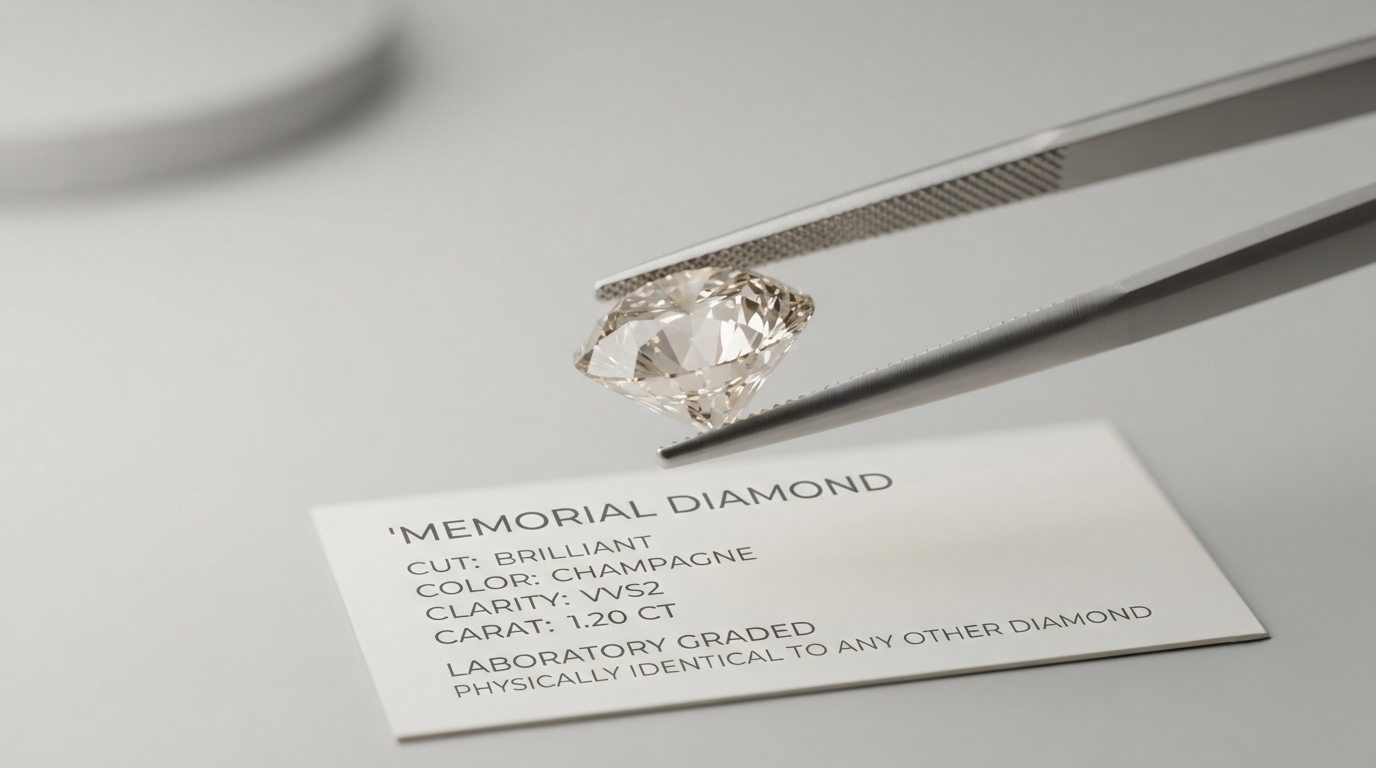
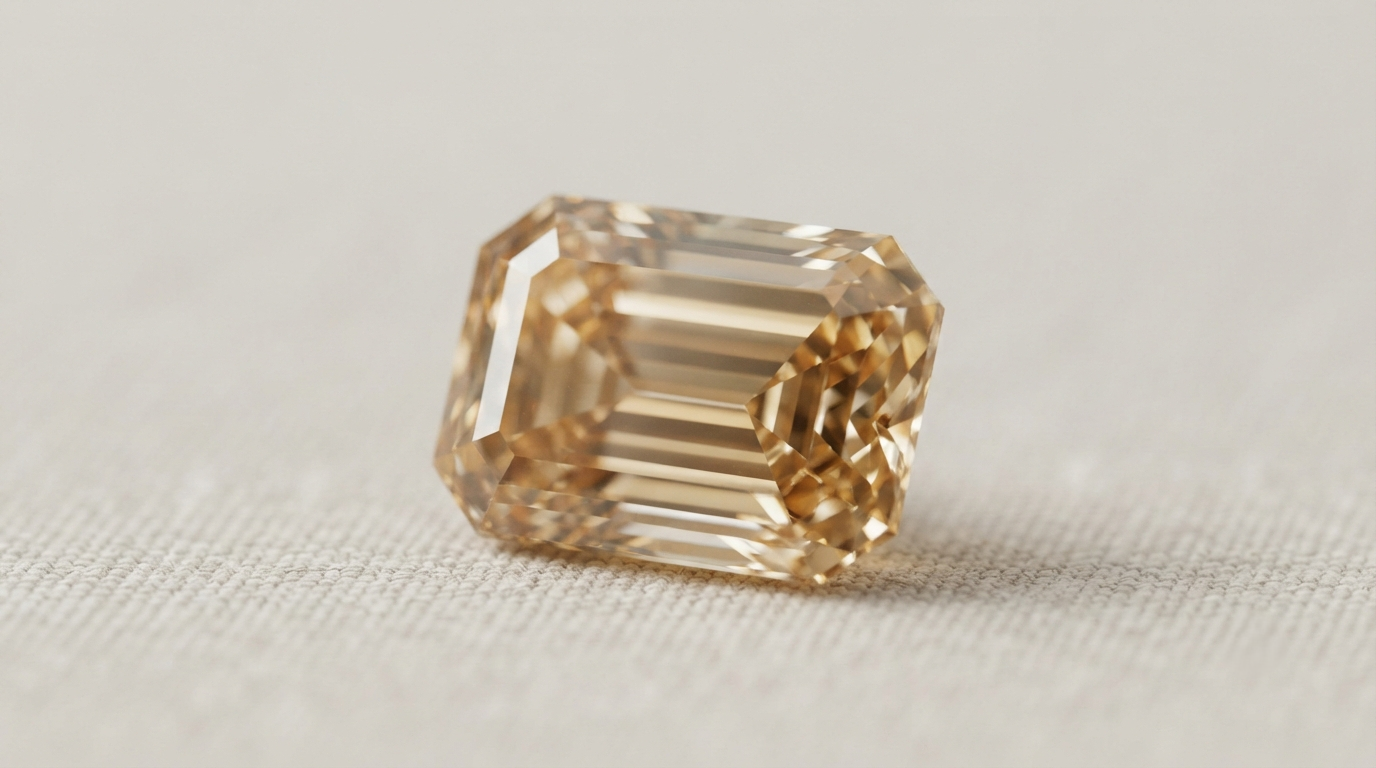
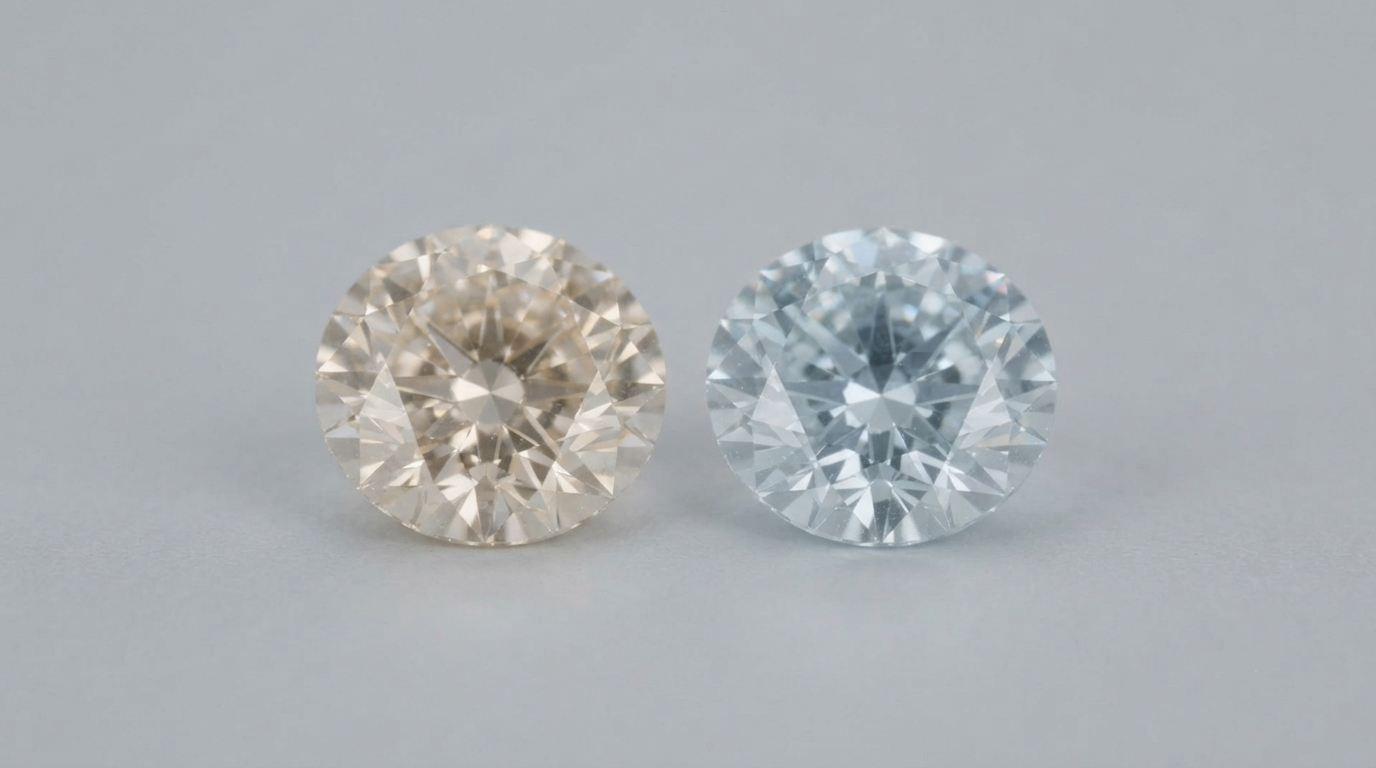
On color, the useful thing to know in advance is that it is a range rather than a choice. Trace elements riding along in the growth cell set the tint: yellow tones trace back to nitrogen and blue to boron, while colorless is the result of having neither present in any meaningful quantity, a specification that has to be engineered, which is why it is the one that costs meaningfully more. Ashes are an organic source and arrive carrying trace elements, so warm tones are the category norm rather than a fault.
Ask before you commit: what range will be put in writing, and what happens if the stone falls outside it. What color a diamond made from a partner’s ashes will be covers how wide that range honestly runs.
Also settle, in the same conversation, everything else a provider needs before you turn partner ashes into a diamond: the exact minimum and whether it is measured by weight or volume, what container the material should travel in, what documentation comes back at intake, what happens to material not consumed, and what follows a failed growth run. None of those are things this page can answer for you, because they differ by company. Those six answers are what actually decide whether you turn partner ashes into a diamond with this provider or another one.
Step 4: How Much Should You Portion Out and How Much Should You Keep?
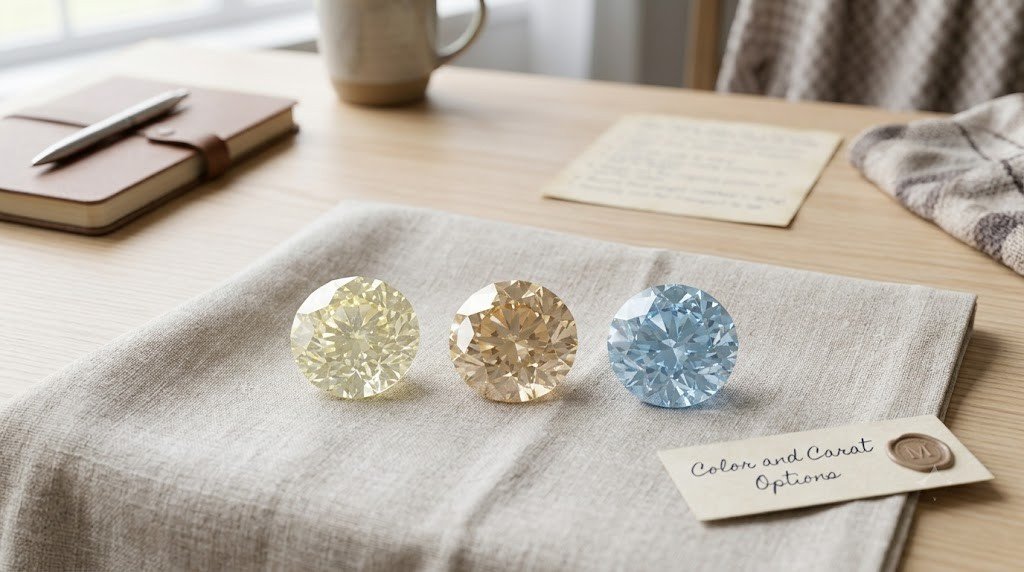
Here is the part this whole page exists for. Almost every guide on how to turn partner ashes into a diamond tells you how much to send. Very few tell you to decide, at the same moment, what you are deliberately not sending.
A portion sent for growth is consumed by it. Nothing comes back. So before you turn partner ashes into a diamond, the question is not only “is this enough” but “what does this leave open”.
| If you want to keep open | Then set aside | What to confirm first |
|---|---|---|
| A second stone later, for you or for someone else | Enough for two separate orders, portioned and stored separately now | Whether a provider will accept a second order from separately stored material years later |
| Scattering or interment as originally planned | The portion for the diamond only, leaving the rest untouched and in its container | The stated minimum, so you do not overshoot and take more than needed |
| A share for their family, or for children | Their portion separated before yours, not after | What each person expects, before anything is opened, not after |
| Simply not deciding yet | Slightly more than the stated minimum, in its own sealed container, and nothing else | That the provider is happy to receive material separated some time in advance |
| Nothing, one stone, everything else as planned | The stated minimum plus a small margin | That the margin is acceptable rather than wasteful |
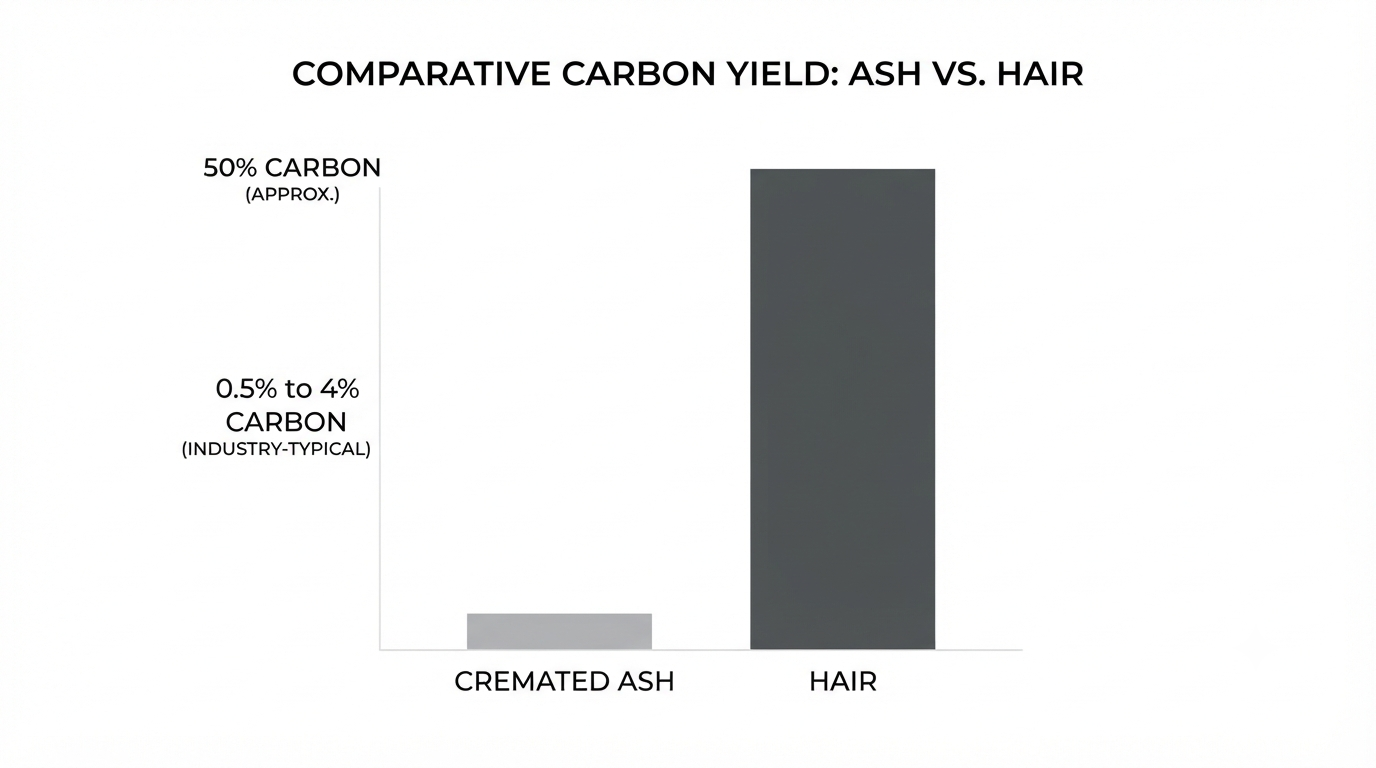
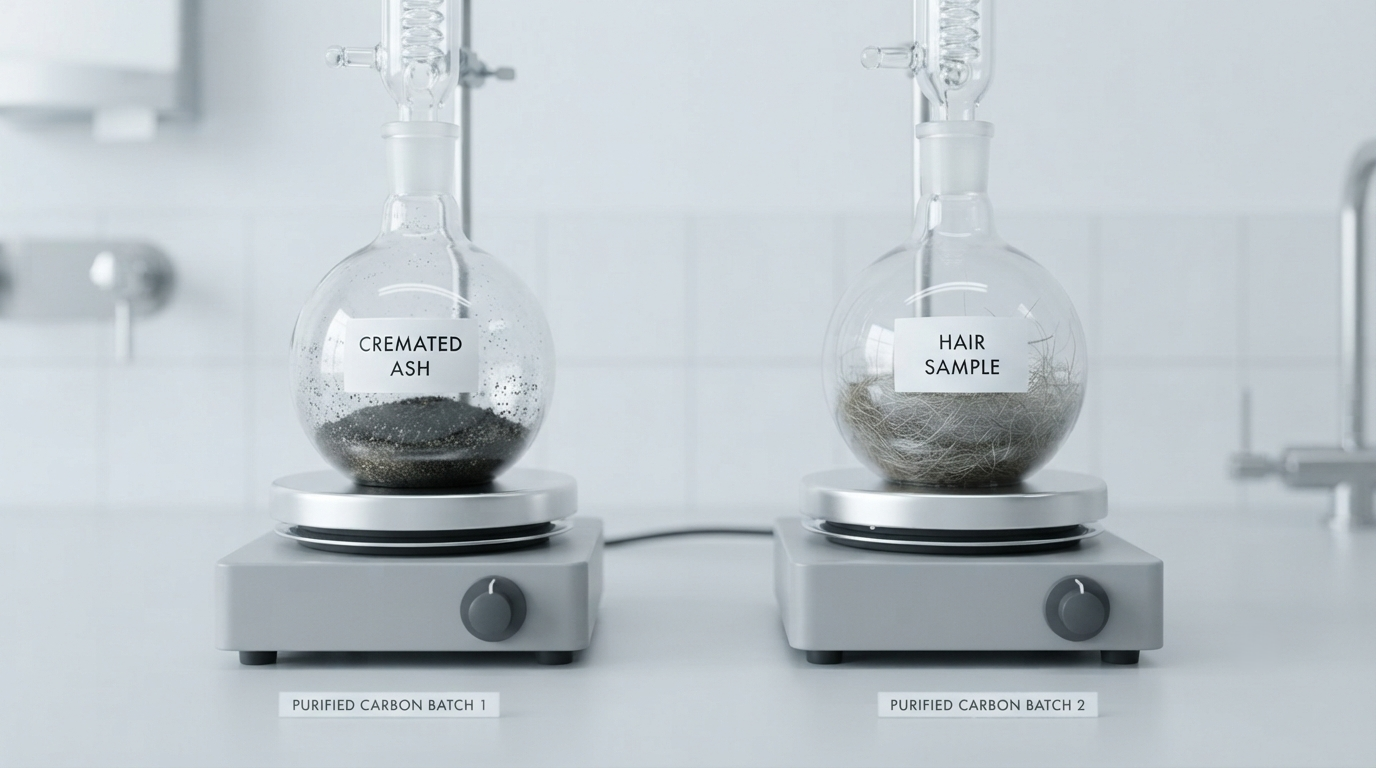
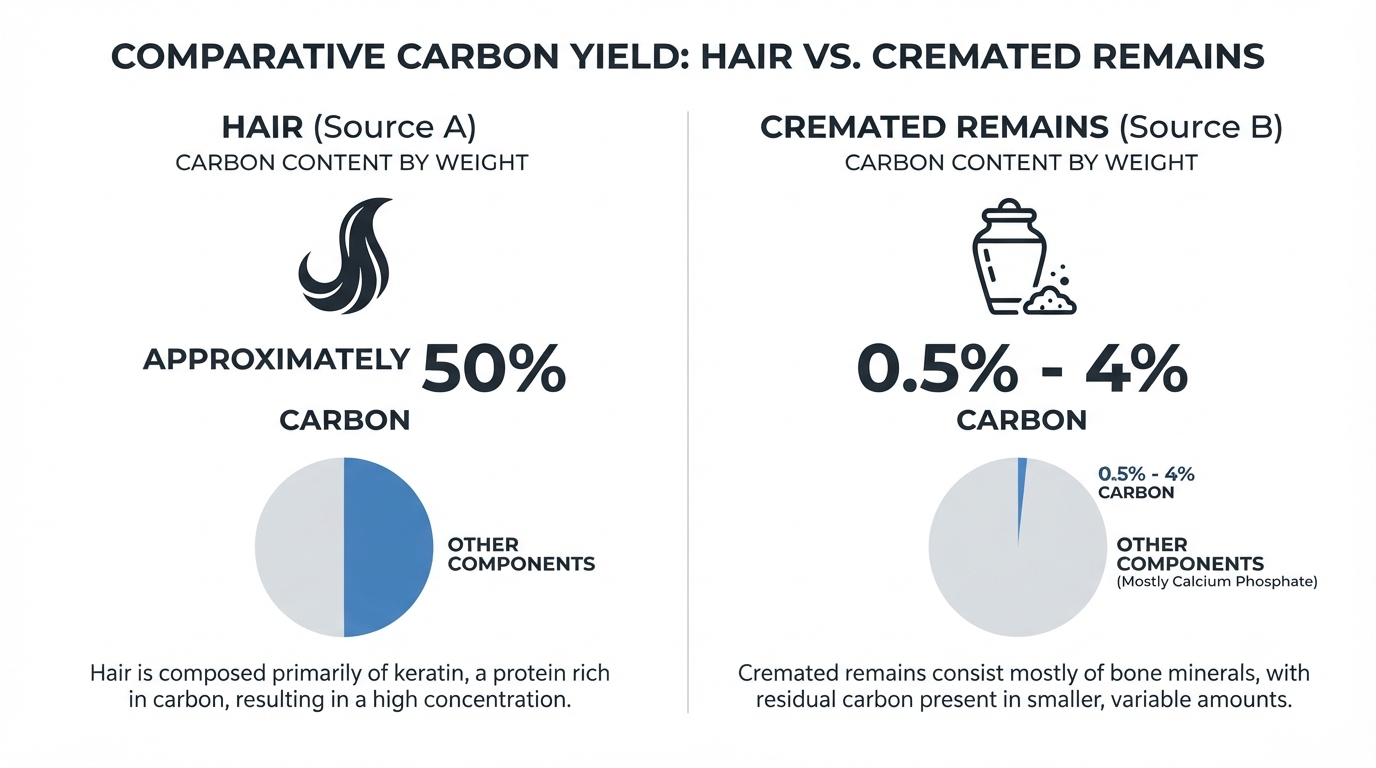
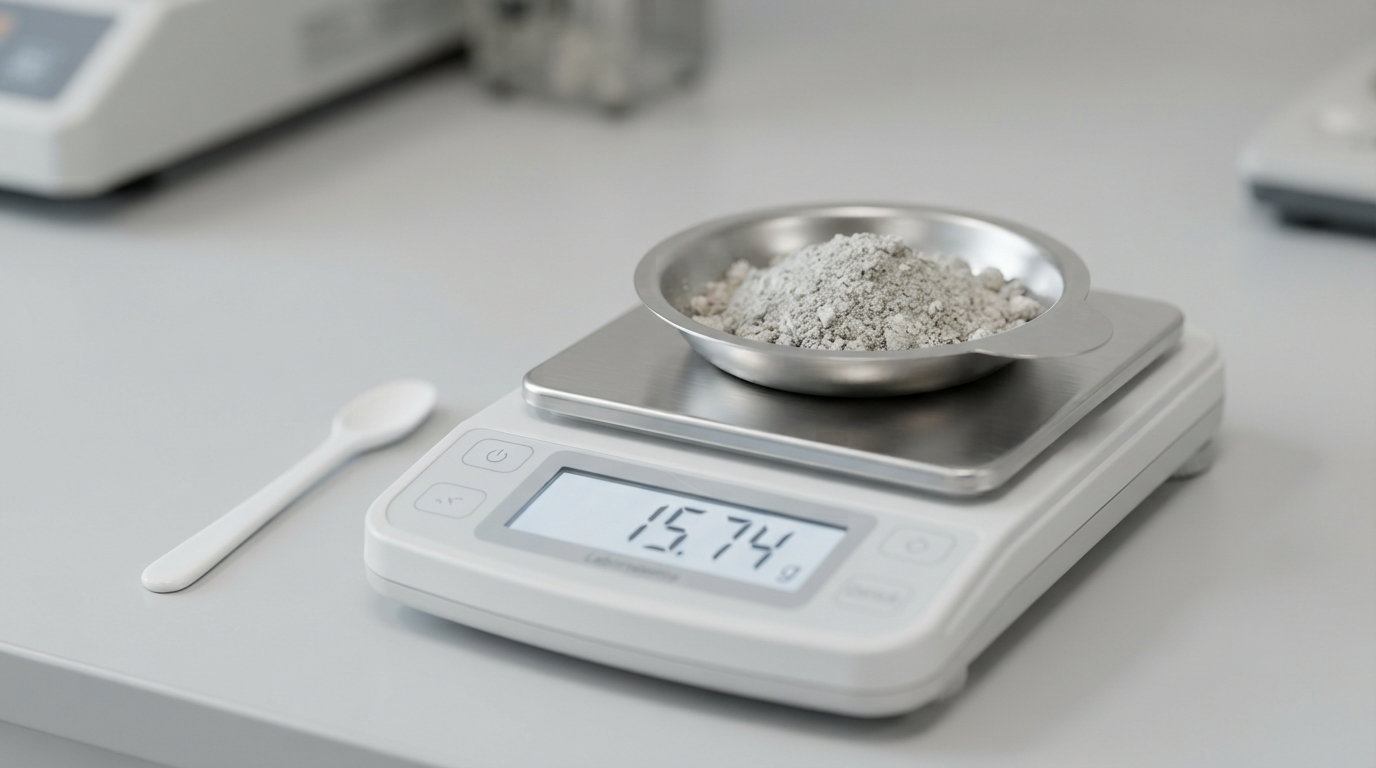
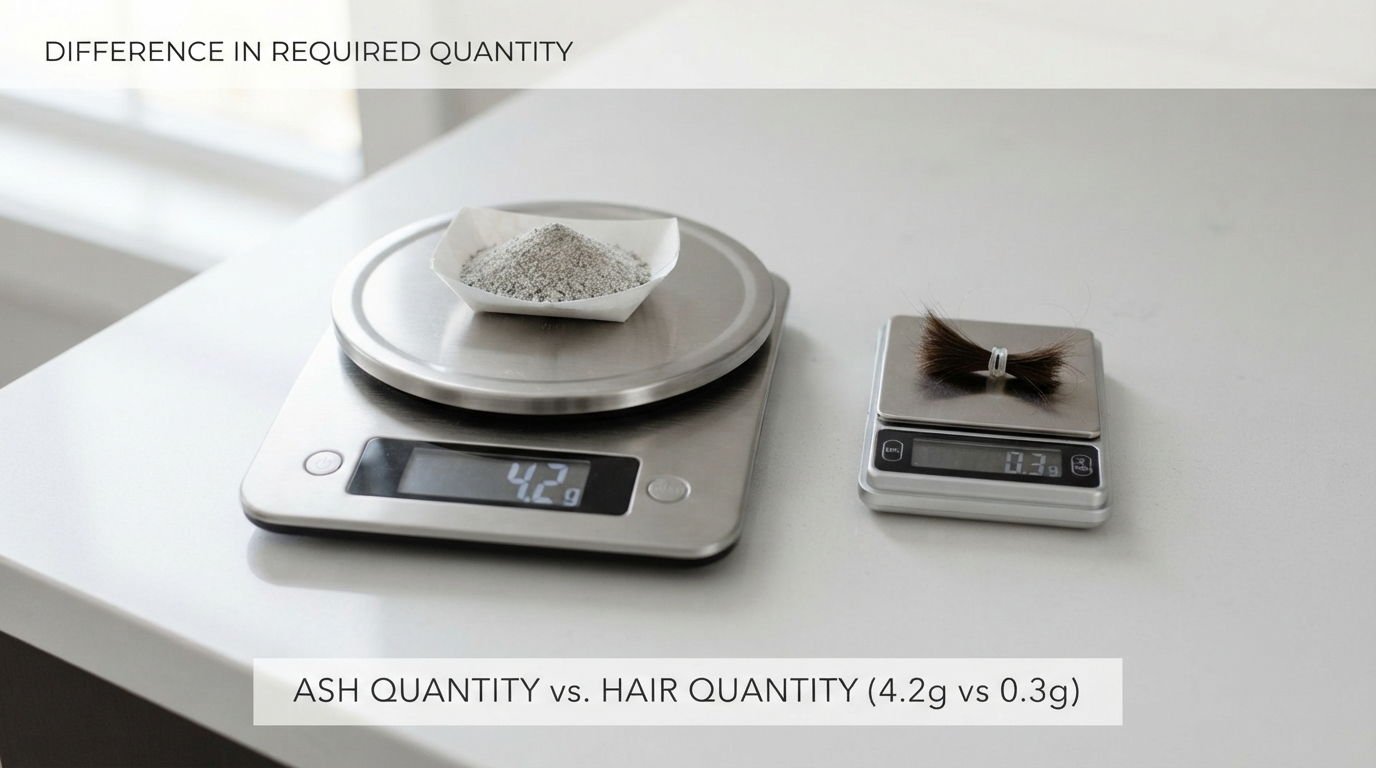
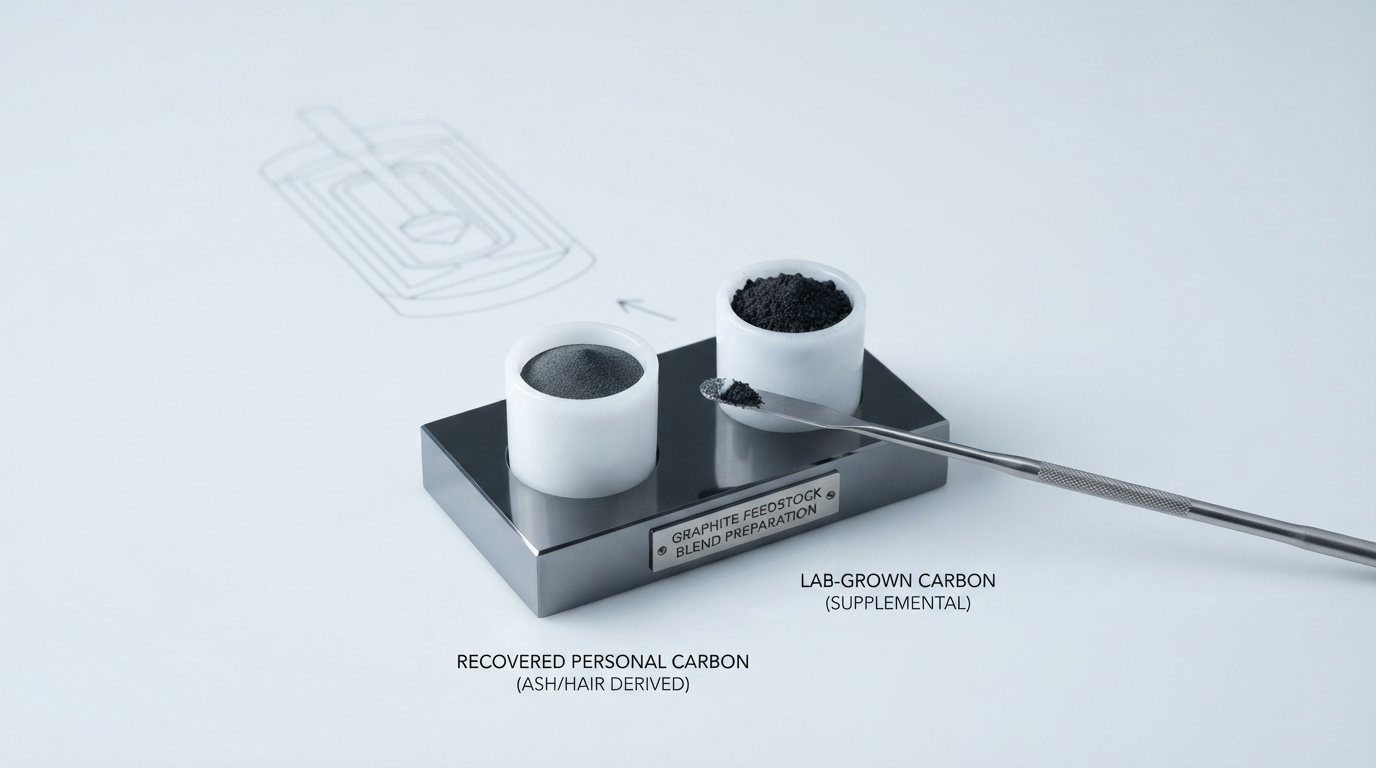
Then the fact that makes this easier: sending more does not give you more of them in the stone. Cremated remains are only about 0.5% to 4% carbon by weight, the rest largely the calcium phosphate of bone. The carbon recovered from your portion is purified to roughly 99.9% and then made up to the volume a growth cell needs with lab sourced carbon, because no household portion of ashes comes close to filling one. Industry figures put the personal share at roughly 10% to 15% of the finished stone’s mass. Doubling the portion does not double that, does not grow a bigger stone, and does not shorten anything.
Which means that when you turn partner ashes into a diamond, generosity buys nothing and restraint costs nothing. Send the stated minimum with a small margin, and keep the rest. How much ash a partner memorial diamond needs covers the quantities in detail.
Step 5: Packaging, Sending, and What to Confirm the Same Day
Two sets of rules have to agree before the parcel that will turn partner ashes into a diamond goes anywhere: the provider’s and the carrier’s.
Carrier policies on cremated remains differ by company and by service class, and they change. There is no general legal barrier in the United States; the legality of turning ashes into a diamond is settled ground, but the shipping rules are a live operational question, and they are the one thing on this page not to take from an article.
So confirm both on the same day you intend to post, not weeks earlier:
- What the provider wants the material sealed in, and whether they supply a kit.
- What the carrier currently requires for packaging, labeling, and declaration.
- Whether a funeral home can arrange collection instead, which sometimes changes the answer.
- What tracking you will have, and who is notified on arrival.
- What intake documentation you receive, and how quickly.
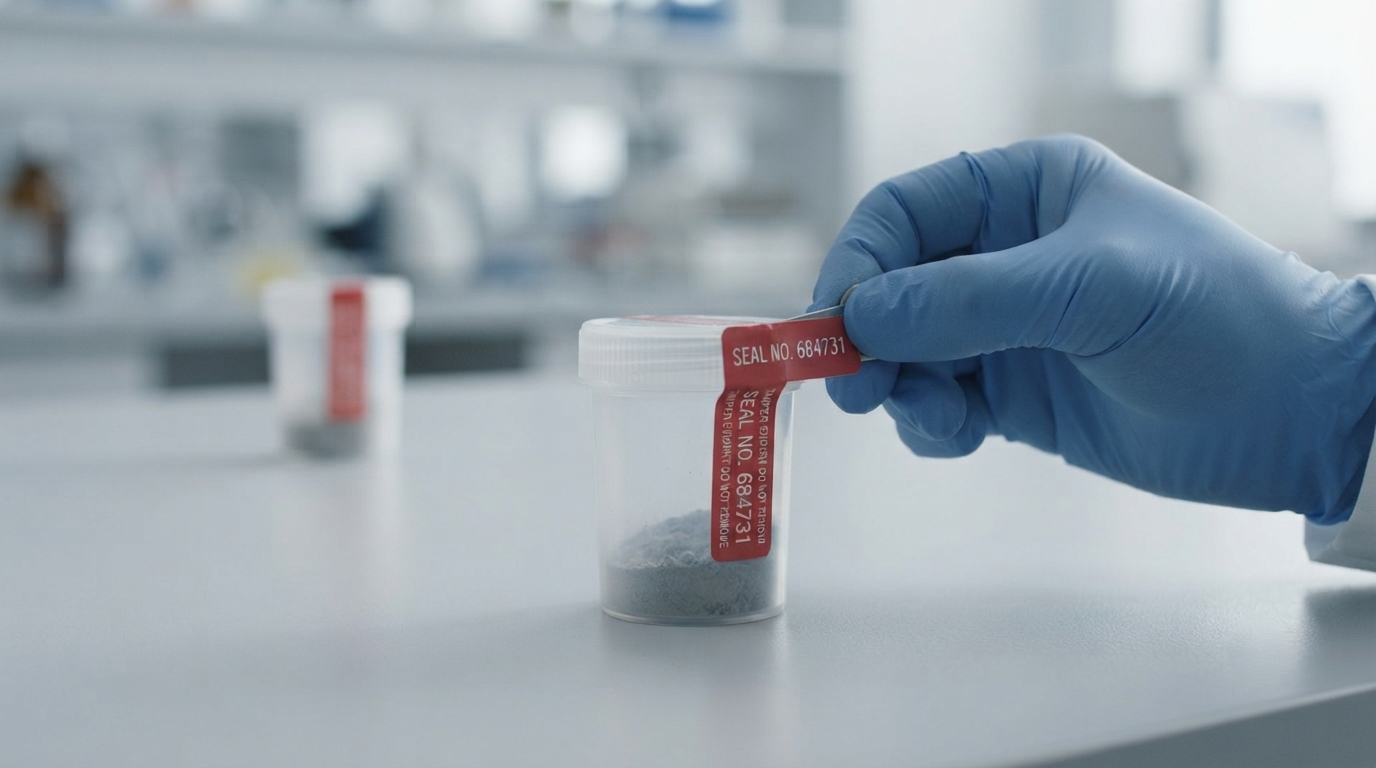
Seal it once. Of everything needed to turn partner ashes into a diamond, sealing that container is the last physical act you personally control, and the main avoidable problem here is opening a sealed container again because something was not confirmed first.
Step 6: The Wait, and What to Ask For While It Runs
Expect silence. Most of the work needed to turn partner ashes into a diamond happens where nobody can watch it, so arrange in advance for the quiet not to be alarming.
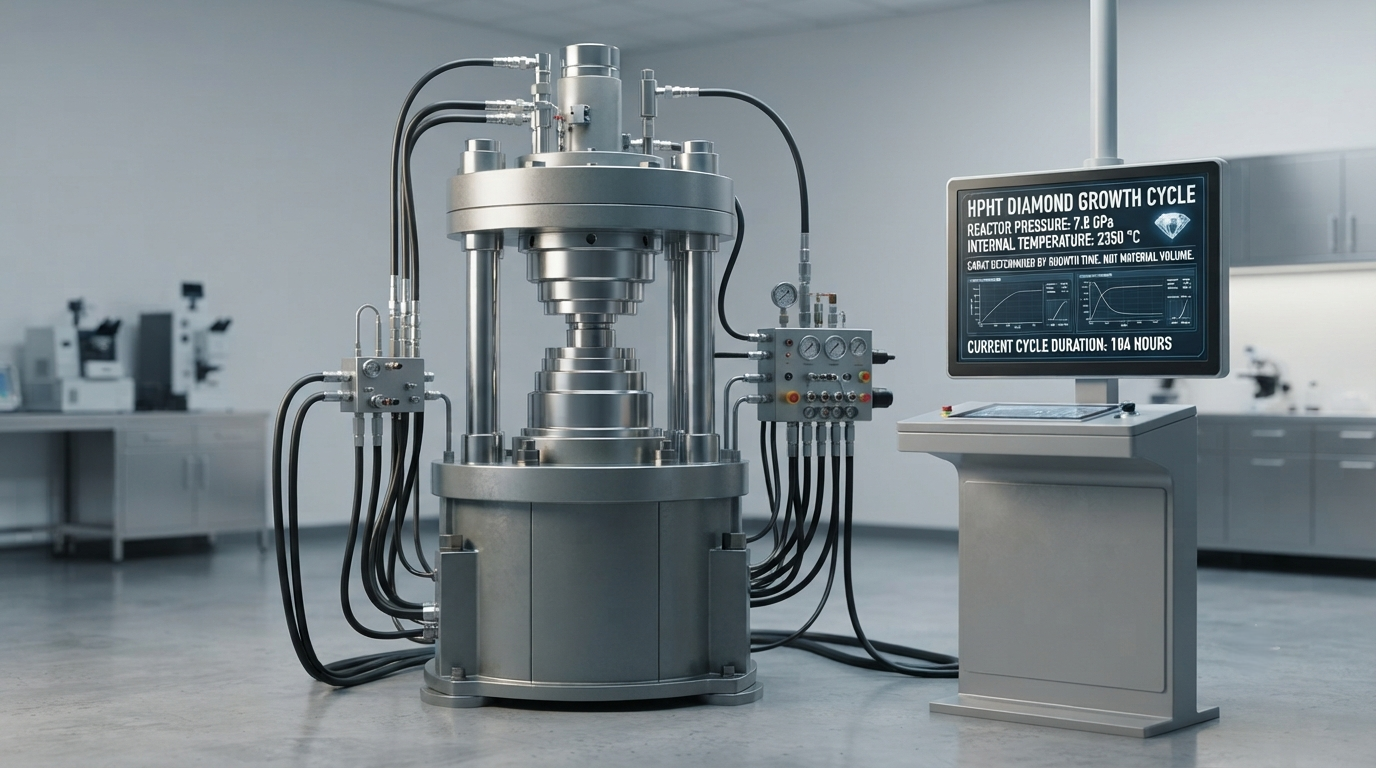
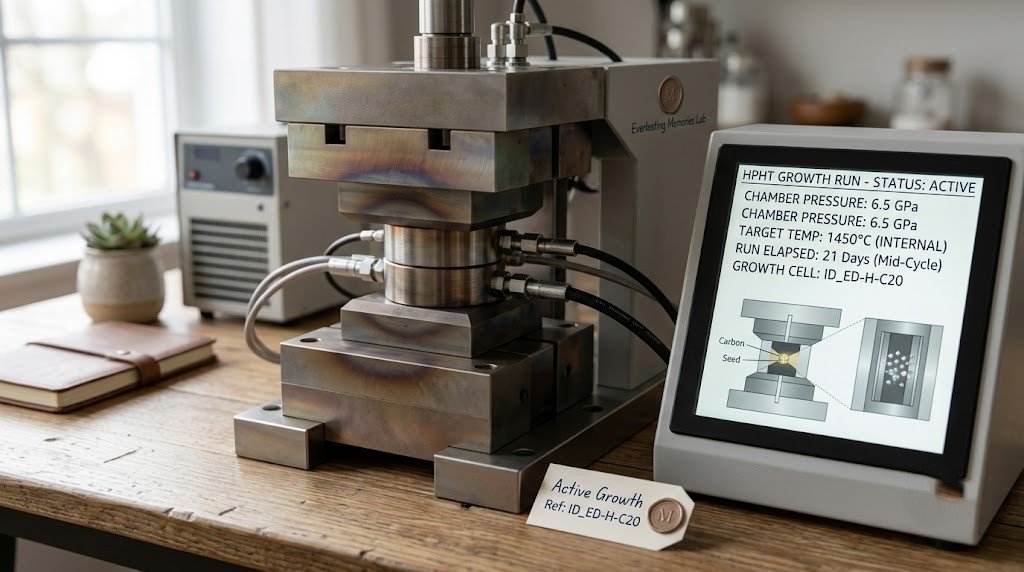
Most of the six to ten months is one crystal growing slowly inside a sealed cell. There is nothing to report for long stretches, which is very different from nothing happening. Ask before you send what you will be told and when; a schedule agreed up front turns a quiet November into an expected one.
Nothing you do during those months changes the outcome once the work to turn partner ashes into a diamond is under way; the value of asking is knowing when to expect news. Worth asking for specifically: confirmation of receipt with the measured weight, notification when growth begins, and notification when the stone comes out of the press and moves to cutting. How long a partner memorial diamond takes breaks the months down.
What It Costs to Turn Partner Ashes Into a Diamond
What it costs to turn partner ashes into a diamond follows carat, and carat follows growth time in the press. Industry wide in 2026, the smallest stones, roughly 0.10 to 0.25 ct, tend to be quoted somewhere around $1,500 to $3,500. The half carat to one carat range, where a lot of orders land, generally sits between about $5,000 and $15,000. Past 2 ct, and on up toward 5 ct or more, figures commonly begin near $20,000 and run beyond $75,000. Those are category wide numbers rather than Memorial Diamond prices, which are not published.
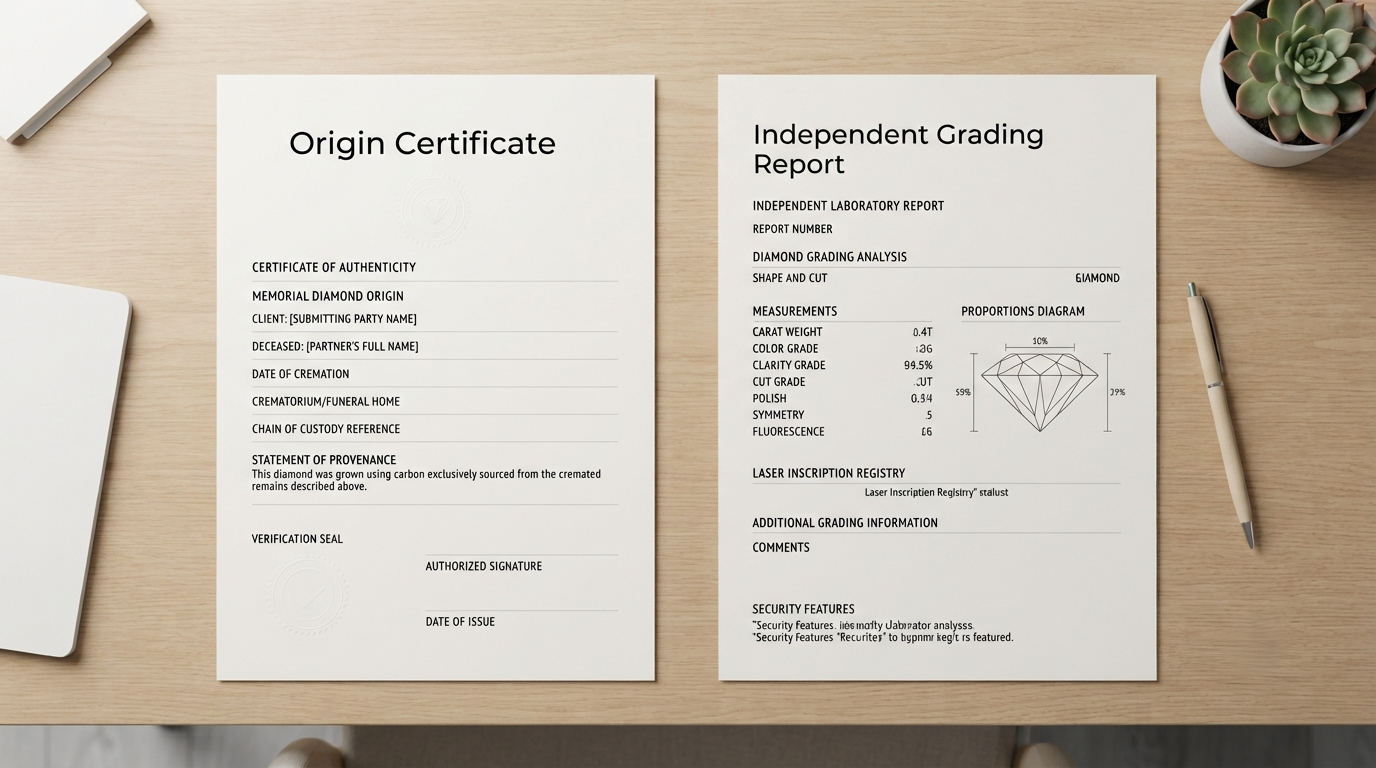
Colorless generally costs meaningfully more than yellow, blue, or champagne at the same size. An independent grading report, engraving, a fancy cut, and the setting itself are usually quoted separately from the loose stone, so ask what a number includes before comparing two of them. Get a written quote before you agree to turn partner ashes into a diamond at any particular size.
Frequently Asked Questions
What is the first thing to do if I want to turn partner ashes into a diamond?
Decide what object you want to end up with, then find out who has standing to authorize using the remains. Both come before contacting a provider, and both cost nothing if you change your mind afterward.
Can I separate a portion myself before turning my partner’s ashes into a diamond?
Generally yes, if the remains are already in your possession and nothing your partner left in writing directs otherwise. If they are interred, or held by someone else, that is a question for the cemetery or that person rather than a general rule.
How much should I send if I have not chosen a provider yet?
Do not size a portion before choosing who will turn your partner’s ashes into a diamond. Minimums differ enough between companies that a portion sized for one can fall short for another, and separating material twice is the outcome worth avoiding.
Does sending more ashes produce a larger stone?
No. When you turn partner ashes into a diamond, carat is set by how long the crystal grows under pressure, not by the quantity submitted. A larger portion does not enlarge the stone, increase their share of it, or shorten the wait.
Can I keep most of the ashes and still turn a partner’s ashes into a diamond?
Yes, and it is the usual case. Only a portion is used, so scattering, burial, or keeping an urn all remain fully open. A diamond sits alongside those choices rather than replacing any of them.
What if my partner’s family objects after the fact?
That is usually a conversation rather than a legal problem, and it is far easier if you raised it before anything was separated. Where standing is genuinely contested, it varies by state and by what was left in writing.
What if I have no standing over the remains at all?
Then the ashes route may not be available to you, and that is worth establishing early rather than late. A hair sample already in your keeping needs no cremation and no one’s permission, which is why it is the usual alternative when you cannot turn a partner’s ashes into a diamond.
Final Thoughts on What It Takes to Turn Partner Ashes Into a Diamond
The work to turn partner ashes into a diamond has one genuinely irreversible act in it and five steps built to protect that act. Nothing else here is fast, and almost nothing else is fragile. The two exceptions are the portion once it is sealed and the conversation once it has been had in the wrong order.
Take steps 1 through 3 as slowly as you like. They cost nothing and they commit nothing, and they are the whole reason the decision to turn partner ashes into a diamond arrives at step 4 already made.
Learn More About Partner Memorial Diamonds
- Partner Ashes Diamond: The Complete Guide
- How to Turn Your Partner’s Hair Into a Diamond
- How Much Ash Do You Need for a Partner Memorial Diamond?
- How Long Does It Take to Make a Partner Memorial Diamond?
- What Is a Memorial Diamond? The Complete Guide
Talk With Memorial Diamond
If you are somewhere between step 1 and step 3 of what it takes to turn partner ashes into a diamond, that is the useful moment to talk, before anything is separated, sized, or sealed.
Reach out to memorialdiamond.us with whatever you have worked out so far, including nothing. A conversation at that stage does not need an order attached to it.