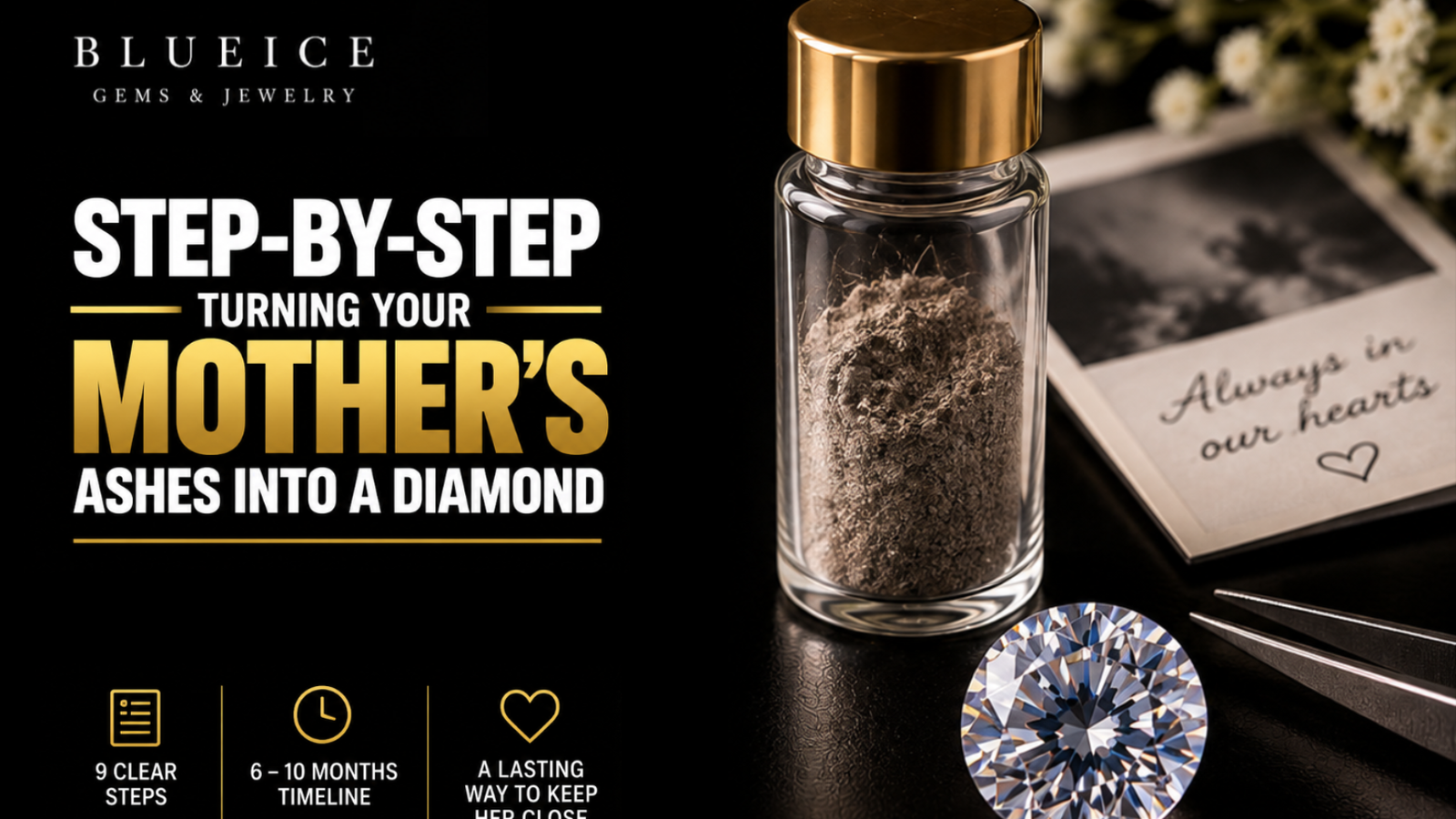
When your brother dies, his ashes may end up in someone else’s keeping, and you can be left wondering whether you have any say at all. A brother ashes diamond is a real lab-grown diamond grown partly from carbon recovered from a small portion of his cremated remains. Providers may ask for a few tablespoons to about 4 ounces of ash. The process commonly takes several months, and whoever has legal authority over his remains generally decides whether a portion can be released.
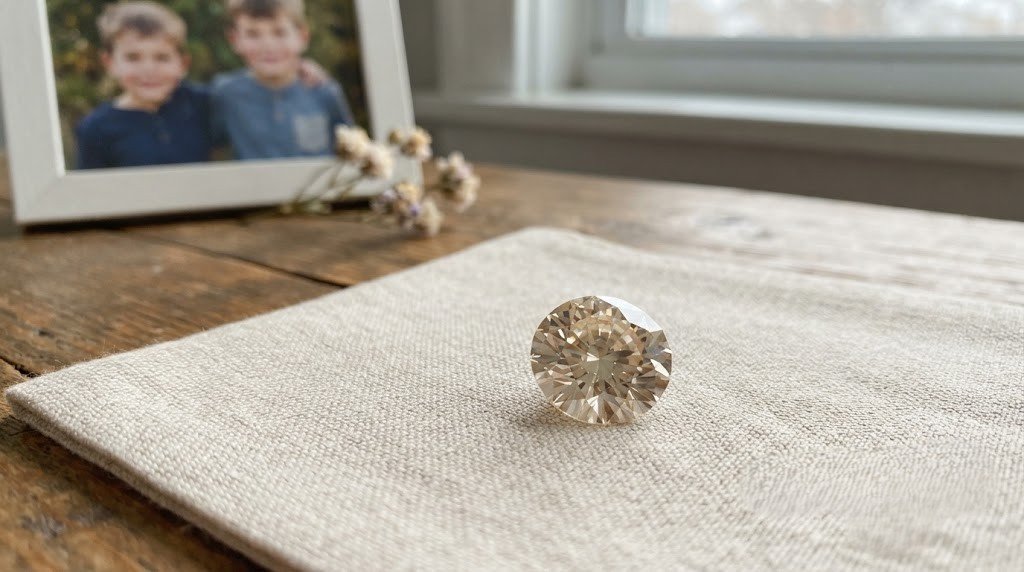
Table of Contents
What Is a Brother Ashes Diamond, in Plain Terms?
A brother ashes diamond is not glass, resin, or a crystal that only looks like a diamond. It is a chemically genuine diamond grown in a laboratory, with the same basic crystal structure and hardness as a mined diamond. Diamond ranks 10 on the Mohs scale of mineral hardness.
What makes a brother ashes diamond a memorial is the origin of some of its carbon. Carbon is recovered from your brother’s cremated remains, purified, and used during the diamond-growth process.
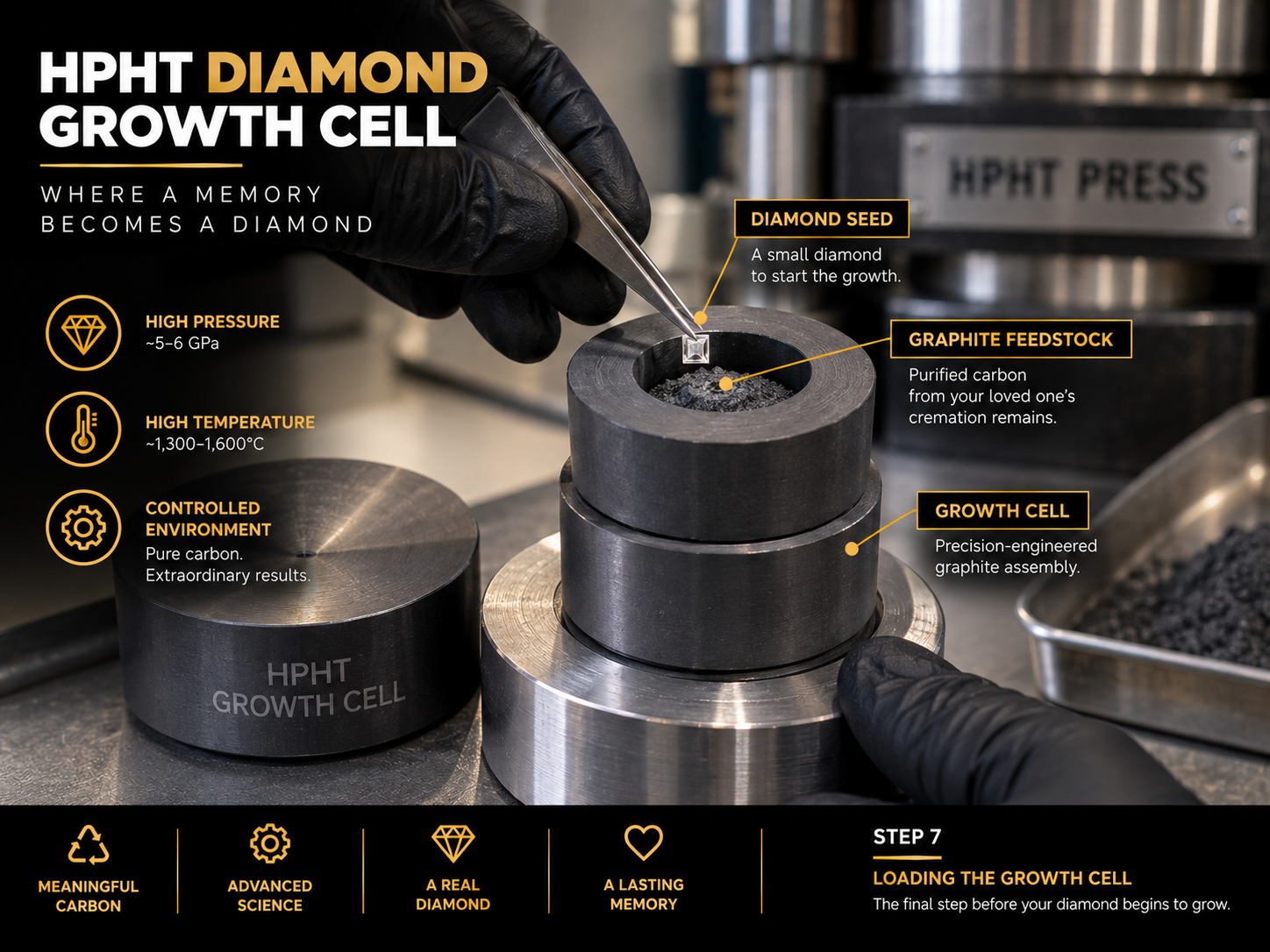
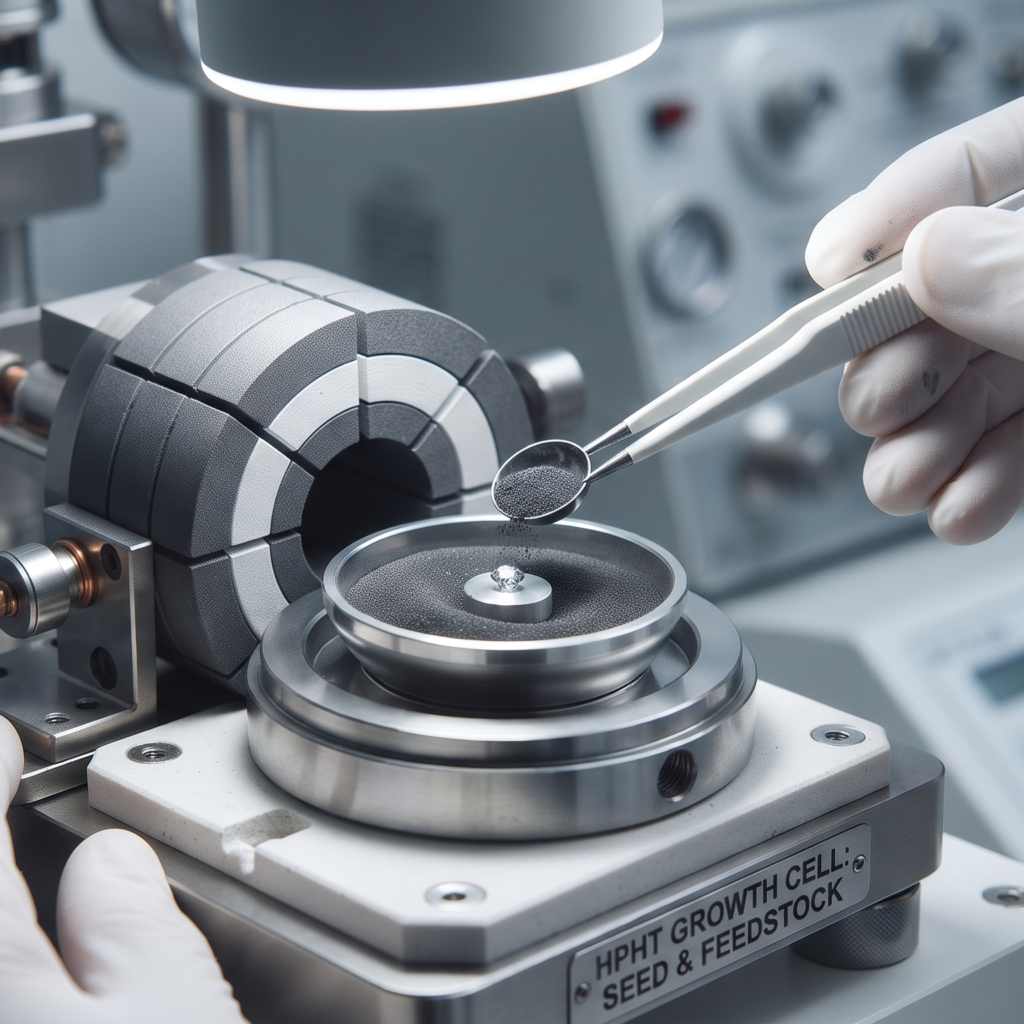
Many laboratories use HPHT, short for high pressure and high temperature. Under controlled conditions, carbon crystallizes onto a tiny diamond seed. Other laboratories use CVD, which grows a crystal layer by layer from a carbon-bearing gas. The resulting diamond can be cut, graded, and set like other diamonds.
It is also important to understand what the stone is not. It is not an urn containing his ashes, and it is not necessarily grown entirely from his carbon. It is a diamond in which some of the carbon may come from his remains.
Hardness does not mean a diamond is unbreakable. Although it resists scratching very well, a sharp impact at the wrong angle can chip it. Consider this when choosing a setting for a ring or pendant.
Who Decides What Happens to Your Brother’s Ashes?
For a sibling, this can be the hardest part of considering a brother ashes diamond. The decision may not legally rest with you. Authority over a person’s remains depends on the applicable state or local rules and the circumstances of the death.
In many places, a surviving spouse or registered partner, adult children, parents, and siblings may have different levels of priority. Treat this as a general pattern, not a universal legal rule. Your brother ashes diamond brother may also have named an authorized person or left written wishes that affect who can make decisions.
| His circumstances | Who may hold authority | A respectful next step |
|---|---|---|
| He left written wishes or a designation | The person he named, if recognized by applicable law | Ask the funeral home whether a designation was recorded. |
| He had a spouse or registered partner | That person may have priority | Ask privately whether they would consider releasing a small portion. |
| He had adult children | His children may have decision-making rights | Discuss the request openly and respectfully. |
| He had no spouse, partner, or children | His parents may have priority | Raise the idea when the family feels ready. |
| No higher-priority person applies | Siblings may have authority under local rules | Confirm the requirements before making arrangements. |
If you do not know who signed the cremation authorization, the funeral home or crematory may be able to explain the relevant paperwork. If family members disagree, consult a local attorney familiar with estate or funeral matters.
This does not mean siblings never have authority. The rules vary, so confirm who can authorize the release before planning a brother ashes diamond around it.
How Can You Ask for a Portion Without Straining the Family?
Asking for some of your brother’s ashes can feel difficult, especially when another family member is looking after them. It may help to explain that a brother ashes diamond usually requires only a small portion, while the rest can remain where the family intended.
- Ask privately and without a deadline. A request made during the earliest days of grief may feel like pressure, even when that is not your intention.
- Explain what will stay the same. Reassure the family that the urn, burial arrangements, or scattering plans do not need to change.
- Be specific about the amount. Ask the provider for an exact quantity before describing it to your relative.
- Offer to handle the arrangements. You can take responsibility for provider communication, paperwork, shipping, and costs.
- Accept a no or a not-yet. Some relatives may need more time, and others may not want the ashes divided.
If a direct conversation feels too difficult, a funeral director may be able to explain the practical process or help facilitate a conversation.
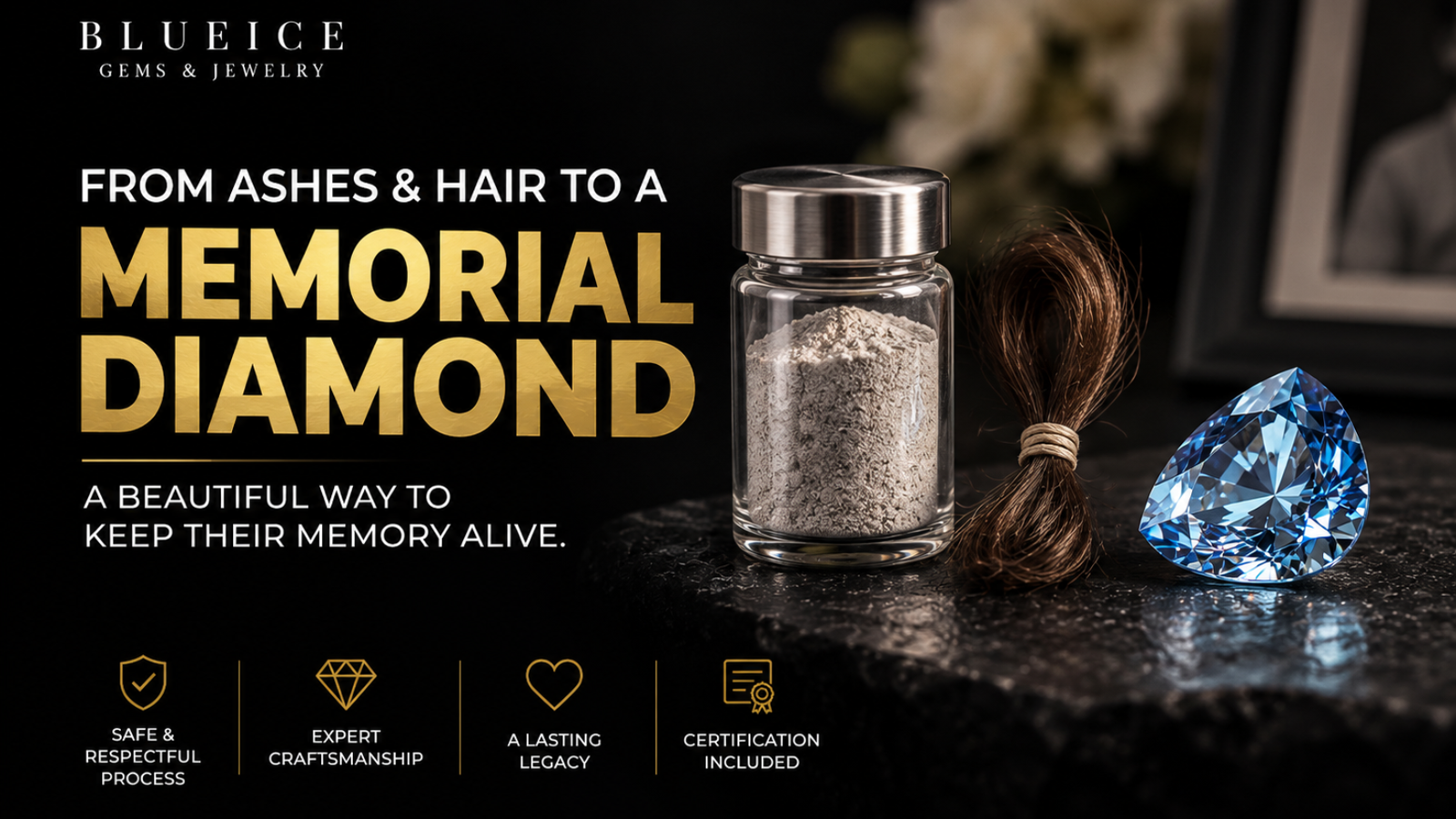
If the answer is no, there are still ways to remember him. If a lock of his hair was saved, you can ask a provider whether it can be used for a separate memorial diamond. Hair among his personal belongings may raise estate or ownership questions, so consult the person handling his affairs before using it.
How Much Ash Does a Lab Actually Need?
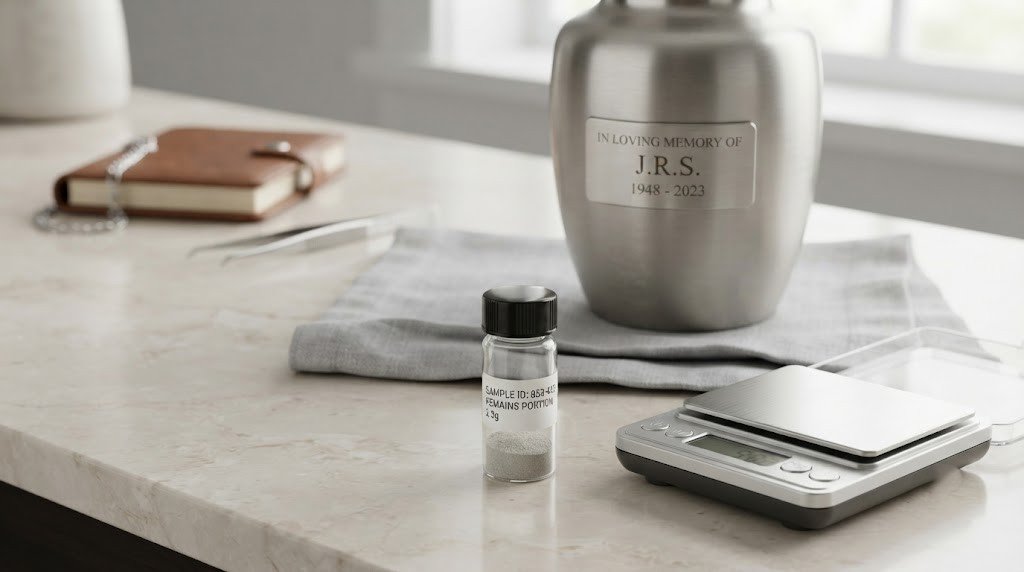
Requirements vary by provider. The source estimates in this guide place the typical amount at a few tablespoons to roughly 4 ounces, or about 100 grams, of cremated remains. This is a general range, not a guaranteed requirement for every laboratory or diamond size.
The reason providers give a range rather than one universal quantity is that cremated remains contain many minerals, and only a portion is carbon. A laboratory sets its requirements based on its extraction process and the amount of carbon it expects to recover.
Sending more ash does not automatically produce a larger or faster diamond. The selected carat size and growth process determine the final stone. Ask the provider whether any extra material is needed as a reserve in case the first growth attempt fails.
Before sending anything, ask what happens to the unused ashes. Will they be returned to the authorized person? Will a reserve be kept? How long will any remaining material be stored? Get the answers in writing.
How Much of the Finished Stone Is His Carbon?
The carbon contribution is an important question, and it deserves a careful answer. The source material for this article cites estimates of approximately 0.5% to 4% usable carbon by weight in cremated ashes. These figures should be independently verified before publication and should not be treated as universal for every person or laboratory.
The source also cites estimates of roughly 10–15% of finished-stone mass from ash-derived carbon, with some providers reporting figures closer to 3%. These are claims that need confirmation from the specific provider. The actual result depends on the material, the process, and the provider’s measurements.
Laboratories may blend purified source carbon with supplemental laboratory carbon to provide enough material for growth. A provider should not claim that the entire finished diamond is made only from your brother’s carbon unless it can substantiate that statement.
The percentage may be smaller than you imagined, but the origin of the carbon can still be meaningful. Ask the provider to explain what it can document about the source material and the processing steps.
For background, read the overview of synthetic diamond production. You can also read our guide on whether a memorial diamond is really made from your brother’s ashes.
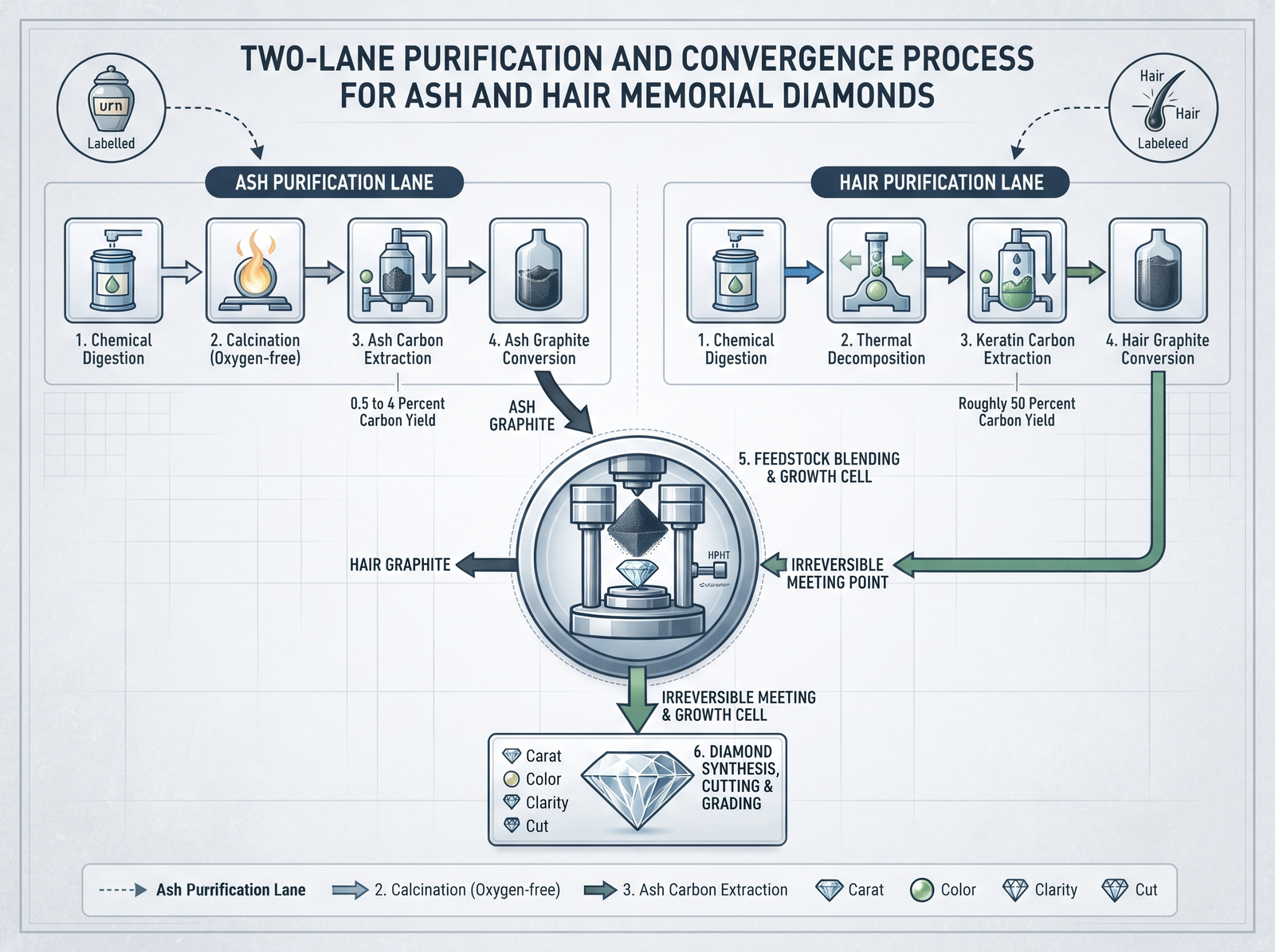
What Happens to His Ashes at Each Stage?
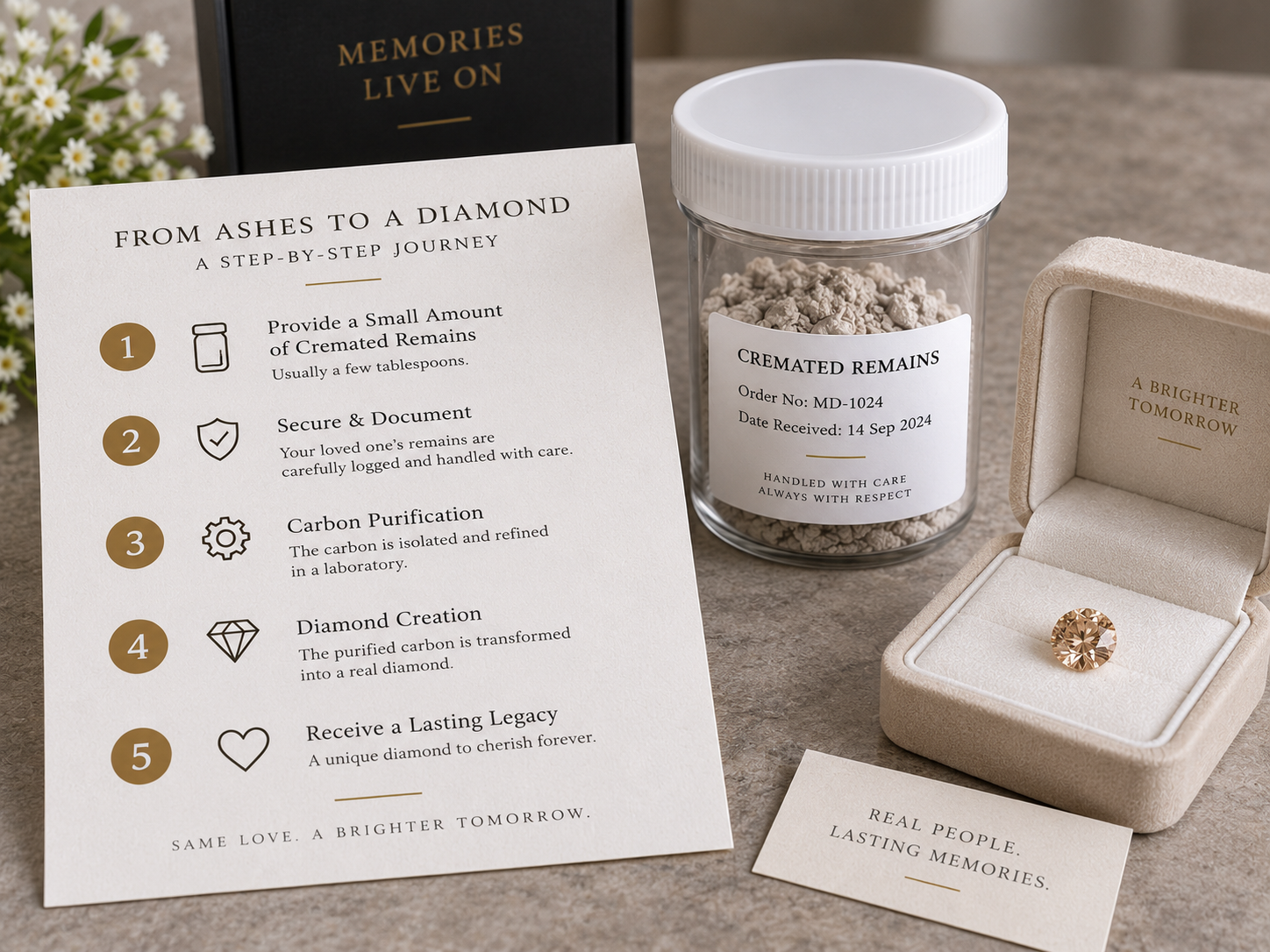
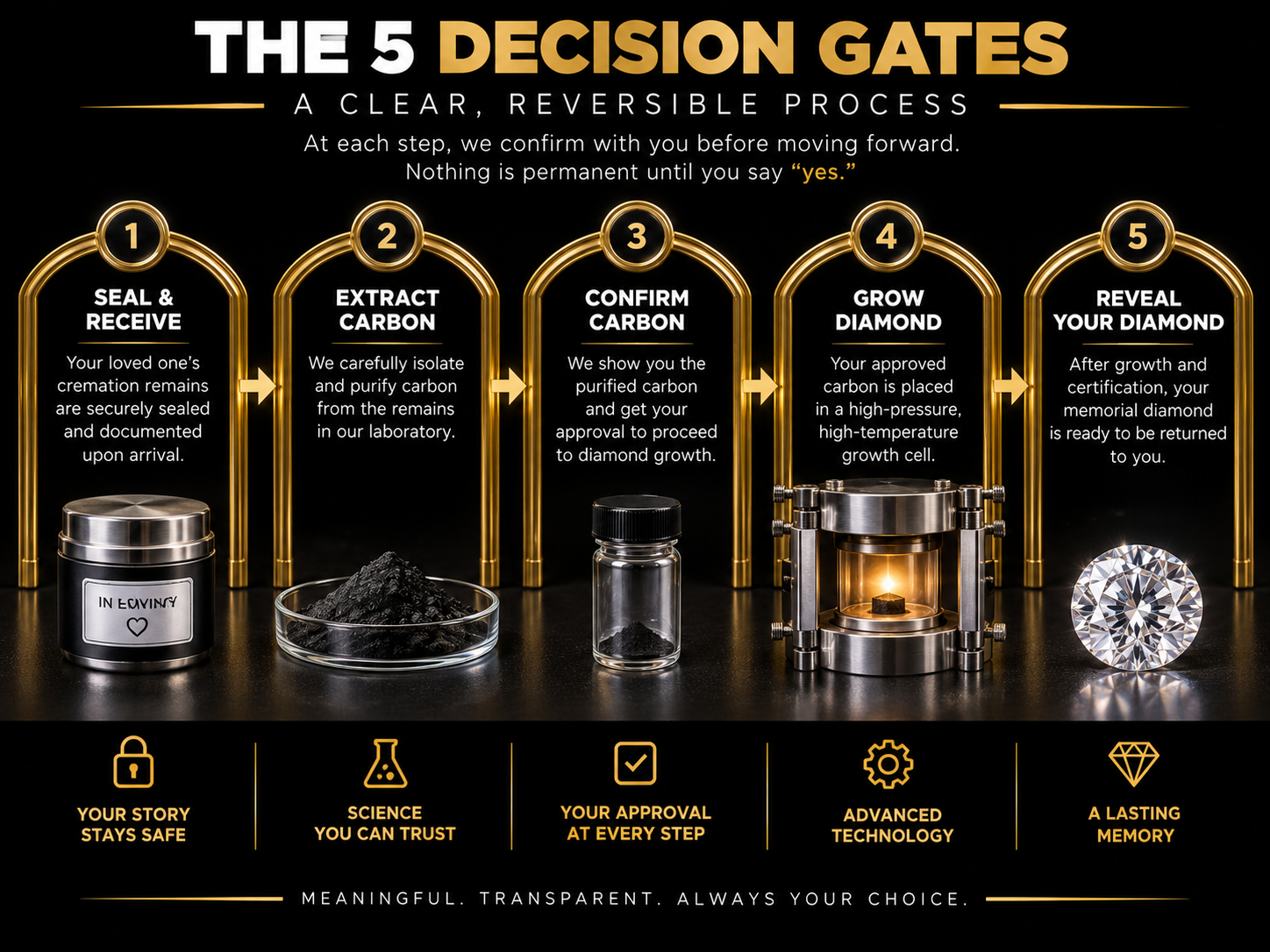
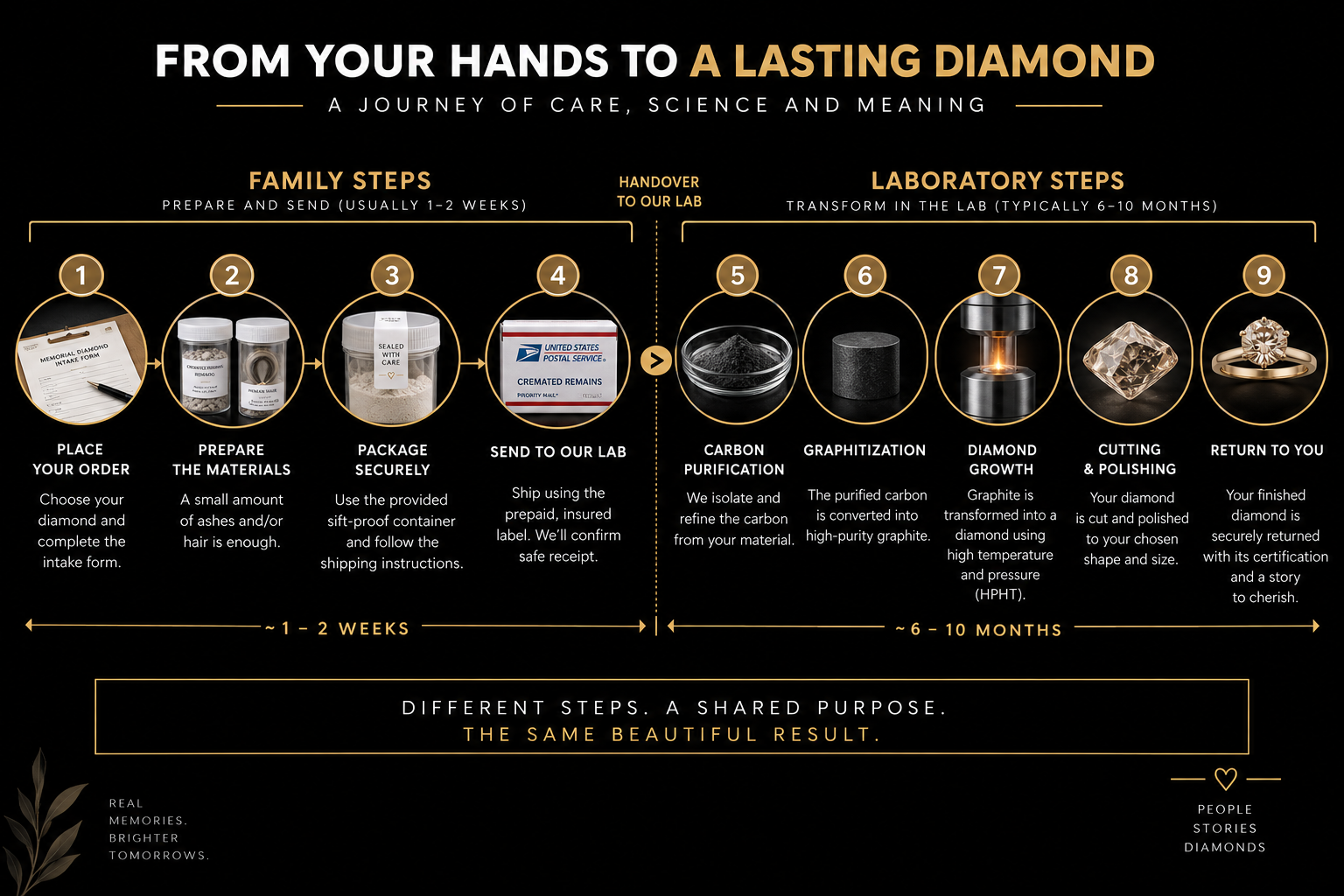
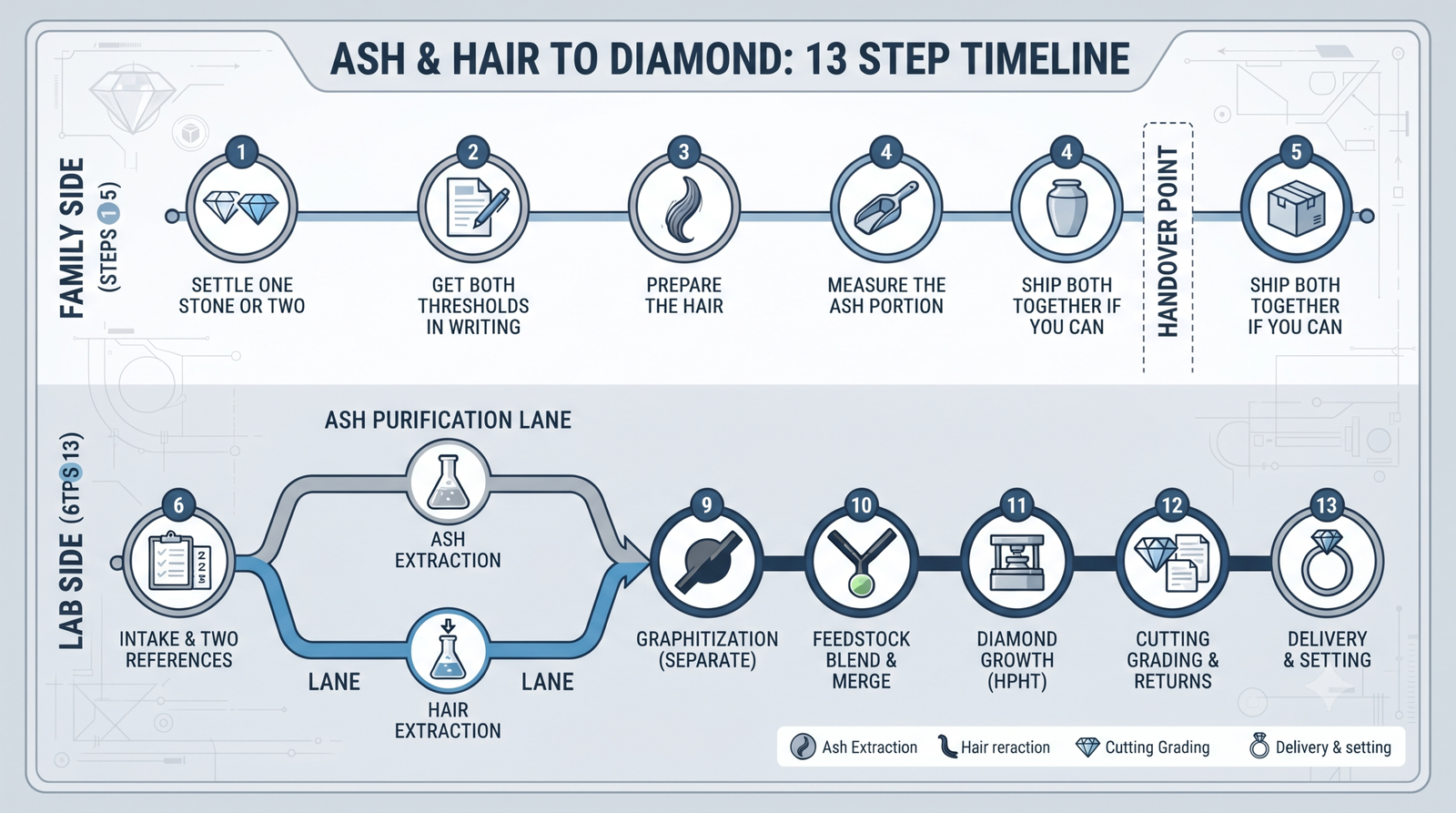
Every laboratory has its own workflow, but a brother ashes diamond generally involves several stages. Ask the provider to explain its actual process rather than assuming every company follows exactly the same steps.
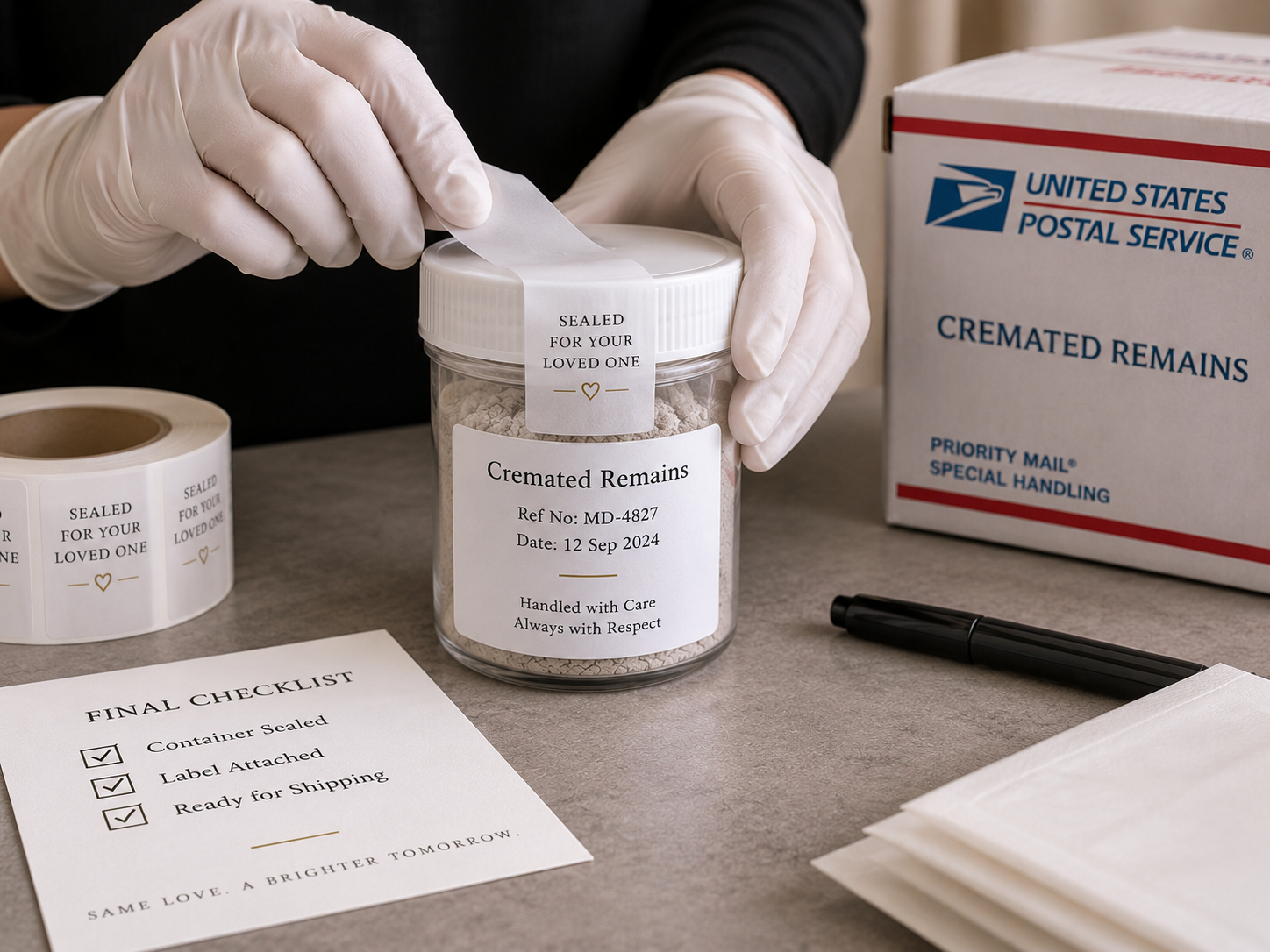
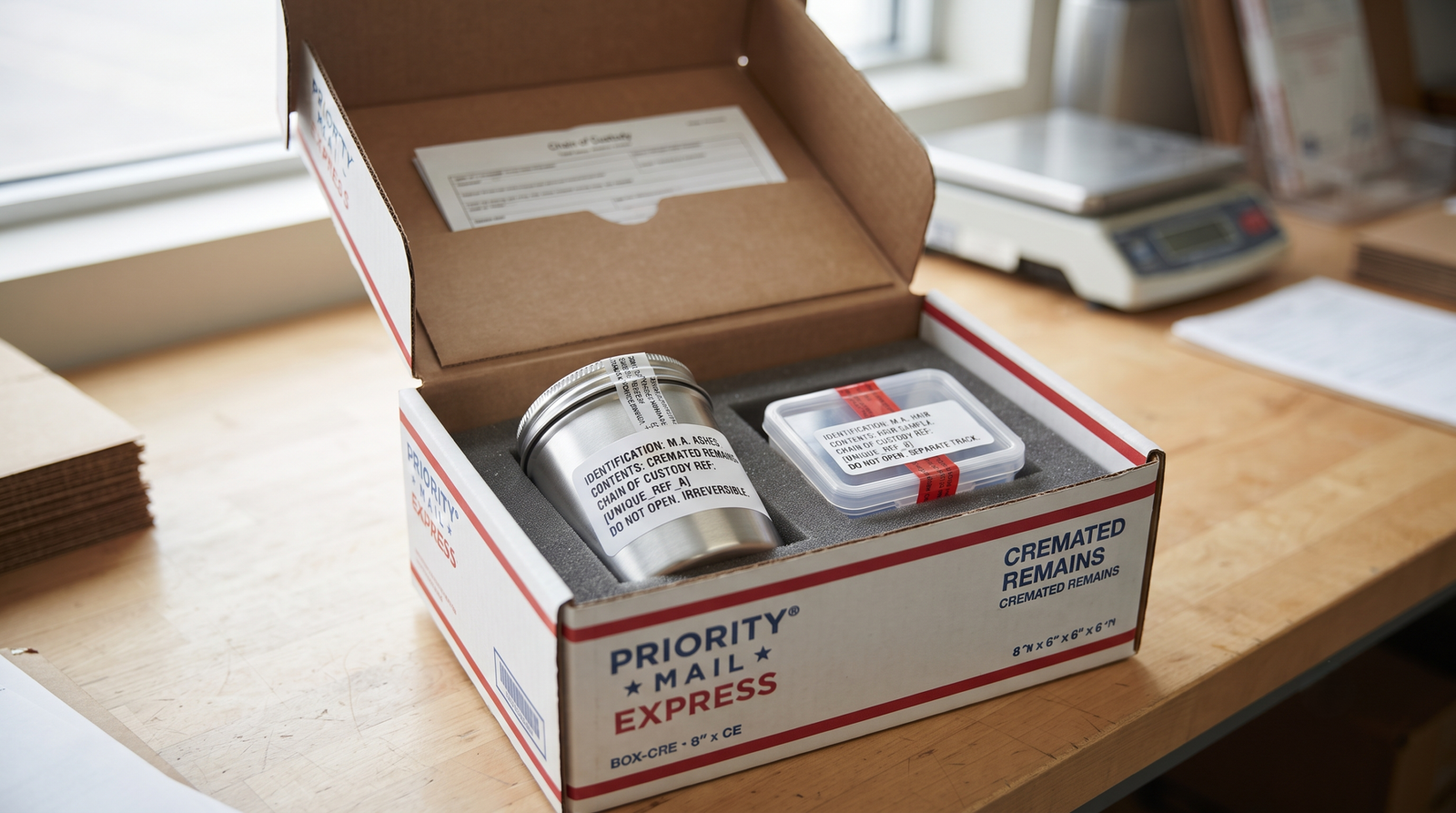
- Intake and identification. The provider receives the sample and records it using its identification and tracking procedures.
- Carbon extraction and purification. The laboratory processes the material to recover carbon and remove unwanted substances.
- Preparation for growth. The purified carbon is prepared in a form suitable for the laboratory’s diamond-growth method.
- Diamond growth. The carbon is used in an HPHT process or another method, such as CVD, depending on the provider.
- Cutting and polishing. The rough crystal is cut and polished into the chosen shape.
- Optional color treatment. Some providers offer treatments intended to alter or enhance color. Ask whether any treatment will be used and documented.
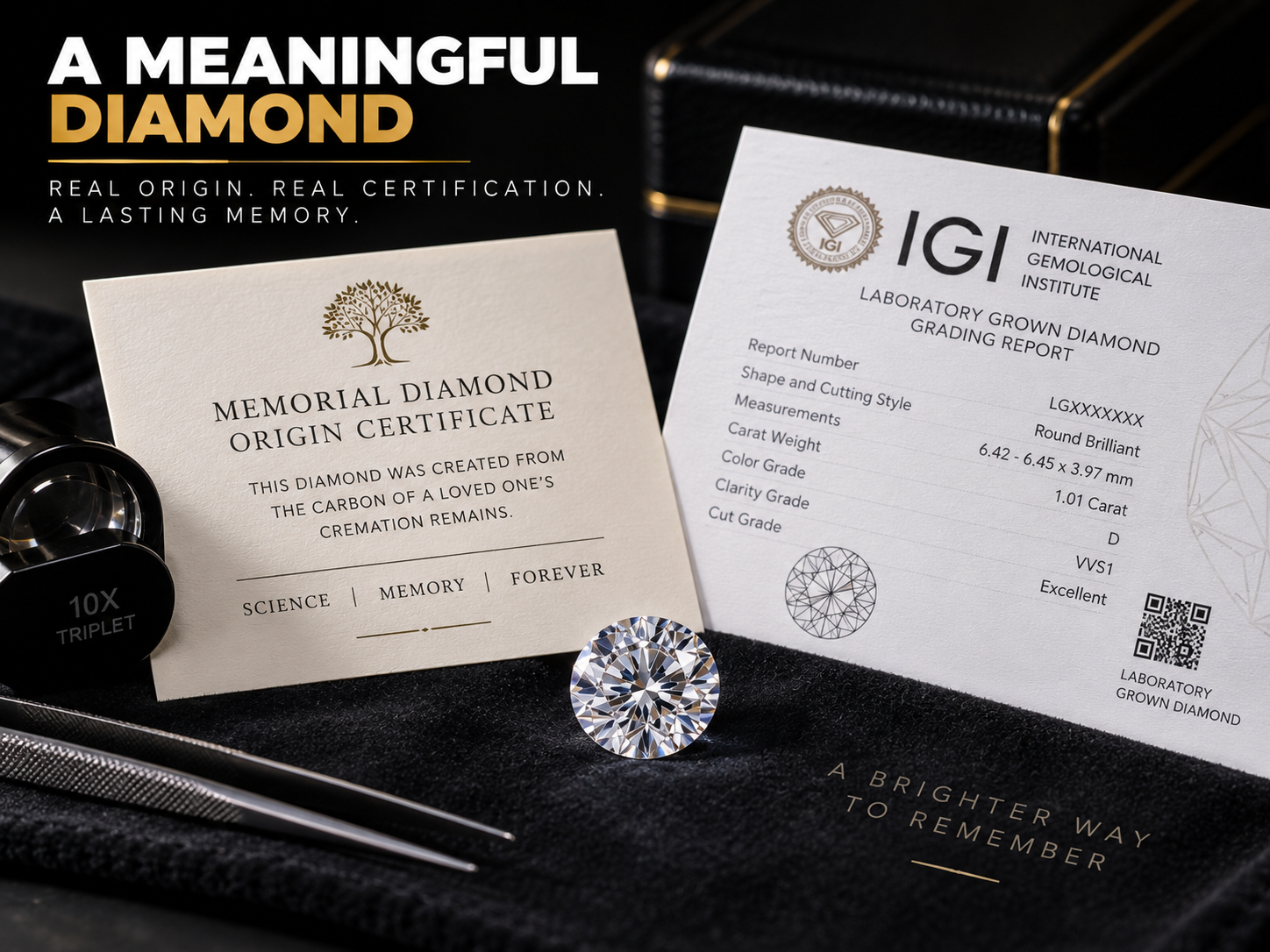
- Documentation. The provider may supply an origin certificate. Independent grading is a separate service and may cost extra.
Ask what happens if a growth cycle fails or the stone fractures during cutting. Also ask whether any source material is held back for another attempt. Do not assume unused material will automatically be returned.
For more detail, read how a memorial diamond is made from your brother’s ashes and our practical guide to turning his ashes into a diamond.
What Color Might a Brother Ashes Diamond Be?
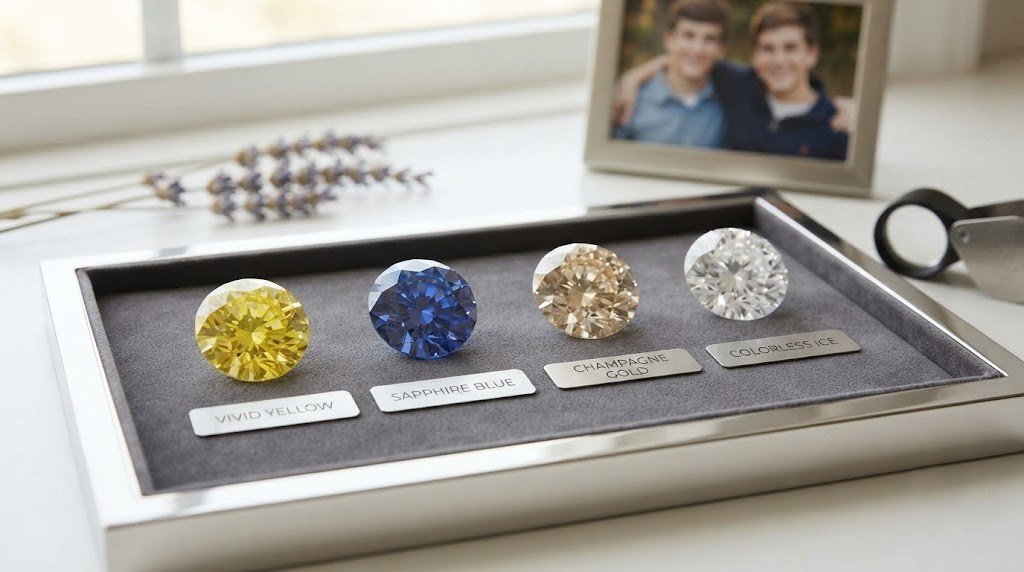
Diamond color depends on the growth process and factors such as trace elements. Nitrogen can contribute to yellow coloration, while boron can contribute to blue. Achieving a colorless result may require additional processing, depending on the laboratory’s method.
Some providers offer yellow, blue, or champagne-colored stones, and certain laboratories offer other colors through additional treatments. Availability and cost vary, so ask which options are genuinely available from your chosen provider.
No one can reliably predict the finished color simply by looking at the ashes. The color also says nothing about your brother’s personality or the meaning of your relationship. Choose the appearance that feels right to you rather than feeling that a particular color must represent him.
Read our guide to brother ashes diamond color for more information about color choices and the limits of prediction.
What Does It Cost, and How Long Does It Take?
The cost of a brother ashes diamond can depend on the selected size, color, cutting, setting, and provider. The figures below are estimates cited in the source material, not confirmed prices from Memorial Diamond. Verify current prices before publishing or making a purchasing decision.
| Diamond size | Indicative price range | What to consider |
|---|---|---|
| 0.10–0.25 carat | $1,500–$3,500 | A smaller option that may suit a pendant or ring. |
| 0.5–1 carat | $5,000–$15,000 | Color and processing options can affect the price. |
| 2–5+ carats | $20,000–$75,000+ | Larger stones may require more growth time and cost more. |
Independent grading, engraving, unusual cuts, and jewelry settings may be charged separately. Request an itemized quote so you know what is included.
The source estimates a production timeline of around 6–10 months, with some larger stones or specialty colors taking longer. These are general estimates, not a guarantee. Ask when the timeline begins, what might delay production, and how the provider will communicate updates.
If you choose independent grading, the GIA guide to diamond quality factors explains the characteristics used to evaluate diamonds, including cut, color, clarity, and carat weight.
If you plan to insure the finished jewelry, contact your insurer directly to confirm what documentation is required and what the policy would cover.
What If Several Siblings Each Want a Stone?
Depending on the quantity available and the provider’s requirements, one supply of ashes may be sufficient for more than one diamond. However, the provider must confirm how much material each order requires and whether it can divide a submission between several stones.
Families may choose individual diamonds, share one stone, or decide that only one person wants a memorial diamond. Each choice can be valid. What matters is that everyone understands the plan and feels heard.
To make the process easier:
- Discuss the request with the person authorized to release the ashes.
- Choose one person to coordinate with the provider.
- Ask how much material each diamond requires.
- Agree how costs will be shared before placing orders.
- Clarify who will own and care for each finished stone.
- Ask whether each diamond will receive its own origin documentation.
If a stone will be shared or held by one relative on behalf of several people, put the agreement in writing. It can help prevent confusion later.
If a sibling does not want a diamond, respect that decision. People remember and honor loved ones in different ways.
What If the Ashes Are Not Yours to Send?
If the person with authority over the ashes does not agree to release a portion, or if the ashes have already been scattered or interred, you can still consider other ways to remember your brother.
- His hair. If a lock was saved, ask whether a brother hair diamond is possible without cremated remains. Check with the person handling his affairs before using hair kept among his belongings.
- Both materials. If a small portion of ashes later becomes available and a lock of hair exists, ask whether a diamond made from both ashes and hair is an option.
- Give the conversation time. A relative may reconsider later, but they may also maintain their decision. Respect their wishes.
- Choose another memorial. An engraved keepsake, a tree planted in his name, a donation to a cause he cared about, or visits to the place where his ashes rest can also be meaningful.
None of these options is lesser than another. A brother ashes diamond is one possible memorial, not a requirement for honoring someone you love.
10 Questions to Ask Before Sending His Ashes
Before any material leaves the family, ask the provider these ten questions. Request the answers by email so they are easy to save and share.
- What is your minimum and maximum ash requirement? Ask what happens to material that is not used.
- How do you identify and track each sample? Ask how the provider keeps family submissions separate.
- What proportion of the finished diamond comes from the submitted carbon? Ask how the provider calculates and documents its estimate.
- Do you add supplemental laboratory carbon? If so, ask how it is used in the growth process.
- Which diamond-growth method do you use? Ask whether the process uses HPHT, CVD, or another method.
- What happens if growth fails or the stone is damaged? Ask about repeat attempts, extra costs, and any available reserve material.
- Will the diamond receive any color treatment? Ask what treatment may be used and how it will be disclosed.
- Is independent grading included? Confirm whether a grading report is included, optional, or unavailable.
- How long will the process take? Ask for an estimate based on your chosen size and color.
- Whose permission is required? Ask what signature or documentation the provider needs before accepting the ashes.
The last question is especially important for siblings. A provider that checks who has authority is helping protect the family and the chain of custody.
Frequently Asked Questions
Can I order a brother ashes diamond if I am not his next of kin?
It may be possible if the person legally authorized to make decisions about his remains agrees to release a portion. The rules vary by location, so confirm the applicable requirements with the funeral home or a local attorney.
Will the rest of his ashes be affected?
Only the quantity required by the provider needs to be submitted. The remaining ashes may stay with the family, subject to the wishes and authority of the person responsible for them. Confirm the exact amount needed before anything is divided.
Can a brother ashes diamond be made years after cremation?
It may be possible. Ask the provider whether the container or storage conditions affect its intake requirements. There is no need to assume that the decision must be made immediately.
Does the laboratory return unused ashes?
Practices vary. Ask whether unused material is returned, whether a reserve is kept in case a growth attempt fails, how long any reserve is stored, and who receives the material that is returned.
Can I wear a memorial diamond every day?
A diamond resists scratching well, but it can still chip after an impact. Ask a jeweler about a protective setting, and speak with your insurer about documentation and coverage if you want to insure the jewelry.
What if our family cannot agree about using his ashes?
Pause before sending anything. A funeral director, neutral mediator, or local attorney may help clarify the options and who has decision-making authority. In the meantime, you can consider hair, an engraved keepsake, or another form of remembrance.
Final Thoughts on a Brother Ashes Diamond
A brother ashes diamond begins with a conversation as much as it begins with chemistry. Understanding who has authority, asking respectfully for a small portion, and getting the provider’s answers in writing can help protect both your family and the memorial you hope to create.
The process can take months, and the exact carbon contribution, cost, color, and timeline depend on the material and provider. Take time to understand those details before committing.
If the ashes are not yours to send, that does not close every door. His hair, a later family conversation, or another kind of memorial may be a better fit. Each can be a sincere way to keep his memory close.
Learn More About Brother Memorial Diamonds
- Brother Hair Diamond: The Complete Guide — learn about using hair as source material.
- Brother Ashes and Hair Diamond: The Complete Guide — explore combining both materials.
- How to Turn Your Brother’s Ashes Into a Diamond — review the process from paperwork to shipping.
- What Color Will a Diamond Made From Your Brother’s Ashes Be? — understand color options and limitations.
Talk With Memorial Diamond
Whether you already have a portion of your brother’s ashes or are still deciding whether to ask, you can take time to explore the options. Visit Memorial Diamond to ask questions about a brother ashes diamond and understand the process before making a decision.