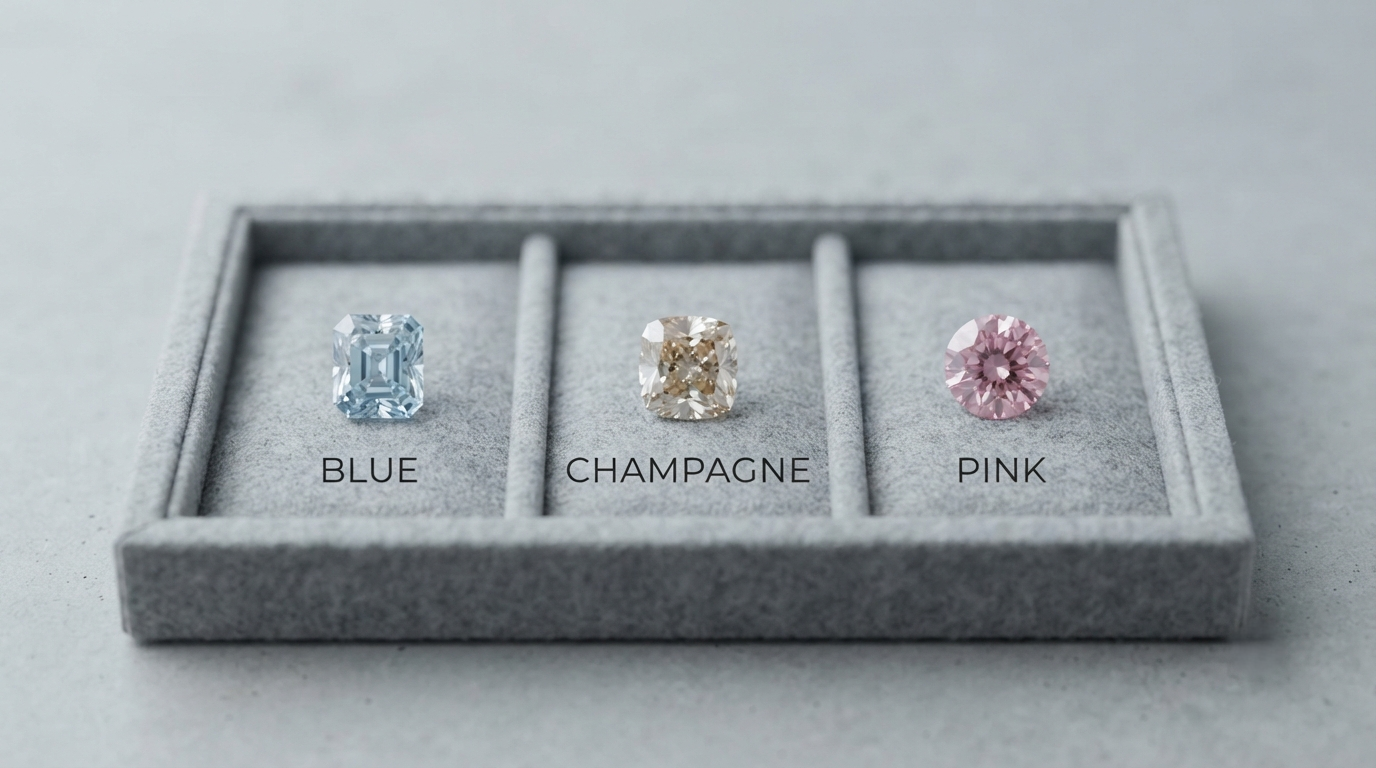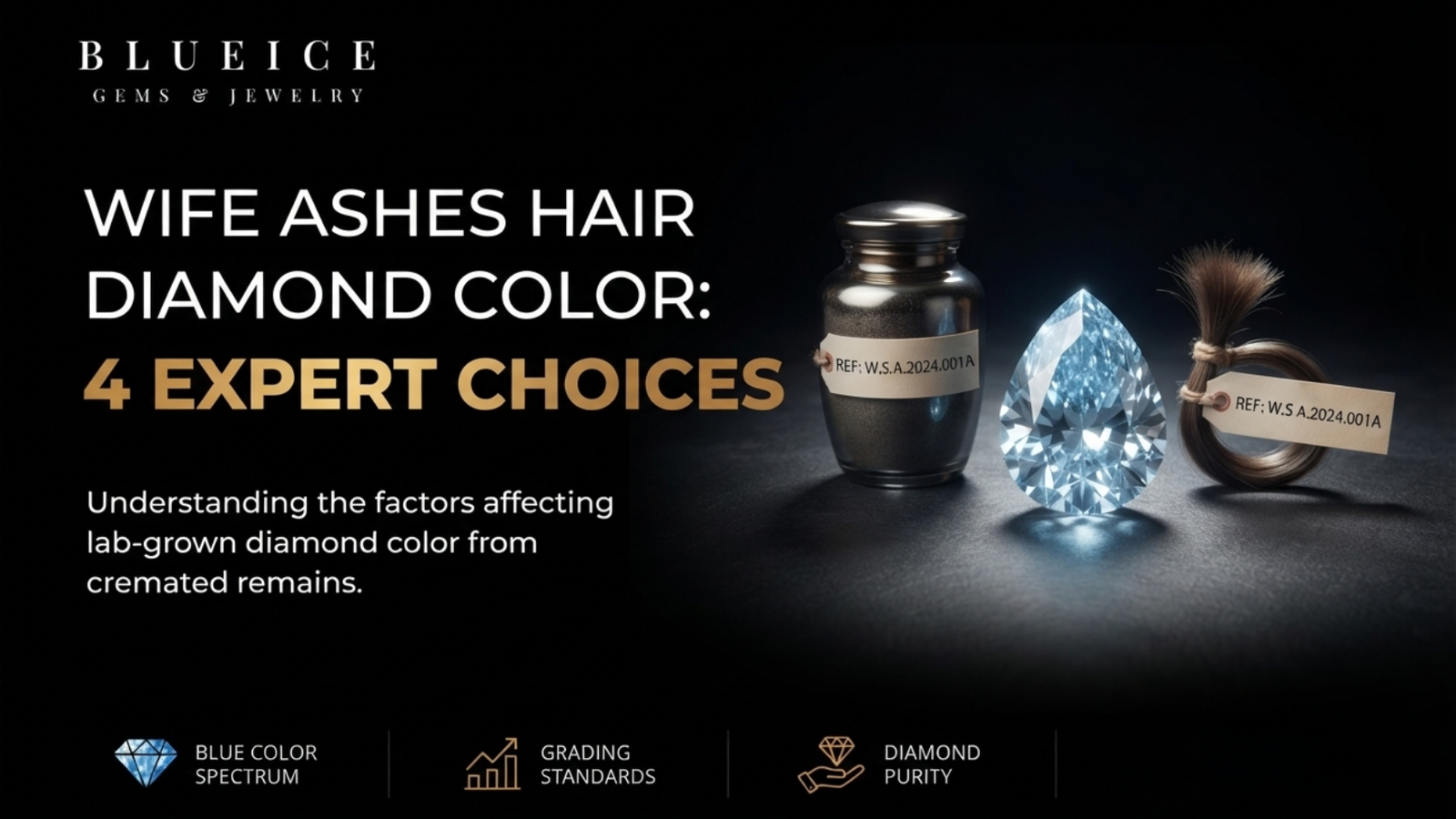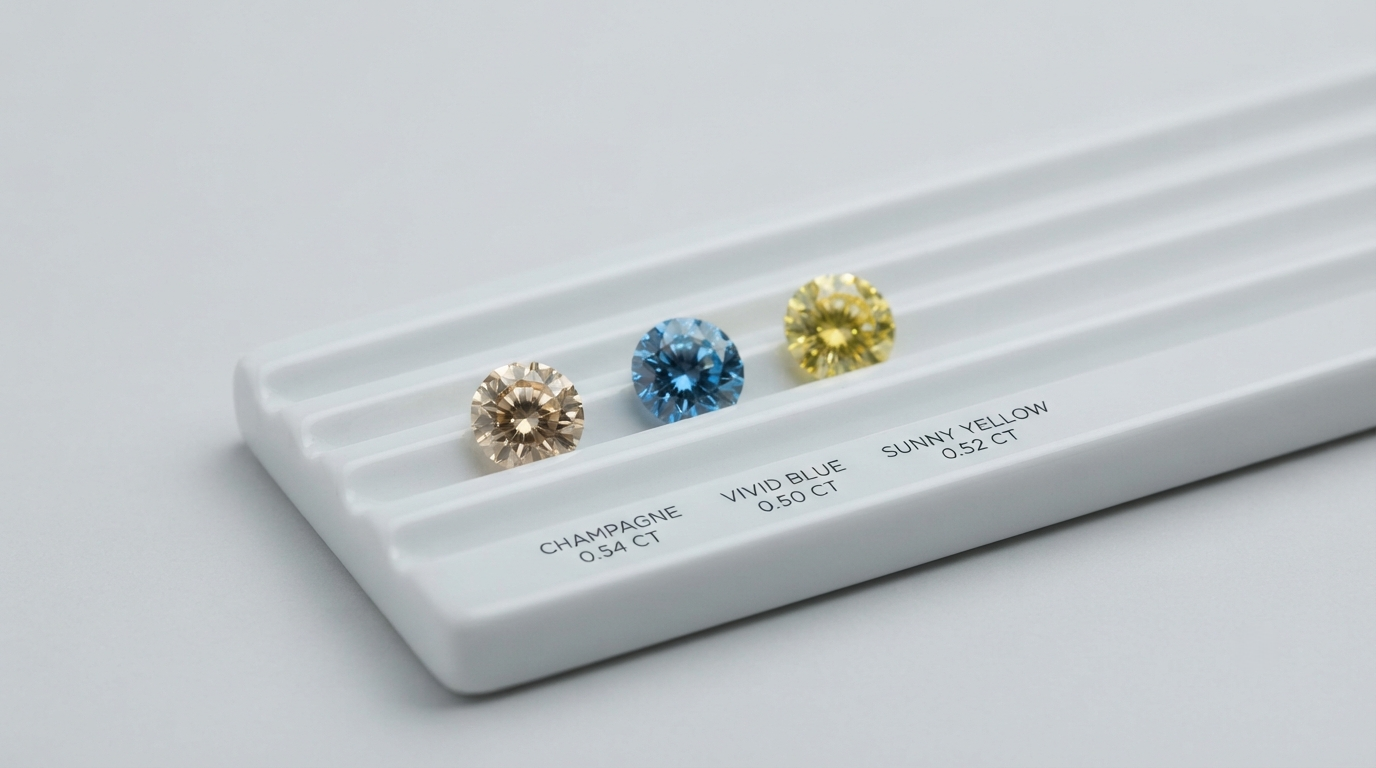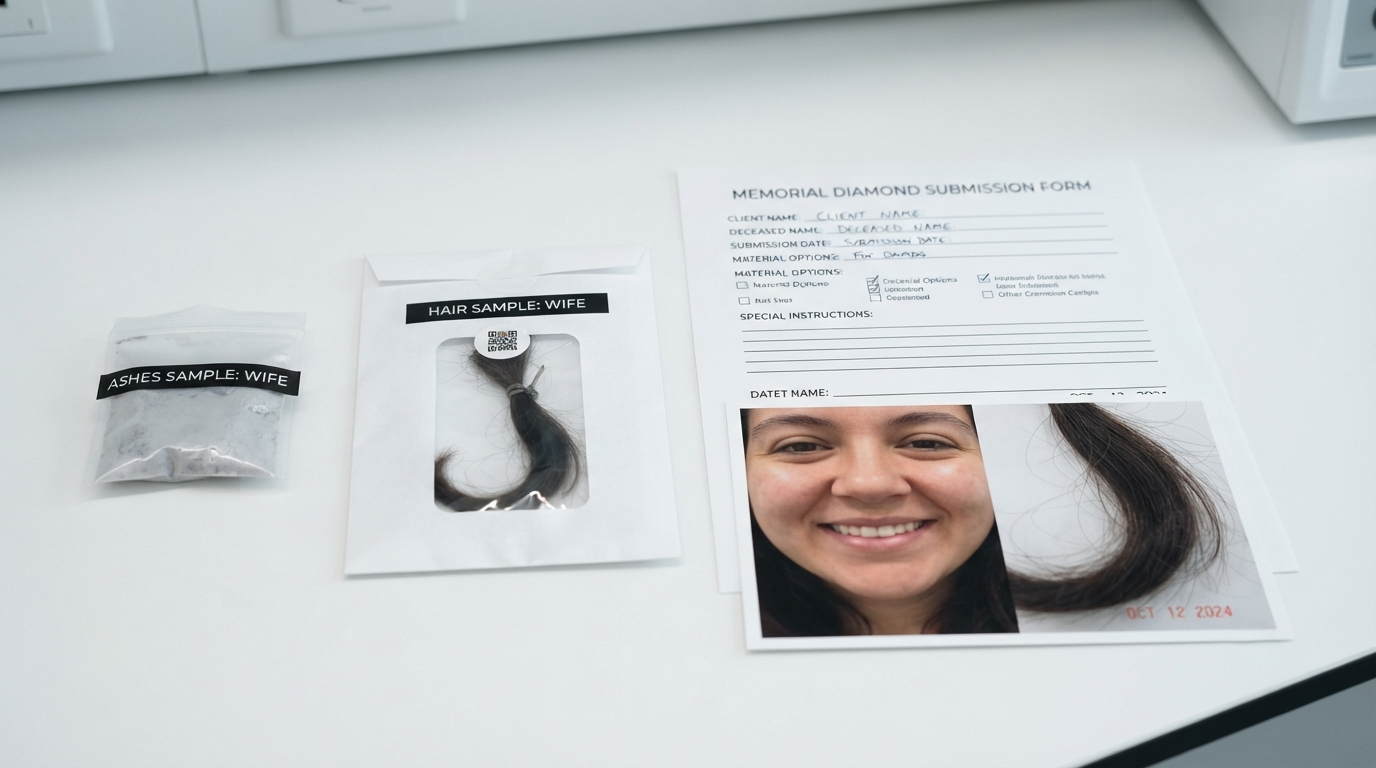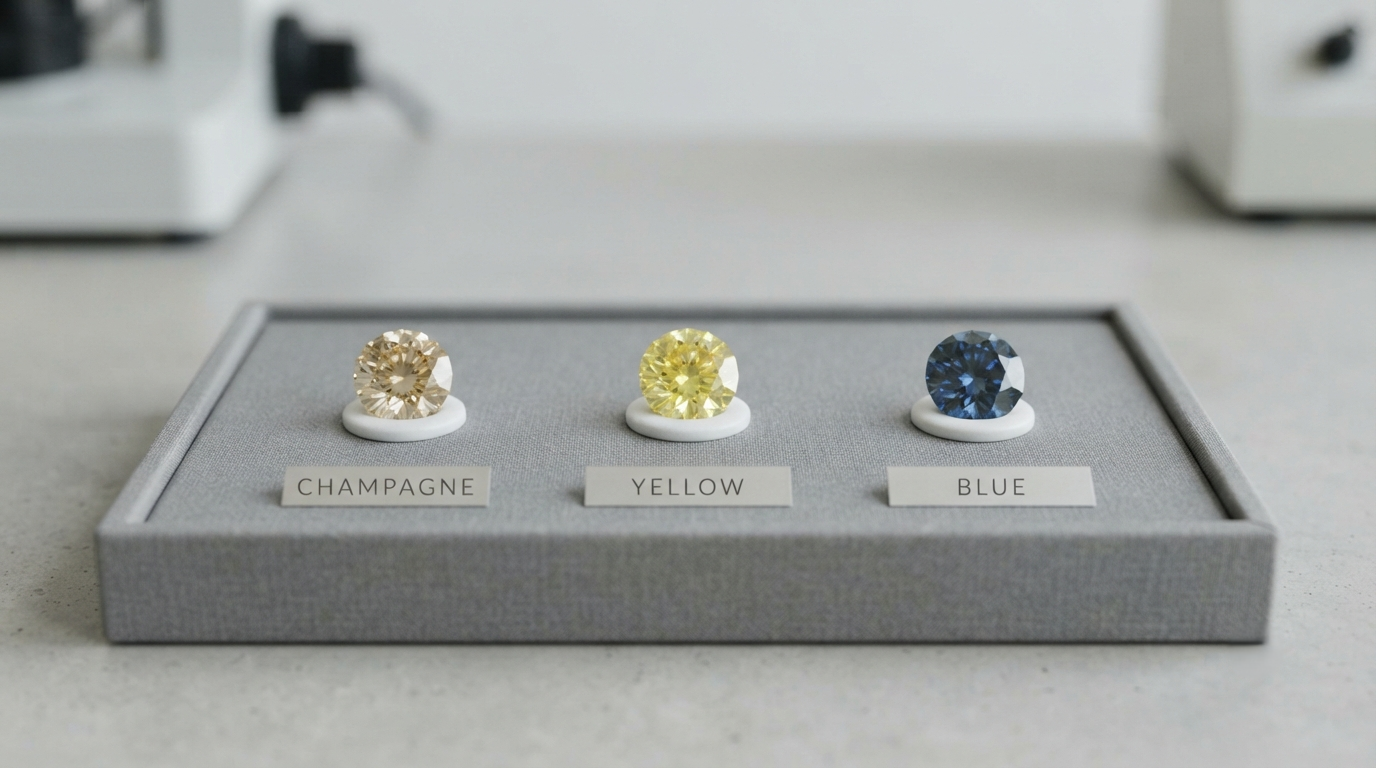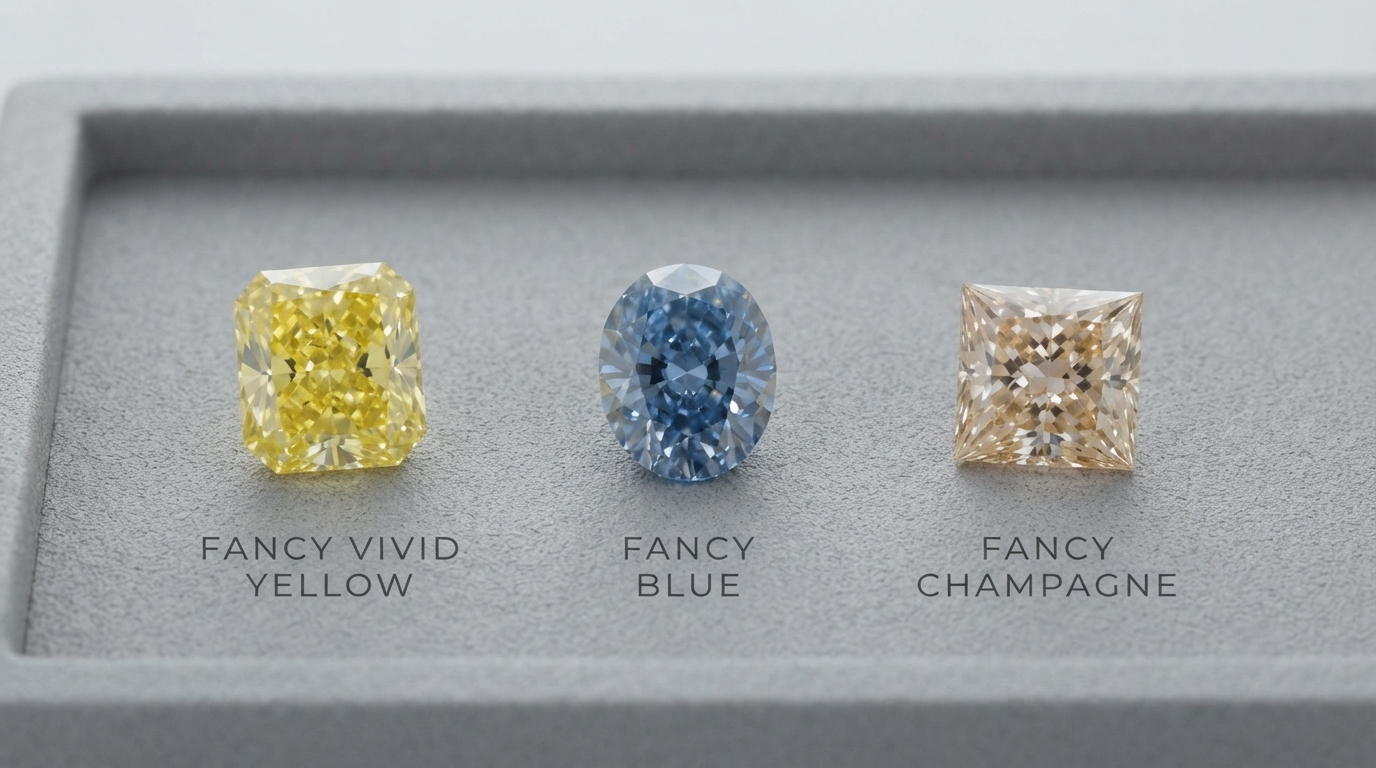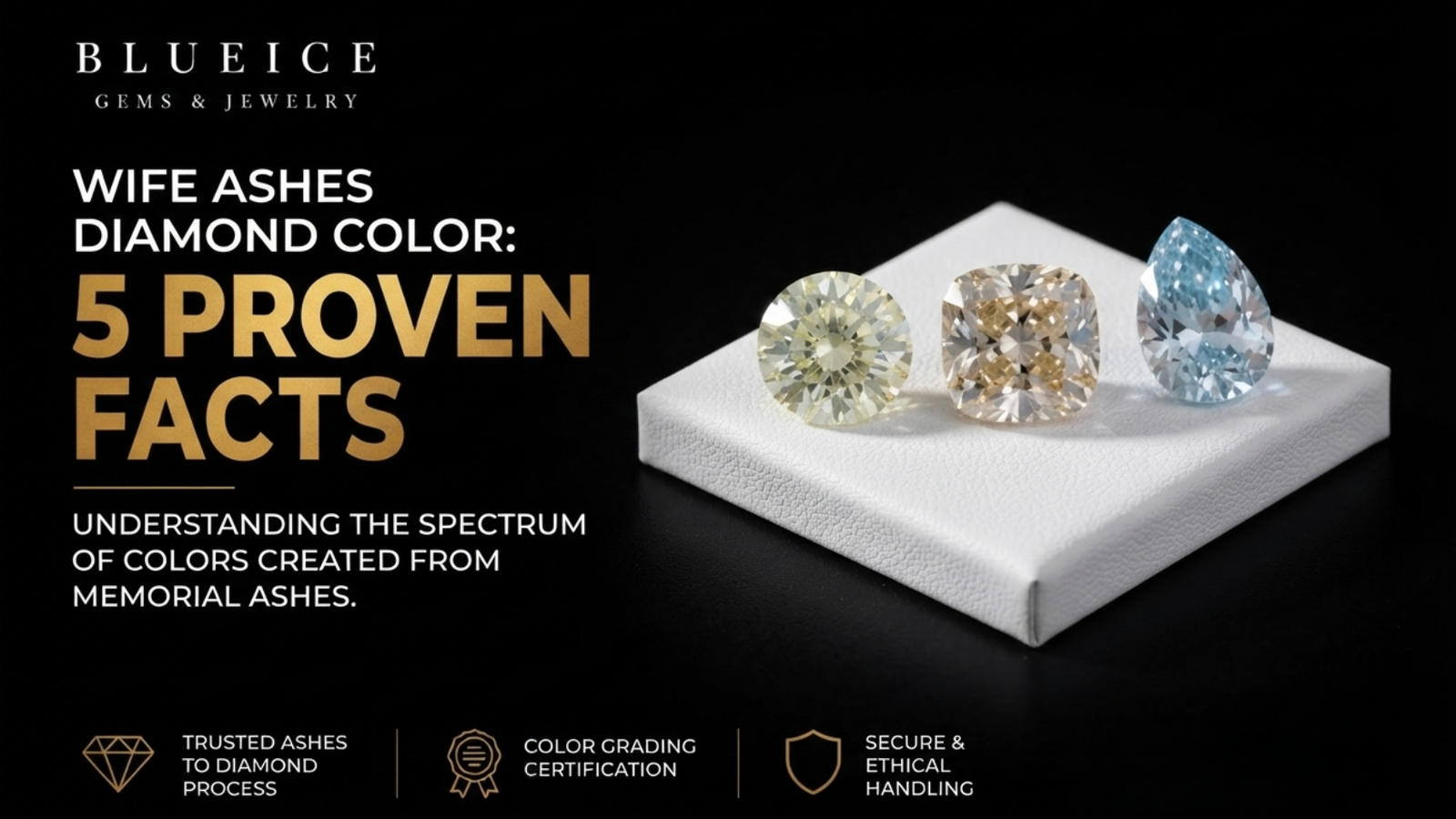
You may have already pictured it on your hand, or on a chain you never take off, and the picture is probably colorless, because that is what the word “diamond” has always meant. The honest wife ashes diamond color answer is that the stone will most likely be yellow, champagne, or blue rather than colorless, because trace nitrogen or boron carried in personal carbon tints the crystal as it grows; colorless is achievable with extra processing and costs more, and red, pink, green, and black come from post growth irradiation.
Table of Contents
Why Is a Wife Ashes Diamond Color Usually Not Colorless?
A diamond is carbon atoms locked in a lattice. Color enters through the atoms that are not carbon, trace elements in the growth cell that get built into the crystal. Three cases cover almost everything:
- Nitrogen in the lattice absorbs blue light, and the stone reads yellow. In heavier concentrations, or in certain lattice arrangements, the yellow deepens toward champagne and brown.
- Boron absorbs red light, and the stone reads blue.
- The absence of both is what a colorless diamond requires, nothing in the lattice but carbon.
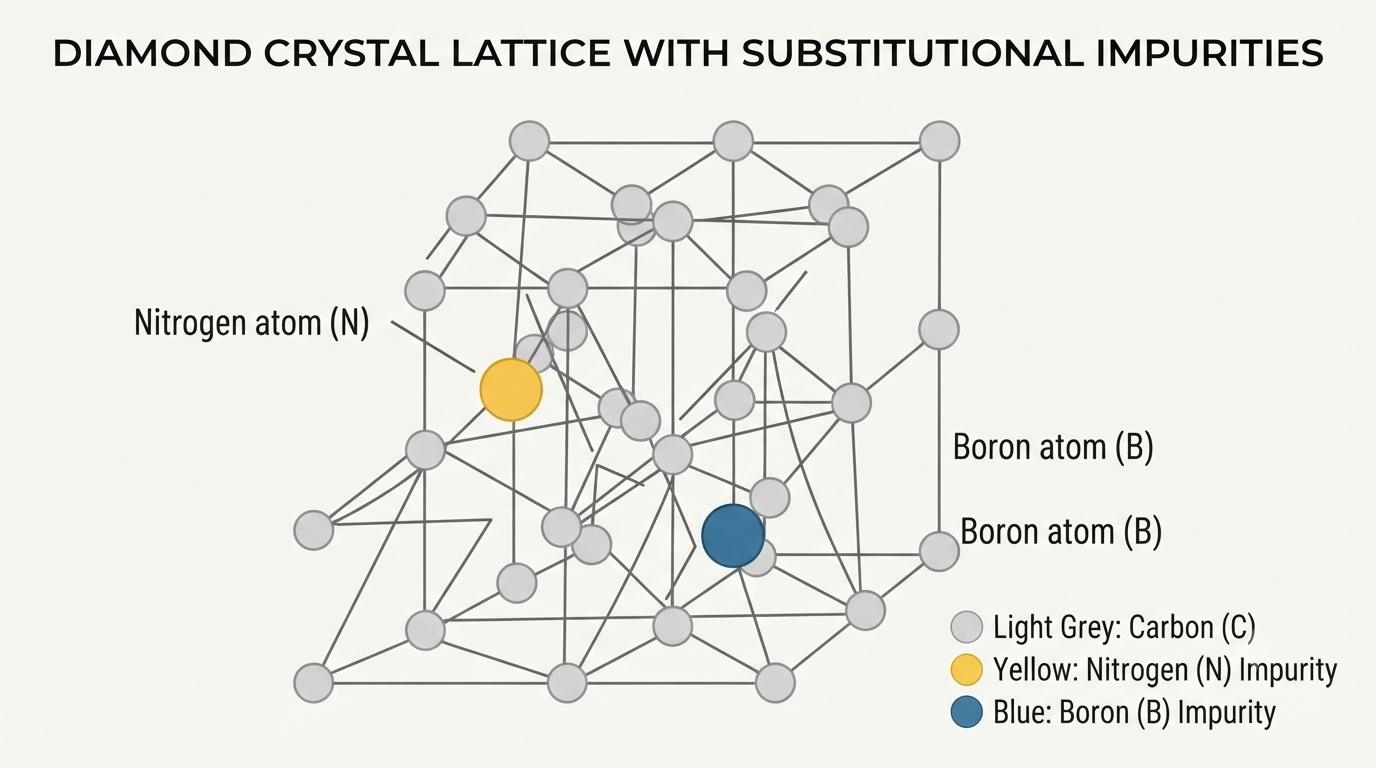
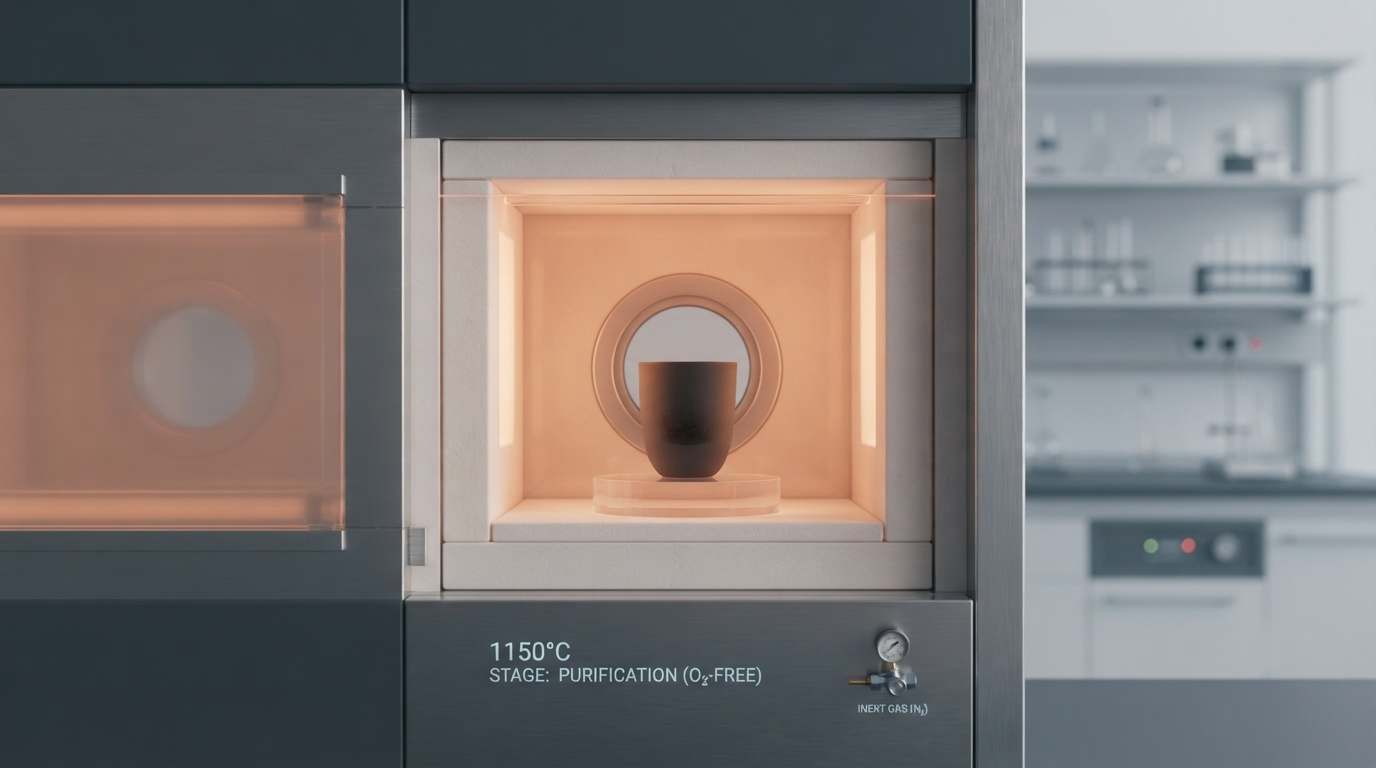
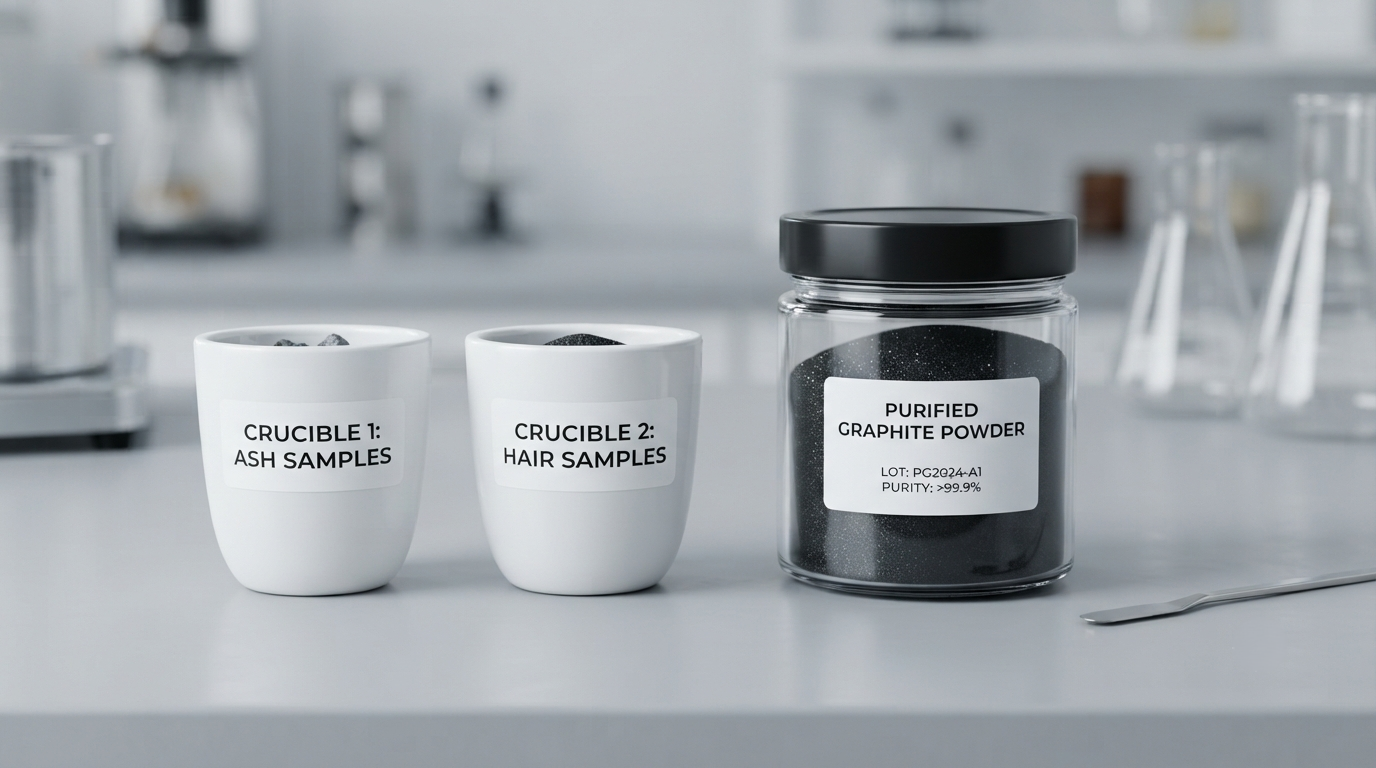
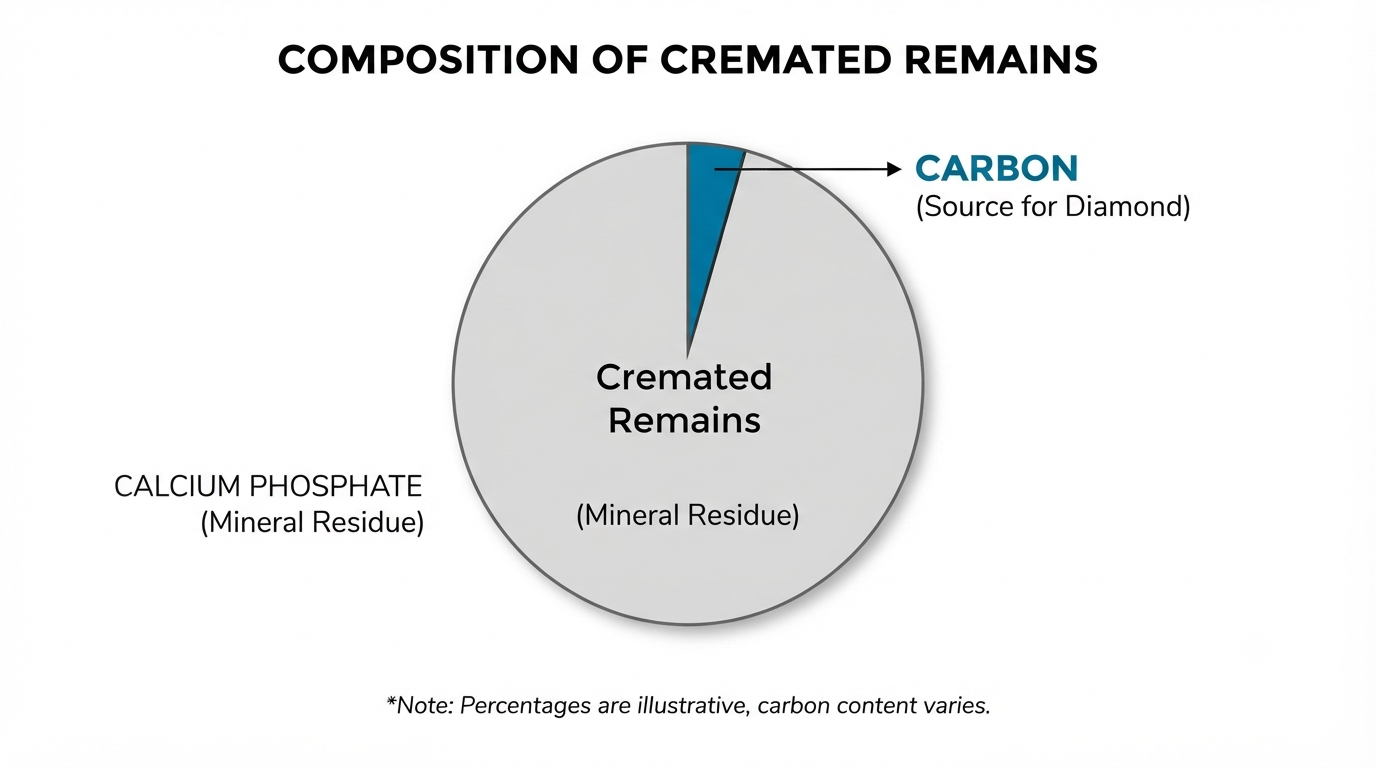
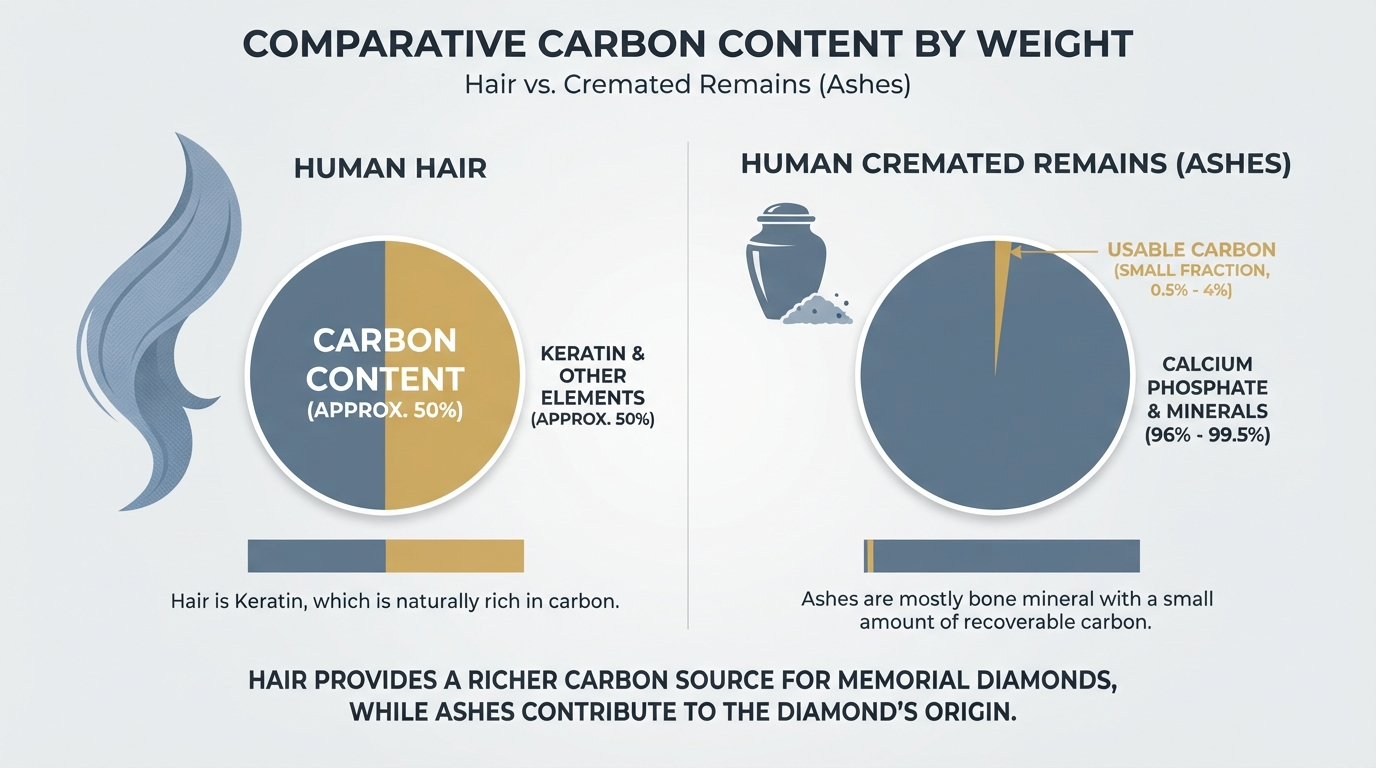
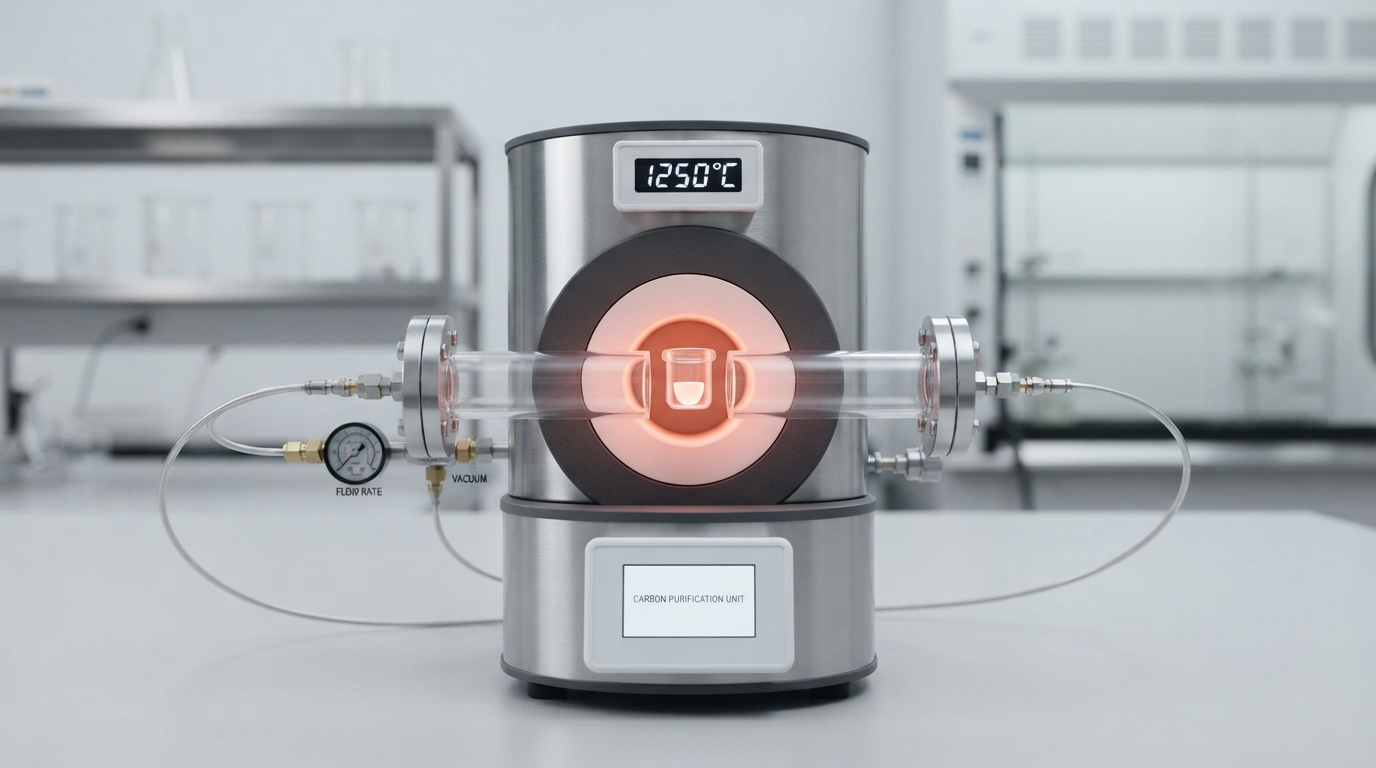
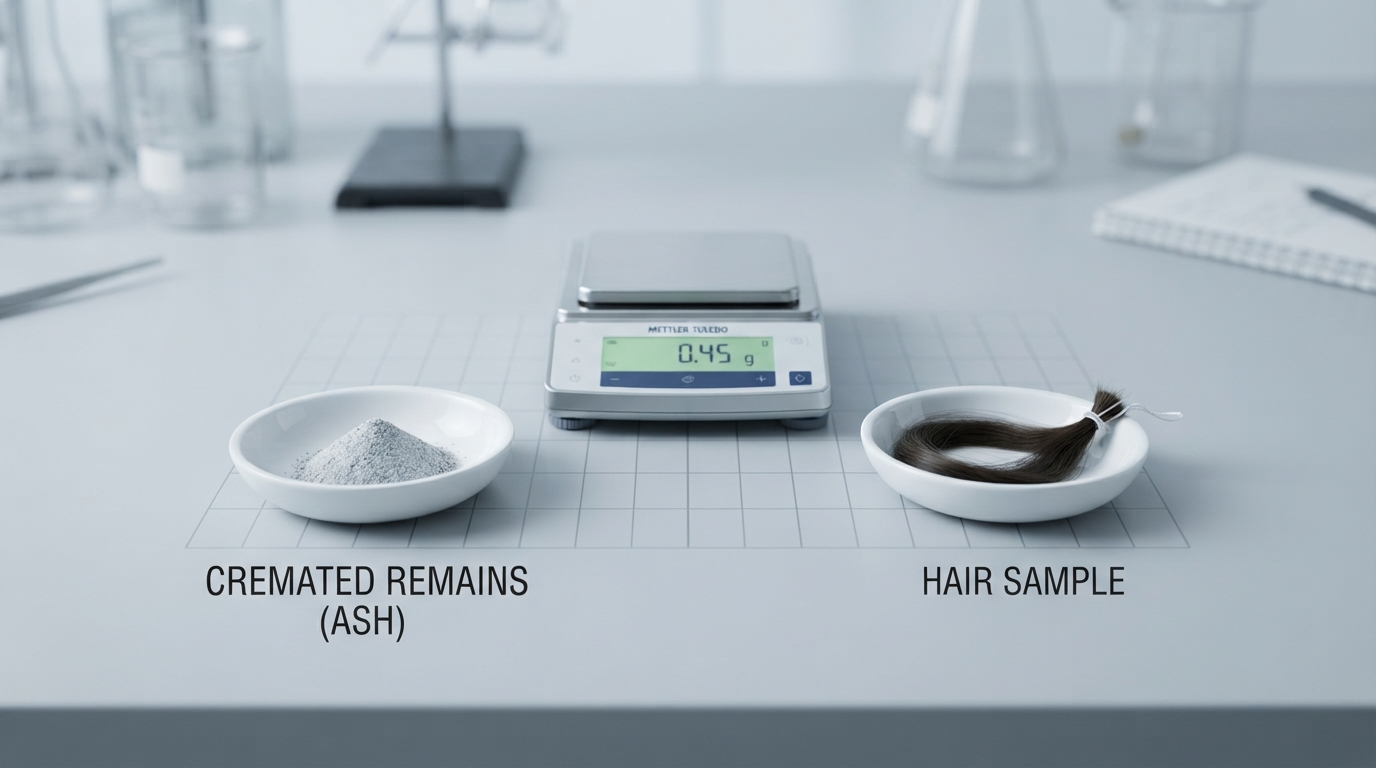
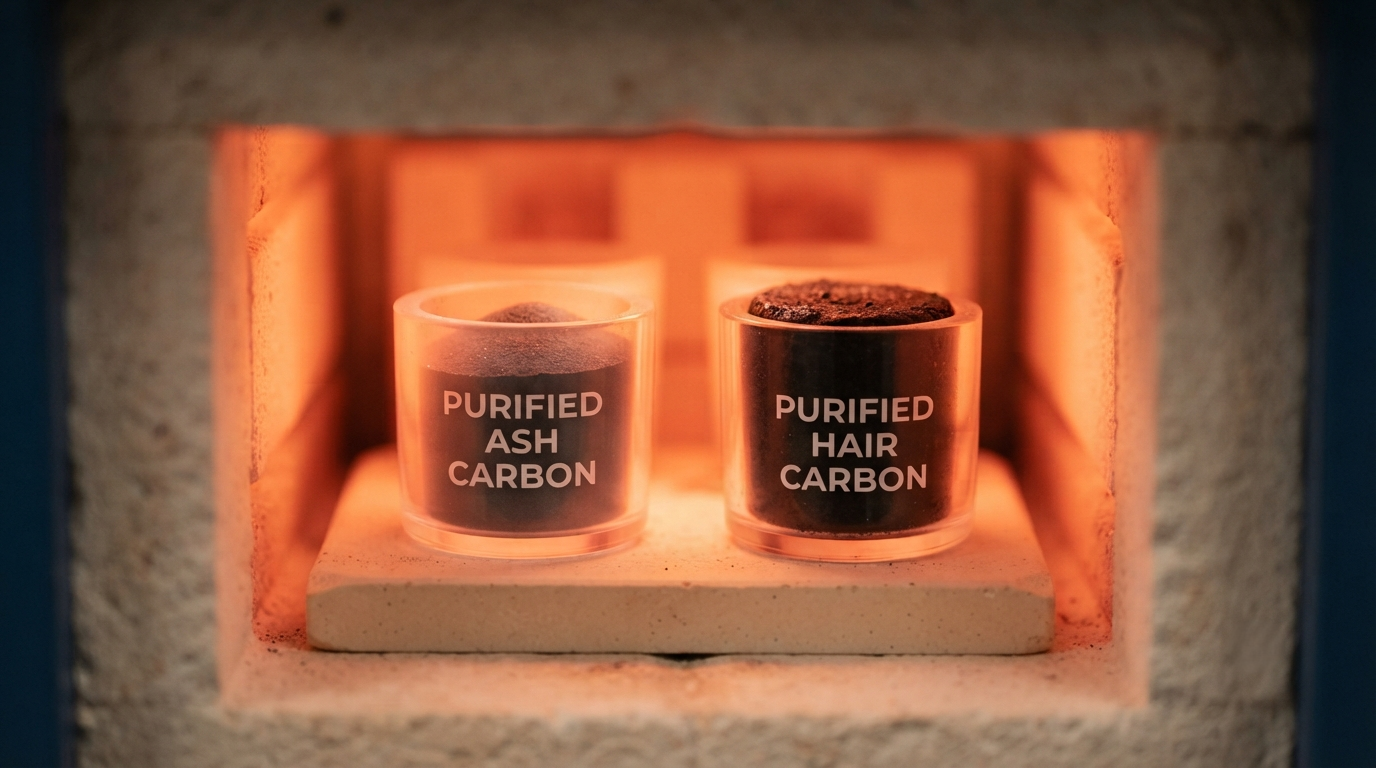
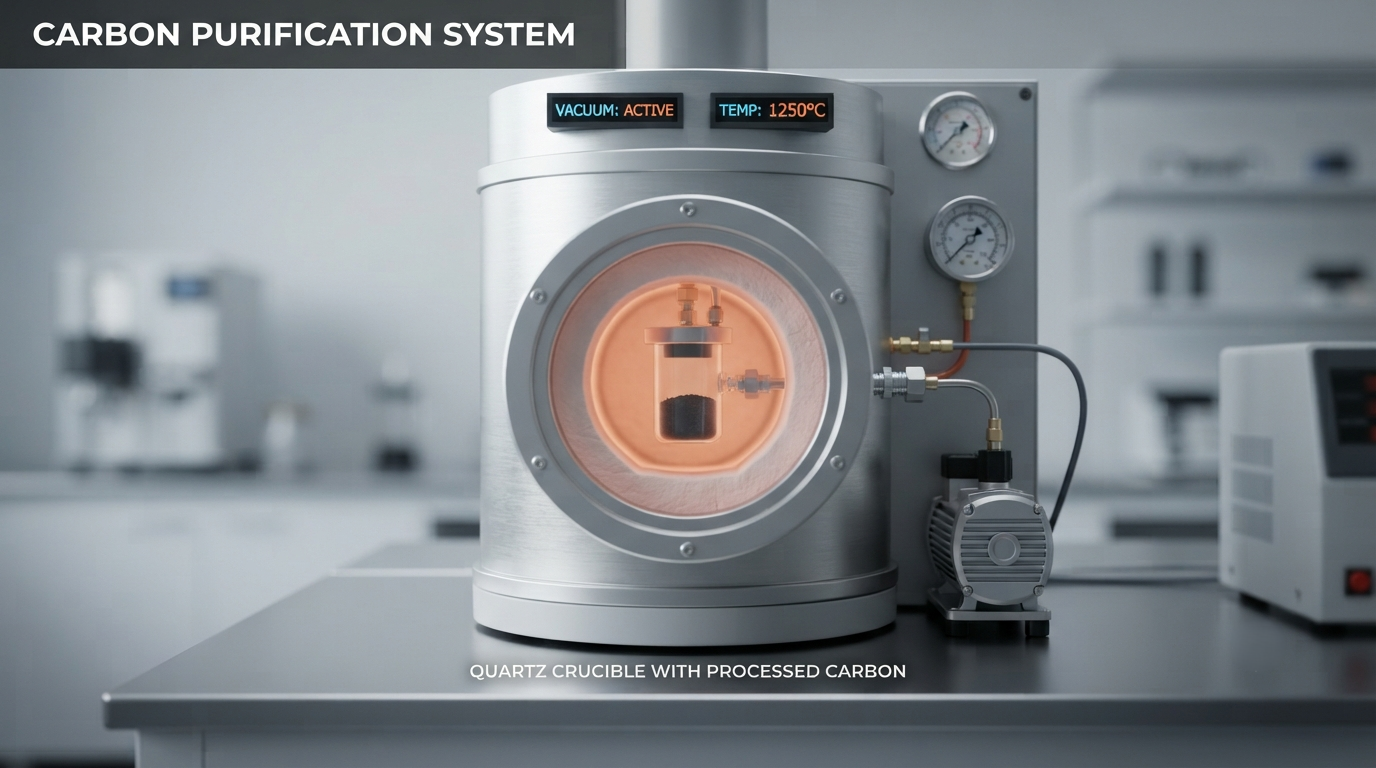
Now consider where the carbon behind a wife ashes diamond color comes from. Cremated remains are almost entirely calcium phosphate, with only about 0.5 to 4% usable carbon. A laboratory extracts that carbon, purifies it to 99.9%+, and converts it to graphite at roughly 2,500 to 2,700°C. Purification is very good, not perfect; the residual fraction of a percent is where nitrogen, present in every protein in a body, tends to survive. Boron is rarer but present.
The personal carbon, typically around 10 to 15% of the finished stone’s mass once blended with supplemental lab carbon, is then grown around a seed in an HPHT press at roughly 6 to 8 GPa and 1,400 to 2,500°C. A minority of providers use CVD; both methods are described on the synthetic diamond page.
That is the whole mechanism behind the wife ashes diamond color question. A commercial lab grown diamond can be grown colorless because its feedstock is nothing but carbon. A memorial diamond starts with organic, personal carbon, and organic carbon carries passengers. The yellow, champagne, blue tendency is the source material being what it is.
The five facts in one place
If you read nothing else about wife ashes diamond color, these five hold up across the industry:
- Color comes from trace nitrogen or boron during growth, not from her, and not from how the ashes look.
- The natural wife ashes diamond color tendency is yellow, champagne, or blue.
- Colorless requires additional processing to exclude trace elements and costs more at every carat.
- Red, pink, green, and black are produced after growth by irradiation, not by anything in the ashes.
- Two stones grown from the same ashes can, and often do, come out different colors.
What Is on the Wife Ashes Diamond Color Menu?
The table below is the wife ashes diamond color range as the industry generally offers it, with the cause, the usual effect on price, and the metals that flatter each tone.
| Color | Cause | Typical cost effect | Metals that flatter |
|---|---|---|---|
| Yellow | Trace nitrogen in the lattice during growth | Baseline, usually the least expensive option at a given carat | Yellow gold deepens it; white metals make it read brighter and more obviously yellow |
| Champagne / brown | Heavier nitrogen, or particular nitrogen arrangements | Baseline, sometimes slightly below yellow | Rose gold and yellow gold, warm tone against warm metal |
| Blue | Trace boron in the lattice | Baseline to modestly above; varies by provider | White gold and platinum; the cool metal keeps the blue clean |
| Colorless / near colorless | Extra processing to exclude nitrogen and boron | Highest of the grown colors, meaningfully more than yellow, champagne, or blue at the same size | Platinum and white gold for an icy look; yellow gold for contrast |
| Red / pink | Post growth irradiation | Add on above the grown color | Rose gold and platinum |
| Green | Post growth irradiation | Add on above the grown color | Yellow gold and platinum |
| Black | Post growth irradiation, sometimes with longer growth | Add on; can extend the timeline to around 12 months | Any metal; black reads strongly against white and yellow gold alike |
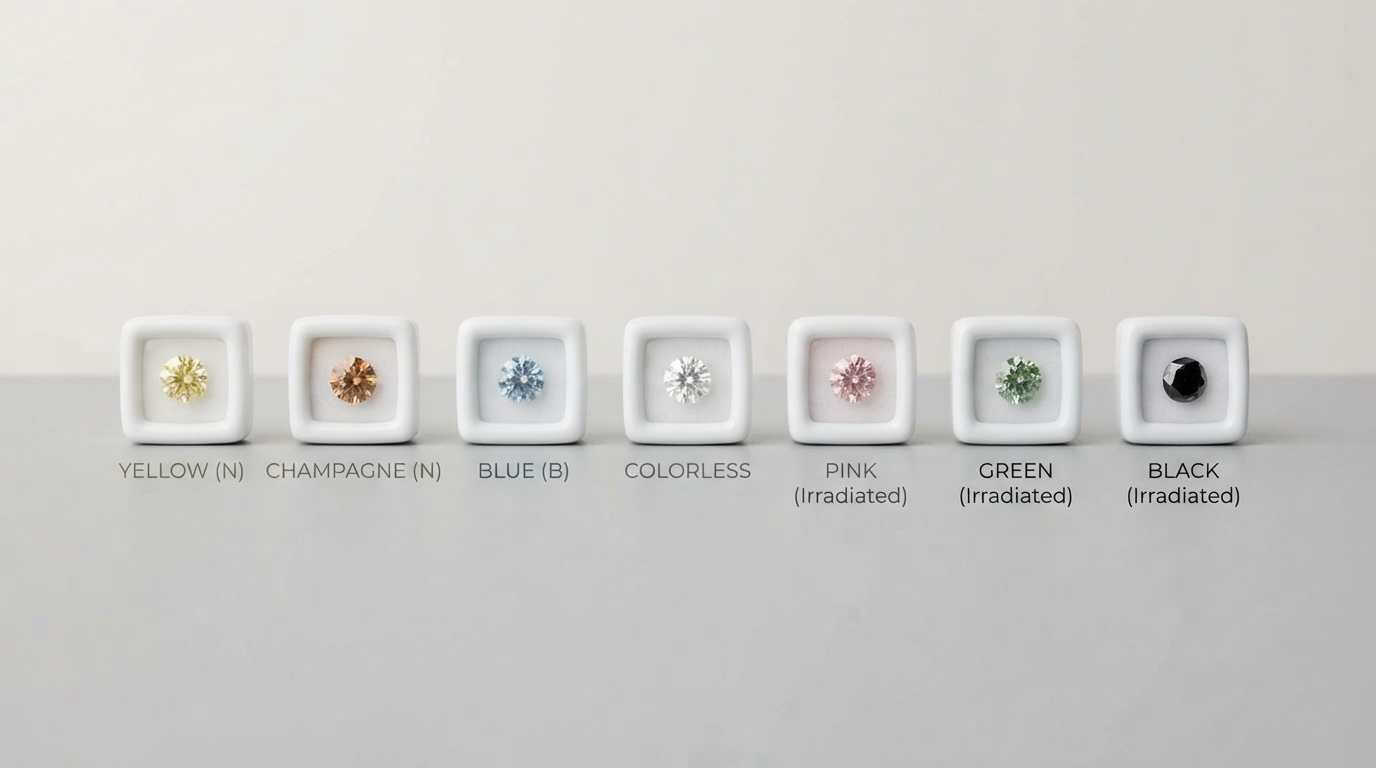
Two things the menu does not say. “Yellow” on a price list is a family of tones, from pale straw to deep gold, and you will not know where a particular wife ashes diamond color lands in it until the stone is out of the press. And an irradiated wife ashes diamond color is a real, permanent color of a real diamond, the process rearranges the lattice, but the lab chose it rather than the carbon producing it. Either is fine, as long as you know which you are buying.
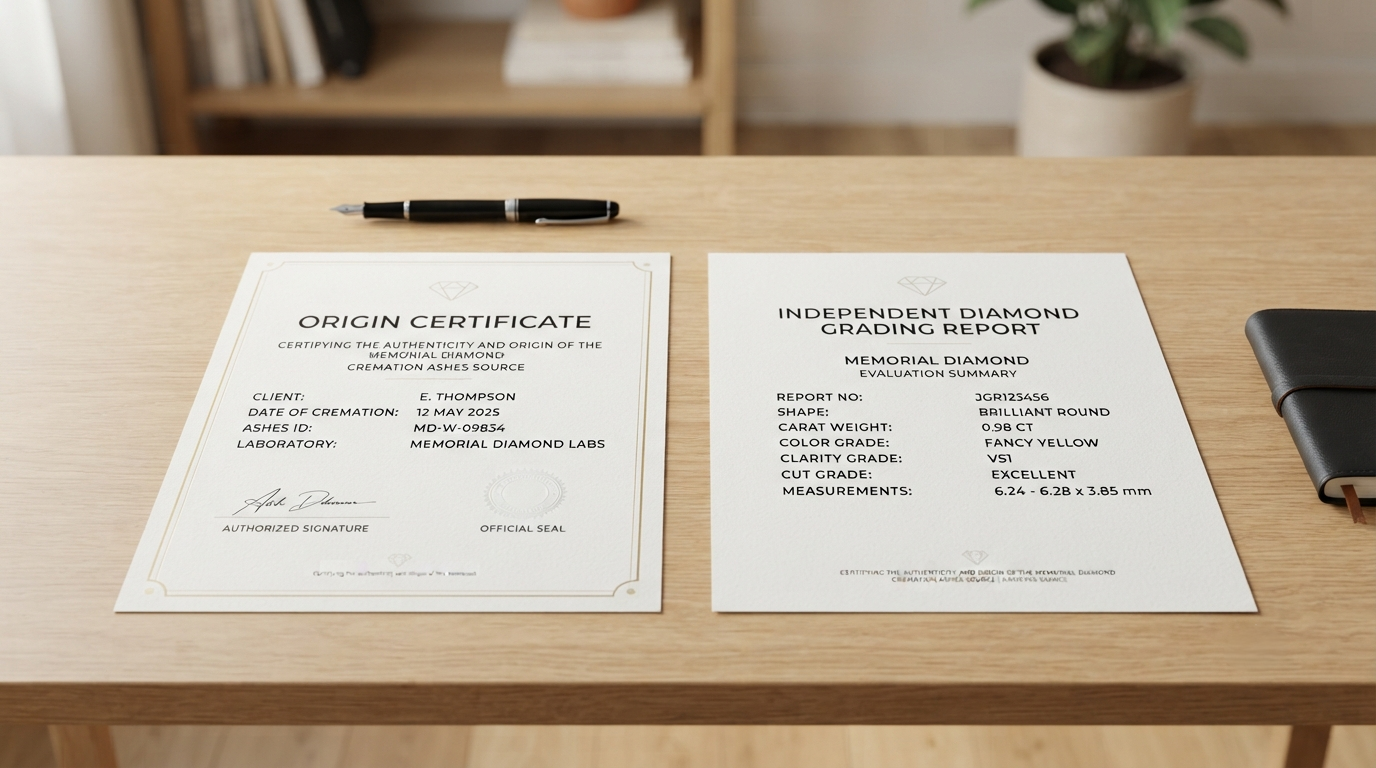
How Does a Grading Report Describe Color, and What Will It Look Like on a Hand?
An independent grading report describes a wife ashes diamond color in one of two languages, and neither is quite the same as what you see.
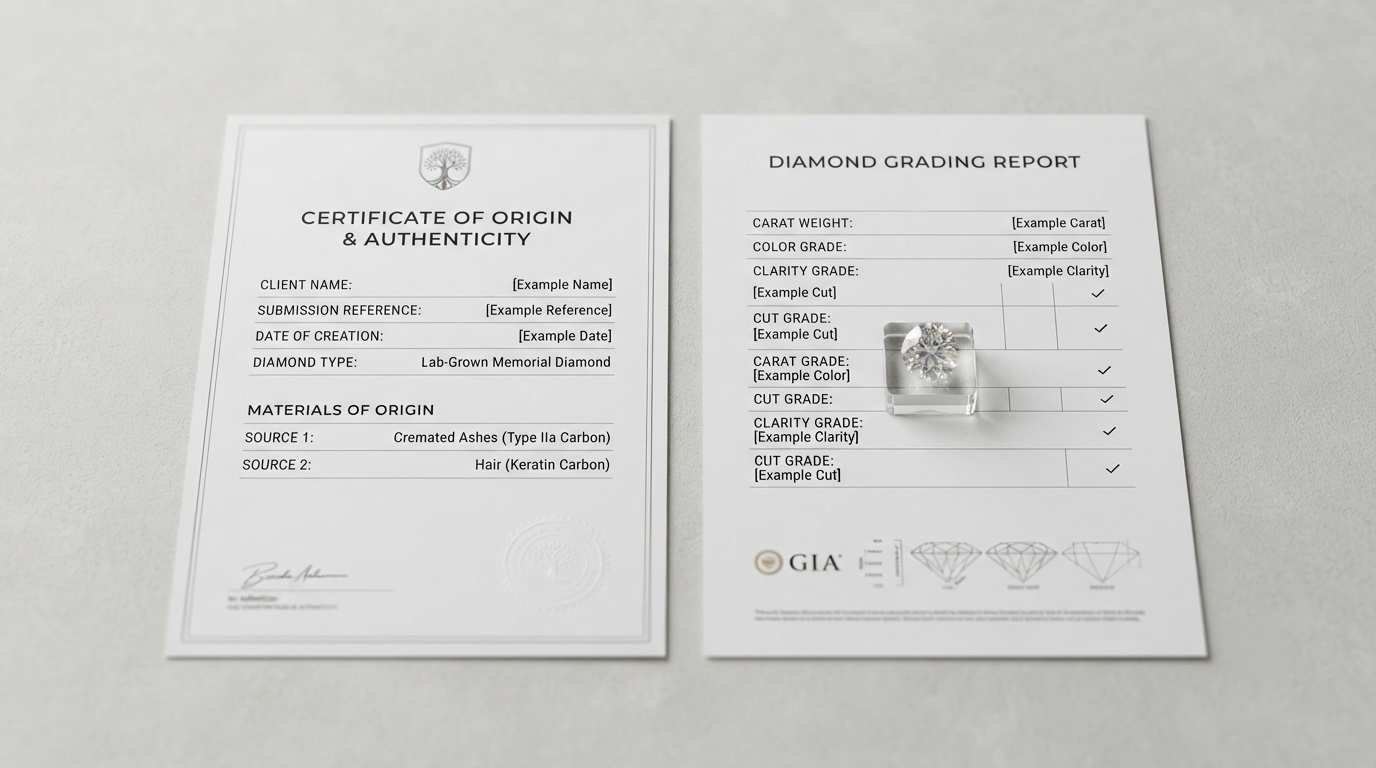
For near colorless and faintly tinted stones, gemologists use the GIA D to Z color scale: D is completely colorless, and each letter toward Z carries slightly more visible yellow or brown. A stone at K or M on that scale would be described as “faint” or “very light” yellow, and, set in yellow gold, would look warm rather than obviously colored. Grades are assigned face down against white, under controlled light, deliberately not how anyone looks at a ring.
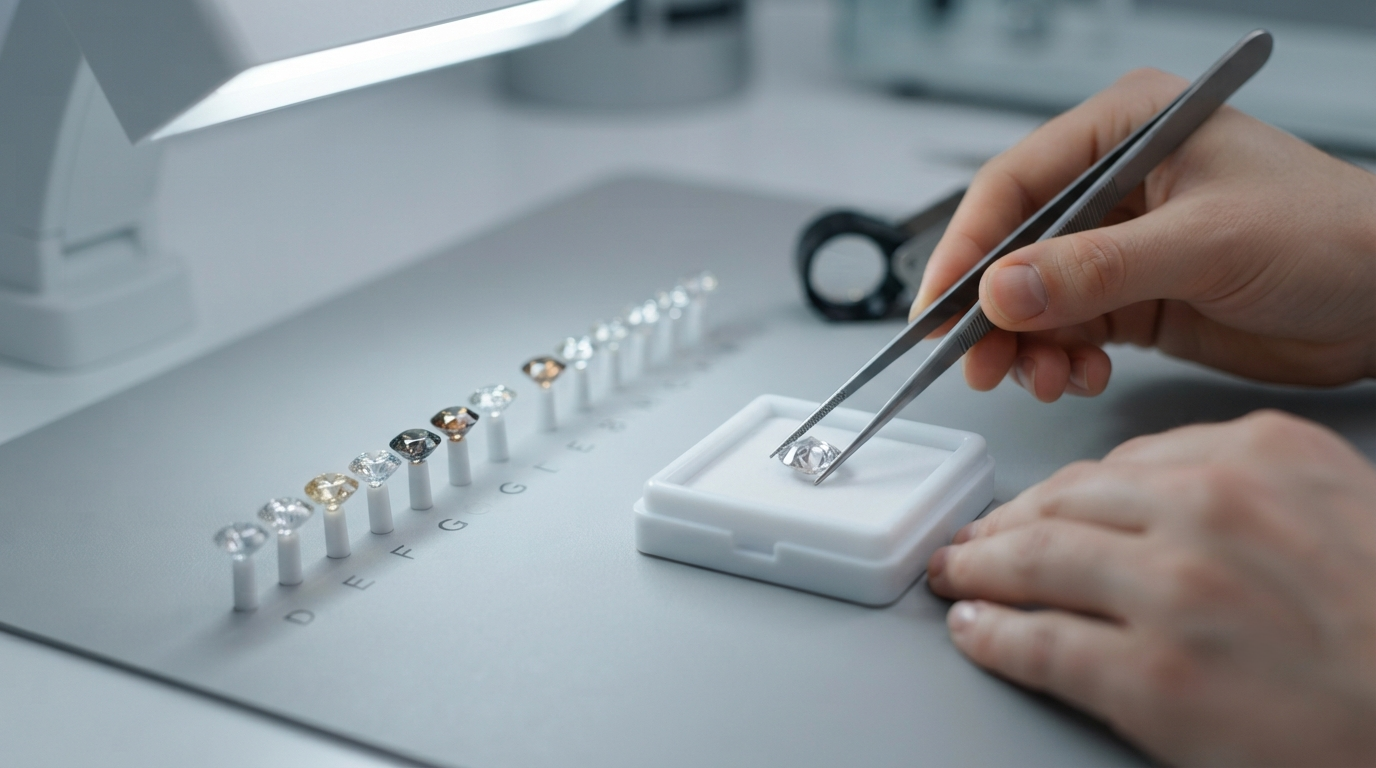
For stones with more color than Z, most blues, deeper yellows, champagne, and every irradiated stone, the report switches to the fancy color vocabulary: hue, tone, and saturation, from “Fancy Light” through “Fancy,” “Fancy Intense,” and “Fancy Vivid.” Here, more color is not a lower grade. It is a description.
On a hand: a stone in the lower D to Z letters looks warm, not yellow, at arm’s length, especially in yellow or rose gold; a “Fancy Light Blue” is a clear, soft blue, not sapphire; champagne stones photograph darker than they wear and read as warm honey in daylight. Ask to see the stone under ordinary light before you accept it, and read the report as a controlled measurement, not a verdict on whether you will like the wife ashes diamond color on your hand.
How Does Color Interact With Carat and Cost?
Color, carat, and cost move together.
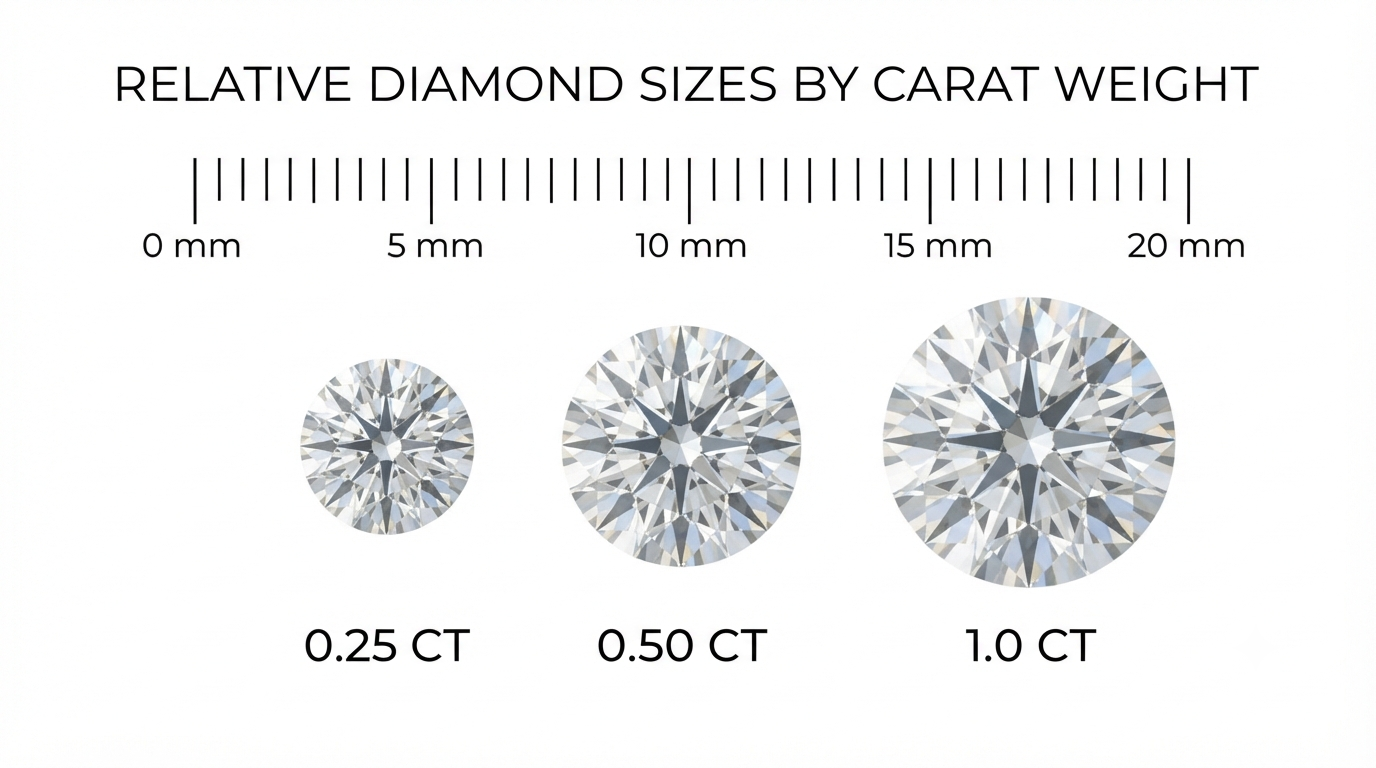
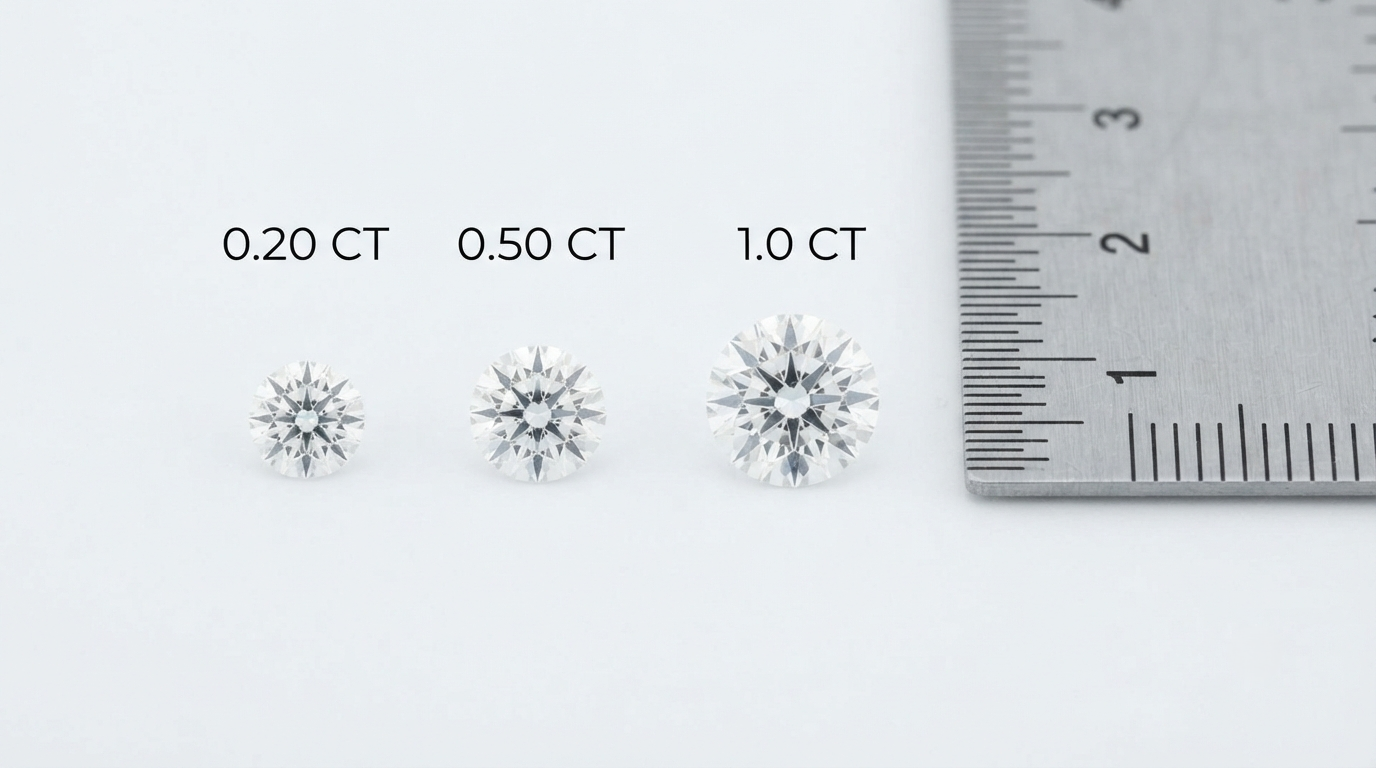
Carat is set by growth time in the press, not by how much ash you send, and cost rises steeply with size. Wife ashes diamond color enters that equation in two ways. Colorless requires the extra processing that excludes trace elements, and that premium applies at every carat, a 1 carat colorless costs meaningfully more than a 1 carat yellow from the same provider. And larger stones show color more visibly: the faint tint that vanishes in a 0.25 carat stone is easy to see across a 1.5 carat table. A large stone that reads colorless is paying for both the size and the exclusion process, and the two compound.
As general 2026 industry ranges, not Memorial Diamond’s published pricing, memorial diamonds run roughly:
- $1,500 to $3,500 for 0.10 to 0.25 ct
- $5,000 to $15,000 for 0.5 to 1 ct, with colorless costing meaningfully more than blue, yellow, or champagne at the same size
- $20,000 to $75,000+ for 2 to 5+ ct
Irradiated colors add to the grown color; grading, engraving, and the setting are usually priced separately. If budget is the constraint, the least expensive path to a wife ashes diamond color you will love is usually to accept the natural tendency at the carat you want and let the metal do the rest. How much a wife memorial diamond costs breaks the tiers down in more detail.
Which Metal Should Hold Each Color?
Choose the setting after the stone exists, pick the metal for the wife ashes diamond color that actually arrived, not the one you hoped for. A few principles hold across jewelers:
- Warm stone, warm metal hides tint. Yellow gold around a faint yellow stone makes the piece read as one warm object rather than a slightly off white diamond.
- Warm stone, cool metal shows tint. A faint yellow in platinum looks more yellow, because the white metal gives the eye a reference, the pairing to choose if you want a deliberate yellow diamond.
- Blue in white metal stays clean; yellow gold can make a light blue look grayish.
- Colorless in white metal is the traditional icy look, and also where any residual tint shows most. Near the bottom of the near colorless range, yellow gold can be the kinder choice.
- Irradiated colors are saturated enough that metal is taste, not correction.
If the piece will sit against a wedding band, hold the stone next to that band’s metal first. Memorial diamond settings and jewelry ideas for a wife covers the setting families themselves.
What Should You Specify in Writing Before Growth Begins?
The wife ashes diamond color you receive is chemistry; what you were promised is paperwork. Growth takes 6 to 10 months, and a verbal understanding from month one is hard to reconstruct in month nine. Before the ashes leave the house, get the following in writing on the order:
- The color you are ordering, named the way the provider names it, “natural, as grown,” “blue,” “colorless,” “irradiated red,” and so on.
- The range that counts as delivered, a band on the fancy scale or a span of D to Z letters. “Yellow” alone is not a specification; “Fancy Light to Fancy Yellow” is.
- What happens if the stone falls outside that range, regrow, recolor, discount, or refund, and who pays.
- Whether the color will be independently graded, by whom, and whether the report is included in the price.
- Whether irradiation is applied by default if the natural color disappoints, or only on your instruction.
- The timeline for that color, black and some large stones run to around 12 months.
A provider comfortable with the wife ashes diamond color question will have answers to all six. “It will be beautiful, don’t worry” is not wrong, exactly, but it is not a specification. The questions to ask before turning your wife’s ashes into a diamond include these six among the rest.
What Recourse Do You Have if the Stone Is Outside the Promised Range?
No lab can redo a wife ashes diamond color once the crystal has grown; the nitrogen or boron is in the lattice. What a provider can do is grow a second stone, if enough submitted carbon, or additional ashes, remain, irradiate the stone into a different color family, adjust the price, or refund. Which of those is on offer, and at whose cost, is what item 3 above pins down.
Recourse also depends on evidence: the range has to have been written down, and the stone graded against it. An independent grading report is what makes “you promised Fancy Light Blue and this is Very Light Blue” a fact rather than an opinion.
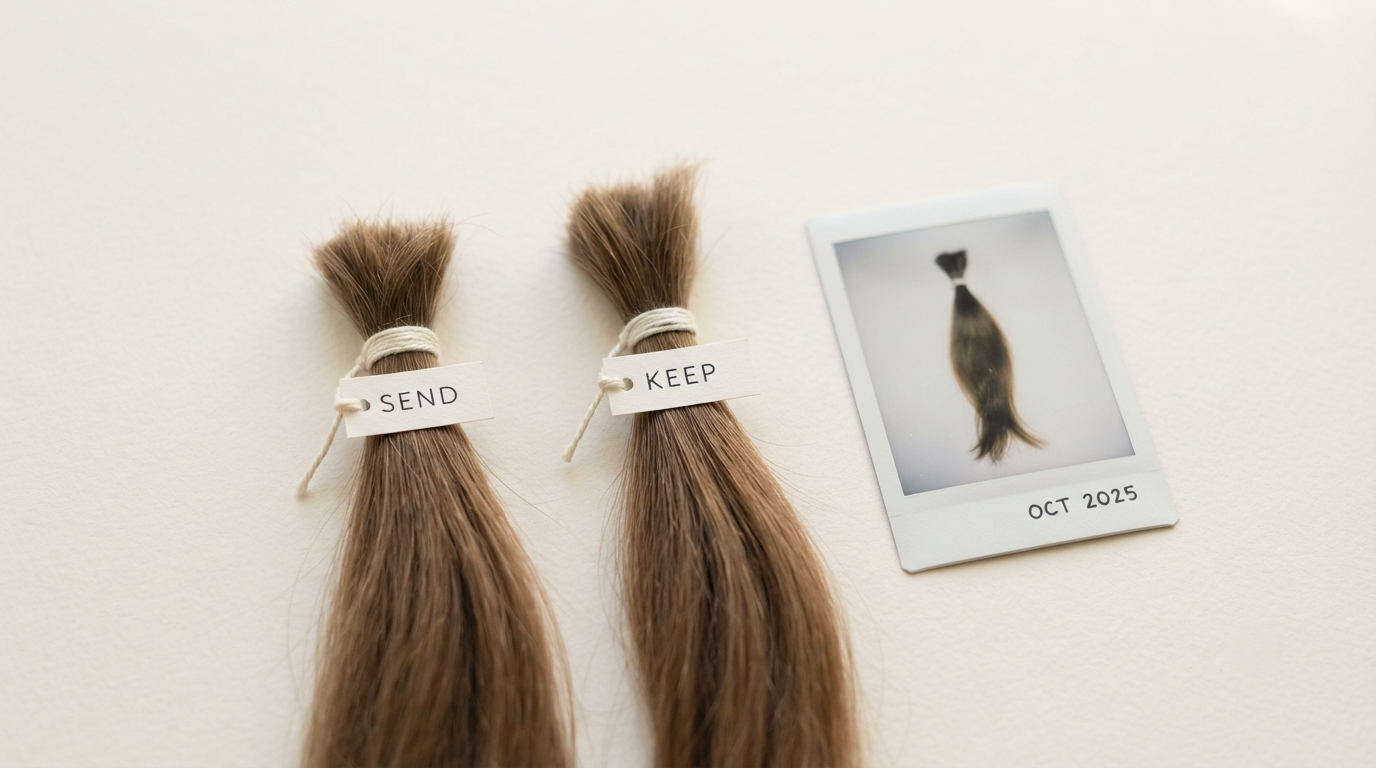
Finally, keep some of the ashes. A stone typically needs only a few tablespoons to roughly 4 oz, about 100 g, and a family that kept the remainder has the option of a second stone; a family that sent everything does not. Wife Ashes Diamond: The Complete Guide covers what to keep, and why.
Why Do Two Stones From the Same Ashes Come Out Different?
Families who order more than one stone from the same submission are sometimes surprised when the stones do not match. Wife ashes diamond color is not a property of the ashes; it is a property of each growth run.
Each stone grows in its own cell, around its own seed, for its own length of time. The carbon blend in each cell is not identical to the atom, and each run’s pressure and temperature profile is close but not the same. Nitrogen distributes unevenly through a growing crystal. Two runs from one purified batch can therefore give a pale yellow and a warm champagne, or a light blue and a near colorless, and neither wife ashes diamond color is the “wrong” one.
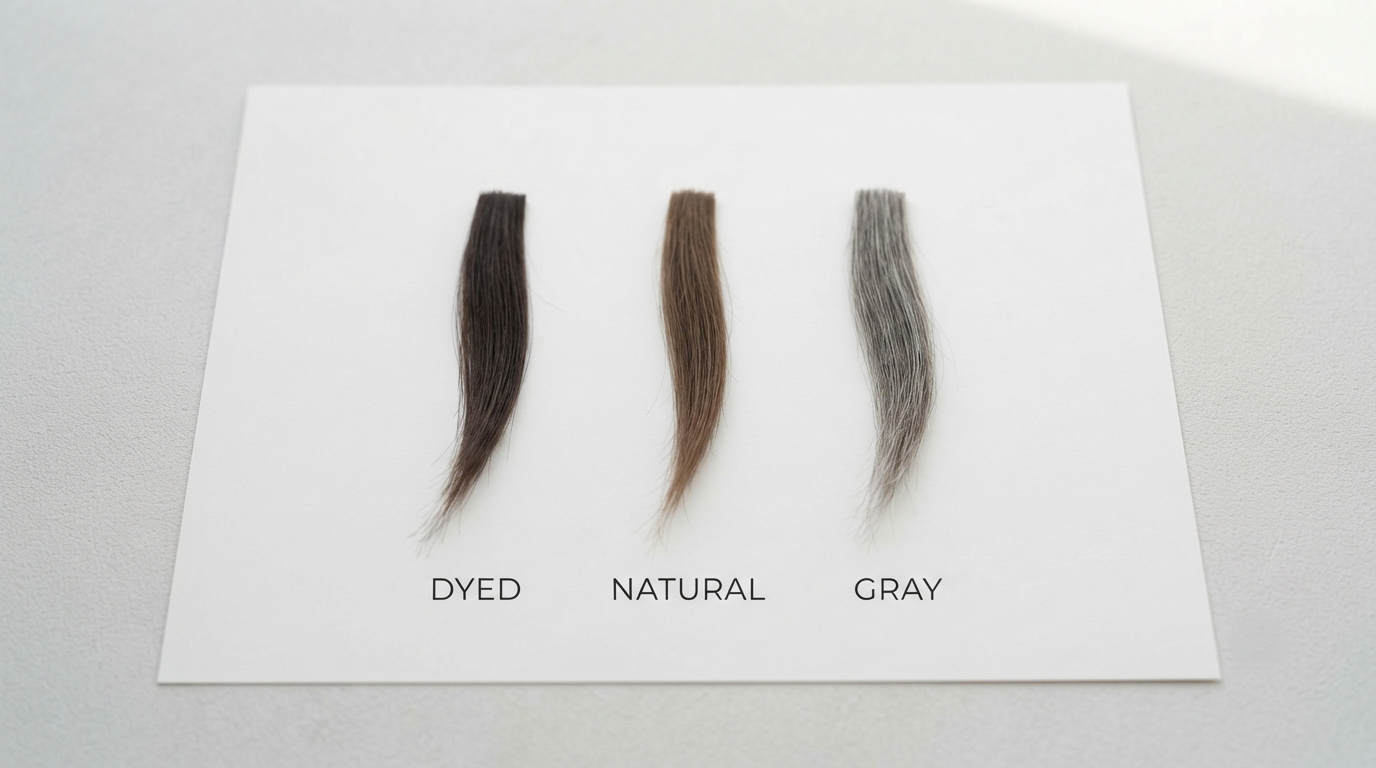
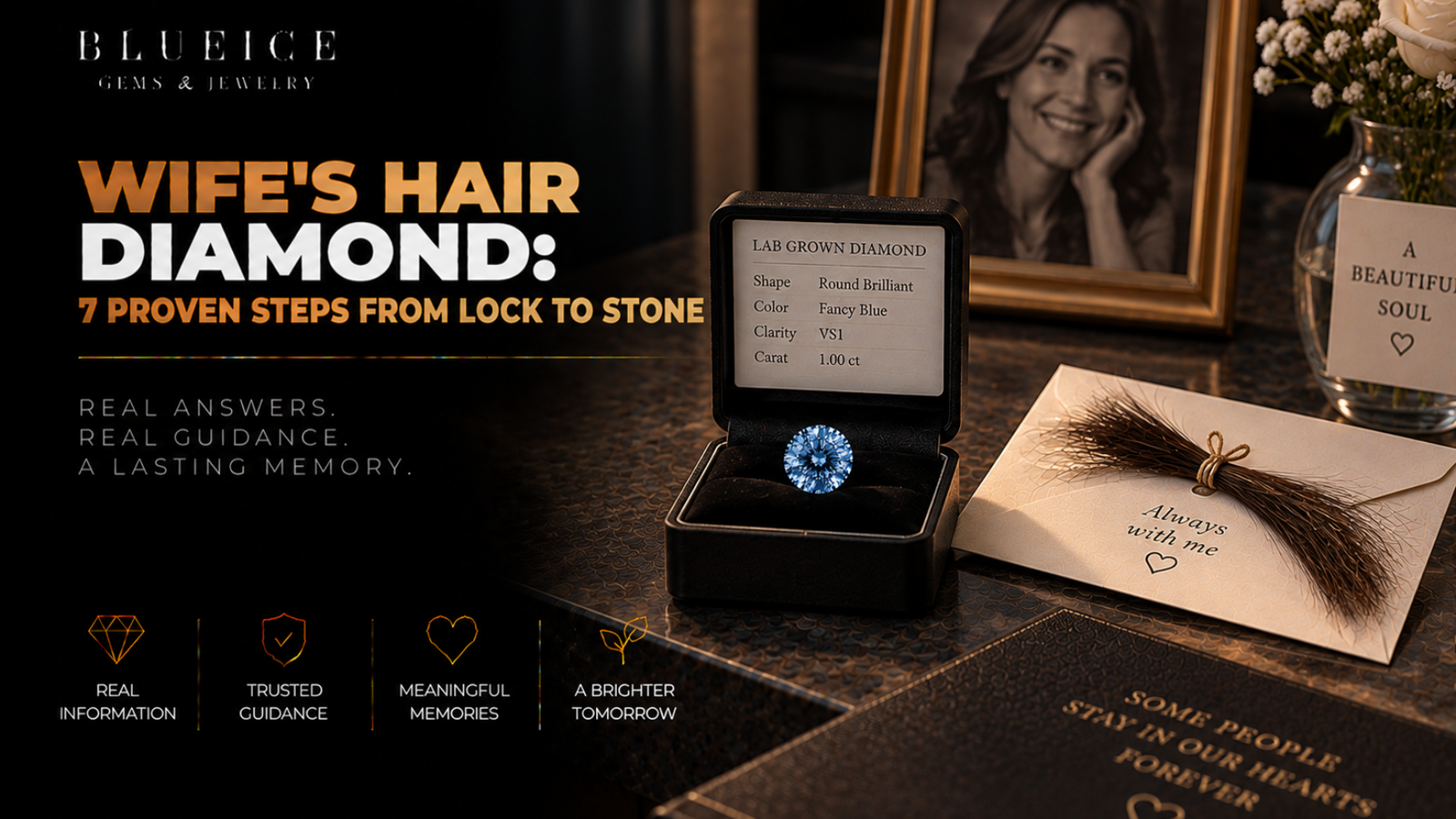
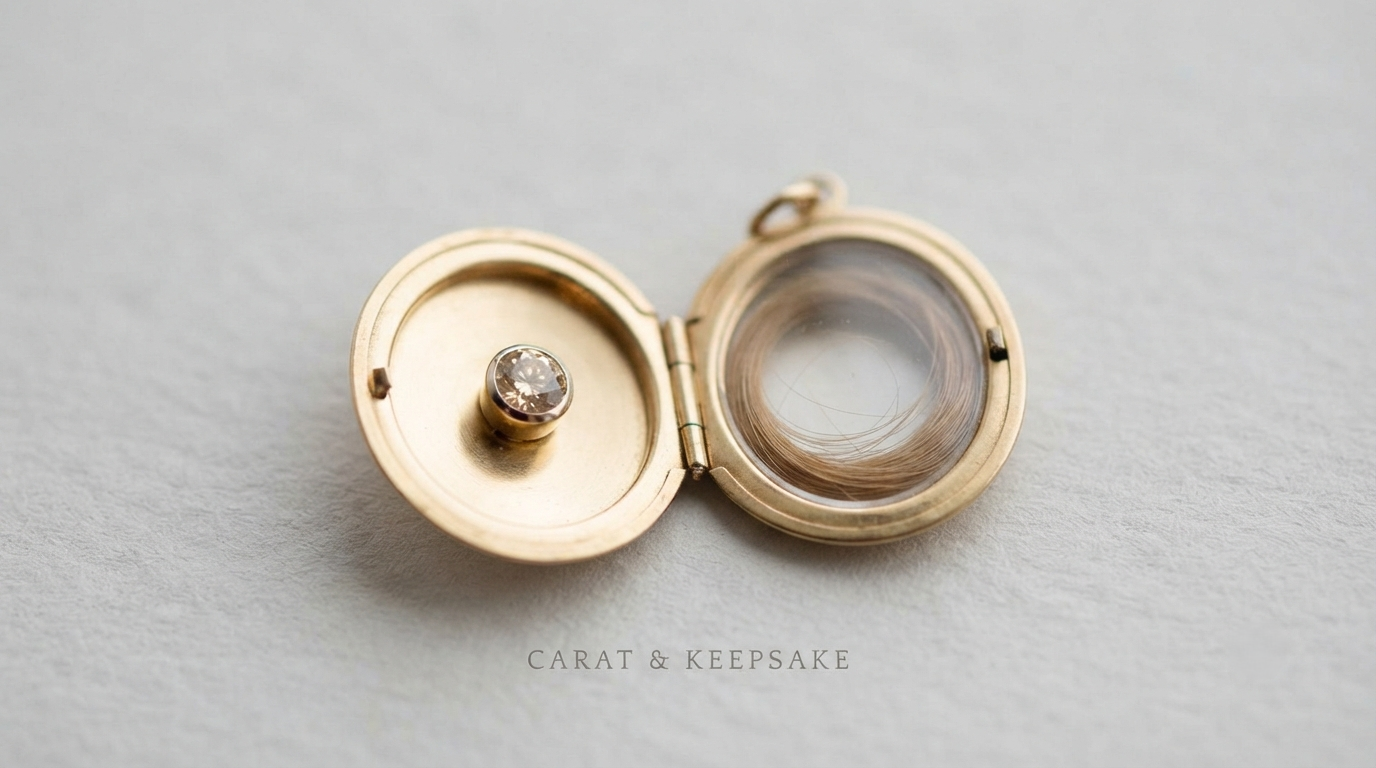
If matching matters, a pair of earrings, stones for two sisters, say so in writing, ask what the provider can do to narrow the spread, and accept that “similar” is a more honest promise than “identical.” Others feel each stone being its own wife ashes diamond color is the point. More than one family member getting a diamond from the same wife’s ashes covers multiple stones. If you also hold a lock of her hair, what color a diamond made from your wife’s hair will be answers the one question hair adds, and the ashes and hair color page covers a combined stone.
Frequently Asked Questions
Will the diamond be colorless like a traditional diamond?
Probably not by default. Personal carbon carries trace nitrogen or boron that survives purification and tints the crystal yellow, champagne, or blue as it grows. Colorless is achievable with additional processing that excludes those elements, and it costs meaningfully more than the natural tones at the same carat.
Does the wife ashes diamond color say anything about her?
No, not her personality, her health, or anything else. The color comes from trace elements built into the lattice during growth and from the conditions of that growth run. Treat it as the stone’s own character rather than a message; it would differ on a different day.
Can I choose the color in advance?
You can specify a wife ashes diamond color family, natural as grown, blue, colorless, or irradiated red, pink, green, or black, and a provider grows or treats toward it. The exact shade within a grown family is not controllable. Put the family and range in writing before growth.
Why does colorless cost more?
Because it requires excluding the trace nitrogen and boron that personal carbon naturally carries, which means additional processing and tighter control during growth. That premium applies at every carat, and it compounds with size, since larger stones show faint tint more visibly than small ones do.
Are irradiated colors real, or a coating?
Real and permanent. Irradiation rearranges the diamond’s lattice to produce red, pink, green, or black; there is no coating to wear off. The distinction is that the lab chose the color rather than the carbon producing it, worth knowing, but not a mark against the stone.
What does a grading report’s color grade actually mean?
For near colorless stones, a D to Z letter assigned face down under controlled light against master stones; for more saturated stones, a fancy color description of hue, tone, and saturation. Both are measurements, not predictions of how the stone looks face up on a hand in daylight.
What if the stone is not the color I was promised?
Once grown, a wife ashes diamond color cannot be undone, but a provider can regrow, irradiate to a different color family, discount, or refund. Which applies should be written into the order before growth, and an independent grading report is what proves the stone fell outside the promised range.
Final Thoughts on the Wife Ashes Diamond Color Question
The picture in your head is probably colorless, and the stone that arrives will probably not be. That gap is worth closing now rather than at the end of ten months. A wife ashes diamond color is the record of one growth run around carbon that came from her, yellow if nitrogen rode along, blue if boron did, colorless if the lab was asked to exclude both. Decide which you want, write the range down, keep some of the ashes, and choose the metal after the stone exists. Then whatever wife ashes diamond color turns up will be the one you asked for.
Learn More About Wife Memorial Diamonds
- Wife Ashes Diamond: The Complete Guide
- What Color Will a Diamond Made From Your Wife’s Hair Be?
- Memorial Diamond Colors for a Wife: What to Expect
- How Much Does a Wife Memorial Diamond Cost?
- Memorial Diamond Settings and Jewelry Ideas for a Wife
Talk With Memorial Diamond
If you would rather ask the color question before the ashes leave the house than after the stone arrives, reach out to Memorial Diamond, which wife ashes diamond color families are offered, how the range is written into an order, and what happens if a stone falls outside it can all be settled first.