Sister Memorial Diamond Ideas

Sister Memorial Diamond Ideas: Rings, Pendants, and Keepsakes

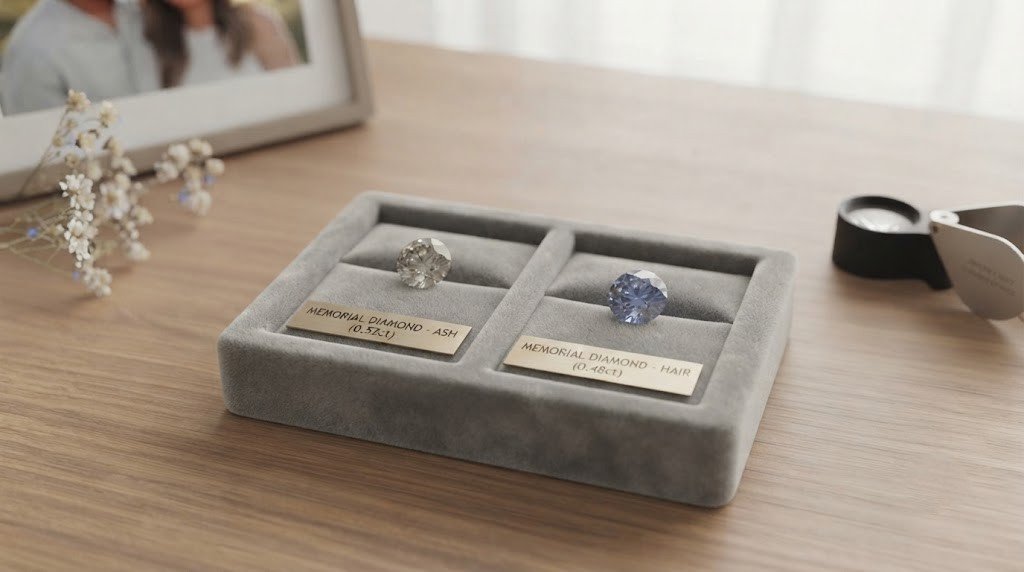
Some people know at once how they want to carry their sister with them, and others need to see the options laid out before anything feels right. The most practical sister memorial diamond ideas include a pendant, a ring on any finger, earrings, a bracelet, cufflinks or a tie pin, a lapel pin, a loose stone kept in a keepsake box, a stone set into an heirloom, coordinated stones for several siblings, and engraving on any of these.

Each of these sister memorial diamond ideas suits a different way of living with a memorial stone. Below, they are grouped by how often the piece would be worn, followed by a side by side comparison, notes on keeping a small diamond safe, and a few thoughts on choosing, especially when siblings want different things.
Which Sister Memorial Diamond Ideas Suit Everyday Wear?

If you want her close through ordinary days, these four sister memorial diamond ideas are built for regular wear. Memorial stones are offered from about 0.10 carat up to 5 carats or more, and every piece below can work with a stone from the entry tier of roughly 0.10 to 0.25 carat.

1. A Pendant Worn Close
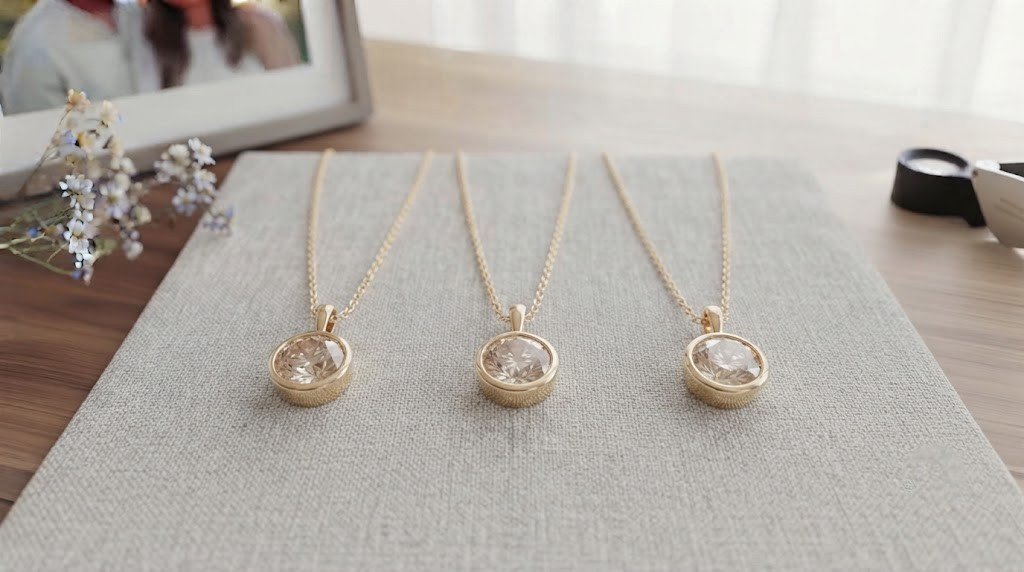
A pendant is one of the gentlest ways to wear a memorial diamond. It sits against the chest or at the collarbone, is less exposed to knocks than a ring, and works with almost any stone size.

A protective mount such as a bezel suits a pendant that will be worn most days, while a single stone on a fine chain is quieter still. Some people choose a pendant that can be tucked under clothing on days when they would rather keep her memory private and worn openly on others.

2. A Ring on Any Finger

A ring keeps the stone in view every time you look at your hands. It can be worn on any finger, including a little finger or a thumb, and on either hand. There is no rule about which finger a memorial ring belongs on.

Rings take more knocks than many other types of jewelry, so ask a jeweler for a low, protective mount rather than a tall one. Hands change size with the seasons and over the years, so it is worth choosing a design a jeweler can resize later.

3. Earrings

Studs are a natural fit for small stones. A pair needs two diamonds, though, and that brings a practical question: memorial stones grown from the same source can still differ slightly in tone because color comes from trace elements during growth. Ask a provider whether a closely matched pair is possible, or embrace a pair that is gently different.

Another option is a single stone worn in one ear, paired with a plain stud in the other.

4. A Bracelet

A bracelet with a single bezel set stone, or a small stone on a fine chain, is a subtle everyday choice. Wrists brush against desks, door frames, and car doors, so a protective setting is wise. A rigid bangle with the stone set low into the metal is one of the sturdier versions.

These four sister memorial diamond ideas share one practical point: the more often a piece is worn, the more its setting needs to protect the stone.

Which Sister Memorial Diamond Ideas Work for Occasional or Formal Wear?

Not every one of the sister memorial diamond ideas needs to be worn daily. For some people, the meaning sits in bringing the piece out for particular days, such as a wedding, graduation, anniversary, or her birthday.

Cufflinks with a small memorial stone set into one or both faces suit anyone who wears French cuffs. A tie pin or tie bar carries a single stone neatly. Both are worn only occasionally, which reduces everyday exposure to wear and tear, and both can be passed from one person to another for different occasions.

6. A Lapel Pin

A lapel pin or brooch can be worn on a jacket, coat, scarf, or bag strap. It is a flexible idea because it moves from outfit to outfit and sits at heart height.

Pins can come loose, so choose a secure locking back. Some people pair a lapel pin with a small engraving on the reverse that only they will ever see.

These occasional pieces are some of the more adaptable sister memorial diamond ideas because they can be shared or worn in turn among siblings without anyone needing to own one outright.

What Are Sister Memorial Diamond Ideas for Keeping Rather Than Wearing?

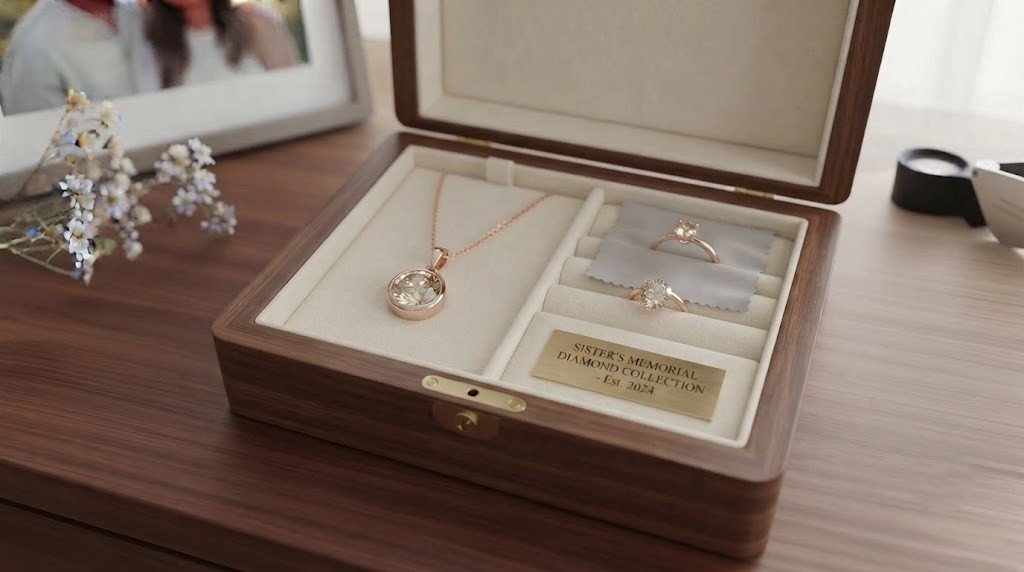
Not all sister memorial diamond ideas involve jewelry. Some of the most personal choices keep the stone somewhere safe, to be seen whenever you choose.

7. A Loose Stone in a Keepsake Box

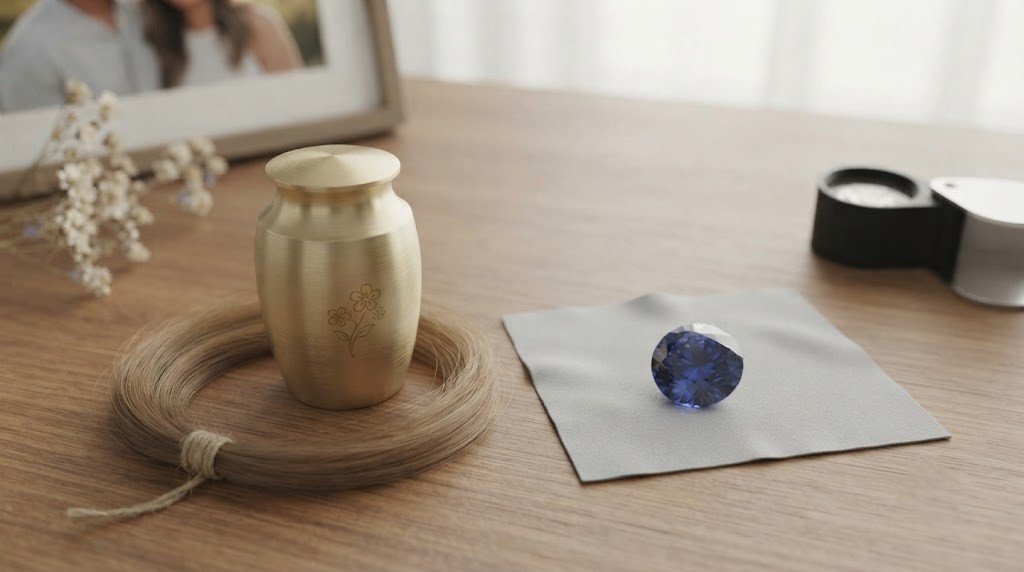
A loose diamond in a small box, perhaps lined in a fabric that meant something to you, is a complete and meaningful choice. It can sit on a shelf, in a drawer, or beside a photograph, and it can be held whenever you want.

Keeping the stone loose also leaves every option open. A setting can be added later, months or years on, if you decide you would like to wear it. Keep the origin certificate with the box so the stone’s history stays with it.

8. A Stone Set Into an Heirloom

If your sister left jewelry, or the family has a piece with history, a memorial stone can sometimes be set into it: a ring she wore, a locket, or a brooch from a grandparent. The appeal is that two kinds of memory meet in one object, the piece she touched and the stone grown in part from her.

If the heirloom was hers, it may count as part of her estate, and how that works differs from state to state. Talk with the executor, or whoever is handling her affairs, before anything is altered.

Both of these sister memorial diamond ideas suit people who find daily wear too much, or who want the stone to stay in the family rather than with one person.

How Can Several Siblings Create Matching or Coordinated Stones?

9. Matching or Coordinated Stones for Several Siblings

Because only a portion of the source material goes into each stone, several diamonds can often be grown from one shared source. That opens up a set of sister memorial diamond ideas for siblings who want to stay connected through her memory.

A few approaches include:

  • Matching pieces: Each sibling wears the same design, such as identical pendants, in whatever metal they prefer.
  • Coordinated pieces: The stones come from the same source, but each person chooses their own form. One may choose a ring, another a pendant, and another a loose stone.
  • One shared heirloom: A single piece is kept by one sibling or moves between households for particular days, with ownership agreed in writing.

A set of stones depends on someone being able to release the material, and that person may not be you. Siblings frequently sit further down the line of authority over remains. In many states, the order may run from a spouse or registered partner to adult children and parents before reaching brothers and sisters. That order is not national; it changes from state to state. If she named an agent or left a signed declaration, her written wishes may affect who decides.

To find out who holds authority, ask the funeral home or crematory who signed for the cremation. A local attorney can explain how your state handles it. A gentle request to that person for a small share is usually where siblings start. Hair kept at her home may belong to her estate as well, so speak with the executor before using any.

The guide to how more than one relative can receive a stone from one source explains the practical side in more depth. Half siblings, step siblings, adopted siblings, and twins are all siblings, and any of them may want a stone, or not.

What Can Engraving Add to Any of These Sister Memorial Diamond Ideas?

10. Engraving

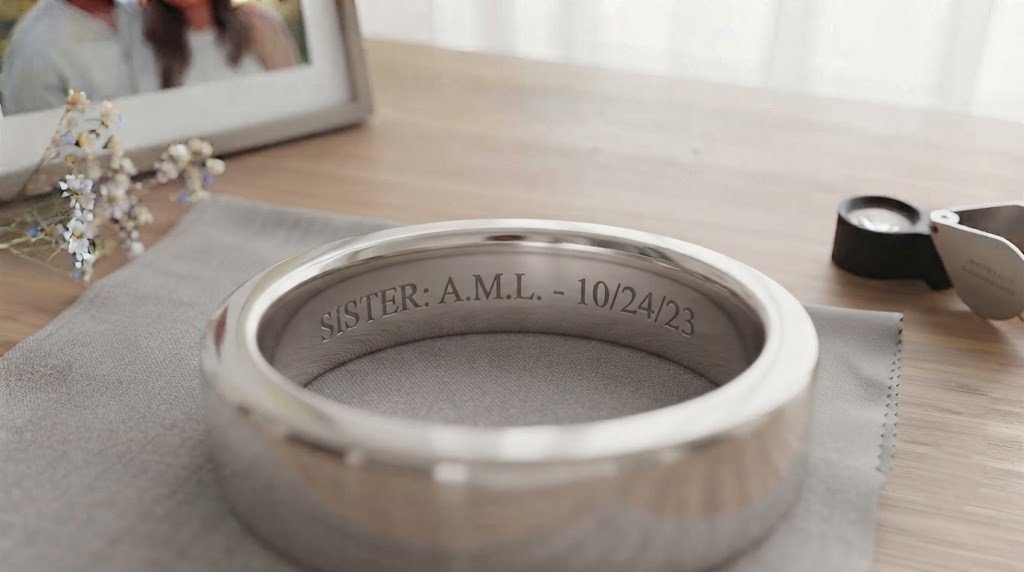
Engraving adds words to any of the other nine sister memorial diamond ideas. Most of the available space is on the metal, and some providers can also laser a few characters onto the diamond’s girdle, its thin outer edge. The harder part is usually deciding what to say.

What people choose to engrave varies widely:

  • Her name, initials, or a nickname.
  • A date, such as her birthday or another day that mattered.
  • Map coordinates of a place she loved.
  • A short phrase she used, or something only siblings would understand.
  • Her handwriting, reproduced from a card or letter, where the jeweler offers it.

Engraving is usually priced separately from the stone. Short wording tends to stay legible longest, and a phrase that means nothing to strangers can be a comfort in itself because it stays between you and her.

How Do These Sister Memorial Diamond Ideas Compare at a Glance?

This table sets the ten sister memorial diamond ideas side by side, so you can see how each one fits into everyday life.

IdeaHow often wornExposure to knocksProtective setting optionsGood to know
PendantDaily or oftenLowBezel, half bezel, solitaireCan be tucked under clothing
Ring on any fingerDaily or oftenHighBezel, low profile, flushChoose a design that can be resized
EarringsDaily or oftenLow to moderateBezel studs, secure backsA pair needs two stones; tones may differ
BraceletDaily or oftenModerate to highFlush set bangle, bezelWrists brush hard surfaces often
Cufflinks or tie pinOccasionallyLowFlush or bezel facesEasy to share between siblings
Lapel pinOccasionallyLow to moderateBezel, locking pin backMoves between outfits and bags
Loose stone in a boxKept, not wornVery lowNone neededLeaves every future option open
Set into an heirloomVariesVariesDepends on the existing mountCheck estate questions first
Sibling setVariesVariesAny of the aboveAgree ownership in writing
EngravingWith any pieceNone addedNot applicableUsually priced separately

This table only hints at how each piece holds its stone. The range of setting styles for a sister’s stone compares bezel, prong, halo, flush, and tension mounts, along with the metals around them, in detail.

How Do You Keep a Small Memorial Stone Safe Day to Day?

A memorial diamond is a genuine lab grown diamond, as this overview of memorial diamonds describes, so it has many of the same everyday considerations as any small stone. Scratches are rarely the main worry. Losing it is, and a hard knock can still chip even a diamond.

A few habits help, whichever of these sister memorial diamond ideas you choose:

  1. Choose a protective setting for anything worn daily, especially rings and bracelets.
  2. Take rings and bracelets off for gardening, the gym, moving furniture, and heavy cleaning.
  3. Store pieces separately so diamonds cannot scratch other jewelry or each other.
  4. Check the setting occasionally. A jeweler can confirm that prongs and bezels are secure.
  5. Clean gently with warm water, mild soap, and a soft brush.
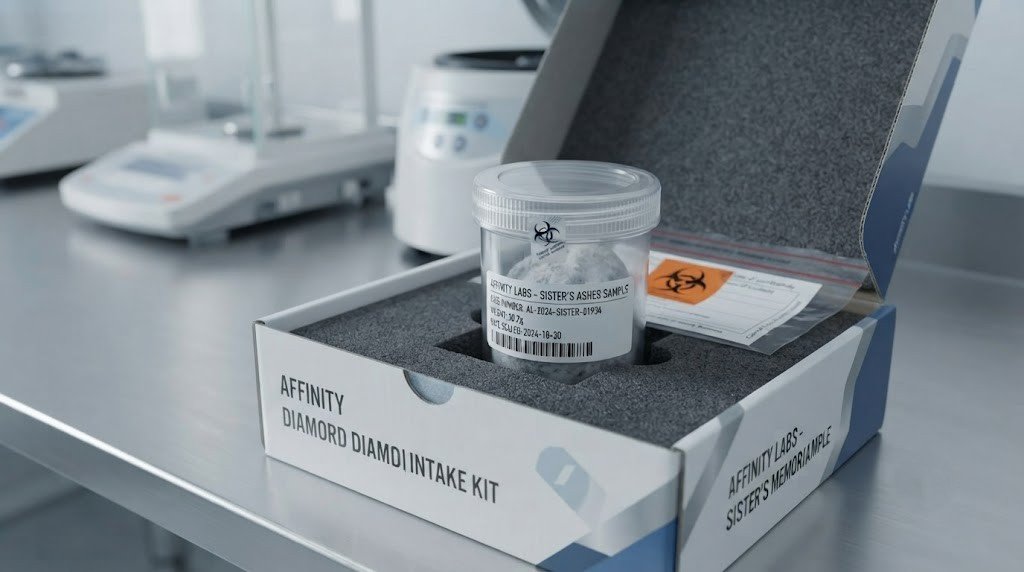
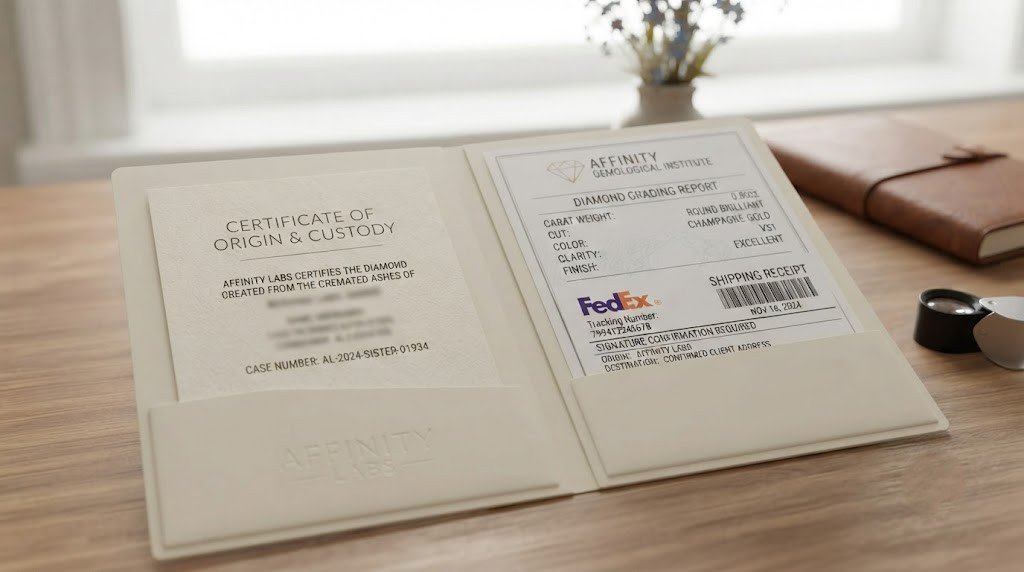
  6. Keep paperwork together, including the origin certificate and any independent grading report.
  7. Ask your insurer whether the piece can be covered and what documentation it needs.

Small stones can go missing quietly, which is why the clasp, earring back, and pin lock deserve as much attention as the stone. Whichever of these sister memorial diamond ideas you settle on, a secure fastening is worth the extra effort.

How Do You Choose Between Sister Memorial Diamond Ideas?
sister memorial diamond ideas

There is no single right answer among sister memorial diamond ideas, only the one that fits how you want to live with her memory. A few questions can help narrow the field:

  • How do you picture it? On your hand, at your throat, or in a drawer you open on hard days?
  • How active is your life? Daily physical work may favor a pendant or a loose stone over a ring.
  • Would she have liked it? Some people choose something she would have worn; others choose something that suits them.
  • Do you want it seen? Some memorial pieces are private, while others invite questions you may or may not want.
  • What fits your budget? Settings are usually priced separately from the stone, and the guide to what a sister’s stone typically costs breaks down those extras.

Color can influence the choice of piece, too. Some people want a tinted stone on a hand, where they will see it often; others would rather it sit quietly at the collarbone. The shade cannot be picked from her ashes or hair, so it helps to read about the tones memorial stones tend to show before committing to a design.

Whether her stone begins with ash, hair, or both makes no difference to which of these pieces it can go into. Her carbon is usually combined with lab carbon so there is enough to grow a stone. For ash, providers commonly describe her share of the finished diamond’s mass as somewhere near 10 to 15 percent, and some quote figures nearer 3 percent. No equivalent finished stone percentage has been published for hair. If you are gathering hair, how much hair a sister’s stone usually needs covers quantities.

Timing may matter if you want the piece for a particular date. A stone typically takes six to ten months from receipt, although timelines vary by provider and stone specifications. The stage by stage timeline shows where a setting fits.

What If Siblings Prefer Different Sister Memorial Diamond Ideas?

Siblings may picture very different sister memorial diamond ideas. One may want a ring worn every day, another a loose stone in a box, and another nothing at all. Each of those is a valid way to remember her.

A few ways to leave room for everyone:

  • Let each sibling choose their own piece from the same source rather than agreeing on one design.
  • Accept that some siblings may decide later, or never. A stone may be possible years later if suitable material has been kept safely and a provider accepts it.
  • If one stone is shared, write down who keeps it and what happens next before it exists.
  • Avoid treating any choice as a measure of love. Choosing not to have a stone is not a lesser goodbye.

Grief does not move on one schedule. Giving each person space to choose in their own time often matters more than the jewelry itself. If you are still finding your bearings, the overview on where to begin choosing a stone for your sister lays out the first decisions in order.

Frequently Asked Questions

Can a memorial ring be worn alongside rings I already wear?

Usually, yes. Tell the jeweler which rings it will sit beside so the band width and height can be planned to reduce metal rubbing against the stone. A low mount tends to stack more comfortably, and matching metals may help the rings wear at a similar rate.

What size memorial diamond suits a pair of earrings?

Smaller stones, often around 0.10 to 0.25 carat each, suit studs well. A pair needs two diamonds, and tones can differ slightly even from one source. Ask the provider whether a closely matched pair is possible or plan for gentle differences.

Is a ring or a pendant more practical for a memorial diamond worn every day?

A pendant is usually the more forgiving choice because it takes fewer knocks than a ring. A ring can work well too if it has a protective setting such as a bezel and you remove it for heavy work, sport, or gardening.

Can sister memorial diamond ideas be combined, such as a pendant now and a ring later?

Yes. A diamond can be taken out of one piece and set into another, so starting with a pendant or a loose stone does not close any doors. Keep the origin certificate with the stone, not the old mount, each time it moves.

Can a memorial piece be passed down to another relative later?

It can. Writing down who should receive it next and keeping the certificate and any grading report with the piece makes the handover simpler. If you want it named in a will, an estate attorney can explain how that works where you live.

Can a memorial diamond hang on a chain or bracelet I already own?

Often, yes. A jeweler can mount the stone as a small charm or slide pendant sized for a chain you already wear. Ask them to check the chain’s clasp and links first, since an older chain may need repair before it carries something irreplaceable.

Final Thoughts on Sister Memorial Diamond Ideas

The right piece is the one you will be glad to reach for, whether that means wearing it every morning or opening a small box once a year. None of these sister memorial diamond ideas is more meaningful than another; they are simply different ways of keeping her near.

Take your time with these sister memorial diamond ideas, let each sibling choose for themselves, and remember that a loose stone can always become something else later.

Learn More About Sister Memorial Diamonds

Talk With Memorial Diamond

If one of these sister memorial diamond ideas has stayed with you, or you would like help weighing a few of them, reach out to Memorial Diamond at memorialdiamond.us. You are welcome to start with a question as simple as which piece might suit the life you lead.
change the side img repeteadly not give same img

Questions to Ask Before Turning Your Sister’s Ashes and Hair Into a Diamond

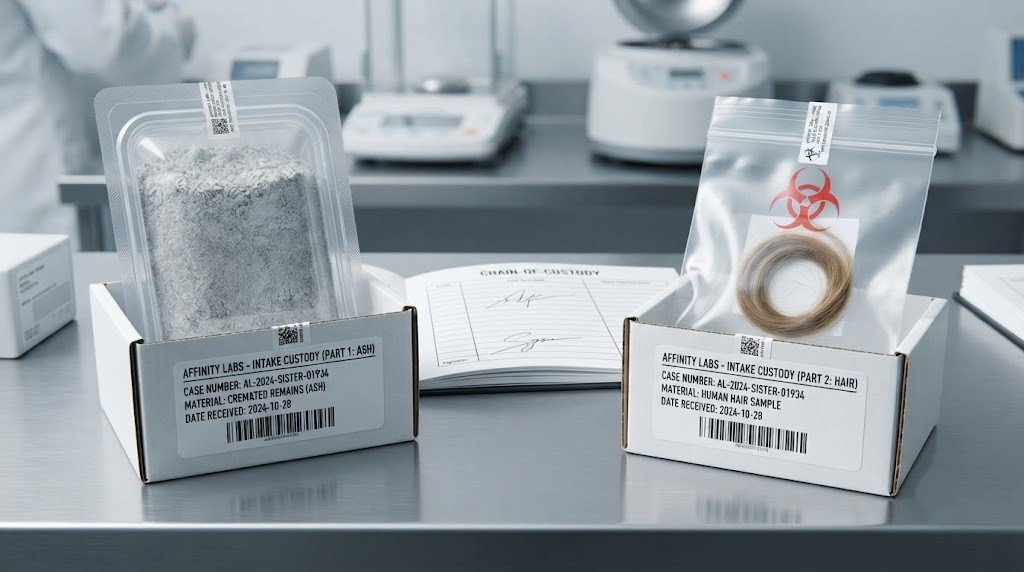
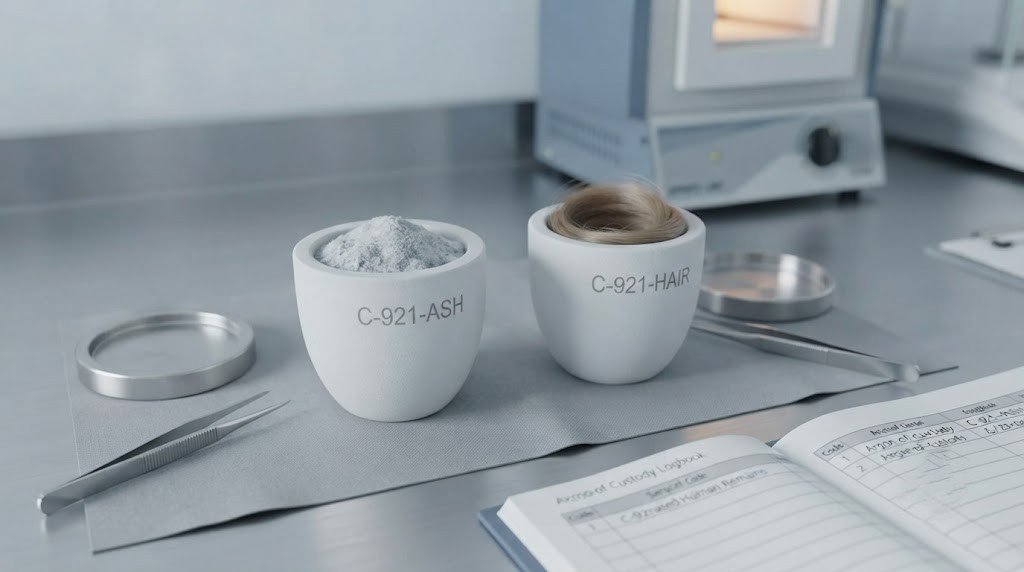
Your sister’s ashes may rest with one relative while a lock of her hair is kept in a drawer at another person’s home. If you are considering combining both materials into one memorial diamond, there are several decisions to make before anything is sent to a laboratory.

These sister ashes hair diamond questions help you understand who needs to agree, how each material will be handled, how the laboratory combines and documents the sources, and what happens if the process does not go as expected.

A blended memorial diamond can carry special meaning because it brings together two keepsakes connected to your sister. However, it also requires careful communication between the people holding each material and the provider making the stone.

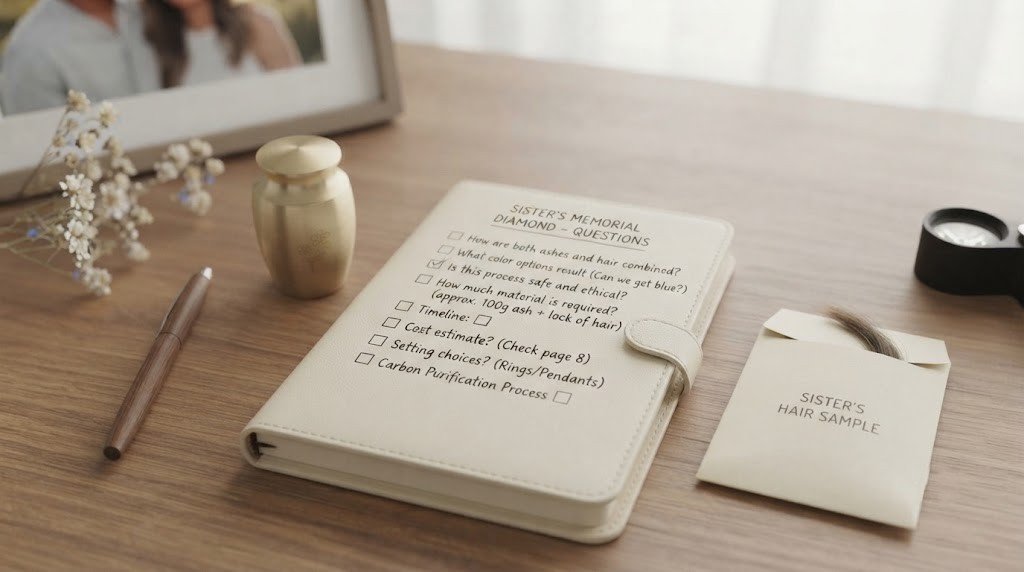
This guide covers 16 important questions, including what to ask yourself, what to ask each relative, and what to ask the provider. It also explains what a clear answer looks like, which warning signs deserve attention, and when two separate stones might be a better option.

sister ashes hair diamond questions

Table of Contents

Who Has Her Ashes, and Who Has Her Hair?

Before working through the sister ashes hair diamond questions, establish where each material is and who can authorize its use.

There are several possible situations:

  • Both materials are with you. Handling the logistics may be simpler, but you should still establish who has authority over the remains and whether any additional permission is needed.
  • The ashes are with another relative, but the hair is with you. You need to discuss the ashes with the appropriate person and clarify the status of the hair.
  • The hair is with another relative, but the ashes are with you. The person keeping the lock may have strong emotional reasons for wanting to preserve it.
  • Both materials are with different people. You will need to coordinate the permissions, shipping arrangements, and records for both sources.

Possessing an item does not automatically establish legal authority to use it. Rules concerning cremated remains and a deceased person’s belongings vary by jurisdiction. If you are unsure who can authorize the decision, contact the funeral home or crematory, or seek advice from a local attorney where necessary.

For a broader overview, read the complete guide to a sister ashes and hair diamond.

Which Sister Ashes Hair Diamond Questions Should You Answer Yourself?

Before asking relatives or contacting a provider, think about what you want the finished diamond to represent. These first two questions help you decide whether blending both materials is right for you.

1. Why do I want both materials in one stone?

Perhaps you feel that your sister’s ashes and hair represent different parts of her life. Maybe the hair was saved during an ordinary family moment, while the ashes are connected to her final arrangements. Bringing both together may feel meaningful to you.

Other people may prefer to use just one material or preserve each separately. There is no single correct choice.

A clear answer sounds like: “Having both materials represented in one stone is important to me.”

An answer that needs more thought sounds like: “Using more material must make a bigger diamond.”

The amount of material does not automatically determine the finished diamond’s size. Growth conditions and production time are important factors. Ask the provider how it determines carat size.

2. What will the diamond be used for, and what is my budget?

A small pendant, a ring, or a loose stone kept privately may require different specifications. Decide how you expect to use the diamond and how much you can comfortably spend.

Write down your budget before speaking with providers. This makes it easier to compare quotes and avoid feeling pressured into a more expensive option.

A clear answer sounds like: “I want a small pendant stone and have a firm budget that includes the setting.”

An answer that needs more thought sounds like: “I’ll decide the cost after choosing the diamond.”

Your budget should account for possible additional charges such as special colors, independent grading, engraving, jewelry settings, shipping, and insurance.

What Do You Ask the Person Keeping Her Ashes?

The person who holds your sister’s ashes may be emotionally attached to them or may have been entrusted with their care. Ask respectfully and give them time to consider the request.

Legal authority over cremated remains varies by location. If the authorized person is unclear, do not assume that being a sibling or possessing the ashes is enough to make the decision.

3. Will you release a portion of her ashes for a stone made with her hair?

Permission for an ash only memorial diamond does not necessarily mean someone is comfortable with a blended diamond. Explain that the stone would use carbon prepared from both ashes and hair.

A clear answer sounds like: “I understand that the stone will use both materials, and I agree to releasing the agreed portion.”

An answer that needs more discussion sounds like: “I might agree, but I thought the diamond would be made only from ashes.”

Make sure the person understands the proposed process before proceeding. Do not treat uncertainty as consent.

4. How much ash can be spared, and does adding hair change the amount required?

Ask the provider for its exact material requirements before requesting a portion of the ashes. Some providers may request anything from a few tablespoons to around four ounces, but requirements vary and a blended order may have different instructions.

A clear answer includes: A specific amount agreed upon by the relevant person and the provider.

An answer that needs more thought sounds like: “Send whatever the laboratory asks for.”

You should know the required amount before any material is removed. The family can then decide what portion to preserve and what should happen to the remaining ashes.

Read more about how much ash and hair a sister memorial diamond may require.

Which Sister Ashes Hair Diamond Questions Belong With the Person Keeping Her Hair?

A lock of hair can be an especially personal keepsake. It may have been saved by a parent, partner, sibling, or friend. Respect the person who has cared for it and establish whether the material can be used.

5. Is this hair definitely hers, and are you comfortable sharing a portion?

A labeled lock saved specifically for your sister is easier to identify than strands collected from a shared hairbrush. If the source is uncertain, explain that before sending it to the provider.

A clear answer sounds like: “I know this is her hair, and I’m comfortable sending a small portion while keeping the rest.”

An answer that needs more thought sounds like: “I think it’s hers, so take all of it.”

Ask whether a small portion is sufficient for the provider’s process. Avoid sending an entire keepsake unless it is necessary and the person responsible for it agrees.

If ownership or authority over the hair is unclear, seek appropriate advice before using it.

6. Do both material holders understand and agree to the same plan?

This question is essential when the ashes and hair are kept by different people.

One relative might believe they are contributing to an ash only diamond, while another may assume the hair will be used separately. Such misunderstandings can cause distress later.

A clear answer includes: Both people understand that the finished stone is intended to use the ashes and hair, and both agree to the arrangement.

An answer that needs more thought sounds like: “They each agreed, so there is no need to tell them about the other material.”

Keep the arrangement transparent. If the diamond will belong to more than one relative, discuss ownership and responsibilities before placing the order.

Our guide to sharing a sister memorial diamond among family members explores how relatives can approach shared decisions.

Which Sister Ashes Hair Diamond Questions Go to the Provider?

Once you have clarified the family arrangements, ask the provider how it will process, track, and document both sources. The following ten questions can help you compare companies and understand the terms before committing.

7. Do you combine ashes and hair in one stone, and how?

Not every memorial diamond provider offers blended stones. Those that do may use different procedures.

Ask whether the ashes and hair are processed separately before their carbon is combined, or whether the provider follows another method.

A clear answer includes: A written explanation of the process and the stage at which the two materials are combined.

A warning sign: The company cannot explain its method beyond saying that both materials will be used.

You do not need to understand every laboratory detail, but you should receive an understandable description of the process.

Read how a memorial diamond is made from your sister’s ashes and hair for additional background.

8. How will each material be identified and tracked if the packages arrive separately?

The ashes and hair may be shipped from different addresses and arrive on different days. Ask how each package will be recorded and connected to the same order.

A clear answer includes: An explanation of the identification system, confirmation of each arrival, and a process for tracking both materials through the relevant stages.

A warning sign: The provider says it will match everything up later but cannot explain how it records the two packages.

Keep shipping receipts and confirmations. Ask when the production timeline begins and whether it starts only after both materials have arrived.

9. Will her materials be processed separately from other families’ materials?

Labeling and physical separation are not necessarily the same thing. Ask how the provider prevents mix ups and whether the ashes and hair are processed in dedicated runs or handled alongside other customers’ materials.

A clear answer includes: A specific description of the company’s handling and separation procedures.

A warning sign: The response only says that the company is organized without explaining how materials are identified during processing.

Do not assume that every provider uses the same procedures. Ask for the actual policy that applies to your order.

10. What share of the finished stone will be carbon from her ashes and hair?

This is a particularly important question because the carbon content of ashes and hair can differ significantly.

Cremated remains are largely mineral material, while hair contains carbon as part of its organic structure. The amount of usable carbon recovered depends on the source material and the laboratory’s processing method.

Providers may also use supplemental laboratory carbon to provide enough feedstock for diamond growth.

Some industry discussions cite an ash derived carbon contribution of around 10 to 15 percent for ash only stones, while some providers cite lower figures. Those estimates should not automatically be applied to a diamond made from both ashes and hair. There is no universal, established percentage for the contribution from each source in a blended stone.

A clear answer includes: An explanation of what the provider can measure, what it estimates, whether supplemental carbon is used, and whether it can provide a written statement.

A warning sign: The company claims that adding hair makes the finished stone entirely your sister’s carbon without explaining or substantiating the claim.

Ask for transparency rather than an unsupported exact percentage.

11. Will the color come from growth or treatment, and will you disclose it?

Diamond color can be influenced by trace elements and the growth process. Nitrogen can contribute to yellow coloration, boron can produce blue coloration, and controlling impurities can be important when aiming for a colorless stone.

Some providers also offer post growth treatments for selected colors. Availability and methods vary.

A clear answer includes: The colors the provider offers, which results come from growth, which require treatment, and how any treatment will be documented.

A warning sign: The provider promises that combining ashes and hair will produce a special or predictable shade without explaining its basis.

The source materials do not let you reliably predict the finished color. Ask about the actual options available for your order and review any relevant documentation.

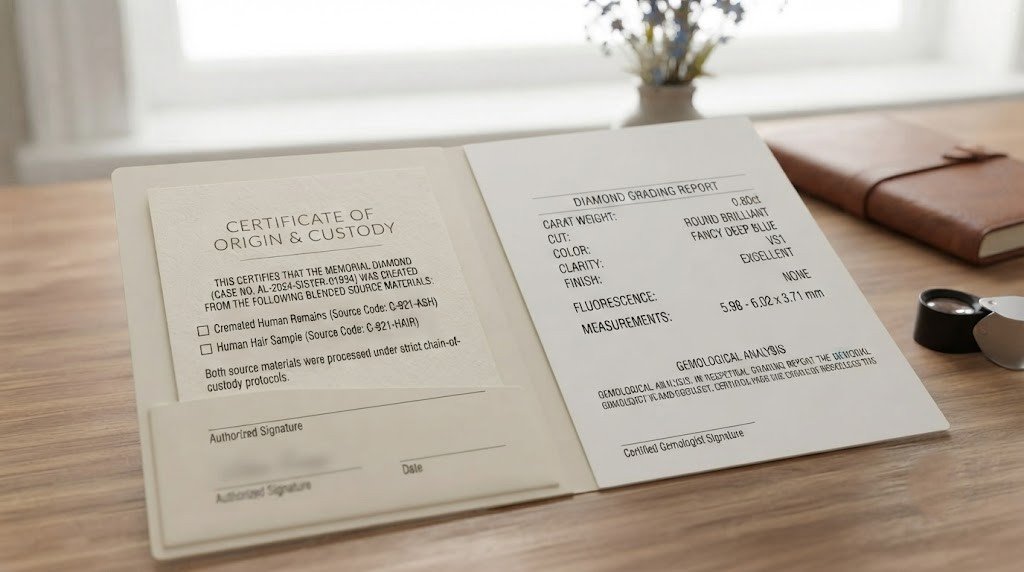
12. Will the origin certificate name both sources, and is independent grading included?

An origin or authenticity certificate issued by a provider may document its claimed connection between the submitted material and the finished diamond. Ask whether it will explicitly identify both ashes and hair.

Independent grading serves a different purpose. A grading report assesses characteristics of the diamond, such as cut, color, clarity, and carat weight.

You can learn more about the four Cs of diamond quality from GIA.

A clear answer includes: A sample of the provider’s origin documentation, confirmation that both materials can be recorded, and the name and fee of any independent grading service.

A warning sign: The company says its certificate proves everything but cannot explain what the document actually verifies.

Before ordering, understand the distinction between the provider’s origin claim and an independent assessment of the diamond.

13. What happens if growth fails or the stone fractures during cutting?

Diamond is extremely hard, but a diamond crystal can still fracture. A growth run may also fail to produce a usable stone.

With a blended order, you should ask what happens to any remaining prepared carbon from both materials.

A clear answer includes: A written policy covering unsuccessful growth, damage during cutting, possible regrowth, additional fees, reserved carbon, and changes to the timeline.

A warning sign: The provider dismisses the question without explaining its actual policy.

You are not expecting the provider to guarantee that every process will succeed. You are asking how it handles a problem if one occurs.

14. What happens to unused ashes and hair, and can they be returned separately?

If different relatives contributed the materials, they may want any unused portions returned to different people.

A clear answer includes: The company’s policy for unused material, storage periods, return arrangements, shipping costs, and how each portion is identified.

A warning sign: The provider cannot explain what happens to the remaining material after processing.

Confirm the intended return addresses before shipping. Do not assume unused material will automatically be returned.

15. Does blending change the quote?

Ask whether the provider charges an additional fee for processing two source materials. Request an itemized quote showing the diamond, any blending charge, color options, grading, setting, shipping, and other services.

General industry estimates vary widely. Smaller memorial diamonds may cost a few thousand dollars, while larger stones or specialty options may cost substantially more. These estimates are not verified current prices from Memorial Diamond.

A clear answer includes: A dated quote with all known charges listed separately and an explanation of what could cause the total to change.

A warning sign: The company says everything is included but does not provide a breakdown.

Share the quote with both material holders if they are involved in the decision. This can help everyone understand the same financial commitment.

For additional context, read how much a sister memorial diamond costs.

16. When does the production timeline begin if the two materials arrive at different times?

Ask whether the timeline begins when the first package arrives, when both packages have been received, or when the laboratory begins processing.

Industry estimates often place production in the range of several months, with larger stones or specialty colors potentially taking longer. Your provider’s current estimate and terms should guide your expectations.

A clear answer includes: A defined start date or start event, an estimated completion period, and an explanation of how delays are communicated.

A warning sign: The provider quotes a general turnaround time without explaining how it applies to a two material order.

Ask for the expected completion period in writing before you sign or pay.

What Warning Signs Can These Questions Reveal?

The way a provider answers your questions can tell you a great deal about its communication and documentation practices.

Pay attention if you encounter any of the following:

  • A claim that adding hair automatically makes the stone entirely your sister’s carbon.
  • An ash only carbon percentage applied to a blended stone without an explanation.
  • No clear description of how ashes and hair are combined.
  • An origin certificate that cannot identify both source materials.
  • No clear record for packages arriving on different dates.
  • No explanation of material separation or identification procedures.
  • No written policy for failed growth or damage during cutting.
  • No plan for handling unused ashes and hair.
  • Unclear extra charges or a vague final quote.
  • Pressure to commit quickly or emotional pressure about proving your love for your sister.

A provider that welcomes questions should be willing to explain its procedures, limitations, fees, and documentation.

You do not need to make a decision during the first conversation. Take time to compare the written answers and ask for clarification wherever something is unclear.

Which Answers Do You Need, and From Whom?

Use this checklist to keep the most important answers together.

Who you askMain questionWhat a good answer includes
Person keeping the ashesWill you agree to a blended stone?Clear permission for the proposed use
Person keeping the hairIs the hair hers, and can a portion be used?Source clarification and agreement
Both material holdersDo you understand the same plan?Shared understanding of the blend and ownership
ProviderHow are the materials combined?Written process explanation
ProviderHow are packages tracked?Identification and receipt records
ProviderWhat is the carbon contribution?Honest explanation of available evidence and estimates
ProviderWill both sources appear on the origin document?Sample documentation or written confirmation
ProviderWhat if the process fails?Written policy and possible additional costs
ProviderWhat happens to unused material?Clear storage and return arrangements
ProviderWhen does the timeline start?Defined start event and estimated completion period

Save the answers in one folder along with the order confirmation, permissions, shipping records, and any certificates. This makes it easier to review the arrangement before making a payment or sending irreplaceable material.

Would Two Separate Stones Suit Your Family Better?

Sometimes the answers to the sister ashes hair diamond questions may lead you to consider a different arrangement.

You might prefer two separate stones, one made using material from the ashes and another using material from the hair. This allows each material to remain separately represented, although the availability, costs, and requirements depend on the provider.

Another option is to use one material and keep the other as a keepsake. You can also decide to wait until every family member feels comfortable with the plan.

None of these choices is less meaningful than a blended diamond. What matters is that the decision is informed, voluntary, and respectful of everyone involved.

If you decide to explore one source at a time, read the guides to questions to ask before turning your sister’s ashes into a diamond and questions to ask before turning your sister’s hair into a diamond.

Frequently Asked Questions

Can the ashes and hair be sent at different times?

Some providers may allow separate shipments. Ask how the first package will be identified and stored while the second is in transit, and how both will be linked to the same order. Confirm the procedure before sending anything.

Does adding hair make the diamond larger?

Not automatically. The final carat weight depends on the growth process and the specifications of the order, not simply on the amount of source material supplied. Ask the provider how it determines the expected size.

Is a blended stone harder to verify than a single material diamond?

A blended order involves two sources that need to be documented. Ask how each package is identified, how the materials are linked to the order, and whether the origin documentation will name both sources.

What if one relative agrees and the other does not?

Do not use material without the appropriate permission. You may be able to proceed with only the material you are authorized to use, depending on the circumstances and the provider’s process. Alternatively, you can wait until the family has reached a comfortable decision.

Can hair be added after the diamond growth process has started?

Generally, the carbon must be prepared before the crystal grows, so adding another source after growth has begun may not be possible for the same stone. Ask the provider whether both materials must arrive before processing starts and whether a separate order would be required if hair arrives later.

Should both relatives see the written quote and provider answers?

It is often helpful when both relatives are contributing material or participating in the decision. Sharing the same quote, documentation policy, and return arrangements reduces the chance of misunderstandings.

Final Thoughts on Asking About a Blended Memorial Diamond

A memorial diamond made using carbon from both your sister’s ashes and hair may bring together keepsakes that have been held in different homes and cherished by different people. That is part of what makes the decision meaningful, but it is also why careful communication matters.

Take the sister ashes hair diamond questions one conversation at a time. Start with your own reasons and budget, speak respectfully with the person keeping the ashes, discuss the hair with its keeper, and then ask the provider for clear written answers.

Pay particular attention to consent, material tracking, carbon contribution, origin documentation, color, extra costs, failed growth, unused material, and timing.

You do not have to choose a blended stone if another arrangement feels more appropriate. Taking the time to make a thoughtful decision is itself a way to care for your sister’s memory and the people who share it.

Learn More About Sister Memorial Diamonds

Talk With Memorial Diamond

If you are considering a memorial diamond made from your sister’s ashes and hair, visit Memorial Diamond to explore your options.

Ask questions, review the process and costs in writing, and take the time you need before deciding how you would like to preserve her memory.

8 Clear, Expert Questions

What Color Will a Diamond Made From Your Sister’s Ashes and Hair Be?

If your sister’s ashes are kept by one relative while a lock of her hair rests with another, you may be considering combining both materials into one memorial diamond. One of the first questions you may have is what color the finished stone will be.

The sister ashes hair diamond color cannot be predicted simply by knowing that both materials will be used. Diamond color develops during crystal growth and depends on factors such as trace elements and the laboratory’s process. A blended stone may have a yellow, blue, or champagne tone, while additional processing may be available for a colorless result.

This guide explains how combining ashes and hair works, what influences the finished color, what different options may cost, and which questions to ask a provider before making a decision.

sister ashes hair diamond color

Does Combining Ashes and Hair Change the Sister Ashes Hair Diamond Color?

There is no reliable way to predict the finished color simply from the combination of ashes and hair. Diamond color develops during growth, when trace elements and other characteristics of the process influence the crystal.

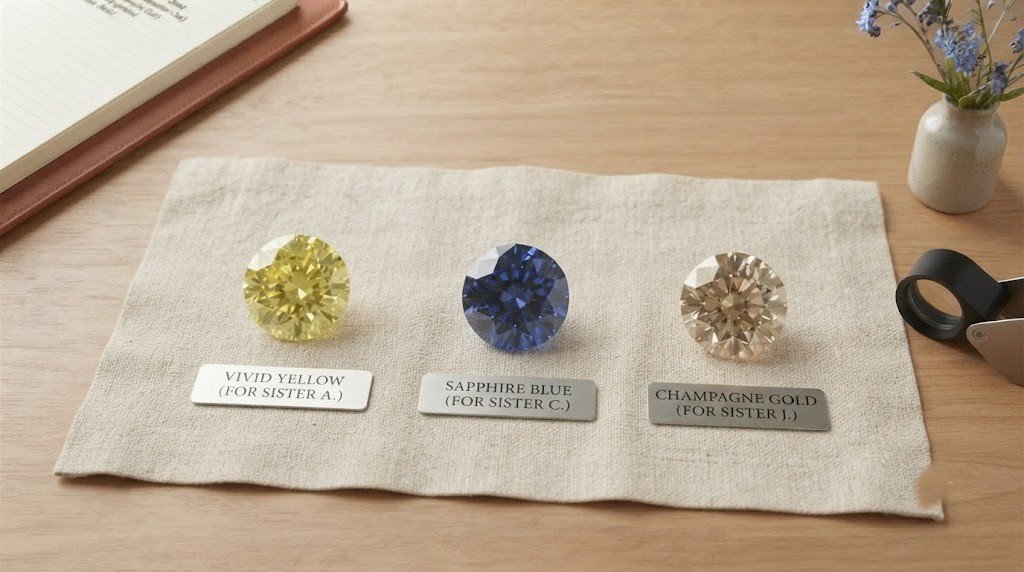
Nitrogen can contribute to a yellow appearance, while boron can produce blue coloration. A diamond grown with appropriate control of these impurities may be colorless. The exact outcome depends on the growth conditions and the provider’s process.

There is no established rule that hair makes a blended diamond lighter or that ashes make it darker. Both materials must be processed into usable carbon before diamond growth, and the final appearance cannot be guaranteed from the original materials alone.

This means the sister ashes hair diamond color is not something you can reliably select just by changing the ratio of ashes to hair.

For some families, combining the materials is meaningful because the finished stone represents two parts of their sister’s story. Other families prefer separate diamonds. Neither decision guarantees a particular color.

Who Holds Each Material, and Whose Agreement Do You Need?

Before discussing the sister ashes hair diamond color, make sure you have permission to use both materials.

Permission to use her ashes

The person who possesses the ashes is not necessarily the person who has legal authority to decide how they may be used. Applicable rules can vary by state, and written instructions or a designated representative may affect who can authorize the decision.

If you are unsure, contact the funeral home or crematory to ask what information it can provide. A local attorney can help clarify legal authority when necessary.

Providers have different material requirements. Ask your chosen company how much ash it needs rather than relying on a general quantity.

Permission to use her hair

Hair may be kept in a brush, envelope, keepsake box, or another family member’s home. Ask the person who holds the lock of hair whether they agree to its use.

Hair that belonged to your sister may also raise questions about her estate, depending on the circumstances and applicable law. If ownership or authority is unclear, seek appropriate local advice.

Keep both agreements documented

When different relatives hold the ashes and hair, record the permissions separately. Keep copies of any relevant correspondence, shipping receipts, and the provider’s intake confirmations.

This helps everyone understand which materials were submitted and supports the documentation for the finished diamond.

What If Her Ashes and Hair Reach the Laboratory at Different Times?

The ashes and hair may be sent in separate packages, particularly if they are held by different relatives. One package might arrive well before the other.

Ask the provider:

  • How will each package be identified and recorded?
  • How will the first material be stored while the other is in transit?
  • Does processing begin only after both materials arrive?
  • What happens if one material never arrives?
  • Can the order proceed with only one material if the family agrees?

These arrangements do not make the final color predictable, but they matter for traceability and communication.

Keep each shipping receipt and intake confirmation. Ask whether the origin documentation can identify both materials and explain how the company records their receipt.

How Do Laboratories Combine Two Sources Into One Stone?

The exact procedure varies by provider. Ask whether the ashes and hair are purified separately and when the resulting carbon is combined.

Carbon extraction and purification

Cremated remains contain substantial mineral material, while hair is made primarily of keratin and contains carbon as part of its organic structure. A laboratory must process each source using a method appropriate to the material.

The usable carbon recovered from ashes is limited and varies. Hair also requires processing before its carbon can be used. Ask the provider to explain its extraction method and what it can document about the material recovered.

Combining the carbon

Some providers may purify each source separately and combine the carbon afterward. Others may use a different workflow. There is no reason to assume that all companies follow an identical process.

Ask whether supplemental laboratory carbon is used to provide enough material for growth. Also ask what the provider can substantiate about the contribution from your sister’s ashes and hair.

There is no universal, established percentage for how much of a finished blended diamond’s mass comes specifically from the hair and ash carbon. Be cautious of precise percentages unless the provider explains how it measures them.

Growing the diamond

Laboratories may use high-pressure, high-temperature growth (HPHT) or chemical vapor deposition (CVD), depending on their process.

The growth method, impurities, and other conditions influence the crystal. The amount of original material alone does not tell you the final carat weight or color.

For a broader overview, read our complete guide to a memorial diamond made from a sister’s ashes and hair.

Why Do Memorial Diamonds Tend Toward Yellow, Blue, and Champagne?

The color of a laboratory-grown diamond can be influenced by trace elements and the conditions under which the crystal forms.

  • Yellow: Nitrogen can contribute to yellow coloration.
  • Blue: Boron can produce blue coloration.
  • Champagne or brown: Warm shades may occur depending on the crystal and growth conditions.
  • Colorless: Achieving a colorless result may require additional control over impurities and processing.

These are general explanations, not a guarantee of what a particular memorial diamond will look like.

A yellow, blue, or champagne stone is not automatically defective. The most suitable shade depends on your personal preference and the jewelry you want to create.

For a broader overview of available shades, read Memorial Diamond Colors for a Sister: What to Expect.

What Do the Color Options Cost, and How Long Do They Take?

Because the natural sister ashes hair diamond color cannot be guaranteed in advance, your practical choice is often whether to accept the expected natural tint or pay for additional processing if the provider offers it.

OptionWhat it meansCost and timing considerations
Natural colorThe shade produced by the growth processUsually the baseline option offered for that size
ColorlessAdditional processing may be needed to control impuritiesMay cost more and could affect the timeline
Treated colorSome providers offer post-growth treatments for selected colorsAvailability, disclosure, price, and timing vary
Independent gradingAn outside laboratory evaluates diamond characteristicsOften an additional charge and another production stage

General industry estimates have placed smaller stones of around 0.10 to 0.25 carat at approximately $1,500 to $3,500, stones of 0.5 to 1 carat at approximately $5,000 to $15,000, and stones of 2 to 5 carats or more at substantially higher prices. These are broad estimates, not verified current prices from Memorial Diamond.

Production estimates are also provider-dependent. A timeframe of roughly six to ten months is commonly cited for memorial diamond production, while larger stones or specialty colors may take longer. Ask whether your preferred color or a blended material changes the estimated schedule.

Engraving, settings, special cuts, shipping, and independent grading may cost extra. Always request a current itemized quote.

For more detail, see how much a sister memorial diamond costs.

When Is Irradiation an Option, and How Must It Be Disclosed?

Some providers offer post-growth irradiation to alter a diamond’s color. The colors available and the treatment methods vary between companies.

If you are considering a treated shade, ask:

  • Which colors can you produce?
  • Is the treatment included in the quoted price?
  • Will the treatment be disclosed on the invoice and relevant grading documentation?
  • Does the treatment affect care or jewelry repairs?
  • Is the final color guaranteed, or is it an estimate?

Treatment changes the diamond’s appearance; it does not establish the origin of the carbon. Do not assume that every provider offers irradiation or that every treated color is available for every stone.

The sister ashes hair diamond color should be documented honestly, whether the stone has a natural tint or a treated shade.

How Should the Paperwork Record Both Her Ashes and Her Hair?

A blended memorial diamond involves two source materials, so ask how the provider documents both.

Origin or authenticity documentation

A provider-issued origin certificate may record the company’s claimed connection between the submitted materials and the finished stone. Ask whether it can name both the ashes and hair and whether it records separate intake details when the packages arrive on different dates.

Do not assume that every origin certificate follows the same standard or independently verifies every stage of the process.

Independent grading report

An independent grading report evaluates characteristics of the diamond itself, such as cut, color, clarity, and carat weight. It serves a different purpose from a provider-issued origin certificate.

You can read about GIA’s diamond quality factors to understand the four Cs.

Ask which laboratory would issue the report, whether the service is optional, what it costs, and how it describes treated colors.

What to keep

Keep the written permissions, shipping receipts, intake confirmations, order confirmation, origin documentation, and any grading report. If the provider cannot document the exact percentage of carbon from each source, it should explain that limitation rather than imply that a precise split is established.

Could Blended Stones for Different Siblings Look Different?

Yes. Two diamonds may look similar or different, even when they are ordered from material associated with the same person. Each growth run can produce its own result, so a matching color cannot be promised.

Families may choose different arrangements. One sibling might prefer a blended stone, while another may want a diamond made from ashes alone or hair alone.

Before ordering multiple stones, ask whether the provider can coordinate the orders and what material is needed for each. Do not assume the same color, size, price, or timeline will apply to every stone.

If several relatives will share ownership of one diamond, record the arrangement in writing.

You can also read about sharing a sister memorial diamond among family members.

Which Decisions Stay With Your Family?

Although the natural color cannot be predicted precisely, your family can make several meaningful choices.

  • Whether to combine ashes and hair or make separate stones.
  • Whether to accept a natural tint or ask about colorless processing.
  • Whether to investigate treated colors where available.
  • Which cut and shape to request.
  • Which metal and jewelry setting to use.
  • Whether to obtain independent grading.
  • How to divide costs and determine ownership.
  • What should happen to unused material.

The cut and setting may affect how a stone’s color appears to the eye. Ask a jeweler to show you suitable options for the actual stone rather than relying on a general rule about which metal or cut will look best.

For inspiration, explore memorial diamond settings and jewelry ideas for a sister.

What Eight Questions Should You Ask a Provider About Color?

Before sending any material, ask the provider these eight questions and keep the answers in writing.

  1. Do you purify the ashes and hair separately, or are they combined at another stage?
  2. What evidence supports your explanation of how blending affects color?
  3. Which natural shades have you produced, and can you provide representative, unretouched photographs?
  4. What is the additional cost of a colorless option for my chosen carat weight?
  5. Do you offer irradiation or other post-growth treatments, and how are they disclosed?
  6. Will your origin documentation name both source materials and record their receipt?
  7. What happens if growth fails or the stone fractures during cutting?
  8. What happens to unused ashes and hair, and can they be returned?

A provider should be able to explain its actual process, costs, limitations, and documentation. Clear answers are more useful than a promise that the finished stone will have a particular appearance.

If you are still comparing materials, read our guides to the color of a diamond made from your sister’s ashes and the color of a diamond made from your sister’s hair.

Frequently Asked Questions

Will her ashes or hair have more influence on the diamond’s color?

There is no reliable general rule that identifies one material as the deciding factor. The color forms during growth and depends on the growth conditions and trace elements. A provider should explain what it knows about its own process without promising a color based solely on the source material.

Can a diamond made from both ashes and hair be colorless?

A colorless option may be available, depending on the provider’s process. Additional processing may be required, and it can increase the price or affect timing. Confirm the availability, expected result, and terms before ordering.

Does a blended diamond take longer than a diamond made from one material?

That depends on the provider’s workflow. Ask whether it waits for both materials before beginning and whether processing two sources affects the schedule. Request a written estimate rather than assuming that every blended order takes longer.

What if one relative agrees but the other does not?

Do not use material without the appropriate permission. You may be able to proceed with only the material you are authorized to use, if the provider supports that option and everyone involved understands the arrangement.

Will the certificate show the percentage from ashes and the percentage from hair?

There is no universal percentage standard for blended stones. Ask the provider what its origin documentation records and whether it can substantiate a source-specific estimate. Be cautious about unsupported claims of precise percentages.

Final Thoughts on the Color of a Blended Diamond for Your Sister

Combining your sister’s ashes and hair into one diamond may hold special meaning when those keepsakes are kept by different members of the family. However, the final color is not a predictable result of blending the two materials.

The sister ashes hair diamond color depends on the diamond growth process and the factors that influence its appearance. Your family can choose how the materials are used, compare color options, review the costs, and decide how the finished stone will be set and preserved.

Before making a commitment, obtain the necessary permissions, ask how both materials will be documented, and request clear written answers about color, treatment, cost, and timing. Take the time you need to choose an option that feels right for your family.

Learn More About Sister Memorial Diamonds

Talk With Memorial Diamond

If you are considering combining your sister’s ashes and hair, visit Memorial Diamond to explore your options. Ask about the available colors, the process, documentation, and costs before deciding how you would like to preserve her memory.

sister ashes diamond steps

Step by Step: Turning Your Sister’s Ashes Into a Diamond

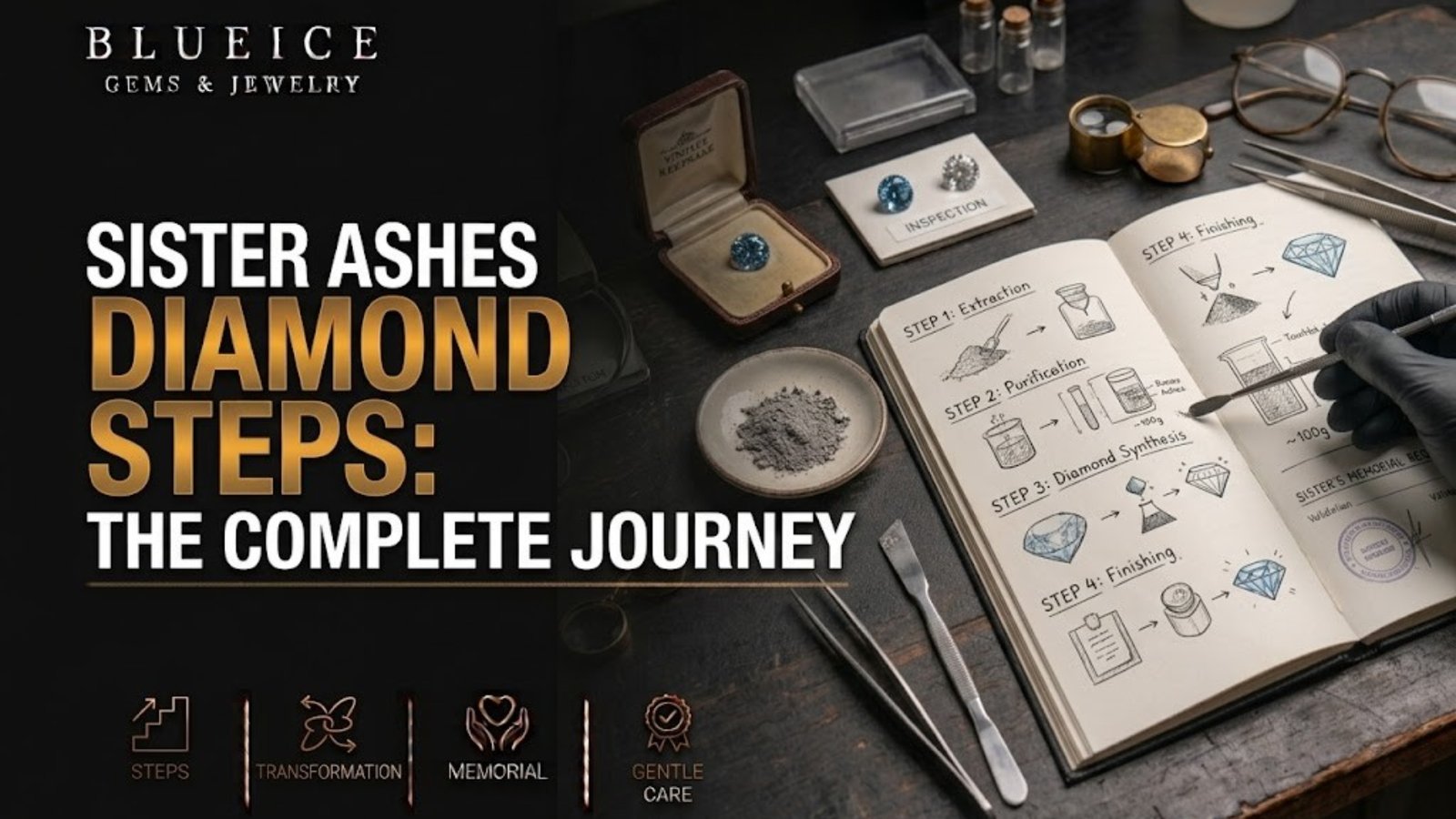
After losing a sister, you may want to preserve her memory in a way you can carry with you. A memorial diamond is one option, but understanding the process before making a decision can help you feel more prepared. These sister ashes diamond steps explain what happens from the first family conversation to receiving the finished stone.

The process involves more than sending ashes to a laboratory. You need to establish who has authority over her remains, obtain permission, choose a provider, agree on the diamond specifications, and understand how the material will be handled. The laboratory then processes the carbon, grows a crystal, and finishes the stone.

This guide covers twelve sister ashes diamond steps, including what you need to do, which documents to keep, what questions to ask, and how long the process may take. Take each stage at your own pace. You do not have to make every decision at once.

sister ashes diamond steps

What Do the Sister Ashes Diamond Steps Look Like at a Glance?

The process can be divided into two parts. The first part involves your family, your decisions, and preparing the material. The second part takes place inside the laboratory.

Here are the twelve sister ashes diamond steps in order:

  1. Have the first family conversation.
  2. Confirm who has authority over her remains.
  3. Obtain written permission for a portion of the ashes.
  4. Compare providers and collect answers in writing.
  5. Choose the diamond specifications and budget.
  6. Measure and seal the agreed portion.
  7. Ship the material and confirm receipt.
  8. Extract and purify the carbon.
  9. Prepare the carbon for diamond growth.
  10. Grow the crystal in the laboratory.
  11. Cut, polish, and arrange any grading.
  12. Receive, inspect, and decide how to keep or wear the diamond.

For a more conversational overview, read our guide to turning your sister’s ashes into a diamond.

Who Has to Agree Before Any Ash Leaves the Urn?

Before any material is moved, establish who can authorize its use. This is an important part of the sister ashes diamond steps because family relationships do not automatically determine legal authority.

Rules vary by location, and written instructions or a legally designated representative may affect who can make decisions about cremated remains.

Step 1: Have the First Family Conversation

Begin by explaining why you are considering a memorial diamond. Give relatives an opportunity to share their thoughts without feeling pressured to agree.

Some family members may appreciate the idea. Others may prefer to keep the ashes together or choose a different memorial. These reactions can be deeply personal, and everyone deserves a respectful conversation.

What you do: Explain your idea and listen to your family’s concerns.

Who may be involved: Your siblings, other close relatives, and the person responsible for the ashes.

What to keep: Notes about the conversation and any concerns that need further discussion.

Checkpoint: The relevant family members understand what you are considering, and you know which questions remain unresolved.

There is no need to finish this conversation in one sitting. Take the time your family needs.

Step 2: Confirm Who Has Authority Over Her Remains

A sibling is not automatically the person legally authorized to divide or release cremated remains. The rules depend on the applicable jurisdiction and the circumstances.

Contact the funeral home or crematory to ask what information it can provide about the person who authorized the cremation. If the authority is unclear, seek advice from a local attorney familiar with the relevant rules.

What you do: Identify the person whose consent is required.

Who may be involved: The funeral home, crematory, family representative, or local attorney.

What to keep: Relevant correspondence or documents confirming the authorization arrangements, where available.

Checkpoint: You know who must approve the use of the ashes before proceeding.

Do not treat a general description of family priority as a universal legal rule. Confirm the requirements that apply to your circumstances.

Step 3: Obtain Written Permission for a Portion of the Ashes

If another person has authority over your sister’s remains, explain the request clearly and respectfully. Ask the provider how much material is required before agreeing on a specific amount.

Written consent helps everyone understand what has been approved and avoids confusion later.

What you do: Request permission for the agreed portion.

Who may be involved: The authorized person, you, and potentially the funeral home.

What to keep: A dated email or signed document describing the permission given.

Checkpoint: The permission is recorded, and everyone understands what will happen to the remaining ashes.

If religious or cultural considerations matter to your family, discuss them with a trusted adviser from your own tradition. Practices can vary.

How Do You Choose a Provider and Settle the Details?

The next sister ashes diamond steps turn your intention into a clear order. Compare companies based on their documented procedures, costs, communication, and policies rather than choosing on price alone.

Step 4: Compare Providers and Collect Answers in Writing

Contact two or three providers if possible. Ask each company the same questions so that you can compare their answers fairly.

Important questions include:

  • How will the ashes be identified and tracked?
  • Is the material processed separately from other customers’ material?
  • Is supplemental laboratory carbon used, and can the provider explain the expected contribution from your sister’s material?
  • What happens if a growth attempt fails or the stone fractures during cutting?
  • What happens to unused ashes?
  • Is independent diamond grading available, and is it included in the price?
  • Can you pause or cancel the order, and what fees might apply?

Our guide to questions to ask before choosing a provider offers a more detailed checklist.

What you do: Compare written answers and request a dated quote.

What to keep: The answers, quote, terms, and any cancellation or failure policy.

Checkpoint: You understand the main terms before sending any ashes or making a payment.

Step 5: Choose the Diamond Specifications and Budget

Decide what type of diamond you want and how much you can comfortably spend. Consider the carat weight, preferred shape, available colors, jewelry setting, and whether you want an independent grading report.

Costs can vary substantially according to the provider and the services included. General industry estimates sometimes place smaller stones of around 0.10 to 0.25 carat in the $1,500 to $3,500 range, stones around 0.5 to 1 carat in the $5,000 to $15,000 range, and stones around 2 to 5 carats or more in a considerably higher range. These are broad estimates, not verified prices or offers from Memorial Diamond. Request a current quote before making a decision.

Color preferences also require discussion. The available shades and the methods used to achieve them differ by provider. Ask whether a requested color is an estimate or a guarantee and whether any post-growth treatment is involved.

What you do: Agree on a size, shape, color preference, and spending limit.

What to keep: A written order confirmation listing specifications, inclusions, exclusions, and the total cost.

Checkpoint: Everyone contributing financially understands the cost and, if relevant, who will own the finished stone.

How Is a Portion of Her Ashes Measured, Sealed, and Sent?

The next sister ashes diamond steps involve preparing and transporting something irreplaceable. Follow the provider’s instructions exactly, and ask for help from the funeral home if you do not feel comfortable handling the ashes yourself.

Step 6: Measure and Seal the Agreed Portion

Some providers may send a collection kit containing a container, labels, and instructions. The required amount varies. Ask the company for its exact requirement rather than relying on a general estimate.

What you do: Measure the agreed portion according to the provider’s instructions and seal the container.

Who may be involved: You, the authorized family member, or a funeral director.

What to keep: A photograph of the sealed container and a record of the amount sent, if appropriate.

Checkpoint: The label and order details match, and the container is secured as instructed.

Do not send additional ashes simply because you think more material will produce a larger diamond. Ask the provider what is needed for your order.

Step 7: Ship the Material and Confirm Receipt

Use the shipping method specified by the provider. Ask whether signature confirmation, special packaging, or particular paperwork is required.

After shipping, monitor the tracking information and request confirmation when the company receives the container.

What you do: Send the material using the agreed method and retain the tracking number.

Who may be involved: You, the carrier, and the provider’s intake team.

What to keep: The shipping receipt, tracking details, and the provider’s confirmation of receipt.

Checkpoint: You have confirmation that the material arrived and know the identification number assigned to your order.

The provider’s receipt date may be the starting point for its production estimate, but confirm the exact starting event in your agreement.

Which Sister Ashes Diamond Steps Happen Inside the Laboratory?

Once the provider receives the material, the laboratory carries out the technical stages. The exact process depends on the company and its method. Ask which updates it provides and whether you will receive documentation for individual stages.

Step 8: Extract and Purify the Carbon

Cremated remains consist largely of mineral material, with a relatively small amount of potentially usable carbon. The laboratory works to separate and purify the carbon needed for its process.

The amount recovered varies with the material and the provider’s method. Ask the company how it describes the extraction process and what it can document.

Your role: Ask how the company confirms that the material is associated with your order.

What to keep: Any extraction update or documentation the provider supplies.

Checkpoint: The order identification remains consistent in the communications you receive.

Step 9: Prepare the Carbon for Diamond Growth

The recovered carbon must be prepared in a form suitable for the provider’s growth method. Some companies use a graphitization stage, and supplemental laboratory carbon may be added where necessary.

Because the amount of carbon recovered from ashes is limited, the finished diamond should not automatically be described as consisting entirely of the original ashes. Ask the provider to explain how it estimates the contribution from your sister’s material.

Your role: Request a clear explanation of the process and any stated carbon contribution.

What to keep: The provider’s written explanation or estimate, if it supplies one.

Checkpoint: You understand what the company can substantiate and what it cannot quantify precisely.

Step 10: Grow the Crystal in the Laboratory

Laboratories can use established methods such as high-pressure, high-temperature growth (HPHT) or chemical vapor deposition (CVD), depending on the provider’s process. These methods are different, so ask which one the company uses rather than assuming every provider follows the same procedure.

Growth may take weeks or months, depending on the method and specifications. A usable crystal is not guaranteed in every attempt.

Your role: Ask when growth is expected to begin and what happens if a cycle fails.

What to keep: Any progress updates offered and the written policy for failed growth.

Checkpoint: You understand how the company handles delays, unsuccessful attempts, additional costs, and any possible use of retained material.

For background on laboratory-grown diamond methods, you can read more about the underlying technology.

What Happens Between the Rough Crystal and the Finished Stone?

Step 11: Cut, Polish, and Arrange Any Grading

Once a suitable crystal is available, it can be cut and polished into the chosen shape. The final appearance may differ from an early estimate, so confirm what the provider promises about color, dimensions, and finish.

Ask about two different kinds of documentation:

  • Origin or authenticity documentation: A provider-issued document may describe the company’s claim that the stone is connected to the submitted material. Ask exactly what the document verifies.
  • Independent grading report: An outside laboratory may assess characteristics such as cut, color, clarity, and carat weight. Availability and cost vary.

You can learn about the four Cs of diamond quality from GIA.

What you do: Decide whether you want independent grading and confirm any additional cost.

What to keep: The provider’s origin documentation and any grading report you purchase.

Checkpoint: The documents match your order, and you understand the difference between a provider’s origin claim and an independent assessment of the diamond.

Step 12: Receive, Inspect, and Decide How to Keep the Diamond

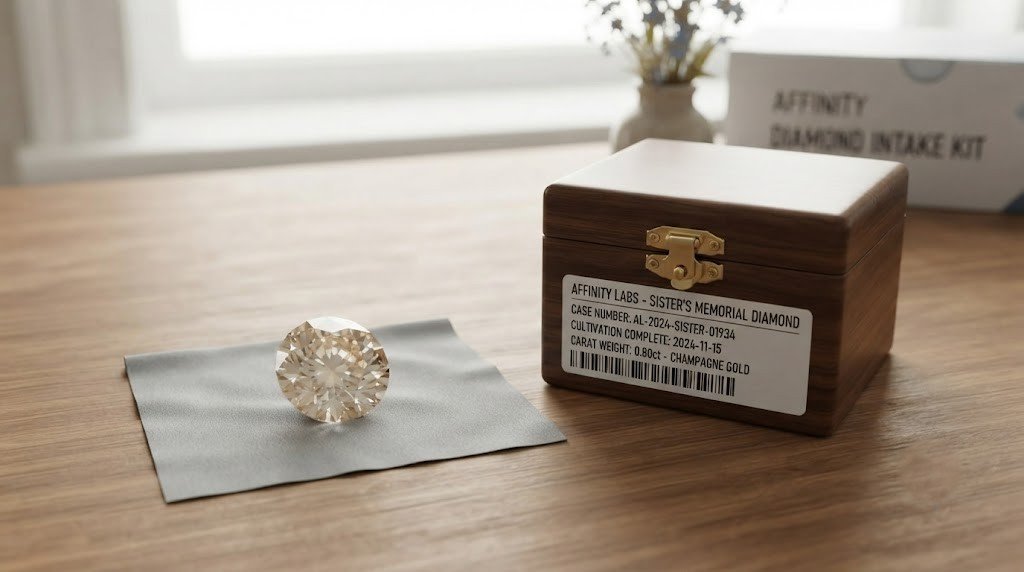
When the finished stone arrives, compare it with your order confirmation. Check the documented carat weight, shape, color description, and any engraving or other agreed features.

If you intend to wear the diamond, a jeweler can help you choose a suitable setting. Although diamond is extremely hard, it can still chip under certain impacts. Ask about practical care and discuss insurance with your insurer if coverage is important to you.

What you do: Inspect the stone, photograph it, and decide whether to wear it, set it in jewelry, or keep it safely stored.

What to keep: The diamond, order confirmation, certificates, grading report if applicable, and any unused ashes returned to you.

Checkpoint: You have checked the order, filed the documents, and confirmed any remaining arrangements.

How Long Do the Sister Ashes Diamond Steps Take?

The full timeline depends on the provider, the chosen stone, and whether additional work is required. Industry estimates commonly place laboratory production around six to ten months after the material is received. Some orders, including larger stones or specialty colors, may take longer. These are general estimates rather than guaranteed delivery dates.

PhaseSteps includedWhat to keep
Family preparationSteps 1 to 3Relevant correspondence and written consent
Provider and orderSteps 4 and 5Written answers, quote, and order confirmation
Preparation and shippingSteps 6 and 7Container details, shipping receipt, and intake confirmation
Laboratory workSteps 8 to 10Updates and any written carbon or failure-policy details
FinishingStep 11Origin documentation and grading report, if ordered
DeliveryStep 12Finished stone, final documents, and returned material if applicable

The first stages can take as long as your family needs. The laboratory stages are controlled by the provider’s process and schedule. Before ordering, ask when the production clock starts, how updates are provided, and how delays are handled.

Which Documents Should You Keep?

A clear paper trail can help you understand what was agreed and what happened throughout the process. Keep digital copies and, if possible, a separate backup.

Use this document checklist:

DocumentWhy it matters
Relevant funeral home or crematory correspondenceHelps clarify the authorization arrangements
Written consent for the portionRecords what was approved
Provider’s written answersRecords handling, carbon, failure, and return policies
Signed order confirmationConfirms the chosen specifications and price
Photograph of the sealed containerRecords the package before shipment
Shipping receipt and tracking numberHelps establish the shipment record
Provider’s receipt confirmationConfirms the material arrived
Origin or authenticity documentationRecords the provider’s stated origin claim
Independent grading report, if orderedDocuments the grading laboratory’s assessment
Insurance or appraisal paperwork, if applicableSupports your own record keeping

Keep one copy of important documents somewhere separate from the jewelry itself.

Where Can the Sister Ashes Diamond Steps Get Delayed?

A few common issues can make the process more complicated. Many can be addressed by asking questions early.

  • Unclear permission: Confirm who has authority and obtain written consent before sending anything.
  • Family members working from different assumptions: Choose one point of contact and record decisions.
  • Incomplete provider information: Ask for written answers before paying or shipping.
  • Unclear failure or cancellation policies: Read the terms before committing.
  • Uncertain costs: Request a complete quote that lists extra services and possible charges.
  • Unclear ownership: If several people are contributing or sharing the stone, agree on ownership in writing.
  • Unclear arrangements for unused ashes: Confirm whether the material can be returned and to whom.
  • Unrealistic timing expectations: Ask for the provider’s current estimate and what could affect it.

If your sister also left hair that you are considering using, read about turning your sister’s ashes and hair into a diamond. If you are considering hair alone, see the hair-based memorial diamond checklist.

If you are not ready to choose a provider yet, our guide to choosing a memorial diamond for your sister is a helpful place to begin.

Frequently Asked Questions

Can I begin if I only have a small keepsake urn?

Possibly. Providers have different material requirements. Tell the company how much you have before beginning the sister ashes diamond steps, and confirm that the person who gave you the ashes agrees with your intended use.

What paperwork should travel with the ashes?

Ask the provider what it requires. Some companies may request documents that help identify the remains or connect them with the order. Follow the provider’s instructions and keep copies of relevant records.

Can I pause the process?

Before shipping, you can take time to decide whether you want to proceed. Once laboratory work begins, pausing or cancelling may depend on the company’s terms. Ask about these possibilities before placing the order.

What if the person responsible for the ashes says no?

Respect the decision. You can continue gathering information without sending the material, and you may revisit the conversation if circumstances change. If there is a genuine dispute about legal authority, consult a local attorney rather than trying to bypass the person entitled to decide.

Will unused ashes be returned?

That depends on the provider’s policy. Ask before shipping and get the answer in writing. If another person authorized the portion, agree in advance about who should receive any unused material.

Can two siblings order separate diamonds?

This may be possible, but the amount required and the arrangements depend on the provider. Ask how much material is needed for each stone and how multiple orders would be handled before dividing the ashes.

Final Thoughts on Turning Your Sister’s Ashes Into a Diamond

Turning your sister’s ashes into a diamond is a personal choice, and the process deserves patience and care. Following the sister ashes diamond steps can help you understand the decisions involved, record your family’s permission, compare providers, and keep track of the documents that matter.

Start with a conversation, establish who can authorize the use of the ashes, and obtain written answers before moving forward. Ask about the laboratory process, the expected carbon contribution, the complete cost, and what happens if something does not go according to plan.

You do not have to rush. Take each stage at a pace that feels right for you and your family. Whether you proceed with a memorial diamond or choose another way to honor your sister, your decision should be informed, voluntary, and meaningful to you.

Learn More About Sister Memorial Diamonds

Talk With Memorial Diamond

If you would like to learn more about the process, visit Memorial Diamond. Ask your questions, review the details in writing, and take whatever time you need before deciding how you would like to remember your sister.

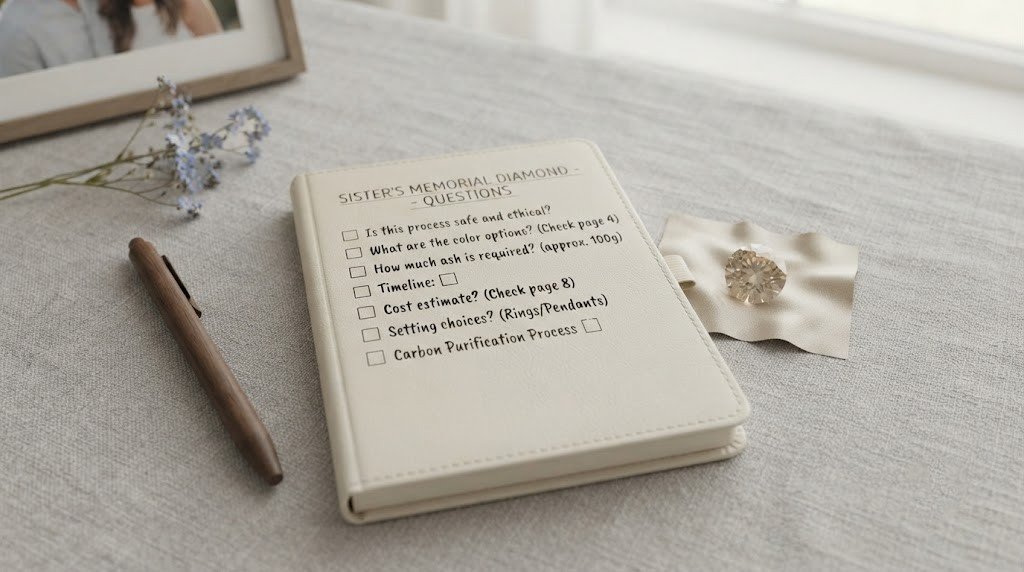
Sister Ashes Diamond Questions 15 Expert, Honest Checks

Questions to Ask Before Turning Your Sister’s Ashes Into a Diamond

Turning your sister’s ashes into a memorial diamond is a deeply personal decision. Before choosing a provider, asking the right sister ashes diamond questions can help you understand the process, family permissions, costs, and the company’s policies. These questions can also help you recognize unclear answers before you send something irreplaceable to a laboratory.

This guide organizes fifteen important questions into three groups: questions to ask yourself, questions to discuss with your family, and questions to ask the memorial diamond provider. You will also learn which answers to request in writing, which warning signs to notice, and how to compare providers without feeling rushed.

Table of Contents

Why Organize Sister Ashes Diamond Questions by Who You Ask?

Different people can answer different parts of the process. You decide what kind of memorial feels right for you. The person legally authorized to make decisions about your sister’s remains can help establish permission. The provider should explain the laboratory process, handling procedures, costs, and timeline.

Organizing your sister ashes diamond questions makes these conversations easier to manage. It also helps prevent confusion between family permission and the technical details of making a diamond.

If you are still deciding whether this is the right memorial, read our guide on choosing a memorial diamond for your sister.

If you are considering her hair rather than her ashes, our guide to questions about a sister hair memorial diamond covers that different process.

Which Sister Ashes Diamond Questions Should You Ask Yourself First?

Before contacting a provider, take time to understand what you want from the memorial. These first three questions can help you make choices that suit your needs and budget.

1. What do I want this diamond to represent?

Think about how you hope to remember your sister. You might want a small stone to wear every day, a pendant to keep close to your heart, or a diamond that will become a family keepsake.

Your intended use can influence the size, setting, and budget. A stone worn daily may need a practical setting, while a diamond kept in a display box may have different requirements.

A clear answer sounds like: I want a small diamond that I can wear on a necklace to remember my sister.

An answer that needs more thought sounds like: I am not sure yet, but I want something meaningful.

There is no need to decide everything immediately. Understanding your purpose simply makes the next steps easier.

2. What is my complete budget?

Ask how much you can comfortably spend without putting pressure on other financial responsibilities. Remember that the finished diamond may not be the only expense.

Depending on the provider, additional costs may include an independent grading report, a jewelry setting, engraving, shipping, or a special cut. Ask for a complete written quote instead of relying on an advertised starting price.

A clear answer sounds like: I have a budget limit and want to understand every additional charge before placing an order.

A warning sign: A provider pressures you to spend more without explaining what the extra cost covers.

Your sister ashes diamond questions should include affordability from the beginning, so you can compare options calmly.

3. Am I ready to send a portion of her ashes and wait for the result?

The process involves sending a portion of the remains to a provider. The laboratory may need several months to create and finish the diamond. Waiting can feel comforting to some families and difficult for others.

Consider whether you feel ready to part with a portion of the ashes, even temporarily. Ask yourself whether the expected wait fits your emotional needs and any important family dates.

A clear answer sounds like: I feel comfortable sending the agreed portion and understand that the process may take several months.

If you feel uncertain, pausing is a reasonable decision. You do not have to move forward before you feel ready.

Who Has Authority Over Her Ashes, and What Should You Ask?

Family permission deserves careful attention. A sibling may not automatically have legal authority to release or divide cremated remains. The rules can vary by location, and written instructions or a designated representative may affect who can make the decision.

If you are uncertain, ask the funeral home or crematory what information it can provide, and seek local legal advice when necessary.

4. Who has authority over her remains, and will they agree to release a portion?

This is one of the most important sister ashes diamond questions to resolve before sending anything.

Identify the person who has authority to make the decision. Explain your intention respectfully and ask whether they agree to provide the amount required by the chosen provider.

A clear answer: The authorized person has agreed to the specific amount and the arrangement is documented.

An unclear answer: Family members assume someone else has already given permission.

Do not assume that possession of the urn automatically establishes legal authority.

5. How much ash is needed, and what happens to the remainder?

The required amount varies between providers and may depend on the requested diamond. Ask for the exact amount before packaging or shipping anything.

For more detail, see our guide to how much ash is needed for a sister memorial diamond.

A clear answer: The provider gives a specific quantity, explains its collection instructions, and confirms what happens to any unused material.

An unclear answer: The provider simply says to send as much as possible.

Sending more material does not automatically guarantee a larger diamond. Only send what the provider requests and what the authorized family member has agreed to release.

6. Who else in the family should be consulted?

Other relatives may want a say in how the remains are handled. Some may wish to share a memorial diamond, while others may prefer that the ashes remain together.

Discuss these preferences before making an irreversible decision. If relatives have concerns related to faith or family tradition, consider speaking with a trusted religious adviser.

A clear answer: Relevant family members have been consulted, and everyone understands who will own or receive the finished jewelry.

An unclear answer: Someone assumes that the rest of the family will agree later.

If you need help starting the conversation, read our advice on talking to family about a sister memorial diamond.

Which Sister Ashes Diamond Questions Belong With the Provider?

Once you understand your wishes and have addressed permission, ask the provider for clear answers. Whenever possible, get important details in writing before sending the ashes or paying a deposit.

7. How will you identify and track her ashes?

Ask how the company labels, records, receives, and tracks the material throughout the process. You should understand how it confirms receipt and records transfers between stages.

A clear answer: The provider explains its identification system, record keeping, and arrival confirmation.

A warning sign: The provider offers reassurance but cannot explain its procedures.

8. Will her material be processed separately from other families’ material?

Tracking and processing are different questions. A label may identify a container, but you should also ask how the provider handles extraction and purification.

A clear answer: The provider explains whether processing is performed separately and describes the safeguards it uses.

A warning sign: The company avoids answering whether material from different families may be processed together.

Do not rely on assumptions. Ask the provider to explain its actual process in writing.

9. What percentage of the finished diamond will come from her carbon?

Cremated remains contain mineral material as well as a small amount of usable carbon. The amount of carbon that can be recovered and its contribution to the finished diamond can vary.

Ask the provider how it estimates the contribution from your sister’s remains, whether supplemental laboratory carbon is used, and what it can document for your selected diamond.

A clear answer: The provider explains its method and supplies a written estimate or range when it can substantiate one.

A warning sign: The company claims that the finished diamond consists entirely of your sister’s ashes without explaining the material and growth process.

You can learn more about how a memorial diamond is made from a sister’s ashes.

10. Will the diamond’s color come from the growth process or later treatment?

Memorial diamonds may be available in different colors, depending on the provider and its process. Ask which colors are available, whether a particular color is guaranteed, and whether any post growth treatment is used.

A clear answer: The provider explains the available colors, the limitations of predicting a final shade, and any treatments in writing.

A warning sign: The company promises a precise color without explaining how it will be achieved.

Color alone does not establish the origin of a diamond or describe the person being remembered.

11. Will I receive an origin certificate, an independent grading report, or both?

These documents may serve different purposes. A provider’s origin document may describe the company’s claimed connection between the submitted material and the finished stone. An independent grading report evaluates diamond characteristics according to the issuing laboratory’s procedures.

Ask who issues each document, what it verifies, whether independent grading is available, and whether it costs extra. You can read about the four Cs of diamond quality for more information about cut, color, clarity, and carat weight.

A clear answer: The provider names the issuing organization and explains exactly what each document covers.

A warning sign: The company uses the word certified without identifying who performs the certification or what is being verified.

12. What happens if a growth attempt fails or the stone breaks during cutting?

Diamond growth and cutting involve technical processes, and a usable stone is not guaranteed at every stage. Before proceeding, ask what happens if a growth attempt fails or a rough stone fractures during cutting.

A clear answer: The provider explains its policy for additional attempts, possible costs, retained material, communication, and changes to the timeline.

A warning sign: The company says failure is impossible or refuses to provide a written policy.

Do not assume a replacement or another growth attempt will be free unless the agreement explicitly says so.

13. What happens to unused ashes?

Only a portion of the material you send may be needed for the process. You should know what happens to anything that remains.

A clear answer: The provider explains whether unused material can be returned, how it would be shipped, or whether storage is available under stated conditions.

A warning sign: The company gives no specific explanation of how unused remains are handled.

Discuss this before shipping and keep a copy of the written agreement.

14. Can I receive a complete, itemized quote?

Ask for a quote that lists the selected diamond, size, color, cut, jewelry setting, grading, engraving, shipping, deposit, and any other applicable charges.

Prices can vary substantially by provider, diamond size, color, and included services. General industry estimates are not a substitute for a current quote from the company you intend to use.

A clear answer: You receive a written quote showing the individual costs and the total payable amount.

A warning sign: You receive only a starting price or discover additional charges late in the process.

Compare providers using the same specifications so that you can understand what each quote includes.

15. When does the production timeline start?

Ask whether the estimated timeline begins when the provider receives the ashes, when payment clears, or when a particular laboratory stage begins. Also ask what could delay the expected completion date.

A clear answer: The provider identifies the starting event, supplies an estimated completion window, and explains how it communicates delays.

A warning sign: The company gives a vague timeline without defining when the clock starts.

If you hope to receive the diamond by an anniversary or birthday, explain that date before placing your order. Do not treat an estimate as a guaranteed delivery date unless the written agreement expressly provides one.

What Red Flags Can Sister Ashes Diamond Questions Uncover?

An unclear answer does not automatically prove that a provider is dishonest. However, it is a reason to slow down and request more information.

Watch for these warning signs:

  1. Claims that the finished diamond consists entirely of the original ashes without a clear explanation.
  2. No explanation of how the material is identified and tracked.
  3. Refusal to explain whether material is processed separately.
  4. Promises of an exact color without explaining the process or its limitations.
  5. Confusion between an origin document and an independent grading report.
  6. No written policy for failed growth or damage during cutting.
  7. Unclear arrangements for unused ashes.
  8. Pressure to pay quickly or emotional pressure to purchase a more expensive option.
  9. A quote that lists only the starting price.
  10. Refusal to put important answers in writing.

A responsible provider should be willing to answer reasonable questions and explain the limits of what it can guarantee.

What Should Good Answers Include?

sister ashes diamond questions

Use this checklist when comparing providers. It summarizes the main points covered by these sister ashes diamond questions.

QuestionWhat a useful answer includes
How are ashes tracked?Identification procedures and receipt confirmation
Is processing separate?A clear explanation of handling and processing
What is the carbon contribution?A documented estimate or explanation of the method
How is color achieved?Available colors and disclosure of treatment
What documents are supplied?Named issuing organizations and document purposes
What if growth fails?Written policy for further attempts and possible costs
What happens to unused ashes?Return or storage arrangements
What does the full service cost?Itemized quote and total
When does production start?Defined starting event and estimated completion window

Do not feel that you need to make the decision during the first call. Take time to review the answers and compare the written information.

How Do You Keep Track of the Answers?

Grief can make it difficult to remember details from several conversations. Keeping everything in one place can help.

Create a document or notebook with the questions, the provider’s answers, the date of each conversation, and any documents received. After a phone call, send a brief email summarizing your understanding and ask the provider to confirm it.

If possible, invite a trusted person to take notes while you speak with the company. Ask each provider the same questions in the same order so you can compare their answers fairly.

Your sister ashes diamond questions are there to help you make an informed decision, not to force you into one. If an answer leaves you uncomfortable, take time to investigate it or contact another provider.

Frequently Asked Questions

Is it disrespectful to ask a provider so many questions?

No. You are entrusting a company with something deeply meaningful and potentially irreplaceable. Asking about handling, costs, documents, and policies is a reasonable part of making an informed decision.

Can I contact providers before my family agrees?

Yes. You can gather information and request quotes without sending ashes or committing to a purchase. Before any material is released or shipped, make sure the person with the relevant authority has agreed.

What if two providers give different answers?

Ask each provider to explain its answer in writing. Differences in processes, services, pricing, and timelines can occur. Compare what each company actually offers rather than relying on a single claim.

Do I need to ask all fifteen questions at once?

No. You can divide the questions across several conversations. Start with your own intentions and family permission, then discuss technical procedures, documentation, costs, and timing with the provider.

Can I ask these questions if my sister was cremated years ago?

Yes. Ask the provider whether the age and storage conditions of the ashes affect its process. Do not assume that all providers have identical requirements.

What if a provider refuses to put an answer in writing?

Treat that refusal as a reason to pause. Important claims about handling, processing, costs, and unused material should be clear enough for you to review before making a decision. You can seek another provider if your concerns remain unresolved.

Final Thoughts

There is nothing cold about asking careful questions before turning your sister’s ashes into a diamond. Taking time to understand the process can help you protect her remains, respect family wishes, and make a decision that feels right for you.

Work through your sister ashes diamond questions one group at a time. Start with your own intentions, discuss permission and family preferences, and then ask the provider for clear written answers. If something feels uncertain, give yourself permission to pause.

A memorial diamond is a personal choice, not an obligation. Whether you decide to proceed now, wait, or choose another way to remember your sister, the decision should be made with care.

Learn More About Sister Memorial Diamonds

Explore these related guides for additional information:

Talk With Memorial Diamond

If you would like to discuss your options, visit Memorial Diamond. Prepare your questions, ask for written details, and take the time you need before deciding what feels right for your family.

76aee201-8648-4462-b1d9-cd62aa92272c

Can More Than One Family Member Get a Diamond From the Same Sister’s Ashes?

When a sister dies, deciding how to preserve her memory can be deeply personal. Parents, siblings, partners and children may all want something meaningful to keep close. But what happens when several family members want their own memorial diamond made from the same sister’s ashes?

Sharing a sister memorial diamond source among several relatives is often possible. Each stone generally requires only a portion of cremated remains, meaning more than one person may be able to commission a separate diamond. The important steps are obtaining the appropriate authorization, agreeing on how portions will be allocated, and documenting how the material will be handled.

Every family has different relationships, wishes and circumstances. Some relatives may want a diamond they can wear every day, while others may prefer an urn, a keepsake or no additional memorial at all. A thoughtful arrangement gives everyone room to grieve in their own way.

This guide explains how several relatives can potentially receive memorial diamonds from one sister’s ashes, how providers may handle separate portions, what families should agree on, and how to approach the process fairly.

sharing a sister memorial diamond

Table of Contents

Why Can One Sister’s Ashes Supply Several Diamonds?

The reason is the relatively small amount of material required for an individual memorial diamond. A full set of cremated remains is generally much larger than the portion a provider requests for one stone.

Depending on the provider and its process, the requested amount may range from a few tablespoons to approximately four ounces, or around 100 grams, per diamond. These are general industry estimates rather than universal requirements. Always confirm the exact amount with the company handling the order.

This means sharing a sister memorial diamond source may allow a parent, several siblings or other authorized relatives to commission individual stones while preserving the remaining ashes for an urn, burial, scattering where permitted, or other memorial arrangements.

How Are Ashes Turned Into a Diamond?

Cremated remains consist primarily of mineral material, including calcium phosphate, rather than pure carbon. Usable carbon represents only a small proportion of the total ash weight. Some industry explanations place this proportion at approximately 0.5% to 4%, although the amount can vary.

A memorial diamond provider processes the submitted material to recover and purify carbon. That carbon may then be combined with supplemental carbon before the diamond-growing process begins. Depending on the manufacturer, a stone may be grown using the high-pressure, high-temperature method or chemical vapor deposition.

The details matter because providers do not all use identical processes. Ask how the company handles the submitted ashes, what its finished-diamond claims mean, and what documentation it supplies.

An important point is that sending more ashes does not automatically create a larger diamond. Carat weight depends on the growth process and the specifications selected for the stone.

For a more detailed explanation of the quantity required, read our guide to how much ash a sister memorial diamond needs.

Who Has to Approve Dividing Her Ashes?

Before sharing a sister memorial diamond source among relatives, establish who has legal authority over your sister’s cremated remains.

The answer can depend on applicable state law, the arrangements made before her death, any written instructions she left, and the person legally responsible for handling her remains. In some jurisdictions, a spouse or registered partner may have priority, followed by other relatives. The exact order is not universal.

Being her sibling does not automatically mean you can authorize every decision involving her ashes. Equally, family members should not assume that the closest emotional relationship alone determines legal authority.

Why Written Permission Matters

Suppose your sister’s parents and two siblings each want a memorial diamond, but her spouse is the person legally authorized to make decisions about her remains. The family should establish what permission is needed before any portions are removed or sent to a provider.

A written record can help everyone understand:

  • Who is authorizing the use of the ashes.
  • Which relatives may receive a portion.
  • How much material is allocated to each order.
  • Who is responsible for sending the portions.
  • What should happen to any unused material.

If the arrangements are unclear, contact the funeral home or crematory that handled the remains and ask which records may help establish who signed the relevant paperwork. A local attorney can clarify how applicable law affects your family.

A respectful conversation can begin with a specific request: whether a small portion may be set aside for a memorial diamond. This makes the discussion more concrete and allows the person with authority to consider the request carefully.

How Are Separate Portions Documented and Grown?

When several relatives want their own stones, it is important to understand how the provider handles each order. Sharing a sister memorial diamond source should not depend on informal promises or family members remembering which material belongs to whom.

Providers may have different intake, processing and recordkeeping procedures. Before choosing one, request a written explanation of how it manages multiple portions from the same person’s remains.

A useful checklist includes:

  • Separate intake records: Each submitted portion should have an identifiable record linked to the appropriate order.
  • Recorded quantities: Ask whether the amount received for each order is weighed and documented.
  • Material handling: Ask whether each portion is processed separately or whether any material is pooled.
  • Individual growth specifications: Confirm how the selected size, color and other specifications are assigned to each order.
  • Origin documentation: Ask what certificate or other record accompanies the finished diamond and what it actually verifies.

Do not assume every company follows the same procedure. These are questions to ask rather than guarantees about any particular provider.

What Is an Origin Certificate?

An origin certificate supplied by a provider may document the company’s stated connection between the submitted memorial material and the finished stone. It is not necessarily the same as an independent diamond grading report.

A grading report can describe characteristics such as carat weight, cut, color and clarity. The Gemological Institute of America’s guide to diamond quality factors explains several of the characteristics used to evaluate diamonds.

If independent grading matters to your family, ask whether it is available, whether it is included in the quote, and which laboratory would perform it.

What Happens If a Diamond Does Not Grow Successfully?

This is one of the most important questions to ask before sending any material.

Ask what happens if a growth attempt fails or the crystal cracks during cutting. Will the provider retain any remaining material for another attempt? Is another growth attempt included in the quoted price? Can unused ashes or recovered carbon be returned or stored?

The answers may differ between providers. Get the relevant policy in writing before authorizing the work.

Does Everyone Have to Order at the Same Time?

No. Sharing a sister memorial diamond does not necessarily require every relative to place an order together.

One sibling might want a stone soon after the loss, while another may prefer to wait until a birthday, anniversary or another meaningful milestone. A parent may choose a small diamond now and a different keepsake later. These decisions do not have to follow the same timetable.

The practical question is how the family will preserve and document any portion reserved for someone who is not ready to decide.

How Long Does a Memorial Diamond Take?

Some industry estimates place the process at approximately six to ten months. Larger stones or specialty colors may take longer, potentially approaching a year. These are general estimates, not a guaranteed delivery schedule for every company.

Each order may have its own timeline, depending on when the provider receives the material, the specifications selected, the production process and any additional services.

For more information, read our guide to the sister memorial diamond timeline.

Can a Portion Be Saved for a Relative Who Decides Later?

Possibly, but the arrangement should be confirmed in advance.

The family might retain a clearly labeled portion with the person authorized to manage the remains. Alternatively, a provider may offer a storage service. Do not assume long-term storage is available or included in the price.

Document whose portion it is, where it will be kept, who is authorized to approve its use, and how long it may remain in storage. This can prevent misunderstandings if a relative decides to order a diamond years later.

What If Relatives Want Different Things—or Nothing at All?

Families do not have to agree on one type of memorial to treat each other respectfully.

One sibling may want a diamond pendant to wear every day. Another might prefer a loose stone in a keepsake box. A parent may feel more comfortable keeping the ashes in an urn. Someone else may not want any additional memorial item.

All of these choices can be valid expressions of grief.

The goal of sharing a sister memorial diamond is not to make everyone choose the same object. It is to establish a fair and clear process for those who wish to participate, while respecting relatives who do not.

Before dividing the ashes, discuss the practical matters that affect everyone:

  • Who has authority to approve the arrangement?
  • How much material can be allocated to each person?
  • Will any portion be reserved for a relative who is undecided?
  • Who pays for each individual order?
  • What happens to unused material?
  • How will later requests be handled?

Who May Need to Be Included in the Conversation?

Family memberWhat to consider
Spouse or registered partnerWhether they have authority over the remains and can authorize each portion
Adult childrenWhether a portion should be reserved for someone who may decide later
ParentsWhether they want a diamond, another keepsake or no additional memorial
Full, half-, step- or adopted siblingsWhich relatives want to participate and how their portions will be documented
Friends or chosen familyWhether an authorized person can approve a memorial arrangement for them

This table is a conversation guide, not a statement of legal priority. Applicable law and your sister’s written wishes determine who can authorize decisions about her remains.

Can Everyone Receive Matching Diamonds?

Families can ask for similar carat weights, cuts and settings. However, matching the specifications does not guarantee that the stones will have identical colors or appearances.

Diamond color can be influenced by trace elements and the manufacturing process. For example, nitrogen can contribute to yellow coloration, while boron can produce blue coloration. The resulting color cannot be guaranteed simply by using ashes from the same person.

If relatives want their stones to look similar, discuss the available options and limitations with the provider before placing the orders.

Our guide to memorial diamond colors for a sister explains the main considerations.

How Does Sharing Work in a Blended Family?

Blended families may include full siblings, half-siblings, step-siblings, adopted siblings, a spouse, children and people who played important roles in your sister’s life.

Their relationships with her may have been different, but those differences do not determine whose grief is more meaningful. At the same time, emotional closeness and legal authority are separate questions.

A clear process can reduce the risk of disagreements.

  1. Identify the person authorized to make decisions. Confirm the relevant arrangements before any ashes are divided.
  2. Be specific about who is included. Avoid assumptions about what phrases such as “all the siblings” mean to different relatives.
  3. Give undecided relatives time. Where possible, agree on whether a portion can be reserved for someone who may want a stone later.
  4. Agree on how new requests will be handled. Establish a process for relatives who were not part of the first discussion.
  5. Keep a written record. Document the agreed portions, responsibilities and decisions.

If communication has become difficult, a neutral person may help the family discuss the arrangements. Depending on the circumstances, this might be a funeral director, family mediator or attorney.

Our guide to talking with family about a sister memorial diamond offers further help with starting that conversation.

What If Relatives Live in Different States?

Relatives do not necessarily need to live near one another to participate in a memorial diamond arrangement.

The person authorized to manage the remains may be able to coordinate the portions and submit them to the provider. Depending on the provider’s procedures, relatives may be able to place and pay for their orders separately.

However, shipping, documentation and authorization requirements should be checked before anything is sent. Ask the provider for its current instructions for packaging and transporting cremated remains. A funeral home may also be able to explain appropriate arrangements.

Different states can have different rules concerning who may control cremated remains. If a disagreement arises or the applicable rules are unclear, obtain advice specific to the relevant jurisdiction.

Appointing One Family Coordinator

When relatives live far apart, it can help to appoint one person to maintain the records and communicate updates.

That person could keep copies of the written agreement, note when each order was submitted, record relevant tracking information and share provider updates with the family.

Coordination does not have to mean that one relative makes every decision. Each person can still choose their preferred diamond specifications and manage their own order, where the provider allows it.

Who Pays When Several Stones Come From One Source?

There is no single correct way to divide the cost. Families can pay for individual stones, contribute toward one shared stone or explore whether an estate can cover some expenses where legally appropriate.

The best arrangement is one everyone understands before an order is placed.

What Can Memorial Diamonds Cost?

The following figures are broad, illustrative industry estimates, not verified prices from Memorial Diamond or a guaranteed quote from any provider.

Approximate diamond sizeIllustrative price range
0.10–0.25 carat$1,500–$3,500
0.50–1.00 carat$5,000–$15,000
2.00–5.00+ carats$20,000–$75,000+

Actual prices may vary significantly according to the provider, selected size, color, cut, production process and included services. Larger stones may cost substantially more. Jewelry settings, engraving, independent grading, shipping and other services may also be charged separately.

For a more detailed breakdown, see our sister memorial diamond cost guide.

Three Ways Families Can Share the Expense

1. Each relative pays for their own diamond

This arrangement gives each person more control over the size, color, cut and jewelry setting they choose. It also makes the financial responsibility of each order easier to understand.

2. Several relatives contribute toward one shared diamond

A single stone may be meaningful when relatives prefer one collective memorial. Before ordering, agree in writing on who will keep it, whether it will be shared between households, who will pay for maintenance or insurance, and who will inherit it.

3. The estate pays some or all of the cost

Whether estate funds can be used depends on the circumstances and applicable rules. An executor, attorney or tax professional can help clarify the appropriate approach.

Ask for an Itemized Quote

Before committing, request a written breakdown that identifies the diamond itself and any additional charges.

Check whether the quote includes:

  • Diamond growth and the selected carat size.
  • The requested color and cut.
  • Independent grading, if desired.
  • A setting, chain or other jewelry.
  • Engraving or personalization.
  • Shipping and transit insurance.
  • Storage or handling fees.
  • Policies for unsuccessful growth attempts or damaged stones.
  • Any additional charges for returning or storing unused material.

Comparing itemized quotes helps relatives understand what they are paying for instead of comparing headline prices alone.

Five Steps for Sharing a Sister Memorial Diamond Fairly

Sharing a sister memorial diamond source can be emotionally meaningful without becoming a source of unnecessary conflict. These five steps give families a practical starting point.

Step 1: Confirm Who Has Authority

Establish who is legally authorized to make decisions about your sister’s remains. Check any written instructions she left and seek local legal advice if the situation is unclear.

Step 2: Ask Each Relative What They Want

Give relatives an opportunity to express their wishes without pressure. Someone may want a diamond, prefer another memorial or simply not be ready to decide.

Step 3: Agree on the Portions

Discuss how much material may be used for each order and whether a portion should be reserved for anyone who wants to decide later. Record the arrangement so that everyone understands it.

Step 4: Put the Agreement in Writing

Include the participating relatives, allocated portions, payment responsibilities, storage arrangements, ownership of any shared diamond and the plan for unused material.

A written record can be straightforward. Its purpose is to prevent misunderstandings, not to make a personal memorial feel like a business transaction.

If the arrangement involves estate funds, legal authority or joint ownership, consider getting appropriate professional advice.

Step 5: Ask the Provider Important Questions Before Sending Anything

Confirm how the company identifies and handles separate portions. Ask what documentation it provides, how it deals with unsuccessful growth attempts, and whether any unused ashes or recovered carbon can be returned or stored.

Make sure the answers are clear enough for every participating relative to understand.

For the broader process of turning ashes into a memorial stone, read our complete guide to sister ashes diamonds.

Can Her Hair Help When Ash Is Limited?

Sometimes the family has only a small amount of ashes available. The remains may already have been divided among relatives, placed in an urn, buried or scattered. In some circumstances, hair may be another material a provider accepts for a memorial diamond.

Hair contains a substantial amount of carbon by weight, often described in general references as approximately 50%. Providers may request a small lock or a few grams, but the required amount and accepted materials depend on their processes.

Do not assume that every provider can make a diamond from hair alone or combine hair and ashes in the way your family prefers. Ask what materials the company accepts and what its finished-stone documentation establishes.

What If the Hair Was Kept at Home?

A saved lock of hair or hair collected from a brush may have personal significance. Before sending it to a provider, make sure the person responsible for the belongings has authorized its use where required.

The handling of personal belongings can depend on the circumstances and applicable estate rules. If there is any uncertainty, consult the executor or an appropriate legal professional.

You can learn more about the process in our sister hair diamond guide.

Frequently Asked Questions

Will Dividing Her Ashes Leave Enough for an Urn or Burial?

Often, yes. A memorial diamond provider typically requires only a portion of the available remains, although the amount varies. Families may be able to reserve portions for several stones while keeping the rest for an urn or another memorial arrangement. Confirm the provider’s exact requirements before allocating the material.

Can Two Siblings Share Ownership of One Memorial Diamond?

Yes, joint ownership may be possible, depending on the arrangement. Before ordering, agree in writing on who will keep the diamond, whether it will move between households, how insurance and other costs will be handled, and who will inherit it. Seek legal advice if ownership or inheritance could become disputed.

Will Diamonds Made From the Same Ashes Look Alike?

Not necessarily. Even stones associated with the same person may differ in color and appearance because of their growth conditions and specifications. Families can request similar sizes and cuts, but should ask the provider what it can realistically match.

Can a Portion Be Saved for a Relative Who Decides Years Later?

Possibly. The family can ask whether a portion may be reserved with the person authorized to manage the remains or stored by the provider. Confirm the storage conditions, fees, time limits and authorization requirements in writing.

Can a Close Friend Receive a Diamond Made From Her Ashes?

Potentially, if the person authorized to make decisions about the remains approves the arrangement and the provider accepts the order. A friend should not assume that emotional closeness automatically grants authority over cremated remains.

Is Dividing a Sister’s Ashes Acceptable in Every Faith?

No single answer applies to every faith or family. Views on cremation, the handling of ashes and dividing remains differ among traditions, denominations and individual beliefs. If religious observance is important to your family, speak with a trusted faith leader before deciding.

Do All Relatives Need to Order From the Same Memorial Diamond Company?

Not necessarily, but using different providers can make coordination and documentation more complicated. Before dividing any material, check the requirements of each company, agree on how portions will be identified, and confirm that enough material is available for the intended orders.

Is Sending More Ashes a Way to Get a Larger Diamond?

Not necessarily. Diamond size depends on the growth process and the specifications selected, rather than simply on the weight of ashes submitted. Ask the provider what quantity it requires for the size you want.

Final Thoughts on Sharing Her Ashes

There is something deeply meaningful about a family deciding that more than one person may carry a memorial of the same sister. Each relative may remember her differently, but a carefully arranged memorial can give them a personal way to preserve that connection.

Sharing a sister memorial diamond works best when consent, documentation and expectations are clear. Confirm who has authority over the remains, ask the provider how separate portions are handled, agree on costs, and put the family’s decisions in writing.

There is no need to rush everyone into the same decision. Some relatives may be ready now, while others may need months or years. Where the arrangement allows it, a properly documented portion can be reserved until someone feels ready.

The aim is not to make grief uniform. It is to create a respectful process that gives each person room to remember her in their own way.

Learn More About Sister Memorial Diamonds

Talk With Memorial Diamond

If several people in your family are considering a memorial diamond made from your sister’s ashes, take time to discuss authorization, available material, individual preferences and timing before making a decision.

Visit Memorial Diamond to explore your options and ask questions about the process. Your family deserves clear information and enough time to make a decision that feels right.