
There’s a particular kind of quiet that shows up in a house after a dog is gone, no click of nails on the floor, no waiting by the door at 5 o’clock. A dog ashes diamond is a real, lab grown diamond grown in part from a small portion of your dog’s actual cremated ashes, typically taking 6 to 10 months from the day the ashes are received to the day the finished stone comes back. It isn’t a symbol standing in for your dog. It’s a stone that physically exists, in part, because of them.
This guide walks through how that’s actually possible, what the process looks like start to finish, what it costs, what color to expect, and the questions worth asking before you commit to a provider.
What a Dog Ashes Diamond Actually Is
A dog ashes diamond is a genuine, chemically real lab grown diamond, not a simulant, not resin, not a “diamond look” stone made to resemble one. It’s grown using the same two methods used across the broader lab grown diamond industry: HPHT (High Pressure High Temperature), which recreates the pressure and heat found deep in the earth’s mantle to grow a crystal around a tiny seed, and CVD (Chemical Vapor Deposition), where carbon bearing gas is deposited layer by layer inside a vacuum chamber.
Most providers working with pet ashes use HPHT. Either way, the finished stone has the same hardness (a 10 on the Mohs scale, the hardest known natural mineral), the same optical properties, and the same 4Cs, cut, color, clarity, carat, as any other diamond on the market.
Where the Carbon in the Diamond Actually Comes From
This is the fact worth understanding before anything else, because it’s the one a skeptical reader (fairly) wants answered honestly. Cremated remains, a pet’s, just like a person’s, are made almost entirely of calcium phosphate, the mineral structure of bone. Carbon is only a small fraction of the total: industry figures put usable carbon at roughly 0.5% to 4% of ash by weight, depending on the animal and the cremation process itself.
That extracted carbon is purified and typically blended with additional lab sourced carbon to reach the volume needed to grow a diamond of meaningful size, the personal carbon recovered from your dog’s ashes usually makes up somewhere around 10 to 15% of the final stone’s mass, though this varies by provider and by how much ash was submitted.
No reputable provider should claim a memorial diamond is “100% pure” ashes with nothing else added, that isn’t how the physics works. The honest, still genuinely meaningful version is this: a real, verifiable portion of your dog’s own carbon is extracted, purified, and grown into the crystal lattice of a diamond that exists because of them. That’s not a lesser claim than “100% pure”, it’s the true one, and it holds up to scrutiny.
How the Process Works, Step by Step
| Step | What happens |
|---|---|
| 1. Collection | Ashes are received from you, with chain of custody tracking so your dog’s material stays identifiable throughout. |
| 2. Carbon extraction & purification | The ash is heated in a controlled, oxygen free process that strips away the calcium phosphate and other minerals, isolating carbon at roughly 99.9%+ purity. |
| 3. Graphitization | The purified carbon is heated further (to roughly 2,500 to 2,700°C) and converted into graphite, the feedstock diamond growth presses use. |
| 4. Diamond growth | The graphite carbon, blended with supplemental lab carbon, is grown in an HPHT press (or CVD chamber) over a period of weeks to months. Growth time, not the amount of ash submitted, determines final carat size. |
| 5. Cutting & polishing | A gemologist cuts and polishes the rough diamond into its finished shape. |
| 6. Grading & certification | The finished stone is ideally graded by an independent third party gemological lab. |
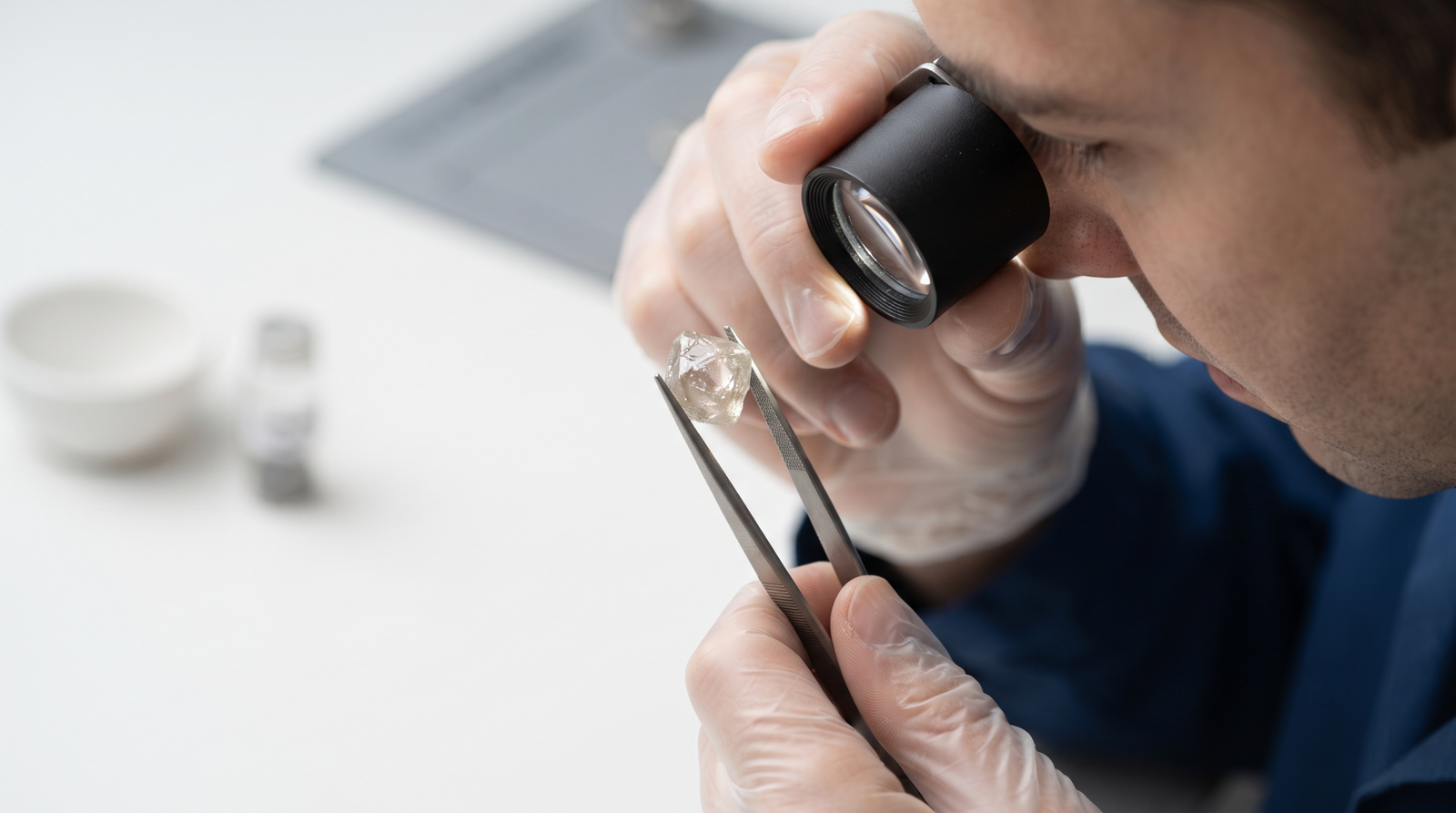
If your dog’s fur was also kept, it can typically be used instead of or alongside ashes, see how a dog memorial diamond is made from fur for how that changes the process.
How Long It Takes
Across the industry, a dog ashes diamond typically takes 6 to 10 months from the day the ashes are received to the finished stone, with larger or specialty color stones sometimes taking up to 12 months. That’s because size is primarily a function of growth time inside the press, not how much ash you send in, submitting a full urn’s worth of ashes doesn’t produce a faster or automatically bigger diamond. Carat size is a choice you make, and that choice is what sets the timeline.
How Much Ash You Actually Need
Requirements vary by provider, but as a general guide, a dog ashes diamond typically needs somewhere between a few tablespoons and roughly 4 oz (about 100g) of cremated remains, usually only a small fraction of what comes back from cremation. That means most of your dog’s ashes can still be kept, scattered, or interred exactly as you’d already planned, you don’t have to choose between a diamond and everything else you wanted to do with their ashes. Because only a portion is used, more than one family member can often receive their own separate stone from the same shared ashes, worth raising early if more than one person in the family would want their own.
Ashes, Fur, or Both Which Should You Choose?
If you kept both your dog’s ashes and a lock of their fur, it’s worth knowing the two aren’t interchangeable in how they behave in the process, even though either one works. Fur is roughly 50% carbon by weight, built from keratin, a carbon rich protein, a dramatically higher proportion than ash’s 0.5% to 4%. That means a fur based diamond generally needs far less starting material, and fur can be used even if your dog wasn’t cremated at all, which matters if cremation wasn’t the route you chose or wasn’t possible.
Ashes remain the more common starting material simply because most dog owners do choose cremation, and because ashes are what’s left when fur wasn’t specifically saved beforehand. Neither material produces a “more real” diamond than the other, the honesty principle above, a genuine, verifiable, partial contribution of your dog’s own carbon, applies equally to both. If you have both, some providers can blend them into a single stone, ask directly whether that’s something a given provider offers, since it isn’t universal across the industry. See dog fur and ashes diamond: the complete guide if that combined option is what you’re actually weighing.
What Color Will the Diamond Be?
Diamond color comes from trace elements present during crystal growth, boron produces blue tones, nitrogen produces yellow tones, and the complete absence of both is needed for a colorless stone. Because the carbon in a dog ashes diamond comes from an organic, imperfect, personal source rather than a controlled synthetic feedstock, trace elements are common.
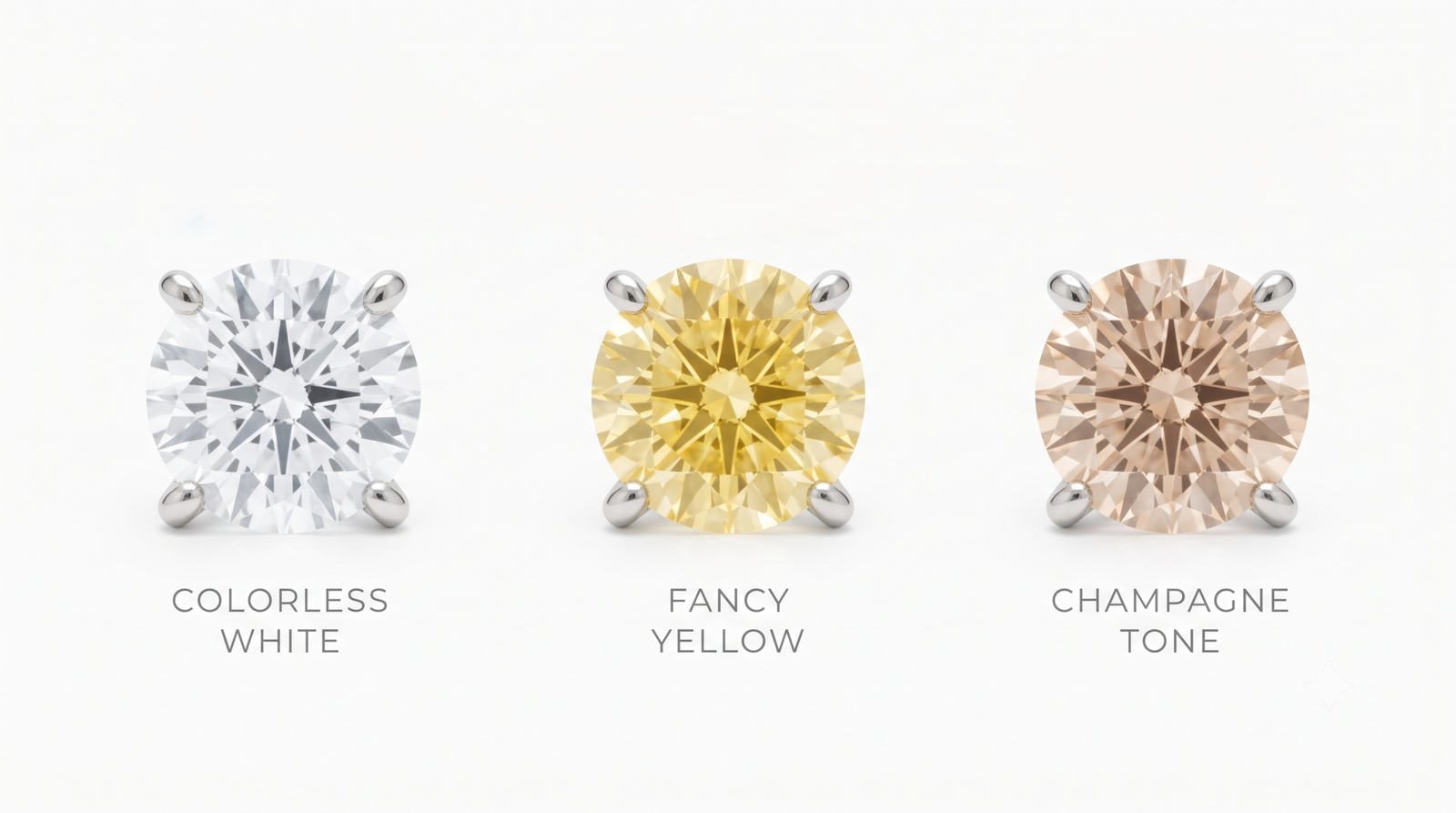
That’s exactly why memorial diamonds naturally trend toward yellow, blue, and champagne or brown tones rather than colorless, and why your dog’s diamond, grown from material unique to them, is likely to come out with a color that’s genuinely its own. Colorless stones are achievable but require additional processing and typically cost more, some providers also offer post growth irradiation for red, pink, green, or black stones. See what color will a diamond made from your dog’s ashes be for a deeper look at what to expect.
What a Dog Ashes Diamond Costs
Pricing across the industry generally scales by carat size and color, since larger stones require significantly longer growth time:
- Entry tier (~0.10 to 0.25 ct): roughly $1,500 to $3,500
- Mid tier (0.5 to 1 ct): roughly $5,000 to $15,000, with colorless stones costing meaningfully more than blue, yellow, or champagne tones at the same size
- Large/rare (2 to 5+ ct): roughly $20,000 to $75,000+
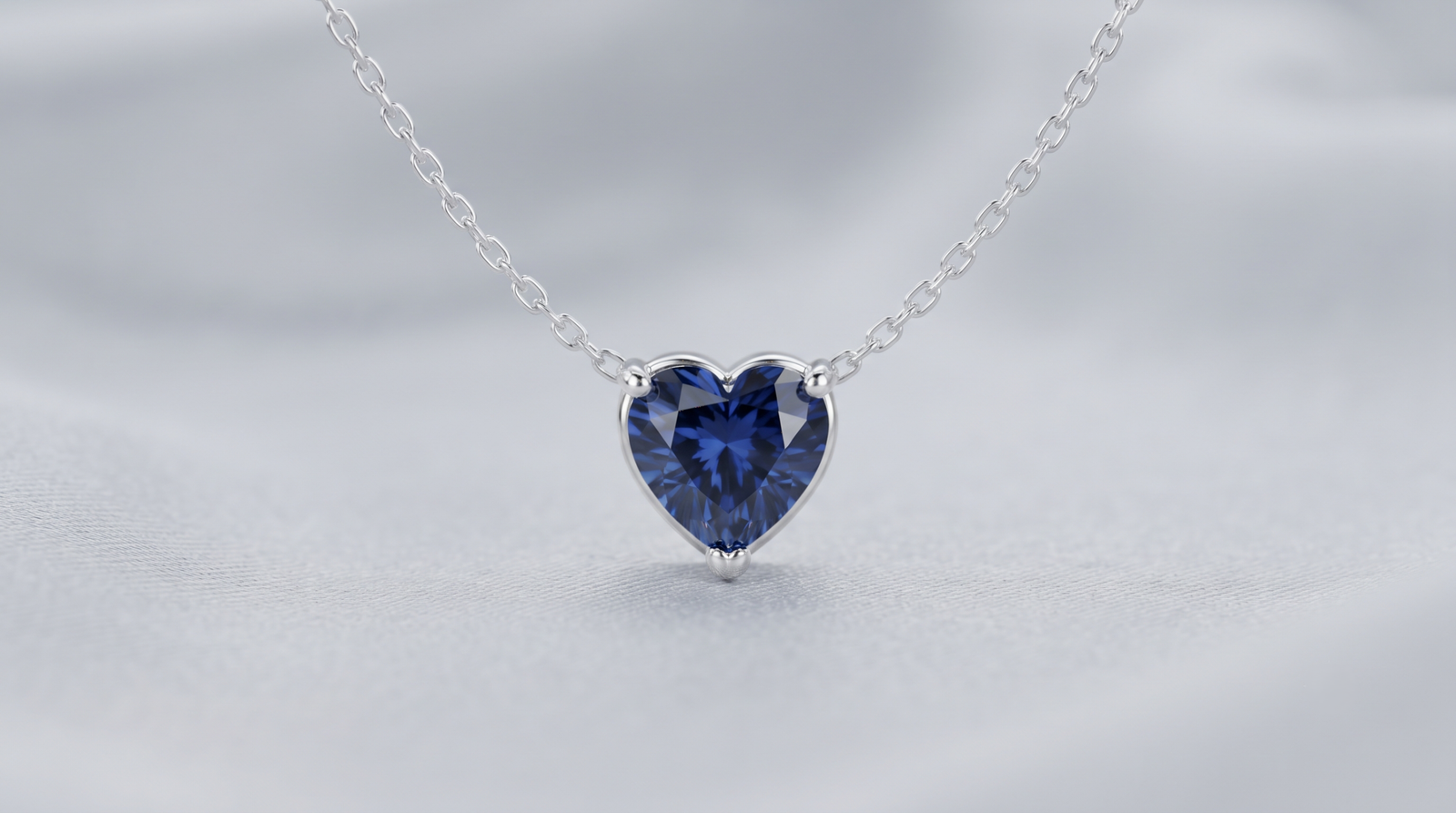
Common add ons, an independent grading report, engraving, fancy cuts, and jewelry settings like a pendant or ring, are typically priced separately from the loose stone itself. Final price always depends on carat, color, cut, and whether independent grading is included, so treat any number here as a starting point for the conversation rather than a quote.
Questions Worth Asking Before You Choose a Provider
Before you send your dog’s ashes anywhere, it’s worth getting clear, specific answers to a short list of practical questions, not because the answers should worry you, but because a provider that answers plainly is telling you something useful about how they operate:
- How is chain of custody tracked once you receive our dog’s ashes?
- Is the finished stone graded by an independent, third party lab, or only certified in house?
- What happens to any ash that isn’t used?
- What’s the realistic timeline for our specific carat size?
- Can more than one diamond be grown from the same ashes, if more than one family member wants one?
Frequently Asked Questions
Is a dog ashes diamond really made from my dog’s ashes, or is that just marketing?
It’s real, but not in a “100% pure” sense, no reputable provider’s diamond is. A genuine, verifiable portion of the carbon extracted from your dog’s ashes (typically making up roughly 10 to 15% of the final stone) is grown into the crystal itself, blended with supplemental lab sourced carbon to reach a usable size.
How much of my dog’s ashes will I have left afterward?
Most providers only need a few tablespoons up to about 4 oz, so the large majority of your dog’s ashes typically remain for you to keep, scatter, or inter as you’d already planned.
Can I get more than one diamond made from my dog’s ashes?
Often, yes. Because only a portion of the ashes is used per stone, multiple family members can frequently each receive their own diamond from the same shared ashes, worth asking a provider about directly if this matters to you.
Will the diamond definitely be colorless?
Not necessarily, and that’s not a flaw. Trace elements naturally present in organic material like ash commonly produce yellow, blue, or champagne tones. A colorless stone is possible but requires extra processing and usually costs more.
How long will it actually take to get the diamond back?
Typically 6 to 10 months, occasionally up to 12 months for larger or specialty color stones. Growth time in the press, not how much ash you send, is what sets the timeline.
Is this the same as cremation jewelry, like an urn pendant with ashes inside it?
No, cremation jewelry holds a small amount of unaltered ash inside a sealed compartment. A dog ashes diamond is a real diamond grown from carbon extracted out of the ash itself, not the ash sitting inside a piece of jewelry.
What should I ask before choosing a provider?
At minimum: how chain of custody is tracked, whether grading is done independently or only in house, what happens to unused ash, and the realistic timeline for your chosen carat size, see the section above for the full list.
Final Thoughts on Dog Ashes Diamonds
A dog ashes diamond isn’t a replacement for your dog, and it isn’t trying to be. It’s a way of keeping something real and physical from a relationship that mattered, grown honestly, from an actual part of them, into something you can hold or wear for as long as you want to. Whatever you decide to do with the rest of their ashes, this doesn’t have to compete with that, it can simply sit alongside it.
Learn More About Dog Memorial Diamonds
- Dog Fur Diamond: The Complete Guide
- How Much Ash Do You Need for a Dog Memorial Diamond?
- How Much Does a Dog Memorial Diamond Cost?
- Dog Memorial Diamond FAQ: Everything Pet Owners Ask
- Memorial Diamonds for Pets vs. Humans: What’s the Same, What’s Different
Talk With Memorial Diamond
If you’re weighing a dog ashes diamond for your own dog, reach out to Memorial Diamond to talk through what’s possible with the ashes you have, there’s no obligation, and it’s a genuinely useful conversation to have even if you’re still deciding.