
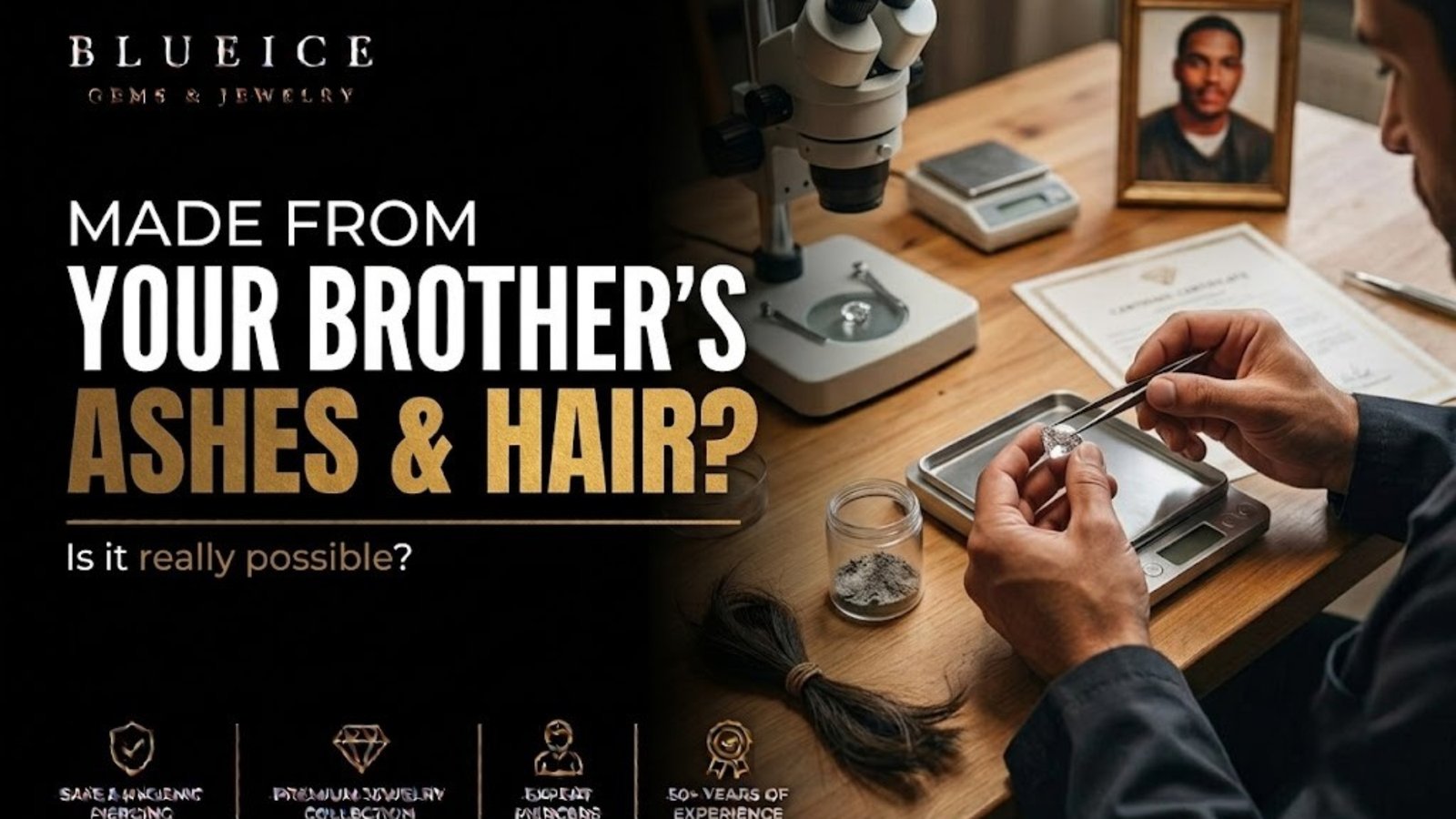
Some siblings find themselves holding two keepsakes at once, a share of their brother’s ashes and a lock of his hair, and joining both in one diamond can feel right while sounding almost too neat to be true. It can be true. A diamond really made from brother ashes and hair is a genuine lab-grown diamond grown partly from carbon extracted from both materials, typically blended with supplemental lab carbon. No industry figure has been published for how much of a combined stone is his.
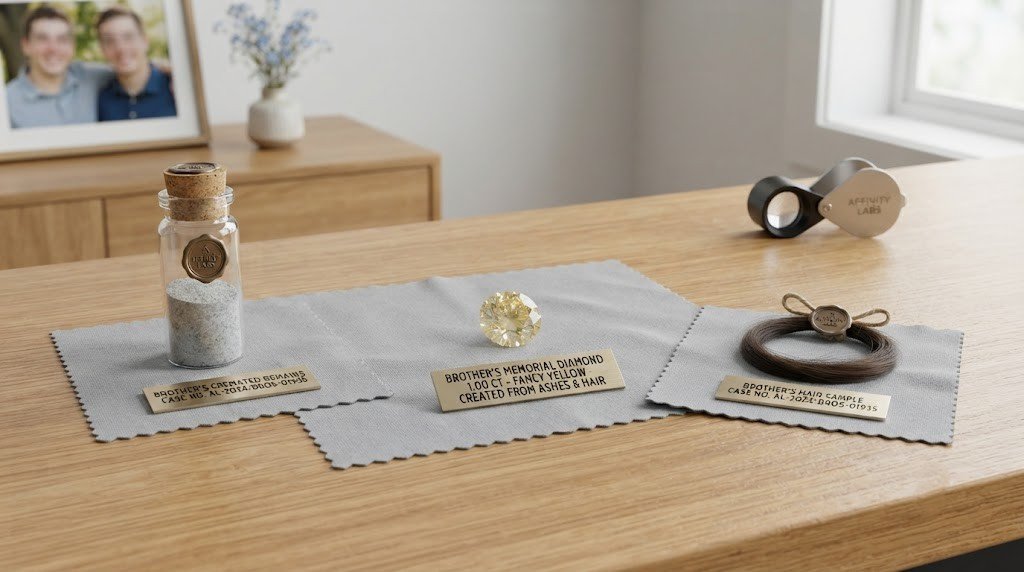
Table of Contents
What Does It Mean for a Diamond to Be Really Made From Brother Ashes and Hair?
Strip away the marketing and the claim that a stone is really made from brother ashes and hair comes down to chemistry. Both cremated remains and hair contain carbon. A provider extracts that carbon from each material, purifies it, and uses it as part of the feedstock from which a diamond crystal grows. The finished gem is a lab-grown diamond in every physical sense, with the hardness, optics, and structure of any diamond.
So a gem really made from brother ashes and hair contains carbon atoms that came from two parts of him, joined inside a single crystal lattice. It is not a capsule with ashes and strands sealed behind glass, and it is not a symbolic stone placed next to his remains.
The honest qualifier is that his carbon typically shares the crystal with lab carbon. That does not dilute the meaning; it is how diamond growth works at wearable sizes. For a broader introduction before going deeper, our complete guide to a brother ashes and hair diamond covers the option as a whole.
What Are the Six Core Facts in Plain Terms?
If you only have a minute, these six points summarize what is true about a stone really made from brother ashes and hair, using general industry figures.
| # | Fact | What it means for you |
|---|---|---|
| 1 | A diamond really made from brother ashes and hair is a real lab-grown diamond | Same hardness and brilliance as a mined diamond |
| 2 | Ash is about 0.5%4% carbon; hair is roughly 50% | The two materials contribute very different carbon yields |
| 3 | Lab carbon is typically blended in | His carbon is a genuine part, not the entire crystal |
| 4 | Ash-derived carbon is typically around 1015% of an ash-only stone (some cite ~3%); no figure is published for hair or for blends | Ask your provider for its own written estimate |
| 5 | The stone cannot be tested to reveal whose carbon it holds | Proof of origin comes from chain-of-custody records |
| 6 | Carat depends on growth time, not material quantity | Adding hair to ashes does not by itself enlarge the stone |
Do Both Materials Actually Go Into the Same Stone?
This is the first question to put to any provider, because “ashes and hair” can describe more than one arrangement. In a true combined stone, carbon purified from his ashes and carbon purified from his hair are joined in the feedstock for a single crystal. Another arrangement is two separate stones, one from each material, which some families prefer for a pair of earrings or for two relatives.
Not every provider offers a combined stone, and those that do may handle the blending at different stages. Ask plainly: will carbon from both materials go into one growth run, and will the paperwork say so? A clear yes, explained step by step, is what you are looking for before ordering a diamond really made from brother ashes and hair.
It is also fair to ask why a provider recommends combining in your case. A good answer might be about meaning, such as wanting both parts of him represented, rather than a suggestion that one material alone is somehow insufficient for a real diamond.
How Much of a Diamond Really Made From Brother Ashes and Hair Is Him?
The most widely cited figure applies to ashes alone: in an ash-only stone, ash-derived carbon typically makes up around 1015% of the finished mass, and some providers cite roughly 3%. That figure does not transfer neatly to a combined stone, because hair brings a very different carbon yield.
Hair is roughly half carbon by weight, while ashes yield only about 0.5% to 4%. Even so, no industry figure has been published for the share of a finished hair stone, and none has been published for a blend of ashes and hair. Anyone presenting an industry-standard percentage for a diamond really made from brother ashes and hair is offering more precision than the public data supports.
What a provider can share is its own estimate for your order: how much of each material it will process, the approximate purified carbon it expects from each, and how that relates to the total feedstock at your chosen carat. Ask for that in writing. A careful, explained estimate earns more trust than a round number delivered with confidence.
Why Is Lab Carbon Still Added to a Stone Really Made From Brother Ashes and Hair?
Combining two materials can sound as if it should remove the need for lab carbon. In practice, the purified carbon from a portion of ashes plus a small lock of hair is still a modest amount next to what a growth cell needs to form a stable, gem-sized crystal. Supplemental lab carbon is typically blended in to reach that working volume.
Inside a diamond really made from brother ashes and hair, the lab carbon acts like a framework, allowing the carbon from both materials to become part of a crystal that can be cut, polished, and set. It is the ordinary method throughout the category, not a sign that something is being hidden.
Carat follows the same rule as any memorial diamond. Size is determined mainly by how long the crystal grows under pressure, not by how much ash or hair is supplied. Pairing hair with ashes adds a carbon-rich personal source, but it does not make a stone really made from brother ashes and hair grow bigger or faster on its own.
How Do Two Sources Become One Crystal?
A stone really made from brother ashes and hair follows the standard memorial-diamond sequence, with one important difference: two materials have to be tracked rather than one.
- Two intakes. His ashes and his hair each arrive, are weighed, and are logged, ideally under linked identifiers on the same order.
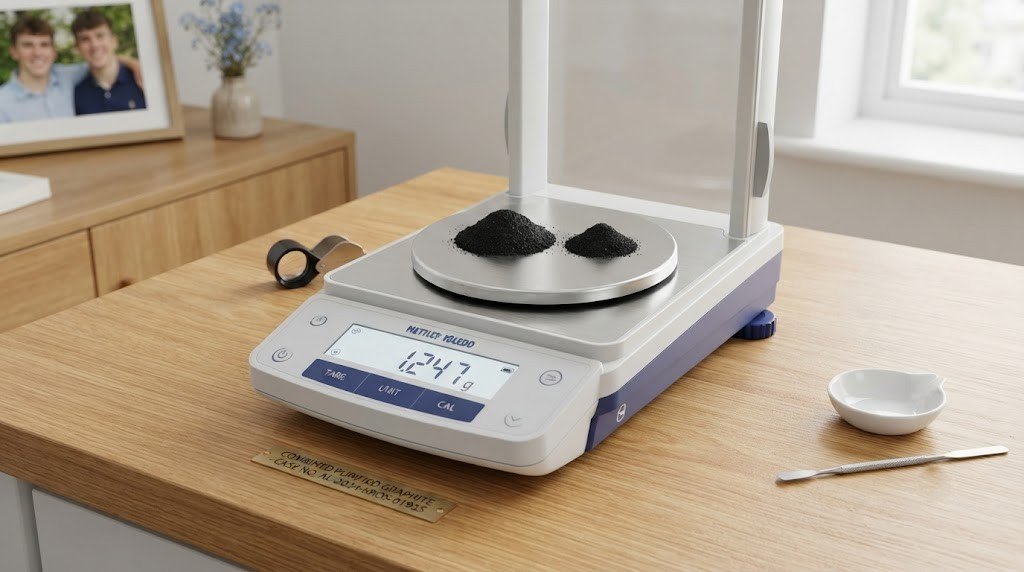
- Purification of each. Oxygen-free, multi-stage heating removes the bone minerals from the ashes and the non-carbon parts of keratin from the hair, bringing each to roughly 99.9%+ carbon.
- Graphitization. The purified carbon is heated to approximately 2,5002,700°C and converted to graphite.
- Blending and growth. Graphite from both sources, typically with lab carbon, goes into an HPHT cell around a small diamond seed. The press squeezes it at something like 68 GPa while holding it hot, in a band of about 1,4002,500°C, and the crystal builds over weeks to months. A minority of providers grow by chemical vapor deposition, described in the Wikipedia entry on synthetic diamond.
- Cutting and polishing. A gemologist shapes the rough crystal.
- Optional irradiation. Some providers offer it to alter color.
- Grading and paperwork. The stone is assessed, ideally by an independent lab, and documented.
The stages are told in narrative form in how a memorial diamond is made from brother ashes and hair, and the planning side is covered in how to turn your brother’s ashes and hair into a diamond.
How Can You Confirm a Stone Is Really Made From Brother Ashes and Hair?
No laboratory can examine a finished diamond and identify whose carbon formed it, because purification leaves carbon with no personal signature. That is equally true for ashes, hair, or both. Confirmation that a gem is really made from brother ashes and hair comes from documentation, and with two materials, the documentation needs to cover both.
Look for two kinds of paper:
- An origin certificate from the provider, which should name both materials and tie them to your order. It is a chain-of-custody record, and it is only as reliable as the tracking behind it.
- An independent grading report from a third-party lab, describing cut, color, clarity, and carat by standards like those in GIA’s guide to diamond quality factors. It confirms the stone’s quality, not where its carbon came from.
Questions to ask before sending either material:
- Will his ashes and hair each have their own intake record, and how are the two linked?
- Does the carbon from both go into one growth run, and will the certificate state that?
- Are other families’ materials ever in the same batch, and how is separation confirmed?
- What share of the finished stone do you estimate will come from his carbon?
- What happens to unused ashes or hair, and how are they returned?
- Is an independent grading report included or extra?
Our list of questions to ask before turning your brother’s ashes and hair into a diamond expands on these. Patient, documented answers are what make a diamond really made from brother ashes and hair verifiable rather than simply asserted.
Which Claims About Combined Stones Deserve a Second Look?
A combined stone invites a few specific overstatements. Each of these deserves a follow-up question rather than automatic trust.
- “100% him, ashes and hair together.” Lab carbon is typically part of the blend, even when two personal sources are used.
- “Adding hair doubles the amount of him in the stone.” No published figure supports a specific multiplier; ask for the provider’s own estimate and its reasoning.
- “Combining gives you a bigger diamond.” Carat depends on growth time.
- “Hair will lighten the color.” The exact shade cannot be predicted from either source.
- A single certificate that mentions only one material. If both went in, both should be recorded.
- Urgency. Decisions about his remains merit as much time as you need.
A provider offering a stone really made from brother ashes and hair should be comfortable correcting any of these myths, even when correcting them makes its pitch less dramatic.
Who Must Agree Before His Ashes and Hair Are Combined?
Before ordering a diamond really made from brother ashes and hair, expect two permission questions rather than one. Control of his ashes generally rests with the person who has authority over his remains, and siblings are often further down that list. That person is commonly a spouse or registered partner, an adult child, or a parent, though the order differs from state to state. Anything he put in writing beforehand, such as naming someone to make these decisions or setting out funeral arrangements, can alter who decides.
Hair trimmed by the funeral home is generally released through that same person. Hair already in your keeping, or found with his possessions, may count toward his estate under rules that vary by state, so check with whoever is settling his affairs before including it.
If the authority holder is someone else, a respectful request for a small portion of ashes, along with a lock of hair, is usually the kindest route, and if ashes cannot be shared, a stone from his hair alone is still a complete option. Our guide to how much ash and hair a brother memorial diamond needs helps you explain exactly what you are asking for. And if more than one relative would like a stone, see sharing a brother memorial diamond.
What Do Cost and Timing Look Like?
Price ranges for a diamond really made from brother ashes and hair follow the same size-driven pattern as other memorial diamonds. These general 2026 industry figures are not memorialdiamond.us’s published pricing:
- Around 0.100.25 ct: roughly 1,5003,500
- 0.51 ct: roughly 5,00015,000, with colorless toward the higher end
- 25+ ct: roughly 20,00075,000+
Grading, engraving, fancy cuts, and settings are typically added on top of the loose stone. Whether processing a second material changes the price is provider-dependent, so ask for an itemized quote. The industry typically quotes 6 to 10 months from receipt of materials, and a specialty color or a stone beyond roughly 2 carats can stretch that toward 12 months. If a quote lands well below these ranges for a stone really made from brother ashes and hair, ask directly what is being made. Our post on brother memorial diamond cost has more detail.
What Will a Diamond Really Made From Brother Ashes and Hair Look Like?
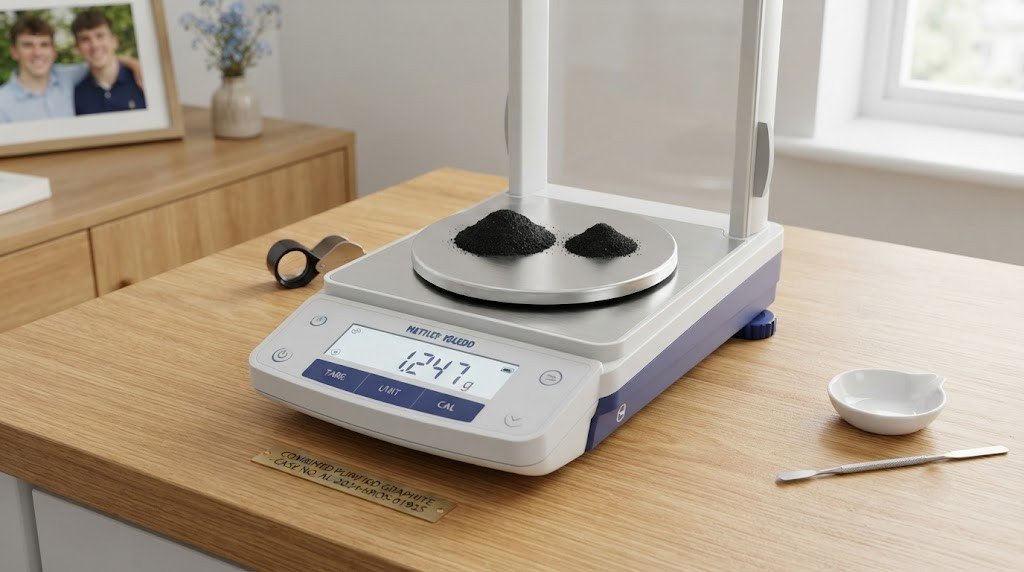
It will look like a diamond, because it is one. It ranks 10 on the Mohs hardness scale, though a hard knock can still chip it, and memorial diamond clarity typically sits between SI2 and VVS.
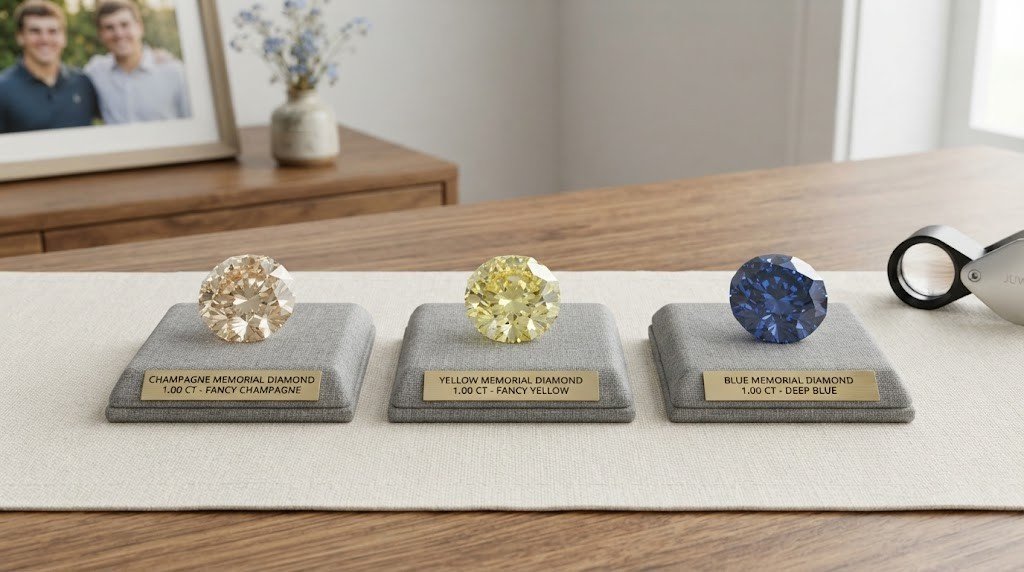
Color is set by trace elements during growth: nitrogen leads toward yellow, boron toward blue, and colorless requires excluding both, which means extra processing and usually a higher price. Memorial stones lean toward yellow, blue, and champagne; red, pink, green, or black usually involve optional irradiation after growth, where a provider offers it.
Combining hair with ashes does not make the shade of a diamond really made from brother ashes and hair more predictable, and nobody can name the exact color in advance. Our guide to brother ashes and hair diamond color walks through the options.
Is a Stone Really Made From Brother Ashes and Hair Worth Choosing Over One Material?
Combining is a question of meaning more than of authenticity. An ash-only stone and a hair-only stone are each real diamonds holding his carbon. Choosing both can feel right if each material carries its own significance for you, or if the share of ashes available is very small and hair adds personal carbon.
It is equally reasonable to choose one material, or none. An urn, a burial, or a scattering honors him fully, and a diamond can sit alongside any of them. If faith is part of your family’s thinking, no tradition has an official position on memorial diamonds specifically, so it is worth asking your own faith leader.
Whatever you decide, a diamond really made from brother ashes and hair is as genuine as the records behind it, which is why the paperwork deserves as much attention as the stone.
Frequently Asked Questions
Is a diamond really made from brother ashes and hair a real diamond?
Yes. It is a lab-grown diamond with the same structure, hardness, and brilliance as a mined one. Carbon purified from his ashes and his hair is grown into the crystal, typically together with supplemental lab carbon so the stone reaches a wearable size.
What share of a stone really made from brother ashes and hair comes from him?
No industry figure is published for blends of ashes and hair. For ash-only stones, roughly 1015% of the finished mass is commonly cited. Ask your provider for a written estimate based on the amounts it will process and your chosen carat.
Does adding hair make the diamond bigger?
No. Carat size is governed mainly by the length of the growth run, not by the volume of material supplied. Hair adds carbon-rich personal material to the feedstock, but the size of the finished stone is a choice you make at the start.
How can I confirm a diamond is really made from brother ashes and hair?
Ask for separate intake records for his ashes and hair, linked to one order, and an origin certificate naming both. An independent grading report confirms quality, not origin, so the chain-of-custody records are the real evidence that both went in.
Who needs to approve using his ashes and hair?
Often the person holding authority over his remains, commonly a spouse or partner, adult child, or parent ahead of a sibling, though each state sets its order and his written wishes can change it. Hair kept at home may belong to his estate, depending on the state.
Can I get two separate stones instead of one combined stone?
Often, yes. Because only a portion of the ashes and a small lock of hair are typically used, providers may be able to grow separate stones from each material or several stones for relatives. Ask what your chosen provider offers and what each option costs.
Final Thoughts on Whether a Combined Diamond Is Truly His
Wanting proof is not doubting him; it is protecting him. A diamond really made from brother ashes and hair holds real carbon from two parts of your brother, shared with lab carbon that lets it grow into something you can wear. Ask how both materials will be tracked, insist on paperwork that names each one, and give yourself the time this choice deserves. The right provider will make that easy.
Learn More About Verifying a Combined Stone
- Every stage of a two-material brother diamond, in order from intake to the finished stone
- Is a memorial diamond really made from your brother’s ashes? the honesty check for ashes alone
- Is a memorial diamond really made from your brother’s hair? the honesty check for hair alone
- The brother memorial diamond timeline what the waiting period typically involves
Talk With Memorial Diamond
If you are considering a stone really made from brother ashes and hair, Memorial Diamond can talk through what is possible with the materials you have. Visit memorialdiamond.us to start that conversation whenever you feel ready, and bring every question you have.
Word count: 3,046 words · Reading time: about 15 minutes
Leave A Comment