
Carbon Extraction: The Foundation of Every Memorial Diamond
The creation of a memorial diamond begins with one of the most critical scientific steps in the entire laboratory process: carbon extraction. Because carbon is the fundamental building block of all diamonds, isolating it purely and accurately from a loved one’s remains ensures that the resulting gemstone is a genuine, authentic legacy.
While standard cremation causes the vast majority of natural carbon to escape as carbon dioxide, the remaining ashes retain roughly one to five percent carbon. Advanced laboratory procedures are required to retrieve and purify this essential element.
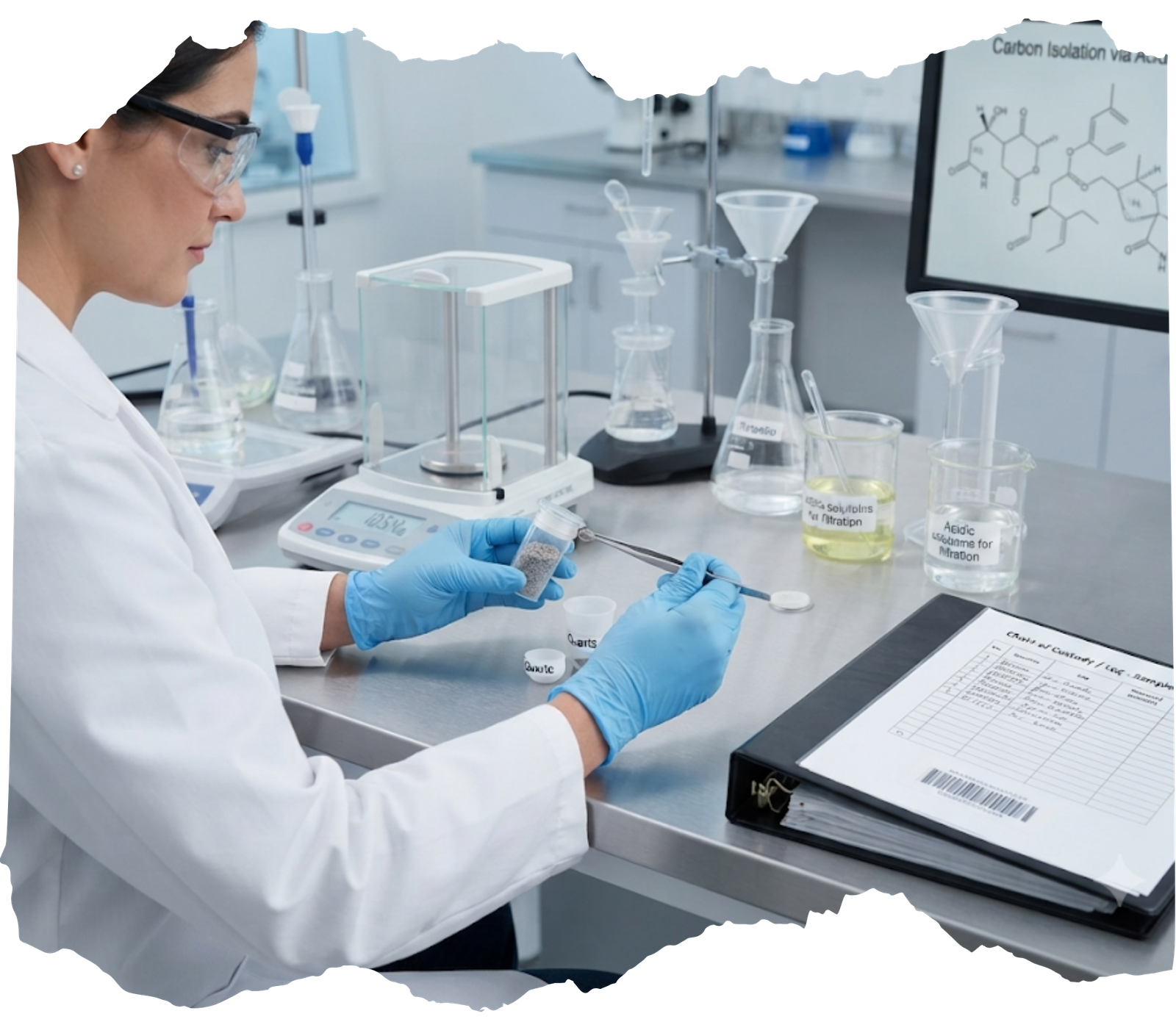
Step 1 – Secure Sample Logging & Auditing
Upon arrival at the laboratory facility, the entrusted cremation remains or sample are assigned a unique tracking reference number. This individual code is permanently tied to the sample to audit and oversee every single stage of transformation.
Step 2 – Initial Element Assessment
Specialists evaluate the provided material typically requiring at least one pound of cremated remains or ten grams of hair to determine the baseline composition and ensure enough viable material is present for successful diamond synthesis.
Step 3 – Acid-Wash Chemical Filtration
To isolate pure carbon from the wide array of trace chemical elements present in cremation ashes, the material undergoes a specialized, continuous acidic filtration process.
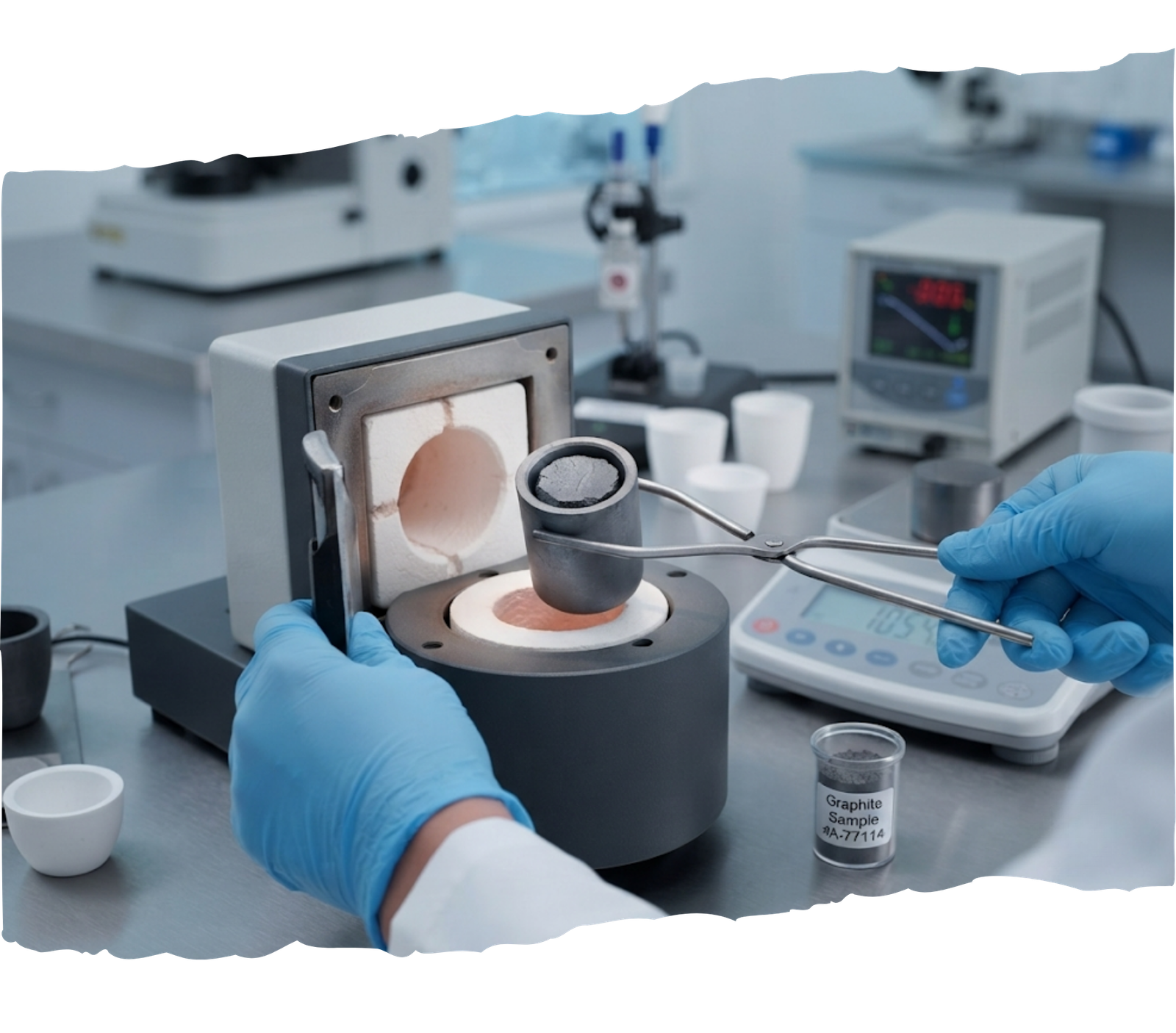
Step 4 – High-Temperature Thermal Refinement
The filtered compound is subjected to high-temperature treatments alongside repeated chemical washes. This cycle is repeated until laboratory tests confirm a hyper-pure 99.9% carbon sample has been successfully isolated.
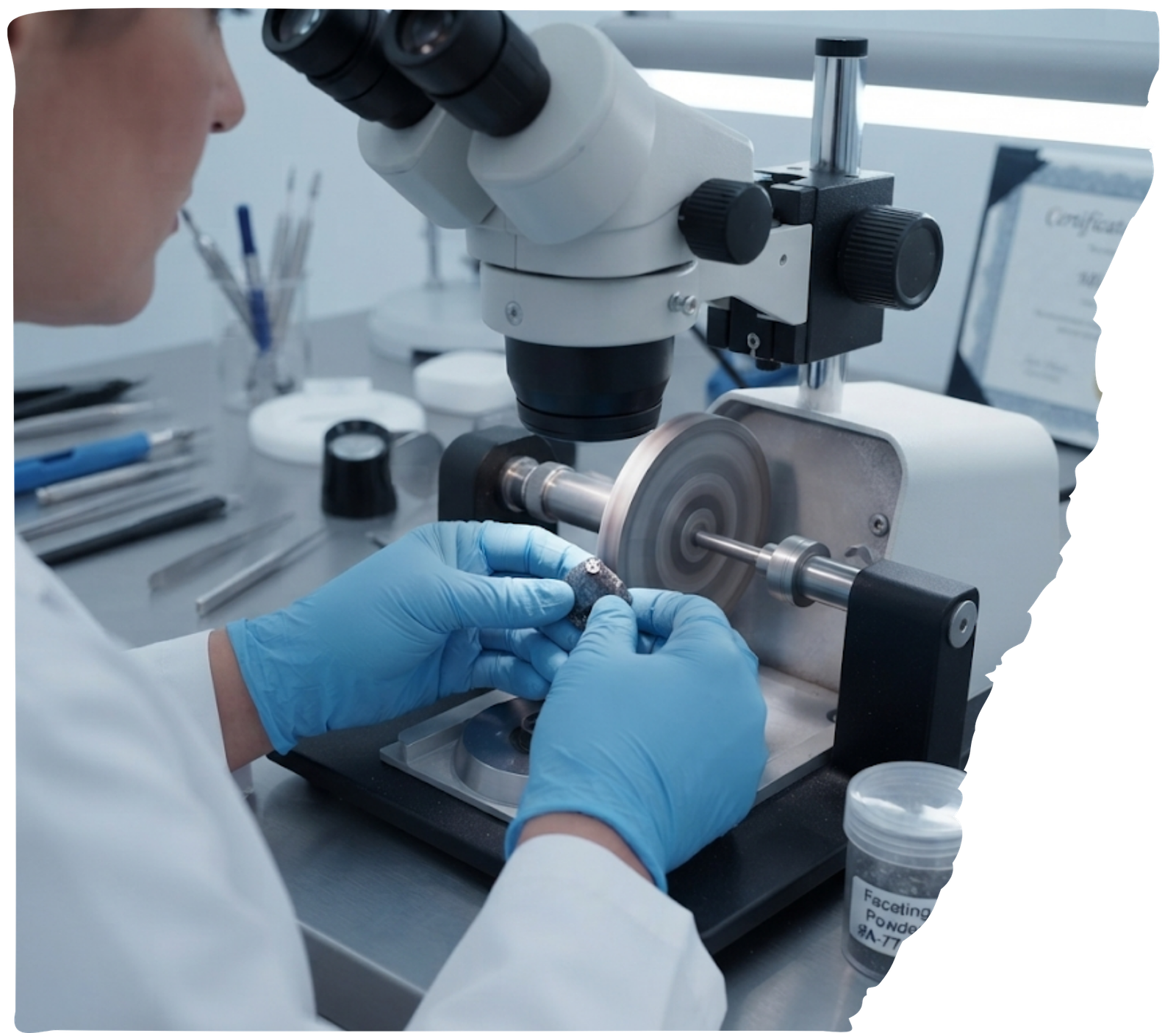
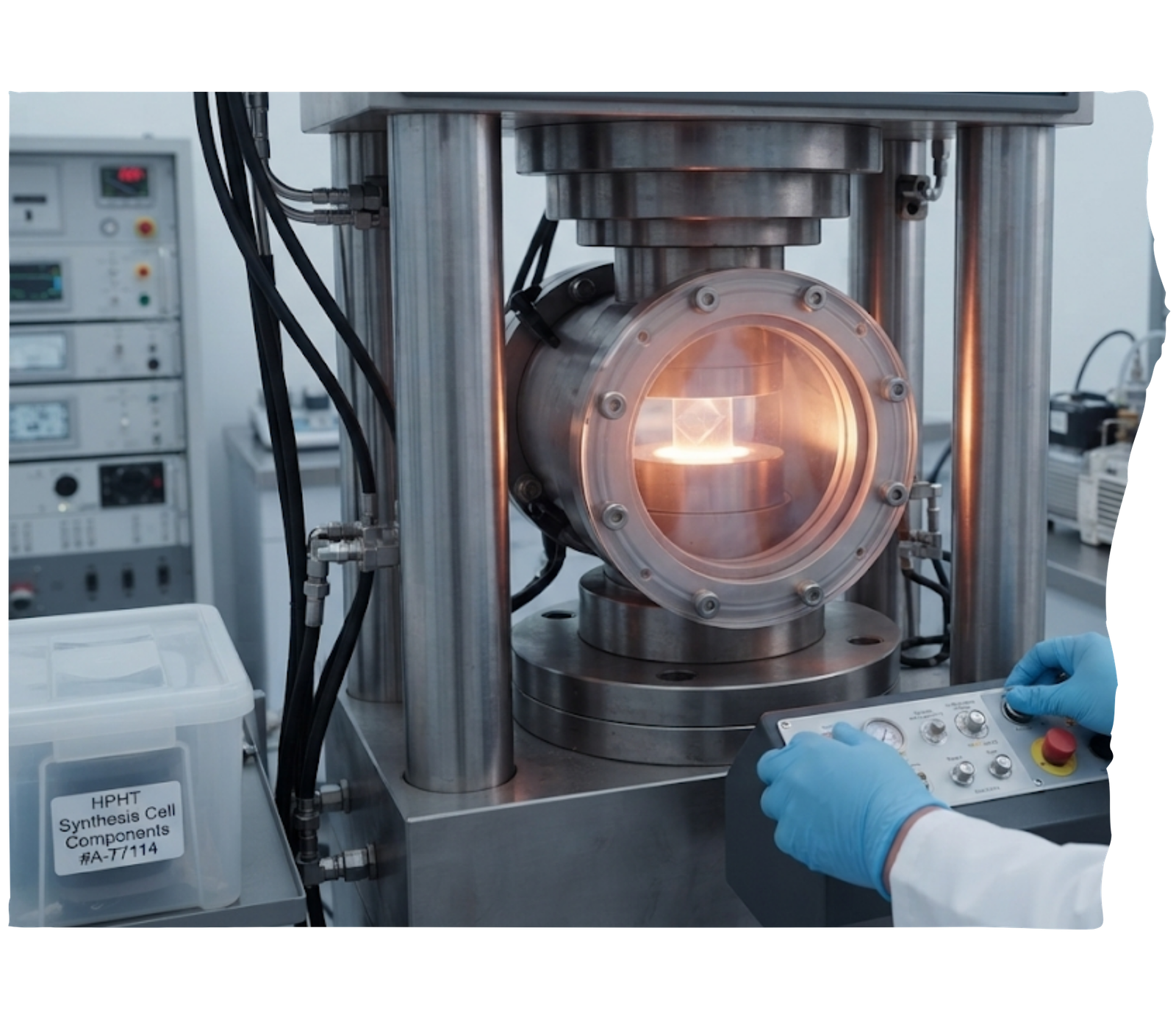
Step 5 – Transition to Graphitization
Once the pure carbon sample is secured, it undergoes intermediate processing to form a stable graphite structure. This vital transition prepares the carbon matrix to withstand the extreme pressures of the subsequent high-pressure high-temperature (HPHT) diamond-growing phase.
Frequently Asked Questions (FAQs) on Carbon Extraction
Why is carbon extraction necessary for a memorial diamond?
Carbon is the structural base of any diamond. Because cremation ashes contain only a small percentage of residual carbon mixed with other elements, extraction is necessary to purify the carbon before laboratory growth can begin.
How much material is needed to perform carbon extraction?
Typically, laboratories require a minimum of one pound of cremated remains, ten grams of hair, or a combined multi-source sample to reliably extract enough pure carbon.
How do you guarantee the carbon belongs to my loved one?
Absolute security is maintained through a strict chain of custody. A unique reference code is assigned immediately upon receipt, auditing the sample through every step of carbon isolation and diamond synthesis.
What happens after the carbon is successfully extracted?
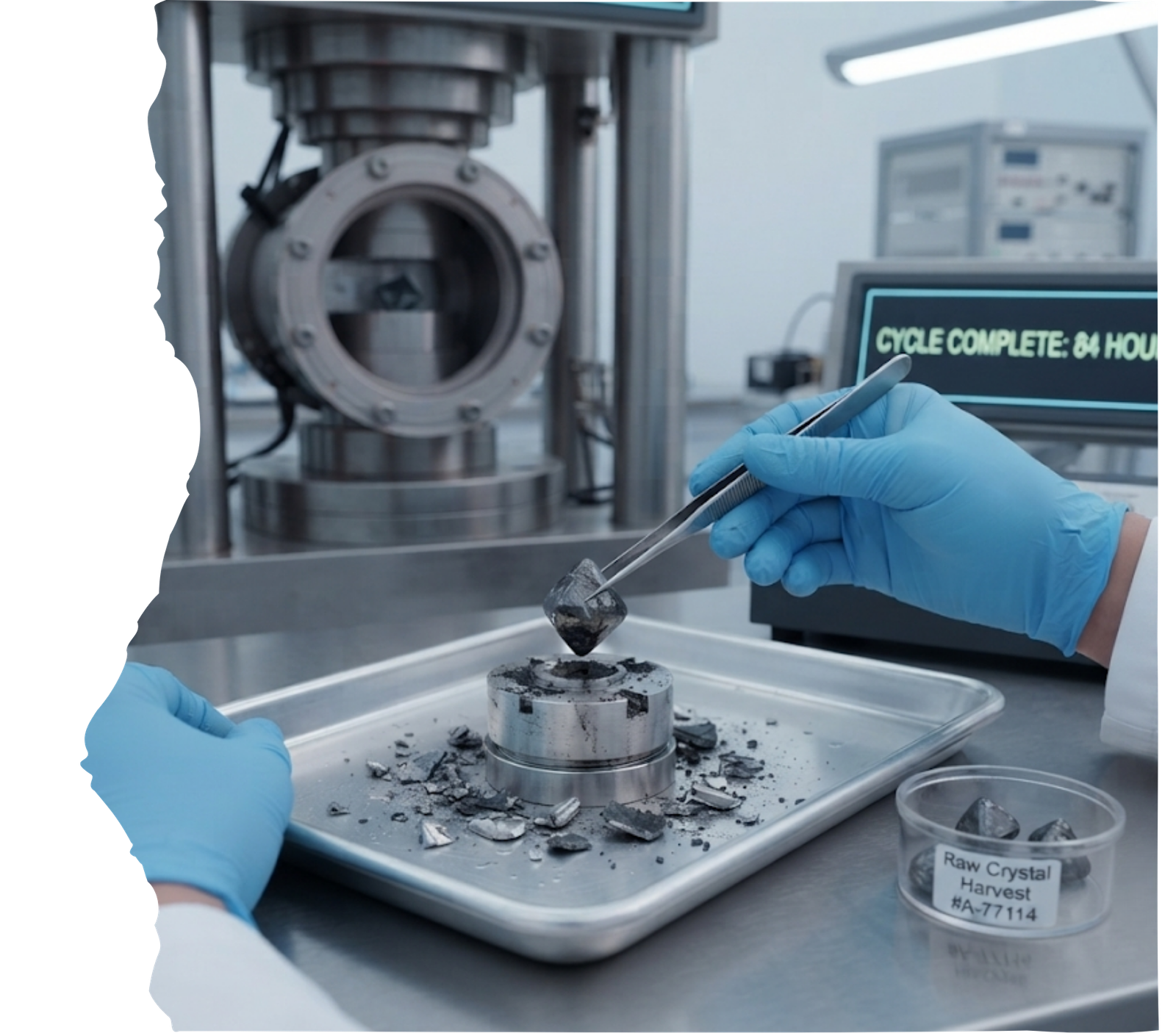
Once purified into a 99.9% carbon and graphite structure, the material is placed inside an HPHT press machine to simulate natural earth formation conditions and grow the rough memorial diamond.
Who handles the final jewelry creation after the diamond is grown?
While our platform focuses purely on education and the science of carbon extraction, trusted master jewelers and custom setting specialists like BlueIce Gems provide professional services to transform finished stones into heirloom pieces.
Please send the following information:
Carbon Extraction: The Foundation of Every Memorial Diamond
The creation of a memorial diamond begins with one of the most critical scientific steps in the entire laboratory process: carbon extraction. Because carbon is the fundamental building block of all diamonds, isolating it purely and accurately from a loved one’s remains ensures that the resulting gemstone is a genuine, authentic legacy.
While standard cremation causes the vast majority of natural carbon to escape as carbon dioxide, the remaining ashes retain roughly one to five percent carbon. Advanced laboratory procedures are required to retrieve and purify this essential element.
Step 1 – Secure Sample Logging & Auditing
Upon arrival at the laboratory facility, the entrusted cremation remains or sample are assigned a unique tracking reference number. This individual code is permanently tied to the sample to audit and oversee every single stage of transformation.
Step 2 – Initial Element Assessment
Specialists evaluate the provided material typically requiring at least one pound of cremated remains or ten grams of hair to determine the baseline composition and ensure enough viable material is present for successful diamond synthesis.
Step 3 – Acid-Wash Chemical Filtration
To isolate pure carbon from the wide array of trace chemical elements present in cremation ashes, the material undergoes a specialized, continuous acidic filtration process.
Step 4 – High-Temperature Thermal Refinement
The filtered compound is subjected to high-temperature treatments alongside repeated chemical washes. This cycle is repeated until laboratory tests confirm a hyper-pure 99.9% carbon sample has been successfully isolated.
Step 5 – Transition to Graphitization
Once the pure carbon sample is secured, it undergoes intermediate processing to form a stable graphite structure. This vital transition prepares the carbon matrix to withstand the extreme pressures of the subsequent high-pressure high-temperature (HPHT) diamond-growing phase.
Frequently Asked Questions (FAQs) on Carbon Extraction
Why is carbon extraction necessary for a memorial diamond?
Carbon is the structural base of any diamond. Because cremation ashes contain only a small percentage of residual carbon mixed with other elements, extraction is necessary to purify the carbon before laboratory growth can begin.
How much material is needed to perform carbon extraction?
Typically, laboratories require a minimum of one pound of cremated remains, ten grams of hair, or a combined multi-source sample to reliably extract enough pure carbon.
How do you guarantee the carbon belongs to my loved one?
Absolute security is maintained through a strict chain of custody. A unique reference code is assigned immediately upon receipt, auditing the sample through every step of carbon isolation and diamond synthesis.
What happens after the carbon is successfully extracted?
Once purified into a 99.9% carbon and graphite structure, the material is placed inside an HPHT press machine to simulate natural earth formation conditions and grow the rough memorial diamond.
Who handles the final jewelry creation after the diamond is grown?
While our platform focuses purely on education and the science of carbon extraction, trusted master jewelers and custom setting specialists like BlueIce Gems provide professional services to transform finished stones into heirloom pieces.